
Natural form
Whole napa cabbage head showing pale green oblong shape and crinkled leaves.
Shows the reader the full uncut head so they can identify it at market by shape, color, and leaf texture.
Produce
Chinese Cabbage
Crisp, mild oblong cabbage used in stir-fries, soups, dumplings and fermented into kimchi.
Chinese cabbage, or napa, is a pale, oblong cabbage with crinkled leaves, tender and mild with a sweet, juicy crunch. It is stir-fried, added to soups and dumplings, and is the base vegetable for Korean kimchi. It cooks quickly and absorbs flavors well while keeping some bite.
Chinese Cabbage, primarily represented by Napa cabbage (Brassica rapa subsp. pekinensis), is a cornerstone of East Asian cuisine cultivated for over 4,000 years in northern China. Unlike common green cabbage, Napa forms a dense cylindrical head of tightly packed, crinkled leaves with prominent white ribs that give it remarkable versatility. Its flavor is mild and faintly sweet, lacking the sulfurous bite of regular cabbage, which makes it equally at home in fermented preparations like kimchi and fresh preparations like slaws. The entire head is edible: outer leaves are sturdy enough for grilling or use as wrappers, inner leaves shred easily for salads, and even the core has purpose—it can be pickled or grated into kimchi filling.
The key to working with Chinese Cabbage lies in understanding its anatomy. The thick white ribs contain most of the water and need more cooking time than the tender leaves; add stems first in stir-fries, then leaves just before serving. In fermented applications like kimchi, the dense head structure allows it to be brined in place, creating a controlled environment for beneficial bacteria while maintaining crunch. For fresh preparations, lightly salt shredded cabbage and let it rest 10–15 minutes, then squeeze out excess liquid—this prevents a watered-down dressing and concentrates flavor. Chinese Cabbage's neutral sweetness makes it a vehicle for bold seasonings rather than a flavor itself, appearing across Korean, Japanese, and Chinese cuisines as a reliable canvas for aromatics, umami, and heat.
Seasonally, Chinese Cabbage peaks in fall through early winter, developing its best texture and sweetness after light frosts. Store it whole and unwashed in a plastic bag in the crisper drawer—it keeps 2–4 weeks this way. Wash only before use, as trapped moisture accelerates spoilage. When selecting, choose firm, compact heads that feel heavy for their size; loose outer leaves or a lightweight feel indicate the cabbage has begun to bolt or dry out. A good head should have taut, snapping leaves rather than limp ones. The yield is approximately 60–70% usable after trimming outer leaves and core, so plan accordingly when adapting recipes calling for regular green cabbage.
- Measured in
- piece
- Storage
- Fridge
Types & varieties
Most common type; cylindrical head with pale green crinkled leaves and thick white ribs. Also called celery cabbage or wombok in Australia.
Elongated, semi-heading variety; looser leaves, more tender texture than standard Napa.
Hybrid variety bred for uniform shape and bolt resistance; popular in commercial production.
Technically a separate subspecies (B. rapa subsp. chinensis); distinct white stems and dark green leaves rather than a heading habit. Often grouped with Chinese cabbages in markets.
Loose-leaf type with frilly yellow-green leaves; more delicate, lettuce-like texture.
Compact, barrel-shaped small variety; single-serving size, popular in Korean cooking.
Handling by Part of the Head
Chinese Cabbage has distinct zones that respond differently to heat and prep methods. Outer leaves are darker green, thicker, and tougher—ideal for grilling, braising, or using as edible wrappers for dumplings and rolls. Inner leaves are paler, more tender, and better suited for quick wilting in stir-fries or shredding raw into slaws. The white rib section runs the length of each leaf and contains the most water; halve the head lengthwise and cut out the core at the base where the ribs converge, as this denser tissue takes longest to cook and can taste bitter if left in large pieces for quick-cooking preparations.
- Outer leaves: grill whole, use as wrappers, or separate and stack for rolling
- Inner leaves: shred for slaw, stir-fry whole for wilted greens, or chiffonade for garnish
- White ribs: slice on the bias for stir-fries, cut into batons for soups, or shred finely for kimchi
- Core: pickle, finely grate into kimchi filling, or slice thin and add to kimchi for extra crunch
Understanding Napa vs. Bok Choy
Though often grouped together, these two Chinese cabbages behave very differently in the kitchen. Napa (B. rapa subsp. pekinensis) forms a tight head with leaves attached to a central core—the structure allows it to be salted and brined whole for kimchi, and the leaves hold together well when blanched for wrappers. Bok Choy (B. rapa subsp. chinensis) grows as individual stalks with distinct white stems and separate dark green leaves—no heading habit means it cannot be brined whole and cooks much faster, since stems and leaves are already separated. When a recipe calls for 'Chinese Cabbage' in a cooked application without specifying, Napa is almost always the correct choice for its structural integrity; Bok Choy is the correct choice when the recipe specifically describes white stems with green tops.
- Napa: head structure, uniform leaves, whole-leaf applications like kimchi and wrappers
- Bok Choy: individual stems, separate stems and leaves, quick-stir-fry applications only
- Do not substitute Bok Choy in kimchi or dumpling-wrapper applications—texture and structure are wrong
Common uses
Tips & pitfalls
- Separate outer leaves from inner head—outer leaves are sturdier and work better as wrappers; inner leaves shred and wilt more easily for salads and stir-fries.
- Salt lightly before making fresh slaw to draw out excess water and prevent watery dressing; let sit 10–15 minutes, then squeeze out liquid before dressing.
- For stir-fries, add thick white stems first (30–60 seconds) before leaves—they need more time to soften.
- Do not overcook—leaves collapse to mush and lose their signature sweetness within 2–3 minutes of boiling or high-heat stir-frying; blanching should be under 1 minute.
- For kimchi, massage salt into cut or whole leaves until pliable (20–30 minutes); the brining draws out liquid needed for fermentation without diluting the brine.
- Store whole and unwashed in a plastic bag in the crisper drawer; wash just before use to prevent premature spoilage from trapped moisture.
- Look for firm, compact heads with no yellowing or wilting; heavier heads relative to size indicate better water content and freshness.
- To test freshness: outer leaves should be taut and crisp, snapping rather than bending; any softness indicates age.
Nutrition
Energy
67 kJ · per 100 g
Where the calories come from
Protein
1.2g
2% DV
Carbs
3.2g
1% DV
Fat
0.2g
0% DV
Fiber
1.2g
4% DV
Sugars
1.4g
of which
Sodium
9mg
0% DV
Source · USDA FoodData Central · Cabbage, chinese (pe-tsai), raw
View on FDC →In the shops
Matched grocery products
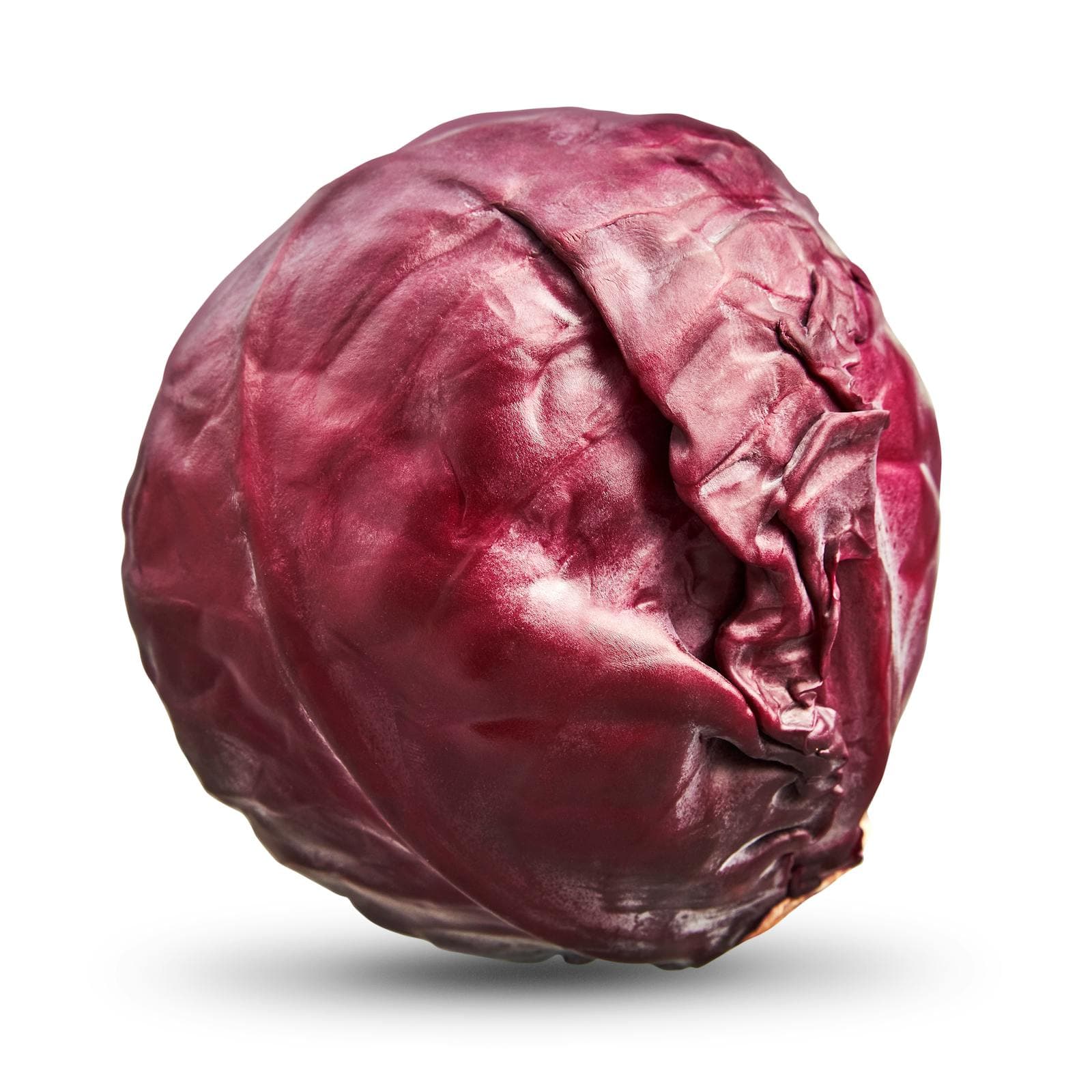 €1.72
€1.72Red Cabbage
860 g · Mercadona
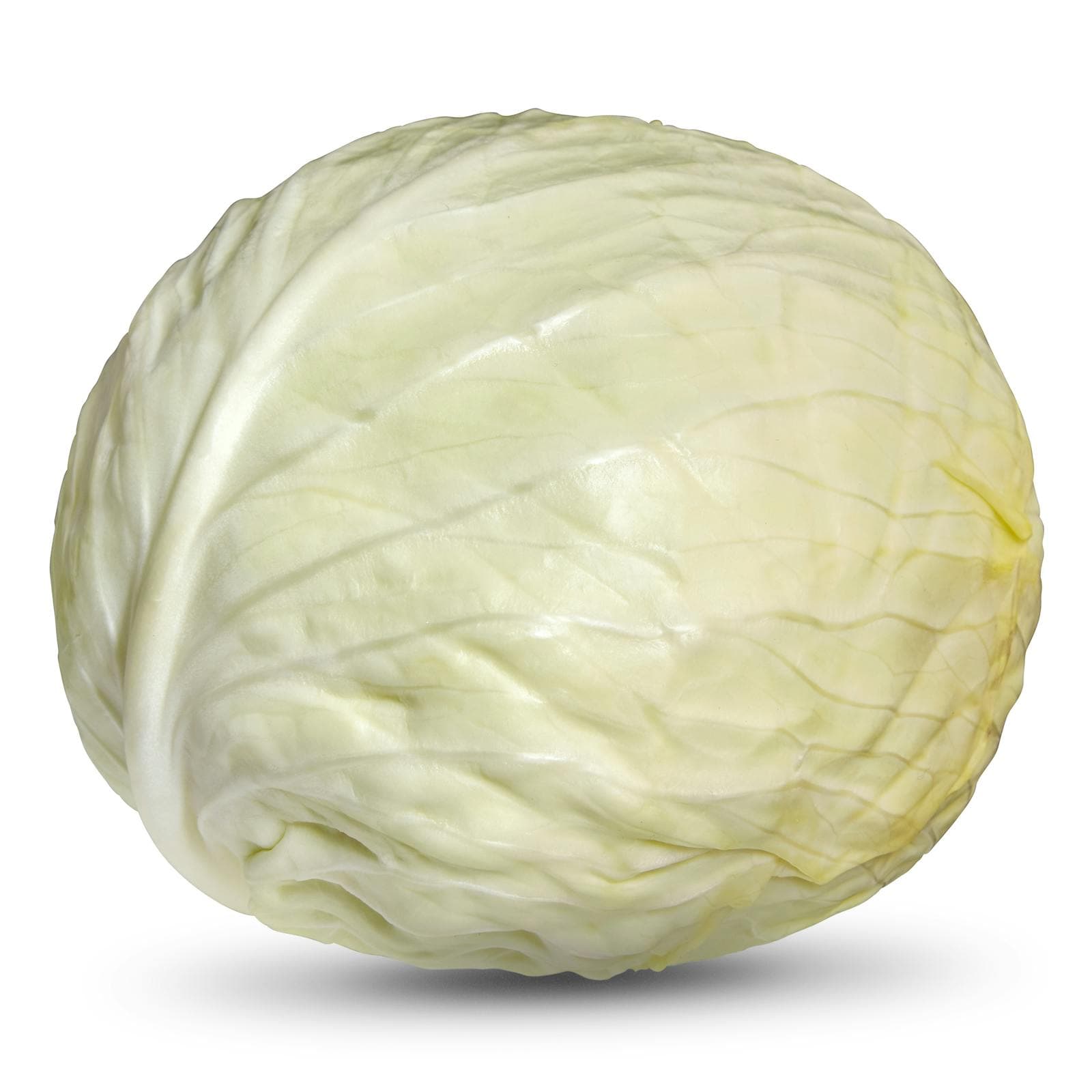 €1.60
€1.60Smooth Cabbage
890 g · Mercadona
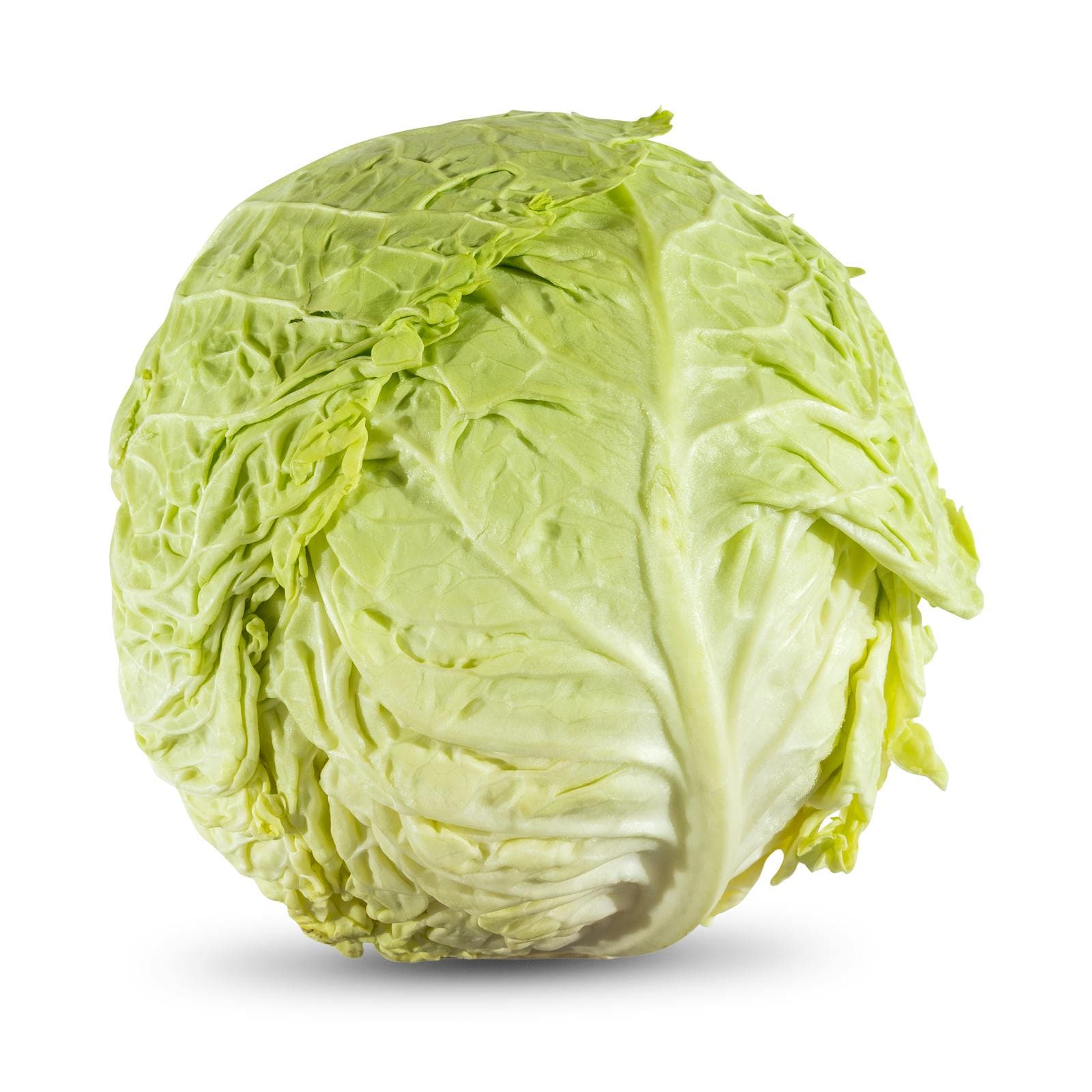 €1.70
€1.70Curly Cabbage
920 g · Mercadona
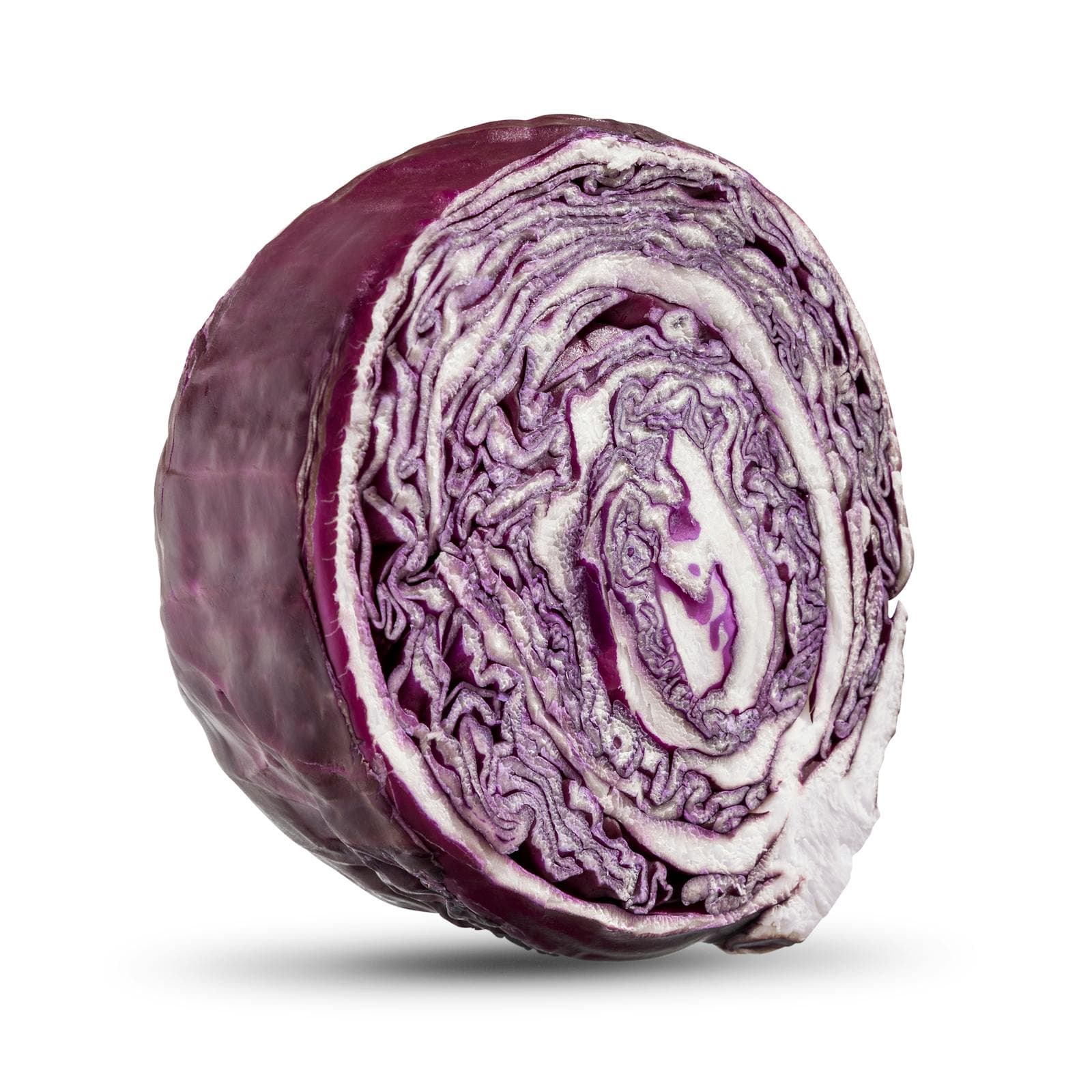 €0.95
€0.95Half Red Cabbage
450 g · Mercadona
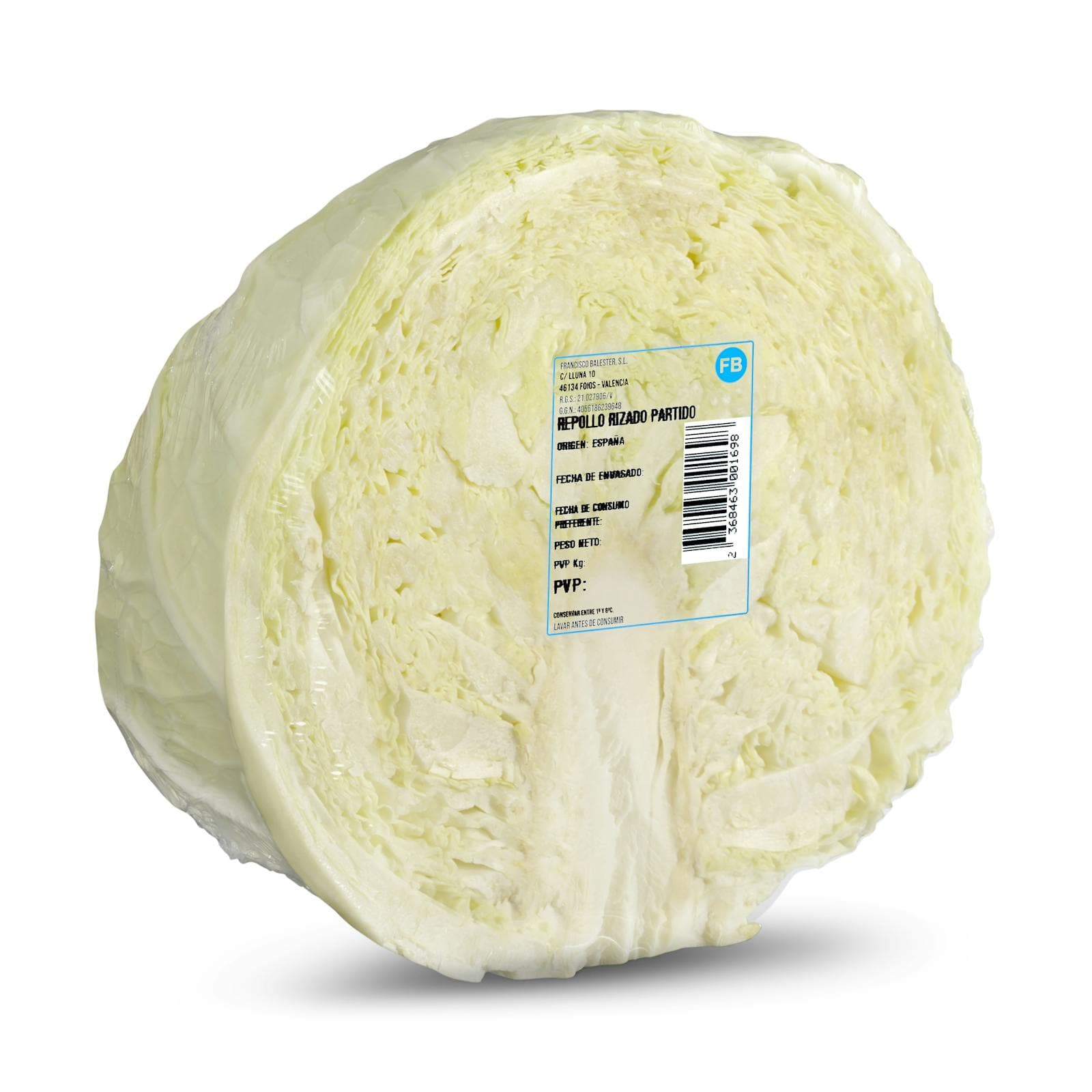 €1.75
€1.75Half Curly Cabbage
796 g · Mercadona
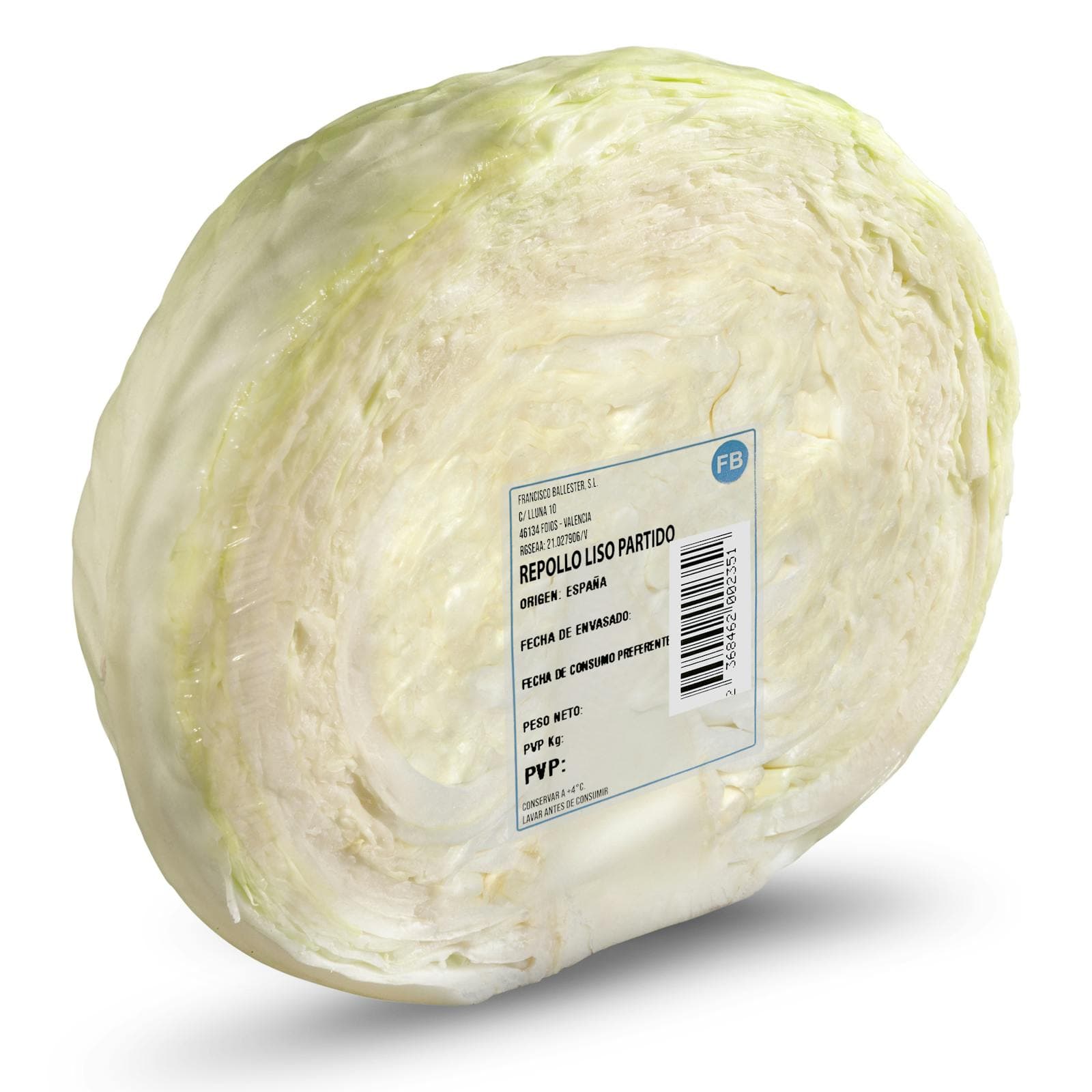 €1.94
€1.94Half Smooth Cabbage
900 g · Mercadona
Good to know
- Botanical Name
- Brassica rapa subsp. pekinensis (Napa type); Brassica rapa subsp. chinensis (Bok Choy type)
- Origin
- Northern China; cultivated for over 4,000 years
- Peak Season
- Fall through early winter (cool-weather crop)
- Shape
- Oblong, cylindrical head; tightly packed crinkled leaves surrounding pale white to yellow inner leaves
- Typical Size
- 12–18 inches long, 6–8 inches in diameter; 2–5 pounds per head
- Flavor
- Mild, faintly sweet; less bitter and more delicate than green cabbage
- Texture
- Crisp, tender leaves; crunchy white ribs and stem
- Shelf Life
- 2–4 weeks refrigerated when stored whole and unwashed
- Yield
- Approximately 60–70% usable after removing outer leaves and core
- Primary Uses
- Kimchi, stir-fries, soups, dumplings, fresh slaws, steamed or braised side dishes
Substitutes
- Green Cabbage — Tighter texture and stronger, slightly bitter flavor; substitute 1:1 in cooked applications but not ideal for fresh preparations requiring mild flavor.
- Savoy Cabbage — Crinkled leaves and earthier flavor; similar cooking applications; works in stir-fries and soups.
- Bok Choy — Different structure (individual stems rather than heading) but compatible mild sweetness; cook white stems separately from leaves.
Pairs with
Also called
Napa Cabbage · Wombok · 大白菜
Appears in these dishes
Related

Tomato
Juicy, sun-sweet fruit for sauces, salads, and slow-cooked depth

Yellow Onion
The aromatic backbone of soups, sofritos, and braises

Garlic
Pungent cloves that perfume nearly every savory dish

Lemon
Bright, acidic citrus that wakes up almost any dish

Potato
Humble, hearty staple — roast, mash, fry, or boil

Carrot
Sweet, crunchy root — raw, roasted, or the base of a sofrito

Cucumber
Cool, crisp, and watery — for salads, pickles, and tzatziki

Lettuce
Crisp leaves for salads, wraps, and a fresh crunch