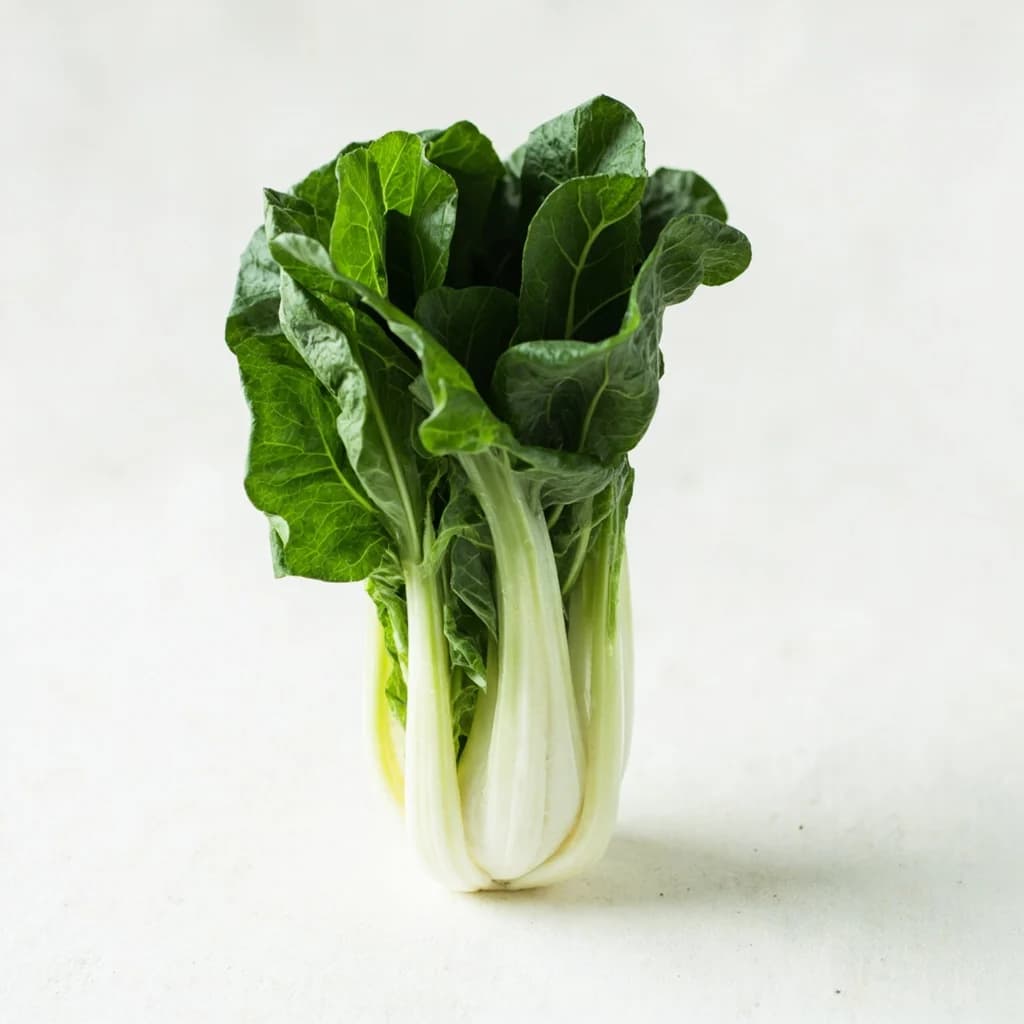
Natural form
Whole bok choy head showing thick white stalks fanning out to broad dark green leaves.
Shows the plant's defining structure — juicy white succulent stalks and dark jade-green leaf blades — so readers can identify it on sight.
Produce
Bok Choy
Crisp-stemmed Asian green for stir-fries and quick braises
Juicy white stems and tender green tops, bok choy stir-fries fast and braises gently, soaking up garlic and ginger. Baby heads cook whole. Keep it cold and dry.
Bok choy is a crisp Chinese cabbage with juicy white stems and tender dark-green tops, prized for the contrast between its crunchy base and silky leaves. Mild and faintly sweet, it cooks in minutes — a fast stir-fry, a quick braise, or a simple steam with garlic and ginger. Baby heads can be cooked whole and halved; full-size ones are usually separated so the stems and leaves cook to perfect texture.
- Measured in
- piece
- Storage
- Refrigerate
- Shelf life
- 5 days
Find it in
Types & varieties
White stems, dark leaves; the everyday large head
Small and tender; cook whole or halved
Pale jade stems, spoon-shaped; mild and tender
How to choose
Pick heads with firm, crisp, unblemished white (or jade) stems and perky, deep-green leaves. Avoid wilting, yellowing tops, brown spots, or slimy stem bases. Smaller, baby heads are the most tender and cook fastest.
How to store and wash
Keep bok choy dry and cold in the crisper, loosely bagged, and use within a few days. Grit collects at the base where the stems meet, so separate the leaves or halve baby heads and rinse well between the layers before cooking.
- Store dry and cold; use within days
- Wash grit from the stem base
- Halve baby heads to clean and cook
How to cook for the right texture
The thick stems take longer than the leaves, so cut the stems from the leaves and start the stems first — a minute in a hot wok or simmering broth — then add the quick-wilting greens. Keep it brief; bok choy is best crisp-tender, never mushy. Baby heads, sliced lengthwise, cook evenly enough to go in together.
Common uses
Tips & pitfalls
- Cook the stems a beat before the leaves so both finish crisp-tender
- High heat and speed keep the stems juicy and the leaves green
- Halve baby bok choy and sear the cut side for color and sweetness
- A finish of sesame oil, garlic, and ginger never fails
- Add to ramen and noodle soups in the last minute
Nutrition
Nutrition
No USDA FoodData Central match for Bok Choy yet. We surface a per-100 g profile once a generic whole-food entry is matched and verified.
In the shops
Matched grocery products
No matched grocery products for Bok Choy yet.
Good to know
- Peak season
- Fall through spring (cool weather); available year-round
- Flavor
- Mild, fresh, faintly sweet and mustardy; juicy
- Origin
- China; central to East and Southeast Asian cooking
- Nutrition
- ~13 kcal/100g; very low calorie; vitamins C, A, K, calcium
- How to buy
- Firm white stems, crisp green leaves; no wilting, yellowing, or slime
Substitutes
- Napa cabbage — Milder and looser; good in stir-fries and soups
- Swiss chard — Cook stems-first the same way
- Choy sum / gai lan — Other Chinese greens; similar quick-cooking treatment
Pairs with
Also called
pak choi · pak choy · col china
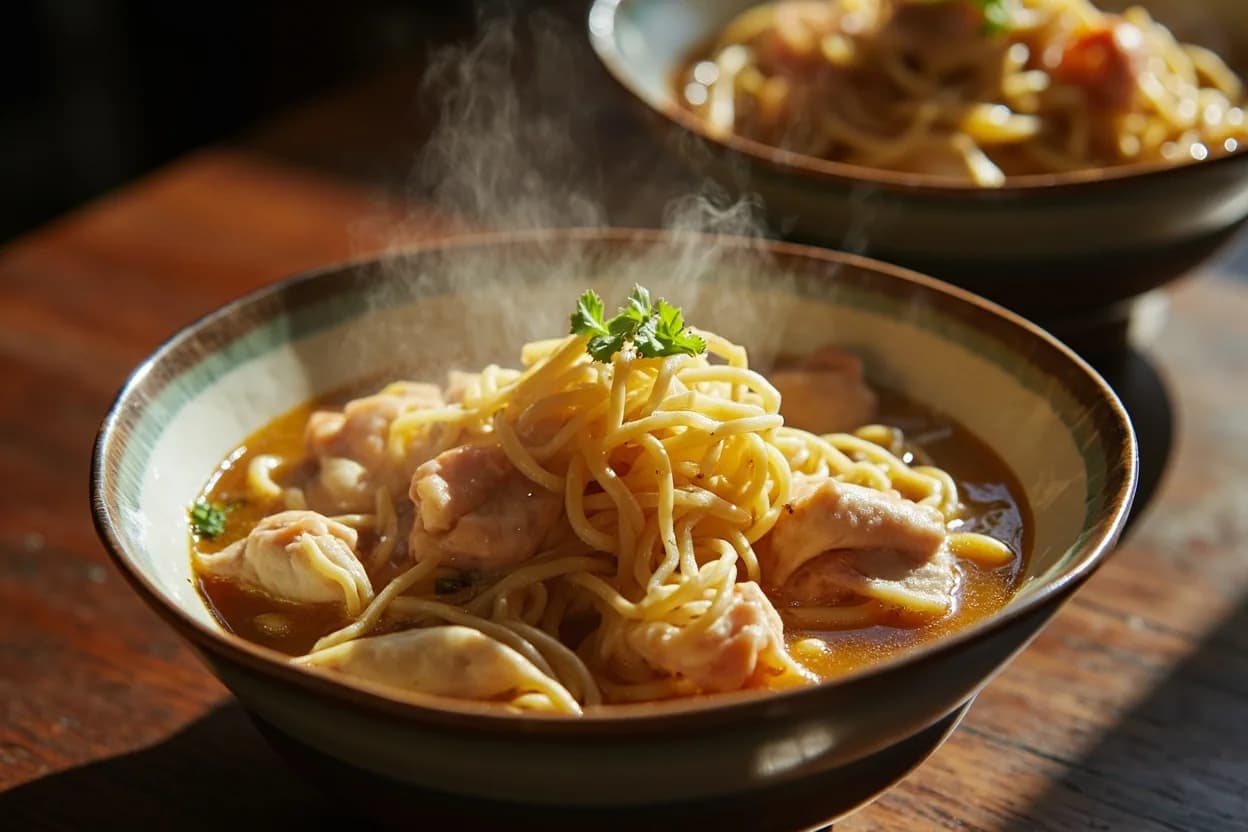
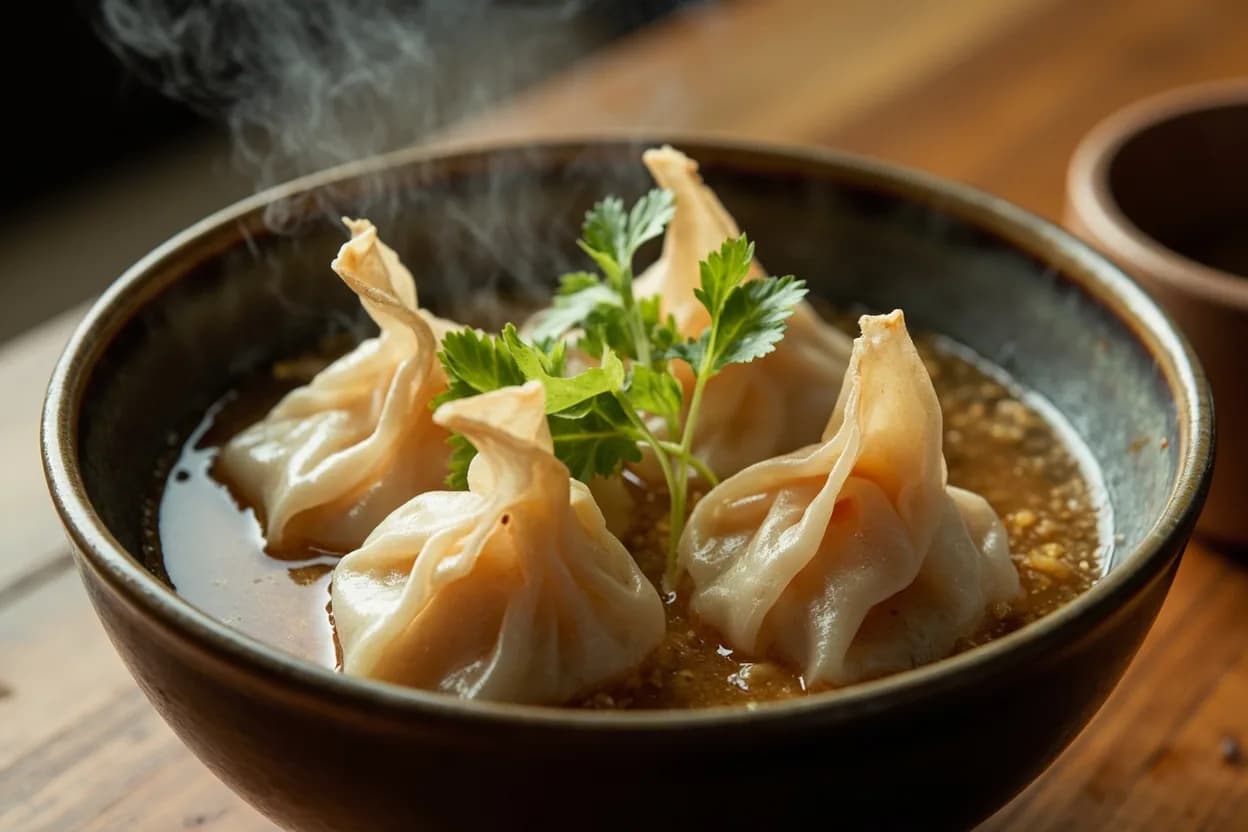
Appears in these dishes
Related
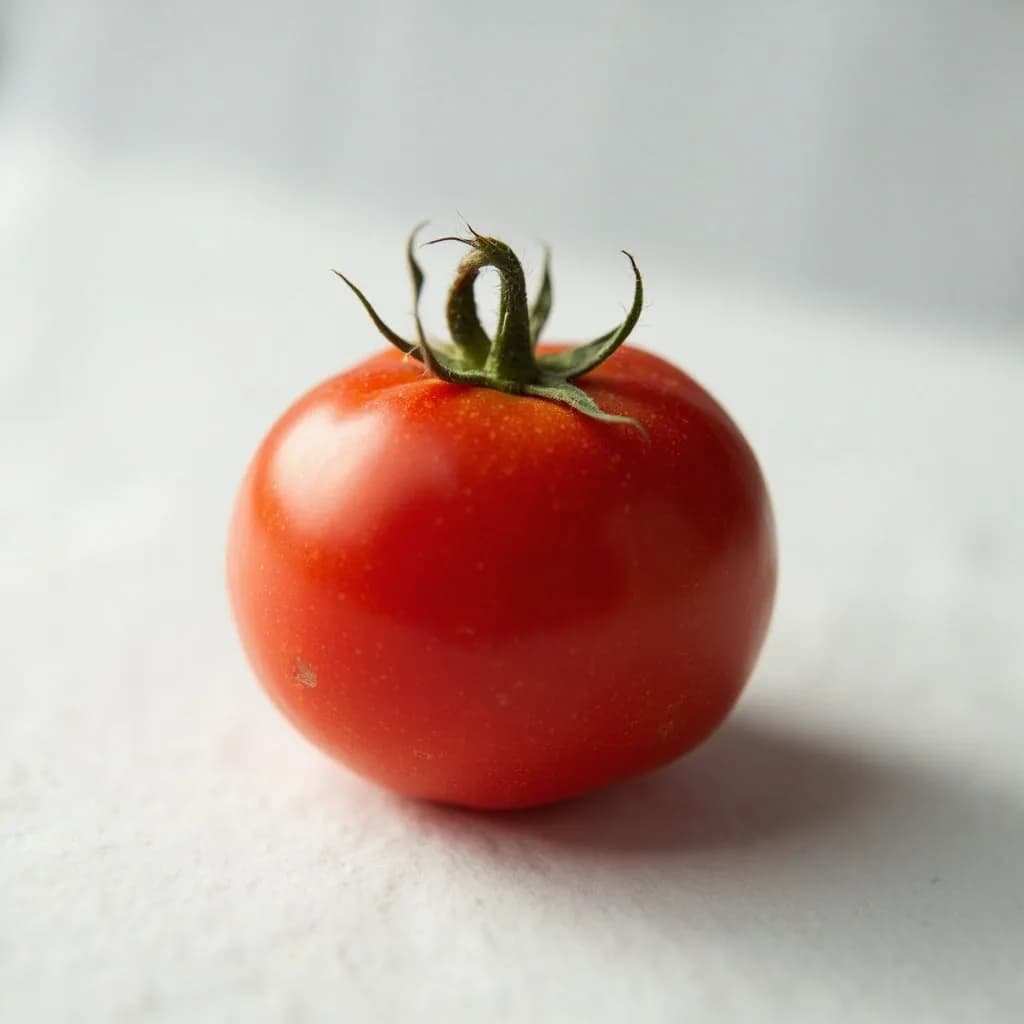
Tomato
Juicy, sun-sweet fruit for sauces, salads, and slow-cooked depth
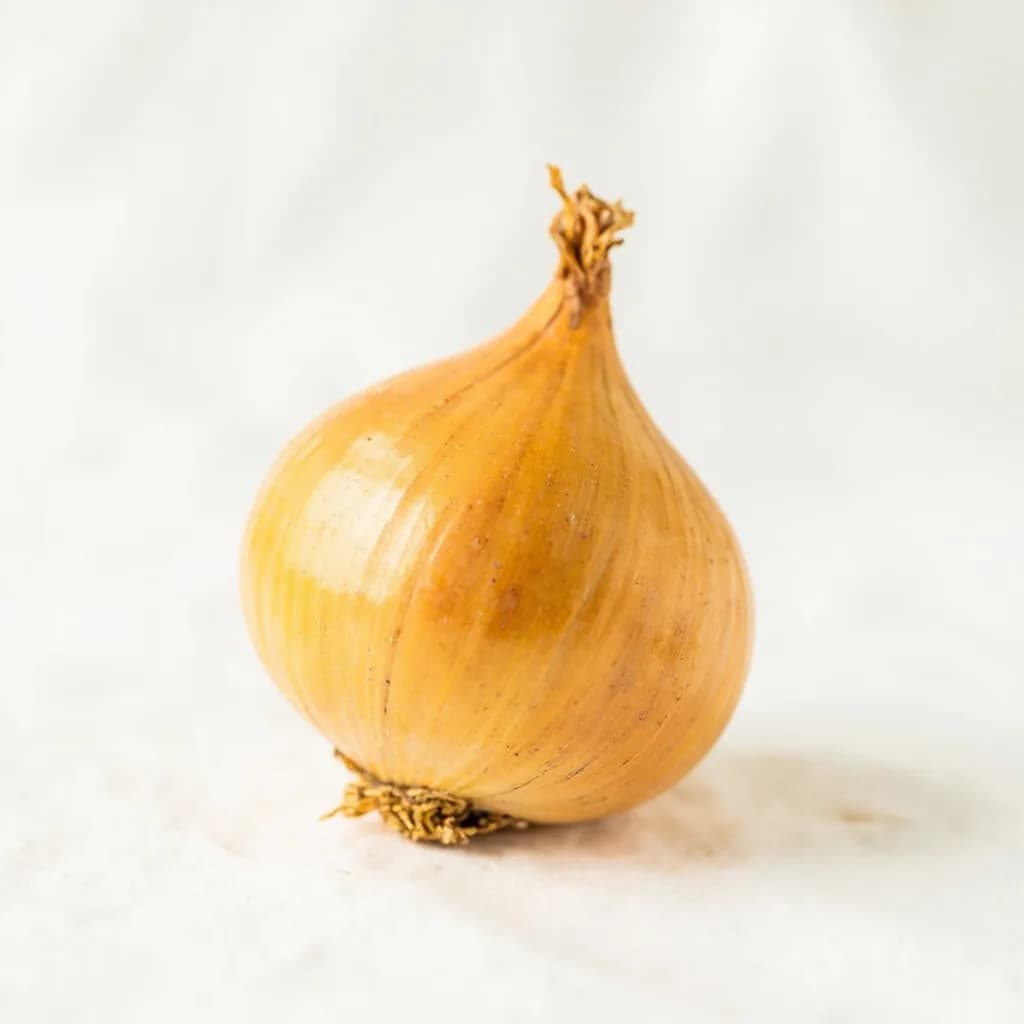
Yellow Onion
The aromatic backbone of soups, sofritos, and braises
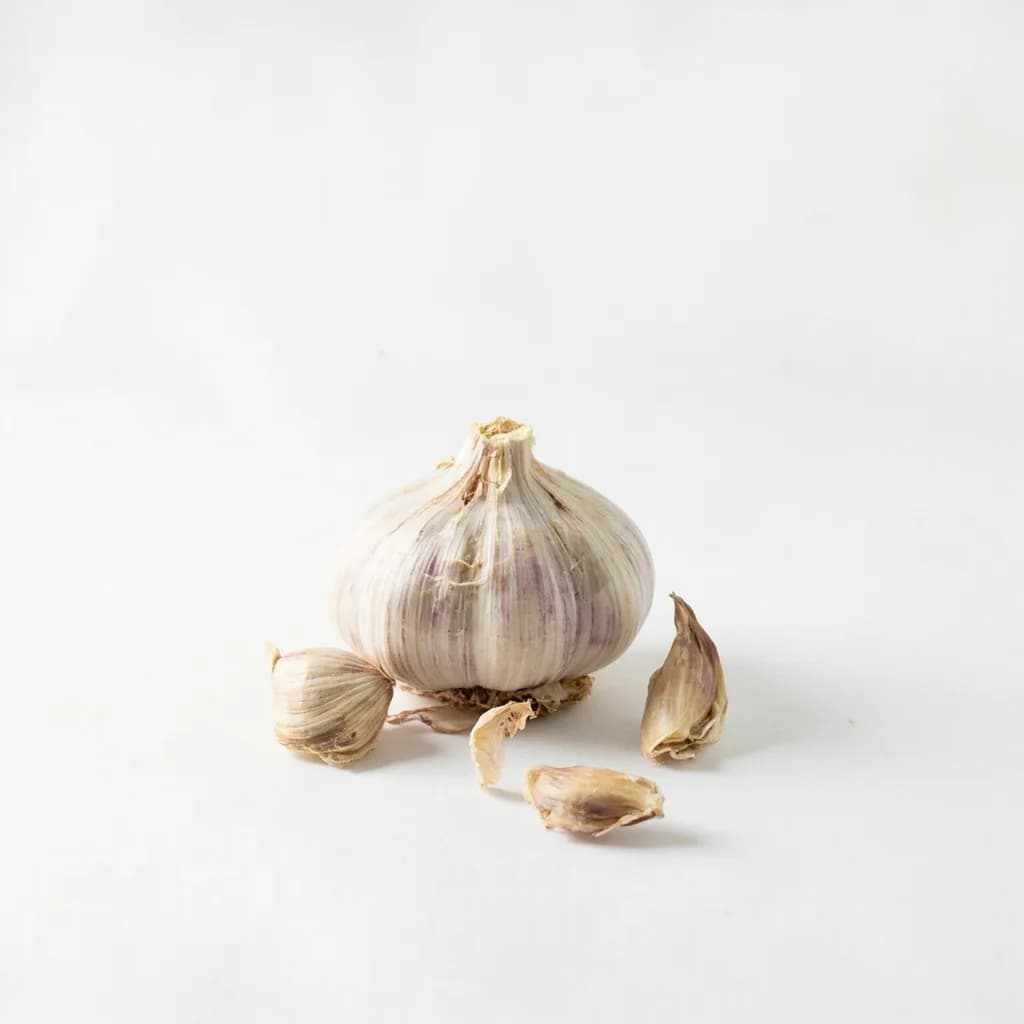
Garlic
Pungent cloves that perfume nearly every savory dish
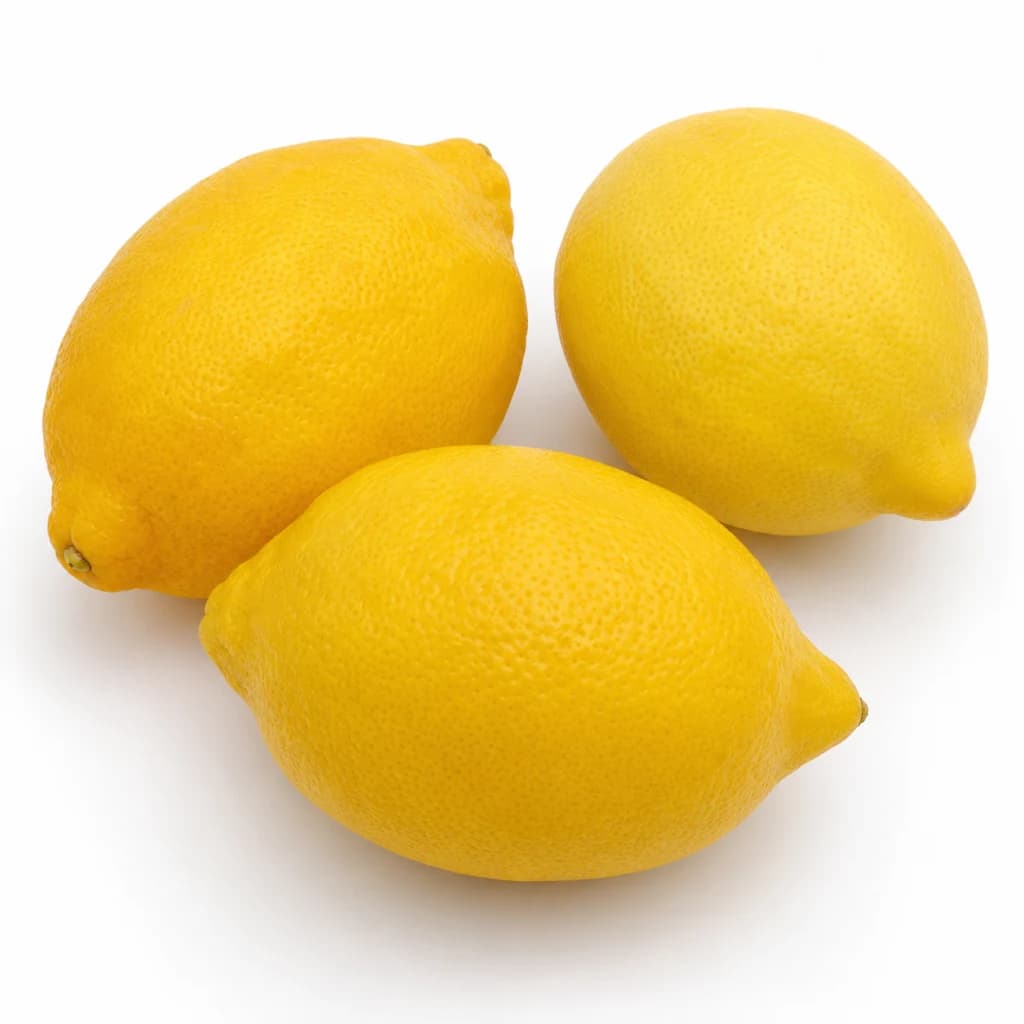
Lemon
Bright, acidic citrus that wakes up almost any dish
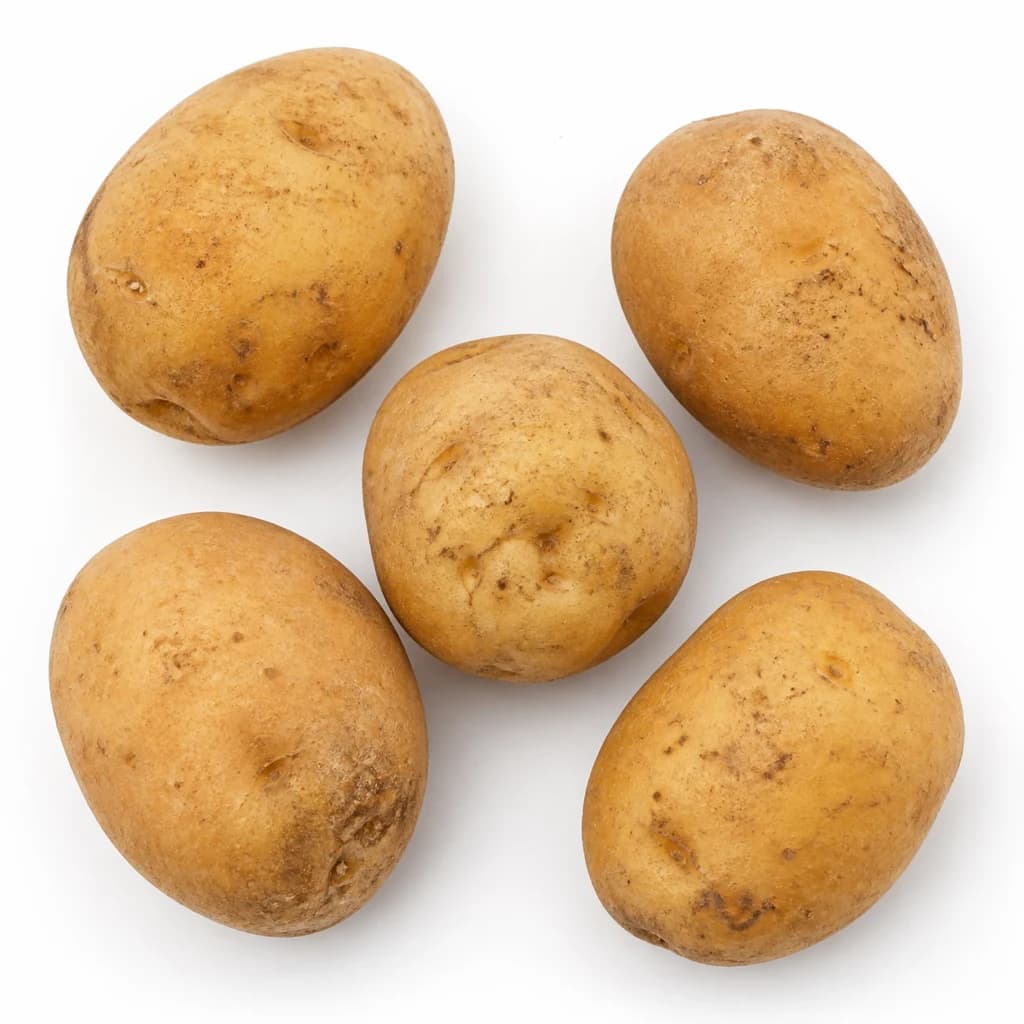
Potato
Humble, hearty staple — roast, mash, fry, or boil
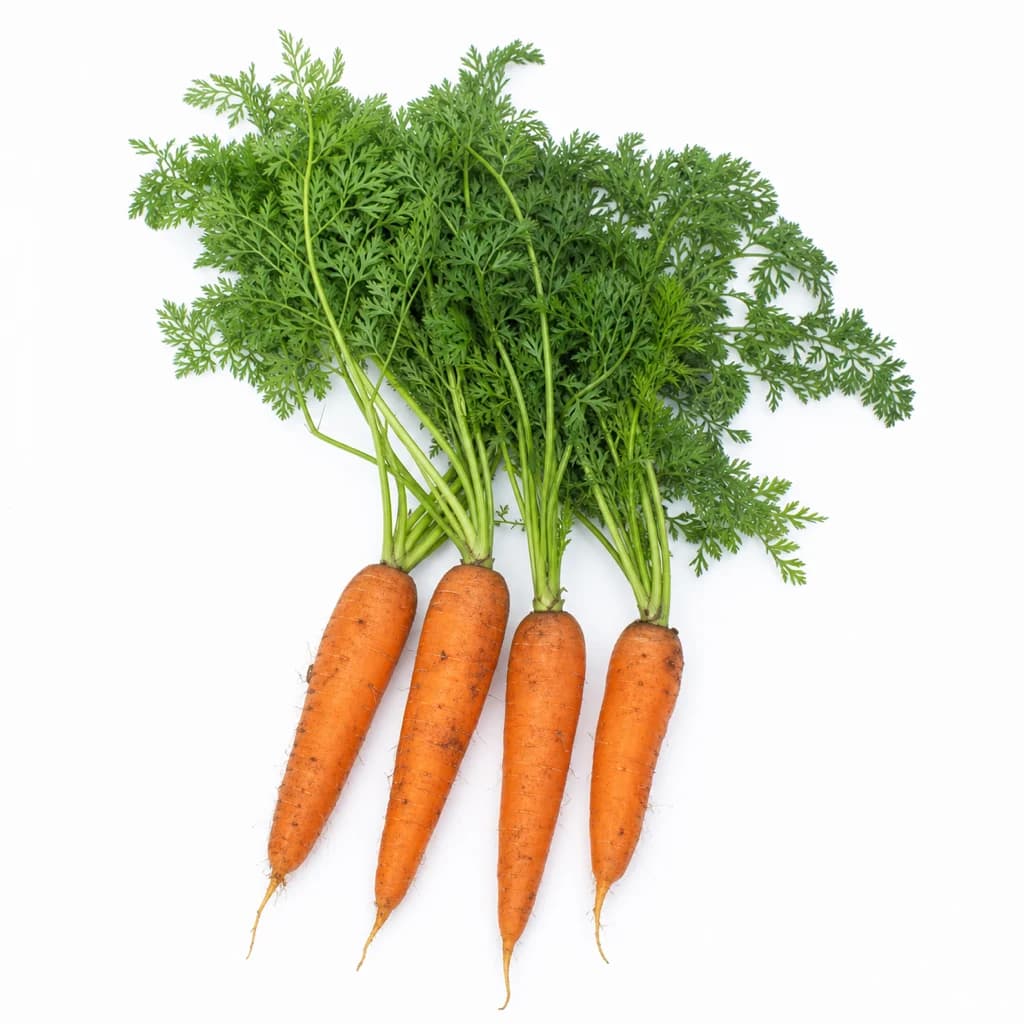
Carrot
Sweet, crunchy root — raw, roasted, or the base of a sofrito
Cucumber
Cool, crisp, and watery — for salads, pickles, and tzatziki

Lettuce
Crisp leaves for salads, wraps, and a fresh crunch