Grains & Rice
Long Rice (Bean Thread Noodles)
Translucent mung-bean cellophane noodles used in Hawaiian and Asian soups and stir-fries.
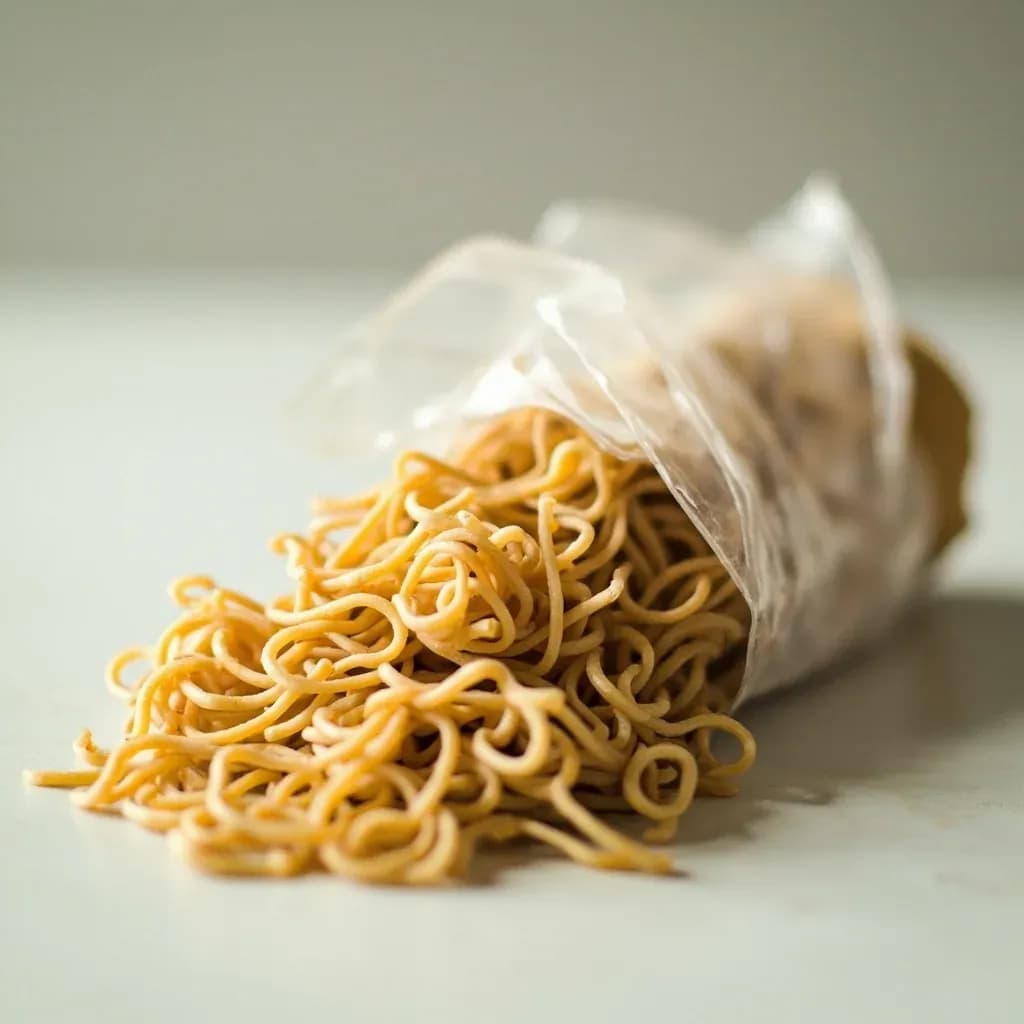
Long rice is the Hawaiian name for cellophane or bean thread noodles made from mung bean starch. Despite the name they are not rice; they turn clear and slippery when cooked and soak up surrounding broth and seasonings. They are central to dishes like chicken long rice and many Chinese and Southeast Asian soups and stir-fries.
Bean thread noodles—also called cellophane, glass, or long rice—are translucent strands made from mung bean starch (sometimes blended with sweet potato or tapioca). The starch gelatinizes when hydrated, producing that distinctive glassy, light-catching appearance and a uniquely springy, slippery texture unlike any other noodle. Because they carry virtually no flavor of their own, these noodles are essentially a neutral canvas that absorbs sauces, broths, and seasonings completely, making them extraordinarily versatile but also demanding: any weakness in your seasoning liquid will be fully expressed in the final dish. The noodles expand dramatically when cooked—three to four times their dried volume—so a small handful creates substantial serving. This property, combined with their neutral flavor, makes them the textural backbone of dishes ranging from Hawaiian long rice soup to Korean japchae, where they deliver chew, slip, and body without competing with other flavors.
- Measured in
- g
- Storage
- Pantry
Types & varieties
Made from sweet potato starch; slightly thicker, chewier, and darker when cooked; the noodle used in japchae
Mung bean starch base; standard thin variety common in Chinese-American dishes and soups
Mung bean starch; used in soups and spring rolls; typically very fine
Mung bean starch; common in Thai salads and soups; slightly wider than some varieties
Refers to the dish rather than a variety; standard bean thread noodles cooked in pork or chicken broth with vegetables
Choosing the Right Noodle
Not all cellophane noodles are created equal. Those made from 100% mung bean are naturally gluten-free, but some packages—particularly those labeled 'cellophane noodles' in non-Asian markets—contain wheat flour blended with the starch. Check the ingredients list carefully if gluten is a concern. Korean dangmyeon made from sweet potato starch will give you a firmer, more substantial bite than mung bean versions, which can be preferable for dishes like japchae where you want the noodles to hold their own against other ingredients.
- Look for mung bean or 'green bean' starch for gluten-free versions
- Korean dangmyeon offers better chew and holds up longer in hot dishes
- Thinner Vietnamese and Thai varieties work best in soups and fresh rolls
Cooking Method Matters
Bean thread noodles behave very differently depending on how you treat them. Simmered directly in broth, they absorb liquid and swell, becoming plump and translucent with a slippery coating. Pre-soaked and then briefly stir-fried, they remain more distinct and slightly toothsome, caramelizing lightly where they contact the pan. Adding dry noodles directly to a stir-fry is less common and requires very high heat and constant tossing; they cook in just 1–2 minutes this way. The key is matching your cooking method to your dish: broth-based preparations benefit from direct simmering, while stir-fries work better with pre-soaked, patted-dry noodles.
- For soups: add directly to simmering liquid for the last 5–8 minutes
- For stir-fries: soak until pliable (5–20 minutes), drain, and pat dry before adding to hot pan
- Never overcook—noodles become mushy and collapse once they pass the gummy stage
Common uses
Tips & pitfalls
- Do not overcook—bean thread noodles turn mushy quickly once they reach the gummy stage; remove from heat the moment they become pliable and translucent
- For soups, add noodles in the final 5–8 minutes of cooking to prevent them from disintegrating into the broth
- Pre-soak in room-temperature water only until flexible (5–20 minutes depending on brand), then drain thoroughly before using
- Pat dry pre-soaked noodles before stir-frying to avoid steaming instead of searing
- Always have all other ingredients prepped and within reach before cooking the noodles—they cook very fast once in the pan
- Season your cooking liquid generously; these noodles amplify rather than hide seasoning deficiencies
- Store dried noodles in an airtight container in a cool, dry cabinet; they are virtually imperishable
- When using in spring rolls or fresh rolls, briefly blanch pre-soaked noodles in hot water, then cool immediately to preserve their chew
Nutrition
Energy
1536 kJ · per 100 g
Where the calories come from
Protein
7.5g
15% DV
Carbs
76.3g
28% DV
Fat
3.2g
4% DV
Fiber
3.6g
13% DV
Sugars
0.7g
of which
Sodium
5mg
0% DV
Source · USDA FoodData Central · Rice, brown, long-grain, raw (Includes foods for USDA's Food Distribution Program)
View on FDC →In the shops
Matched grocery products
No matched grocery products for Long Rice (Bean Thread Noodles) yet.
Good to know
- Also called
- Cellophane noodles, glass noodles, saifun, fun sot, wun sen, dangmyeon, bija
- Made from
- Mung bean starch (sometimes blended with potato or tapioca)
- Color raw
- Opaque white to cream
- Color cooked
- Translucent, glass-like
- Texture cooked
- Chewy, slippery, springy
- Flavor
- Mild and neutral; absorbs sauces and seasonings completely
- Yield
- Expands 3–4× when rehydrated
- Protein
- Very low (approximately 1–2 g per serving dried)
- Gluten-free
- Yes, when made from 100% mung bean or other non-wheat starch
- Rehydration time
- 5–10 minutes in boiling water; 20–30 minutes in cold water
- Cooking time
- 5–8 minutes in boiling liquid; 1–2 minutes if pre-soaked
- Shelf life (dried)
- Indefinite in cool, dry storage
Substitutes
- Rice vermicelli — Similar thin shape and neutral flavor; cooks slightly faster and has a softer, less chewy texture; not guaranteed gluten-free if cross-contaminated with wheat
- Sweet potato starch noodles (gooksu or dangmyeon) — Good chewier alternative; used interchangeably in Korean cooking; not gluten-free
- Kelp noodles — Lower calorie, more neutral taste; significantly less chewy; require no cooking (just soak briefly); best in cold applications
Pairs with
Also called
Bean Thread Noodles · Cellophane Noodles · Glass Noodles
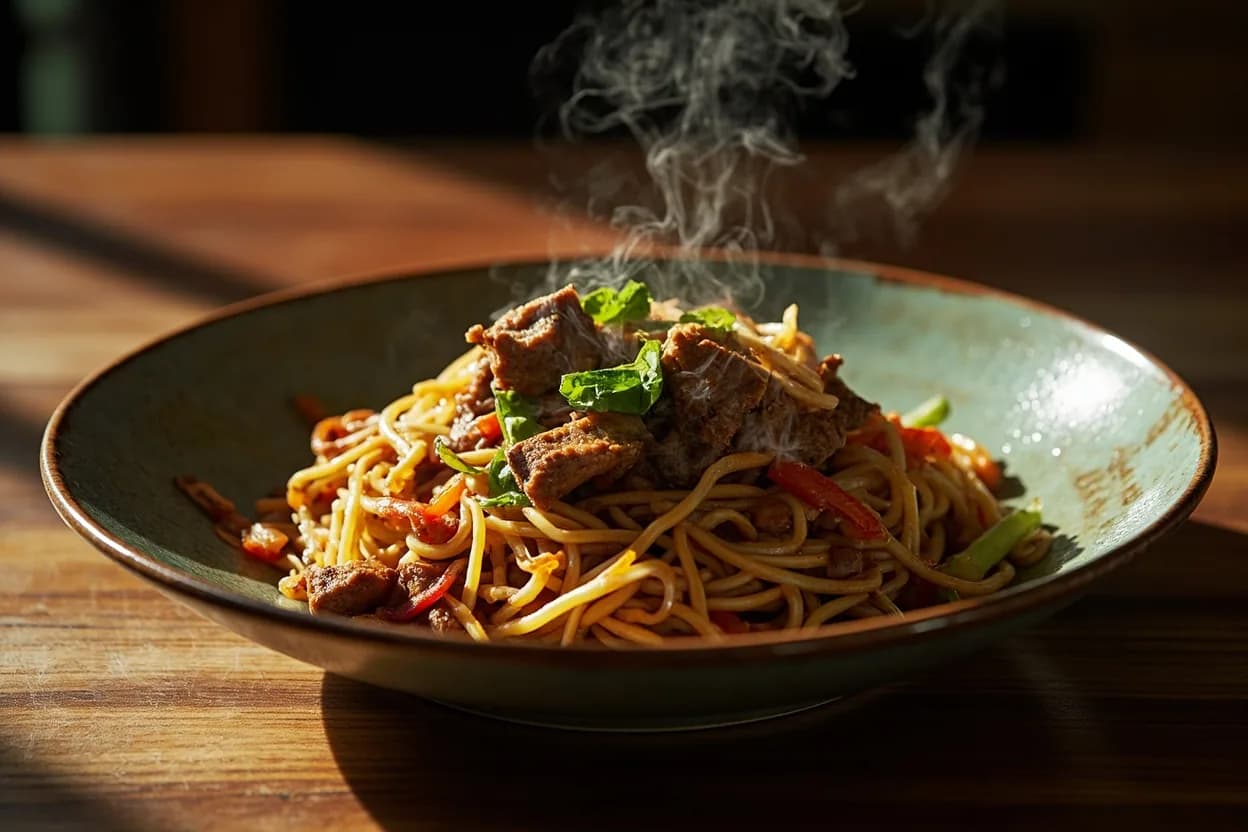
Appears in these dishes
Related

White Rice
Fluffy long-grain rice — the neutral base for almost any meal

White Bread
Soft sandwich loaf for toast, sandwiches, and crumbs
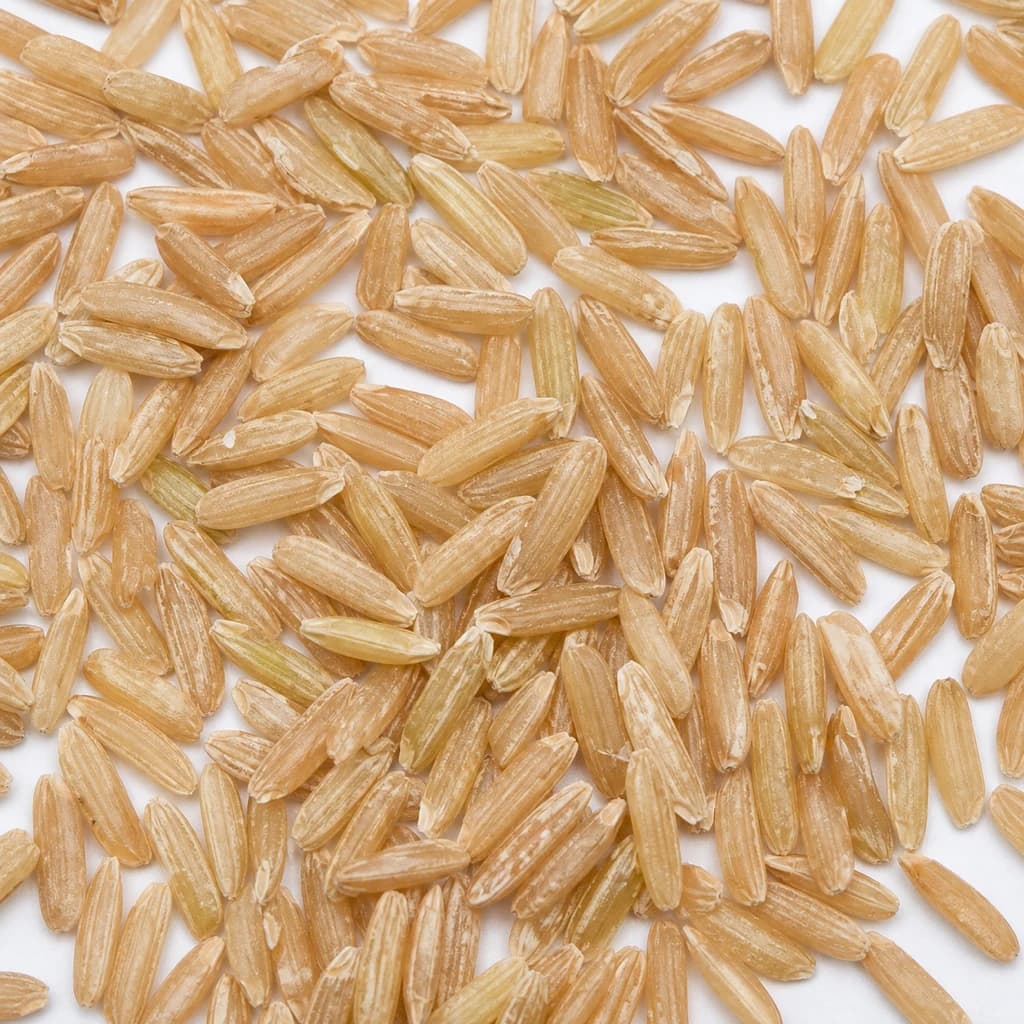
Brown Rice
Nutty, whole-grain rice with chew and extra fiber

Basmati Rice
Fragrant, long-grain rice that cooks up light and separate
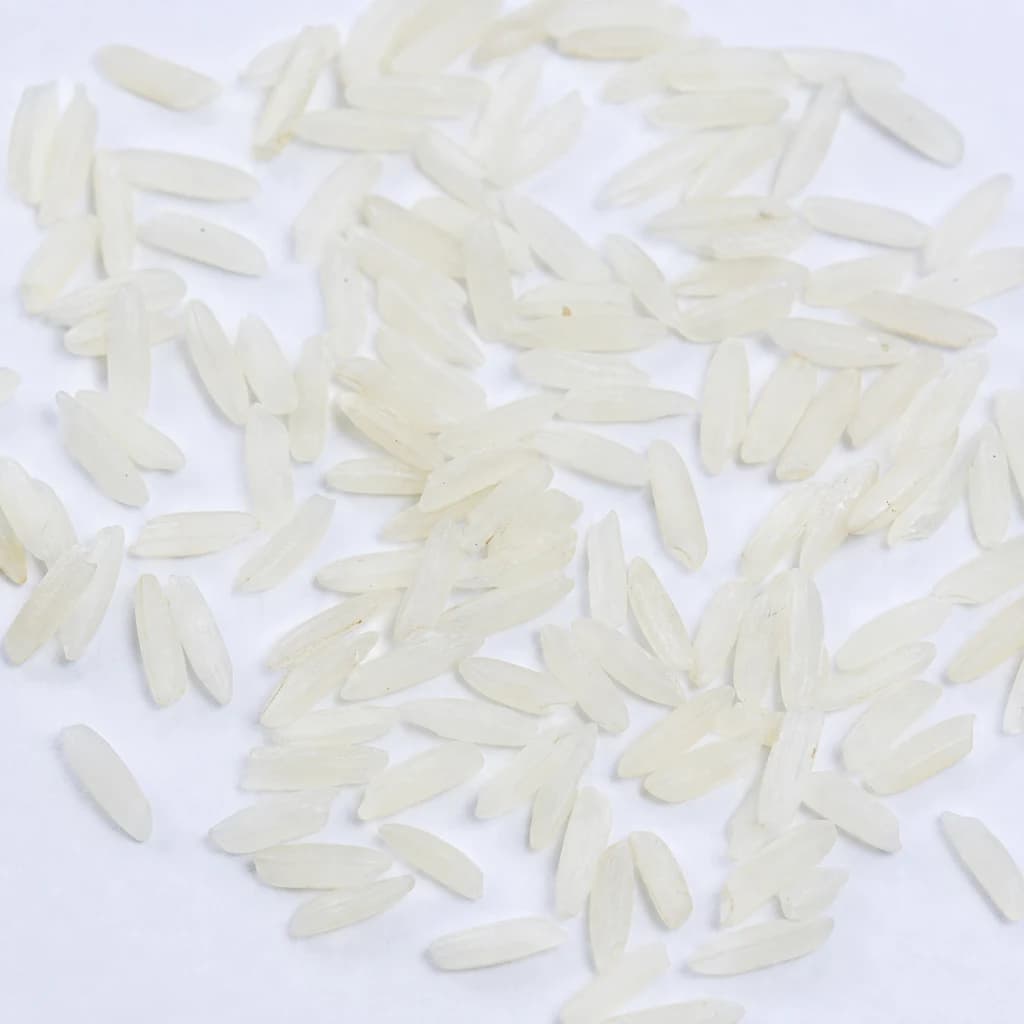
Jasmine Rice
Soft, floral-scented rice that's the pillar of Thai meals
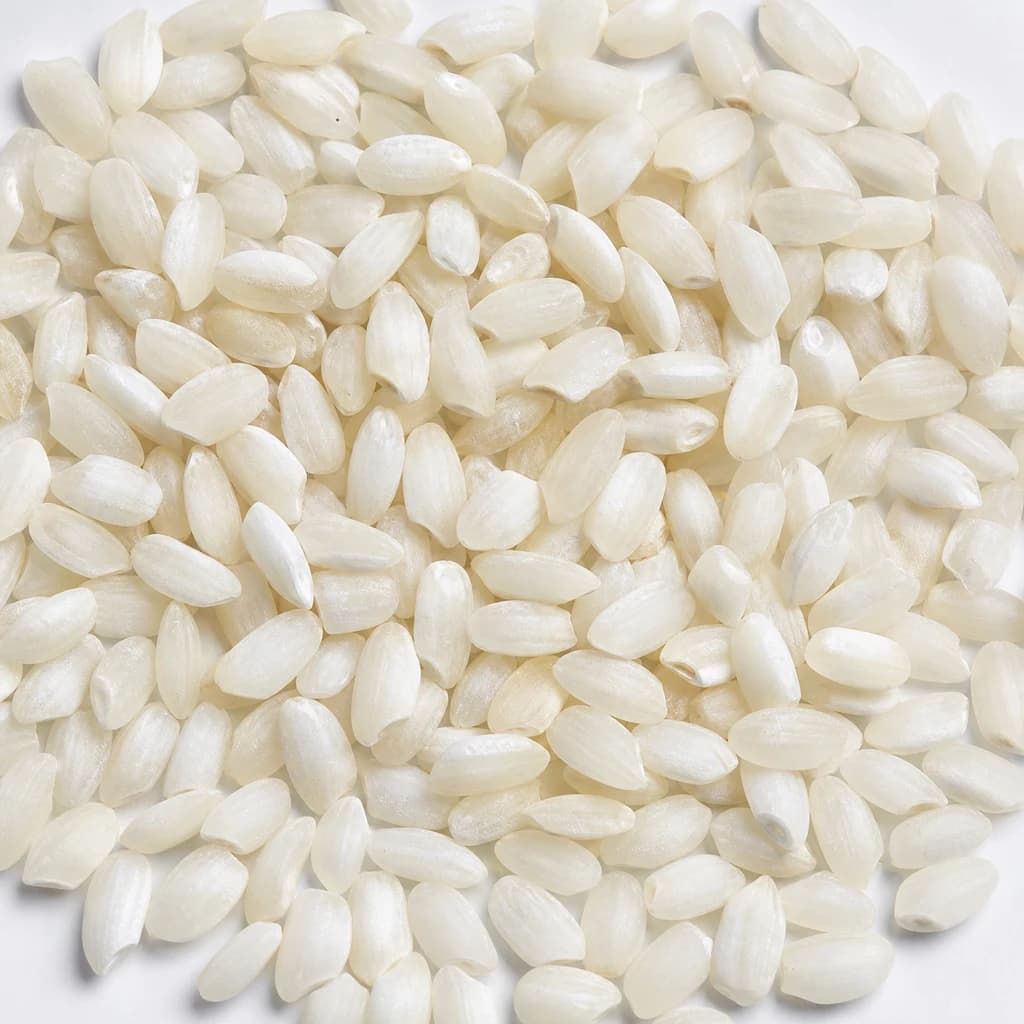
Arborio Rice
Plump, starchy rice that makes risotto creamy
Fusilli
Spiraled pasta that twirls up sauce and dresses cold salads
Rolled Oats
Hearty flakes for porridge, granola, and chewy cookies