Spices
Sweet Paprika
Mild, vivid-red ground pepper that adds color and gentle sweetness to stews and rubs.
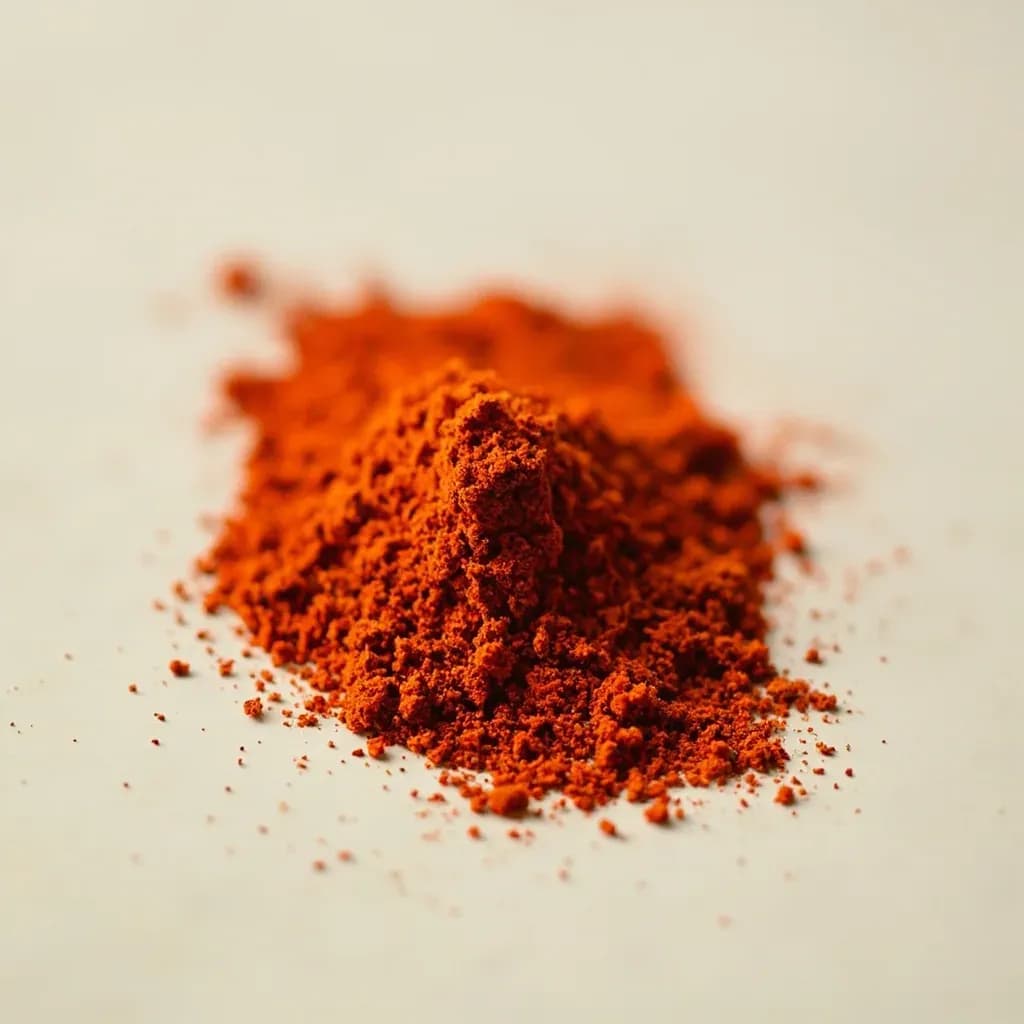
Sweet paprika is made from dried, ground mild red peppers, contributing a bright crimson color and a gentle, fruity sweetness with little to no heat. It is essential to Hungarian and Spanish cooking, coloring goulash, stews, rice dishes and spice rubs. Add it off direct high heat to avoid scorching, which turns it bitter.
Sweet paprika is the dried and ground fruit of mild Capsicum annuum cultivars—primarily bell-pepper varieties selected and bred for color rather than heat. Unlike hot peppers where pungency is the goal, sweet paprika is defined by its brilliant red-orange hue and its gentle, vegetable-like savoriness with negligible capsaicin content. The flavor is subtle: a soft, round pepper note with faint sweetness, nothing sharp or aggressive. Its real power lies in the dramatic color it imparts—a single teaspoon can transform a pale stew into something that looks deeply savory and inviting.
The most prized sweet paprikas come from Hungary and Spain, where production methods have been refined over centuries. Hungarian sweet paprika (édesnemes) is stone-ground from late-season peppers grown in the warm Danube plain; the longer maturation develops exceptional sugar content and an intensely vivid red color. Spanish sweet pimentón tends toward a deeper, more rustic flavor, often with a faint smokiness from traditional drying over oak wood. In the United States, commercial sweet paprika is typically a blend of multiple mild cultivars, producing a reliable bright-red color but a blander, more variable flavor than European counterparts.
The most common mistake cooks make with paprika is treating it like a hardy spice that benefits from long cooking. Paprika's flavor and color are both soluble in fat and sensitive to heat—add it too early, to too little liquid, or over too high a flame, and it contributes little beyond a dusty brown tinge. Authentic Hungarian goulash and paprikash recipes add paprika in stages precisely because of this behavior: a small amount bloomed in fat to build foundation flavor, then more added late in cooking for vivid color. Understanding this timing principle unlocks paprika's true potential.
- Measured in
- g
- Storage
- Pantry
Types & varieties
The benchmark for sweet paprika; bright red, mild, slightly sweet; Hungary's most prized variety
Duller red-orange, deeper pepper flavor; often stone-ground
Brighter red than true sweet paprika but slightly warmer; popular in Indian cooking for color without heat
Mild, slightly earthy; the standard US grocery-store sweet paprika
Often more pungent than Hungarian sweet; check label
Common uses
Tips & pitfalls
- Add to oil or fat and bloom briefly (30–60 seconds) to develop flavor before adding liquid—this is called reviving paprika
- Never cook paprika over high direct heat for more than 1–2 minutes; it scorches easily and turns bitter
- For maximum color impact, add paprika in the last 10 minutes of cooking or as a finishing touch
- If a recipe calls for paprika and you want both color and flavor, add two additions: a small amount early for base flavor, and more at the end for vivid color
- Taste before using—grocery-store paprika varies wildly in quality and flavor intensity
- To test freshness, sprinkle a pinch on white paper; fresh paprika leaves a vivid orange-red streak, stale paprika leaves a brownish tint
- Do not substitute hot paprika in recipes requiring sweet paprika for color—the heat level will dominate and overwhelm the dish
- Store opened paprika in the freezer; it keeps its color and flavor for years rather than months
- When a recipe says to add paprika with onions sautéing in oil, add it after the onions are soft but before any liquid—this gives the fat time to carry the color evenly through the dish
Nutrition
Energy
1180 kJ · per 100 g
Where the calories come from
Protein
14.1g
28% DV
Carbs
54g
20% DV
Fat
12.9g
17% DV
Fiber
34.9g
125% DV
Sugars
10.3g
of which
Sodium
68mg
3% DV
Source · USDA FoodData Central · approx. Spices, paprika
View on FDC →In the shops
Matched grocery products
 €1.30
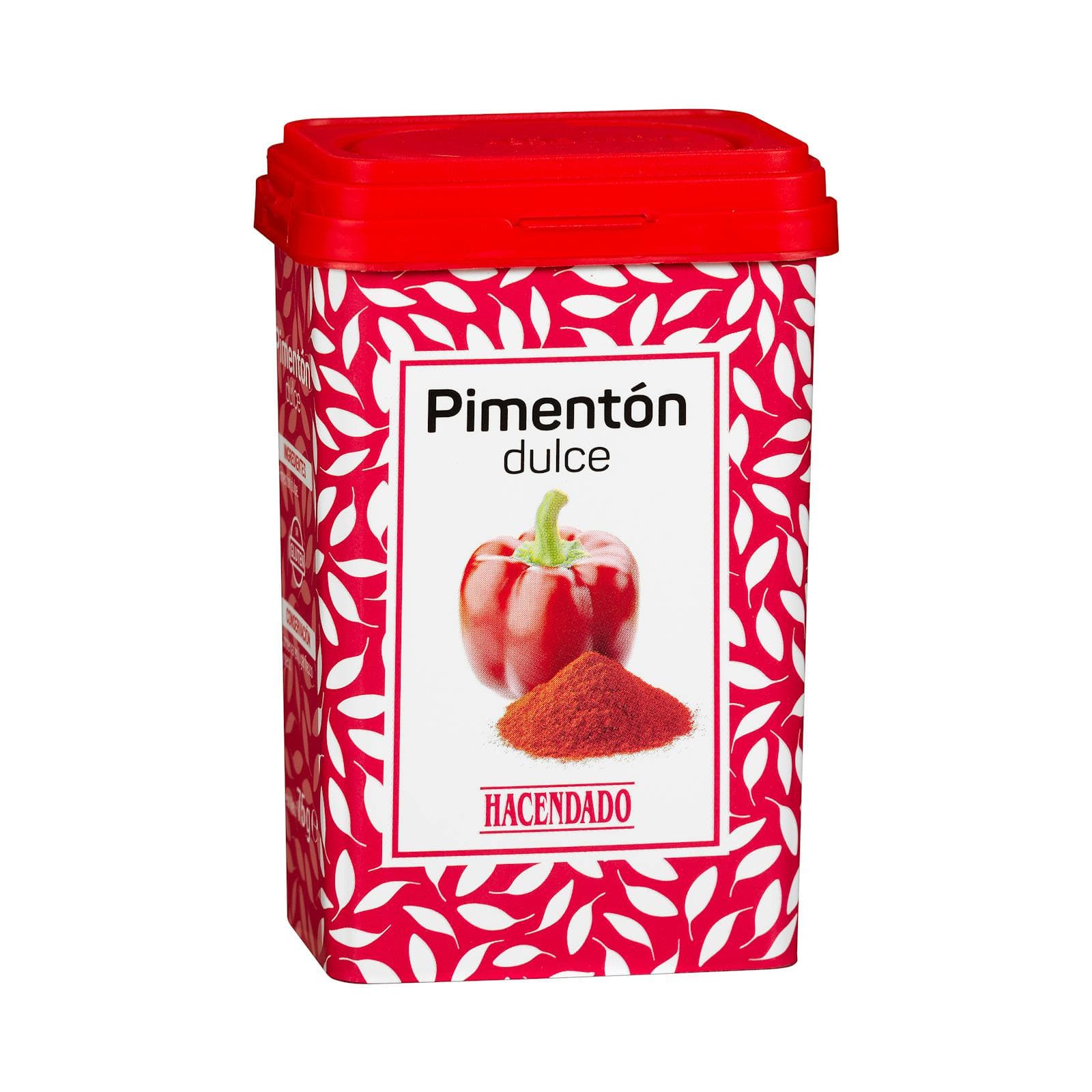
€1.30Sweet Paprika
Hacendado · 75 g · Mercadona
 €1.35
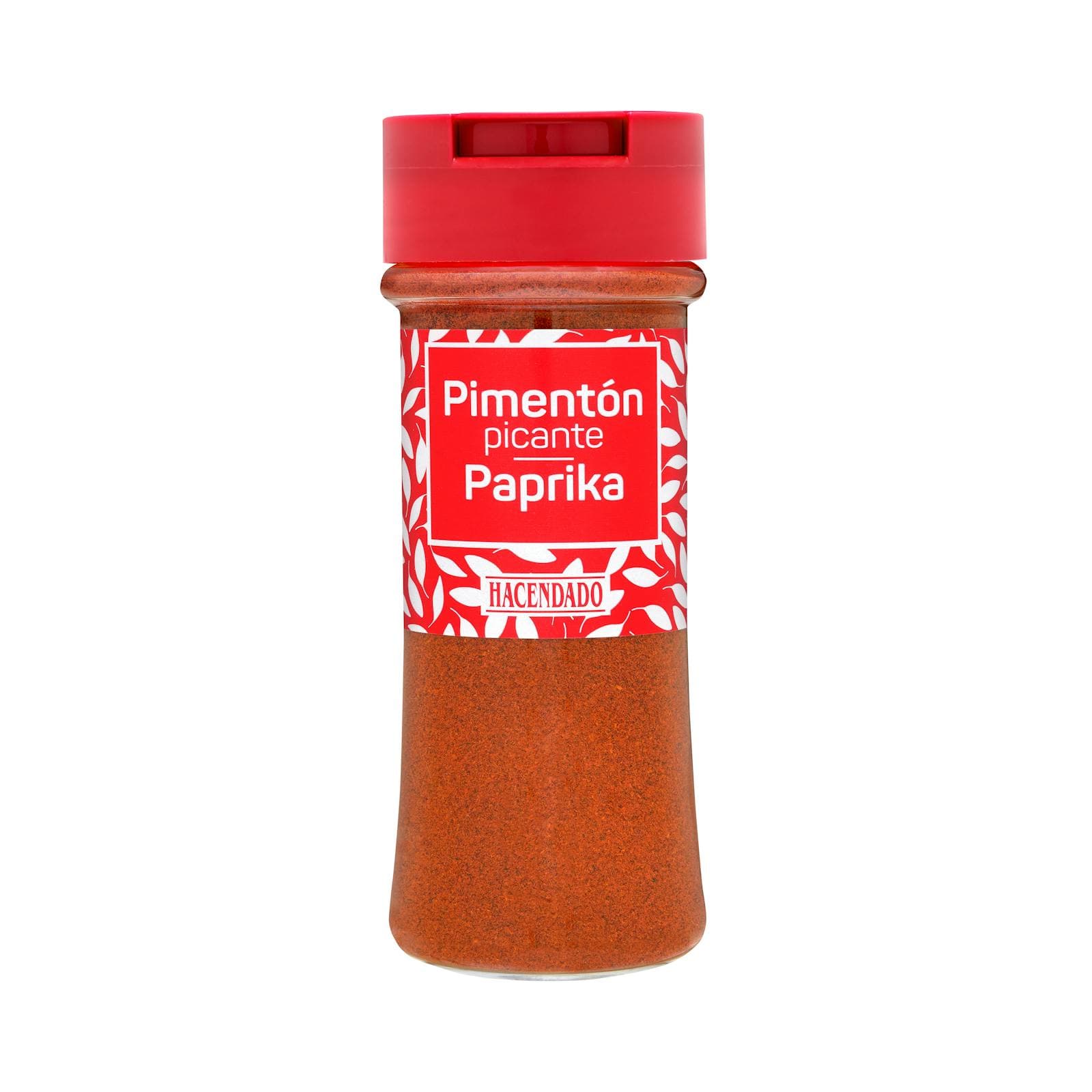
€1.35Spicy Paprika
Hacendado · 60 g · Mercadona
 €2.99
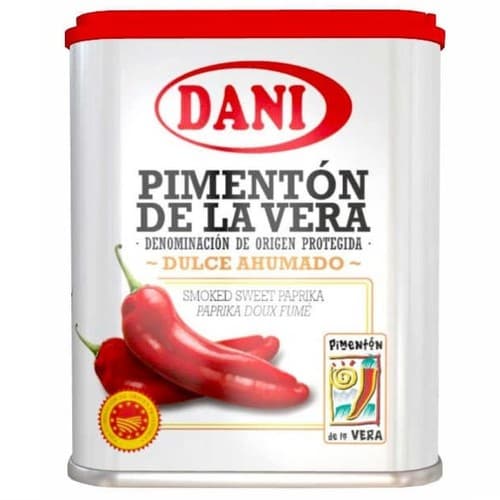
€2.99Smoked Sweet Paprika from La Vera
DANI · kg · Bonpreu
 €2.99
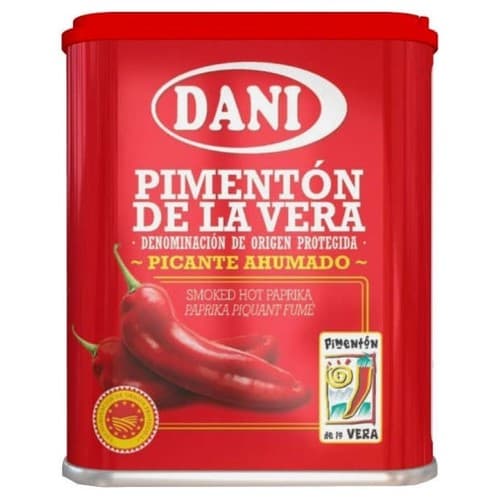
€2.99DANI Smoked Hot Paprika from La Vera
DANI · kg · Bonpreu
Good to know
- Source
- Dried and ground fruits of Capsicum annuum, typically mild bell-pepper varieties
- Origin
- Capsicum peppers domesticated in Mesoamerica; paprika production perfected in Hungary and Spain
- Heat Level
- 0–100 Scoville units (essentially none; must contain <0.3% capsaicin by US standard)
- Color Source
- Carotenoid pigments, primarily capsanthin and capsorubin
- Typical Color
- Bright, vivid red; the most intensely colored of all ground spices
- Harvest
- Peppers harvested late summer to autumn, dried, then ground
- Shelf Life
- 2–3 years sealed; flavor and color degrade significantly after 1 year opened
- Storage
- Airtight container, cool dark pantry or freezer; light and heat accelerate color loss
Substitutes
- Kashmiri Chili Powder — Slightly warmer but excellent vivid red color; reduces cleanly when cooked long
- Ancho Chili Powder — Darker red-brown, mild heat, deeper earthiness; changes color profile
- Bell Pepper Paste — Mild, fresh pepper flavor; add at end of cooking for color; lacks paprika's dried complexity
- Smoked Paprika (as color substitute only) — Adds smoke flavor, so only use when smoke is desired; color is adequate
Pairs with
Also called
red-paprika-powder · paprika
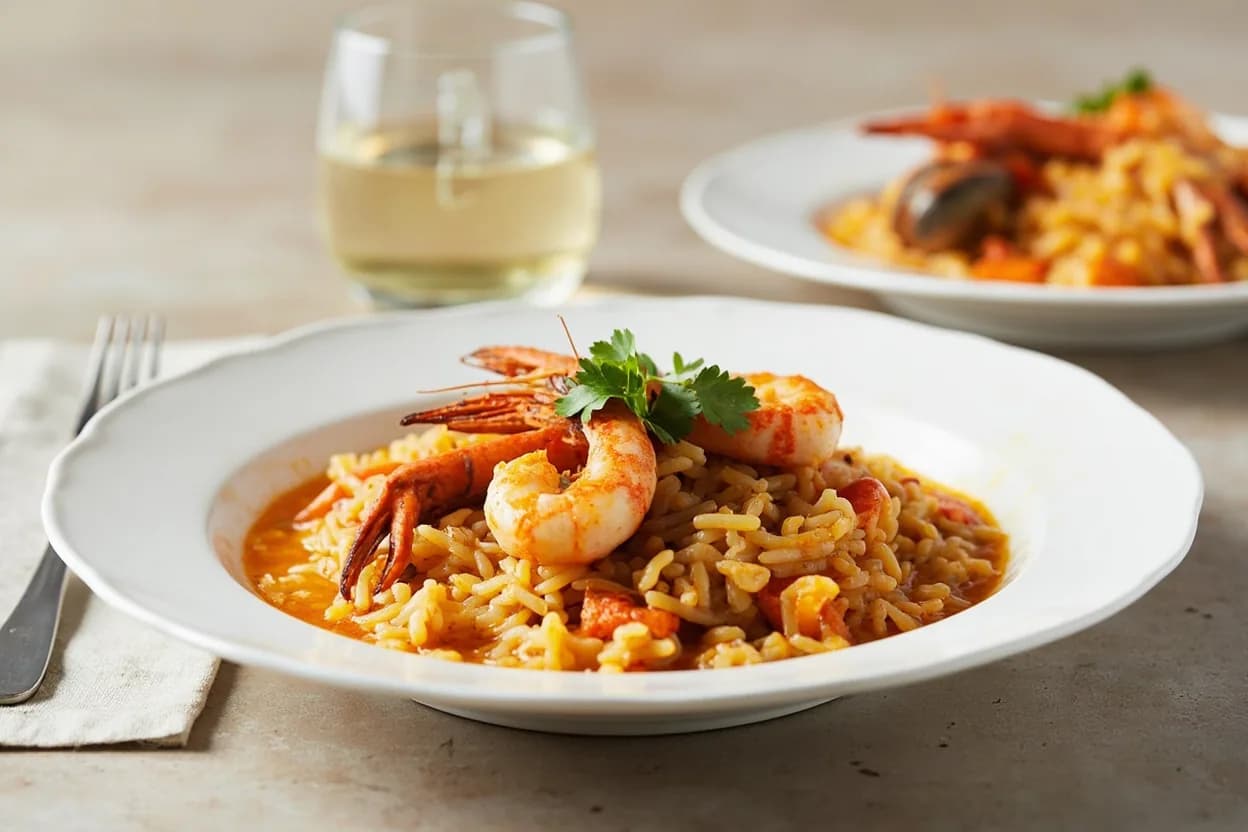
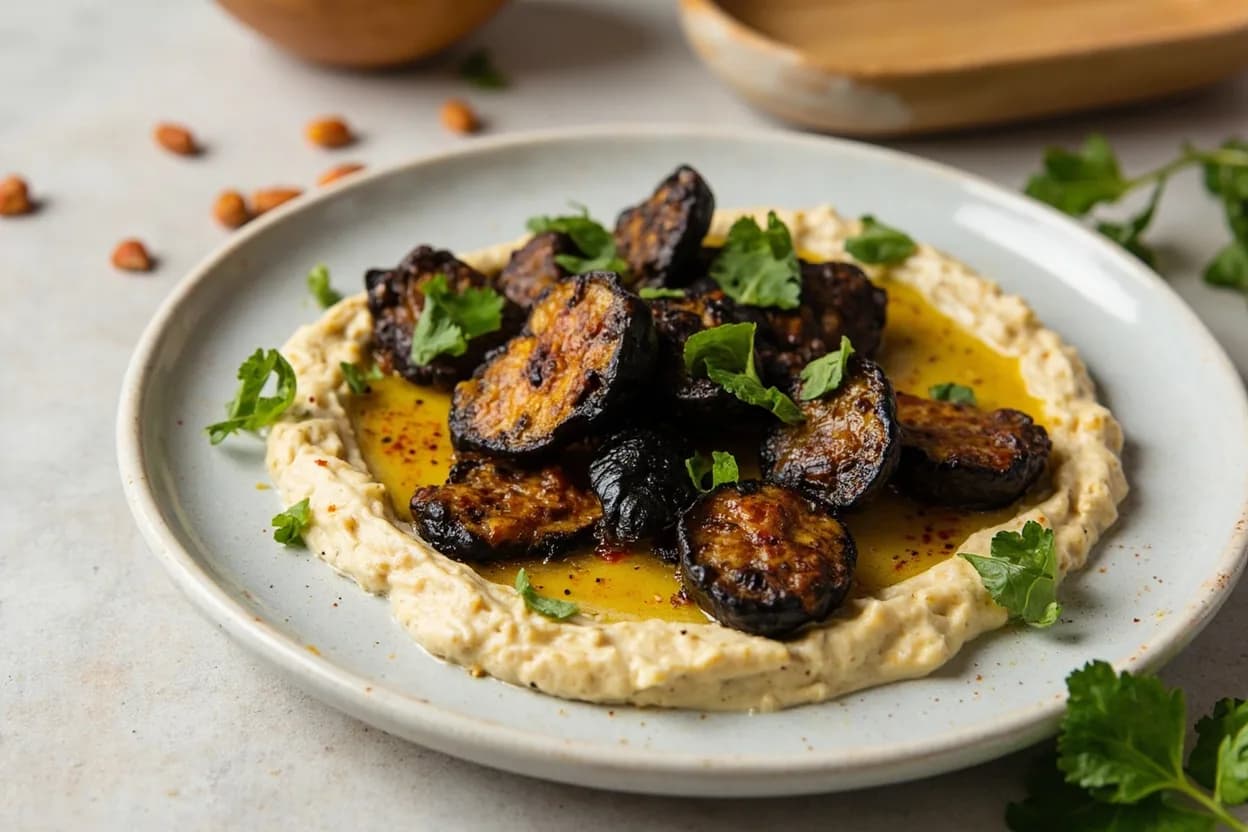
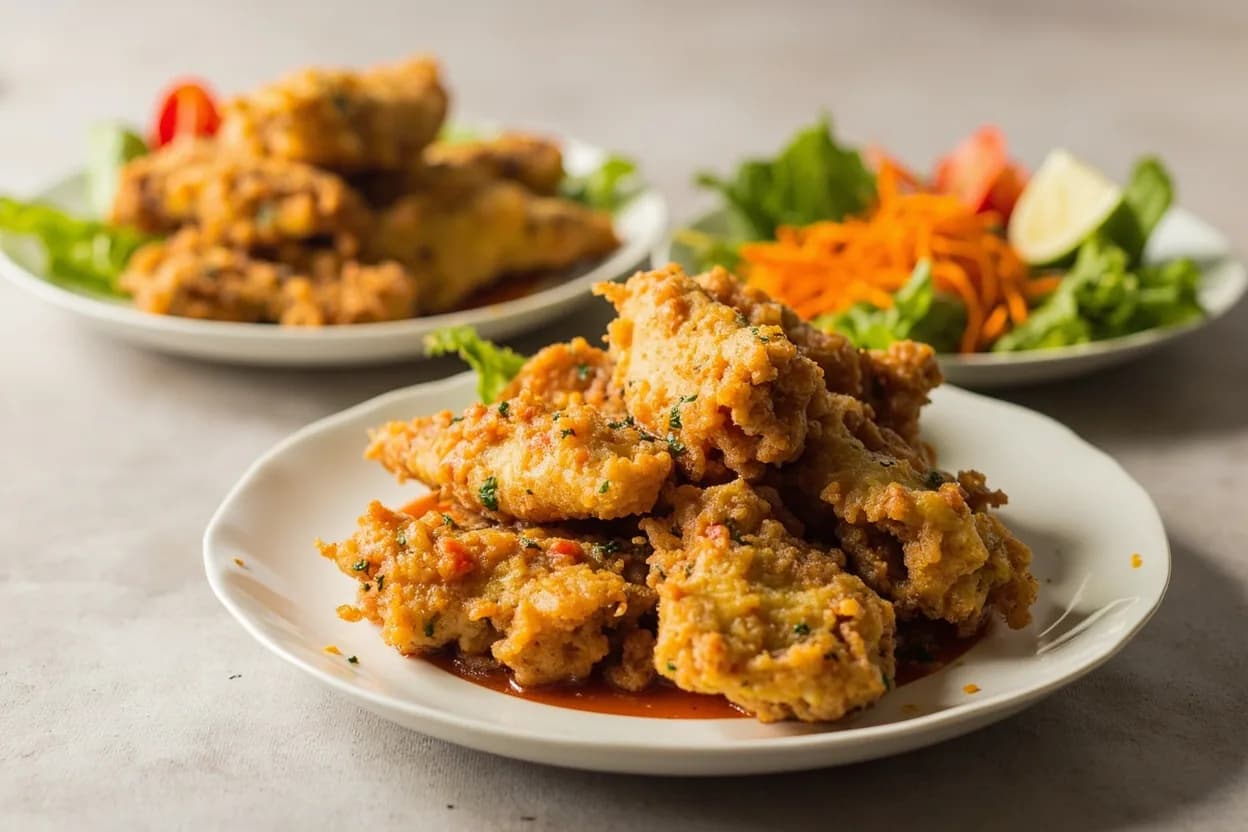
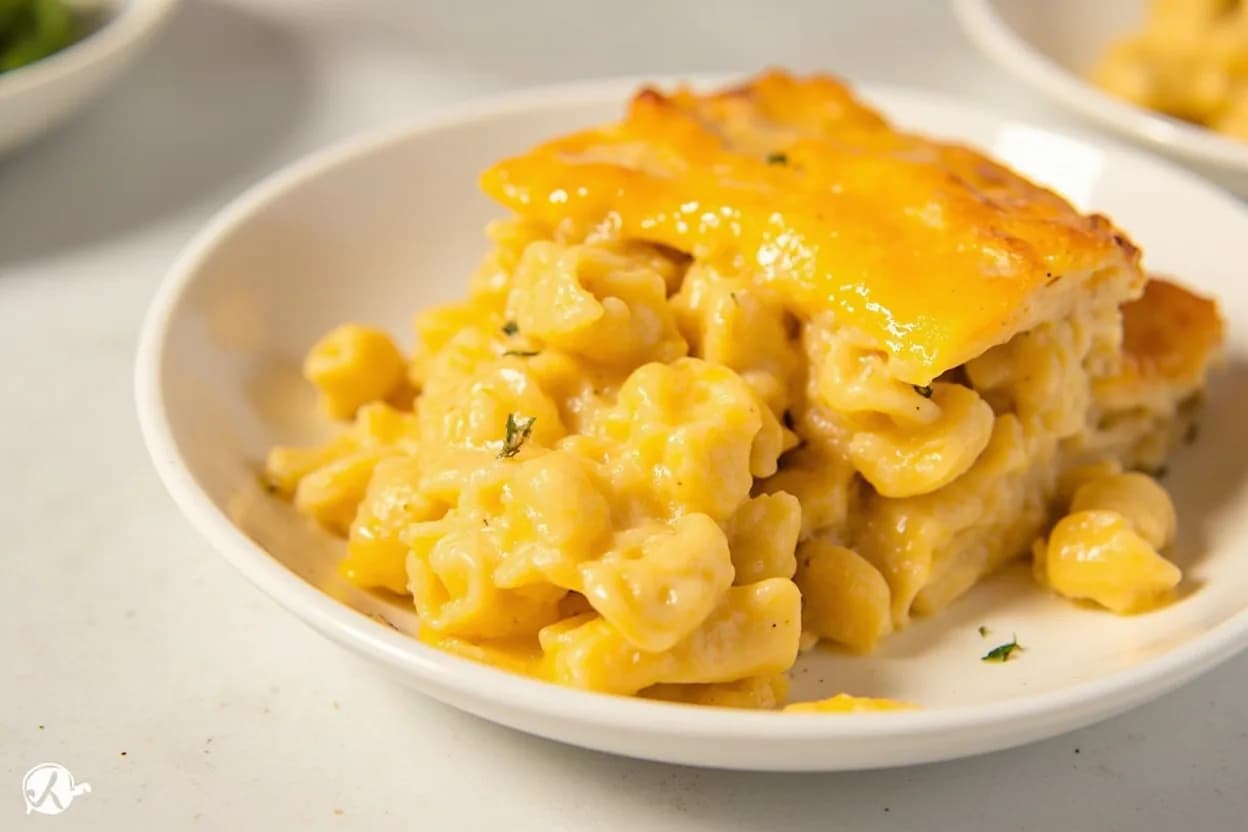
Appears in these dishes
Related
Salt
The one seasoning that makes everything else taste like itself

Black Pepper
Pungent, woody heat — best cracked fresh over anything savory
Amchur
Dried unripe mango ground to a tart, fruity souring powder
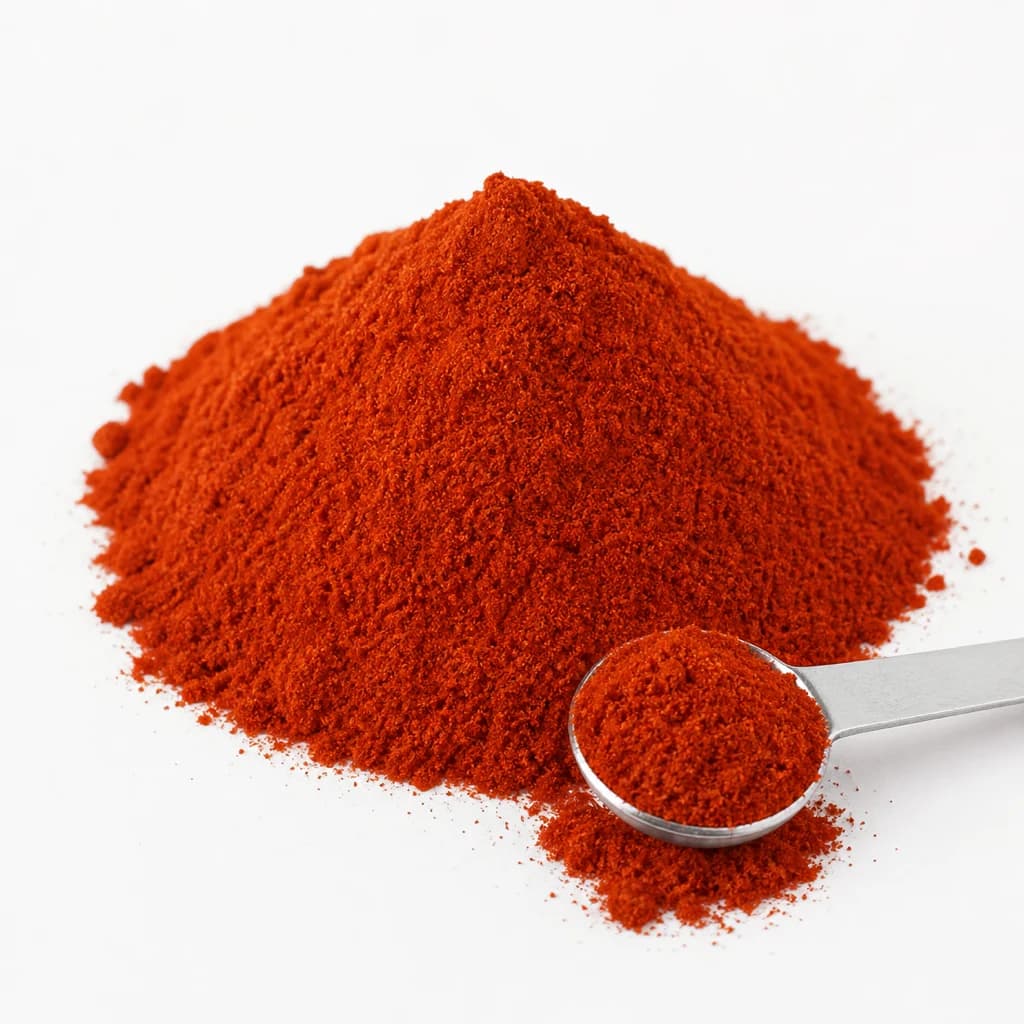
Paprika
Sweet, vivid ground pepper for color and gentle warmth
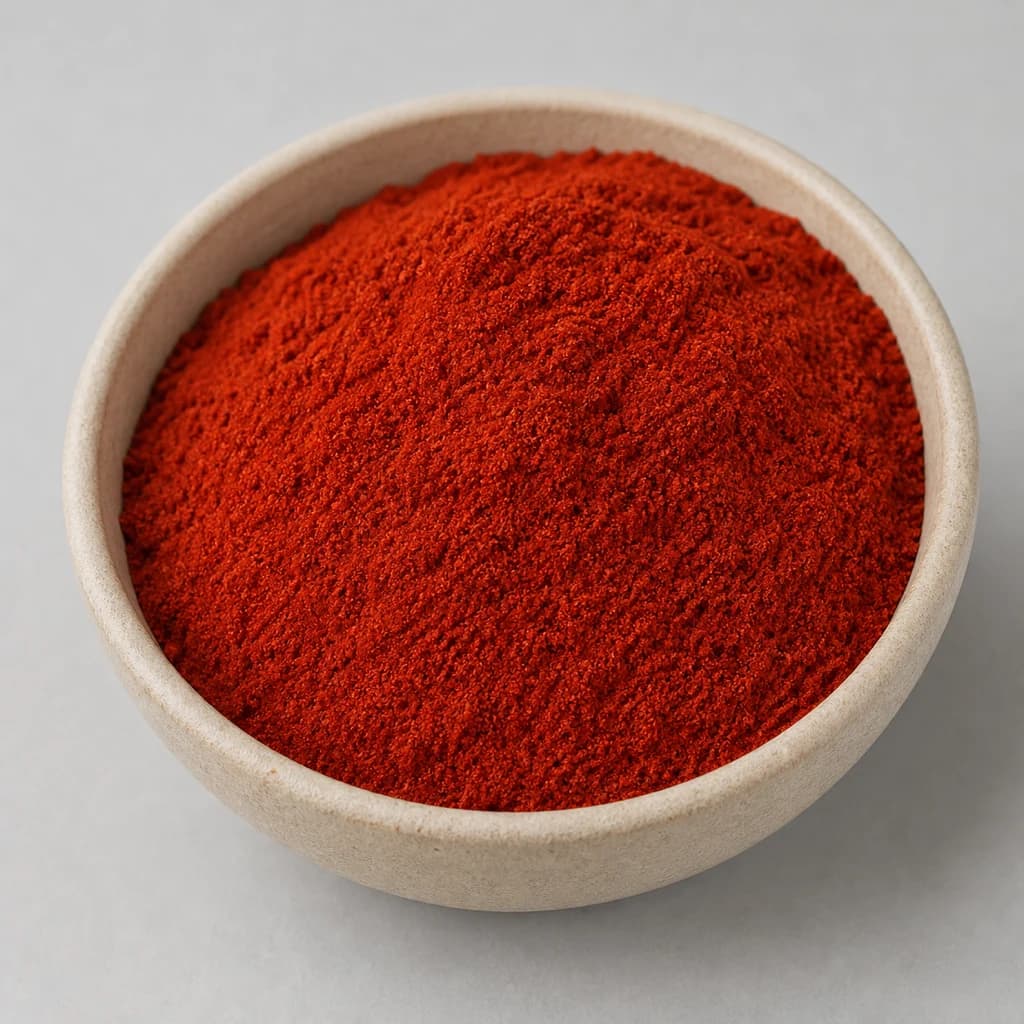
Smoked Paprika
Deep, smoky ground pepper for a campfire warmth
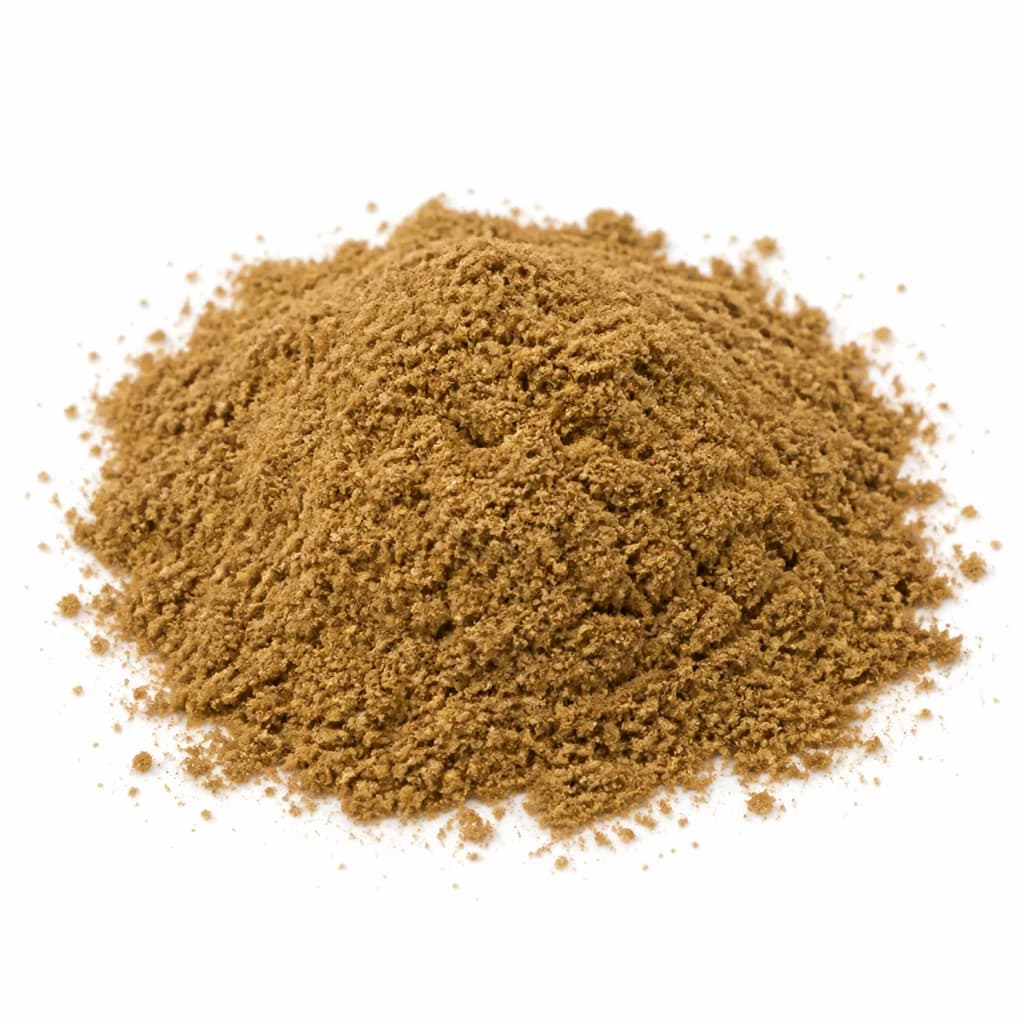
Cumin
Warm, earthy spice central to curries, chili, and tacos
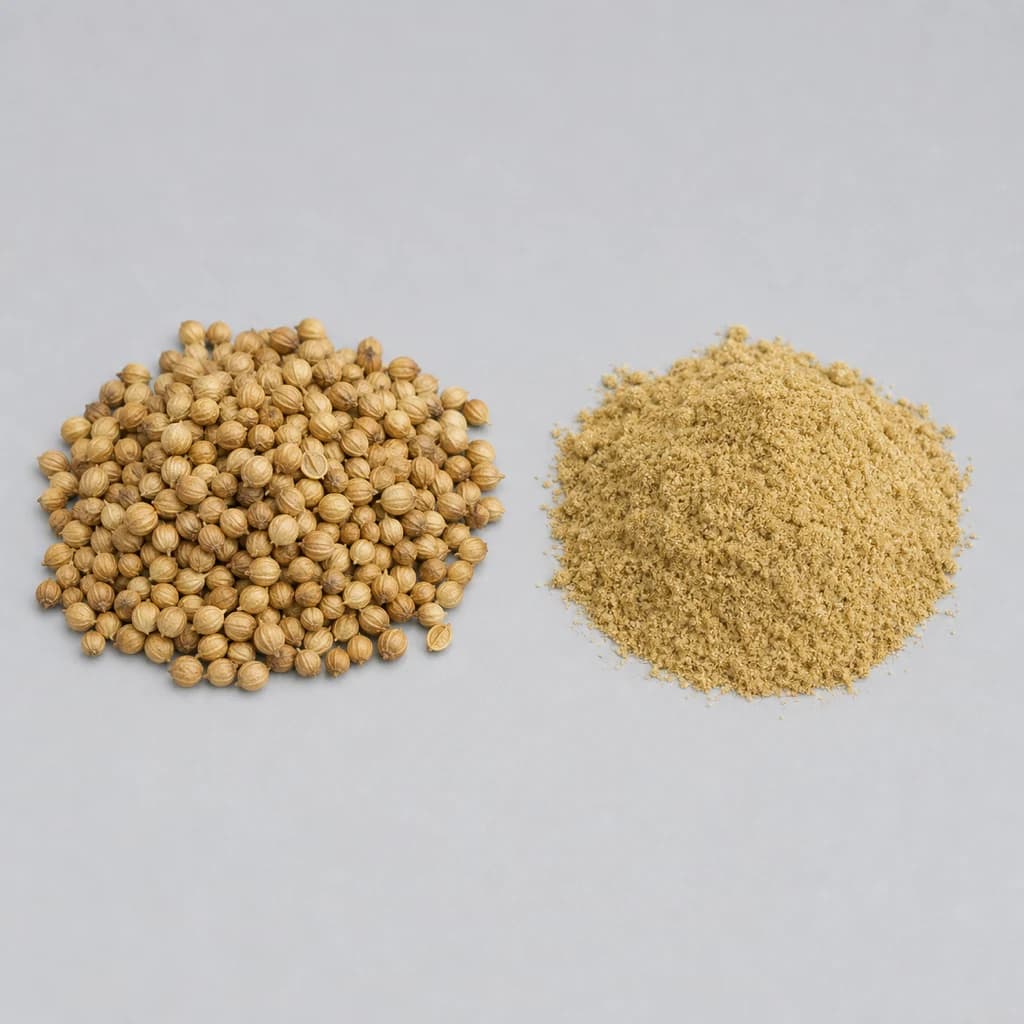
Coriander Seed
Citrusy, warm seed for curries, pickles, and rubs
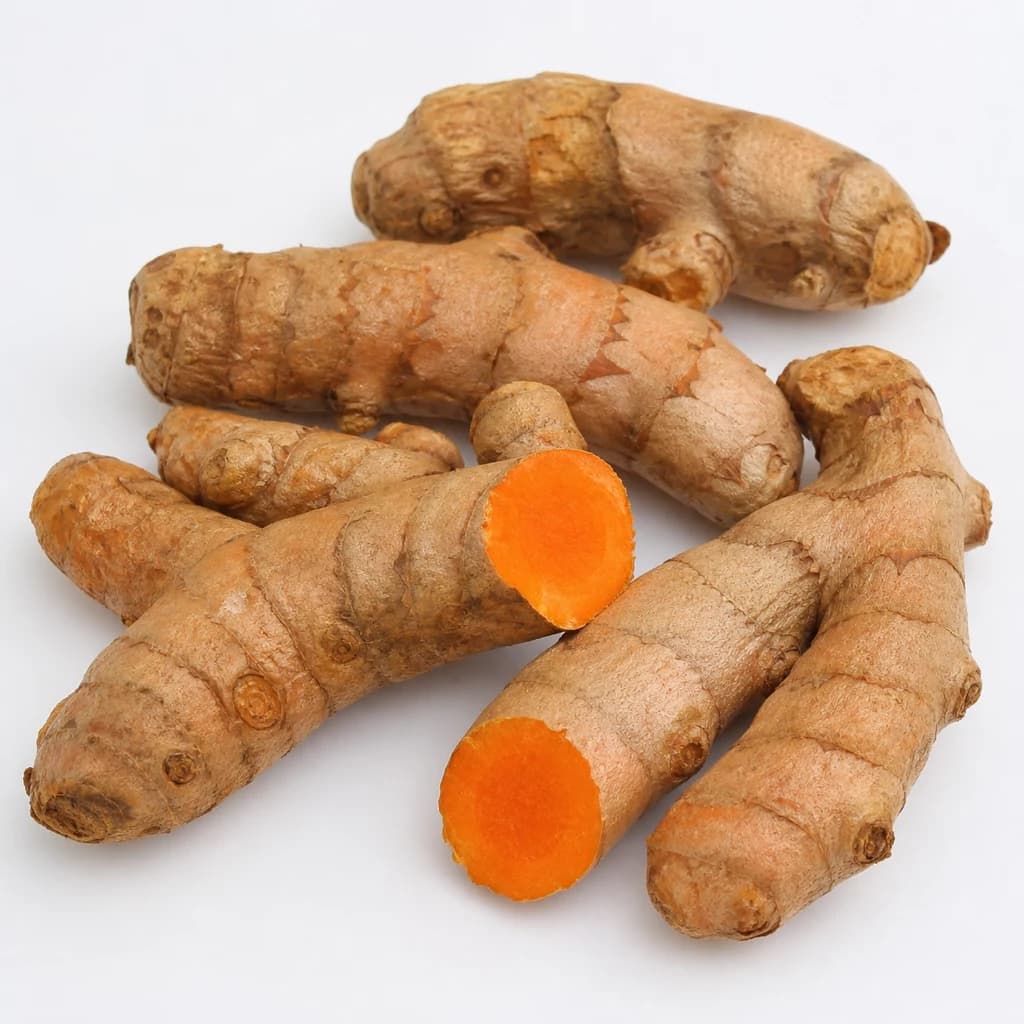
Turmeric
Golden, earthy spice for curries, rice, and color