Spices
Kashmiri Chili
Mild, deep-red Indian chili powder prized for vivid color more than heat.
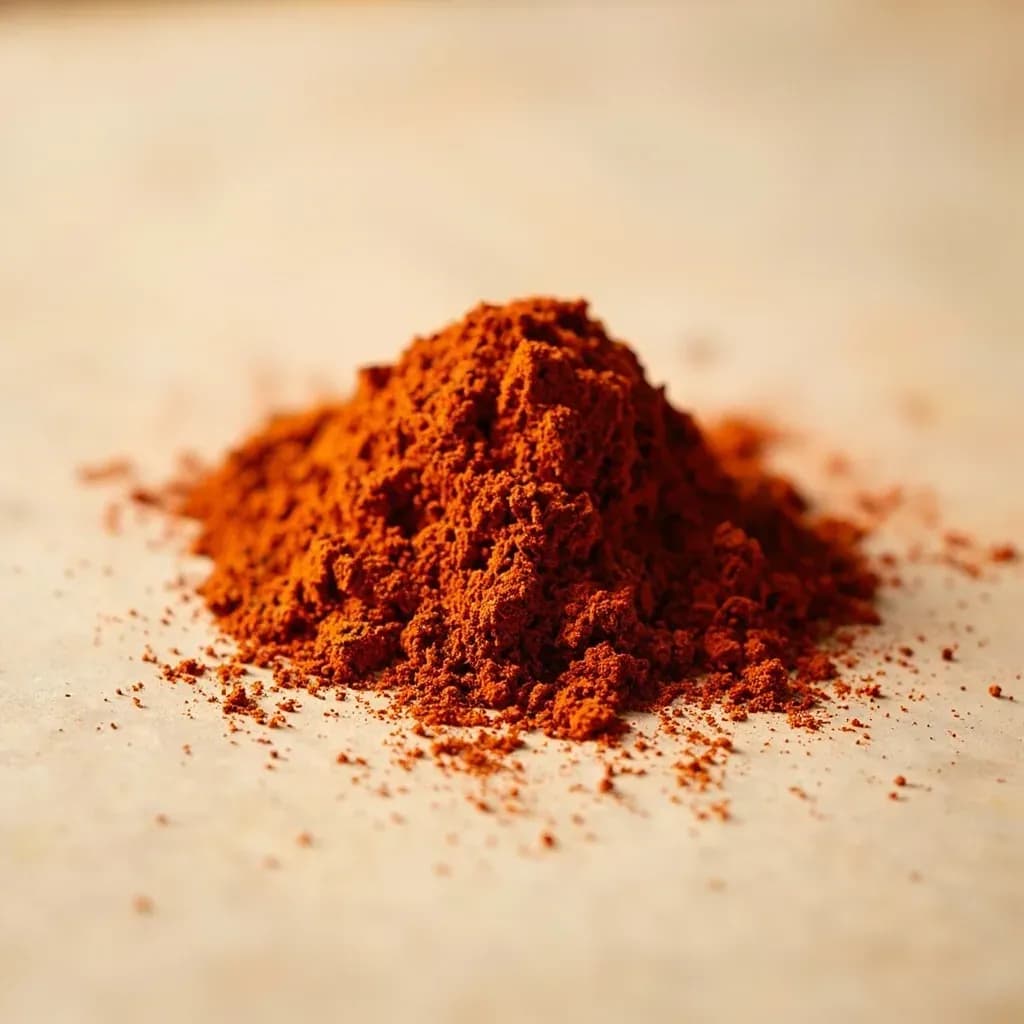
Kashmiri chili is a mild Indian chili known for its deep, vibrant red color and modest heat. It is used as a powder to give curries, tandoori dishes and gravies a rich red hue without overwhelming spice. Cooks often rely on it specifically when they want color and gentle warmth rather than fire.
Kashmiri Chili is a distinctive Capsicum annuum variety cultivated in the high-altitude Kashmir Valley, where the temperate mountain climate coaxes thin-walled pods into extraordinary pigment concentration. Unlike chilies bred primarily for capsaicin bite, Kashmiri Chili was selected over generations for its intense red-orange carotenoid load—chiefly capsanthin and capsorubin—which yields vivid color at whisper-quiet heat levels of 1,000 to 2,500 Scoville Heat Units. The result is a spice that can transform the visual character of an entire dish without tipping the flavor into territory most diners would find aggressive.
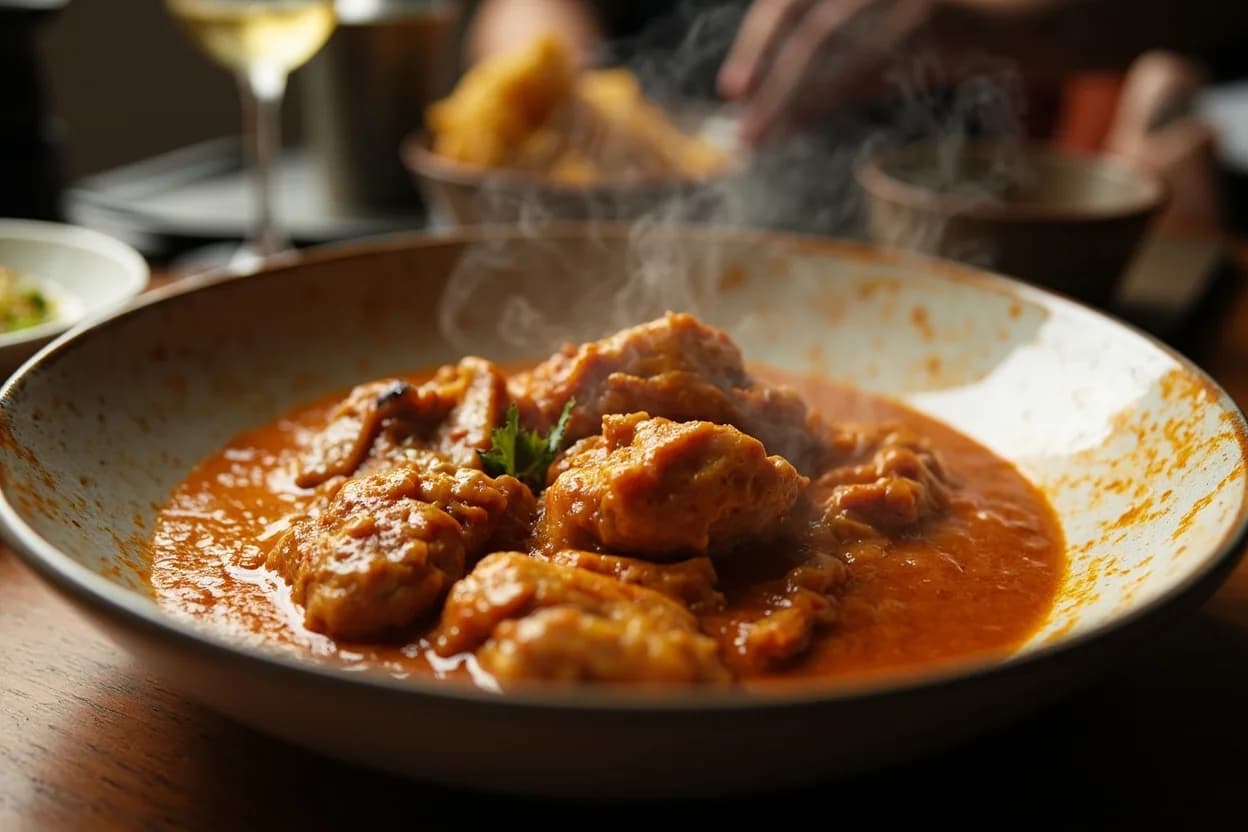
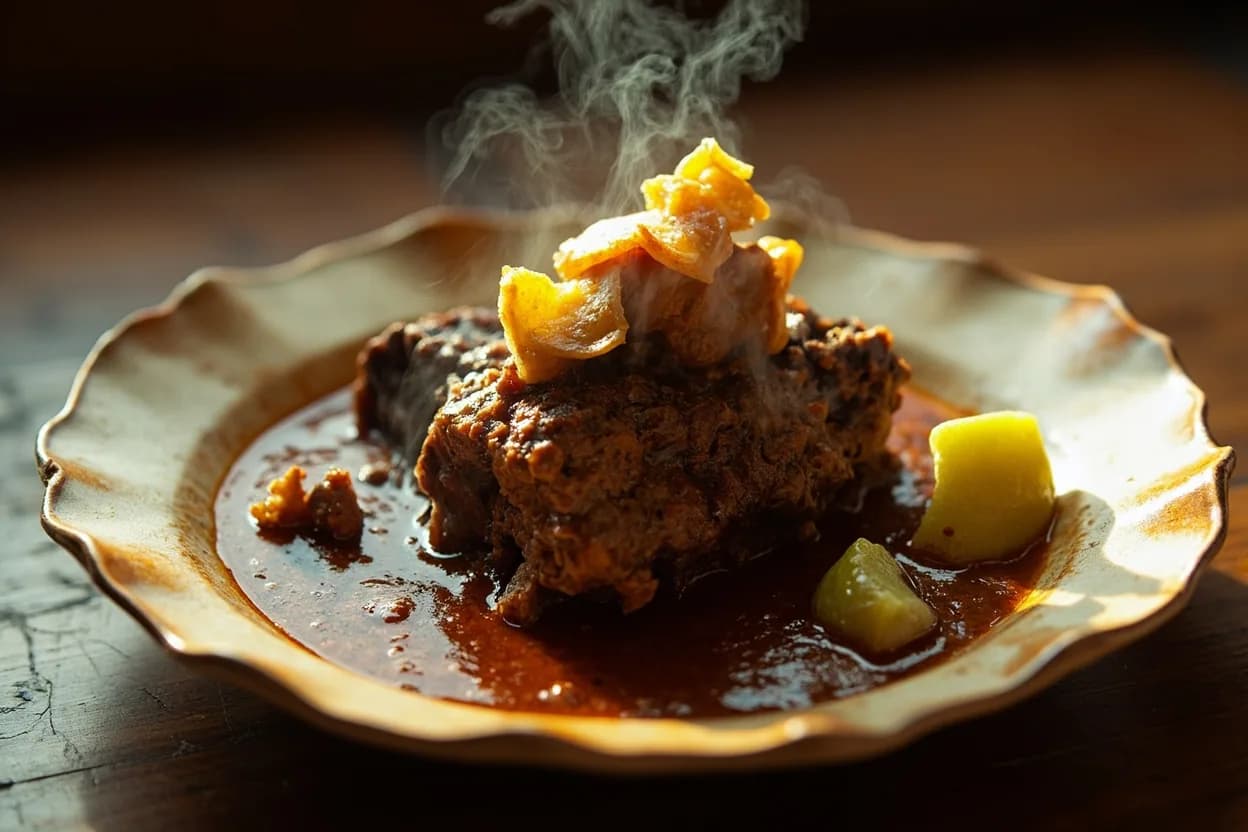
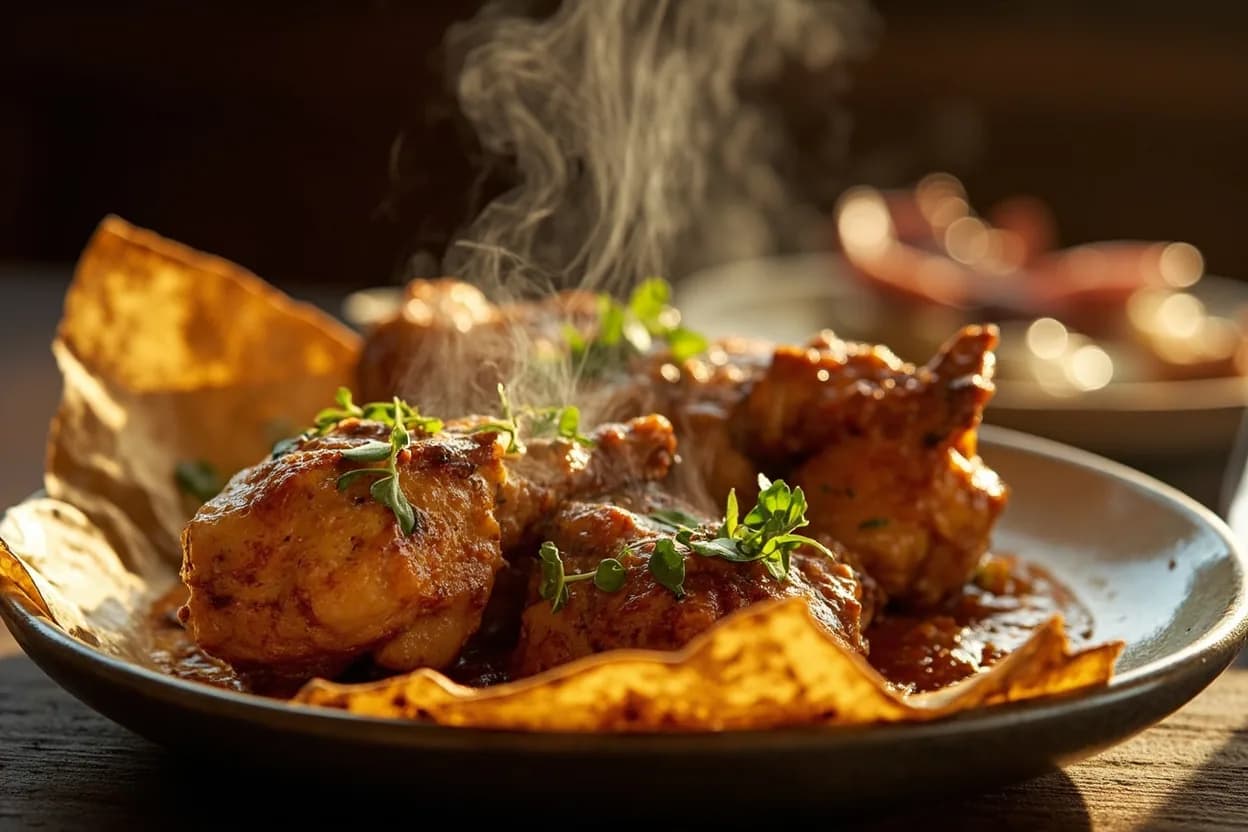
This chili occupies a specific culinary niche: it delivers commercial-quality red color that few other culinary chilies achieve at comparable mildness. In authentic Kashmiri cooking it anchors dishes like Rogan Josh, where the deep brick-red hue is as integral a visual component as the lamb or the warming spices. The powder also appears in commercial "Kashmiri red chili powder" blends sold across India, which may combine it with smaller quantities of deghi mirch for added depth. Whole dried pods are less common outside the region but offer markedly superior flavor when freshly toasted and ground—the volatile aromatics released by brief dry-heat application simply cannot be preserved in pre-ground form. Quality matters enormously here: the genuine article has a faint, sweet dryness, while adulterated powders feel gritty, lack vibrancy, and may contain artificial dyes that bleed orange rather than true red.
In the kitchen, Kashmiri Chili behaves differently from hotter relatives. The color compounds are fat-soluble, meaning they bloom fully only when whisked or fried in oil or ghee, then disperse evenly through a sauce. Added to aqueous bases without fat, the pigment streaks rather than stains. This fat-architecture is the key to using it effectively—build it into the first stage of your masala, not as a last-minute garnish, unless you want specks rather than a seamless wash of color. Properly stored (whole pods up to two years, ground powder six to twelve months, both in airtight dark glass), it retains potency well, though oxidation gradually dulls that signature red.
- Measured in
- g
- Storage
- Pantry
Types & varieties
Standard commercial variety; deep red, thin-walled pods most commonly sold as ground powder across India
Dried whole and sometimes toasted before grinding; offers superior aroma compared to pre-ground powder
Why Color Compounds Behave Differently Than Heat
The capsanthin and capsorubin that give Kashmiri Chili its visual punch are carotenoid pigments, chemically distinct from capsaicin, the alkaloid that registers as heat on the tongue. Carotenoids dissolve readily in fats but are nearly insoluble in water, which explains why a pinch added to a yogurt marinade turns the mixture a uniform sunset orange, while the same pinch dropped into a soup can produce streaking that refuses to incorporate. This is not a flaw—it is a feature. Understanding the fat-solubility lets you deploy Kashmiri Chili strategically: bloom it in hot oil or ghee as part of your initial masala foundation, and the color will permeate the entire dish as the sauce reduces.
- Fat bloom first: always fry Kashmiri Chili in your cooking fat before adding liquids
- Aqueous finishing is for garnish only: a dusting on top of a finished dish will sit on the surface rather than color the food beneath
- Tomato paste and onion in the fat also carry pigments, creating synergistic color depth
Growing Conditions and Flavor Development
The Kashmir Valley's high-altitude environment—with its cold nights, intense sunlight, and well-drained soils—stresses the chili plants in ways that concentrate pigments. The thin pod walls, evolved to conserve water, mean less structural bulk but higher pigment density per gram. This is why a single teaspoon can meaningfully color an entire curry while contributing almost no perceptible heat. Pods grown at lower elevations or in humid conditions develop thicker walls and milder color, which is why provenance matters. The difference between genuine Kashmiri product and imposters is measurable in the lab and visible to the trained eye: authentic powder dissolves in oil to a deep, transparent ruby, while adulterated versions cloud the fat with dull orange sediment.
- Seek out reputable spice merchants who source directly from Kashmir or have verified supplier relationships
- Genuine Kashmiri Chili powder has a faint, sweet, vegetable-dried aroma; artificial dyes produce a flat, almost chemical smell
- Whole pods are your best authenticity guarantee—look for deep red, pliable (not brittle) pods that feel lightweight
Common uses
Tips & pitfalls
- Toast whole dried pods 30 seconds in a dry pan over medium heat to unlock volatile aromatics before grinding or steeping in oil—the fragrance should shift from flat to bright and almost floral
- Store ground powder in a sealed glass jar away from direct light—oxidation fades the signature red within weeks in clear containers or on open shelving
- When a recipe calls for color-only, use half the quantity you'd use for heat, then adjust upward if you want gentle warmth rather than just hue
- Blend Kashmiri Chili with a small amount of coriander and cumin powder to round out the flavor in curry bases—on its own it can taste slightly flat
- Adulterated powders feel gritty and lack the slight sweetness of the genuine article; check for vivid, uniform color without visible speckling of other ground spices
- Add early in cooking so color compounds disperse fully through the fats in the dish—late addition produces streaks and specks rather than seamless color
- If your curry turns out paler than expected, the chili may have been old or poorly stored; try bloomed fresh powder added to the finished dish as a corrective
- Common mistake: using Kashmiri Chili in place of cayenne at a 1:1 ratio—it will not deliver the heat expected, leaving the dish looking fiery but tasting bland
Nutrition
Energy
418 kJ · per 100 g
Where the calories come from
Protein
5.9g
12% DV
Carbs
10.9g
4% DV
Fat
3.7g
5% DV
Fiber
2.9g
10% DV
Sugars
1.8g
of which
Sodium
385mg
17% DV
Source · USDA FoodData Central · approx. Chili with beans, microwavable bowls
View on FDC →In the shops
Matched grocery products
No matched grocery products for Kashmiri Chili yet.
Good to know
- Scientific name
- Capsicum annuum
- Heat level
- 1,000–2,500 SHU (mild)
- Color compounds
- Capsanthin and capsorubin (high carotenoid content)
- Primary use
- Color delivery; heat is secondary
- Form
- Whole dried pods and ground powder
- Origin
- Kashmir Valley, India (also grown in parts of Pakistan)
- Shelf life
- Ground: 6–12 months; whole pods: up to 2 years in airtight, dark storage
- Adulteration risk
- Low-quality powders often bulked with paprika or colored with artificial dyes—buy from reputable sources
Substitutes
- Deghi Mirch — Slightly hotter but similar deep-red color; use 3/4 the quantity of Kashmiri Chili specified, then balance with other spices
- Aleppo Pepper — Mild with fruity, slightly salty notes; comparable heat, less color intensity—expect a rust-orange rather than deep red wash
- Paprika (Hungarian or Spanish smoked) — Good for color but adds no heat; add a pinch of cayenne or a few drops of hot sauce to approximate Kashmiri Chili's warmth
- Byadgi Chili — Indian variety from Karnataka with intense red color and very low heat; swap 1:1 for nearly identical results
Pairs with
Also called
kashmiri-chili-powder · kashmiri-red-chili · kashmiri-chilli
Appears in these dishes
Related
Salt
The one seasoning that makes everything else taste like itself

Black Pepper
Pungent, woody heat — best cracked fresh over anything savory
Amchur
Dried unripe mango ground to a tart, fruity souring powder
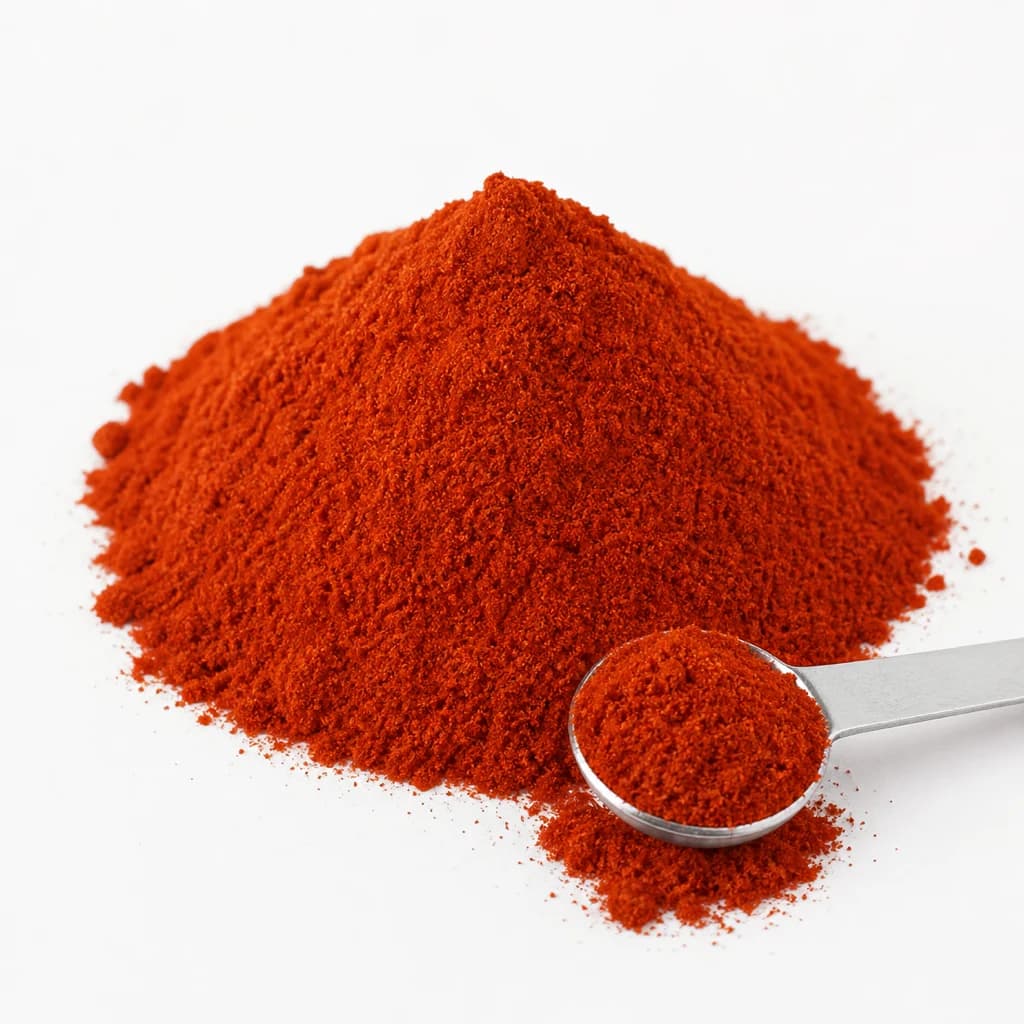
Paprika
Sweet, vivid ground pepper for color and gentle warmth
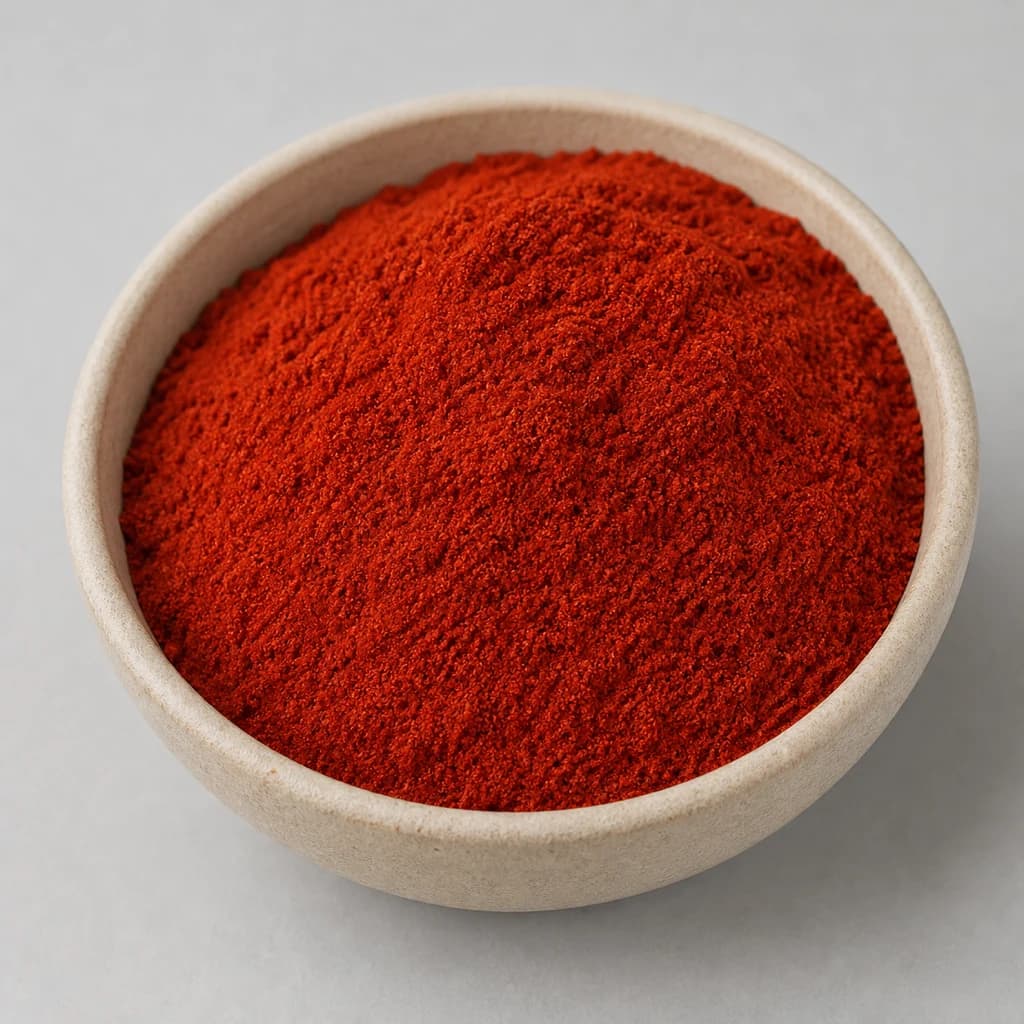
Smoked Paprika
Deep, smoky ground pepper for a campfire warmth
Cumin
Warm, earthy spice central to curries, chili, and tacos
Coriander Seed
Citrusy, warm seed for curries, pickles, and rubs
Turmeric
Golden, earthy spice for curries, rice, and color