Natural form
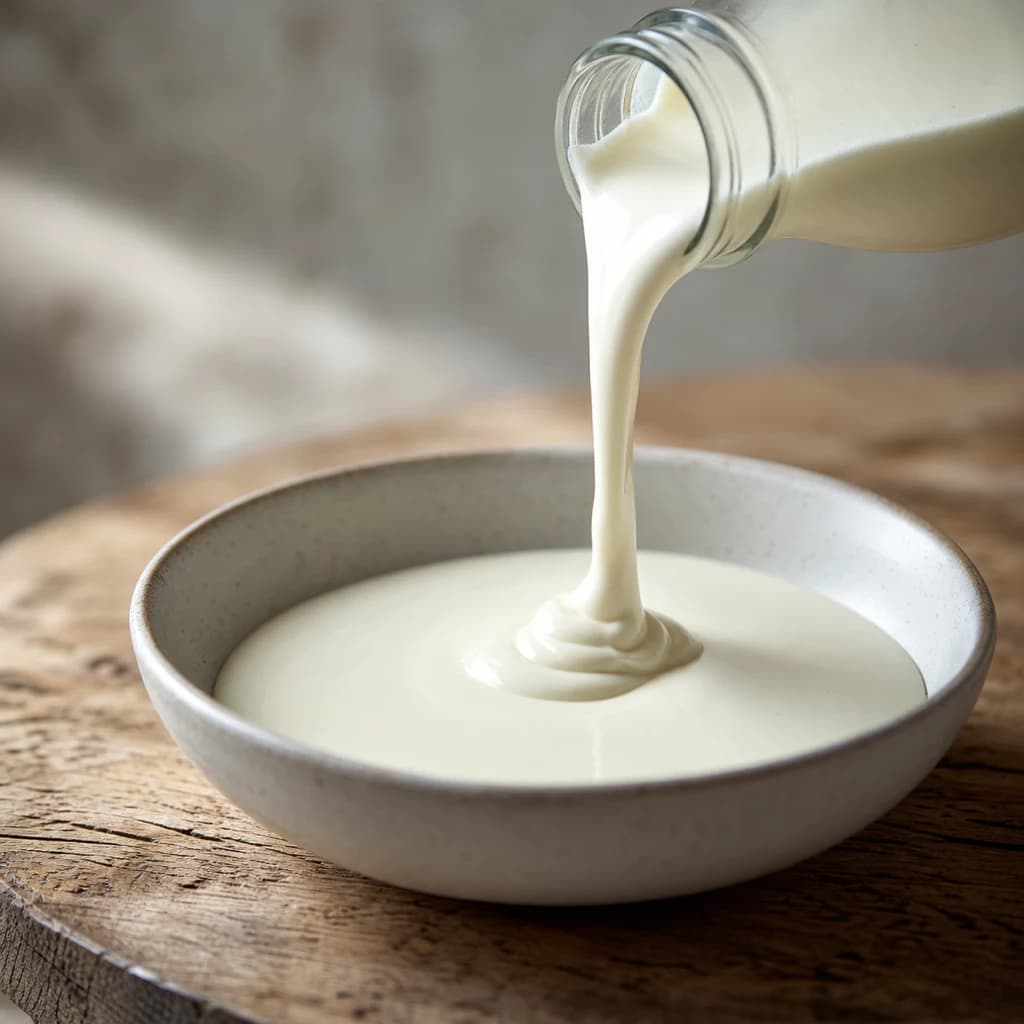
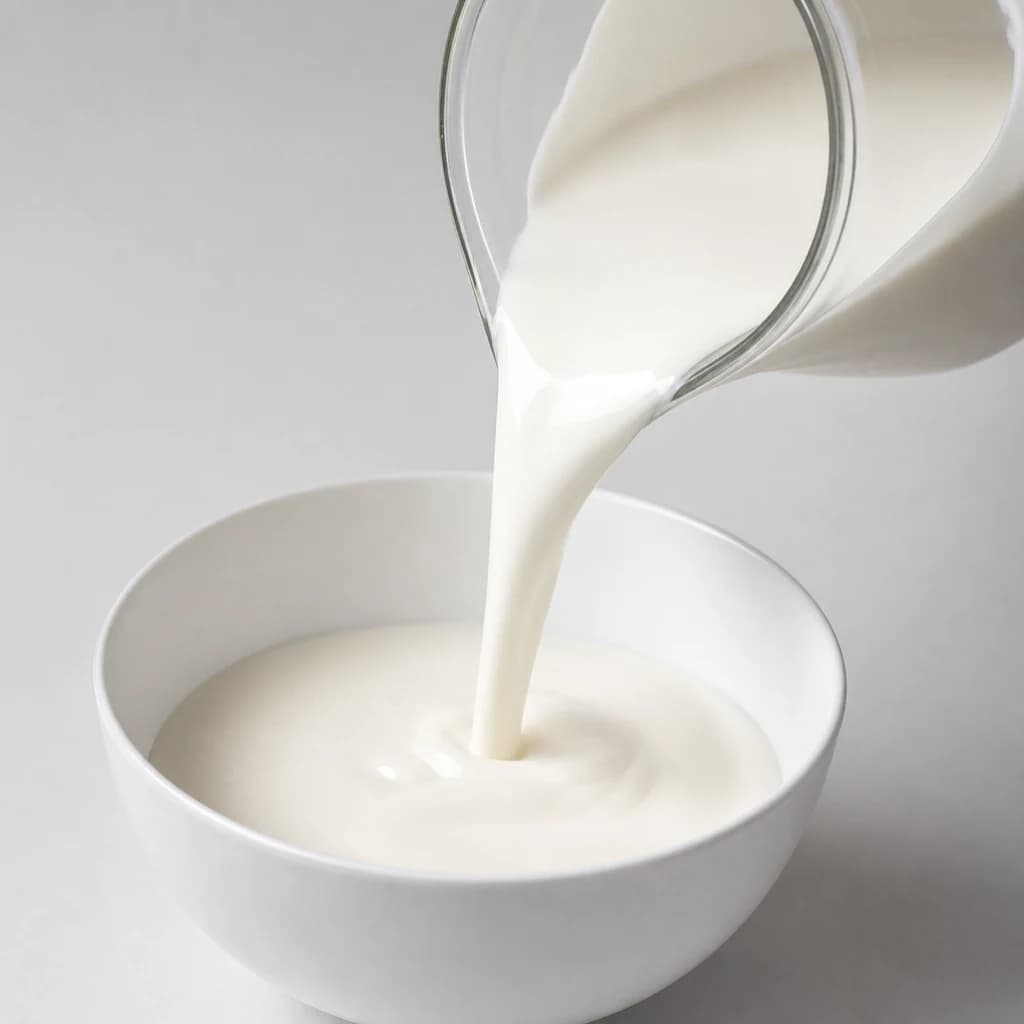
Double cream poured from a glass bottle, showing its thick, slow-flowing consistency.
Demonstrates the defining characteristic of double cream — its exceptional thickness and viscosity compared to thinner creams — at a glance.
Dairy & Eggs
Double Cream
Rich British cream around 48% fat that whips firmly and enriches sauces.
Double cream is a rich British cream with about 48% milk fat, higher than American heavy cream. Its high fat content lets it whip to stiff peaks, boil without curdling, and add lush richness to sauces, desserts, and soups. It is poured over puddings and folded into custards and ganaches.
Double cream is the richest standard cream available in Britain, standardized to a minimum of 48% fat. It sits at the top of the British cream hierarchy—above single cream (18%) and whipping cream (35%)—and approaches the density of clotted cream without the slow-cooking process. The name refers to its fat content being roughly double that of single cream, not to any preparation method. In British supermarkets it is almost always ultra-heat treated (UHT) for shelf stability, which does not impair its cooking or whipping performance. What distinguishes double cream is that it whips to a remarkably firm, stable foam without gelatin, stabilizers, or tricks—its high fat content does the work. It has no cultured tang; the flavour is purely sweet, rich dairy. There is no exact American equivalent, though heavy whipping cream comes closest and is the standard substitute. Double cream's thickness also makes it spoonable straight from the carton, ideal for applications where you want richness without whipping or cooking it first.
- Measured in
- ml
- Storage
- Fridge
Allergens
Types & varieties
Double Cream in the British Cream Hierarchy
The British dairy grading system defines cream by fat content. Single cream holds around 18% fat—thin enough to drink but not to whip. Whipping cream sits at 35% and can be whipped to soft peaks. Double cream at 48% whips firmly and holds its shape, making it the workhorse of dessert and sauce kitchens. Clotted cream at 55%+ is a heated, cooled, and cultured product with a completely different character. Understanding this hierarchy lets you choose the right cream for the right job: single for light soup finishes, double for piping and enrichment, clotted for spreading on scones.
- Single cream (18% fat): soups, light sauces, pouring
- Whipping cream (35% fat): soft-peak whipping, lightly enriched dishes
- Double cream (48% fat): firm piping, sauces, enrichments, direct serving
- Clotted cream (55%+ fat): traditional spread for scones and warm pastries
Why Fat Content Controls Behaviour
The fat content of cream determines almost everything: how it whips, how it holds shape, how it reacts to heat, and how it tastes. At 48% fat, the fat globules are dense enough to trap air in a stable network when whisked, producing peaks that hold for hours. In sauces, that same fat coats starch granules and proteins, preventing them from clumping and staving off curdling longer than lower-fat creams—but it does not make double cream immune. The practical implication is that double cream is not a heat-stable cream; it will still curdle if boiled. What changes is the window: you have more time and more tolerance before things go wrong. At lower fat levels, the proteins dominate and the emulsion collapses more readily under heat or acid.
- Higher fat = more stable whipped foam
- Higher fat = longer tolerance before curdling in sauces, but not immunity
- Higher fat = richer mouthfeel and deeper dairy flavour
- Lower fat = better heat stability in some applications (crème fraîche outperforms double cream here)
Common uses
Tips & pitfalls
- Whip cold (4°C) for maximum volume; cream warmer than 10°C will not aerate properly no matter how long you whisk
- Stop whipping just before the firmness you need—cream continues to stiffen for a few seconds after you stop, and overwhipping ruins the texture irreversibly
- For extra-stable whipped cream, fold in a tablespoon of mascarpone per 150ml of cream; this reinforces the fat network without changing the flavour noticeably
- Do not boil after adding double cream—high heat causes curdling within seconds; add to finished or just-off-heat dishes only
- If a sauce begins to look grainy or threatened with curdling, remove from heat immediately and whisk in a splash of cold double cream or a teaspoon of cold butter to arrest the process
- Use whipped double cream immediately or refrigerate for up to 4 hours; after that, sweating and weeping become significant
- Season with salt and white pepper for savory applications; a small pinch of sugar balances acidity when serving with fresh fruit
- When folding double cream into a lighter foam (such as a mousse base), fold gently in two additions to preserve as much air as possible
Nutrition
Energy
1423 kJ · per 100 g
Where the calories come from
Protein
2.8g
6% DV
Carbs
2.8g
1% DV
Fat
36.1g
46% DV
Fiber
0g
0% DV
Sugars
2.9g
of which
Sodium
27mg
1% DV
Source · USDA FoodData Central · Cream, fluid, heavy whipping
View on FDC →In the shops
Matched grocery products
No matched grocery products for Double Cream yet.
Good to know
- Fat Content
- 48% minimum (UK standard)
- Origin
- United Kingdom; no direct American equivalent—heavy cream (US) is the closest substitute at around 36–40% fat
- Consistency
- Very thick and spoonable even before whipping; holds peaks firmly when whipped
- Shelf Life
- Unopened: 7–10 days past sell-by date; opened: 2–3 days refrigerated
- Storage
- Refrigerate at 4–8°C; do not freeze; keep container upright
- Whipping Stability
- Holds peaks without gelatin or stabilizers; no help needed
- Heat Sensitivity
- High—boiling causes immediate curdling; add to finished or just-off-heat dishes only
Substitutes
- Heavy Whipping Cream (US) — 36–40% fat American equivalent; whips to soft-to-medium firmness but holds peaks for less time than double cream. The best 1:1 swap for most applications, though results are less firm.
- Crème Fraîche — 30–45% fat depending on brand; has a tangy cultured flavour but holds whipping reasonably well and is significantly more heat-stable than double cream. Use 1:1 in sauces for a more stable result, though the flavour changes.
- Mascarpone — 40–45% fat; similar richness and fat content but spreadable rather than pourable. Fold in a little whole milk or single cream to loosen to piping consistency. Does not whip as stably as double cream.
Pairs with
Also called
Heavy Cream
Appears in these dishes
Related

Whole Milk
Rich, full-fat milk for drinking, coffee, sauces, and baking
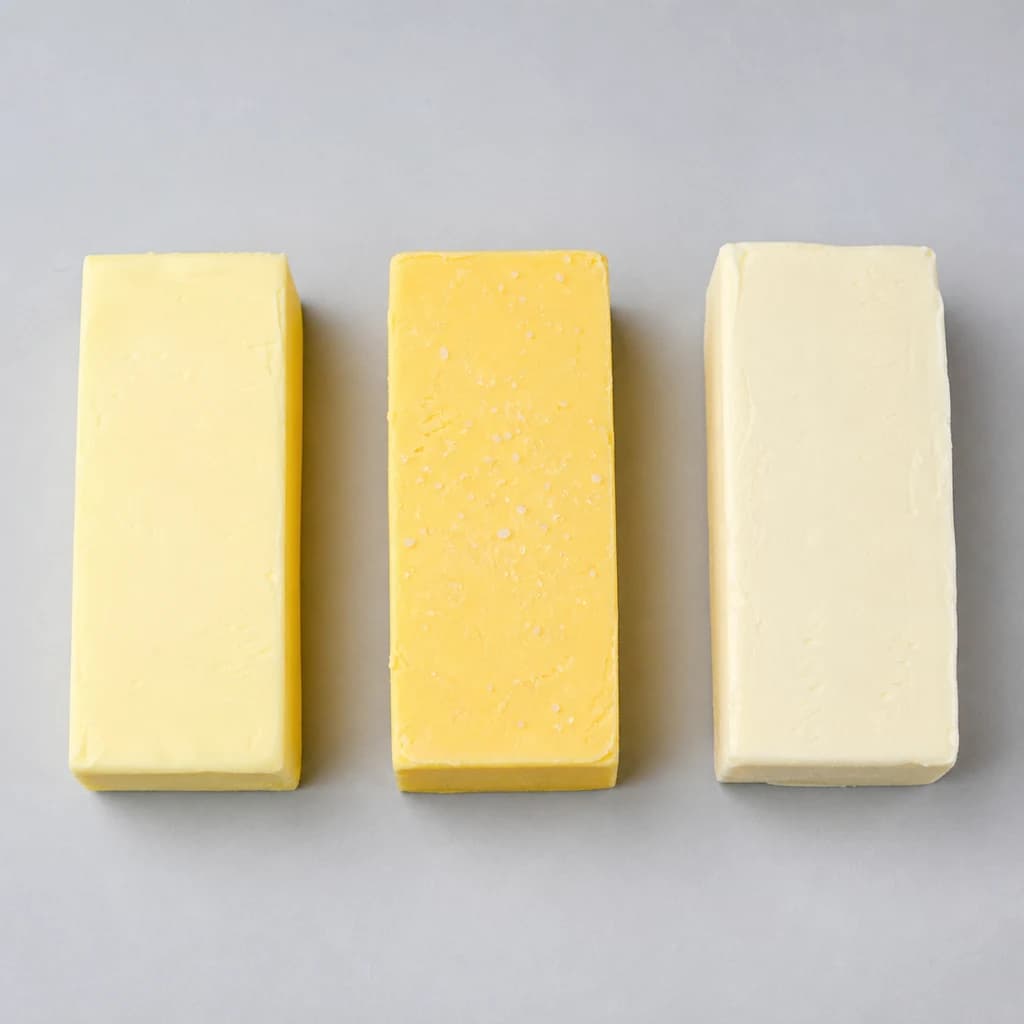
Butter
Golden fat for searing, baking, and finishing a sauce
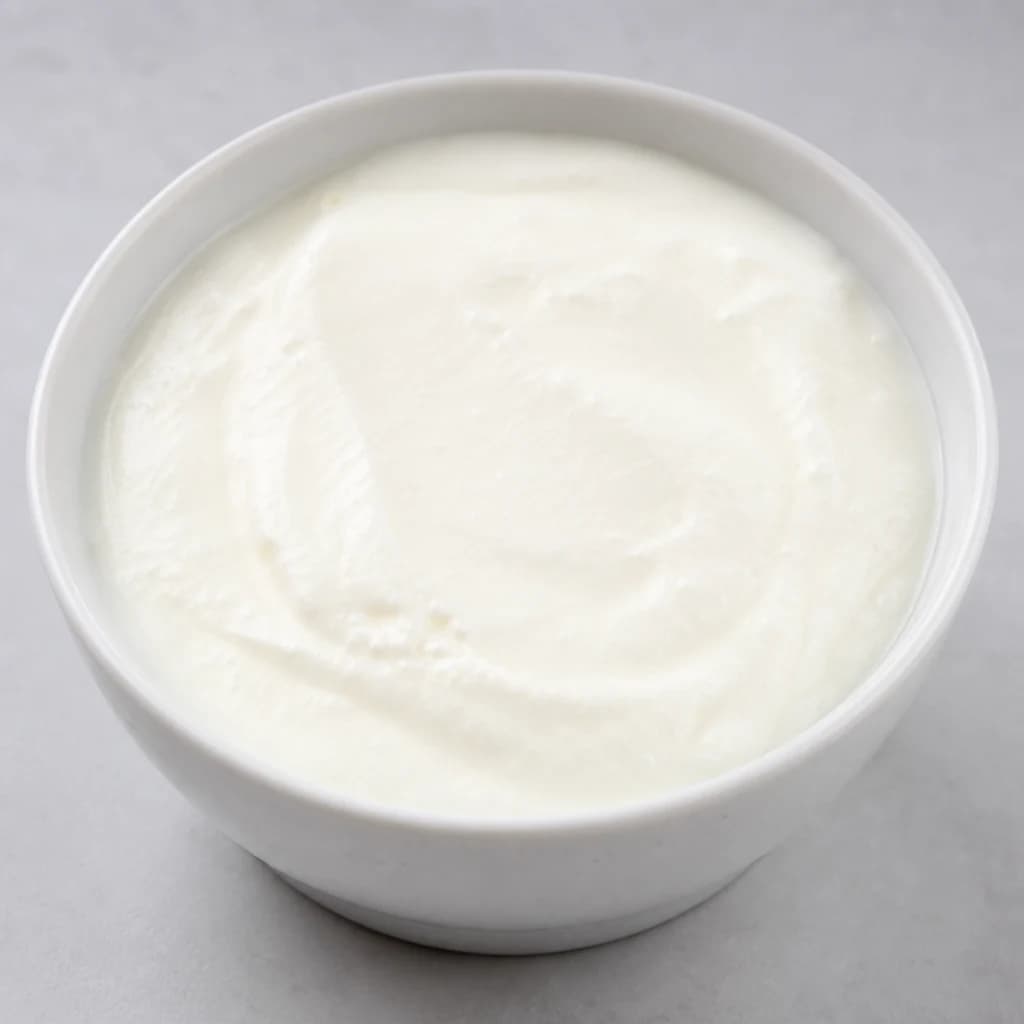
Yogurt
Tangy, creamy culture for breakfast, sauces, and marinades
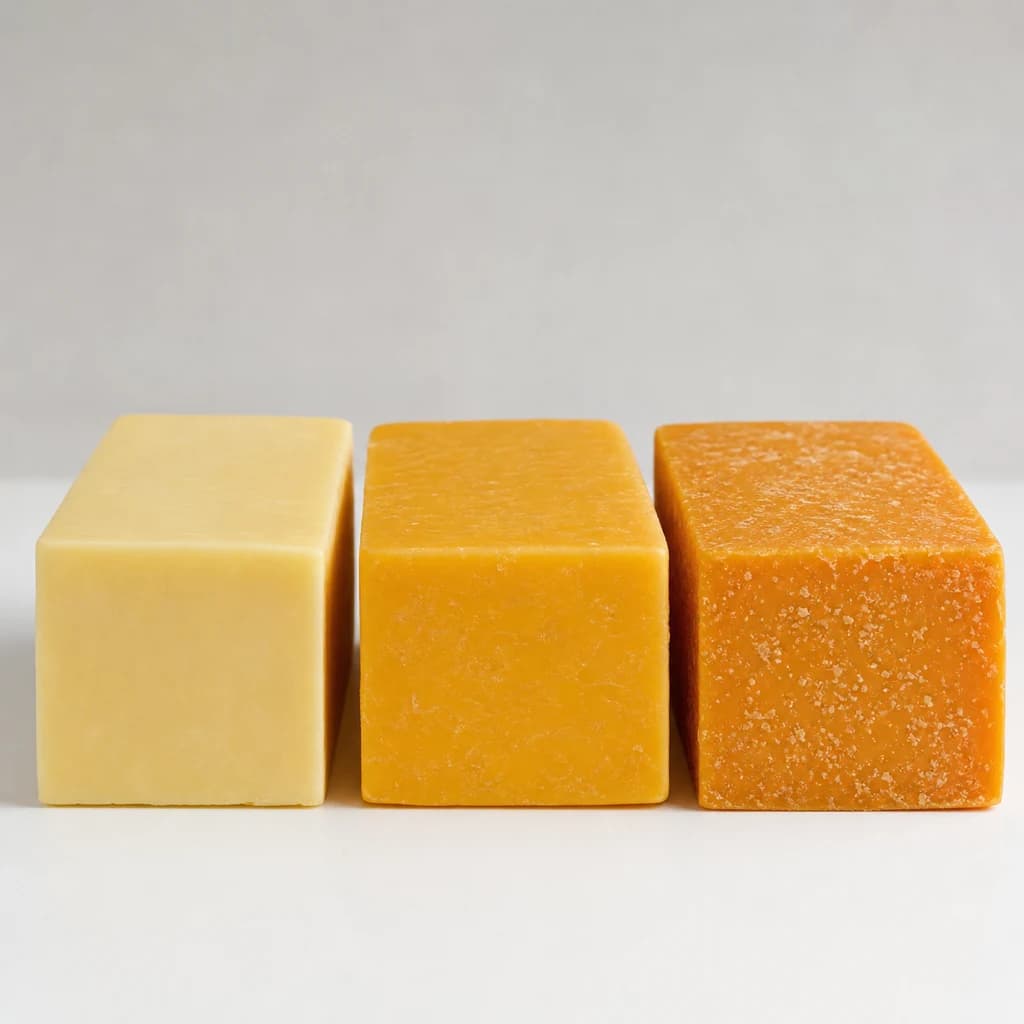
Cheddar Cheese
Sharp, melty cheese for sandwiches, gratins, and grating
Skim Milk
Fat-free milk for lighter drinking, coffee, and cooking
Heavy Cream
Rich cream that whips, enriches sauces, and sets ganache

Sour Cream
Tangy, thick cream for dolloping, baking, and dips
Mozzarella
Soft, milky cheese that melts into stretchy pizza pulls