
Natural form
A fresh batch of clotted cream with its characteristic golden crust on top.
Shows the defining visual trait — the thick, golden-crusted top layer that distinguishes clotted cream from all other dairy products.
Dairy & Eggs
Clotted Cream
Ultra-rich thickened cream skimmed from slow-heated milk; the dense kaymak spooned onto bread and sweets.
Clotted cream is made by slowly heating full-fat milk and skimming the thick, crusted cream that rises, yielding an intensely rich spread. Known as kaymak, qaymaq, or kajmak across the Balkans, Turkey, and the Middle East, it is spooned onto bread, honey, and pastries. Its dense, slightly nutty richness comes from its very high fat content.
Clotted cream is a dairy product of extraordinary richness, made by slowly heating unpasteurized or lightly pasteurized milk at low temperatures (185–195°F/85–90°C) for several hours until the cream rises and forms a thick, golden layer that "clots" on the surface. The slow heating process denatures milk proteins and concentrates fats, creating a texture unlike any other dairy product—dense enough to hold its shape on a spoon yet smooth and spreadable, with a buttery, almost caramelized richness that tastes far more indulgent than its fat percentage alone would suggest. Its deep cream-to-golden-yellow color indicates high quality; a grayish tint signals lower fat content or inferior production. Unlike double cream (which shares the 48% fat minimum but receives no heat treatment) or kaymak (the Turkish and Middle Eastern counterpart traditionally made from water buffalo milk and commonly used in baklava fillings), clotted cream's signature character comes entirely from the slow-cooking process. In the United Kingdom, "clotted cream" enjoys traditional specialty guaranteed (TSG) protection—only cream produced in Devon and Cornwall using traditional methods may legally bear this name. This protection exists because the product is inseparable from the cultural identity of the Southwest English cream tea, where it has been central since at least the fourteenth century.
- Measured in
- g
- Storage
- Fridge
Allergens
Types & varieties
Thicker, richer consistency with a deeper gold color; Cornwall produces more of this style
Slightly thinner consistency, lighter color; spreads more readily and is the preferred choice for those who want easier spreading
Small dairies in Devon and Cornwall produce regional variations; quality and fat content vary by producer—seek out reputable sources for the best flavor
The Cream Tea Controversy
The great British debate over the correct order of additions to a cream tea is as heated as any culinary argument can reasonably be. The Cornish insist that jam goes on the scone first, followed by clotted cream on top—allowing you to taste both the fruit and the cream in each bite. The Devon tradition reverses this entirely, placing cream on the scone first with jam on top. Neither side will yield, and both are correct within their regional framework. When serving a cream tea, know your audience and adjust accordingly.
- Cornish method: jam first, then cream on top
- Devon method: cream first, jam on top
- Neither method is wrong—regional tradition dictates the choice
How Clotted Cream Differs from Similar Products
Understanding what clotted cream is not helps clarify its unique character. Double cream has the same 48% minimum fat content but is simply separated mechanically and receives no heat treatment—it remains liquid and whipable rather than thick and spreadable. Kaymak, the closest analog from Turkey and the Balkans, is traditionally made from water buffalo milk, giving it a slightly different flavor profile and often a denser texture; it is most commonly encountered as a filling in baklava and pastries. American heavy cream, even when reduced by simmering, cannot replicate the caramelized depth or the stable, spreadable texture that slow heating creates.
- Double cream: same fat content, no heat treatment, remains liquid
- Kaymak: traditionally water buffalo milk, used in pastries and sweets
- Heavy cream reduced: thin approximation, missing caramelized depth and stable texture
Common uses
Tips & pitfalls
- Bring clotted cream to room temperature before serving; cold clotted cream is stiff and will tear bread rather than spreading smoothly
- Use a spoon or small offset spatula to lift the cream directly from its container—do not stir, which breaks the delicate clots and creates a greasy, uneven texture
- If a thick crust has formed on the surface during storage, place the sealed container in a warm water bath (not over direct heat) for a few minutes to soften it before serving
- Store clotted cream in an airtight container; it readily absorbs strong odors from neighboring foods in the refrigerator
- A slight darkening of the surface color during storage is normal oxidation and does not affect flavor or quality—simply stir it back in or scoop around it
- Do not attempt to substitute fresh cream in recipes that specifically require clotted cream's texture and richness—the result will be fundamentally different
- When purchasing, look for sealed containers showing a deep golden color and avoid any with a grayish tint, which indicates lower fat content
- Freeze only if necessary; thaw overnight in the refrigerator and expect a slightly grainier texture after thawing
Nutrition
Energy
816 kJ · per 100 g
Where the calories come from
Protein
3g
6% DV
Carbs
3.7g
1% DV
Fat
19.1g
24% DV
Fiber
0g
0% DV
Sugars
3.7g
of which
Sodium
72mg
3% DV
Source · USDA FoodData Central · approx. Cream, fluid, light (coffee cream or table cream)
View on FDC →In the shops
Matched grocery products
No matched grocery products for Clotted Cream yet.
Good to know
- Origin
- Southwest England (Devon and Cornwall) since at least the 14th century; TSG protected since 2010
- Milk Fat Content
- Minimum 48% by UK legal standard; artisanal versions typically 55–60%
- Production Method
- Unpasteurized or lightly pasteurized milk heated slowly (185–195°F/85–90°C) for several hours; cream rises and "clots" into a thick golden layer
- Color
- Deep cream to rich golden yellow, depending on fat content and milk source; grayish tint indicates lower quality
- Shelf Life (opened)
- 7–10 days refrigerated in an airtight container
- Shelf Life (unopened)
- Typically 3–4 weeks refrigerated; check producer label
- Freezing
- Up to 2 months; texture may decline slightly
- Price Point
- Premium; significantly more expensive than standard cream
Substitutes
- Mascarpone — The closest textural match; mix in a tablespoon of heavy cream per 4 ounces to approximate the richness; the flavor will be slightly tangier and lack the caramelized depth of true clotted cream
- Heavy Cream (reduced) — Simmer heavy cream until it reduces to about half its volume; it will thicken but will not achieve the characteristic clotted flavor, caramelized notes, or stable spreadable texture
- Crème Fraîche (thickened) — Similar gentle tang but far too thin and pourable; not a reliable textural substitute for spreading or dolloping
- Clabbered Cream — Heavy cream soured with a few drops of lemon juice and left to thicken in the refrigerator; closer in tang but still missing the richness and spreadable quality of clotted cream
Pairs with
Also called
Qaymaq · Kajmak · Gaymar · Qishta · Kaymak
Appears in these dishes

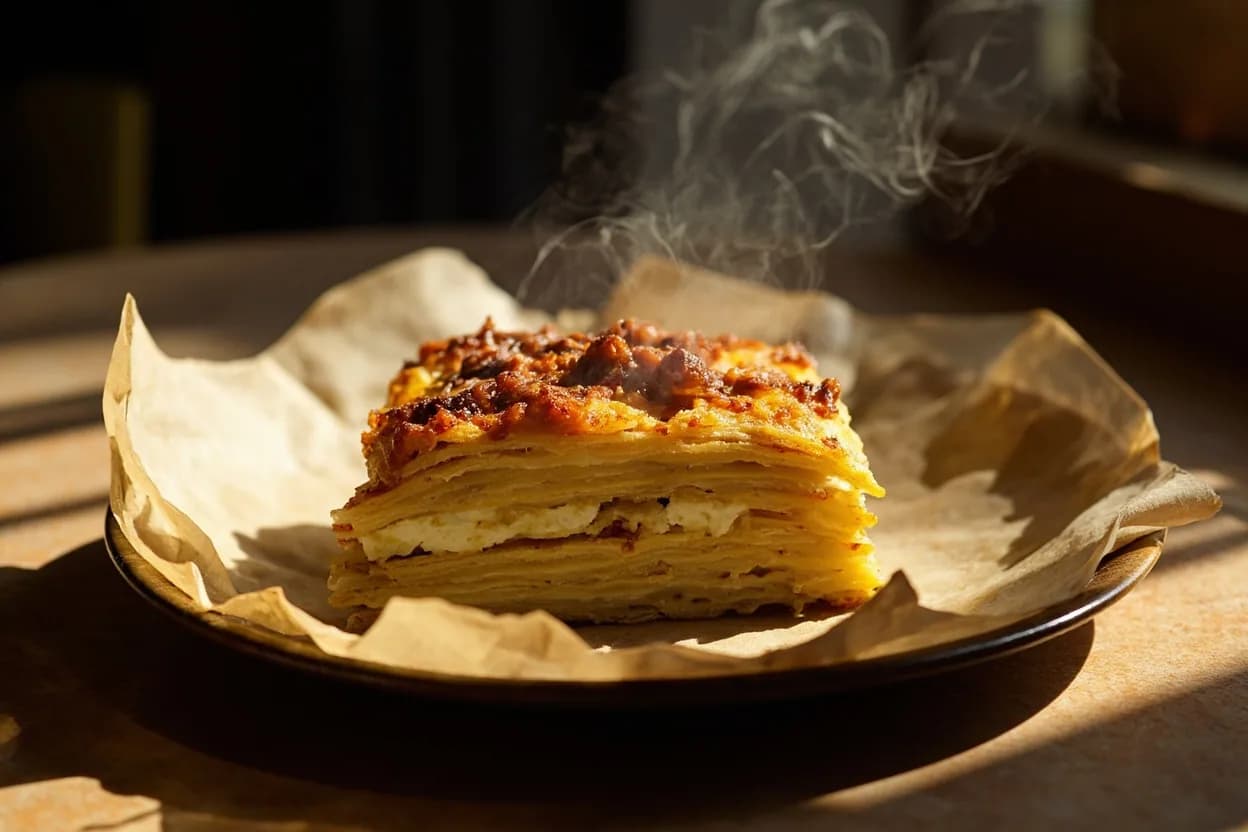
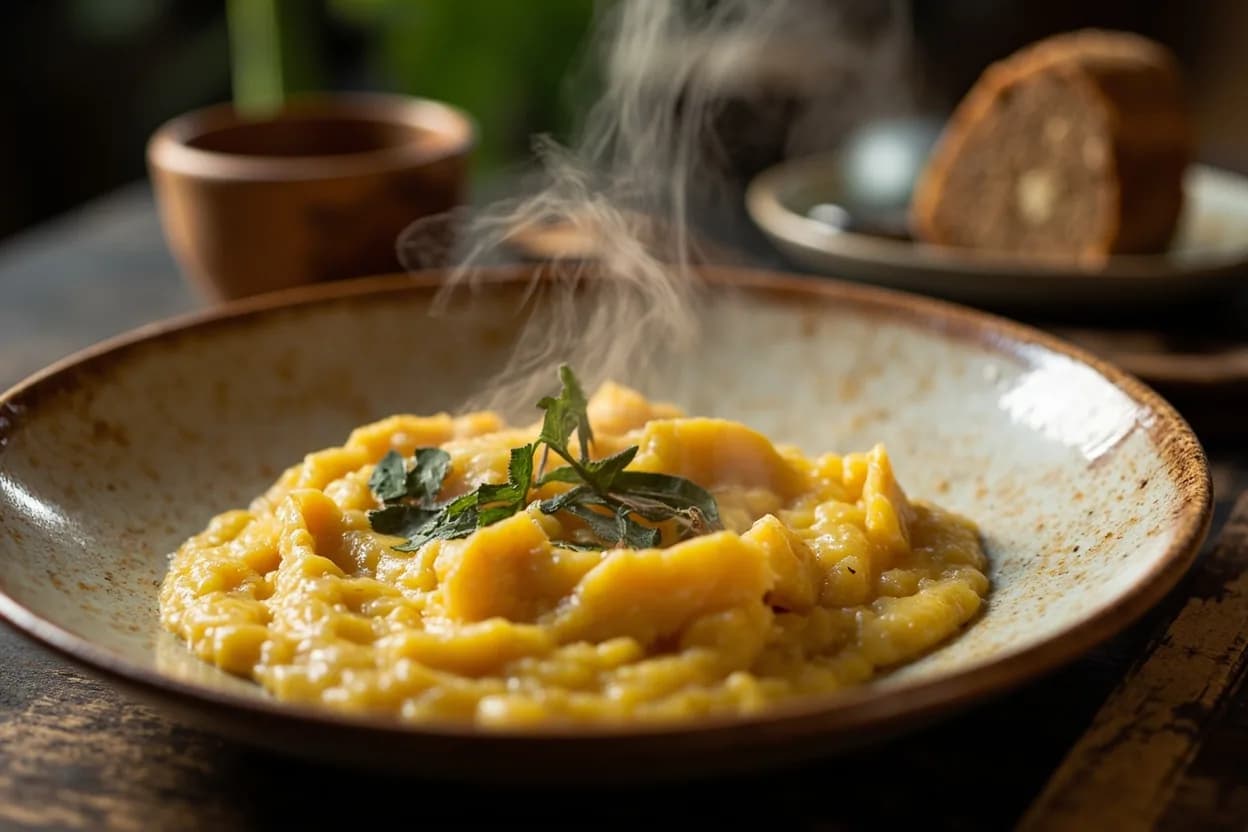

Related

Whole Milk
Rich, full-fat milk for drinking, coffee, sauces, and baking
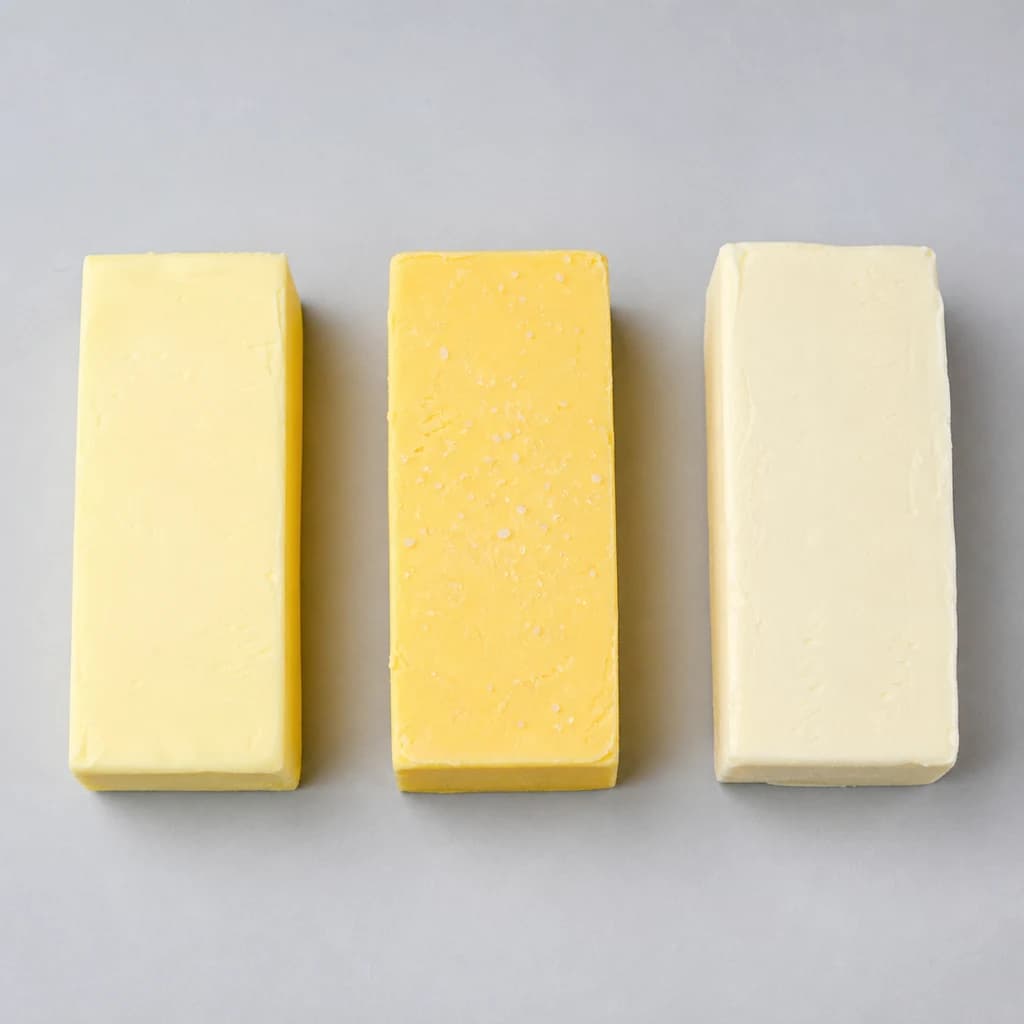
Butter
Golden fat for searing, baking, and finishing a sauce
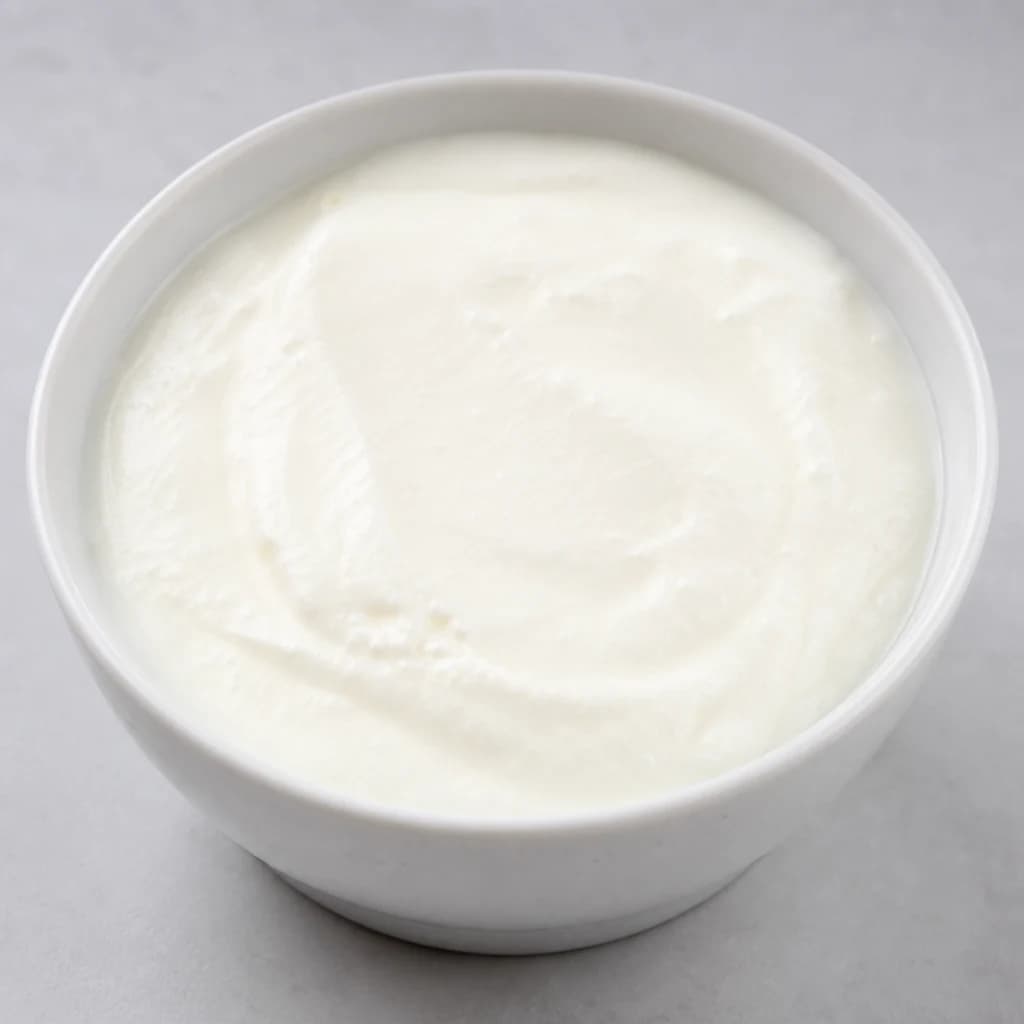
Yogurt
Tangy, creamy culture for breakfast, sauces, and marinades
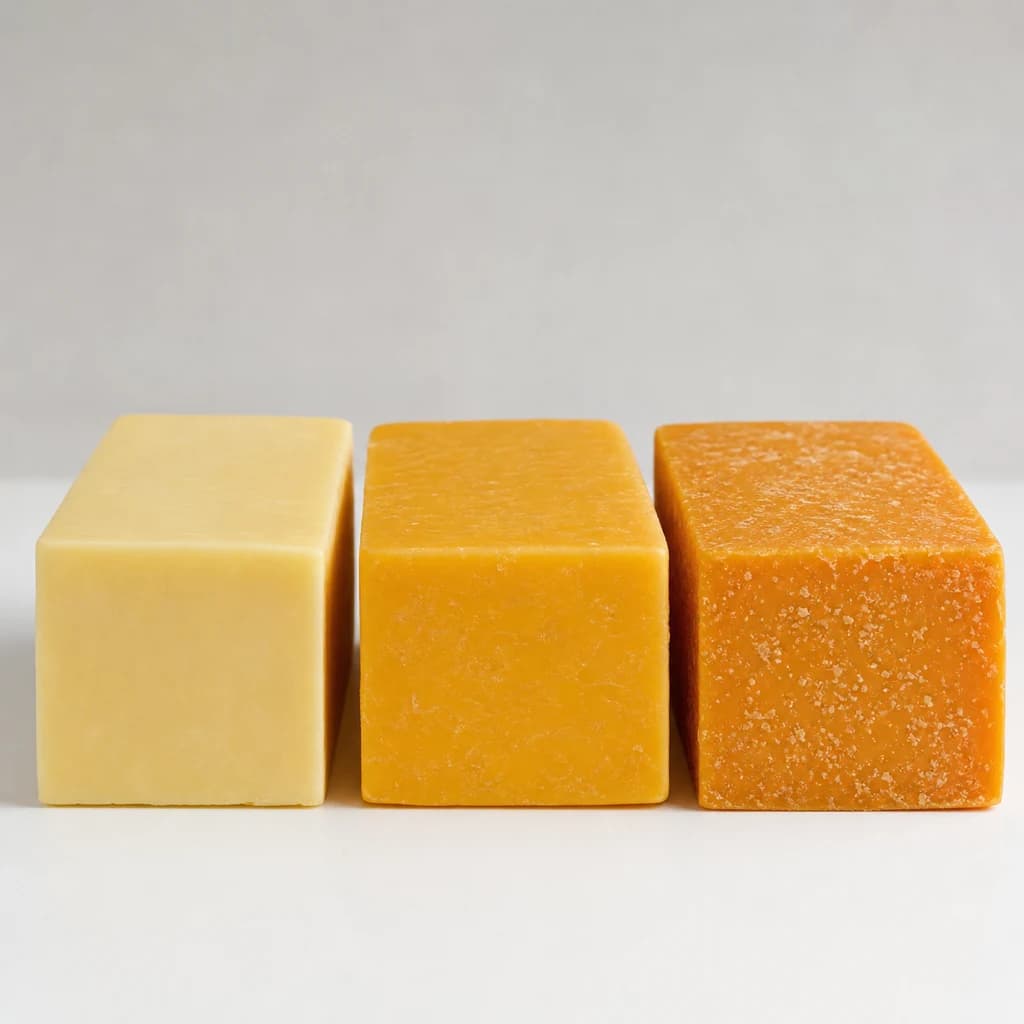
Cheddar Cheese
Sharp, melty cheese for sandwiches, gratins, and grating
Skim Milk
Fat-free milk for lighter drinking, coffee, and cooking
Heavy Cream
Rich cream that whips, enriches sauces, and sets ganache

Sour Cream
Tangy, thick cream for dolloping, baking, and dips
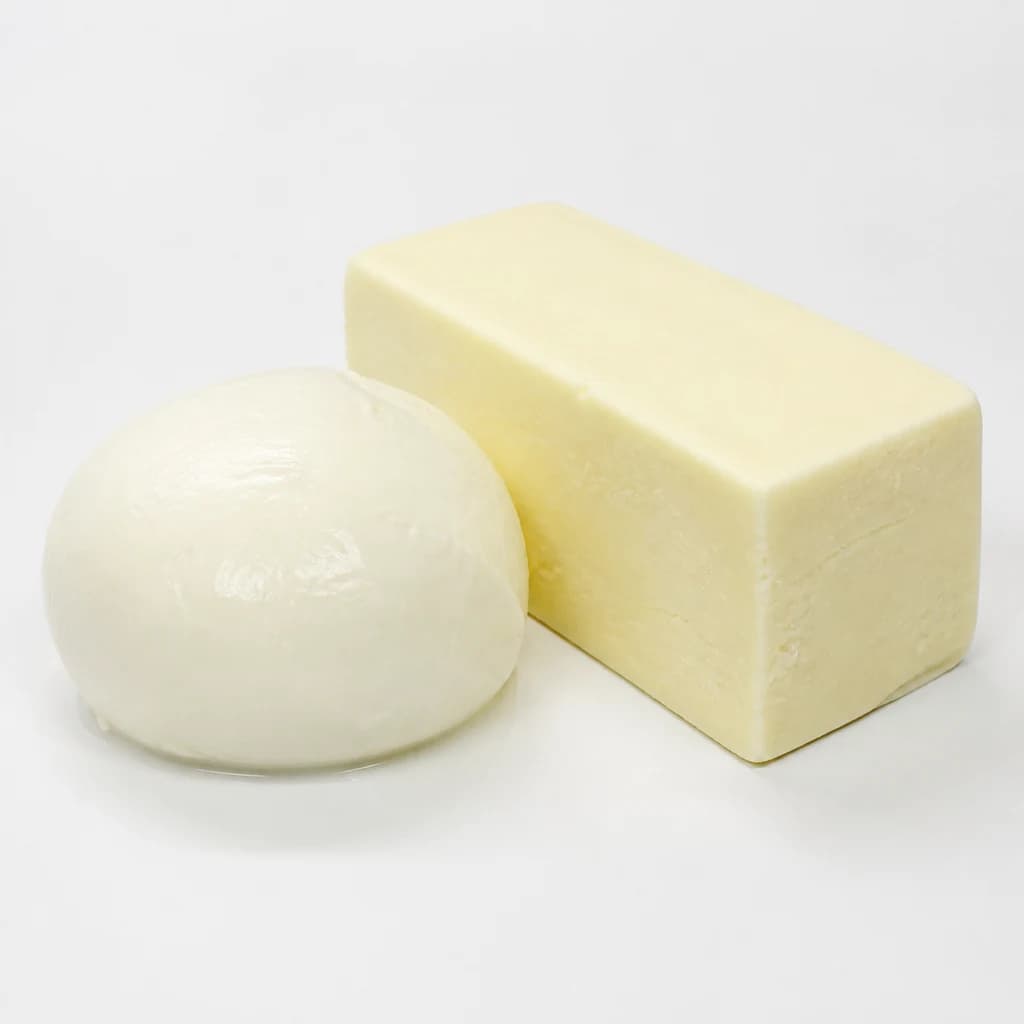
Mozzarella
Soft, milky cheese that melts into stretchy pizza pulls