
Natural form
Crème fraîche in a ceramic bowl: thick, velvety, ivory-white with a soft spoonable texture.
Shows the defining texture and color of the product in its ready-to-use state, making it immediately distinguishable from thinner creams or yogurt.
Dairy & Eggs
Crème Fraîche
Thick, tangy soured cream that holds up to heat; spooned over savories or stirred into sauces.
Crème fraîche is a cultured cream with a thick, velvety texture and a gently tangy flavor milder than sour cream. Because of its high fat content it can be heated without curdling, making it ideal for finishing sauces and soups. It is also dolloped over fruit, soups, and savory tarts.
Crème fraîche is a cultured dairy product with roots in Normandy and Brittany, where unpasteurized cream was traditionally left to ferment naturally at cool room temperatures for 24–48 hours. The mesophilic bacterial cultures—primarily Leuconostoc and Lactobacillus species—feed on milk sugars, producing lactic acid that thickens the cream while developing its signature mild tang and subtle nuttiness. This culturing process, combined with a fat content of 30–48%, gives crème fraîche superior heat stability compared to American sour cream; it resists curdling up to a gentle simmer of about 185°F (85°C), making it far more versatile in cooked applications.
The high fat content is not merely richness—it acts as a buffer against heat-induced protein coagulation, allowing the cream to maintain a smooth, spoonable texture when stirred into pan sauces, soups, or gratins. Unlike crème anglaise or other milk-based sauces that are cooking vehicles, crème fraîche is a finished cultured ingredient. Its pH of 4.4–4.6 places it in mildly acidic territory, higher (less acidic) than sour cream, which explains its gentler tang and why it integrates rather than dominates in savory dishes. The traditional production method using raw cream and ambient cultures produces more complex flavor development than modern commercial versions made with pasteurized cream and defined starter cultures, but both achieve the essential character: a thick, pourable cream with a quiet richness that elevates rather than overwhelms.
In practice, crème fraîche bridges the gap between raw cream and cooked sauces. It can be stirred directly into a hot reduction without breaking, spooned over grilled salmon, folded into biscuit dough for tenderness, or served simply with berries and honey. Its versatility stems from that rare combination: the body and stability of a cooked sauce, the bright tang of a cultured dairy, and a fat content substantial enough to carry flavor without greasiness. Once opened, refrigerate at 36–40°F and use within 10–14 days.
- Measured in
- ml
- Storage
- Fridge
Allergens
Types & varieties
The traditional version; rich, tangy, highly stable. Normandy and Brittany have AOC-style traditions.
Lower-fat versions (30–36%); more prone to break under high heat but still more stable than sour cream.
German equivalents; Schmand has similar fat content, while Saure Sahne is thinner and more acidic.
Traditional Swedish cultured cream; slightly thinner and tangier than the French version.
Danish cultured buttermilk-style product; thinner consistency, used in dressings and soups.
Making Crème Fraîche at Home
The process is straightforward and requires only two ingredients and patience. Combine heavy cream with a cultured buttermilk starter—the acid and live cultures kickstart fermentation. A ratio of 2 tablespoons buttermilk per 2 cups cream is reliable. Pour into a clean glass jar, cover loosely with a cloth or lid left askew, and let sit at room temperature (ideally 68–72°F) for 12–24 hours until visibly thickened to a spoonable consistency. The warmer the room, the faster the fermentation. Once thickened, seal and refrigerate. The flavor deepens over the next day or two and the crème fraîche keeps for up to 2 weeks refrigerated.
- Use full-fat heavy cream (minimum 36%); lower-fat cream may not thicken adequately
- Buttermilk provides active cultures; do not substitute ultra-pasteurized cream without a starter culture
- Do not agitate or stir during fermentation—let the cultures work undisturbed
- Test doneness by tilting the jar; properly cultured crème fraîche will hold its shape briefly before flowing
- Refrigerate immediately once thickened to stop further fermentation
When Crème Fraîche Breaks—and How to Fix It
Despite its heat stability, crème fraîche can still break under prolonged high heat, rapid temperature changes, or if added too cold to too hot a liquid. The proteins coagulate and the fat emulsion collapses, producing a grainy or separated sauce. Recovery is usually straightforward if you act immediately.
- Remove the pan from heat entirely
- Whisk vigorously or use an immersion blender to re-emulsify
- If that fails, whisk in a splash of cold crème fraîche or a teaspoon of cold heavy cream off-heat
- For a more dramatic rescue, blend in a small amount of cornstarch slurry (1 tsp cornstarch dissolved in 2 tbsp cold water) and heat gently while stirring
- Prevention is simpler: always bring crème fraîche to room temperature before adding to a hot pan, add gradually while stirring, and never let the sauce boil
Common uses
Tips & pitfalls
- Bring crème fraîche to room temperature before using in sauces or dressings—cold crème fraîche will clump when added to hot liquids.
- Add to hot liquids gradually, whisking in a spoonful or two first to temper it, then incorporate the rest rather than pouring it all in at once.
- Never boil after adding; a gentle simmer at 185–190°F is the upper limit. Sustained high heat will eventually cause separation.
- Season at the end—crème fraîche has its own tang and richness, so reduce salt and acid in the dish until you finish with the cream.
- A squeeze of lemon or white wine vinegar brightens the flavor when serving cold; omit this in cooked applications where the gentle heat already softens the tang.
- To thin for dressings or sauces, whisk in small amounts of milk, cream, or water until you reach the desired consistency.
- For a thicker, spreadable version, drain crème fraîche through cheesecloth in a sieve refrigerated overnight—the whey drains away, leaving a thick, tangy fresh cheese useful for blinis or crostini toppings.
- Crème fraîche browns less than regular cream when baked—useful in au gratin dishes where you want to control browning.
Nutrition
Energy
828 kJ · per 100 g
Where the calories come from
Protein
2.4g
5% DV
Carbs
4.6g
2% DV
Fat
19.4g
25% DV
Fiber
0g
0% DV
Sugars
3.4g
of which
Sodium
31mg
1% DV
Source · USDA FoodData Central · Cream, sour, cultured
View on FDC →In the shops
Matched grocery products
No matched grocery products for Crème Fraîche yet.
Good to know
- Fat content
- 30–48% (vs. American sour cream at ~18%)
- Culture
- Mesophilic lactic bacteria (Leuconostoc, Lactobacillus species)
- Origin
- Normandy and Brittany, France
- pH range
- 4.4–4.6 (mildly acidic)
- Heat stability
- Resists curdling up to ~185°F/85°C; higher fat versions are more stable
- Shelf life (opened)
- 10–14 days refrigerated at 36–40°F
- Traditional production
- Unpasteurized cream naturally fermented at cool room temperature for 24–48 hours
Substitutes
- Sour cream — Lower fat (18%) and more acidic; will curdle in sauces. Use for cold applications only, or thin with cream for cooking if necessary.
- Greek yogurt — Similar tang but thicker texture and higher protein. Will break under heat. Full-fat preferred for cold applications.
- Heavy cream + cultured buttermilk (50/50 blend) — Simulates fat content and culture. Refrigerate the blended mixture for 24 hours before using to allow flavors to develop.
- Mascarpone — Much thicker and less tangy; not a direct substitute but works in pasta sauces and desserts. Thin with a touch of cream if needed.
- Fromage blanc — Thinner and milder; works in cold applications or as a soup garnish. Not suitable for sauces requiring body.
Pairs with
Also called
Cultured Cream
Appears in these dishes


Related

Whole Milk
Rich, full-fat milk for drinking, coffee, sauces, and baking
Butter
Golden fat for searing, baking, and finishing a sauce
Yogurt
Tangy, creamy culture for breakfast, sauces, and marinades
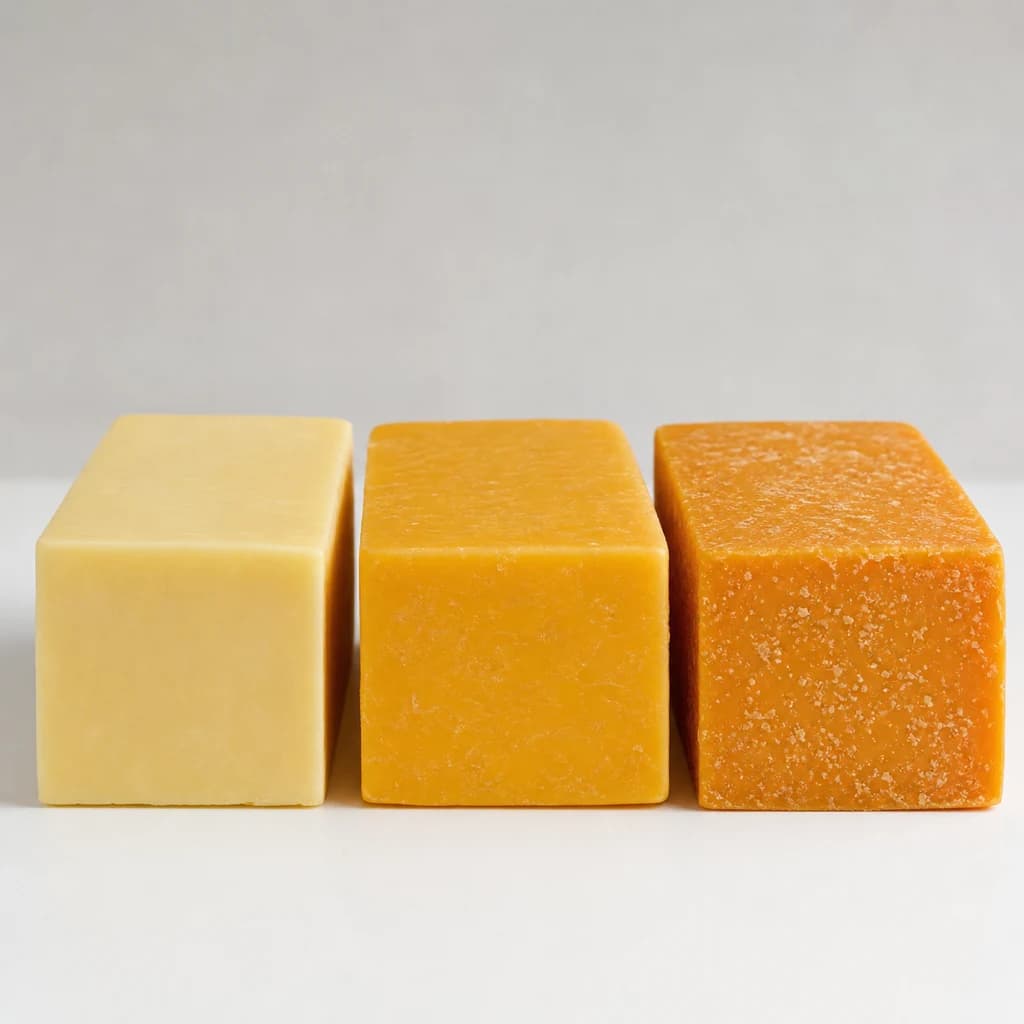
Cheddar Cheese
Sharp, melty cheese for sandwiches, gratins, and grating

Skim Milk
Fat-free milk for lighter drinking, coffee, and cooking
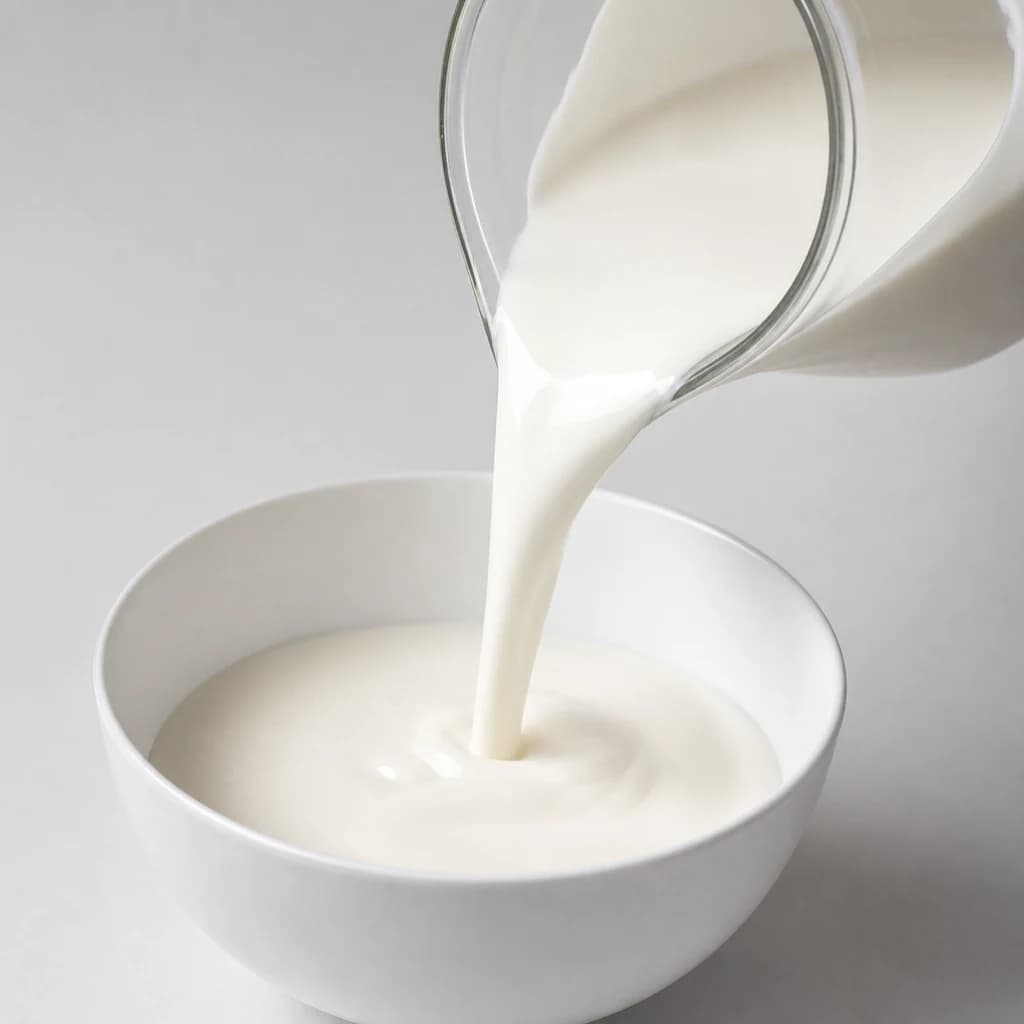
Heavy Cream
Rich cream that whips, enriches sauces, and sets ganache

Sour Cream
Tangy, thick cream for dolloping, baking, and dips
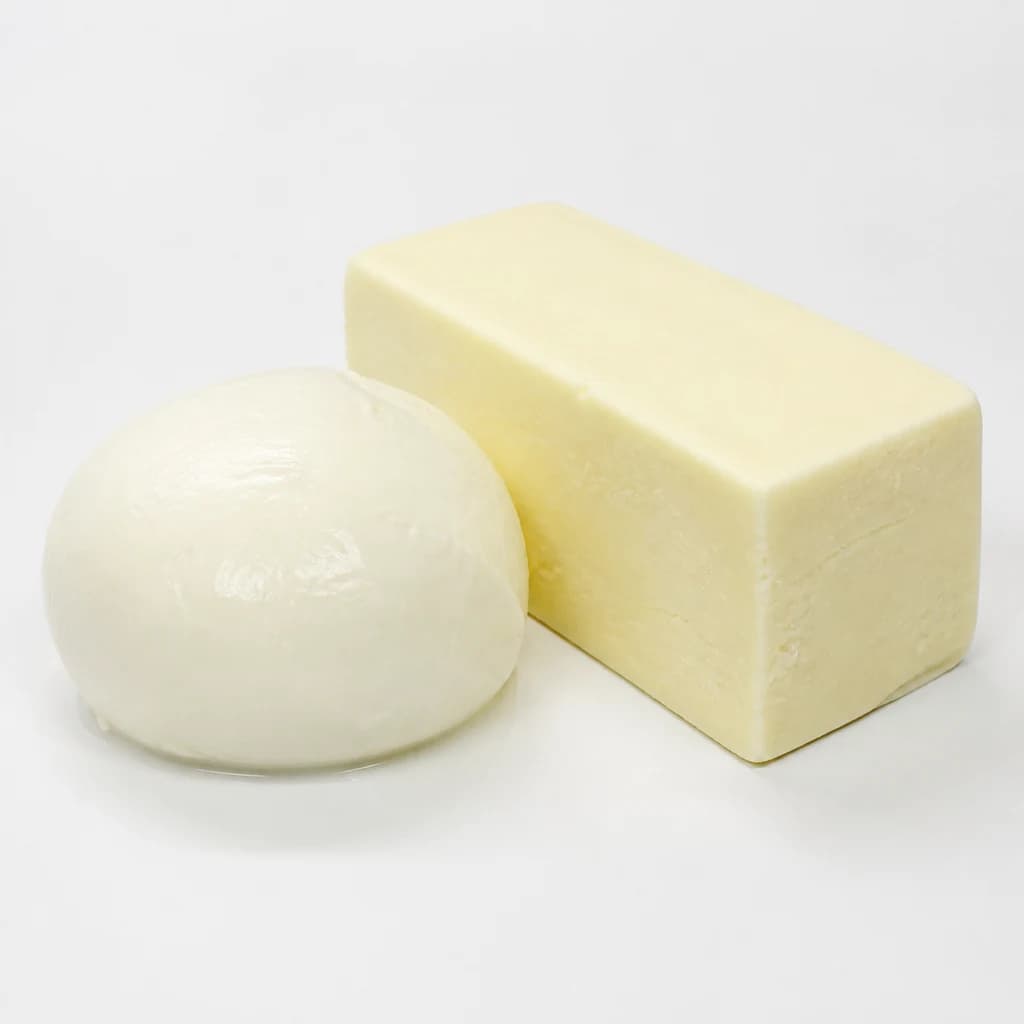
Mozzarella
Soft, milky cheese that melts into stretchy pizza pulls