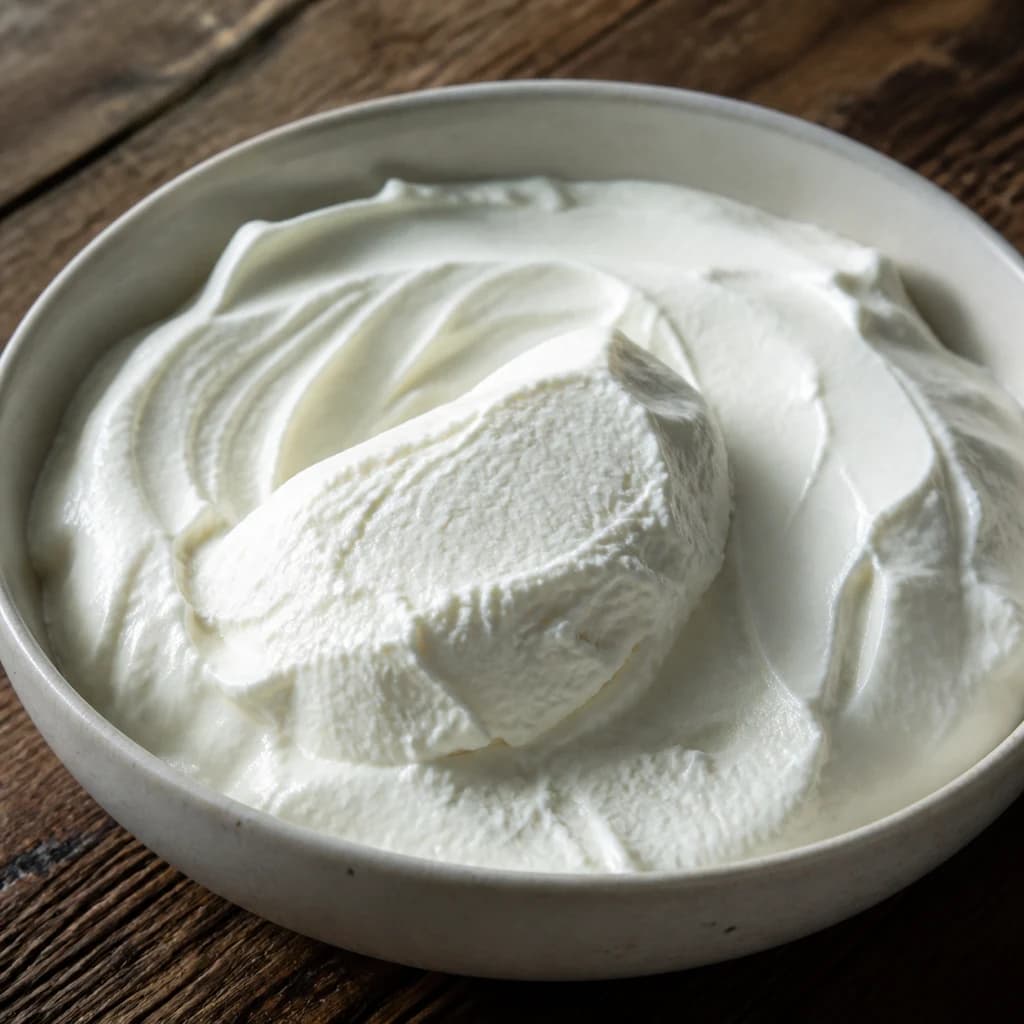
Natural form
Greek yogurt served plain in a ceramic bowl, showing its thick, spoonable texture.
Establishes the fundamental appearance — stark white color, dense body, and smooth surface — that distinguishes Greek yogurt from thinner regular yogurt.
Dairy & Eggs
Greek Yogurt
Thick strained yogurt, extra creamy and high in protein; eaten plain or used in dips and sauces.
Greek yogurt is yogurt strained to remove much of its whey, leaving a thick, dense, protein-rich product. Its rich texture and mild tang suit breakfast bowls, tzatziki, marinades, and as a sour-cream substitute. Straining concentrates both the protein and the creaminess compared to regular yogurt.
Greek yogurt is strained yogurt, traditionally made by allowing whey to drain from yogurt through cheesecloth or muslin for 12 to 48 hours. The straining process concentrates the milk solids and protein while removing much of the liquid whey and reducing lactose content, producing a thick, velvety texture with roughly double the protein of regular unstrained yogurt. This concentration also reduces moisture content, making Greek yogurt substantially thicker and giving it a more dense, creamy mouthfeel that holds up beautifully in both raw and cooked applications.
The product originated in the Eastern Mediterranean and Middle East, with documented use in Greece since at least the 5th century BCE, though similar strained dairy traditions exist across the region. Industrial production uses ultrafiltration or centrifugation to achieve similar results in minutes rather than days. The bacterial cultures used—Lactobacillus bulgaricus and Streptococcus thermophilus—ferment the milk sugars into lactic acid, which denatures the proteins and creates Greek yogurt's characteristic tang and thick texture. The fat content ranges from non-fat to full-fat (5–10%), dramatically affecting flavor, richness, and performance in different recipes.
Greek yogurt's high protein density and acidic tang make it exceptionally versatile: it can anchor creamy dips, tenderize meats through enzymatic action, add moisture and structure to baked goods, and provide a lighter substitute for sour cream or crème fraîche. The key to working with it successfully is understanding that its proteins behave differently from cream or oil-based ingredients—they can clump or turn grainy when exposed to direct high heat, so it must be added carefully to hot preparations.
- Measured in
- g
- Storage
- Fridge
Allergens
Types & varieties
Minimum 5% milkfat; richest flavor; best for dipping, baking, and when richness matters
Common compromise for everyday use; good all-purpose option for most applications
Virtually no fat; slightly gummy texture; avoid for dips and baking where fat carries flavor
The most versatile; always check for added stabilizers in non-dairy versions
May use thickening agents (gelatin, pectin, or starch) rather than true straining; check label for method if authenticity matters
Drained until spreadably thick, often salted and rolled into balls preserved in olive oil; distinct product from standard Greek yogurt
Ultra-thick and strained longer; distinct traditions from Iceland with similar methodology
Full-fat unstrained yogurt with a looser, richer body than Greek; ideal for marinades, smoothies, and curries where it won't curdle as readily.
Greek Yogurt vs. Greek-Style Yogurt
These terms are not interchangeable. True Greek yogurt is strained to remove whey, concentrating protein and reducing carbohydrates. Greek-style yogurt may achieve a similar thickness through added thickeners like gelatin, pectin, modified starch, or gum stabilizers rather than through the actual straining process. For recipes where protein content or traditional method matters, read the ingredient list—true strained Greek yogurt typically lists milk and bacterial cultures as the primary ingredients, while Greek-style products will include those thickeners near the end of the ingredients list.
- True Greek yogurt: milk + cultures, strained to remove whey
- Greek-style yogurt: may include gelatin, pectin, starch, or gums as thickeners
- Protein content is a reliable indicator—true strained yogurt will list higher protein per serving
Why Protein Content Matters
The straining process removes liquid whey and lactose while concentrating milk proteins, particularly casein and whey. This makes Greek yogurt significantly higher in protein than unstrained yogurt of the same milk base, which translates to better satiety, more structure in baking, and superior emulsification in sauces and dressings. The increased protein also helps Greek yogurt hold up better when frozen, making it suitable for frozen yogurt applications without the graininess that affects regular yogurt.
- Double the protein of unstrained yogurt improves satiety
- Higher protein provides structure in baked goods
- Better freeze-thaw stability for frozen dessert applications
Common uses
Tips & pitfalls
- Drain homemade or commercial Greek yogurt through cheesecloth for 2–4 hours to achieve an even thicker labneh-like consistency suitable for spreading on bread or crackers.
- When substituting for sour cream in baking, use a 1:1 ratio. For sauces, thin with a splash of milk or water to match sour cream's viscosity before incorporating into the dish.
- Avoid overheating Greek yogurt in cooked applications—boiling or extended high heat causes the proteins to separate and turn grainy. Add it off-heat or stir it in at the very end of cooking.
- To prevent curdling when adding to hot soups or sauces, temper it first by whisking a spoonful of the hot liquid into the yogurt before pouring it back into the pot.
- Use full-fat or 2% Greek yogurt for dips and marinades where richness and creaminess matter—non-fat varieties taste flat, watery, and lack the mouthfeel these applications require.
- Season generously—plain Greek yogurt is essentially a blank canvas and needs salt, acid, herbs, or sweeteners to shine in any application.
- Store opened containers upside-down briefly before refrigerating to create a vacuum seal and help extend freshness.
- If Greek yogurt has separated significantly or developed a sharp, fermented smell beyond its normal tanginess, discard it.
Nutrition
Energy
247 kJ · per 100 g
Where the calories come from
Protein
10.2g
20% DV
Carbs
3.6g
1% DV
Fat
0.4g
1% DV
Fiber
0g
0% DV
Sugars
3.2g
of which
Sodium
36mg
2% DV
Source · USDA FoodData Central · Yogurt, Greek, plain, nonfat (Includes foods for USDA's Food Distribution Program)
View on FDC →In the shops
Matched grocery products
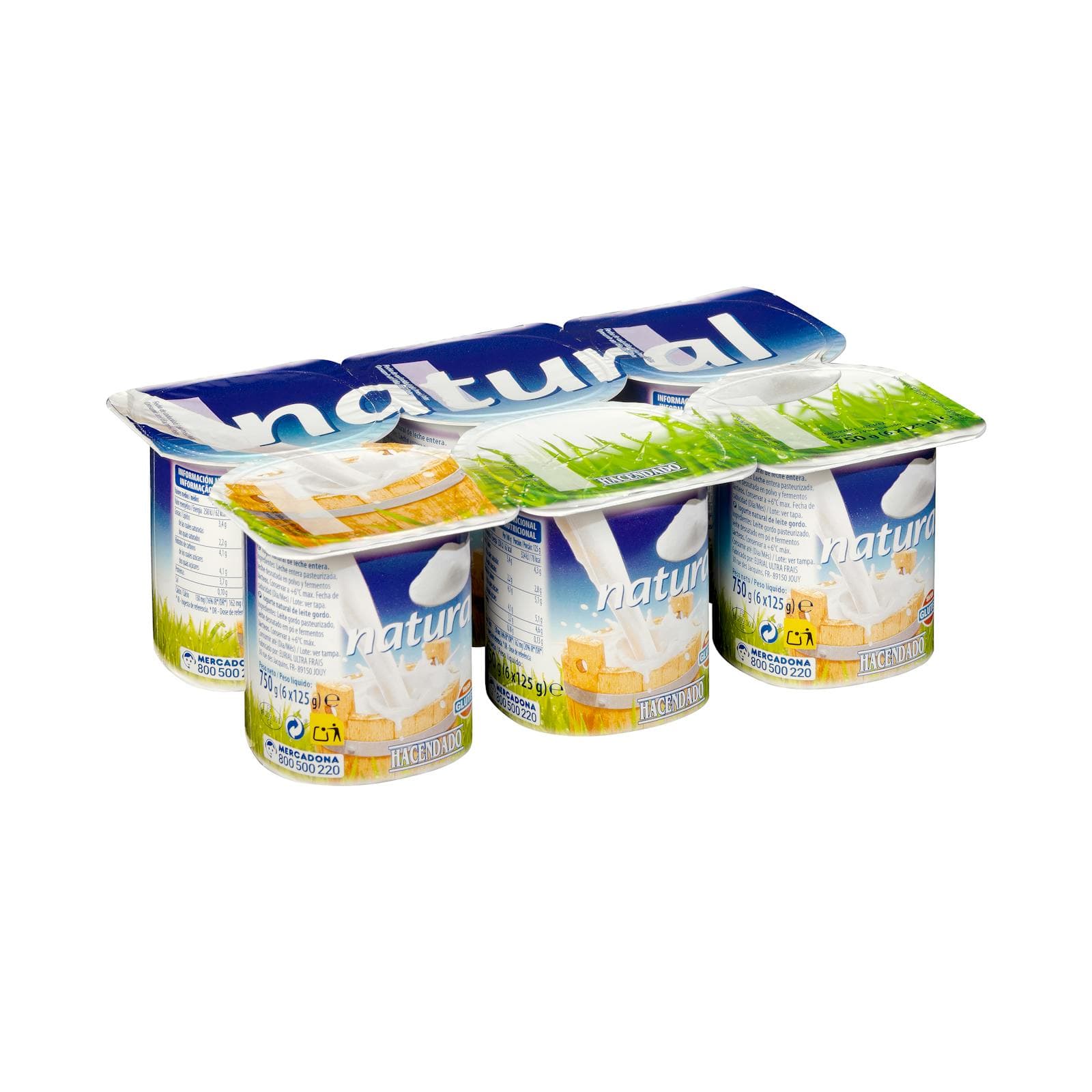 €1.00
€1.00Natural Yogurt
Hacendado · 750 g · Mercadona
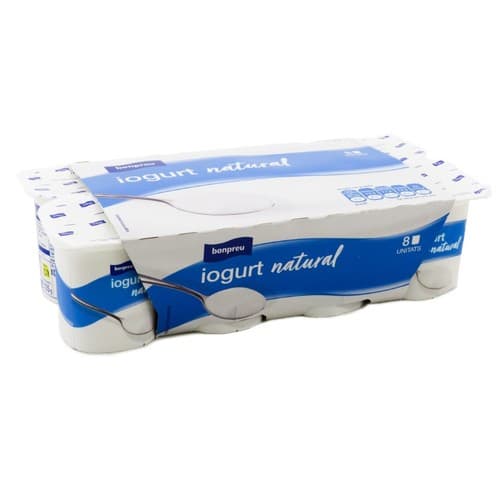 €1.34
€1.34Natural Yogurt
BONPREU · kg · Bonpreu
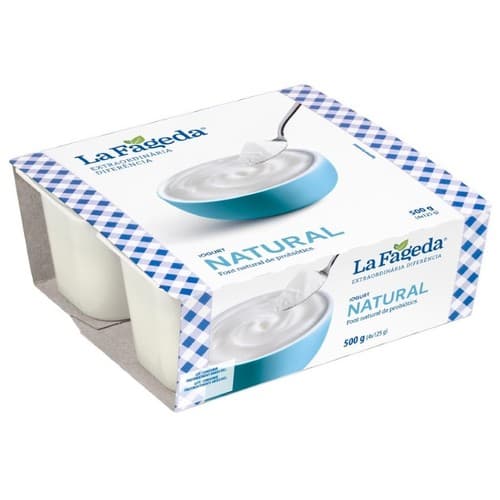 €1.90
€1.90Natural Yogurt
LA FAGEDA · kg · Bonpreu
 €2.20
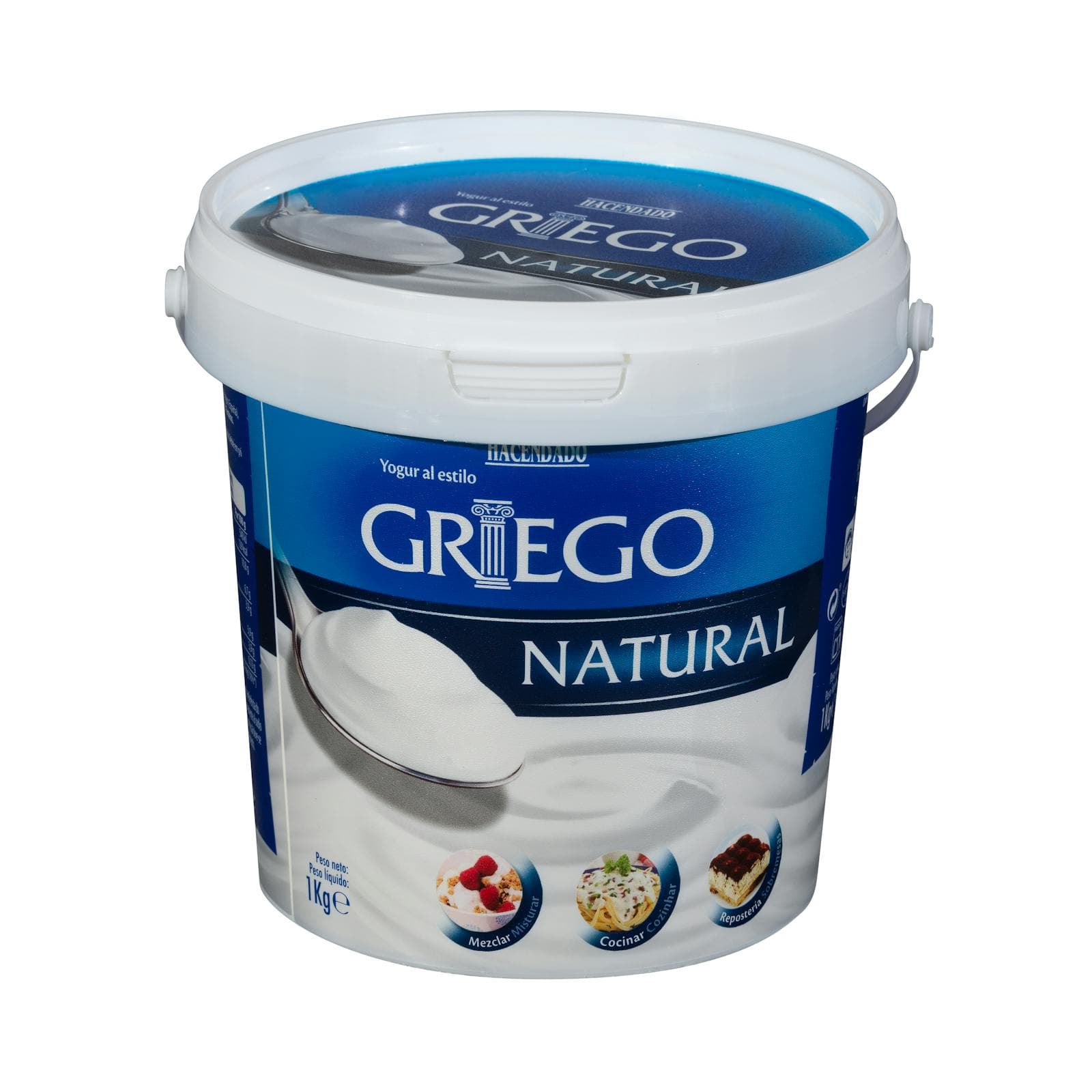
€2.20Greek Natural Yogurt
Hacendado · 1 kg · Mercadona
 €1.00
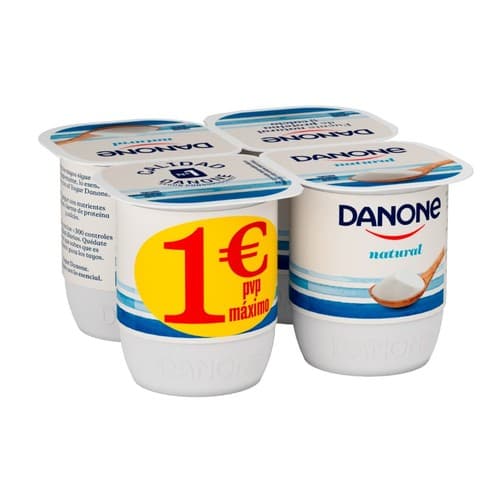
€1.00Danone Natural Yogurt
DANONE · kg · Bonpreu
 €1.99
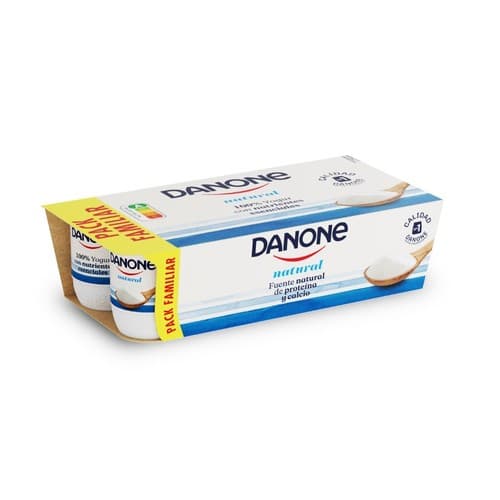
€1.99Danone Natural Yogurt
DANONE · kg · Bonpreu
Good to know
- Origin
- Eastern Mediterranean and Middle East, documented in Greece since at least 5th century BCE
- Base Milk
- Primarily cow's milk; also made from sheep or goat milk
- Protein Content
- 10–17g per 170g serving (approximately double that of regular unstrained yogurt)
- Fat Range
- 0% non-fat, 2% reduced-fat, or 5–10% full-fat
- Straining Method
- Traditional: cheesecloth or filter, 12–48 hours; industrial: centrifuge or membrane filtration, minutes
- Bacterial Cultures
- Lactobacillus bulgaricus and Streptococcus thermophilus, plus additional strains post-fermentation
- Shelf Life (Unopened)
- Refrigerated: 10–14 days past sell-by date; check seal integrity
- Shelf Life (Opened)
- 5–7 days refrigerated at or below 40°F (4°C)
- Caloric Density
- 59–100 kcal per 100g depending on fat content
Substitutes
- Regular unstrained yogurt, drained — Place regular yogurt in cheesecloth for 4–24 hours to remove whey; result is comparable but slightly less thick than traditional Greek yogurt.
- Sour cream, thinned — Whisk with milk or water to achieve Greek yogurt's viscosity; flavor is tangier and fattier; acceptable for dips and baked potato toppings.
- Cottage cheese, blended smooth — Blend until silky; similar protein content but grainier texture; best for savory applications.
- Crème fraîche — Comparable creaminess and mild tang; higher fat; good for cold sauces and toppings but too expensive for large-quantity baking.
- Labneh — Strained longer than Greek yogurt; thicker, saltier, and more intense; thin with water or olive oil for use as a dip base.
Pairs with
Also called
Greek Yoghurt · Strained Yogurt
Appears in these dishes


Related

Whole Milk
Rich, full-fat milk for drinking, coffee, sauces, and baking
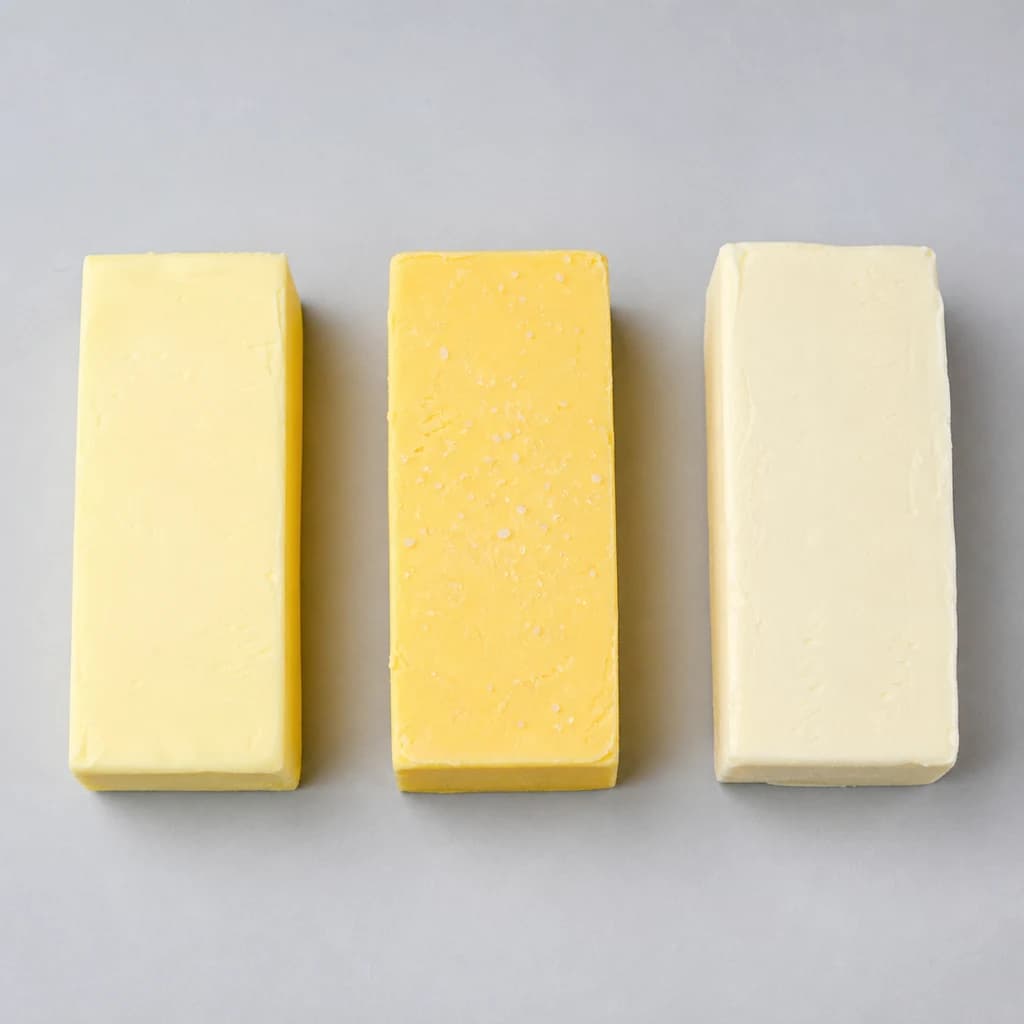
Butter
Golden fat for searing, baking, and finishing a sauce
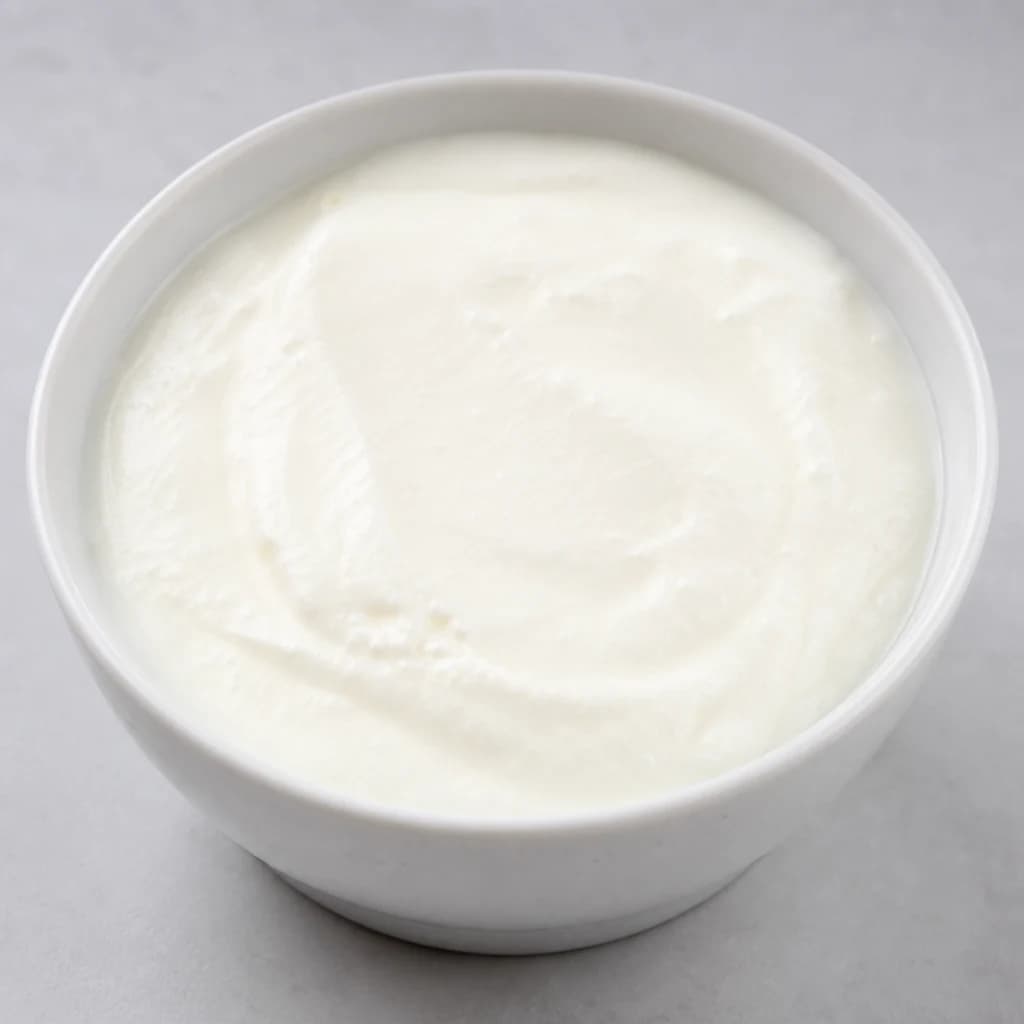
Yogurt
Tangy, creamy culture for breakfast, sauces, and marinades
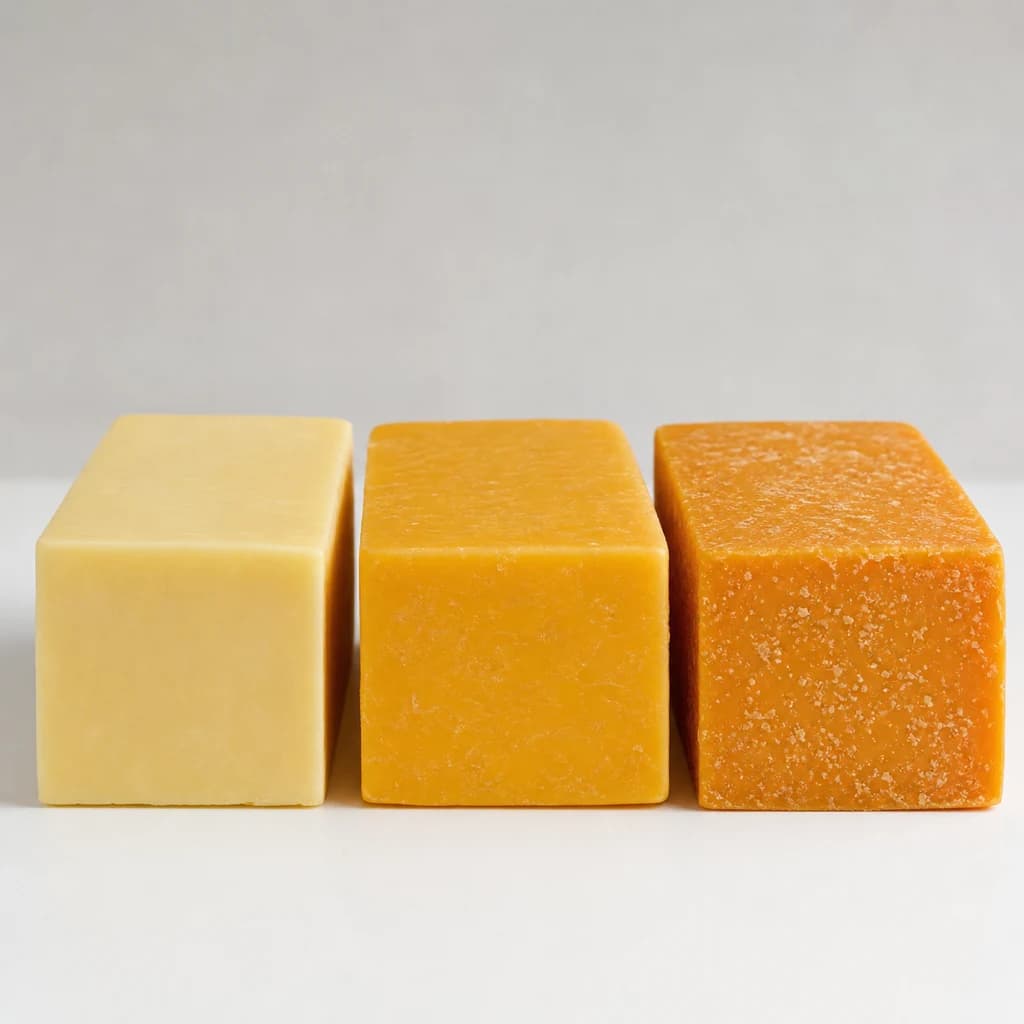
Cheddar Cheese
Sharp, melty cheese for sandwiches, gratins, and grating
Skim Milk
Fat-free milk for lighter drinking, coffee, and cooking
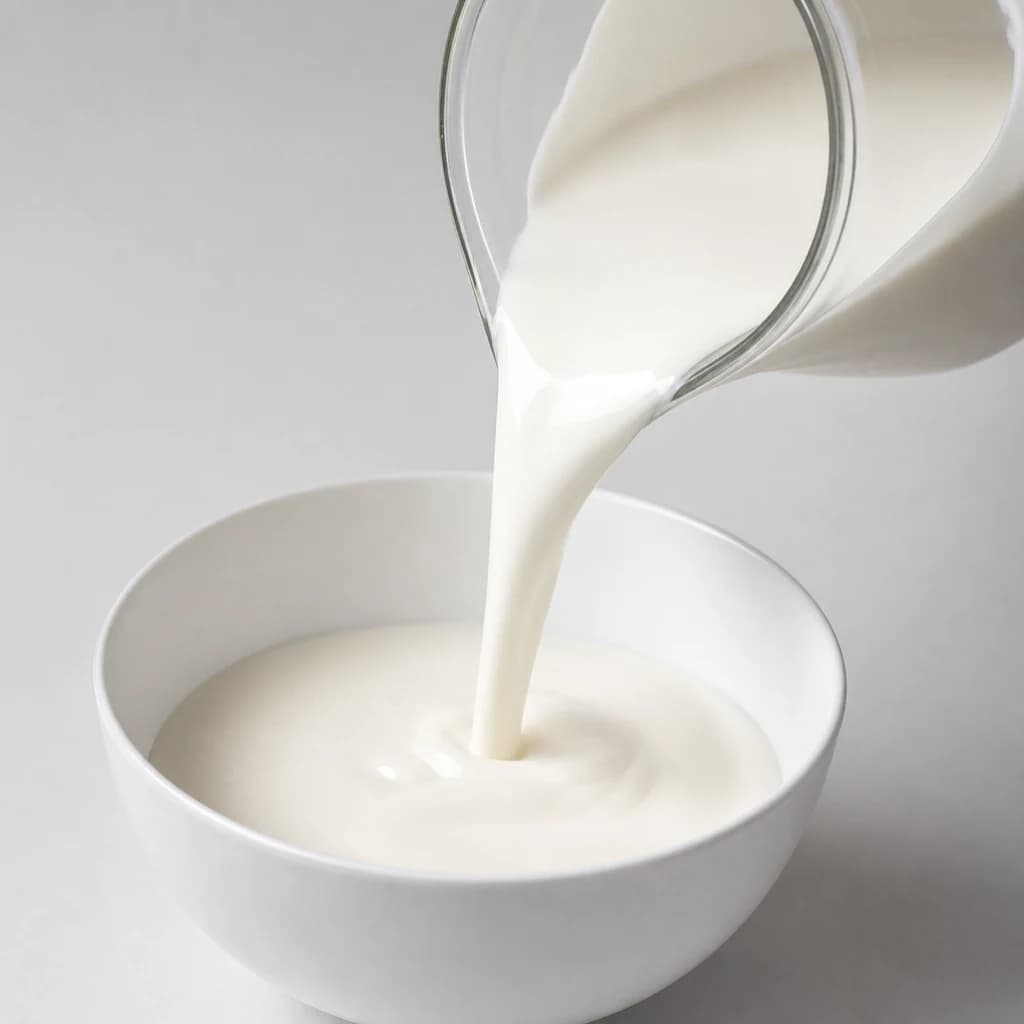
Heavy Cream
Rich cream that whips, enriches sauces, and sets ganache

Sour Cream
Tangy, thick cream for dolloping, baking, and dips
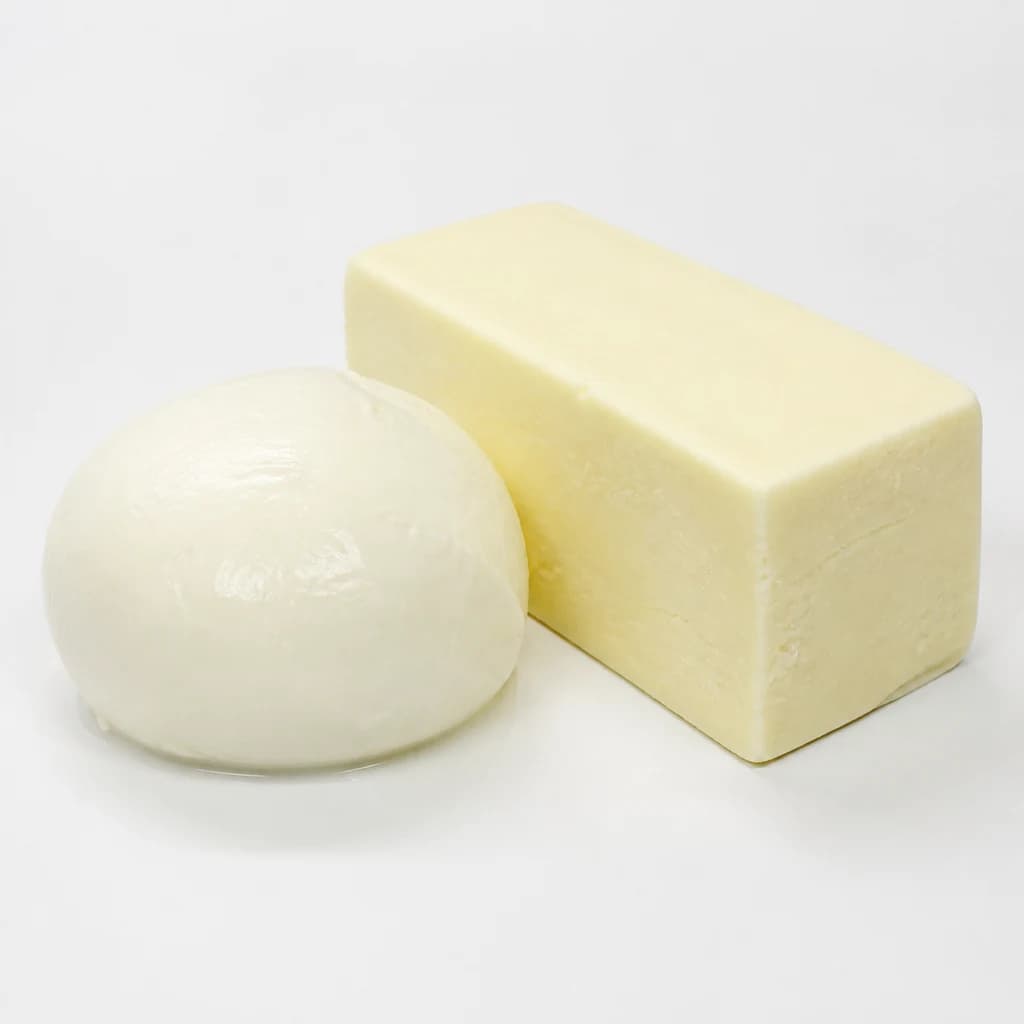
Mozzarella
Soft, milky cheese that melts into stretchy pizza pulls