
Ready to use
Labneh spread on a ceramic plate, drizzled with olive oil and dusted with za'atar.
Shows the most iconic Levantine breakfast presentation — thick white spread, olive oil pooling, green herb dusting — teaching the texture and serving form instantly.
Dairy & Eggs
Labneh (Strained Yogurt)
Thick strained yogurt cheese, tangy and spreadable; drizzled with olive oil or rolled into balls.
Labneh is yogurt strained of its whey until thick and spreadable, somewhere between yogurt and cream cheese. It is a Levantine breakfast staple, spread on plates with olive oil and za'atar or rolled into oil-preserved balls. The straining concentrates its tangy flavor and gives a luscious, dense texture.
Labneh is a thick, tangy dairy product made by straining yogurt until most of the whey has drained away, concentrating both flavor and texture into a spreadable cheese-like consistency. The process is ancient—a method of preserving fresh milk in the Levantine region long before refrigeration existed. What emerges after 12 to 48 hours of straining is a creamy, slightly tart spread with a pH between 4.0 and 4.5, teeming with the beneficial bacteria that give it character. The fat content of the finished labneh typically reaches 10–15%, which is why the yogurt you start with matters enormously: full-fat yogurt yields unctuous, cohesive labneh, while low-fat versions crumble and refuse to spread properly. The practice of rolling labneh into balls and submerging them in olive oil serves a dual purpose—it extends shelf life for 1–3 months refrigerated and gradually infuses the dairy with the oil's fruity, peppery notes, transforming two simple ingredients into something greater than either alone.
- Measured in
- g
- Storage
- Fridge
Allergens
Types & varieties
Dried, smoked, and aged Syrian variety; rubbed with olive oil, hung to dry for 2–3 days, then smoked over oak or pomegranate wood for 15–30 minutes; shaved or crumbled over rice and grilled meats
Mixed with za'atar spice blend before serving or storage; the most common preparation in Levantine homes
Blended with toum (garlic sauce) for a pungent, bold spread served with pita and vegetables
Stirred with mint, parsley, dill, or cilantro; particularly common in Egyptian cuisine alongside sliced cucumbers
Egyptian preparation featuring tamarind paste folded in for sweet-sour notes
Widely available in Middle Eastern grocery stores (Sabra, Al-Maza, Palestinian brands); often sold in plastic containers or as balls submerged in oil; already salted—taste before adding more
The straining process: variables that matter
Three factors control your labneh outcome: fat content, straining duration, and salt. Fat is non-negotiable—use whole-milk yogurt with a minimum of 4% fat. Straining time determines consistency: 12 hours produces something like a thick dip; 24 hours yields a true spreadable cheese; 48 hours produces firm balls that can be sliced. Salt does double duty—it seasons the finished product and acts as a mild preservative. Line your strainer with multi-layered cheesecloth, a clean cotton kitchen towel, or a coffee filter; avoid paper towels which disintegrate. Set the strainer over a bowl, cover, and refrigerate. The whey that drains off is not waste—it has tang and protein—save it for smoothies, soups, or bread dough.
- Use yogurt with minimum 4% fat content
- Strain 12 hours for dip, 24 hours for spread, 48 hours for firm balls
- Add 1/4–1/2 tsp salt per cup of yogurt before straining
- Strain lined with cheesecloth, cotton towel, or coffee filter over a bowl in the refrigerator
- Save the whey for smoothies, soups, or bread
Regional traditions: labneh anjd
Labneh anjd represents the most labor-intensive expression of this ingredient—a specialty of Syria's Al-Jazira and Euphrates region. After straining, the labneh is shaped into logs, threaded onto string, and hung in a well-ventilated area for 2–3 days until it firms and dries. The dried logs are then smoked over oak or pomegranate wood for 15–30 minutes, developing a subtle smokiness that transforms the mild dairy into a seasoning. The finished anjd is shaved thin and scattered over rice dishes, grilled meats, and flatbreads. While time-consuming, the process connects the cook to centuries of culinary tradition and produces an ingredient with no commercial equivalent.
- Shape strained labneh into logs, thread onto string, hang 2–3 days until firm
- Smoke over oak or pomegranate wood 15–30 minutes
- Shave or crumble over rice and grilled meats as a seasoning
Common uses
Tips & pitfalls
- Use full-fat yogurt (minimum 4% fat); low-fat or nonfat yogurt produces a crumbly, inferior result that refuses to spread
- Add 1/4–1/2 teaspoon salt per cup of yogurt before straining to enhance flavor and extend shelf life
- Line a fine-mesh strainer with cheesecloth, a cotton kitchen towel, or a coffee filter; avoid paper towels which tear and contaminate the labneh
- Strain in the refrigerator for 12–24 hours for soft labneh, up to 48 hours for very thick, spreadable consistency or firm balls
- For rolled balls: wet your hands with cold water, roll 1-inch portions, and submerge immediately in olive oil to prevent sticking
- Stir in 1–2 tablespoons good quality extra-virgin olive oil per cup before serving for added richness and finish
- Do not discard strained whey; use it in smoothies, soups, or bread dough for acidity and moisture
- Commercial labneh is already salted—taste before adding more seasoning or you risk an overly salty result
- Labneh balls stored in oil must be fully submerged; the oil will solidify when cold—let the container sit at room temperature for 15 minutes before serving
- For smoked anjd: thread strained yogurt logs onto string, hang in a ventilated area for 2–3 days, then smoke over oak or pomegranate wood for 15–30 minutes
Nutrition
Energy
1628 kJ · per 100 g
Where the calories come from
Protein
25.6g
51% DV
Carbs
1.6g
1% DV
Fat
31.1g
40% DV
Fiber
0g
0% DV
Sugars
1.6g
of which
Sodium
800mg
35% DV
Source · USDA FoodData Central · approx. Cheese, fontina
View on FDC →In the shops
Matched grocery products
No matched grocery products for Labneh (Strained Yogurt) yet.
Good to know
- Origin
- Lebanon, Syria, Jordan, and Palestine; prepared for centuries as a preserved dairy product
- Primary ingredient
- Full-fat yogurt (cow, sheep, or goat milk)
- Yield ratio
- Approximately 2–3 cups yogurt yields 1 cup labneh
- Fat content
- Typically 10–15% in finished product; use full-fat yogurt only—low-fat yields a crumbly, unusable result
- Straining time
- 12–48 hours at refrigeration temperature; 12 hours for dip-like texture, 24 hours for firm spreadable consistency, 48 hours for balls that can be sliced
- Shelf life (fresh)
- 1–2 weeks refrigerated in an airtight container
- Shelf life (oil-stored)
- 1–3 months refrigerated; bring to room temperature before serving as oil solidifies when cold
- Salt
- 1/4–1/2 teaspoon per cup of yogurt added before straining; aids preservation and enhances tang
Substitutes
- Greek yogurt (strained) — Closest substitute; strain plain Greek yogurt 2–4 hours for similar texture; less tangy than traditional labneh
- Cream cheese — Similar spreadability; lacks the tangy fermented flavor; add a squeeze of lemon juice to approximate the profile
- Mascarpone — Much richer and less tangy; use as a base and stir in lemon juice and salt to approximate labneh flavor
- Ricotta (full-fat) — Comparable texture but grainier and less tangy; best for sweet applications rather than savory spreads
- Goat's milk yogurt (strained) — Authentic alternative if using sheep or goat milk yogurt; yields traditional tangy, slightly earthy labneh
Pairs with
Also called
Chaka · Suzma · Hung Curd · Strained Yogurt · Yogurt Cheese
Appears in these dishes
Related

Whole Milk
Rich, full-fat milk for drinking, coffee, sauces, and baking
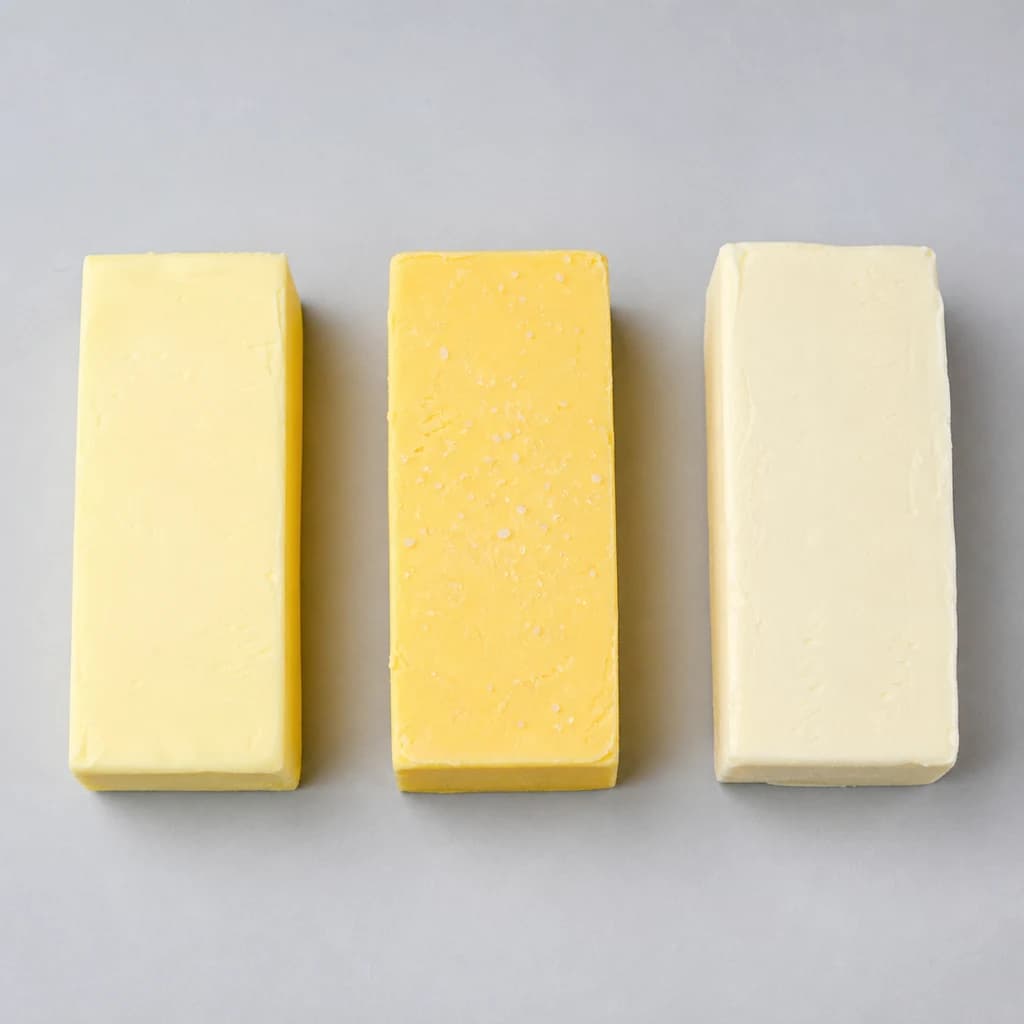
Butter
Golden fat for searing, baking, and finishing a sauce
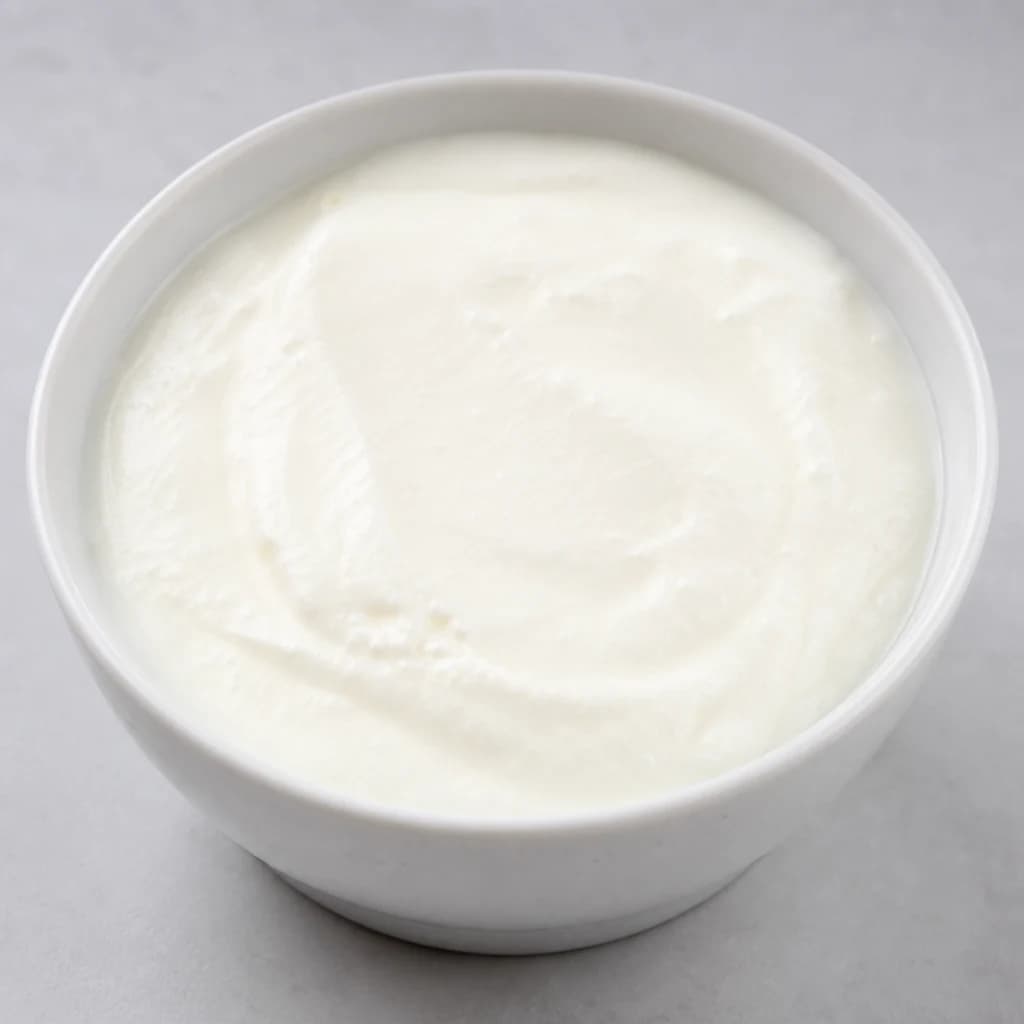
Yogurt
Tangy, creamy culture for breakfast, sauces, and marinades
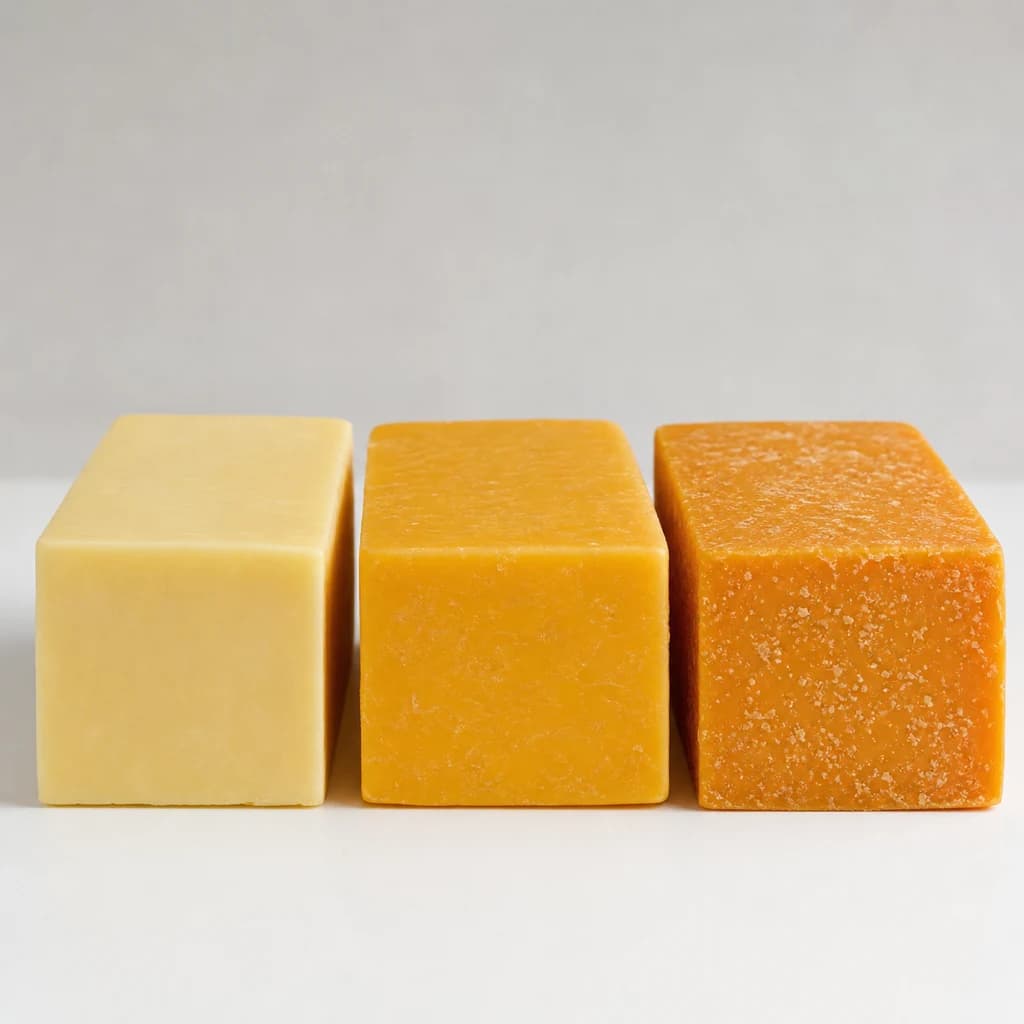
Cheddar Cheese
Sharp, melty cheese for sandwiches, gratins, and grating
Skim Milk
Fat-free milk for lighter drinking, coffee, and cooking
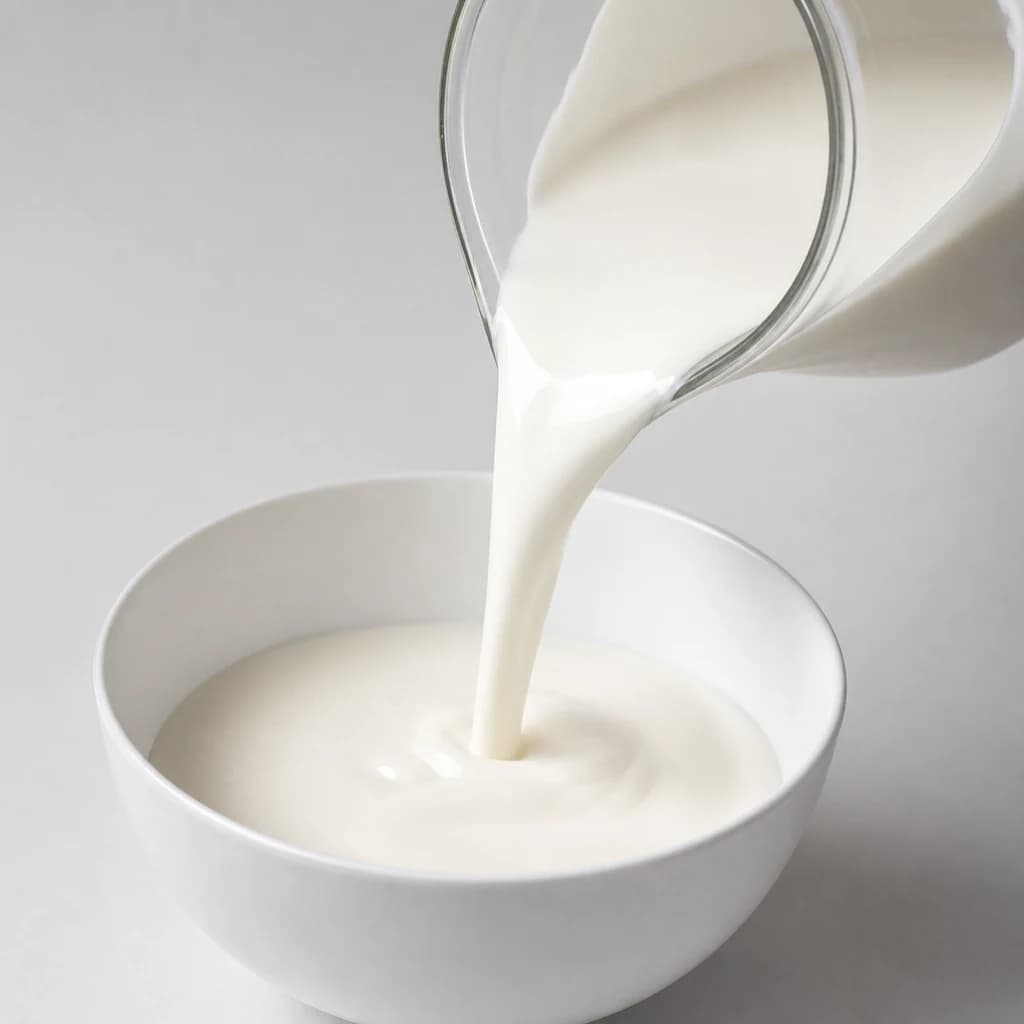
Heavy Cream
Rich cream that whips, enriches sauces, and sets ganache

Sour Cream
Tangy, thick cream for dolloping, baking, and dips
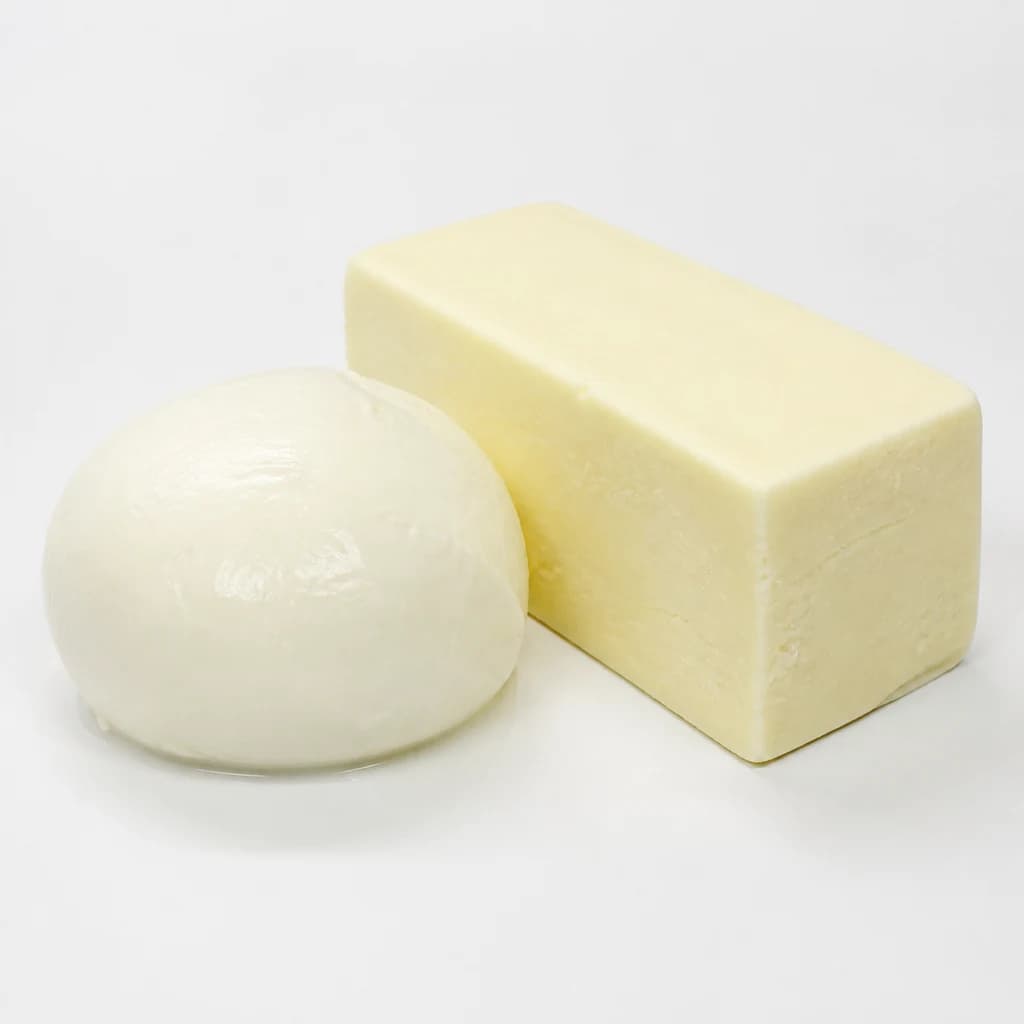
Mozzarella
Soft, milky cheese that melts into stretchy pizza pulls