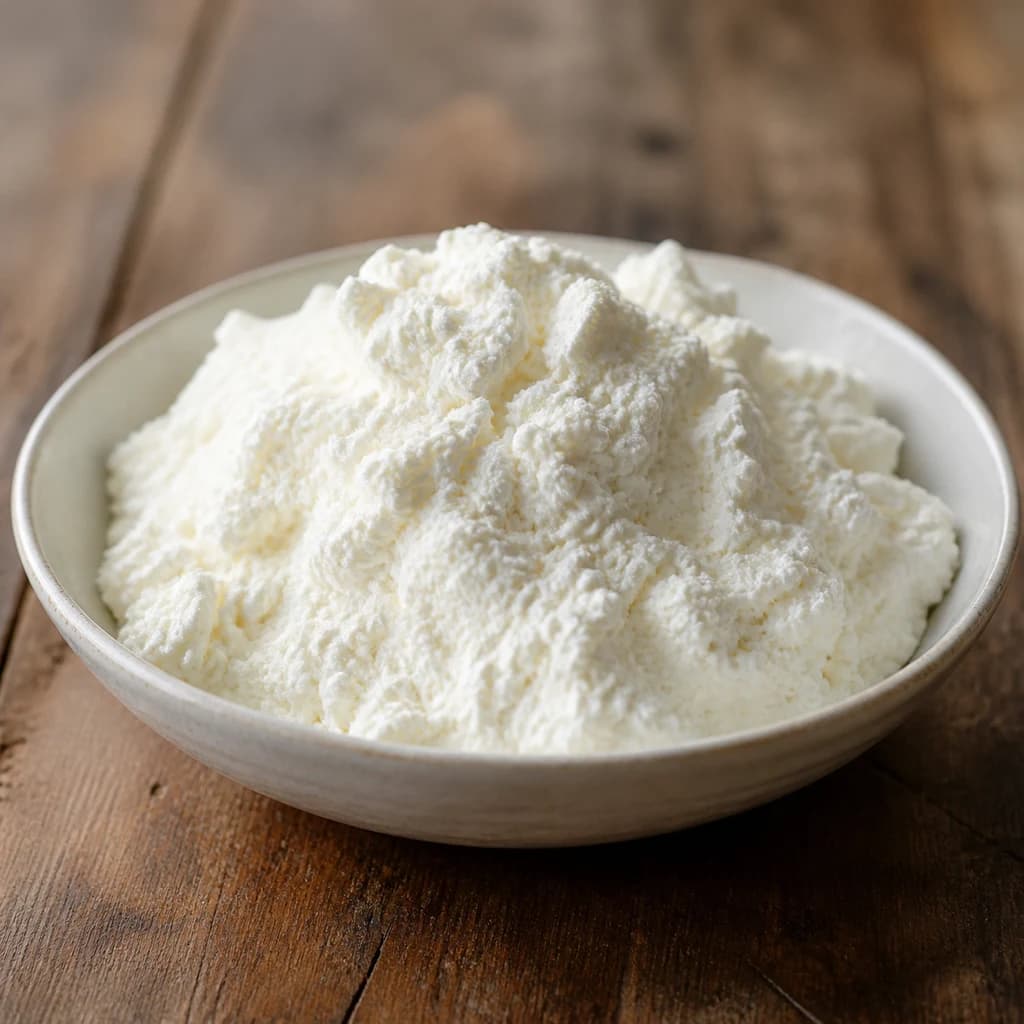
Natural form
Freshly made ricotta mounded in a ceramic bowl, showing its soft, fluffy white curds.
Shows the defining texture and color of ricotta directly from production — fine, moist curds that distinguish it from firmer cheeses.
Dairy & Eggs
Ricotta
Soft, fluffy whey cheese with a mild milky flavor; filling for pasta, pastries, and desserts.
Ricotta is a soft, fine-curded cheese traditionally made by reheating leftover whey, giving it a light, fluffy texture. Mildly sweet and milky, it fills lasagna, ravioli, and cannoli, and is spread on toast or folded into pancakes. The Tunisian rigouta is a closely related fresh whey cheese.
Ricotta is a fresh white cheese made by coagulating the whey leftover from making harder cheeses like Pecorino or Mozzarella—historically, nothing went to waste in the Italian kitchen. The name comes from the Italian "ricotta," meaning "recooked," because the whey is heated twice: first when the primary cheese is made, then again with the addition of acid to force the remaining proteins to curdle into the delicate ricotta we know. The result is a cheese that is technically made from milk proteins rather than true cheese curds, giving it a lighter, fluffier texture. In Italy, ricotta is traditionally made from whey—most commonly sheep's milk whey in the south, but also from cow's and buffalo whey depending on the region. American ricotta, by contrast, is typically made from whole milk with added acid, producing a different texture and flavor that works adequately but lacks the subtlety of the traditional product. The difference is most apparent when ricotta is eaten raw: a good Italian ricotta has a gentle sweetness, a faint tang, and a pleasant granular quality that commercial versions often sacrifice for smoothness.
- Measured in
- g
- Storage
- Fridge
Allergens
Types & varieties
Sheep's milk whey; traditional, richer, more pronounced flavor; Sardinia and Sicily
Cow's milk whey; milder, most common commercially; northern Italy
Water buffalo whey; similar to pecora but slightly sweeter; Campania region
Pressed and salted, then aged 2–3 months; firm, crumbly; used for grating over pasta and salads
Baked in terra cotta dishes until surface caramelizes; darker color, smoky-sweet flavor; Sardinia
Smoked over wood; deep amber color, smoky notes; Calabria
Extremely aged, spreadable, pungent; Southern Italy (Puglia, Basilicata)
Lower fat version; slightly firmer, less creamy; common in American commercial products
Still warm from production; softer, more moist, superior flavor; seek at Italian grocers
Italian vs. American Ricotta
The distinction matters in recipes where ricotta is the star. Italian ricotta is made from whey—the leftover liquid from straining Pecorino or Mozzarella—and relies on the natural acidity that develops in aged whey to coagulate the proteins. This process yields a cheese with brighter flavor and finer grain. American ricotta is typically made from whole milk with citric acid or vinegar added, producing a wetter, blander product. For authentic preparations like cannoli, traditional lasagna, or any dish where ricotta is eaten raw, seek imported Italian ricotta or specialty-made fresh ricotta from a good cheese shop. The price difference is justified by the difference in quality.
- Italian: whey-based, finer texture, brighter flavor
- American: milk-based, wetter, blander
- Quality matters most in raw or minimally cooked applications
Draining: The Critical Step
Commercial ricotta often arrives in its packaging holding more liquid than you want for most applications. Before using ricotta in stuffed pasta, pastry fillings, or anywhere it needs to stay put, drain it. Line a fine-mesh sieve with two layers of cheesecloth or a clean cotton cloth, set it over a bowl, and let it rest 30–60 minutes in the refrigerator. The longer you drain, the firmer it becomes. For a very dry, spreadable consistency (useful for pizzas or crostini), drain overnight. This step prevents soggy lasagna, leaky ravioli, and watery pancakes.
- Drain 30–60 minutes for standard filling consistency
- Drain overnight for very dry, spreadable ricotta
- Save the liquid (whey) for bread dough or smoothies
Common uses
Tips & pitfalls
- Always drain ricotta in a cheesecloth-lined sieve for 30–60 minutes before using in fillings to prevent soggy results
- Season at the end of cooking or serving—commercial ricotta has minimal salt
- For smoother filling, pass through a fine-mesh sieve or blend briefly; do not overmix or it becomes gluey
- Taste before using—quality varies dramatically; fresh, local ricotta beats industrial brands
- Never boil or cook over high heat after adding ricotta to dishes; it can turn grainy or separate
- For baked pasta dishes, spread ricotta on a lined baking sheet and dry in a 350°F oven for 15–20 minutes before layering to reduce moisture
- Use whole-milk ricotta for most savory applications; part-skim works in lighter desserts
- If frozen, thaw slowly in refrigerator and expect softer, more watery texture—drain again before using
Nutrition
Energy
1628 kJ · per 100 g
Where the calories come from
Protein
25.6g
51% DV
Carbs
1.6g
1% DV
Fat
31.1g
40% DV
Fiber
0g
0% DV
Sugars
1.6g
of which
Sodium
800mg
35% DV
Source · USDA FoodData Central · approx. Cheese, fontina
View on FDC →In the shops
Matched grocery products
 €1.00
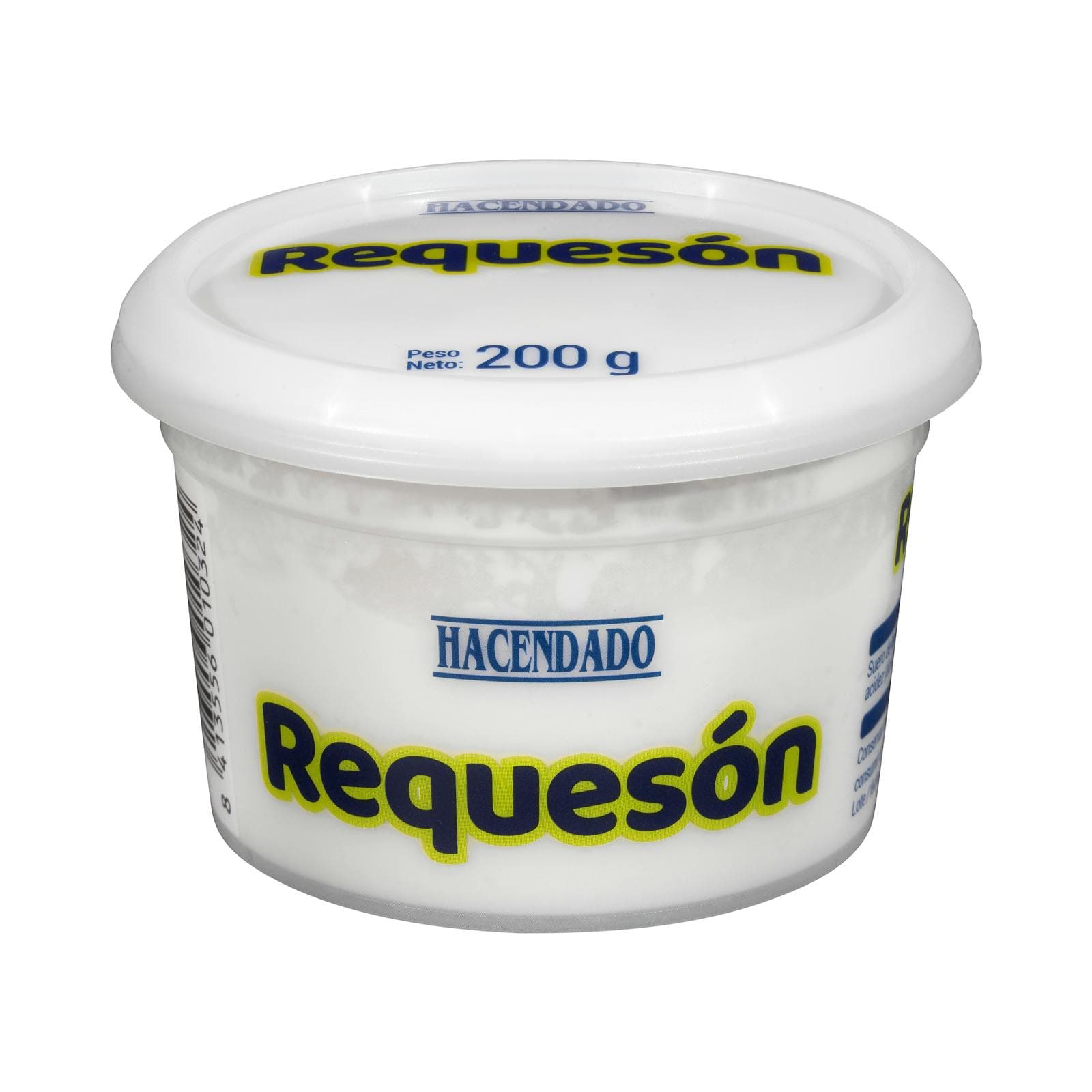
€1.00Mixed Ricotta
Hacendado · 200 g · Mercadona
 €1.60
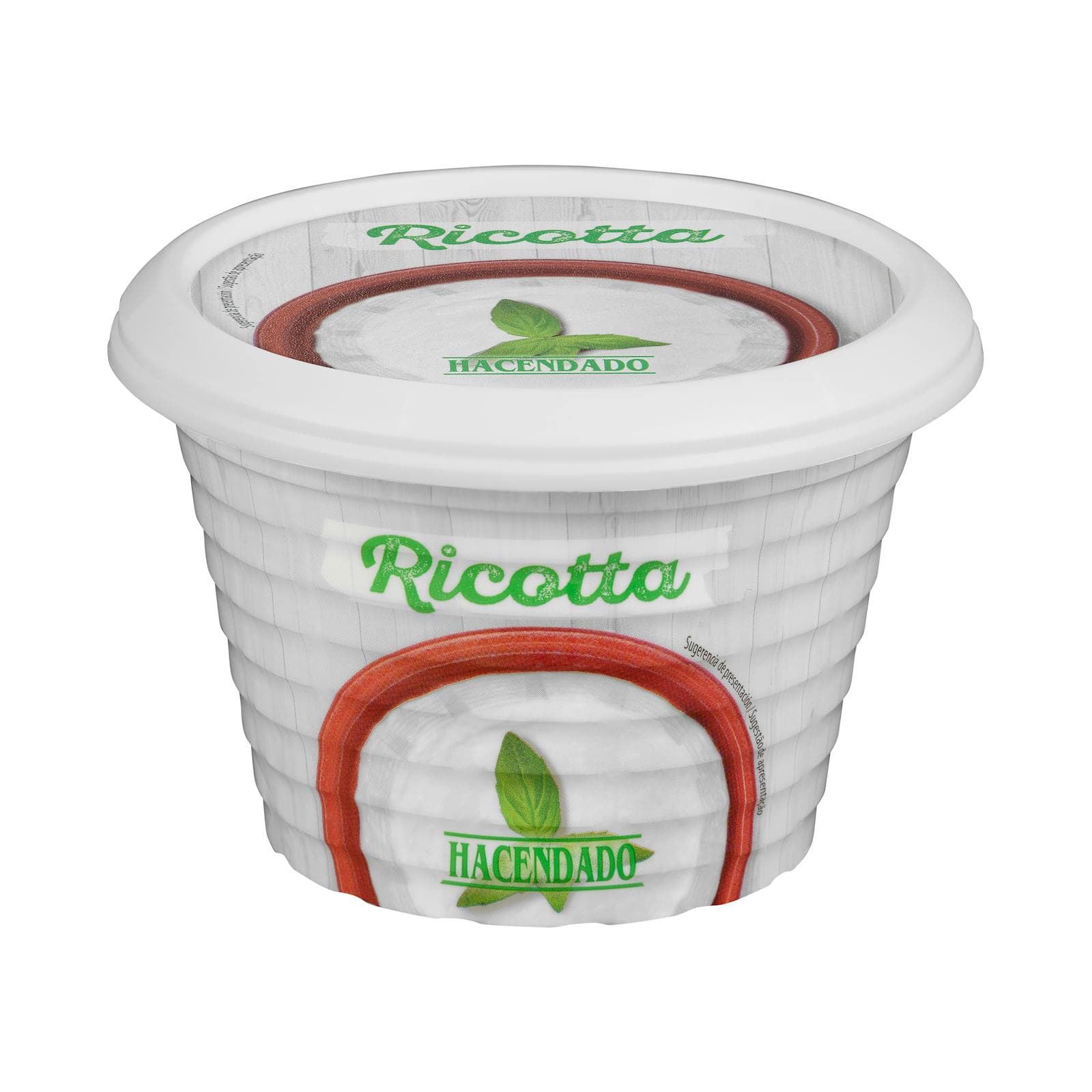
€1.60Mixed Ricotta Cheese
Hacendado · 200 g · Mercadona
 €1.65
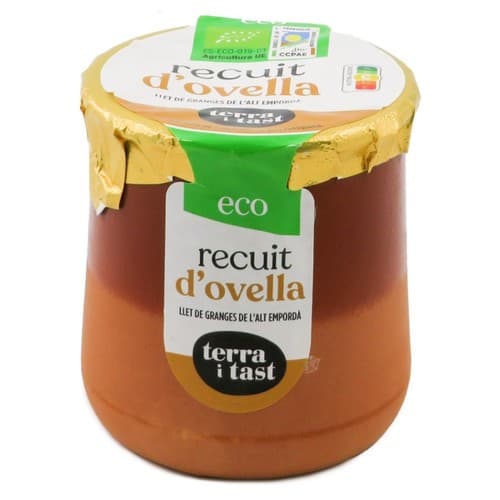
€1.65Organic Sheep Ricotta
TERRA I TAST · kg · Bonpreu
 €1.60
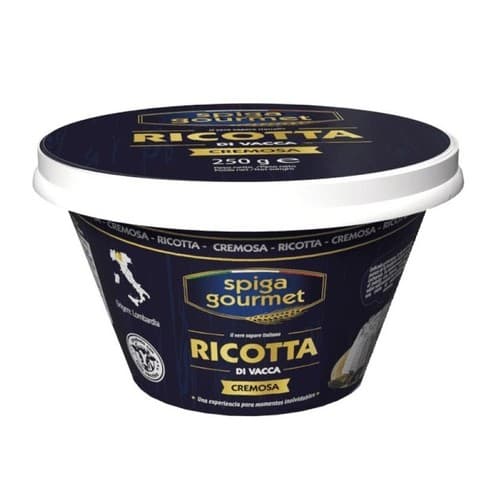
€1.60SPIGA Fresh Ricotta Cheese
SPIGA · kg · Bonpreu
 €1.99
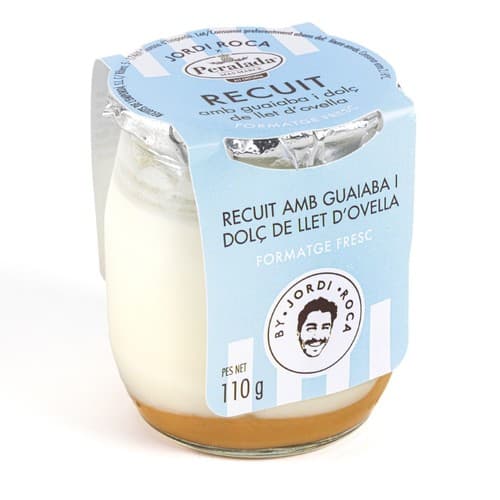
€1.99Sheep's Ricotta by Jordi Roca
PERALADA · kg · Bonpreu
 €2.99
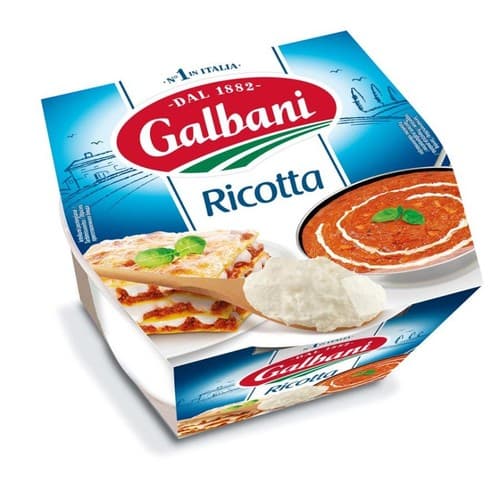
€2.99Galbani Fresh Ricotta Cheese
GALBANI · kg · Bonpreu
Good to know
- Origin
- Italy, particularly southern regions (Sicily, Calabria, Campania); documented since medieval times
- Primary ingredient
- Whey from sheep, cow, or buffalo milk (traditional); whole milk (commercial modern versions)
- Name etymology
- Italian "ricotta" means "recooked," referring to the double-heating process
- Fat content
- Whole-milk: 13–17%; part-skim: 8–13%
- Shelf life
- 5–7 days refrigerated, tightly wrapped; freeze for up to 3 months (texture will change)
- Texture
- Soft, granular, slightly fluffy when fresh; becomes denser when drained
- Flavor
- Mild, slightly sweet, creamy milk taste; subtle tang in fresh versions
- Traditional equipment
- Copper or stainless settling vats; linen cloths for draining
- Yield
- Approximately 10–15% of whey volume converted to ricotta
Substitutes
- Cottage cheese (drained) — Similar moisture and mild flavor; blend smooth for closest texture match
- Mascarpone — Much richer, denser; thin with a bit of milk or cream; works for spreads and desserts
- Cream cheese (whipped with milk) — 1 part cream cheese to 1 part milk, blended; similar mild dairy flavor
- Fresh farmer cheese — Mild, slightly tangy; acceptable in pasta fillings and salads
- Homemade lemon ricotta — Bring 2 cups whole milk to simmer, add 3 tbsp lemon juice, strain curds—close flavor for fresh applications
Pairs with
Also called
Rigouta · Whey Cheese
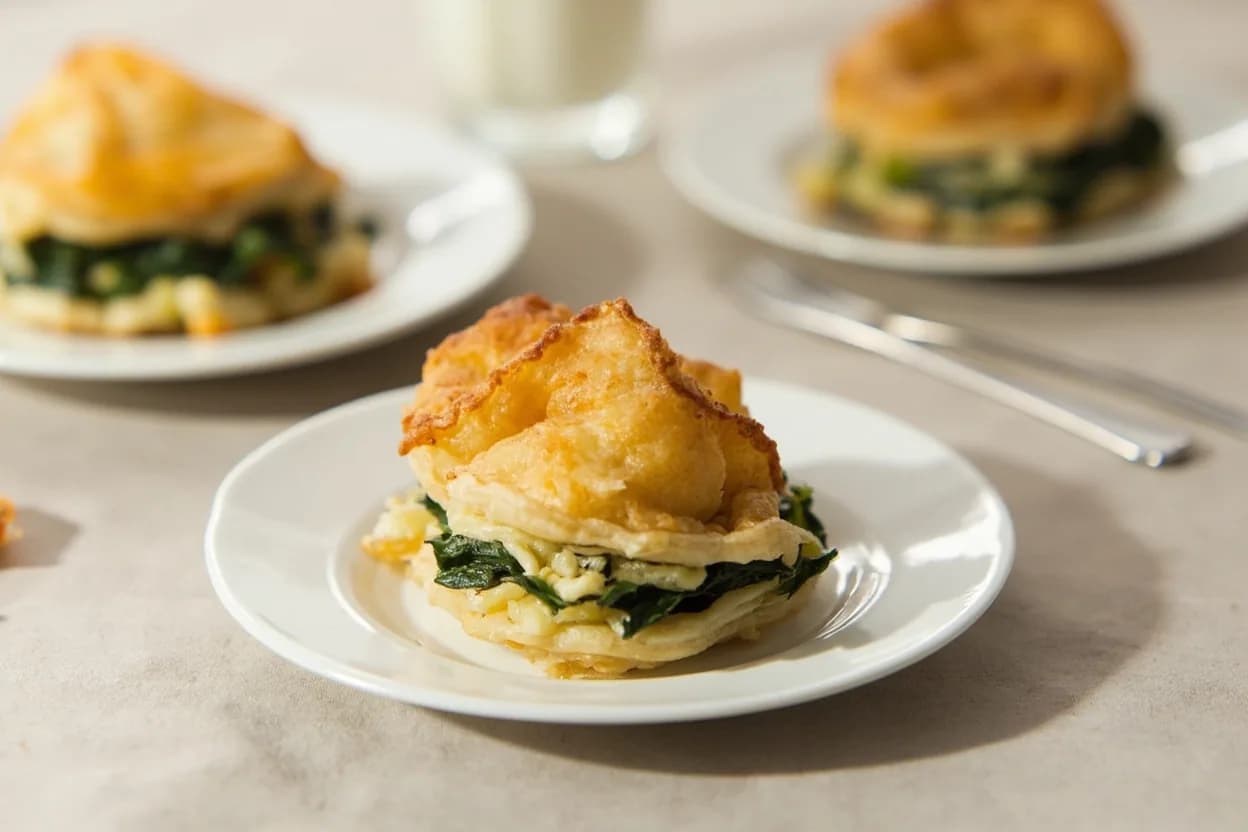
Appears in these dishes
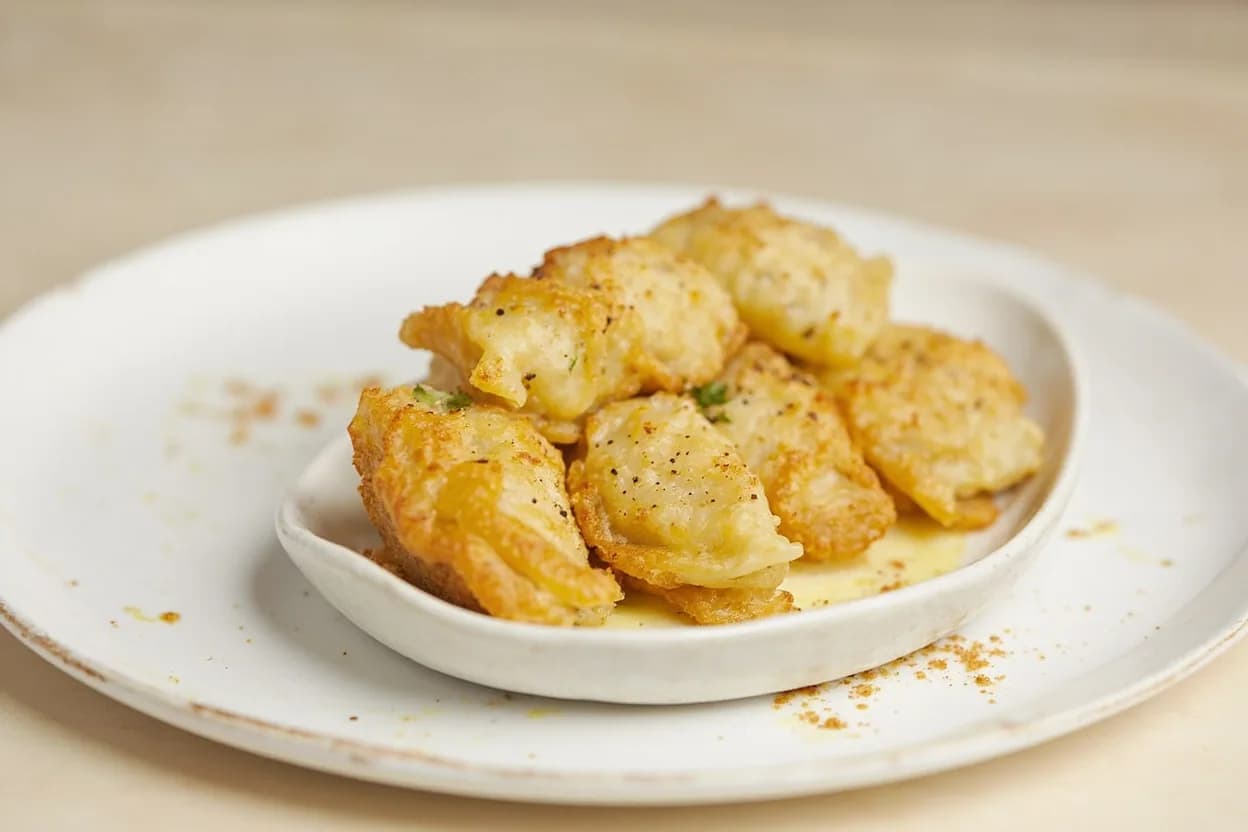
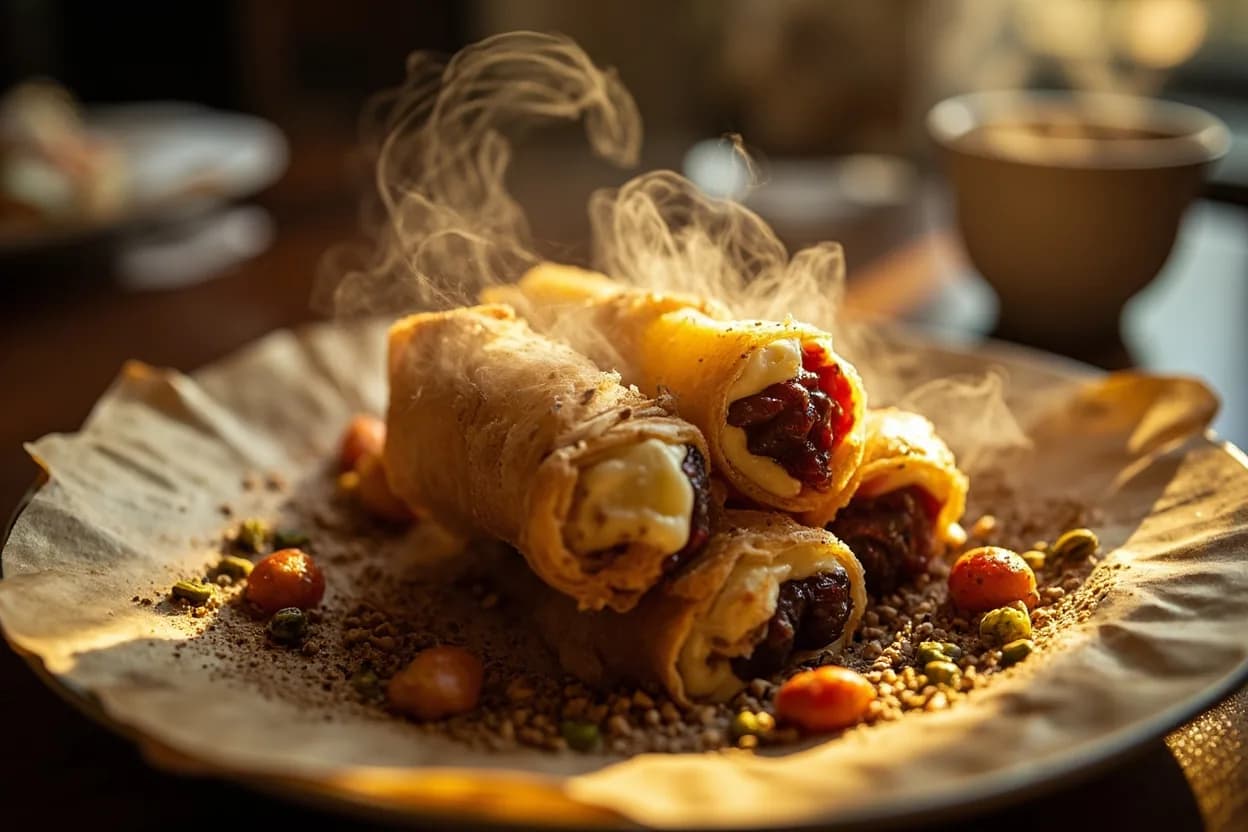

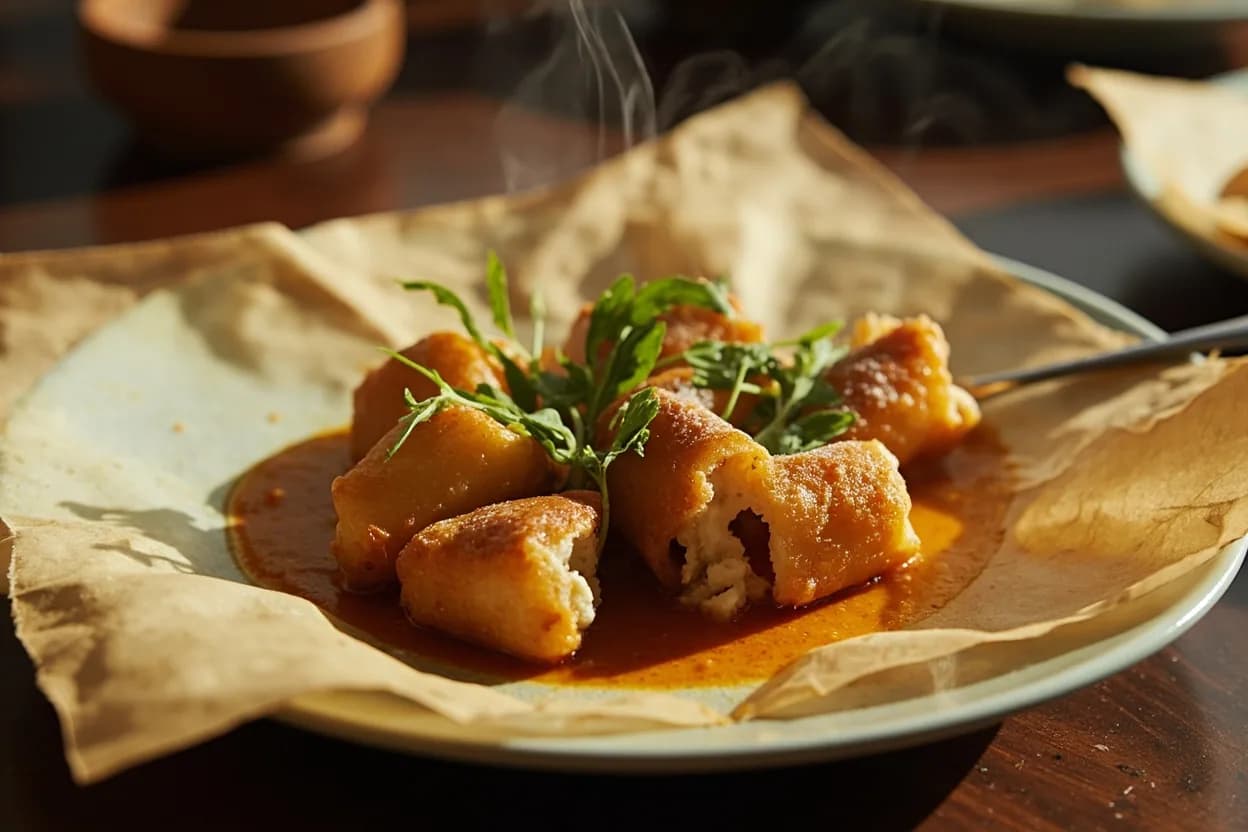

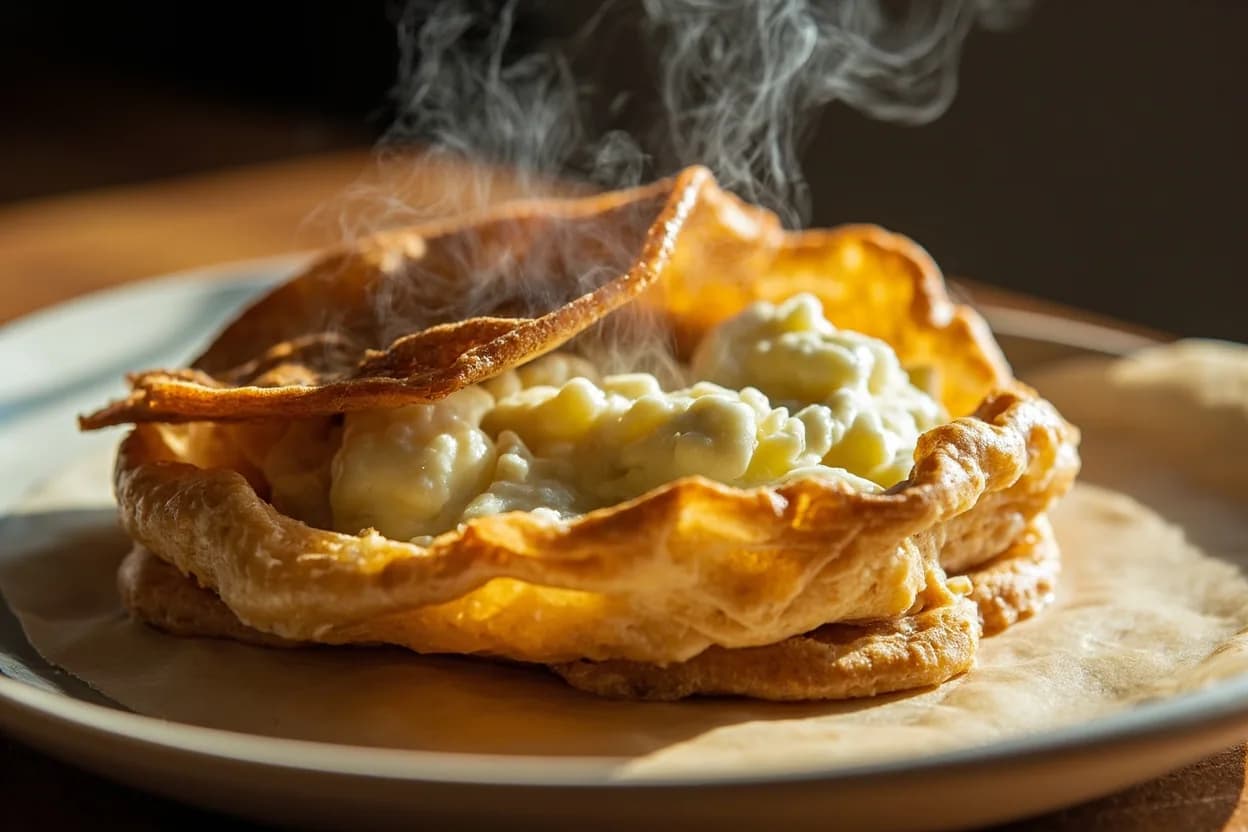
Related

Whole Milk
Rich, full-fat milk for drinking, coffee, sauces, and baking
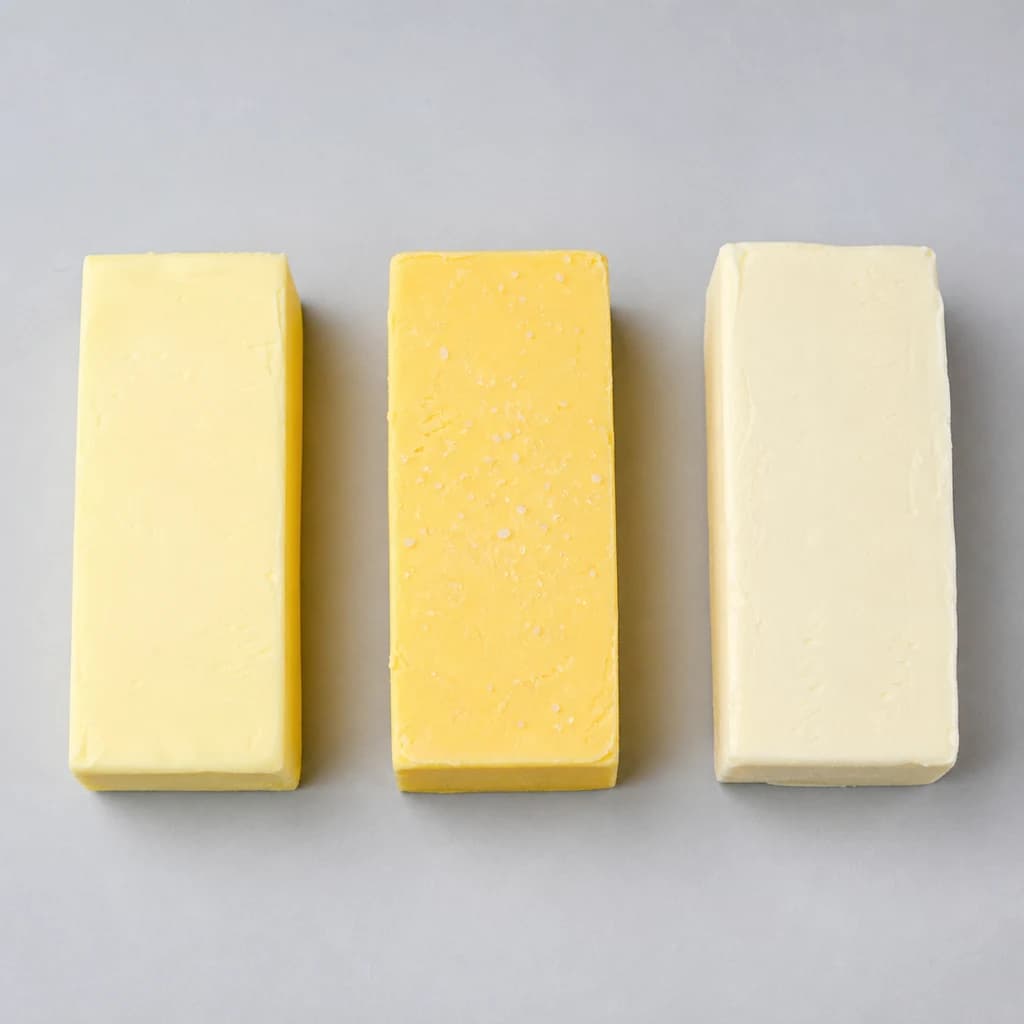
Butter
Golden fat for searing, baking, and finishing a sauce
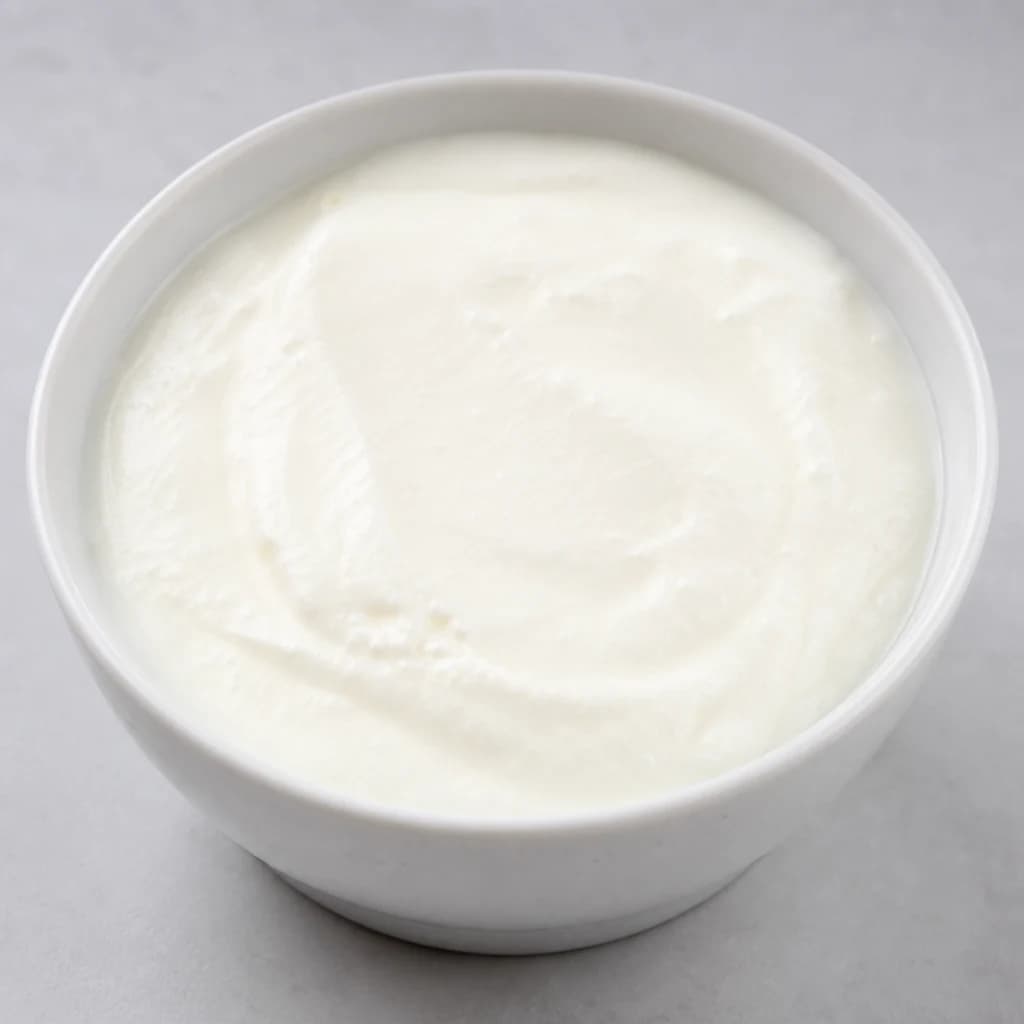
Yogurt
Tangy, creamy culture for breakfast, sauces, and marinades
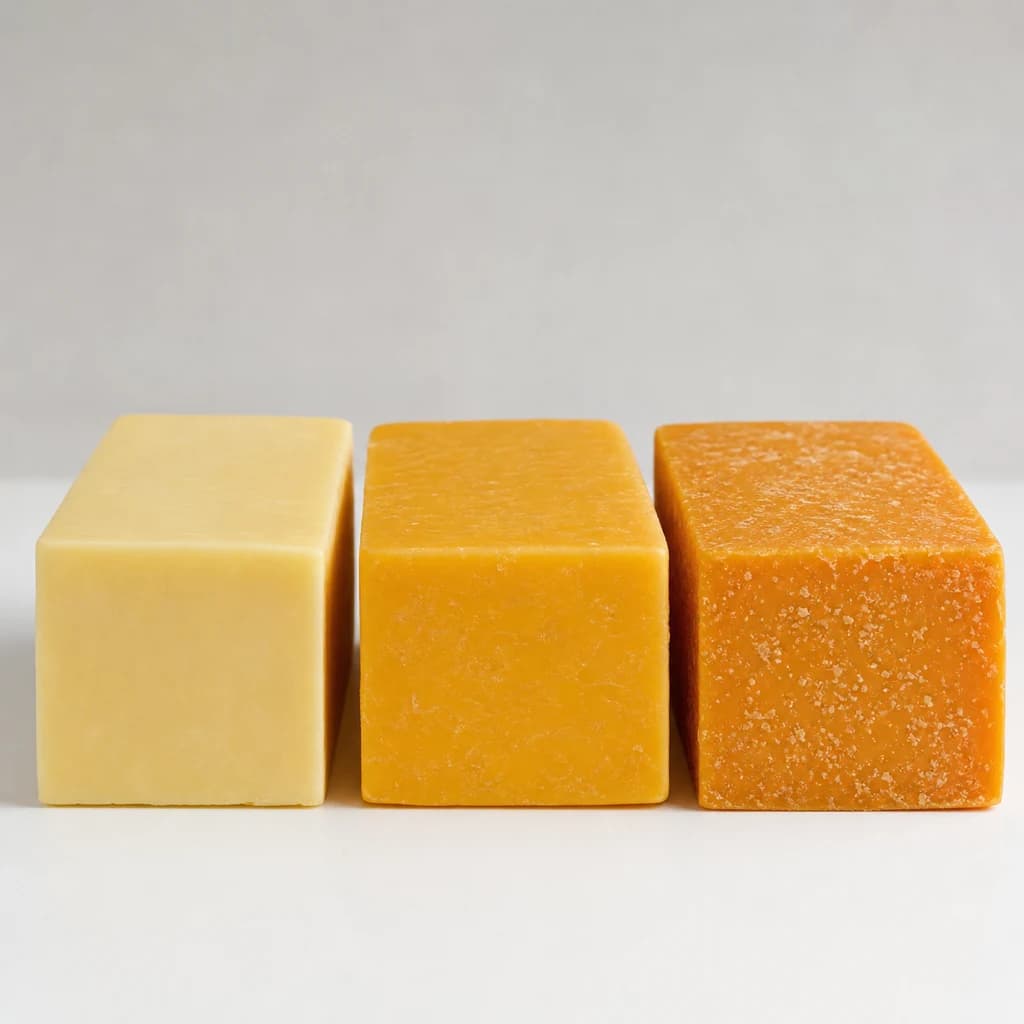
Cheddar Cheese
Sharp, melty cheese for sandwiches, gratins, and grating
Skim Milk
Fat-free milk for lighter drinking, coffee, and cooking
Heavy Cream
Rich cream that whips, enriches sauces, and sets ganache

Sour Cream
Tangy, thick cream for dolloping, baking, and dips
Mozzarella
Soft, milky cheese that melts into stretchy pizza pulls