
Natural form
A firm white wheel of ricotta salata on a wooden board, showing its dense pressed texture.
Shows the intact cheese wheel so readers recognize its form, color, and pressed surface before cutting or using it.
Dairy & Eggs
Ricotta Salata
Pressed, salted, dried ricotta that grates or crumbles, classic on pasta alla Norma.
Ricotta salata is ricotta that has been salted, pressed, and dried into a firm, white cheese that can be grated or crumbled. Milky, salty, and slightly tangy, it is shaved over pasta alla Norma, watermelon salads, and roasted vegetables. A smoked Sardinian version, ricotta mustia, adds a gentle smokiness.
Ricotta Salata is a pressed, salted, and dried whey cheese with roots in Sicily, where it has been made for centuries from the whey leftover after producing pecorino or other hard cheeses. The word "salata" means salted, and that salt is not incidental—it is added to the curds before pressing, then the cheese is aged for a minimum of two to three months. This process concentrates flavor, reduces moisture, and transforms a soft, wet fresh ricotta into a firm, dense cheese that grates and crumbles cleanly. Its texture and behavior are fundamentally different from fresh ricotta: it will not melt, and it maintains its structure whether shaved into delicate ribbons or crumbled into rough, salty bites. The flavor is mildly tangy and milky with a pronounced saltiness that varies by producer, making it a seasoning as much as a cheese. Sicily remains the primary source, though excellent artisan versions are now made in the United States from sheep's milk, following the same methods. The most significant mistake home cooks make is treating Ricotta Salata like a melting cheese or substituting fresh ricotta, which has entirely different water content and culinary behavior. Understanding this distinction unlocks the true character of the cheese and its role in Sicilian cooking.
- Measured in
- g
- Storage
- Fridge
Allergens
Types & varieties
Made from sheep's milk whey; more pronounced flavor, traditional Sicilian variety
Made from cow's milk whey; milder and slightly sweeter than the sheep's milk version
Baked ricotta; pressed and lightly baked, yielding a different texture and caramelized notes
Why It Behave Differently Than Fresh Ricotta
Fresh ricotta contains 70–80% moisture and has a soft, spreadable texture. Ricotta Salata, after salting and aging, loses most of that moisture, leaving a firm, dense structure held together by protein fibers that can withstand heat without melting. This is why fresh ricotta works in fillings and sauces where it dissolves into the dish, while Ricotta Salata maintains its integrity as a garnish or finishing element. The salt added during production acts as both flavoring and preservative, drawing out moisture and creating the concentrated savory quality that makes this cheese function as a seasoning. When a recipe calls for crumbling or grating Ricotta Salata, that structural stability is the point—adding it early in cooking will yield gummy, chewy texture rather than the clean, salty bursts you expect.
- Fresh ricotta: soft, wet, dissolves when cooked
- Ricotta Salata: firm, dry, holds shape when heated
- Salt content in Ricotta Salata varies by producer—always taste before seasoning a dish
Common uses
Tips & pitfalls
- Always taste before adding salt to a dish—Ricotta Salata is already quite salty and salt content varies by producer
- Bring to room temperature before using to fully appreciate the mild, milky flavor beneath the salt
- Store in the vegetable drawer where temperature is slightly warmer and more humid than the main refrigerator section
- If it becomes too hard to crumble, wrap in a damp paper towel for 30 minutes to soften slightly before using
- Never substitute fresh ricotta—the water content and lack of salt will ruin a dish that expects the dry, salty character of Ricotta Salata
- Use a Microplane or fine grater for light, snow-like shavings on salads and soups
- For crumbling into rough, irregular pieces, break apart with your fingers rather than cutting for better texture control
- To prevent crumbling into dust when grating, freeze the cheese for 15 minutes first—it will yield cleaner, more manageable shavings
Nutrition
Nutrition
No USDA FoodData Central match for Ricotta Salata yet. We surface a per-100 g profile once a generic whole-food entry is matched and verified.
In the shops
Matched grocery products
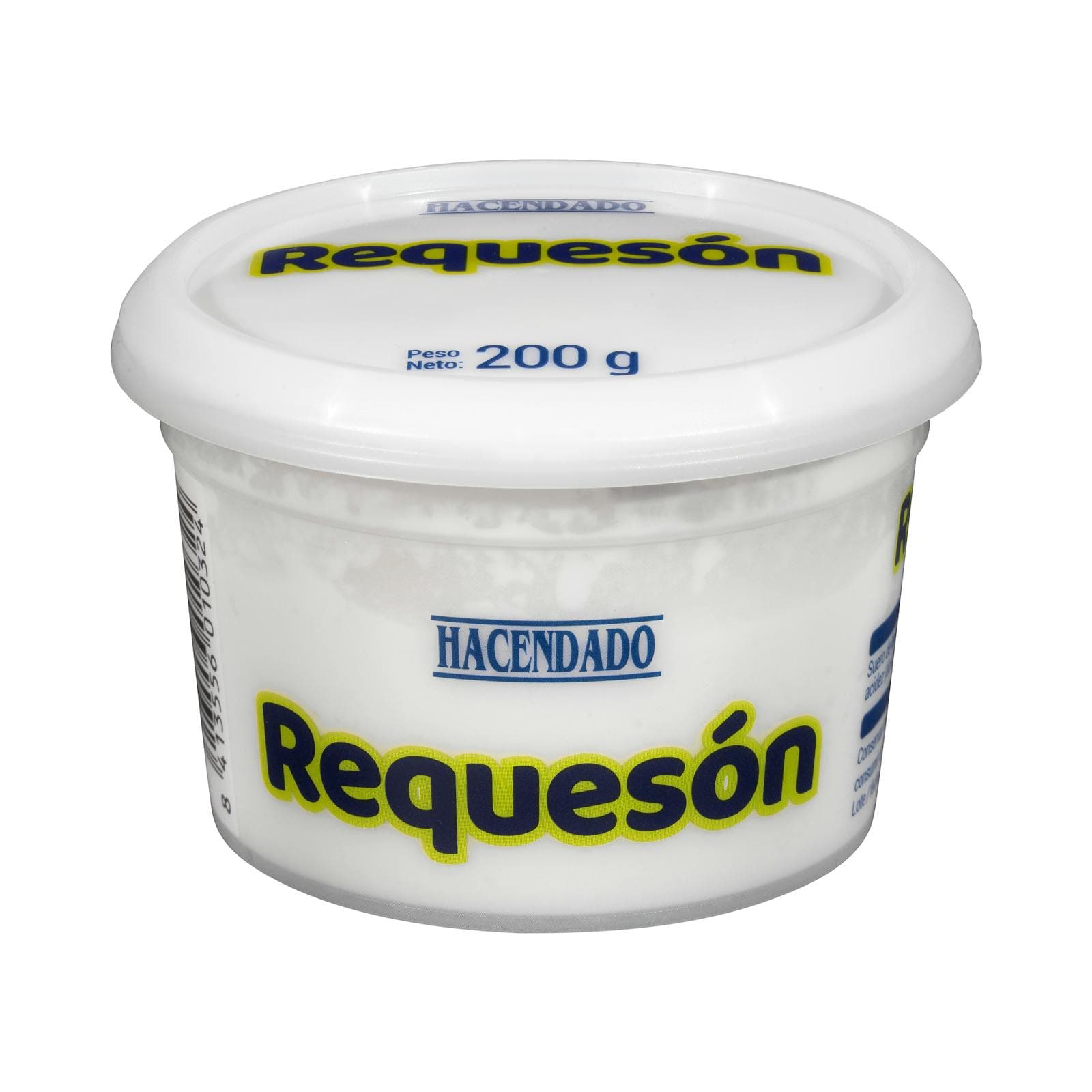 €1.00
€1.00Mixed Ricotta
Hacendado · 200 g · Mercadona
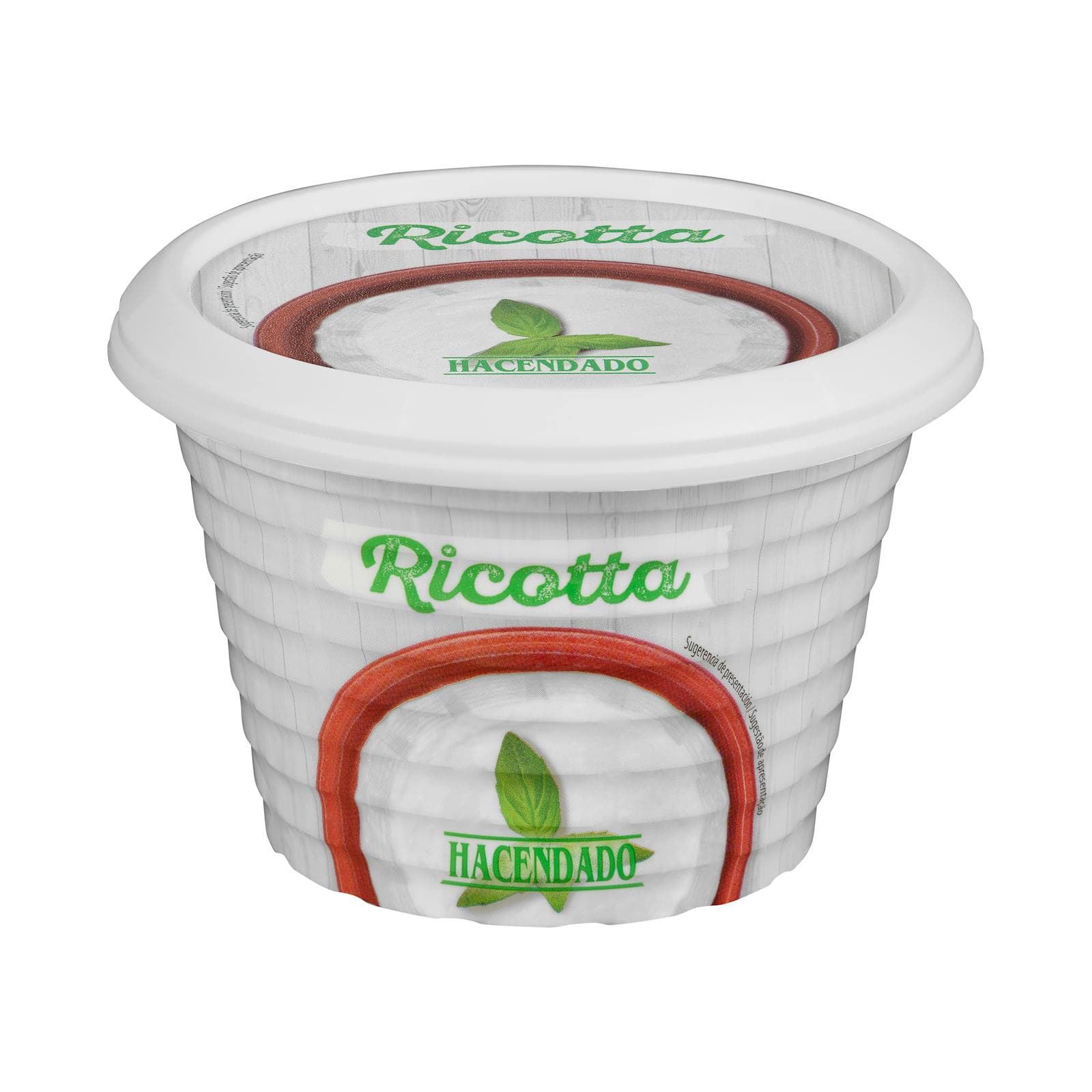 €1.60
€1.60Mixed Ricotta Cheese
Hacendado · 200 g · Mercadona
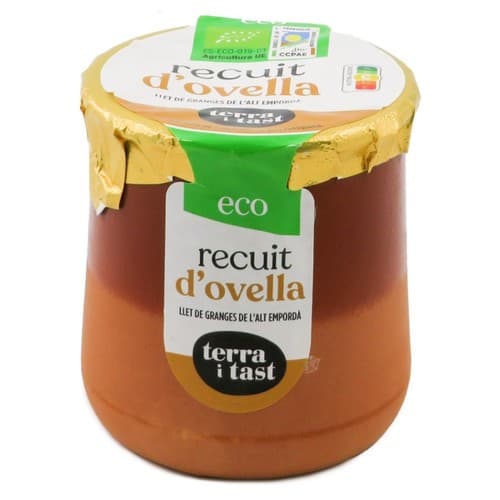 €1.65
€1.65Organic Sheep Ricotta
TERRA I TAST · kg · Bonpreu
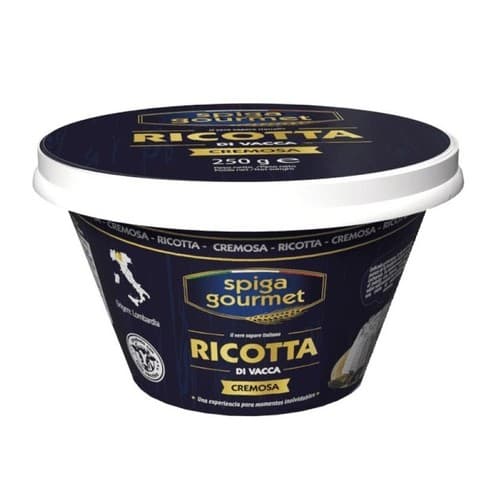 €1.60
€1.60SPIGA Fresh Ricotta Cheese
SPIGA · kg · Bonpreu
 €1.99
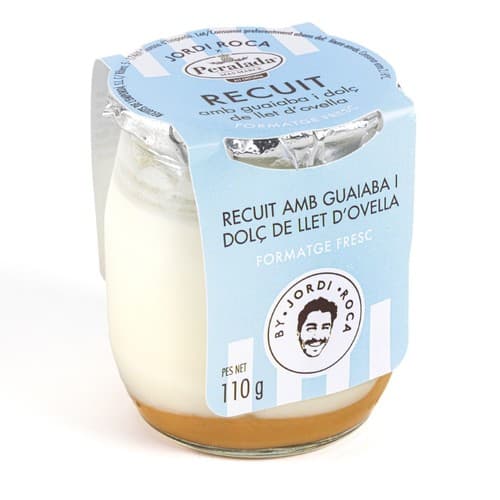
€1.99Sheep's Ricotta by Jordi Roca
PERALADA · kg · Bonpreu
 €2.99
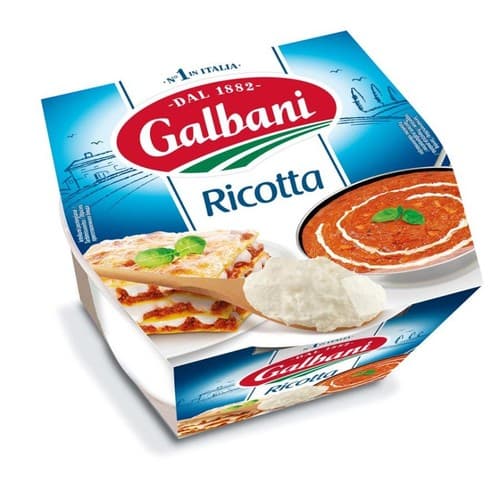
€2.99Galbani Fresh Ricotta Cheese
GALBANI · kg · Bonpreu
Good to know
- Type
- Pressed, salted, dried whey cheese
- Primary Milk
- Sheep's milk whey (cow's milk whey also used)
- Origin
- Sicily, Italy
- Aging Time
- 2–3 months minimum
- Texture
- Firm, dense, crumbly, dry
- Flavor
- Slightly salty, mildly tangy, milky
- Color
- White to pale yellow exterior; ivory interior
- Form
- Small wheels or loaves, typically 1–3 lbs
- Key Distinction
- Does not melt; grates and crumbles cleanly
- Storage
- Refrigerate wrapped in plastic wrap; keeps 4–6 weeks
Substitutes
- Feta — Closest texture and saltiness; crumble or grate; use half the amount of additional salt called for in the dish
- Pecorino Romano — Harder and saltier; grate finely; more pungent flavor—use sparingly as a substitute
- Fresh Ricotta — Poor substitute—too wet, no salt; only acceptable in a pinch for sauce-based dishes where it melts in
Also called
Ricotta Mustia (Smoked Ricotta)
Related

Whole Milk
Rich, full-fat milk for drinking, coffee, sauces, and baking
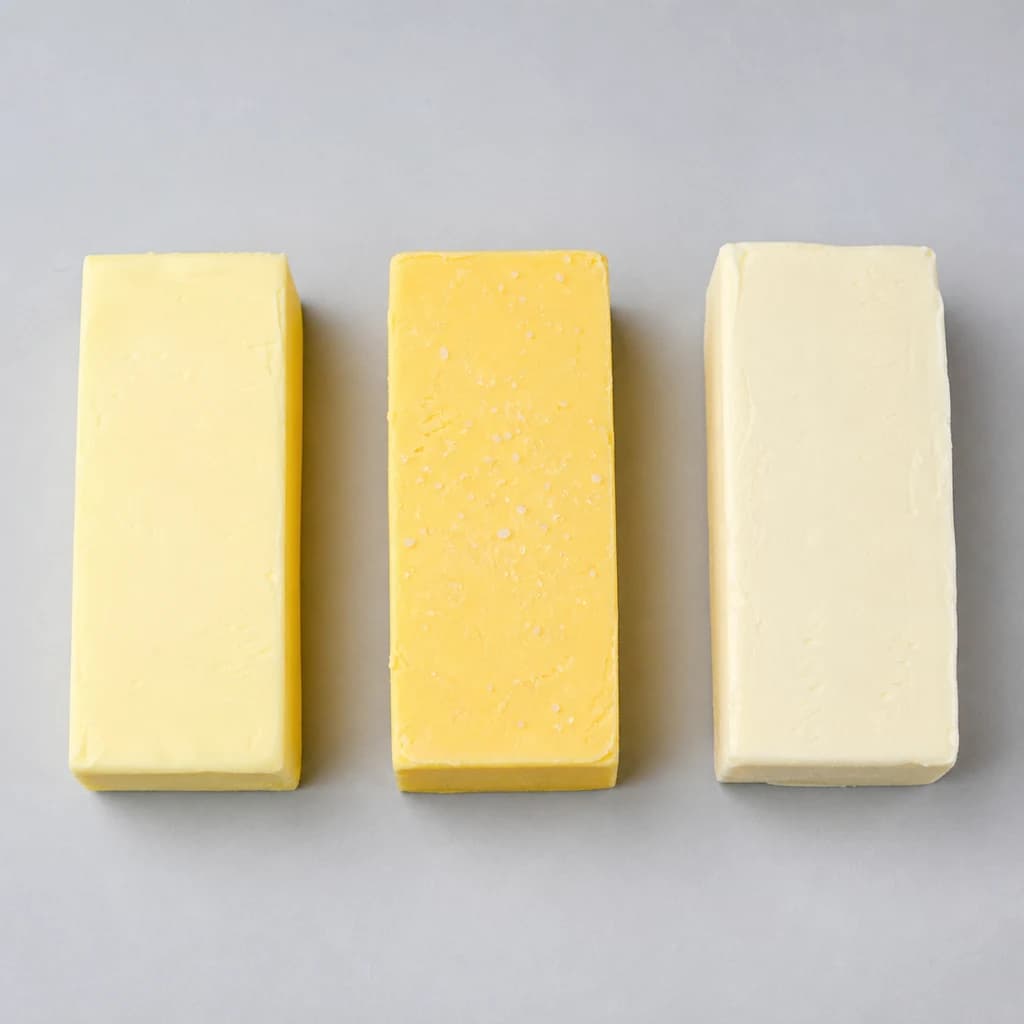
Butter
Golden fat for searing, baking, and finishing a sauce
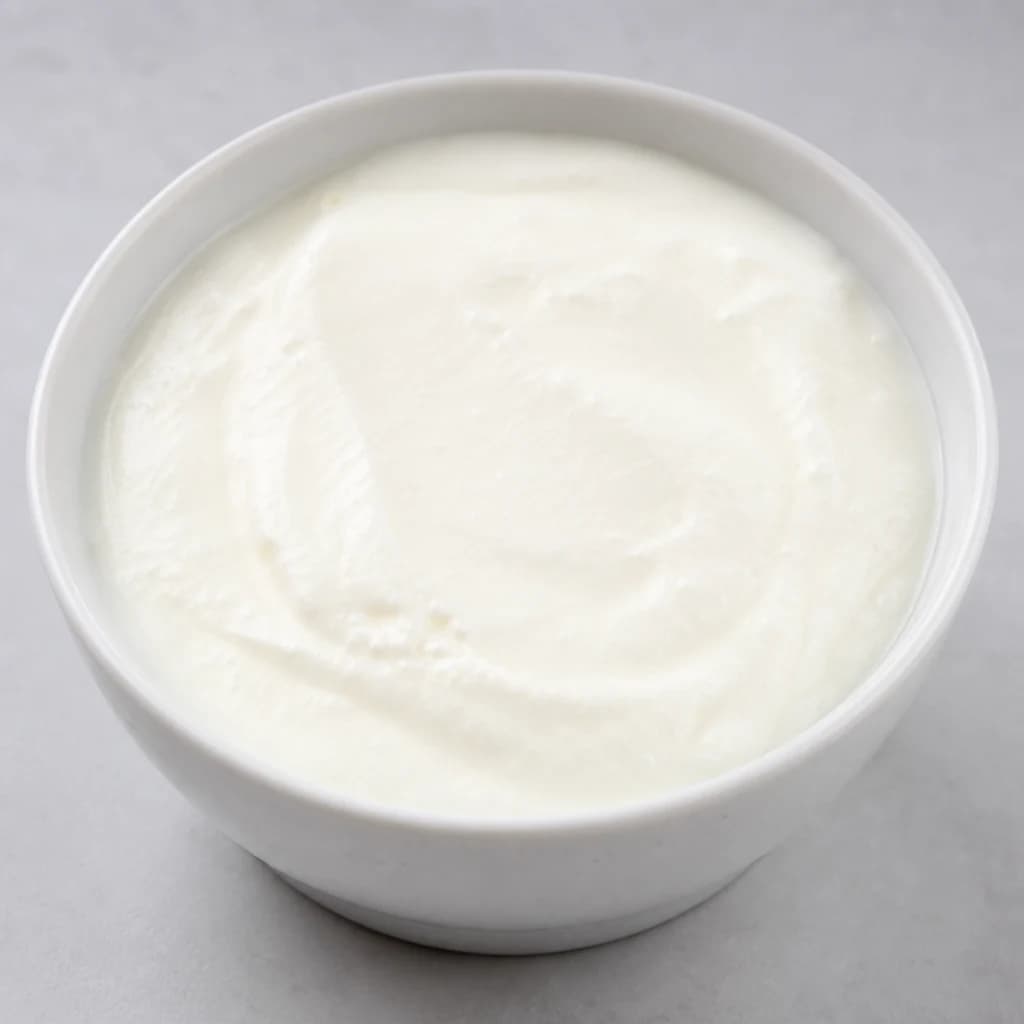
Yogurt
Tangy, creamy culture for breakfast, sauces, and marinades
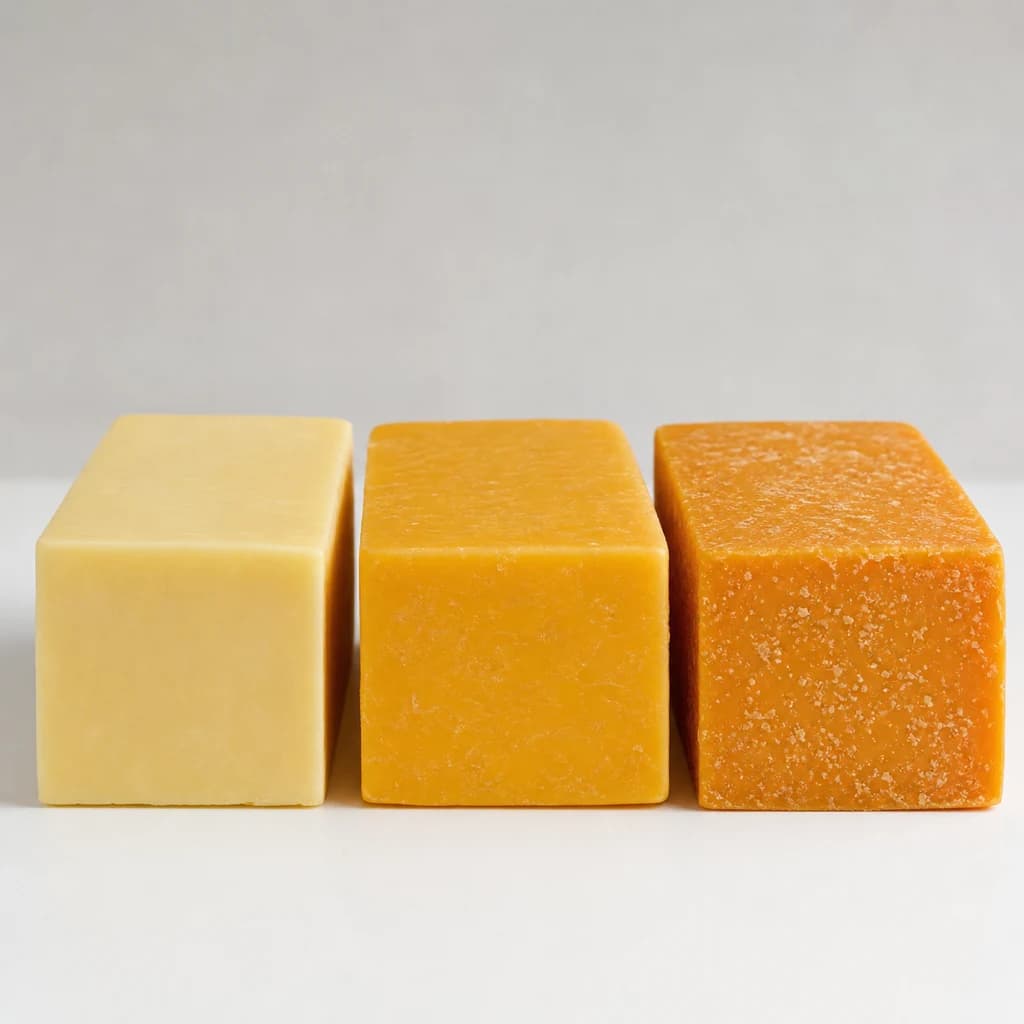
Cheddar Cheese
Sharp, melty cheese for sandwiches, gratins, and grating
Skim Milk
Fat-free milk for lighter drinking, coffee, and cooking
Heavy Cream
Rich cream that whips, enriches sauces, and sets ganache

Sour Cream
Tangy, thick cream for dolloping, baking, and dips
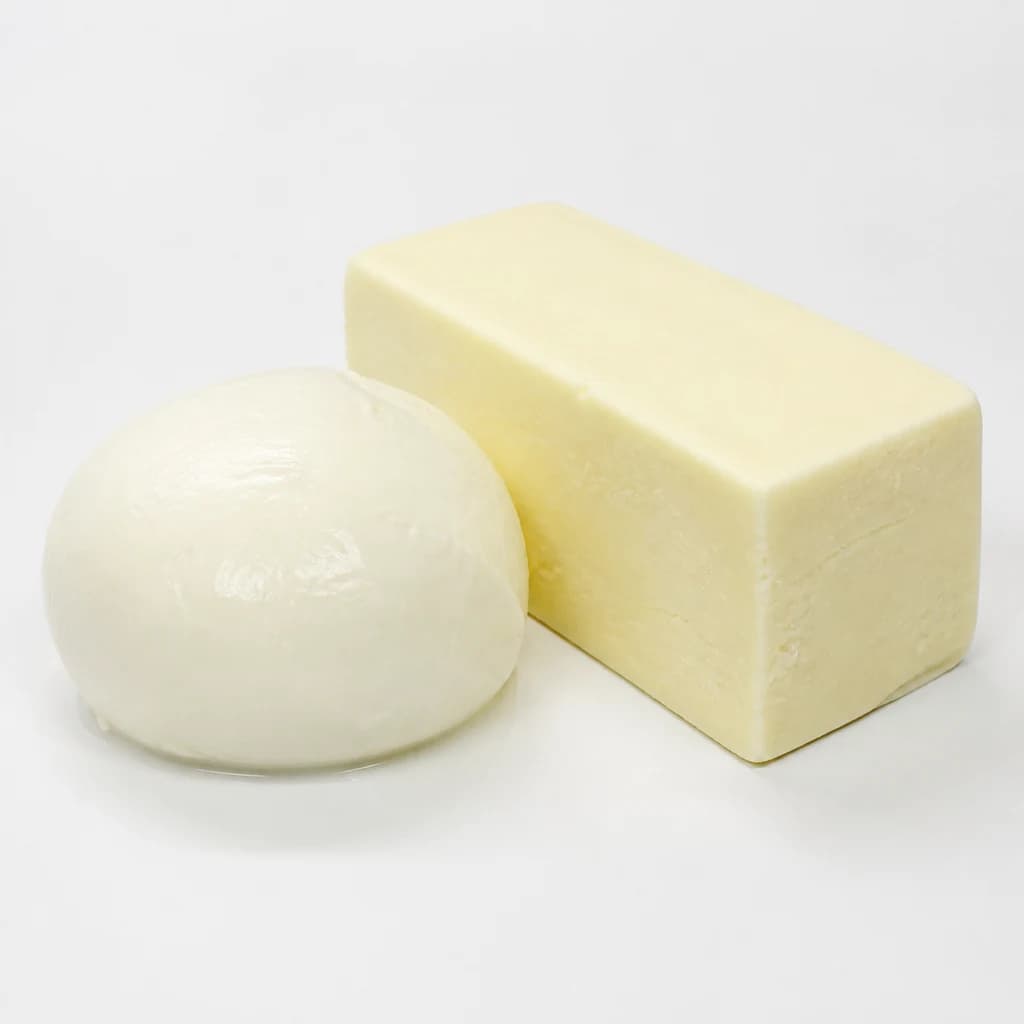
Mozzarella
Soft, milky cheese that melts into stretchy pizza pulls