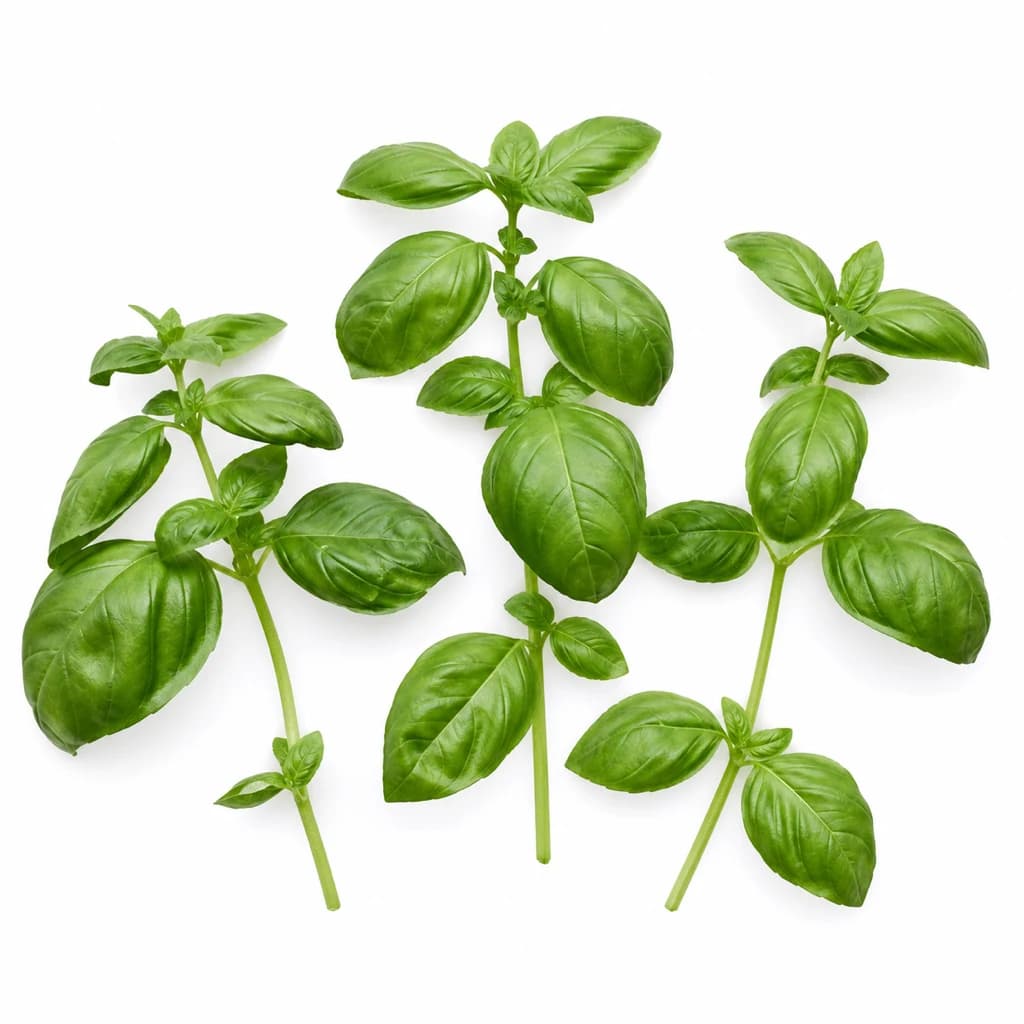
Natural form
Fresh basil sprigs showing bright green ovate leaves and upright stem structure.
Shows the reader exactly what fresh basil looks like before any preparation — leaf shape, color, and stem arrangement.
Herbs
Basil
Sweet, fragrant leaves for pesto, pasta, and caprese
Sweet and peppery with a heady aroma, fresh basil is the soul of pesto and the partner to tomato and mozzarella. Add it at the end so its perfume survives. Keep it cool, stems in water.
Sweet basil is a tender member of the mint family with glossy green leaves and a heady aroma of clove, anise, and pepper. Heat is its enemy: the volatile oils that make it sing evaporate fast, so basil belongs torn in at the very end or pounded raw into pesto. It is the soul of Italian summer cooking — caprese, margherita pizza, tomato sauce — and other cultivars (Thai, holy, lemon) carry it into Southeast Asian kitchens. Treat it like a flower: never let it touch ice-cold storage, which blackens the leaves.
- Measured in
- g
- Storage
- Refrigerate
- Shelf life
- 7 days
Find it in
Types & varieties
The classic large-leaf Italian basil for pesto and caprese.
Sturdier, anise-forward, holds up to stir-fry heat; purple stems.
Peppery and clove-like, the star of pad kaprao.
Bright citrus note for Southeast Asian dishes and infusions.
How to use
Add fresh basil at the last moment — stir it into a finished sauce off the heat, scatter torn leaves over pizza as it leaves the oven, or layer whole leaves into a salad. Cooking it long turns the flavor flat and the leaves dark.
- Tear rather than chop to avoid bruising and blackening
- Reserve a few leaves whole for finishing
- Pesto: pound or blitz with oil, pine nuts, garlic, Parmesan
Fresh vs dried
Dried basil is a different, muted herb — fine for long-simmered tomato sauce but no substitute for the floral lift of fresh. When a recipe wants brightness, only fresh delivers; use dried early in cooked dishes.
Common uses
Tips & pitfalls
- Store like flowers: trim stems, stand in a glass of water on the counter, not the fridge.
- Blanch and shock leaves for a vivid-green, freezer-stable pesto.
- Bruise a few leaves in the bottom of a glass for cocktails or lemonade.
- Add to tomato sauce only in the last minute or two of cooking.
- Freeze leftover basil in oil in ice-cube trays for winter sauces.
Nutrition
Energy
96 kJ · per 100 g
Where the calories come from
Protein
3.2g
6% DV
Carbs
2.7g
1% DV
Fat
0.6g
1% DV
Fiber
1.6g
6% DV
Sugars
0.3g
of which
Sodium
4mg
0% DV
Source · USDA FoodData Central · Basil, fresh
View on FDC →In the shops
Matched grocery products
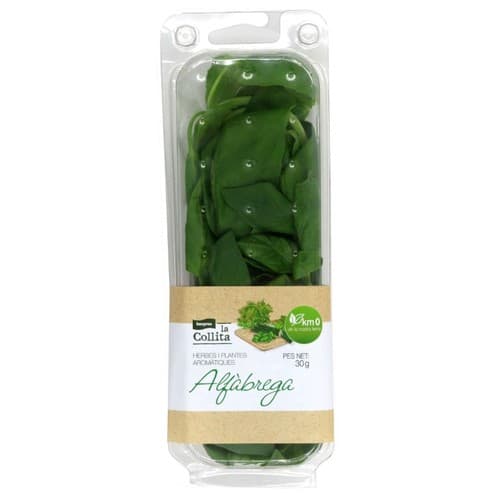 €1.49
€1.49Km0 Basil
kg · Bonpreu
Good to know
- Flavor
- Sweet, peppery, with clove and anise warmth
- Form
- Fresh (best); dried loses most aroma
- Add when
- Late — tear in off the heat to keep the perfume
- Cuisines
- Italian, Mediterranean, Thai, Vietnamese
- How to buy
- Perky, unblemished leaves with no black spots
- How to store
- Stems in water at room temp like cut flowers; refrigeration blackens it
Appears in these dishes
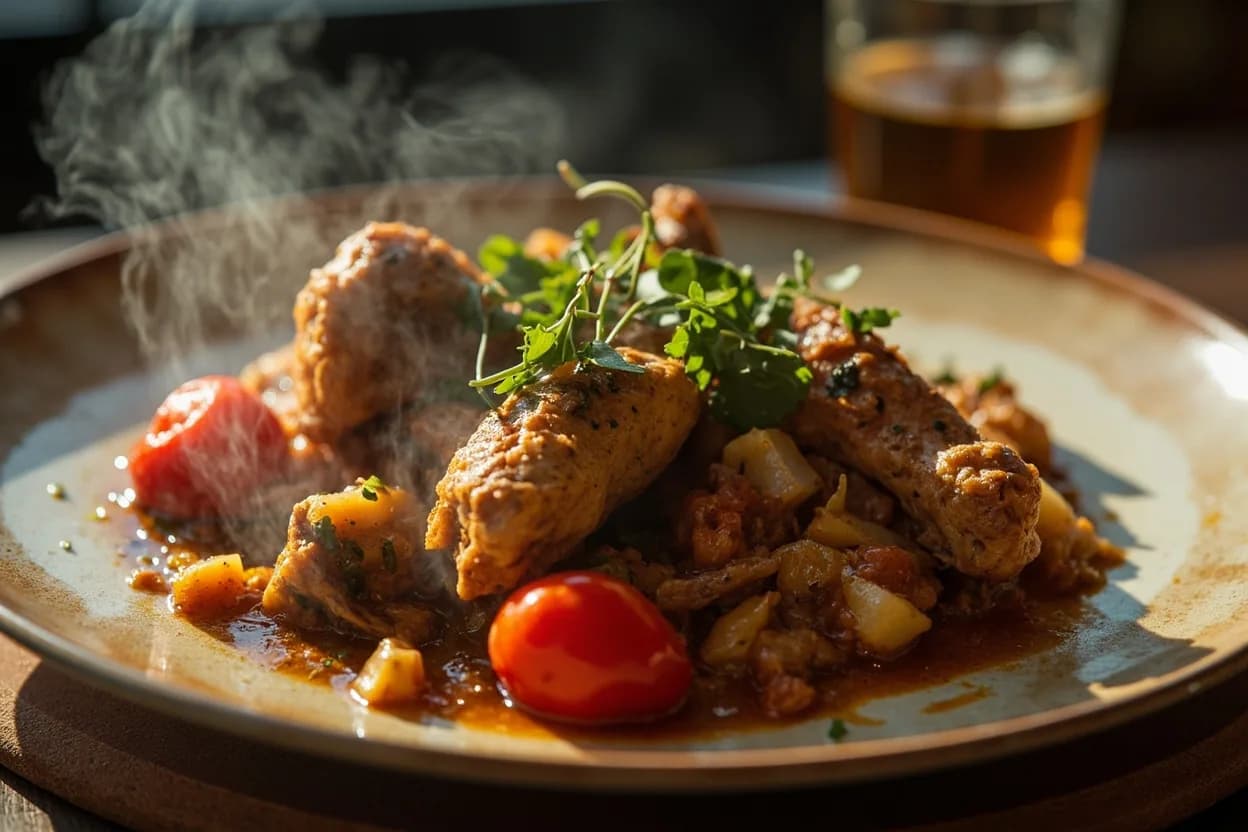
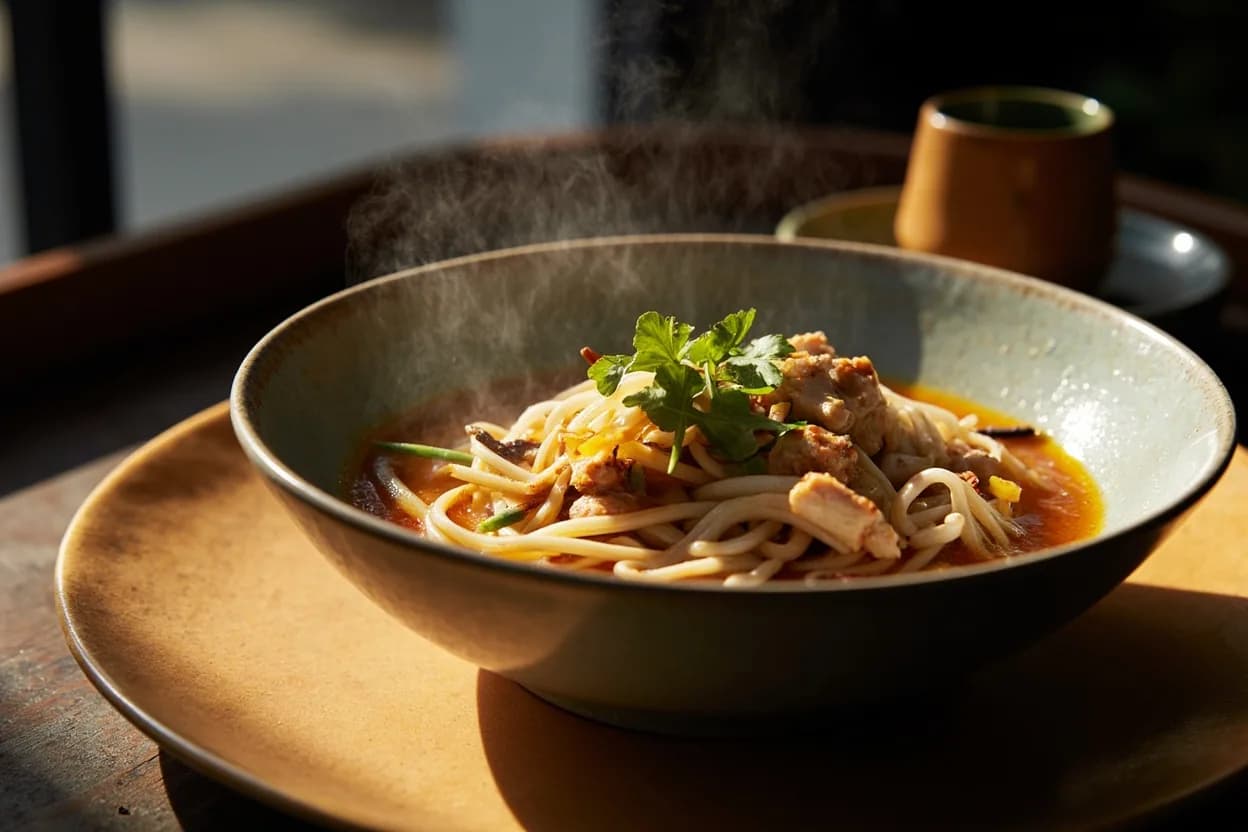
Related

Parsley
Fresh, grassy herb for finishing nearly any savory dish

Cilantro
Bright, citrusy herb for salsas, curries, and tacos

Mint
Cool, fragrant herb for teas, salads, and desserts
Rosemary
Piney, resinous herb for roasts, breads, and potatoes

Thyme
Earthy, floral herb for braises, roasts, and stocks

Sage
Savory, velvety herb for butter sauces and stuffings

Oregano
Pungent, peppery herb for tomato sauces and grilling

Dill
Feathery, anise-like herb for fish, pickles, and yogurt