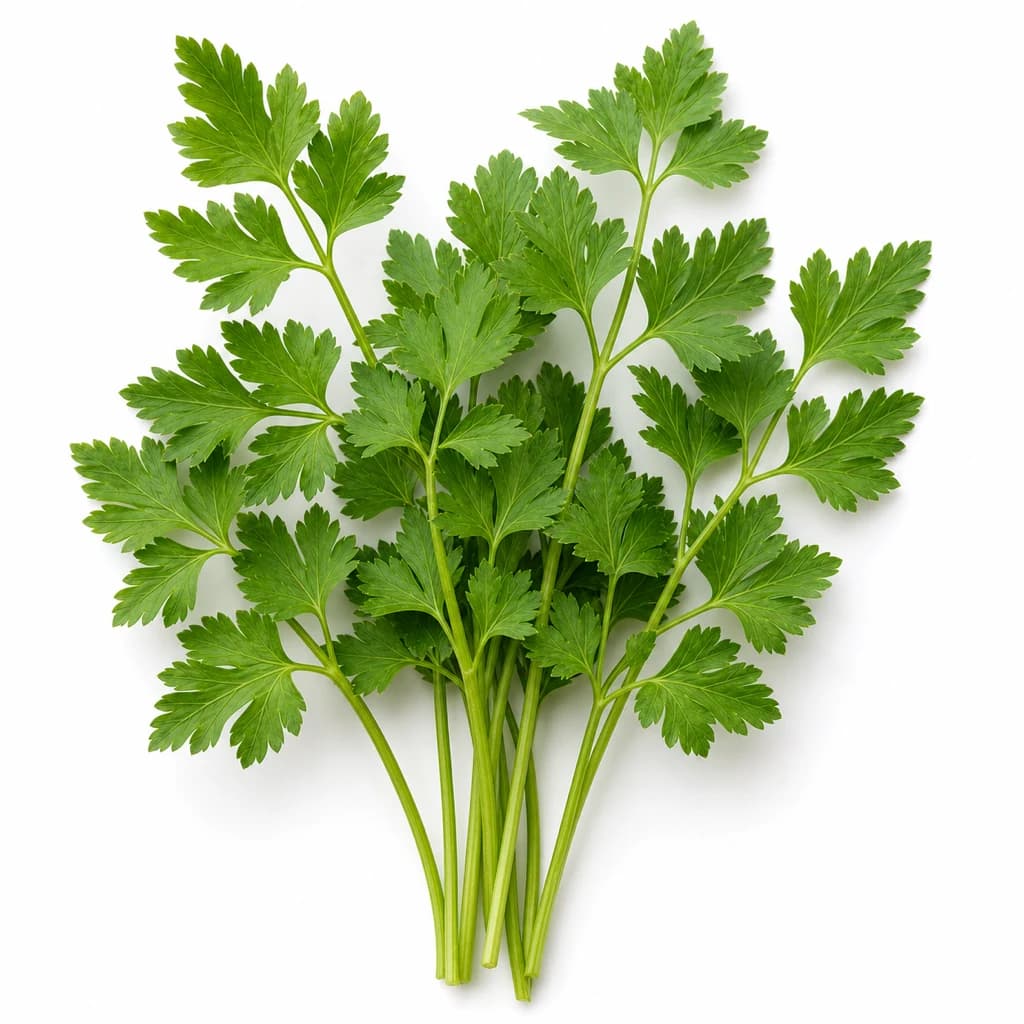
Natural form
Flat-leaf parsley: bright green compound leaves on upright stems, harvested fresh.
Shows the reader the exact form they will encounter at market — the full stem-and-leaf structure that distinguishes flat-leaf from other herbs.
Herbs
Parsley
Fresh, grassy herb for finishing nearly any savory dish
Clean and grassy, parsley brightens almost anything with a final scatter and forms the green heart of tabbouleh and gremolata. Flat-leaf has the most flavor. Keep it cold, stems in water.
Parsley is the workhorse herb — clean, grassy, faintly peppery, and bright enough to lift almost any savory dish with a final scatter. Flat-leaf (Italian) parsley has far more flavor than the decorative curly type and is what cooks reach for. Its sturdy leaves can take light cooking, but it shines raw: the green heart of tabbouleh, gremolata, salsa verde, and chimichurri. The stems hold even more flavor than the leaves and belong in stocks and sauces. Think of parsley as a brightener that resets a rich or heavy plate.
- Measured in
- g
- Storage
- Refrigerate
- Shelf life
- 7 days
Find it in
Types & varieties
Stronger, cleaner flavor; the default for cooking.
Milder and more decorative; holds shape as a garnish.
Grown for its parsnip-like edible root, common in Central Europe.
How to use
Chop just before serving so it stays vivid, then scatter over finished dishes, fold into grain salads, or blitz into raw green sauces. Don't underestimate its quantity — tabbouleh is mostly parsley, not a garnish.
- Use the flavorful stems in stocks and salsa verde
- Mince fine for gremolata; coarse for chimichurri
- Add at the end to keep the color bright
Fresh vs dried
Dried parsley loses most of its grassy brightness and works only as a mild seasoning fleck. For the lift parsley is prized for, use fresh; keep dried for breadings and blends.
Common uses
Tips & pitfalls
- Wash and dry thoroughly in a salad spinner — wet parsley clumps when chopped.
- Save stems for stock or blend into salsa verde and chimichurri.
- Gremolata (parsley, lemon zest, garlic) cuts the richness of braised meats.
- Chop it last, just before it hits the plate, to keep color and aroma.
- Stir a handful into buttered grains or potatoes for instant freshness.
Nutrition
Energy
151 kJ · per 100 g
Where the calories come from
Protein
3g
6% DV
Carbs
6.3g
2% DV
Fat
0.8g
1% DV
Fiber
3.3g
12% DV
Sugars
0.9g
of which
Sodium
56mg
2% DV
Source · USDA FoodData Central · Parsley, fresh
View on FDC →In the shops
Matched grocery products
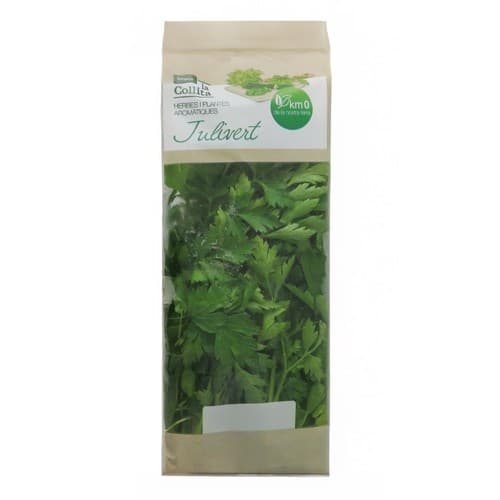 €0.85
€0.85Fresh Parsley Km0
LA COLLITA · kg · Bonpreu
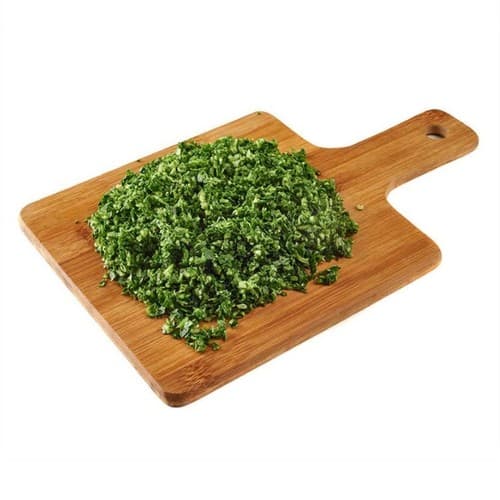 €0.89
€0.89Chopped Parsley Terrine 100g
LA COLLITA · kg · Bonpreu
Good to know
- Flavor
- Clean, grassy, lightly peppery, bright
- Form
- Fresh (flat-leaf preferred); dried is faint
- Add when
- Mostly late as a finish; stems early in stocks
- Cuisines
- Mediterranean, Middle Eastern, Latin American, European
- How to buy
- Flat-leaf for flavor; deep green, no yellowing
- How to store
- Stems in water, loosely covered, refrigerated up to a week
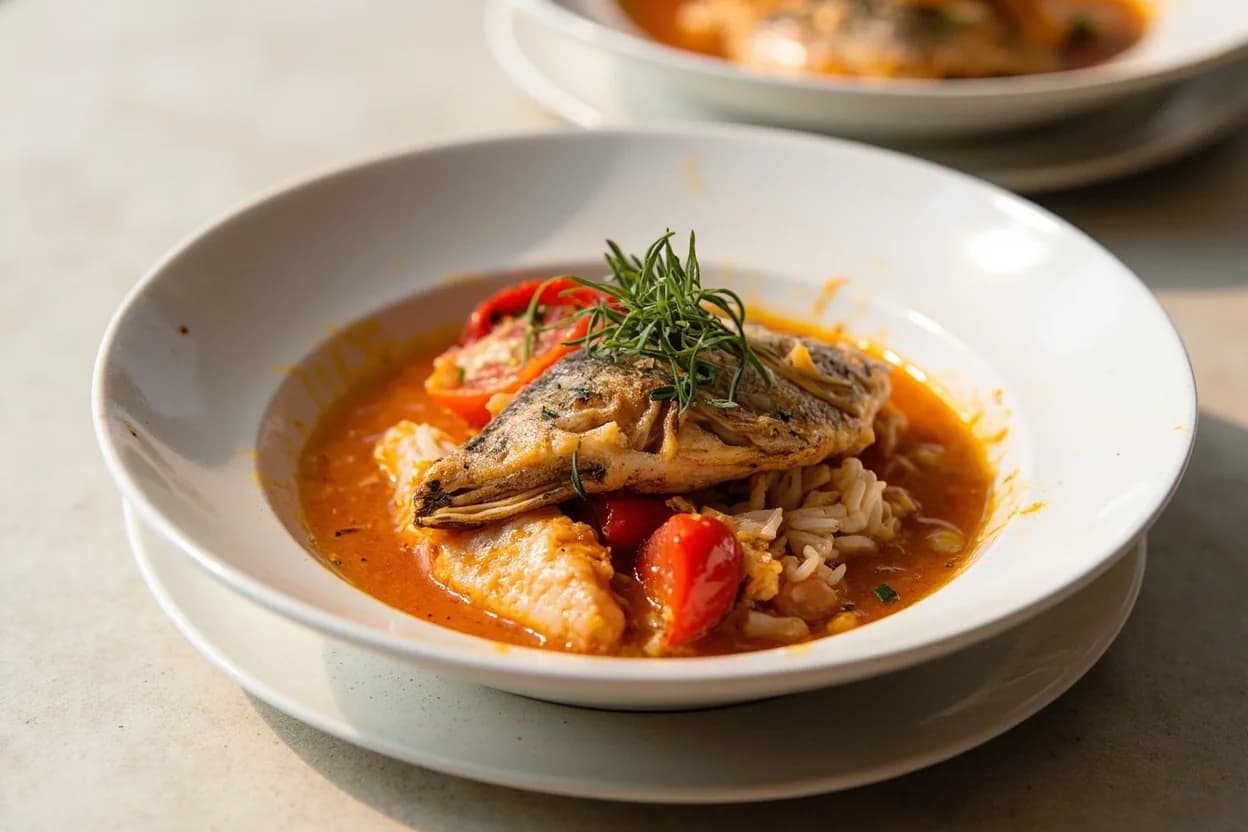
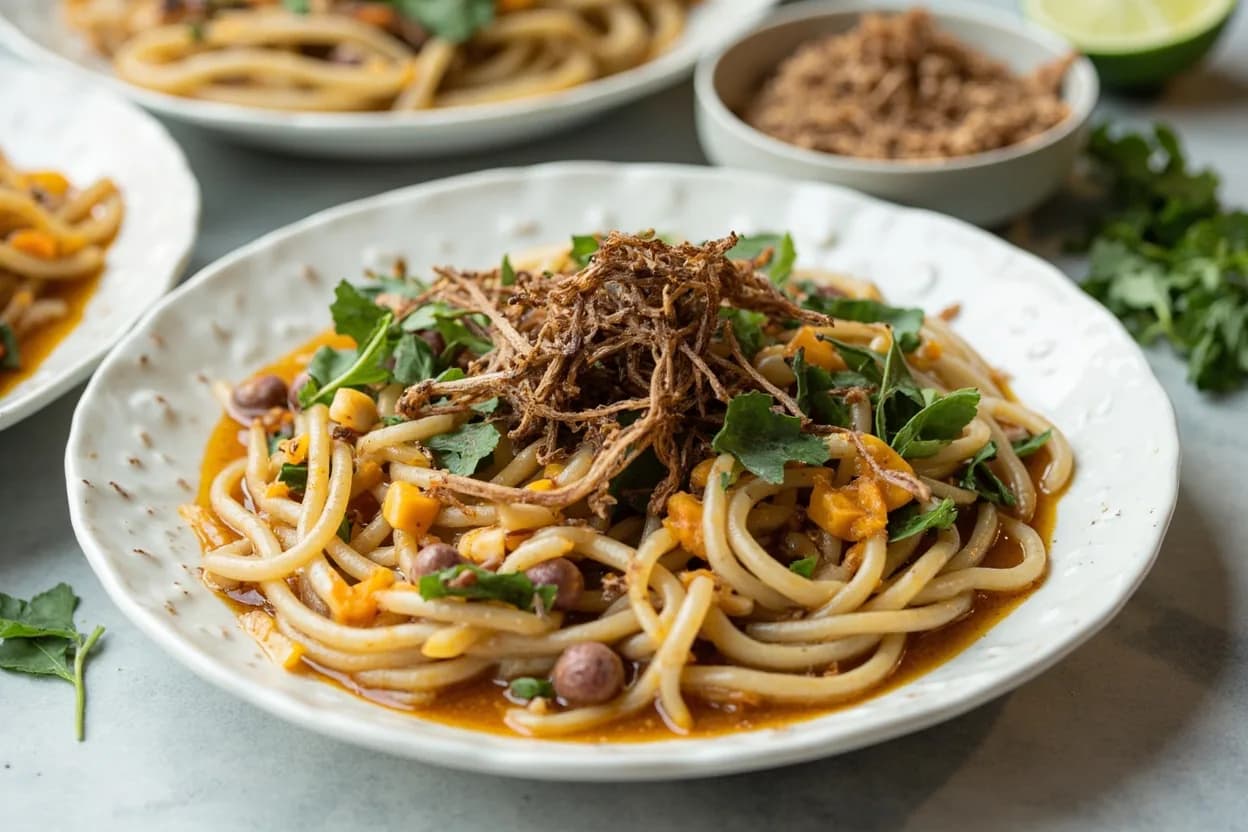
Appears in these dishes
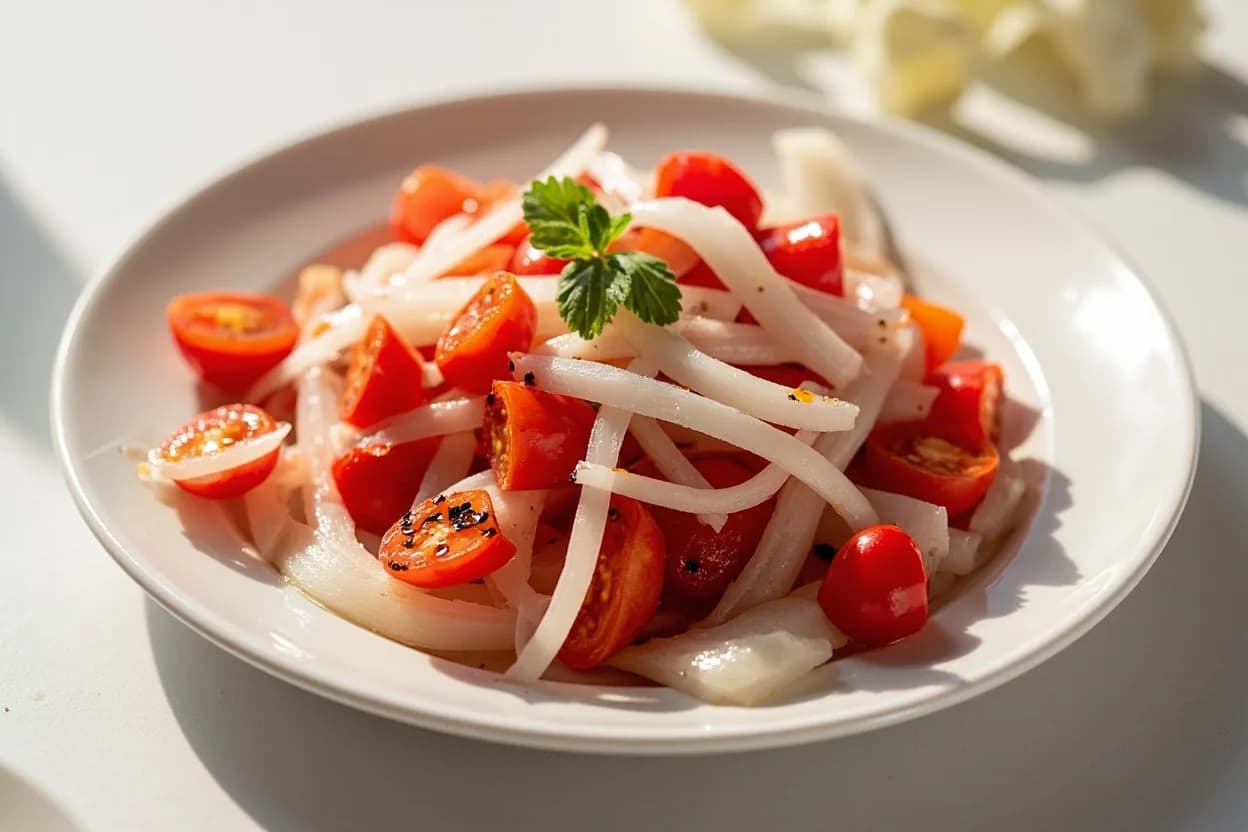
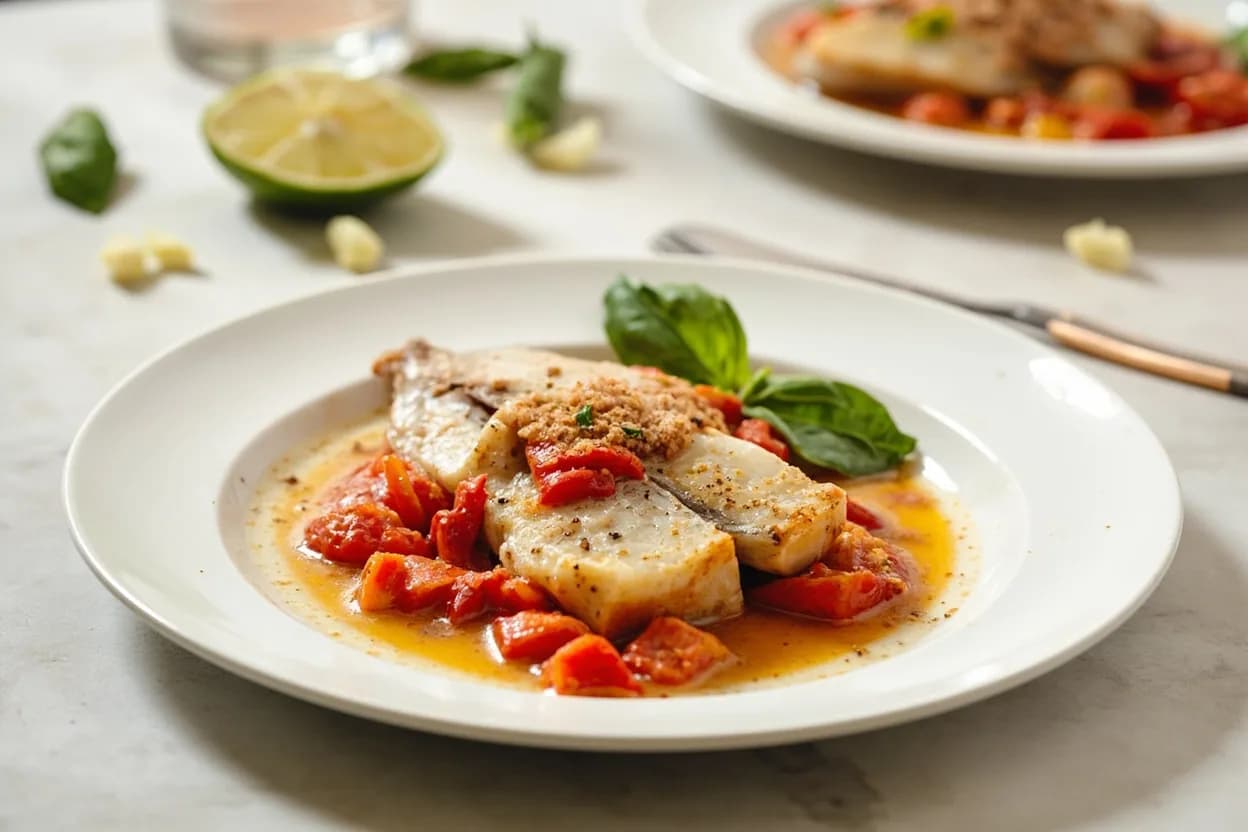
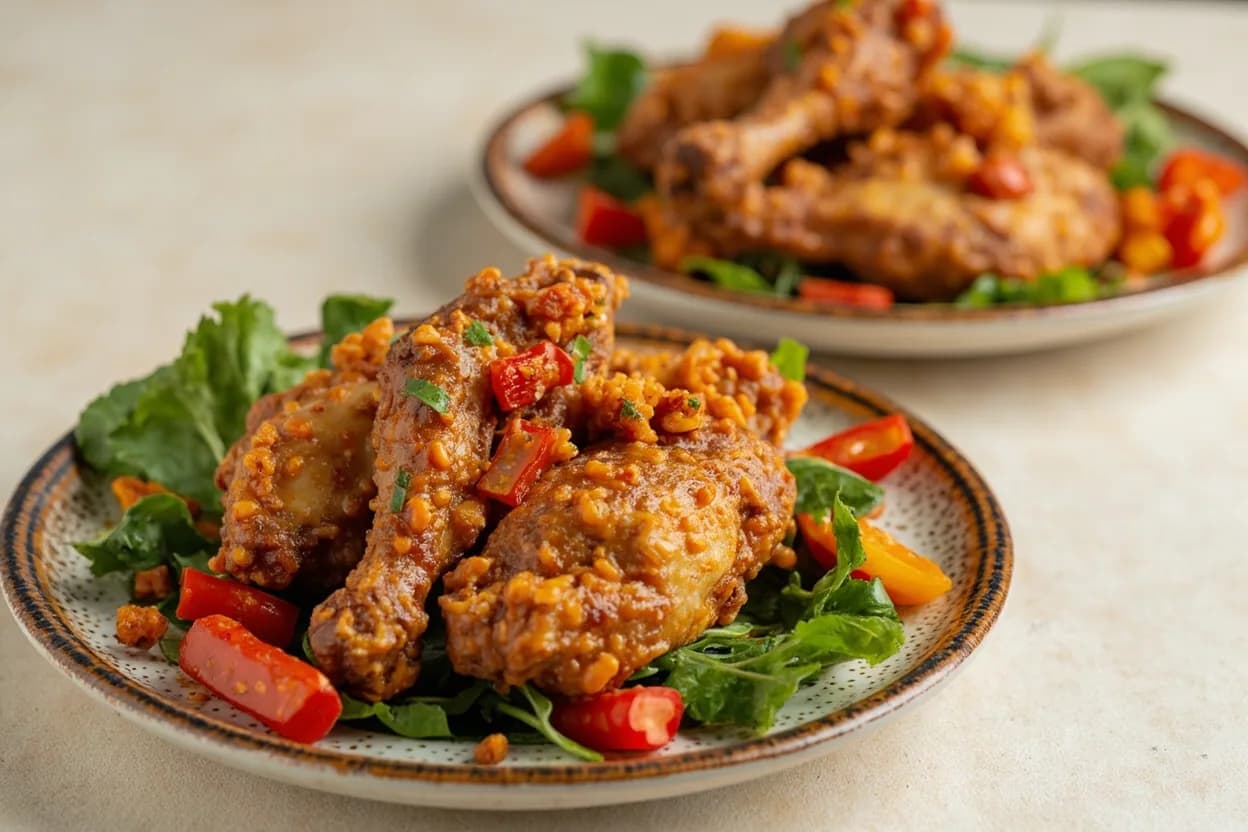
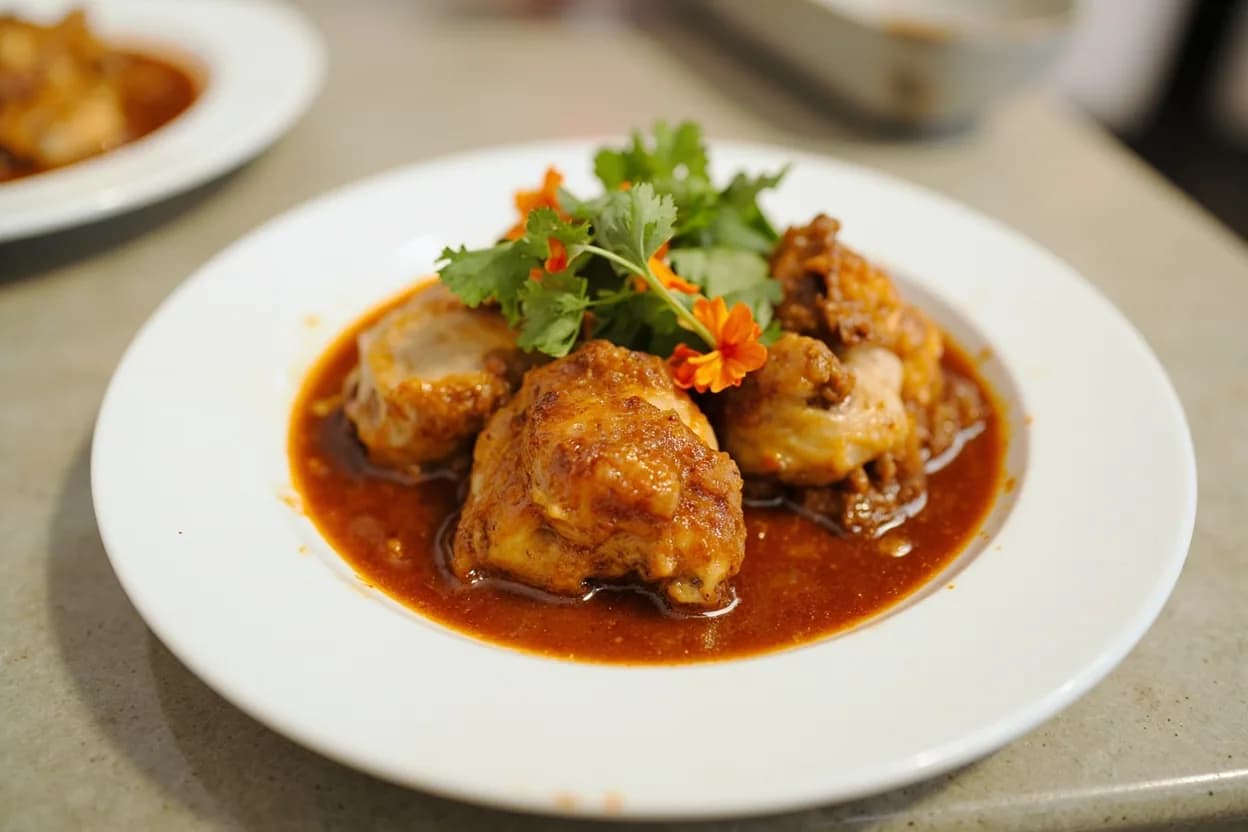

Related

Basil
Sweet, fragrant leaves for pesto, pasta, and caprese

Cilantro
Bright, citrusy herb for salsas, curries, and tacos

Mint
Cool, fragrant herb for teas, salads, and desserts
Rosemary
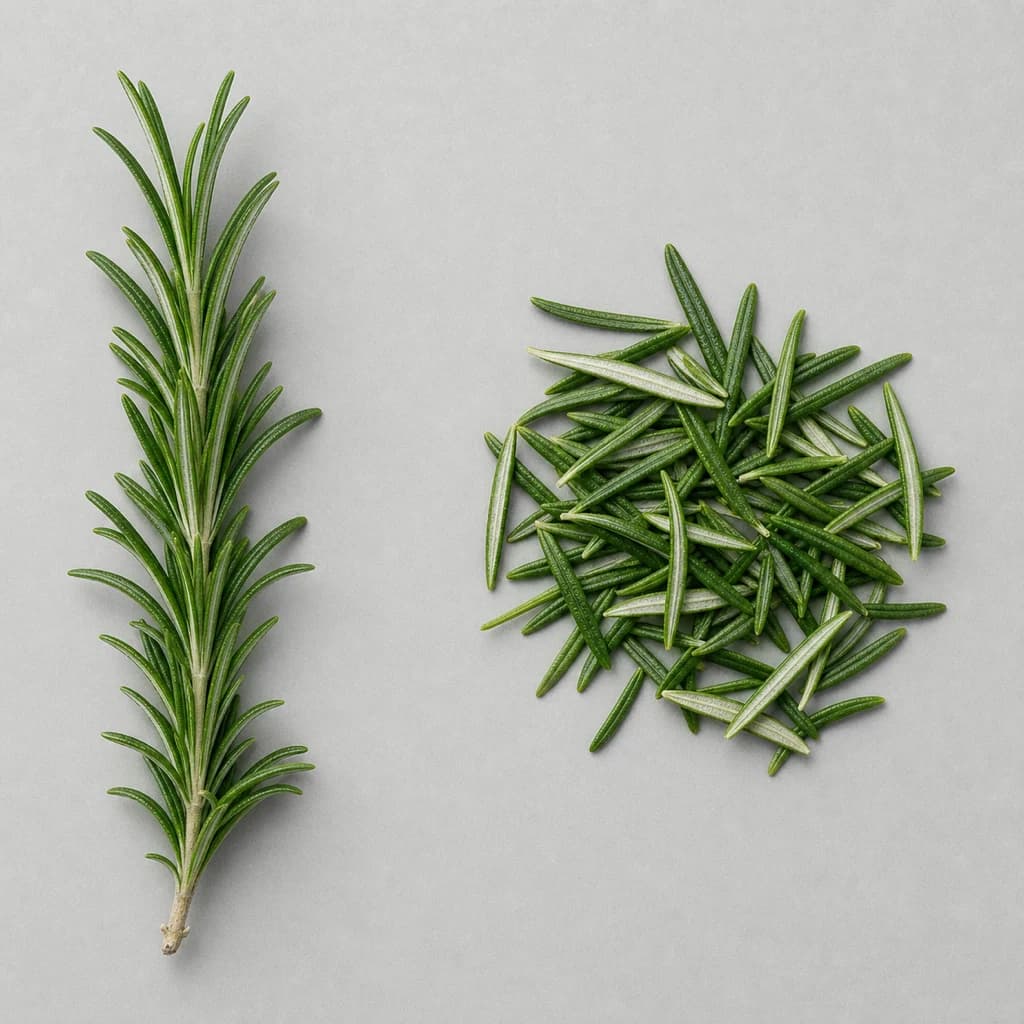
Piney, resinous herb for roasts, breads, and potatoes

Thyme
Earthy, floral herb for braises, roasts, and stocks

Sage
Savory, velvety herb for butter sauces and stuffings

Oregano
Pungent, peppery herb for tomato sauces and grilling

Dill
Feathery, anise-like herb for fish, pickles, and yogurt