
Natural form
Whole parsley roots with leafy green tops attached, showing the cream-colored taproot.
Shows the complete plant as a shopper or forager would encounter it, making the root and its tops unmistakably recognizable together.
Produce
Parsley Root
Cream-colored taproot tasting of parsley and parsnip, used in Central European soups and roasts.
Parsley root is the pale, edible taproot of a parsley variety, looking like a small parsnip but with a flavor blending parsley, celery, and carrot. It is a backbone of Central and Eastern European soup stocks and is also roasted or mashed. Both the root and its leafy tops are used in the kitchen.
Parsley root (Petroselinum crispum var. tuberosum) is a taproot vegetable in the carrot family, prized throughout Central Europe for its creamy texture and distinctive herbal-earthy flavor that blends characteristics of both parsley and parsnip. The plant resembles flat-leaf parsley above ground—the same bright green leaves are entirely edible and underused—but what makes it valuable in the kitchen is the thick, cream-colored root that grows 15–25 cm long, tapering to a point. In Germany, Austria, Poland, the Czech Republic, Hungary, and Scandinavia, it has long been a staple of cold-weather cooking, appearing in clear broths, roasted vegetable plates, and hearty purées. Though unfamiliar to many outside its home regions, it rewards cooks who seek it out with a versatility that bridges the gap between aromatics and starchy vegetables.
The root's behavior depends on its age and size. Young, slender roots (under 2 cm diameter) are tender throughout and can often be cooked unpeeled, their thin skin softening beautifully. Older, larger roots develop a woody, slightly bitter core that should be trimmed and peeled away before cooking. When cooked properly—sliced uniformly and not overcooked—parsley root becomes silky and creamy, particularly when mashed or puréed. Raw, it has a firm bite and can be shaved thin for salads, bringing herbal brightness that flat parsley alone cannot match. The flavor deepens through long cooking in broths, where it contributes an earthy backbone similar to what parsnip offers but with a distinctly herbal note.
Parsley root is available from late autumn through early spring, peaking after light frosts have converted starches to sugars. Look for firm, smooth specimens without soft spots or excessive side branching; tap the root—it should sound solid, not hollow. A quality root will be nearly 100% edible once peeled, making it an efficient vegetable for the kitchen. The leaves, often still attached at market, should be bright and fresh; use them as you would flat-leaf parsley, though their flavor is slightly milder and more vegetal.
- Measured in
- piece
- Storage
- Fridge
Types & varieties
Classic German variety; broad root crown, good yield
German heirloom; smooth roots with minimal forking
Origin of the name 'Hamburg parsley'; widely grown commercial variety
Austrian/Czech heirloom; reliable producer in heavy soils
Modern hybrid; more uniform shape, less prone to forking
Bred for both leaf and root production
Buying and Storing
Select firm, smooth roots with no soft spots or excessive branching. Forked roots usually result from heavy clay soil and work fine but require more trimming. Tap the root: it should sound solid, not hollow, indicating freshness and moisture. Avoid roots that feel lightweight for their size, as this suggests they have dried out. At the market, roots may still have leaves attached—these should be bright and perky, not wilted. For short-term storage, keep unwashed roots in a plastic bag in the refrigerator's crisper drawer for one to two weeks. For longer storage, pack roots in sand or damp peat in a cool, dark cellar; they will keep for several weeks to months. The leaves can be stored separately, wrapped in damp paper towel for up to a week.
- Choose firm, smooth roots without soft spots or excessive side branching
- Tap the root—it should sound solid, not hollow
- Avoid lightweight roots that have dried out
- Refrigerate unwashed in plastic bag, 1–2 weeks
- Store long-term in sand or damp peat in a cool cellar
Preparation Basics
Scrub parsley root thoroughly under running water, using a vegetable brush to remove soil from any ridges or crevices near the crown. The skin is thin on young roots and can be left on for roasting or sautéing, but peel older or larger roots with a vegetable peeler or sharp knife. Trim the hairy taproot tip before cooking—this prevents bitterness from spreading into the dish. For very large roots, cut in half lengthwise and scoop out the central core with a spoon; this woody section is unpleasant to eat. Slice or cube uniformly for even cooking, aiming for pieces of similar size. If using the root raw in salads, shave it thin on a mandoline or food processor, or cut into fine julienne.
- Scrub with a vegetable brush to remove soil from ridges
- Peel older or larger roots; young roots can often be cooked unpeeled
- Trim the hairy taproot tip before cooking to prevent bitterness
- Scoop out the woody core from very large roots
- Cut uniformly for even cooking
Common uses
Tips & pitfalls
- Harvest after a light frost—the cold converts starches to sugars, sweetening the root
- Choose firm, smooth roots without soft spots or excessive side branching
- Scrub thoroughly under running water; use a vegetable brush to remove soil from ridges
- Peel older or larger roots—raw centers can be woody and bitter
- Trim the hairy taproot tip before cooking to prevent bitterness
- Don't discard the leaves; they taste like flat-leaf parsley and work as a herb or garnish
- For soup, add peelings and trimmings to the pot for extra flavor, then strain
- Slice or cube uniformly for even cooking; overcooked roots become watery and bland
- Young, tender roots (under 2 cm diameter) can often be cooked unpeeled
- Combine with butter and a squeeze of lemon—the fat carries the herbal notes, acid brightens them
Nutrition
Energy
151 kJ · per 100 g
Where the calories come from
Protein
3g
6% DV
Carbs
6.3g
2% DV
Fat
0.8g
1% DV
Fiber
3.3g
12% DV
Sugars
0.9g
of which
Sodium
56mg
2% DV
Source · USDA FoodData Central · approx. Parsley, fresh
View on FDC →In the shops
Matched grocery products
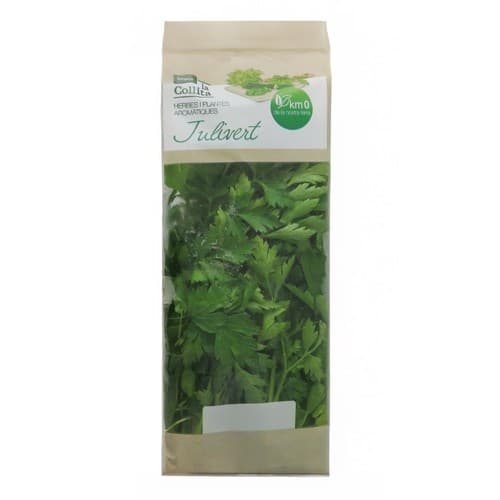 €0.85
€0.85Fresh Parsley Km0
LA COLLITA · kg · Bonpreu
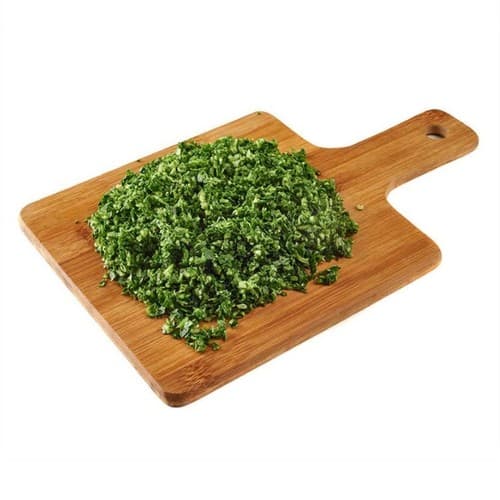 €0.89
€0.89Chopped Parsley Terrine 100g
LA COLLITA · kg · Bonpreu
Good to know
- Botanical name
- Petroselinum crispum var. tuberosum (or var. radicosum)
- Family
- Apiaceae (carrot family)
- Origin
- Mediterranean; developed as root vegetable in Central Europe (Germany, Austria, Poland, Czech Republic, Hungary, Scandinavia)
- Season
- Late autumn through early spring; improves with light frost
- Shape
- Taproot, 15–25 cm long, 3–5 cm wide at crown, tapering to a point
- Color
- Cream to off-white exterior; pale yellow interior
- Flavor
- Earthy, subtly sweet, herbal; combines parsley and parsnip characteristics
- Texture (raw)
- Firm, slightly fibrous core in older roots
- Texture (cooked)
- Tender; becomes creamy when mashed or puréed
- Storage
- Refrigerate unwashed in plastic bag, 1–2 weeks; cellar storage in sand or damp peat, several weeks to months
- Leaves
- Edible; resemble flat-leaf parsley; usable as herb or garnish
- Yield
- Nearly 100% edible when peeled; core can be scooped out of very large roots
Substitutes
- Parsnip — Closest texture and sweetness; slightly less herbal flavor; use 1:1
- Parsnip + flat-leaf parsley stems — Simulates both the earthy sweetness and herbal character
- Celeriac — Similar earthiness and size; much milder flavor; good textural substitute
- Salsify — Comparable size and cooking behavior; mild oyster-like flavor; less accessible
- Carrot + parsley root (if using as flavoring) — Carrot provides sweetness, parsley root provides the herbal note
Pairs with
Also called
Petržel · Hamburg Parsley · Root Parsley
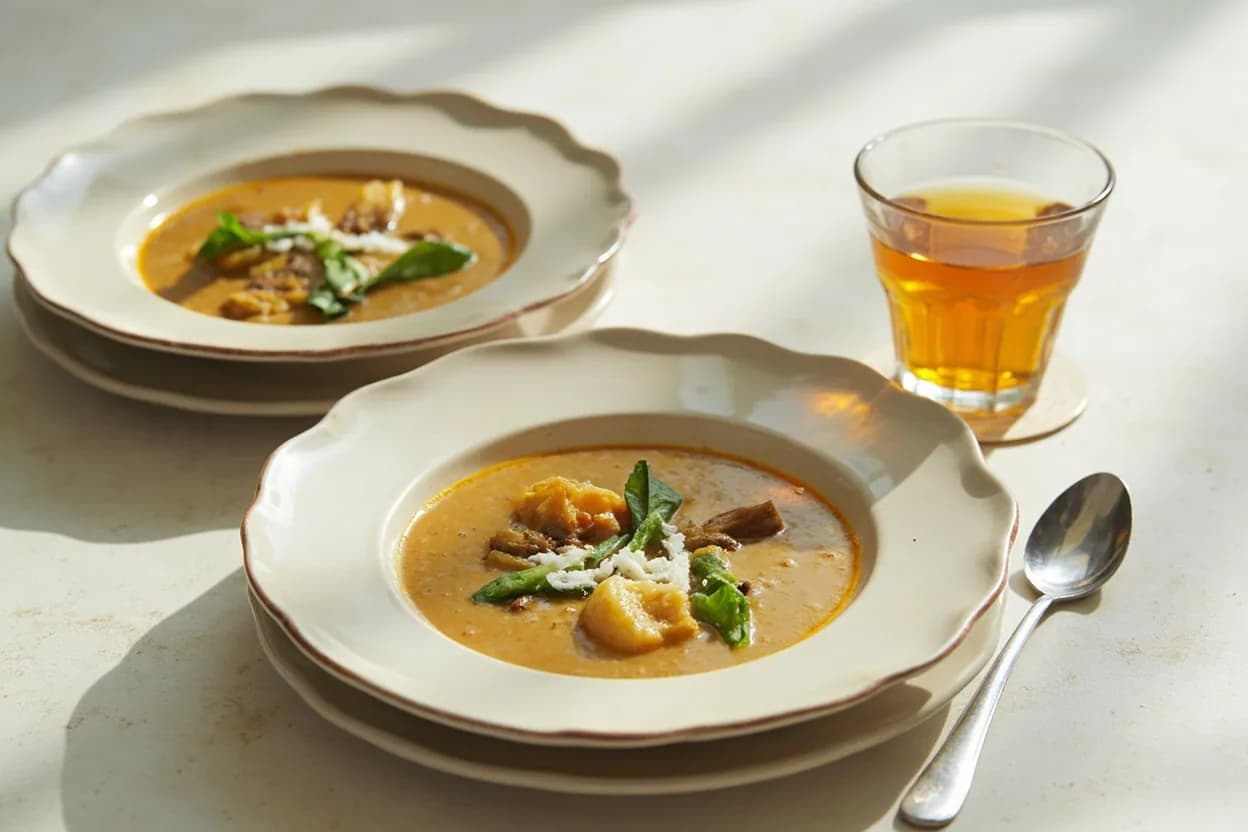
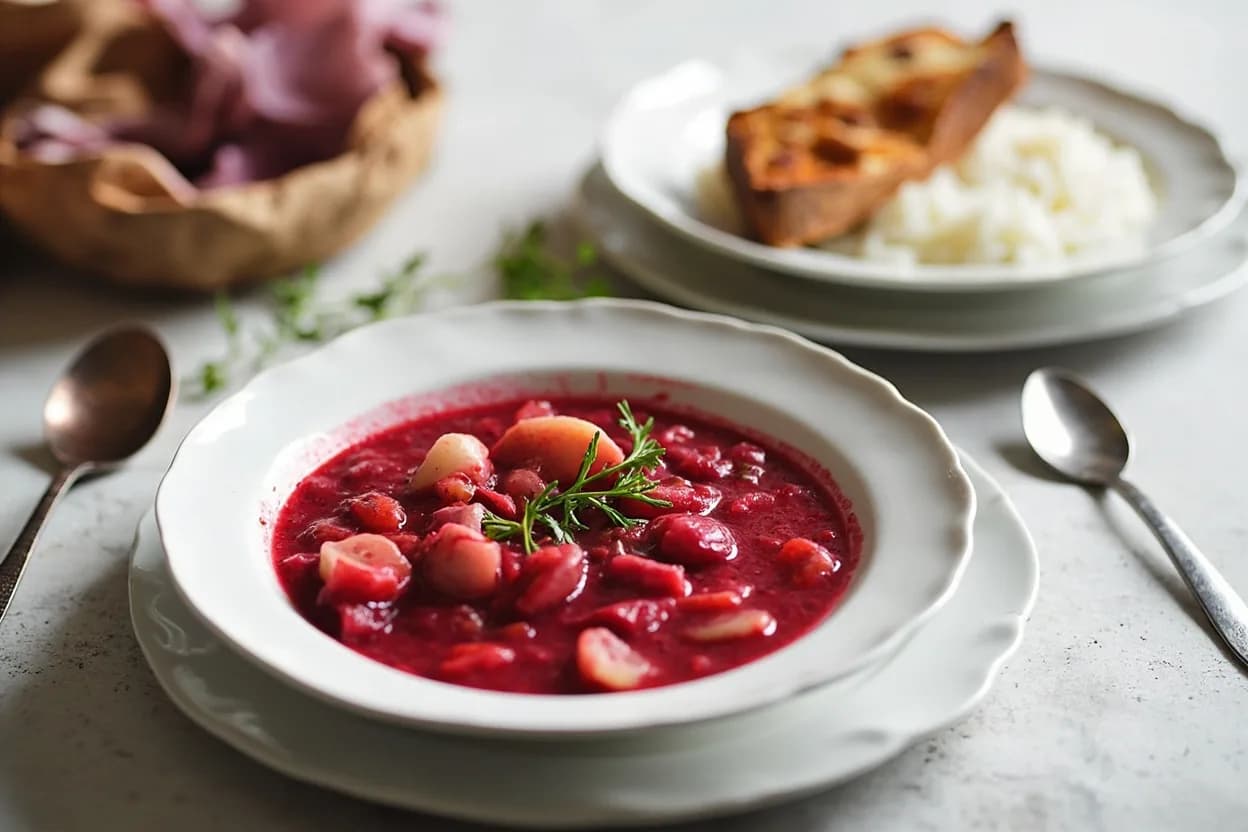
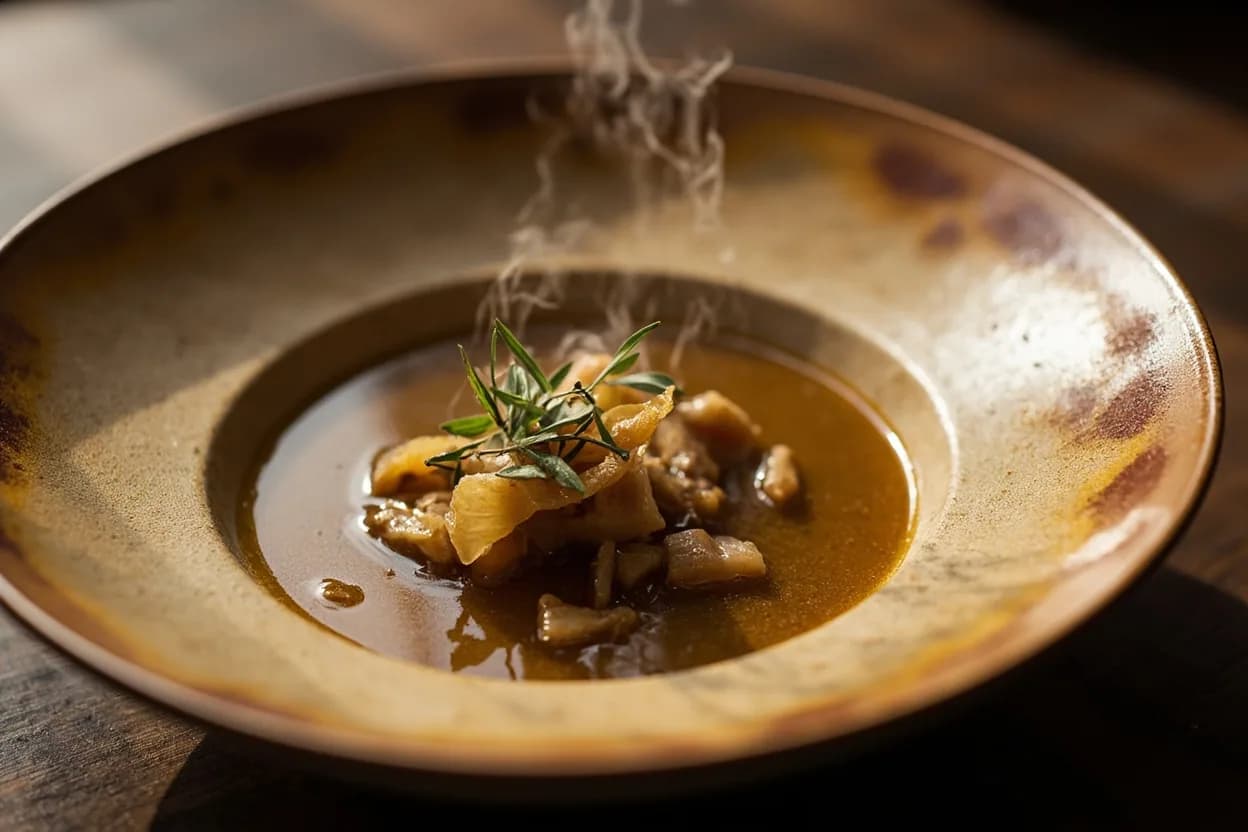
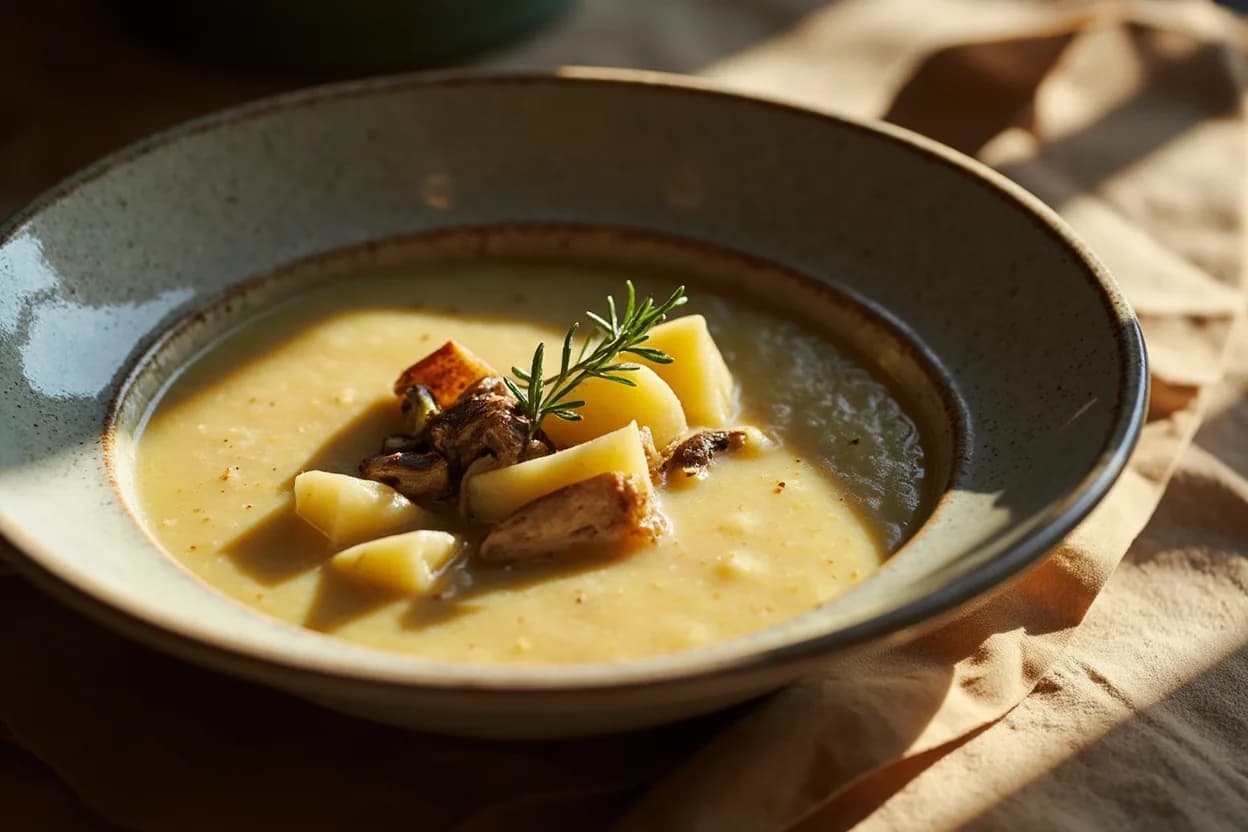
Appears in these dishes
Related
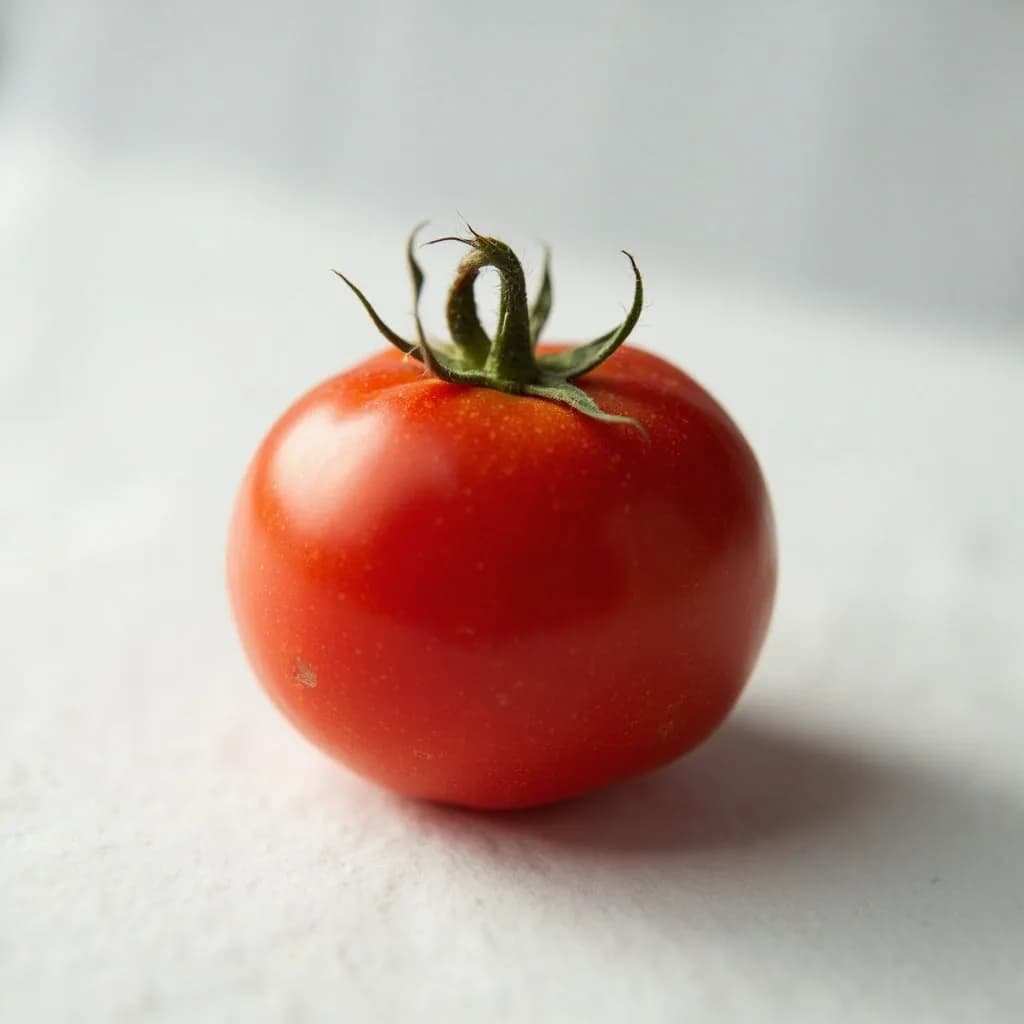
Tomato
Juicy, sun-sweet fruit for sauces, salads, and slow-cooked depth
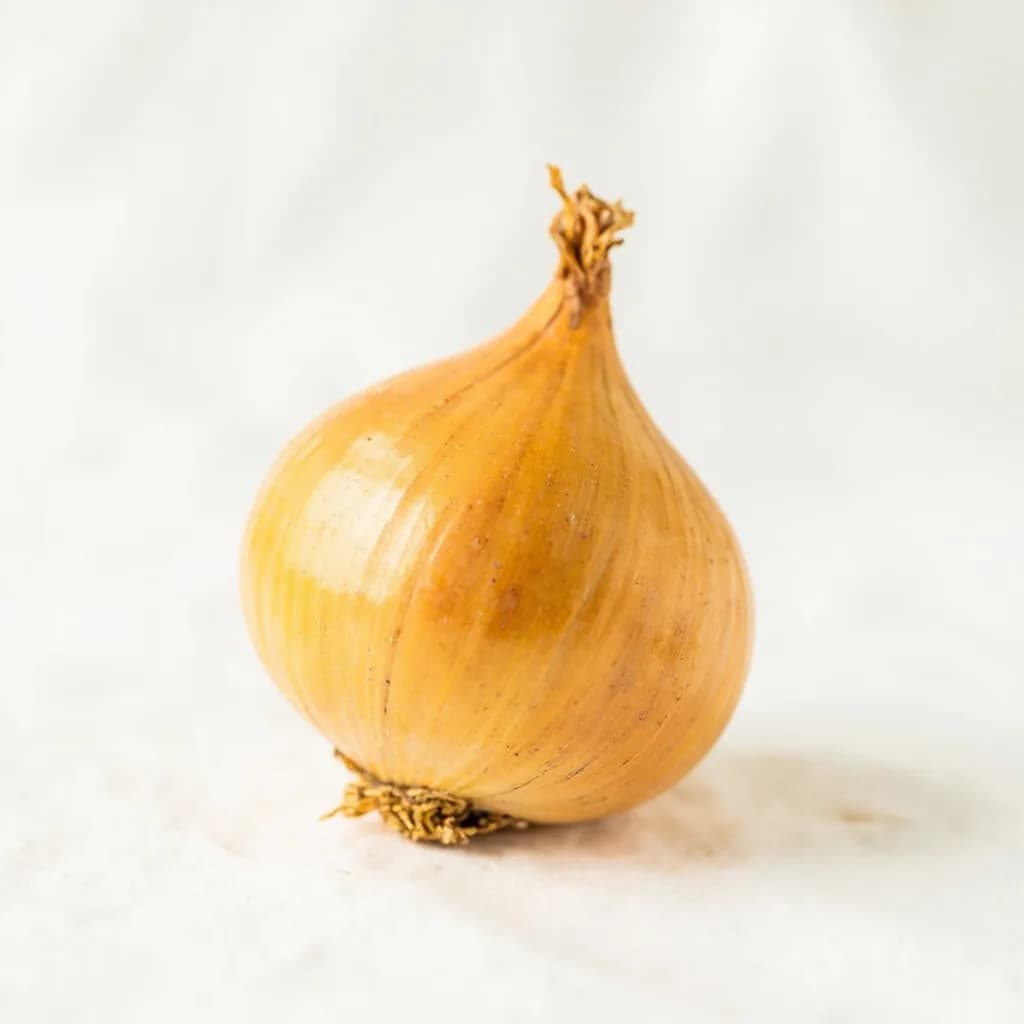
Yellow Onion
The aromatic backbone of soups, sofritos, and braises
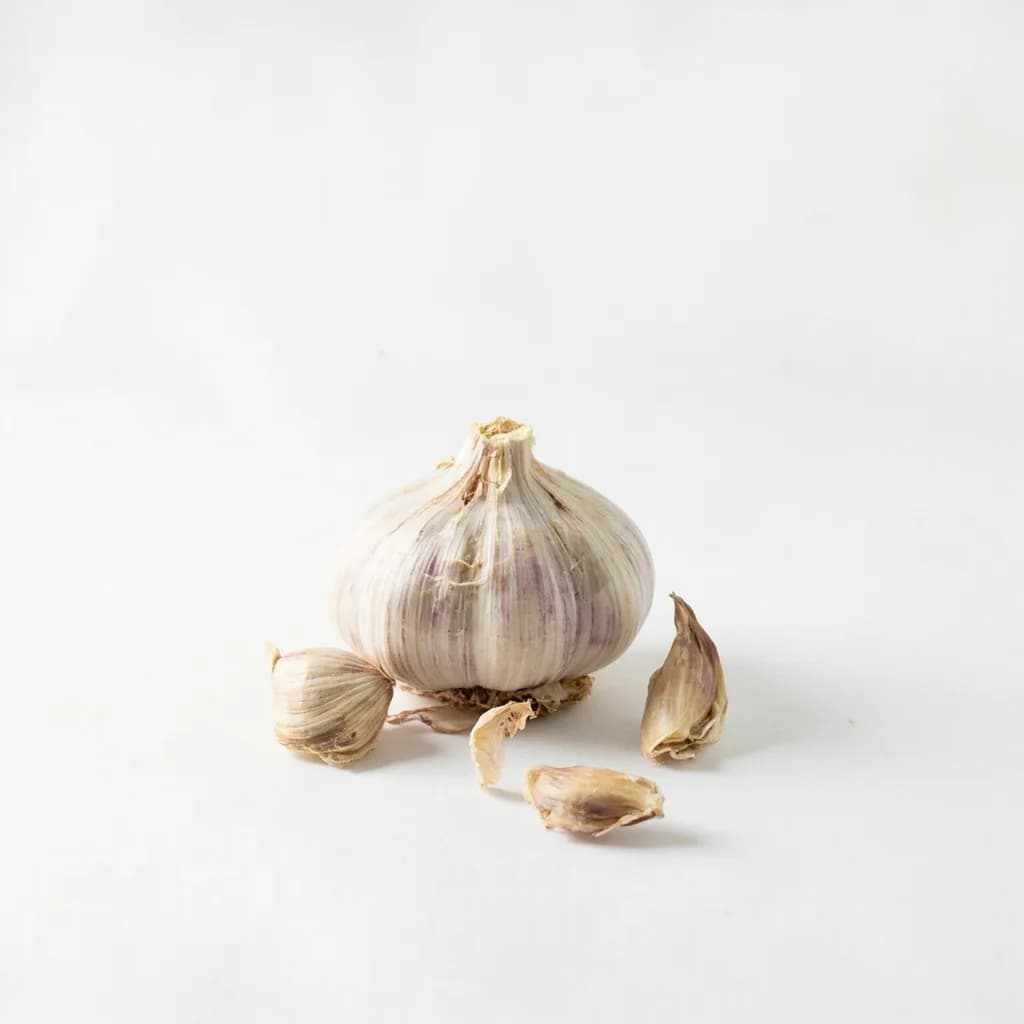
Garlic
Pungent cloves that perfume nearly every savory dish
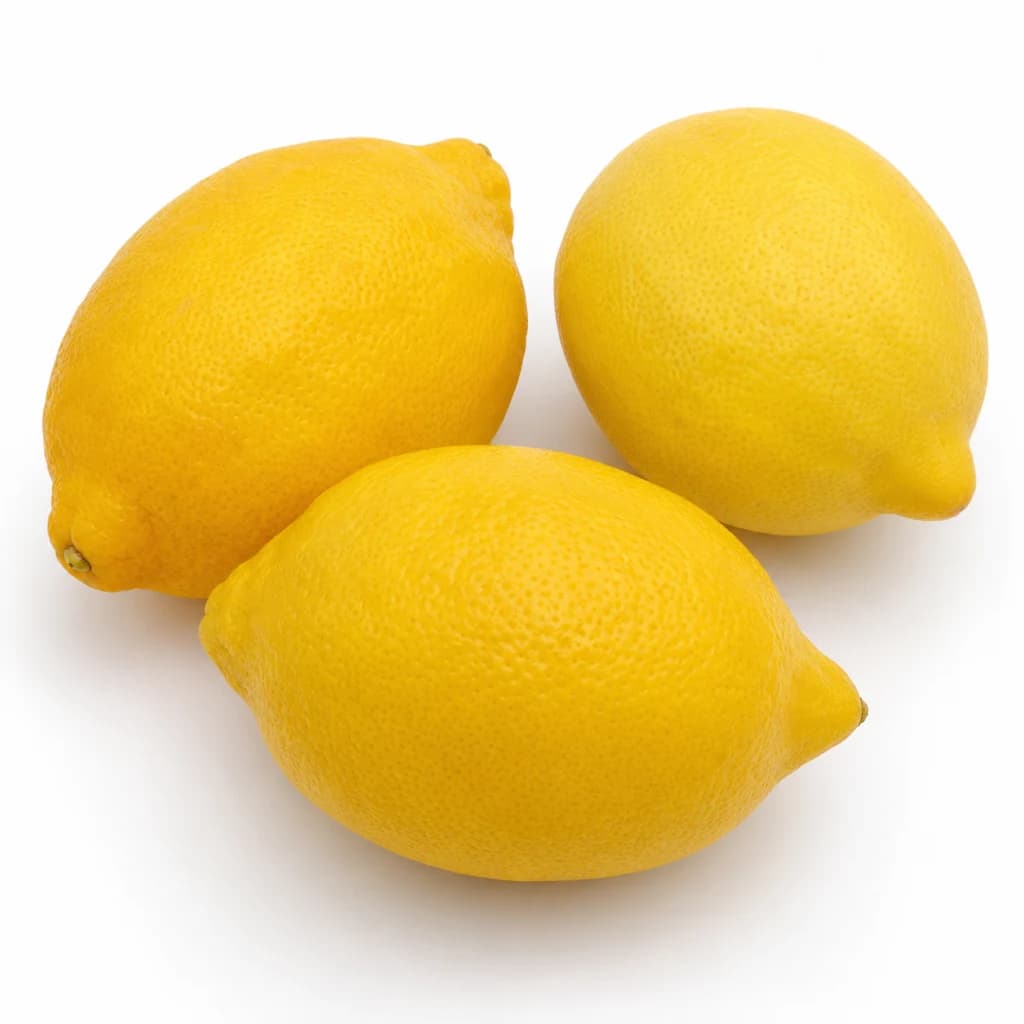
Lemon
Bright, acidic citrus that wakes up almost any dish
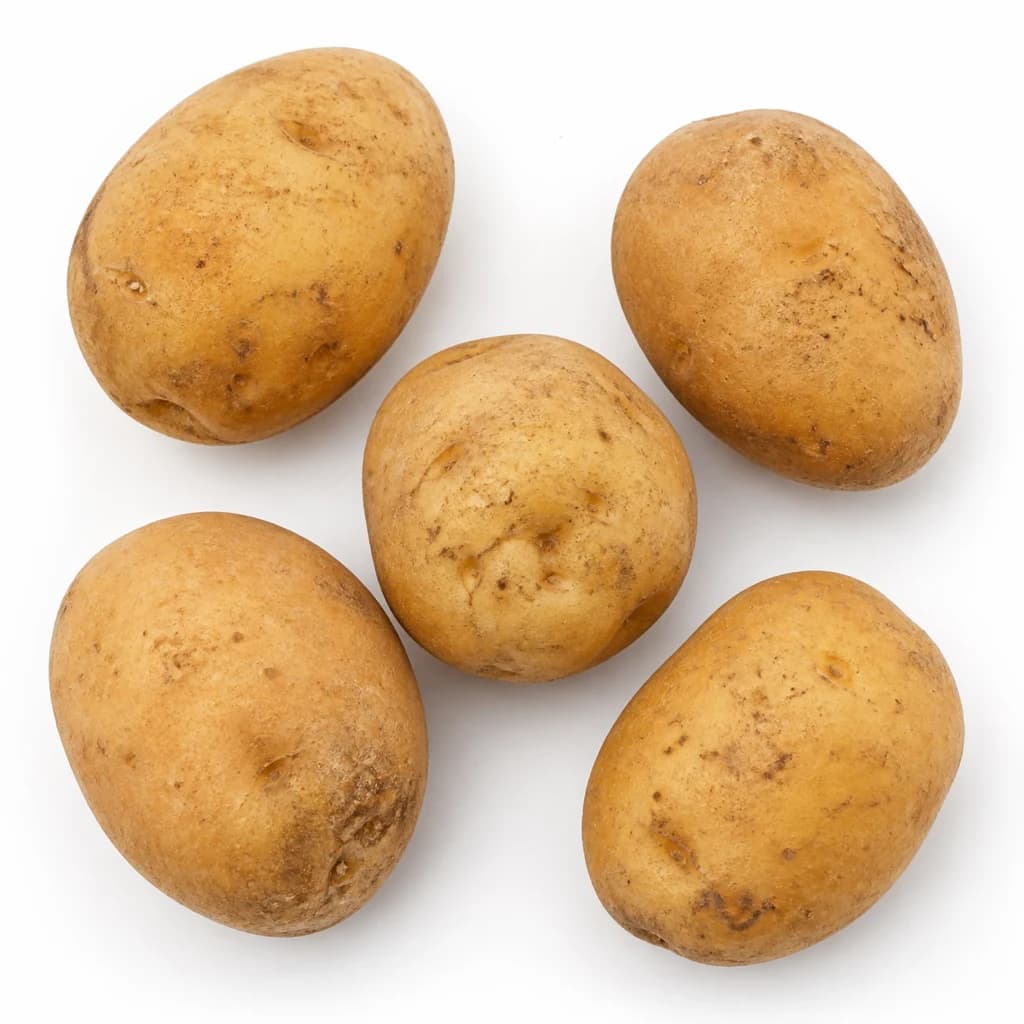
Potato
Humble, hearty staple — roast, mash, fry, or boil
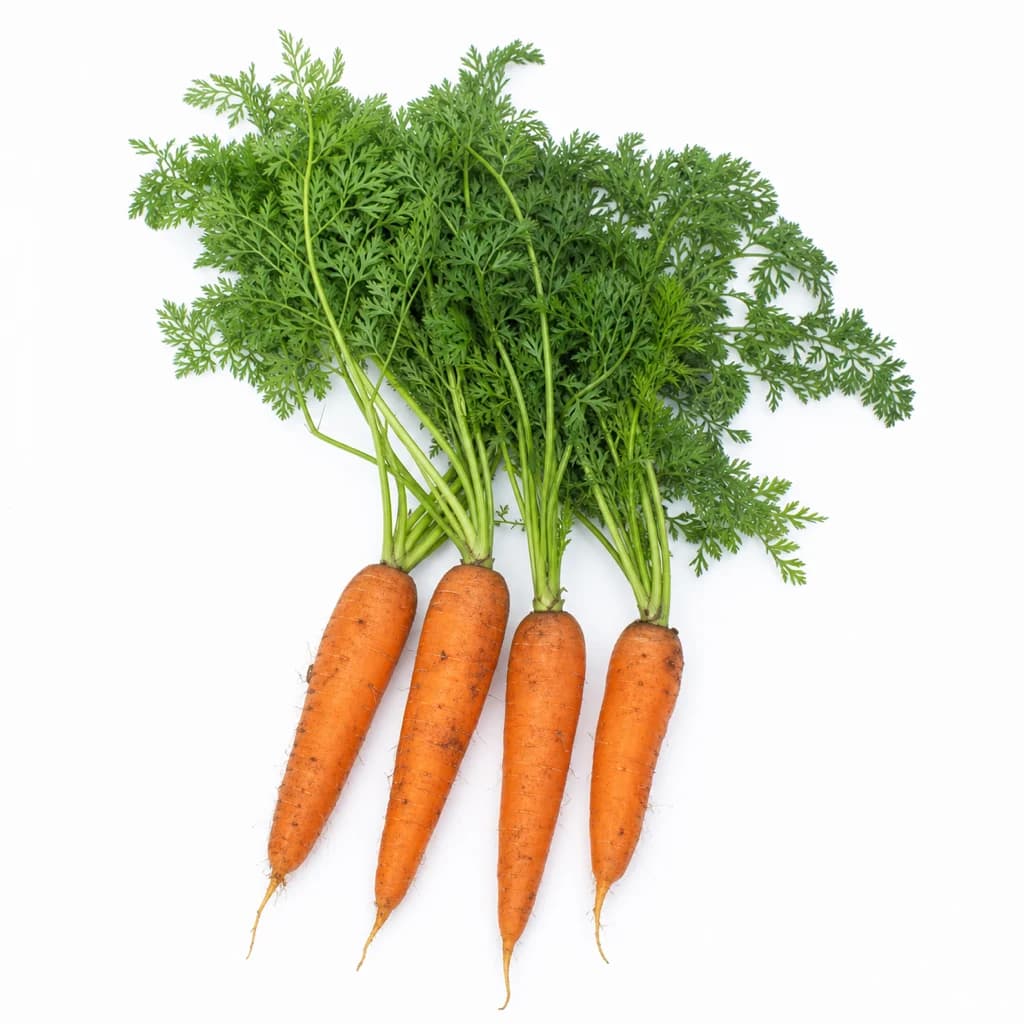
Carrot
Sweet, crunchy root — raw, roasted, or the base of a sofrito
Cucumber
Cool, crisp, and watery — for salads, pickles, and tzatziki

Lettuce
Crisp leaves for salads, wraps, and a fresh crunch