Natural form
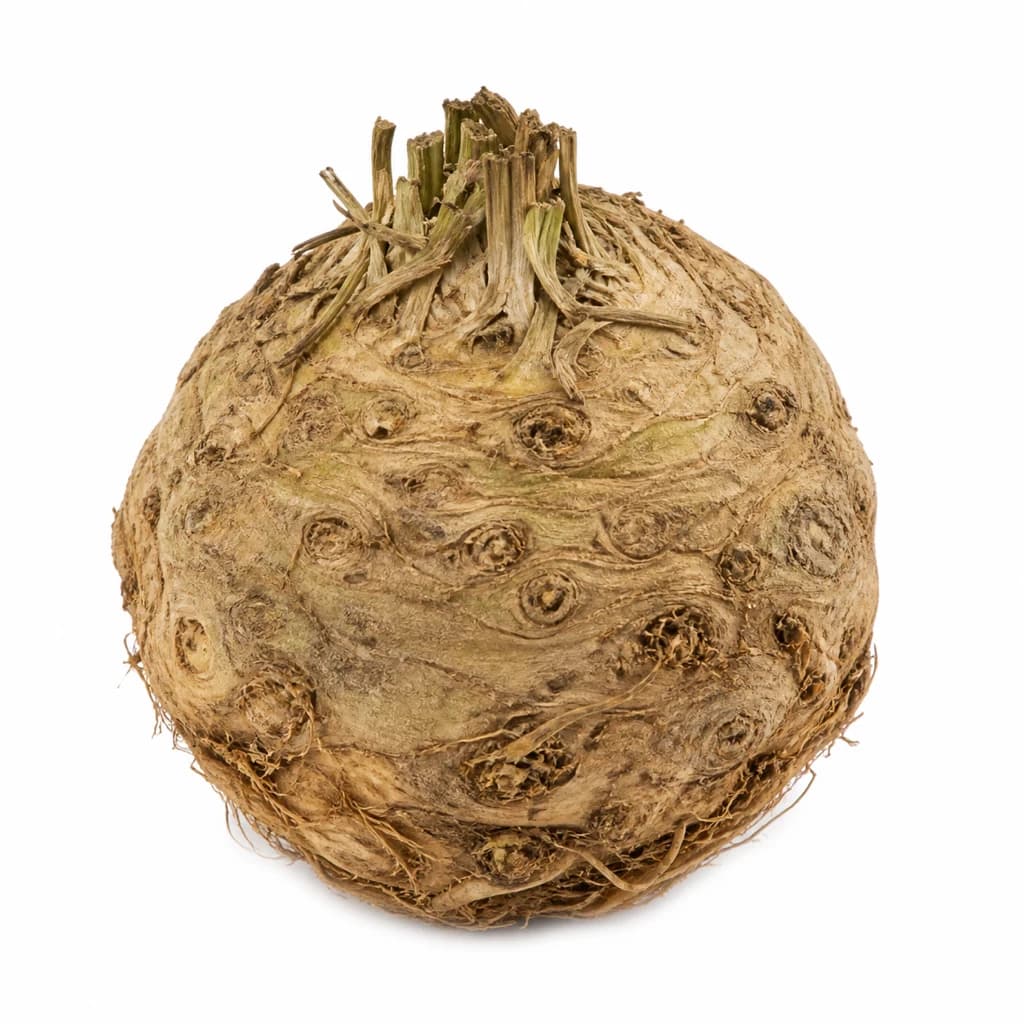
Whole celeriac bulb showing its characteristic knobbly, gnarled exterior and fibrous root tendrils.
Shows the reader exactly what to look for when selecting celeriac at a market — its distinctive rough, irregular surface sets it apart from other root vegetables.
Produce
Celeriac
Knobbly celery root with a nutty celery flavor, roasted, mashed, or grated raw into salads.
Celeriac is the gnarled, bulbous root of a celery variety, with creamy flesh and a flavor between celery and parsley. It is roasted, pureed into soups, mashed like potato, or grated raw into the French salad rémoulade. Its rough skin is peeled thickly, and the flesh discolors quickly, so it is often dropped into acidulated water.
Celeriac is not a root vegetable but an enlarged hypocotyl—the swollen transition zone between root and stem of Apium graveolens var. rapaceum. Its gnarled, knobby exterior belies dense, creamy white flesh with a concentrated flavor that blends celery, parsley, and a whisper of nutmeg. The vegetable has been cultivated since antiquity in Mediterranean Europe for its edible hypocotyl; the crisp celery stalks familiar in modern markets are a separate development, bred over centuries for succulent petioles rather than enlarged roots. French cuisine holds the deepest tradition with it—remoulade being the canonical preparation—but celeriac appears throughout Northern and Central European cooking in soups, purées, braises, and raw salads. The single essential skill is confident, thick peeling: the rough skin is far too tough to eat, and a timid pass leaves fibrous, unpleasant patches. Store unwashed in the refrigerator crisper for up to three months; wash and peel just before use.
- Measured in
- piece
- Storage
- Fridge
Types & varieties
The most common commercial variety; large, round, smooth-skinned with good keeping quality
Selected for more uniform shape and less knobbing; standard for markets
Round to oval shape, white flesh, good storage quality
Italian variety; prized for very white flesh and refined flavor
Large, early-maturing variety with coarse texture better suited to cooking than raw use
Peeling Celeriac
The irregular, knobby surface makes celeriac one of the more demanding vegetables to peel. A standard Y-peeler catches on the ridges and leaves divots. A sharp chef's knife or a sturdy swivel-blade peeler works far better. Cut the vegetable in half or into large wedges to expose flat surfaces, then slice away the skin in thick strips—err on the side of too much rather than too little. Once peeled, work quickly: exposed flesh browns rapidly. Submerge cut pieces in acidulated water (1 tablespoon lemon juice per quart) until ready to cook. Always cut away the woody central core when cubing or slicing—it remains fibrous and unpleasantly dense even after prolonged cooking.
- Use a sharp chef's knife or heavy-duty peeler, not a flimsy Y-peeler
- Cut into halves or wedges to create flat surfaces for stable peeling
- Peel thickly—remove every bit of the rough brown skin
- Submerge cut pieces in acidulated water immediately
- Excise the woody central core before cooking
Raw vs. Cooked
Celeriac behaves very differently depending on preparation method. Raw, it offers a firm, satisfying crunch with concentrated celery flavor—grate it fine for remoulade or cut into matchsticks for salads. When cooked, its flavor mellows and sweetens; the texture becomes tender but retains some resistance if not overcooked. For purées, cook until very tender (20–25 minutes in salted boiling water), then drain thoroughly and return to the dry pan briefly to evaporate excess moisture before adding butter and cream. For roasting, cut into thick wedges or half-moons (1–2 inches); small dice will burn before the center tenderizes. The key principle for cooked preparations: undercook slightly. Mushy celeriac loses its appeal entirely.
- Raw: grate fine or cut into matchsticks for best texture and flavor concentration
- Mashing: cook fully until very tender, then dry out excess moisture before adding fat
- Roasting: cut thick (1–2 inches) to prevent burning before tenderizing
- Always test with a knife—it should offer slight resistance at the center
- Undercooking is preferable to overcooking
Common uses
Tips & pitfalls
- Choose specimens that feel heavy for their size with a firm, dense body; avoid any with soft spots or visible cracks
- Peel thickly—the knobby, rough skin is too tough to eat; a sharp chef's knife or sturdy vegetable peeler works better than a Y-peeler for the uneven surface
- After peeling, work quickly: cut pieces should be submerged in acidulated water (1 tablespoon lemon juice per quart) to prevent browning
- Always cut away the woody central core when cubing or slicing; it remains fibrous and unpleasant even after cooking
- For mashing, cook until very tender (20–25 minutes in salted boiling water), then drain thoroughly and return to dry pan briefly to evaporate excess moisture before adding butter and cream
- When roasting, cut into thick wedges or half-moons (1–2 inches); small dice will burn before tenderizing
- Raw preparations (remoulade, salads) benefit from salting the grated celeriac for 10 minutes, then squeezing out excess liquid—this removes bitterness and prevents the dressing from being diluted
- For a smoother purée, pass through a food mill after cooking; a ricer alone often leaves fibrous strands
- If growing your own, harvest after the first frost; cold weather converts starches to sugars and noticeably improves flavor
- Do not overcook; it should offer slight resistance when pierced with a knife, as mushy celeriac loses its appeal entirely
Nutrition
Energy
176 kJ · per 100 g
Where the calories come from
Protein
1.5g
3% DV
Carbs
9.2g
3% DV
Fat
0.3g
0% DV
Fiber
1.8g
6% DV
Sugars
1.6g
of which
Sodium
100mg
4% DV
Source · USDA FoodData Central · Celeriac, raw
View on FDC →In the shops
Matched grocery products
No matched grocery products for Celeriac yet.
Good to know
- Also called
- Celery root, knob celery, turnip-rooted celery
- Botanical name
- Apium graveolens var. rapaceum
- Plant family
- Apiaceae (carrot family)
- Edible part
- Enlarged hypocotyl (not a true root vegetable)
- Peak season
- Late fall through early spring (October–March, Northern Hemisphere)
- Typical size
- 4–6 inches diameter, 1–3 pounds
- Flavor profile
- Nutmeg, celery, parsley; nutty, earthy, slightly sweet
- Color (flesh)
- Creamy white; yellows slightly when cooked
- Calories
- 42 kcal per 100g raw
- Key nutrients
- Vitamin K (31% DV), vitamin C (9% DV), potassium, fiber, phosphorus
- Yield
- Approximately 60–70% usable after peeling and trimming
- Shelf life
- 2–3 months refrigerated; 1–2 weeks once cut
- Difficulty
- Easy, but requires confident peeling technique
Substitutes
- Parsnip — Closest in texture and sweet, earthy flavor; use 1:1 but parsnip is less assertive so increase seasoning
- Celery stalks + potato — Dice celery stalks and boil with potato for a rough approximation; the flavor is closer but texture differs
- Parsley root (Hamburg parsley) — Similar earthy quality; smaller, more tapered, and harder to find
- Rutabaga — Milder and slightly sweeter; works in cooked preparations but too mild for raw use
- Kohlrabi — Comparable crunch when raw; milder flavor, better as a substitute in salads than hot dishes
Pairs with
Also called
Sellerie · Celery Root · Knob Celery
Appears in these dishes
Related
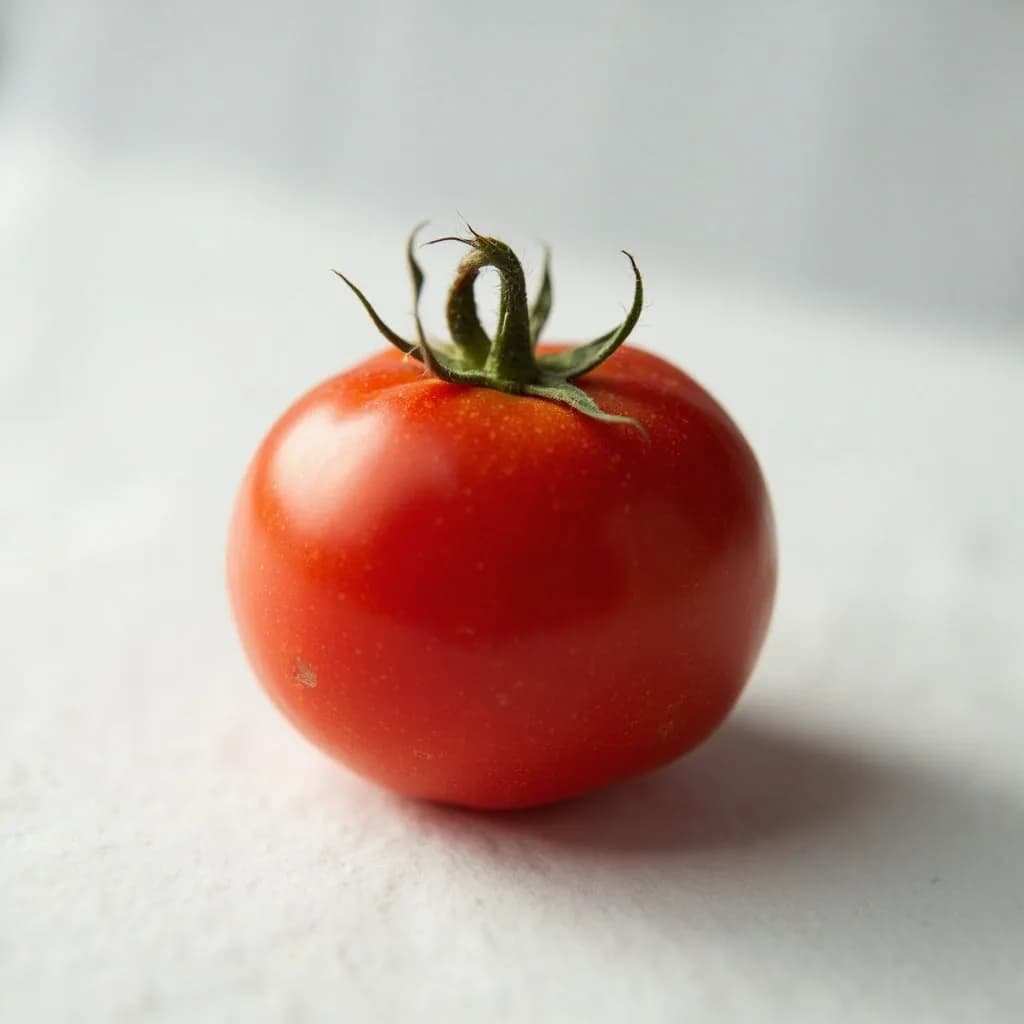
Tomato
Juicy, sun-sweet fruit for sauces, salads, and slow-cooked depth
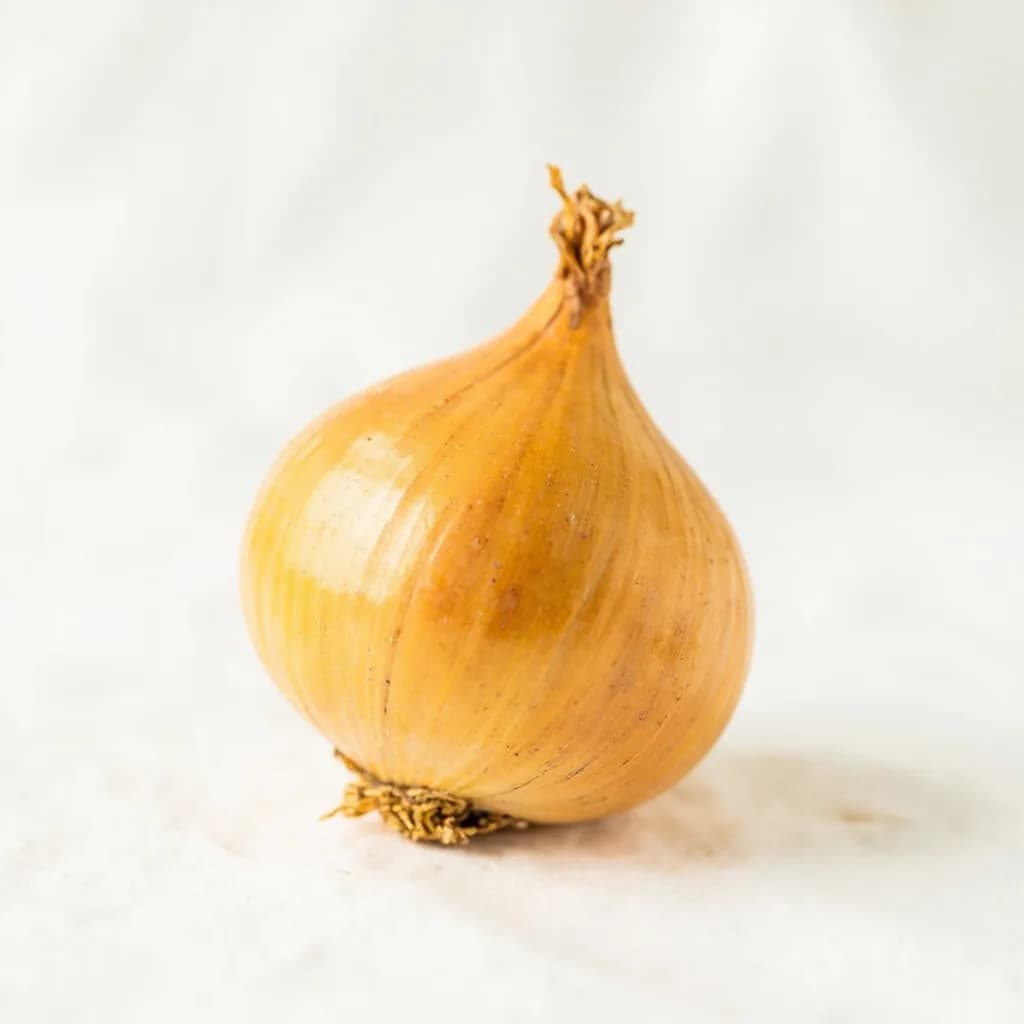
Yellow Onion
The aromatic backbone of soups, sofritos, and braises
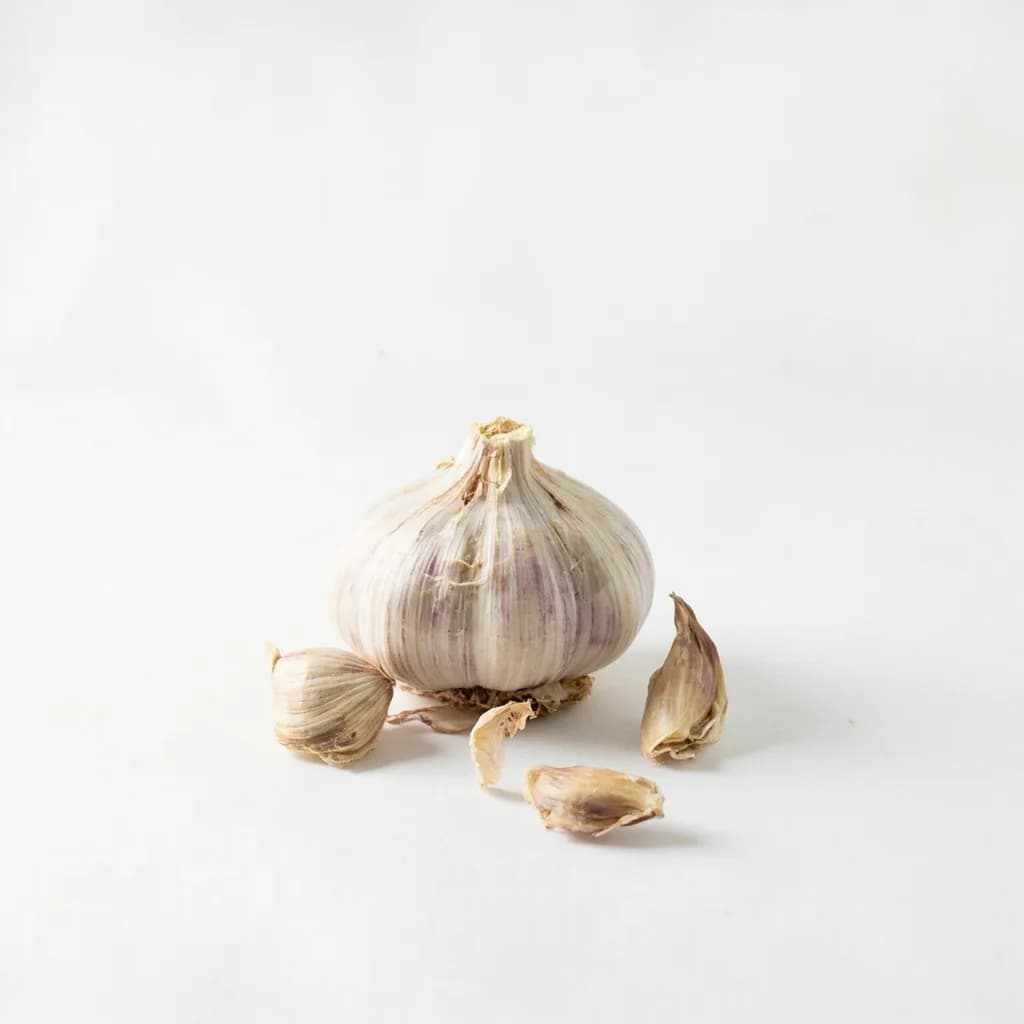
Garlic
Pungent cloves that perfume nearly every savory dish
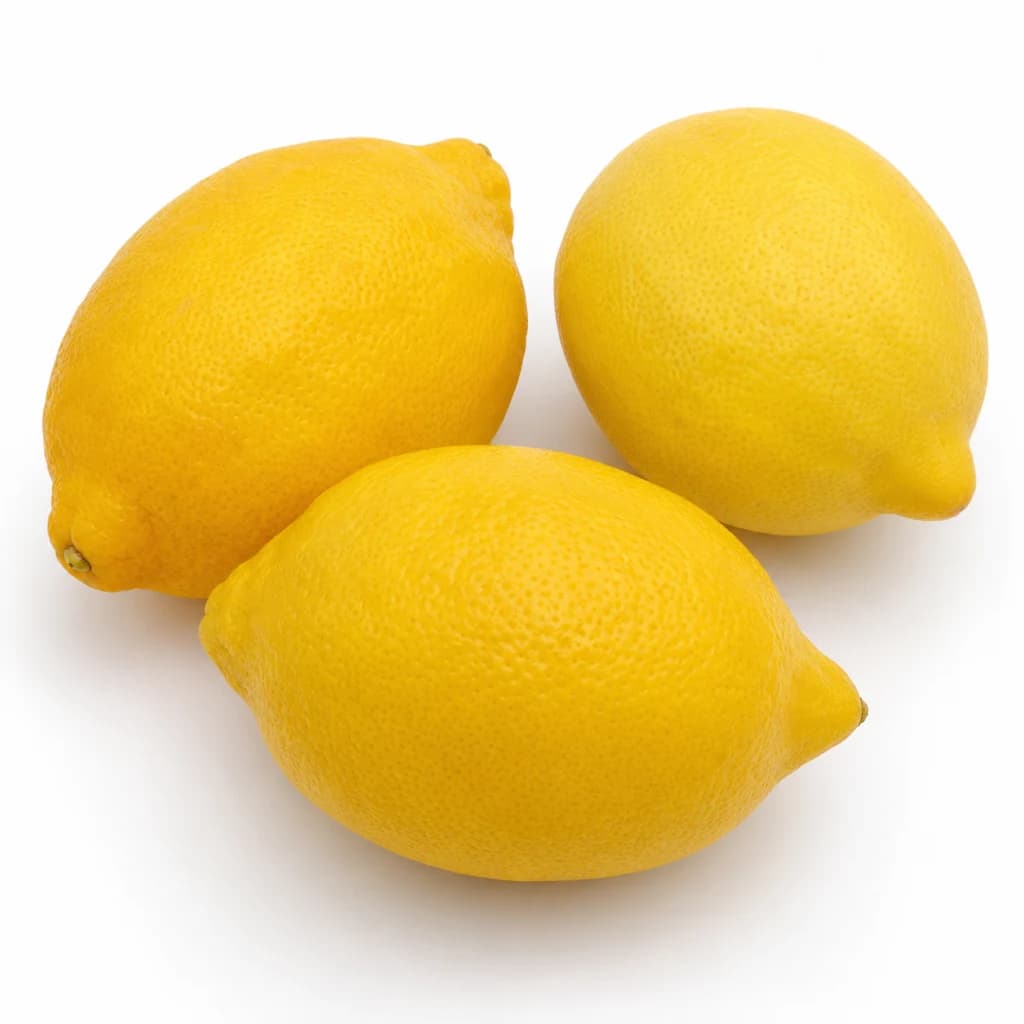
Lemon
Bright, acidic citrus that wakes up almost any dish
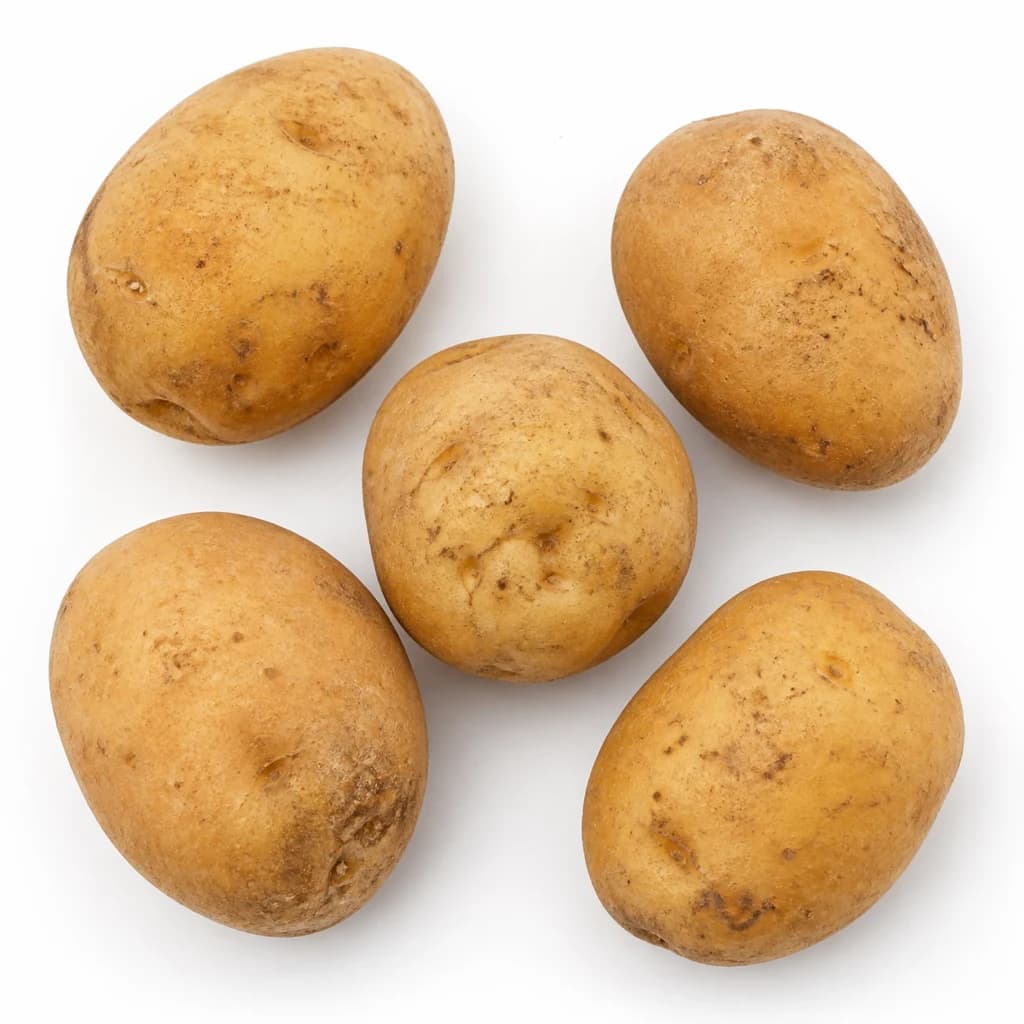
Potato
Humble, hearty staple — roast, mash, fry, or boil
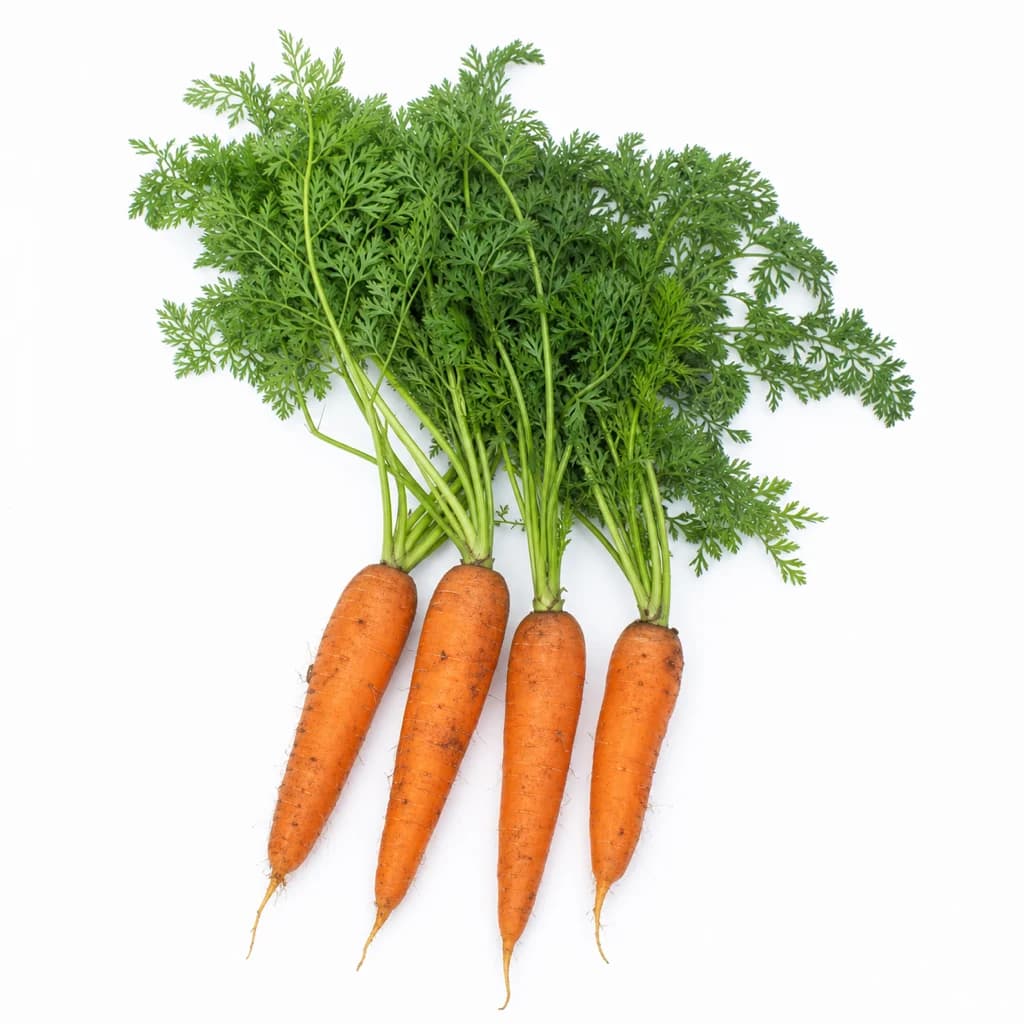
Carrot
Sweet, crunchy root — raw, roasted, or the base of a sofrito
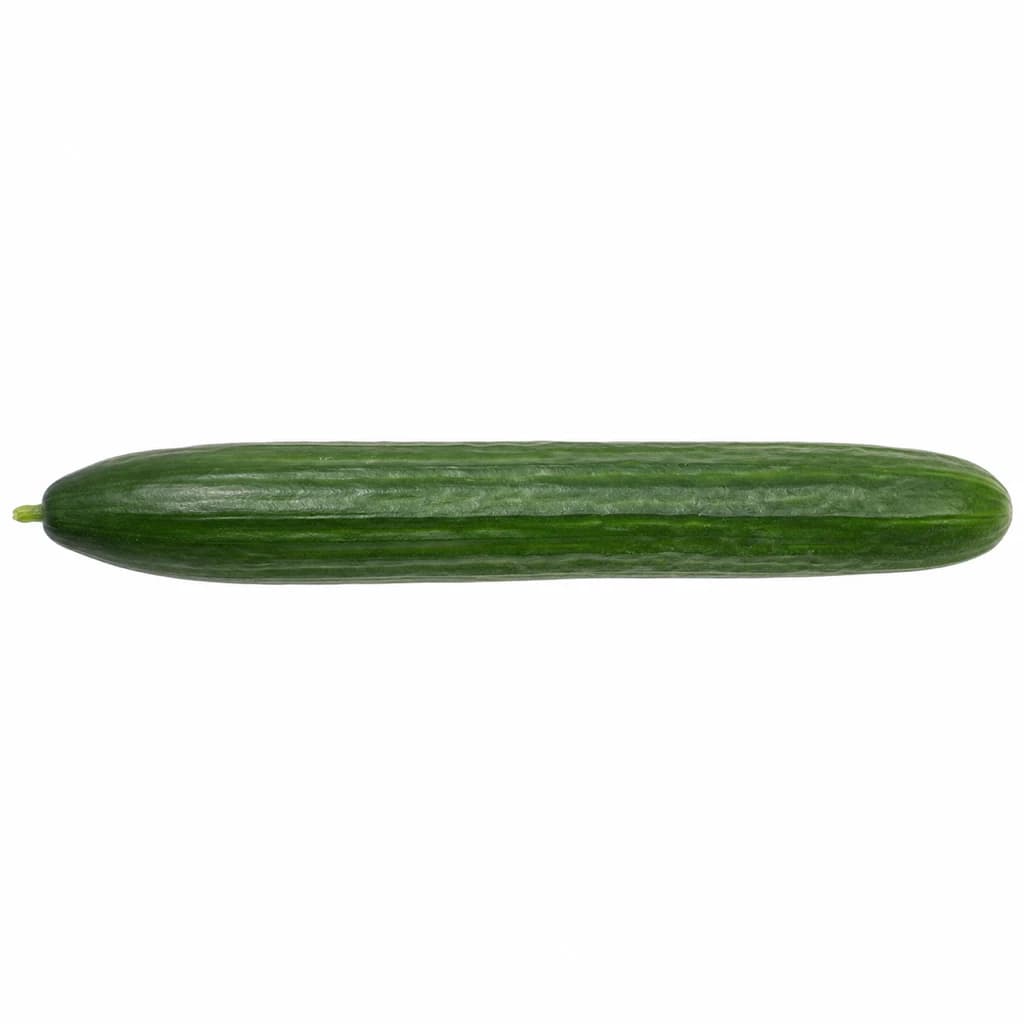
Cucumber
Cool, crisp, and watery — for salads, pickles, and tzatziki

Lettuce
Crisp leaves for salads, wraps, and a fresh crunch