Natural form
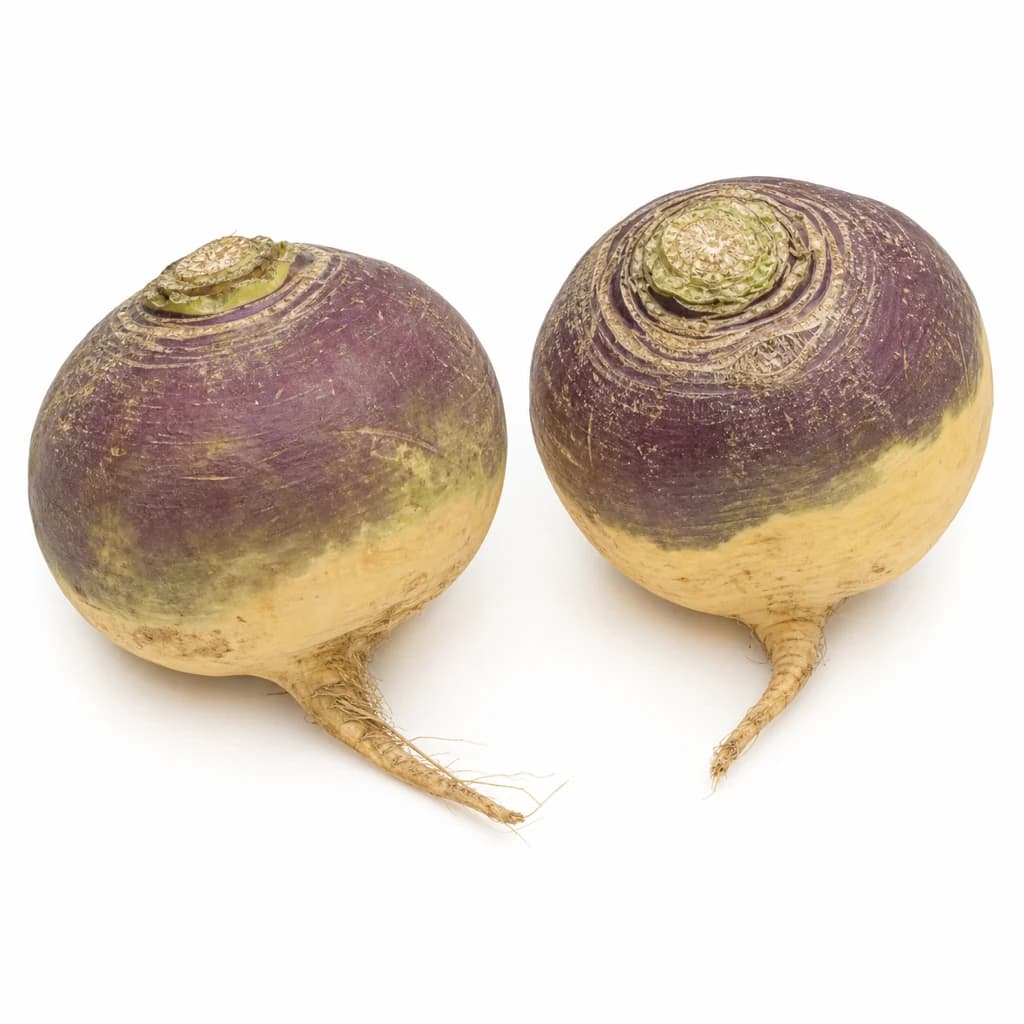
Whole swede showing its purple-green skin, cream lower half, and sturdy root end.
Shows the reader the intact vegetable as found in a market — its distinctive bicolor skin, rounded shape, and size.
Produce
Swede (Rutabaga)
Hardy yellow-fleshed root vegetable, sweet and earthy, roasted, mashed, or added to stews.
Swede, also called rutabaga, is a dense root vegetable with golden-yellow flesh and a mild, sweet, slightly peppery taste. A cabbage-turnip cross, it is roasted, boiled and mashed, or simmered into winter stews and Scandinavian dishes. It stores well through cold months and is a staple of Northern European cooking.
Swede (also called rutabaga in North America) is a hardy root vegetable that belongs to the Brassicaceae family—a close relative of cabbage and turnip. It likely originated in Scandinavia as a natural hybrid of cabbage and turnip during the Middle Ages, and the name "rutabaga" probably derives from the Swedish rotabagge, meaning rough root. The vegetable develops a thick, purple-tinged skin enclosing yellow-amber flesh that turns sweeter and more complex when exposed to light frost, which converts starches to sugars. Unlike its sharper, quicker-cooking cousin the turnip, swede holds its shape well through long cooking and develops an exceptionally rich, sweet, earthy flavor with only a mild cabbage note. It is a workhorse of cold-weather cooking across Scandinavia, Scotland, and Northern Europe, where it has long been valued for its keeping quality and ability to sustain populations through lean winters. The leaves, when present on bunched roots, are edible and cook like collard greens or kale, though they are rarely seen in markets.
In the kitchen, swede behaves like a potato that has acquired a deeper, more interesting personality. It roasts beautifully, caramelizing at the edges while remaining creamy at the center; it mashes into a silky side dish, particularly when blended with starchy potatoes; and it holds its shape in soups and stews where it absorbs surrounding flavors while contributing body and subtle sweetness. The flesh can be fibrous at the core, particularly in older or larger specimens, and this woody center should be removed after cooking for the best texture. Swede is an excellent source of vitamin C and provides meaningful fiber, potassium, and manganese, making it one of the more nutritious cold-season vegetables available. Its versatility and shelf stability—two to four weeks at room temperature, one to two months refrigerated—make it a reliable foundation for winter menus when other produce has passed its peak.
Selecting swede is straightforward: choose firm, dense specimens heavy for their size, with tight skin free of soft spots, cracks, or blemishes. Smaller to medium roots tend to be more tender and less likely to have a fibrous core. In Scotland, swede is called "neep" and is a traditional component of Burns Night suppers alongside haggis and mashed potatoes, while in Sweden it appears in lutfisk preparations and hearty winter porridges. Whether you encounter it labeled as swede or rutabaga, you are holding the same remarkable vegetable—one that rewards patient cooking and pairs equally well with humble farmhouse butter or elegant maple glaze.
- Measured in
- piece
- Storage
- Pantry
Types & varieties
Most common variety in North America; purple-shouldered with yellow flesh, large, and mildly flavored
Canadian-bred variety; similar to American Purple Top with smooth, round roots
Reliable home-garden variety with good flavor and disease resistance
British garden variety; smooth skin, yellow flesh, stores well
British variety; noted for uniform shape and sweet flavor
Yellow-fleshed with less purple coloring; milder, sweeter flavor
Australian variety; flattened shape, early maturing
Common uses
Tips & pitfalls
- Peel thoroughly—the skin is thick and waxy; a sharp vegetable peeler works better than a knife for smooth removal
- Cut in half and inspect for a woody, fibrous core after cooking; remove if present as it remains hard and unpleasant
- Salt cut pieces and let rest 20 minutes before cooking to draw out excess moisture and reduce bitterness
- Cook from cold water rather than adding to boiling water to ensure even, thorough cooking
- Test doneness with a skewer—it should pass through easily, similar to a potato
- Do not overcook or it will become watery and lose its sweet flavor; aim for tender but firm
- When roasting, cut pieces to similar size (1-inch cubes) to ensure even caramelization
- For mash, combine with starchy potatoes (50/50 ratio) for better texture and flavor balance
- Avoid cooking in aluminum or iron pans—the sulfur compounds can cause discoloration
- Add a splash of vinegar or lemon juice when cooking to brighten the flavor
- Store unwashed in the refrigerator crisper drawer; do not freeze raw
Nutrition
Energy
155 kJ · per 100 g
Where the calories come from
Protein
1.1g
2% DV
Carbs
8.6g
3% DV
Fat
0.2g
0% DV
Fiber
2.3g
8% DV
Sugars
4.5g
of which
Sodium
12mg
1% DV
Source · USDA FoodData Central · Rutabagas, raw
View on FDC →In the shops
Matched grocery products
No matched grocery products for Swede (Rutabaga) yet.
Good to know
- Scientific Name
- Brassica napus subsp. napobrassica
- Family
- Brassicaceae (mustard family)
- Origin
- Scandinavia; natural hybrid of cabbage and turnip developed in the Middle Ages
- Season
- Late fall through early spring (October–March); improves with light frost exposure
- Color
- Purple-tinged skin with yellow-amber flesh
- Typical Size
- 3–6 inches (7–15 cm) in diameter; 1–3 lbs
- Flavor
- Sweet and earthy when cooked; mild cabbage note; less sharp than turnip
- Shelf Life
- 2–4 weeks at cool room temperature; 1–2 months refrigerated
- Key Nutrients
- Excellent source of vitamin C; good source of fiber, potassium, and manganese
- Prep Yield
- About 75–80% usable flesh after peeling and trimming
Substitutes
- Turnip — Smaller, white-fleshed relative; more peppery and watery; use 1:1 but cook slightly less time
- Parsnip — Similar sweetness and texture when cooked; white flesh; use in equal amounts
- Carrot — Lower starch content but similar sweetness; will be softer when cooked
- Potato — For mashing; less sweet, more starchy; different flavor profile but similar texture
Pairs with
Also called
Kaalikas · Rutabaga · Rófa · Neep
Appears in these dishes
Related
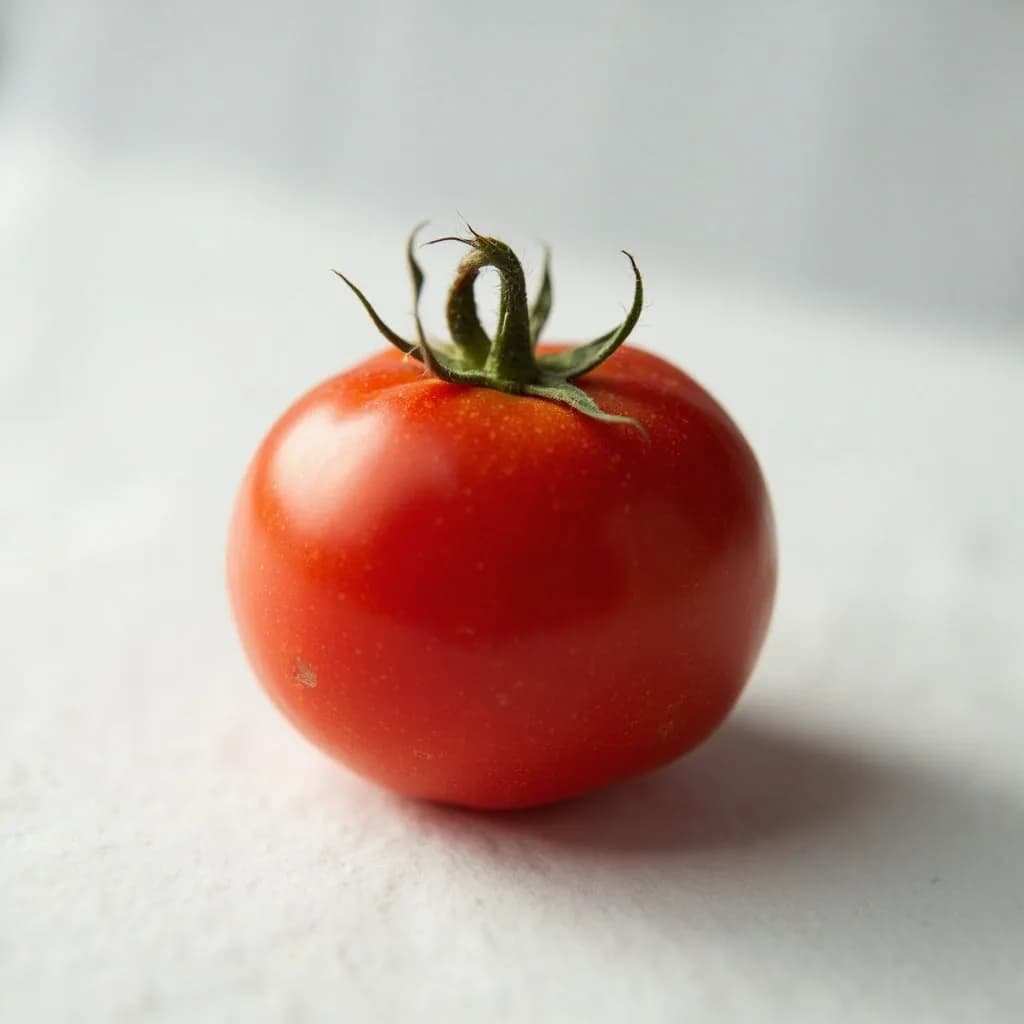
Tomato
Juicy, sun-sweet fruit for sauces, salads, and slow-cooked depth
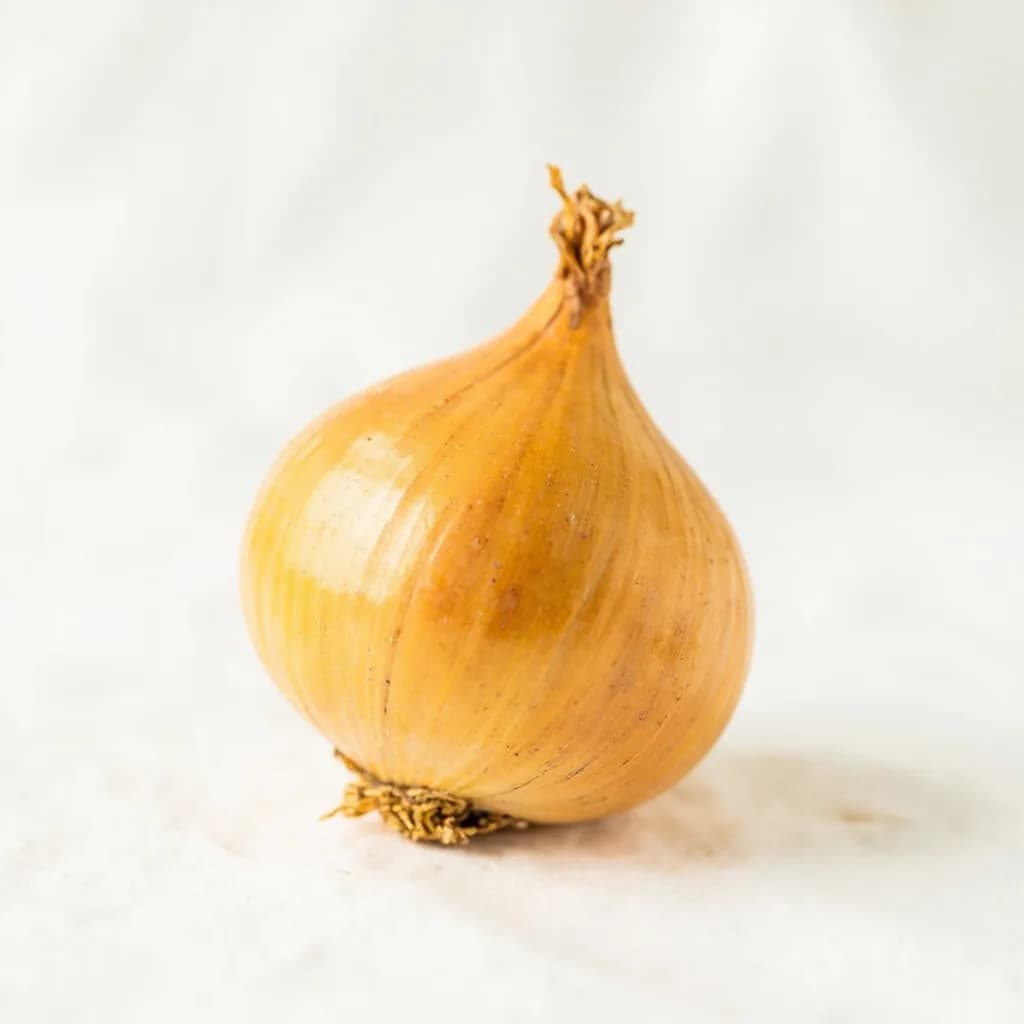
Yellow Onion
The aromatic backbone of soups, sofritos, and braises
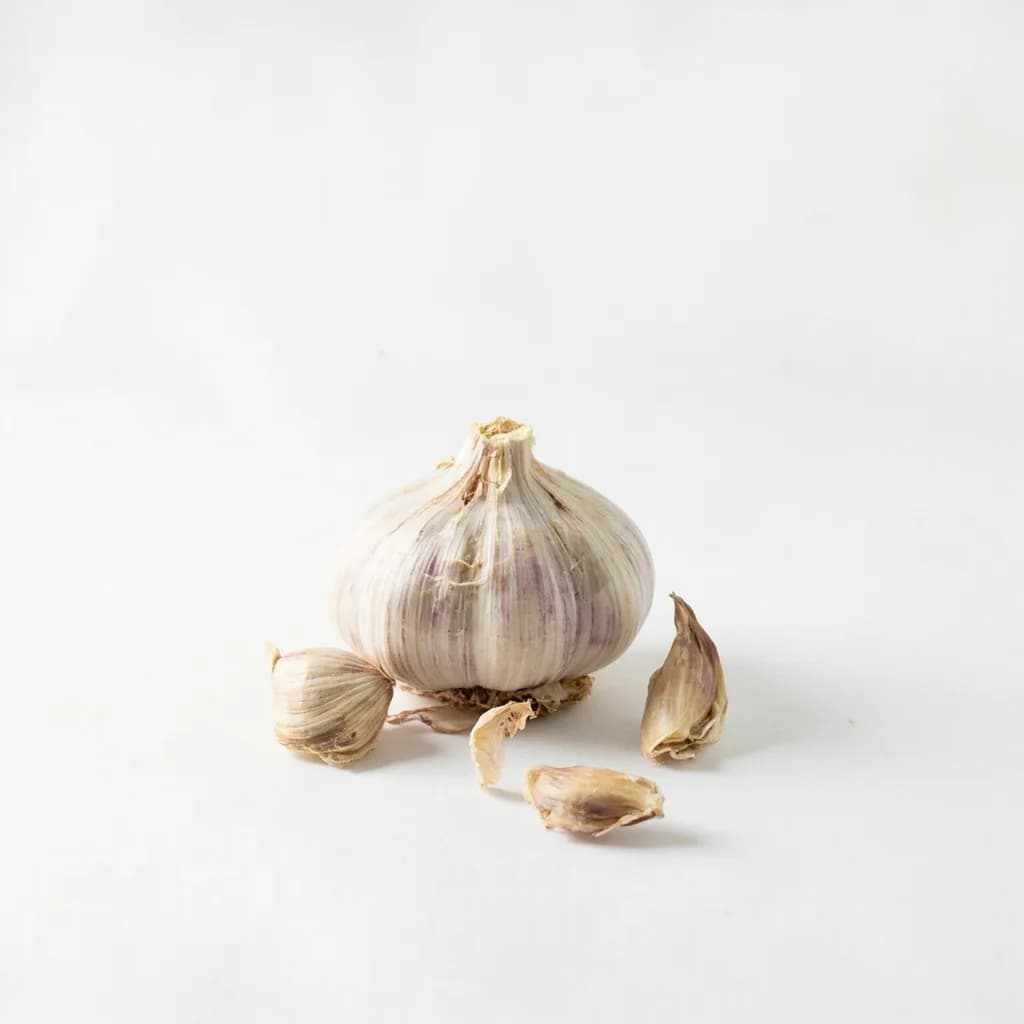
Garlic
Pungent cloves that perfume nearly every savory dish
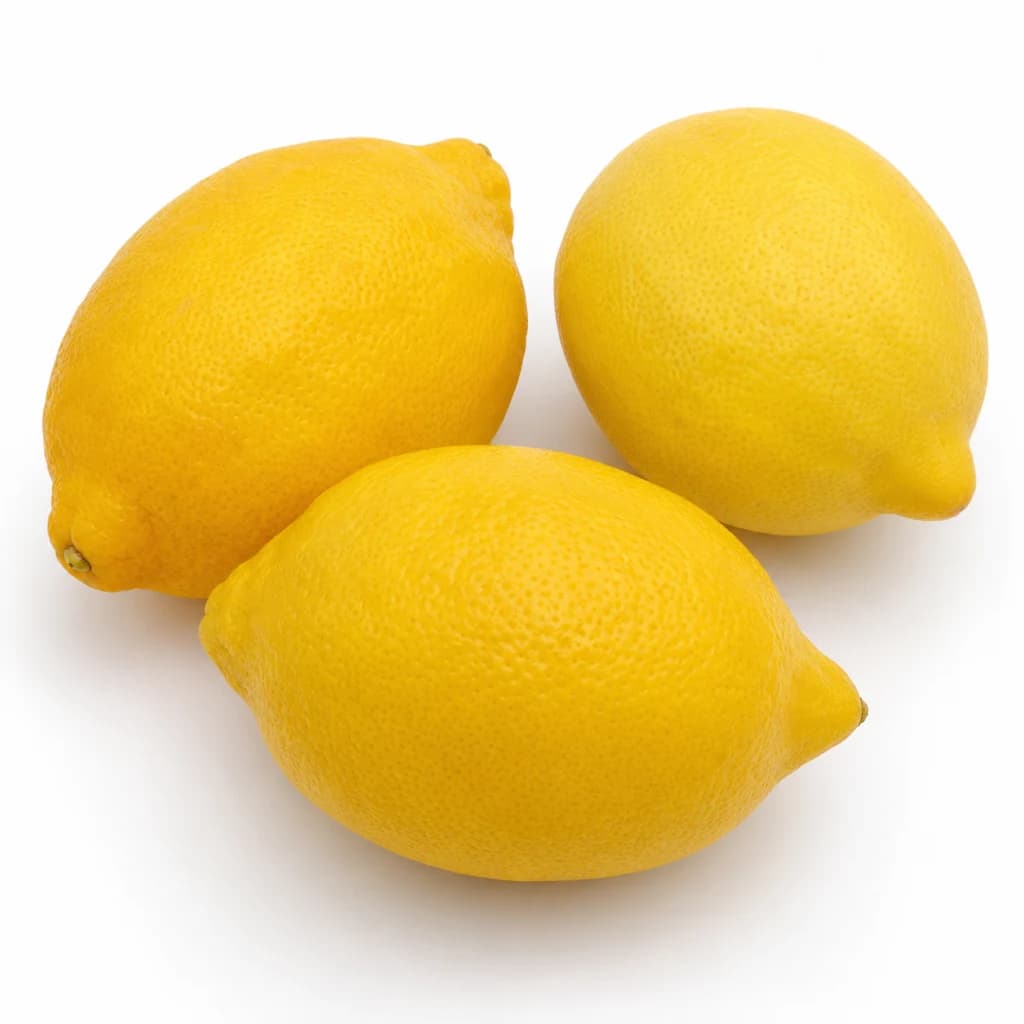
Lemon
Bright, acidic citrus that wakes up almost any dish
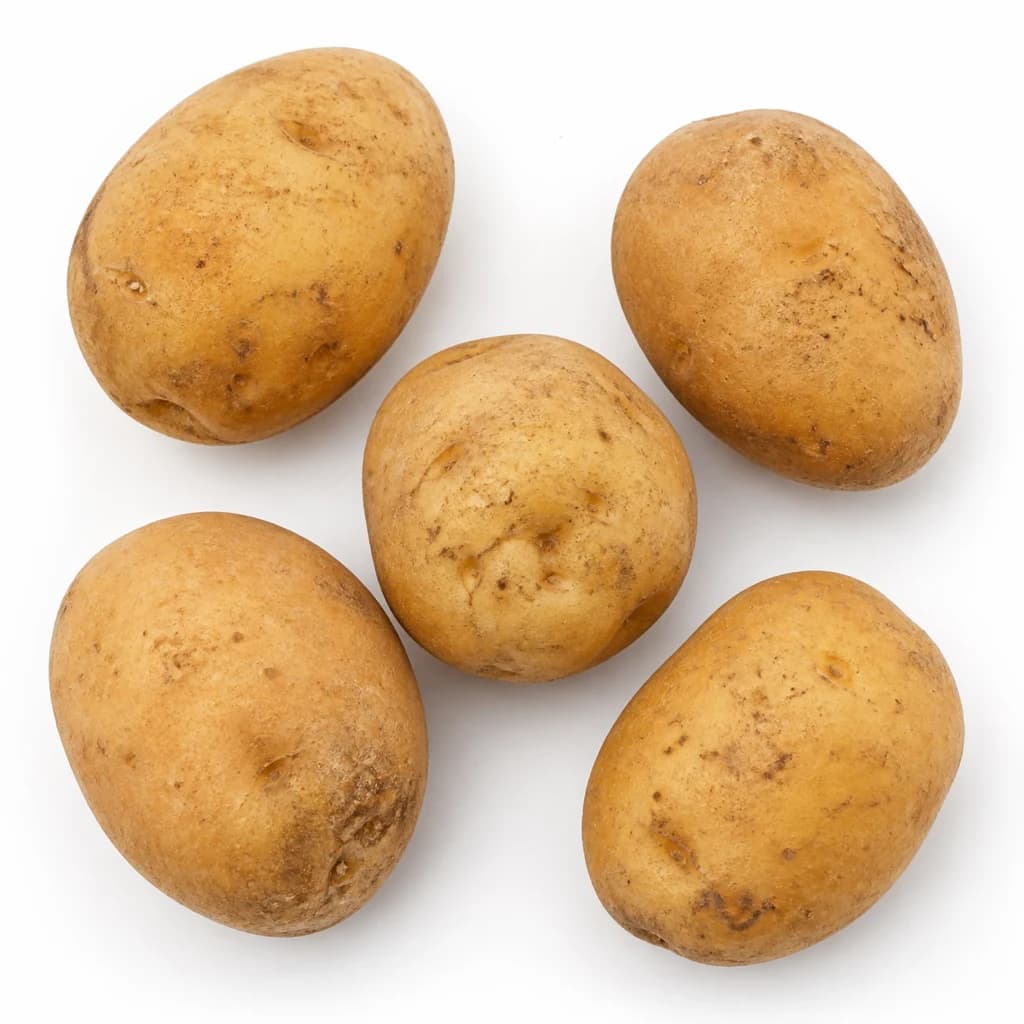
Potato
Humble, hearty staple — roast, mash, fry, or boil
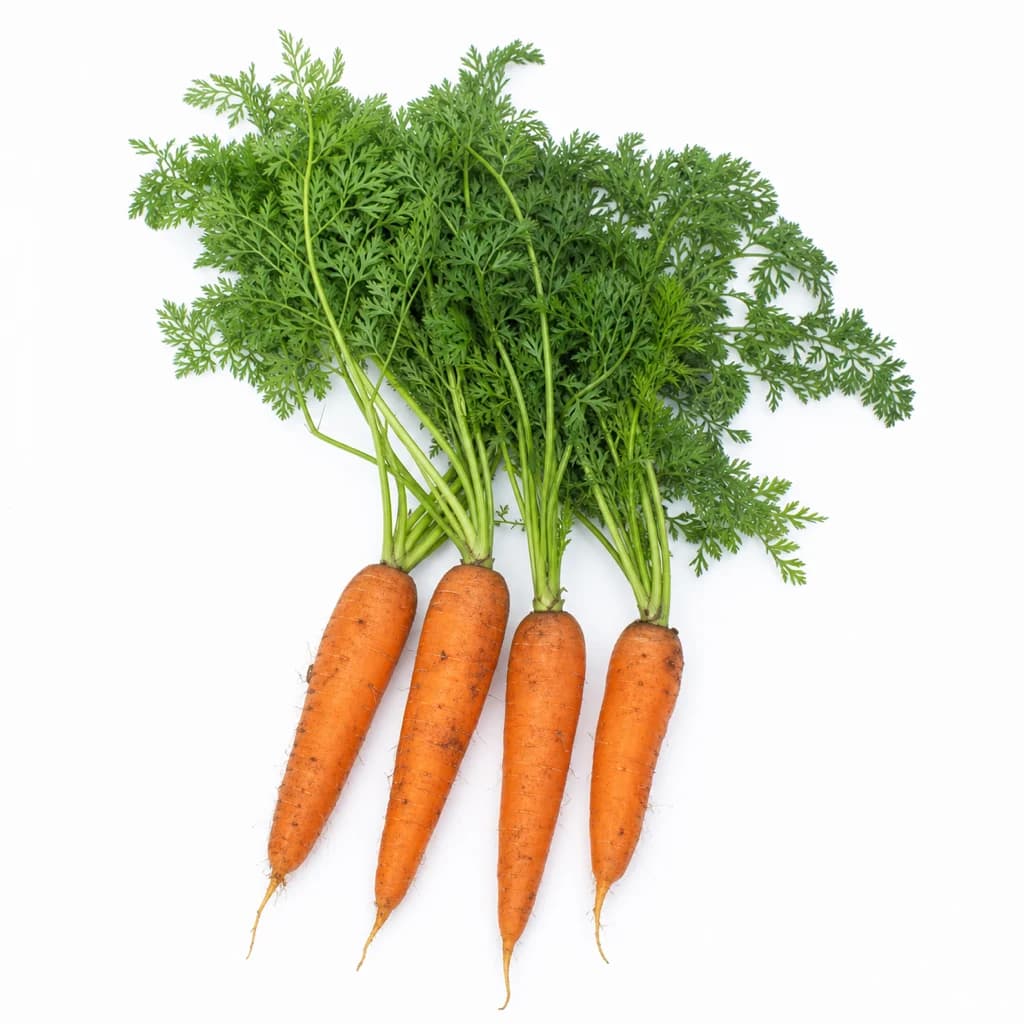
Carrot
Sweet, crunchy root — raw, roasted, or the base of a sofrito
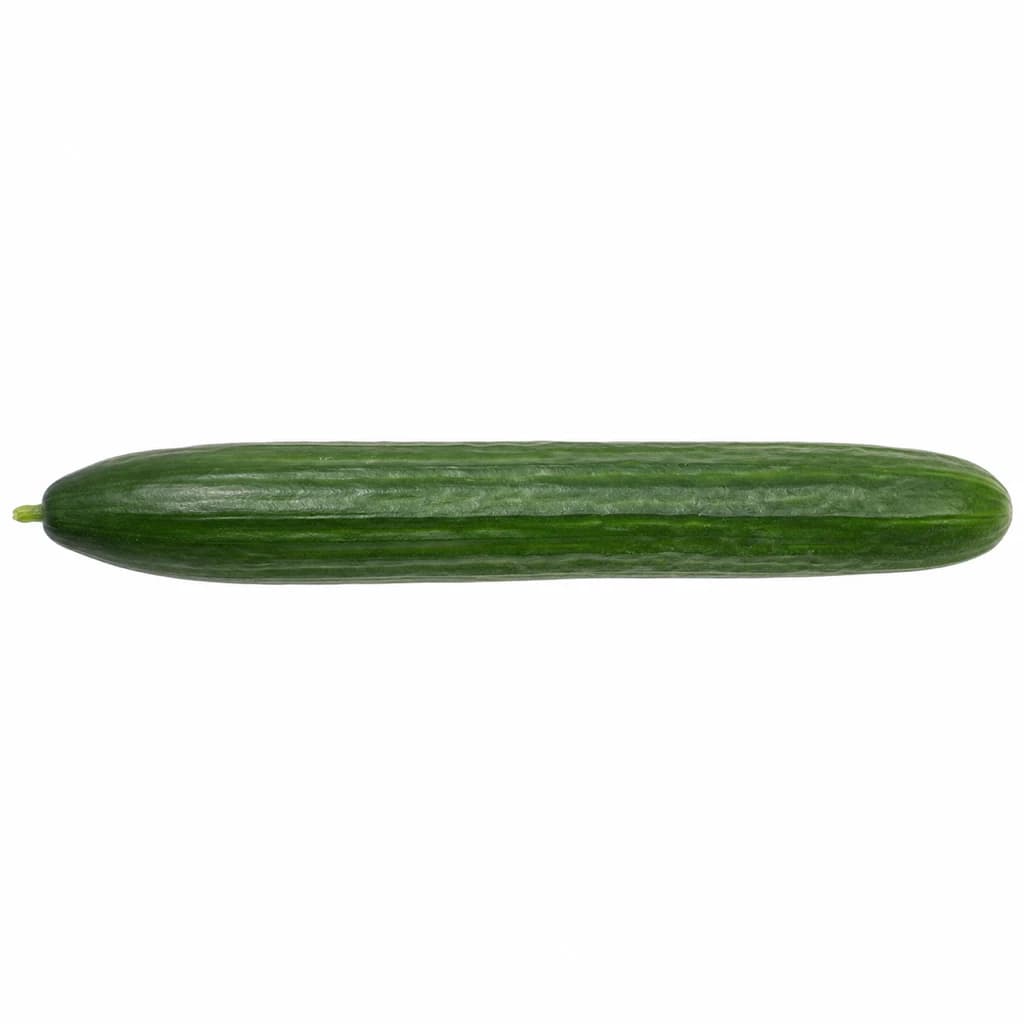
Cucumber
Cool, crisp, and watery — for salads, pickles, and tzatziki

Lettuce
Crisp leaves for salads, wraps, and a fresh crunch