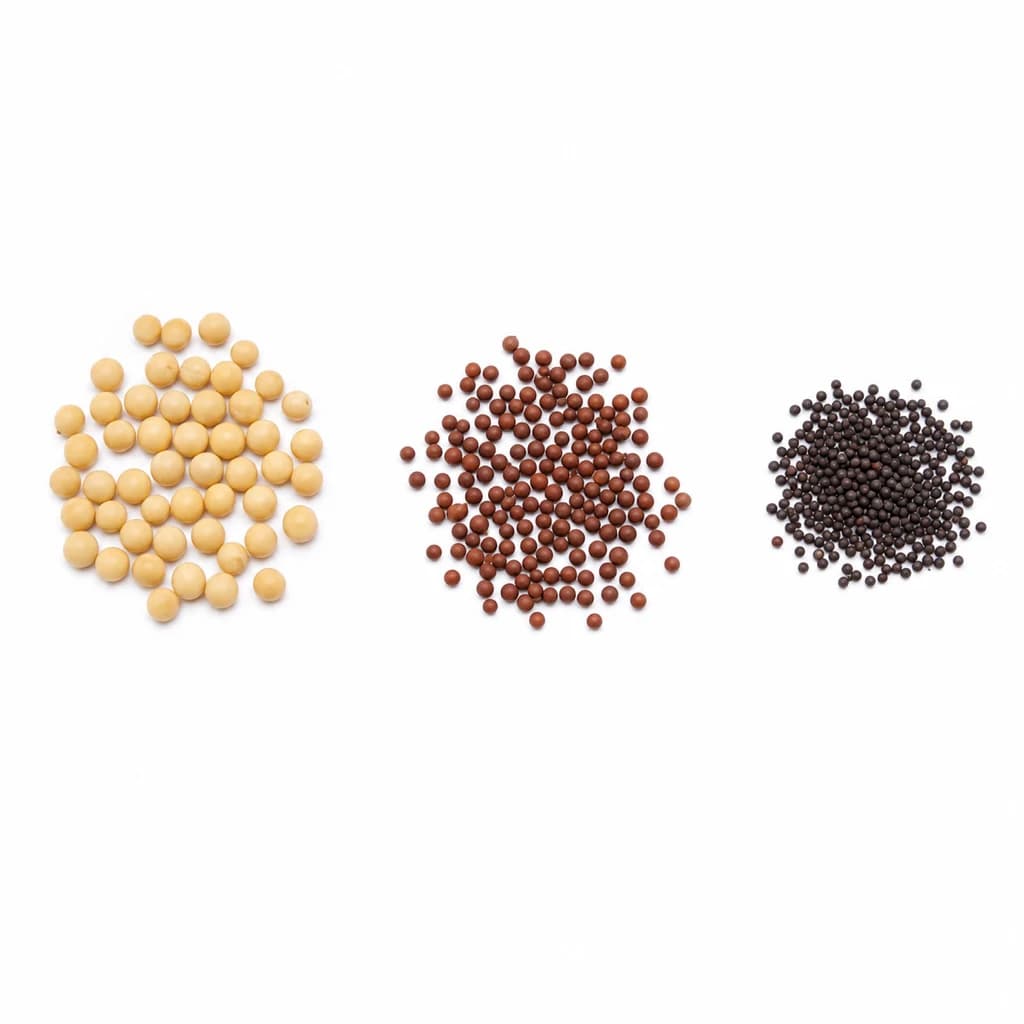
Varieties
Yellow, brown, and black mustard seeds — the three main types used in cooking.
Showing all three seed types side by side lets readers distinguish color and size differences at a glance.
Spices
Mustard Seed
Pungent seeds for pickling, tempering, and homemade mustard
Sharp and nutty, mustard seeds crackle in a hot oil tempering, spark up pickles, and grind into homemade mustard. Toasting mellows their bite. Keep them airtight.
Mustard seeds are tiny, sharp, and nutty — the source of all prepared mustard, and a versatile spice in their own right. Whole, they crackle and pop in hot oil (the South Indian tempering technique), spark up pickles and brines, and crunch through sauerkraut and braised cabbage. Yellow (white) seeds are mildest, brown and black hotter and more pungent. Their bite comes from an enzyme reaction that needs cold liquid, so grinding seeds with cold water makes a fiery mustard, while heat and acid mellow them. Toasting tames their pungency to a warm, nutty note. Note: a common allergen.
- Measured in
- g
- Storage
- Airtight
Allergens
Find it in
Types & varieties
Mildest; the base of American mustard and pickling.
Hotter and more pungent; Dijon and Indian cooking.
Sharpest; common in South Indian tempering.
Mildest mustard seed, tangy rather than hot. The base of American yellow mustard and pickling brines; whole seeds add pop and gentle bite to vegetables and chutneys.
How to use
Crackle whole seeds in hot oil until they pop to start a South Indian dal or vegetable dish, add them to pickling brines and braised cabbage, or grind them with cold liquid to make your own mustard. Toasting before grinding mellows the bite to a warm, nutty flavor.
- Temper in hot oil until the seeds pop
- Cold liquid develops mustard's heat; heat/acid mellow it
- Toast whole seeds to tame their pungency
How heat develops
Mustard's pungency comes from an enzyme reaction triggered by cold water; it builds for a few minutes, then fades. Hot liquid, vinegar, and salt all blunt the heat — which is why homemade mustard is fieriest when made with cold water and rested briefly.
Common uses
Tips & pitfalls
- Crackle whole seeds in hot oil until they pop for Indian tempering.
- Grind with cold water for the sharpest homemade mustard.
- Heat and acid mellow mustard's bite — add them to tame it.
- Toast seeds to turn their pungency into a warm, nutty note.
- Note: mustard is a recognized allergen — flag it for guests.
Nutrition
Energy
372 kJ · per 100 g
Where the calories come from
Protein
4.1g
8% DV
Carbs
17.3g
6% DV
Fat
0.5g
1% DV
Sodium
1mg
0% DV
Source · USDA FoodData Central · approx. Seeds, lotus seeds, raw
View on FDC →In the shops
Matched grocery products
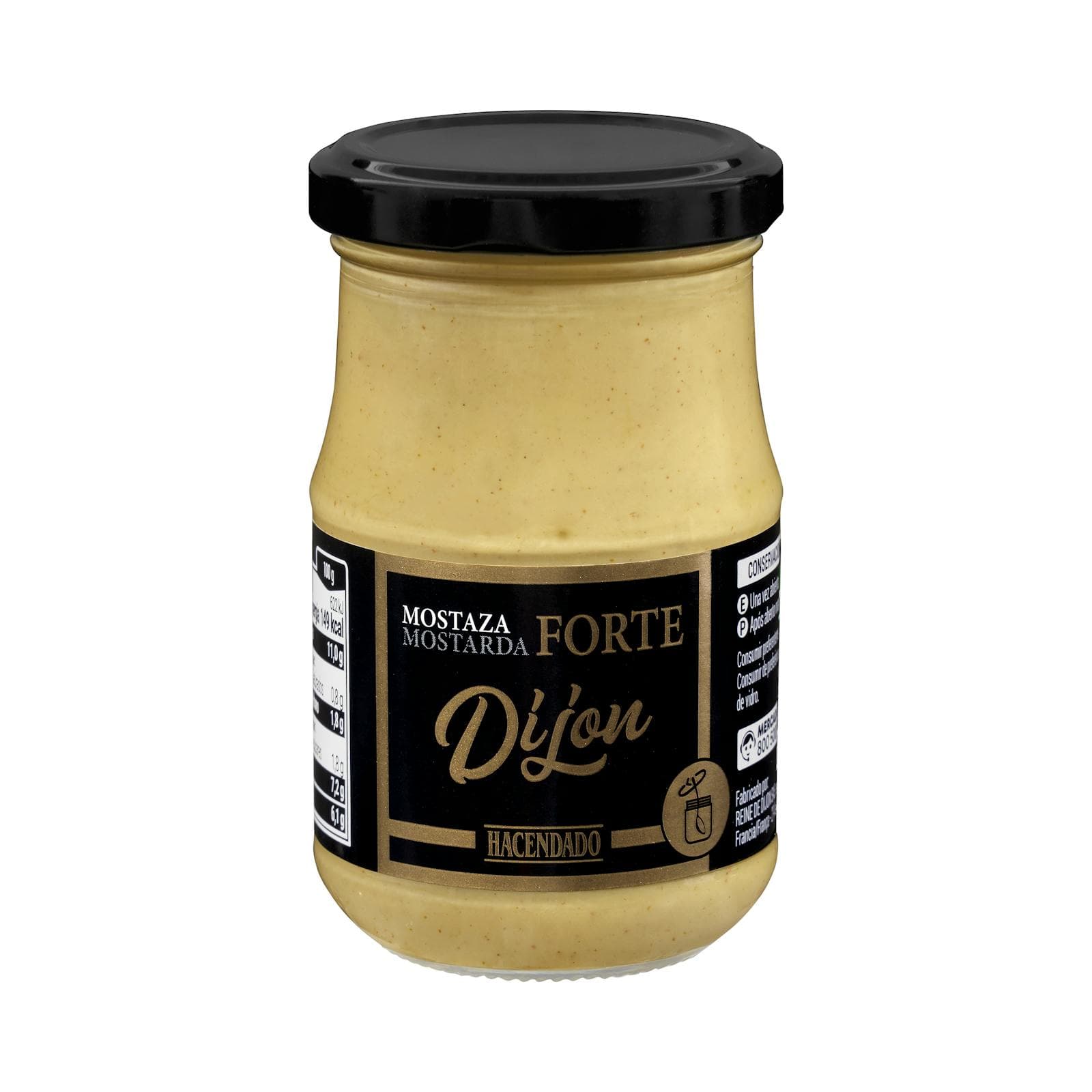 €1.25
€1.25Dijon Mustard
Hacendado · 200 g · Mercadona
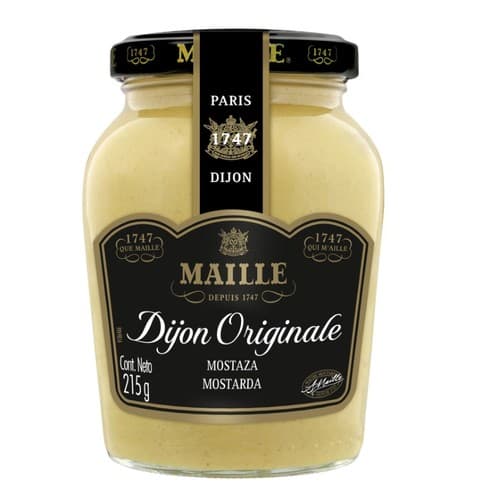 €3.65
€3.65Dijon Mustard
MAILLE · kg · Bonpreu
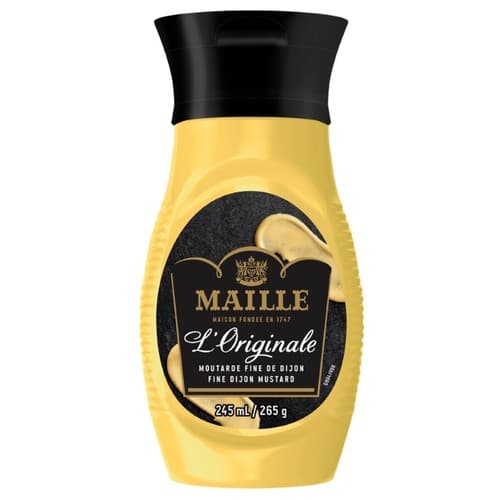 €3.99
€3.99Maille Dijon Mustard
MAILLE · kg · Bonpreu
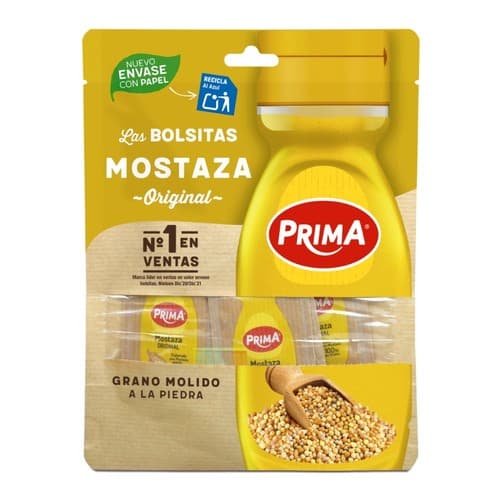 €2.29
€2.29PRIMA Mustard
PRIMA · ud · Bonpreu
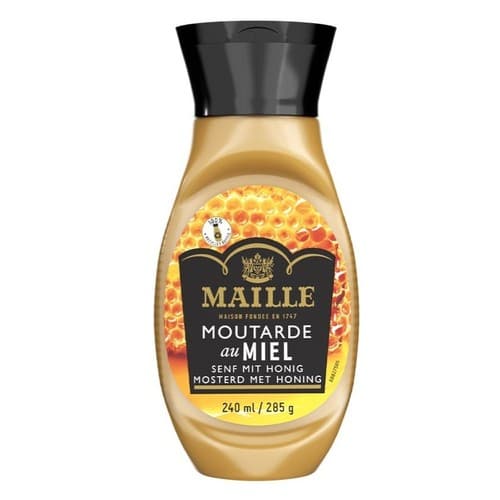 €3.99
€3.99Honey Mustard
MAILLE · kg · Bonpreu
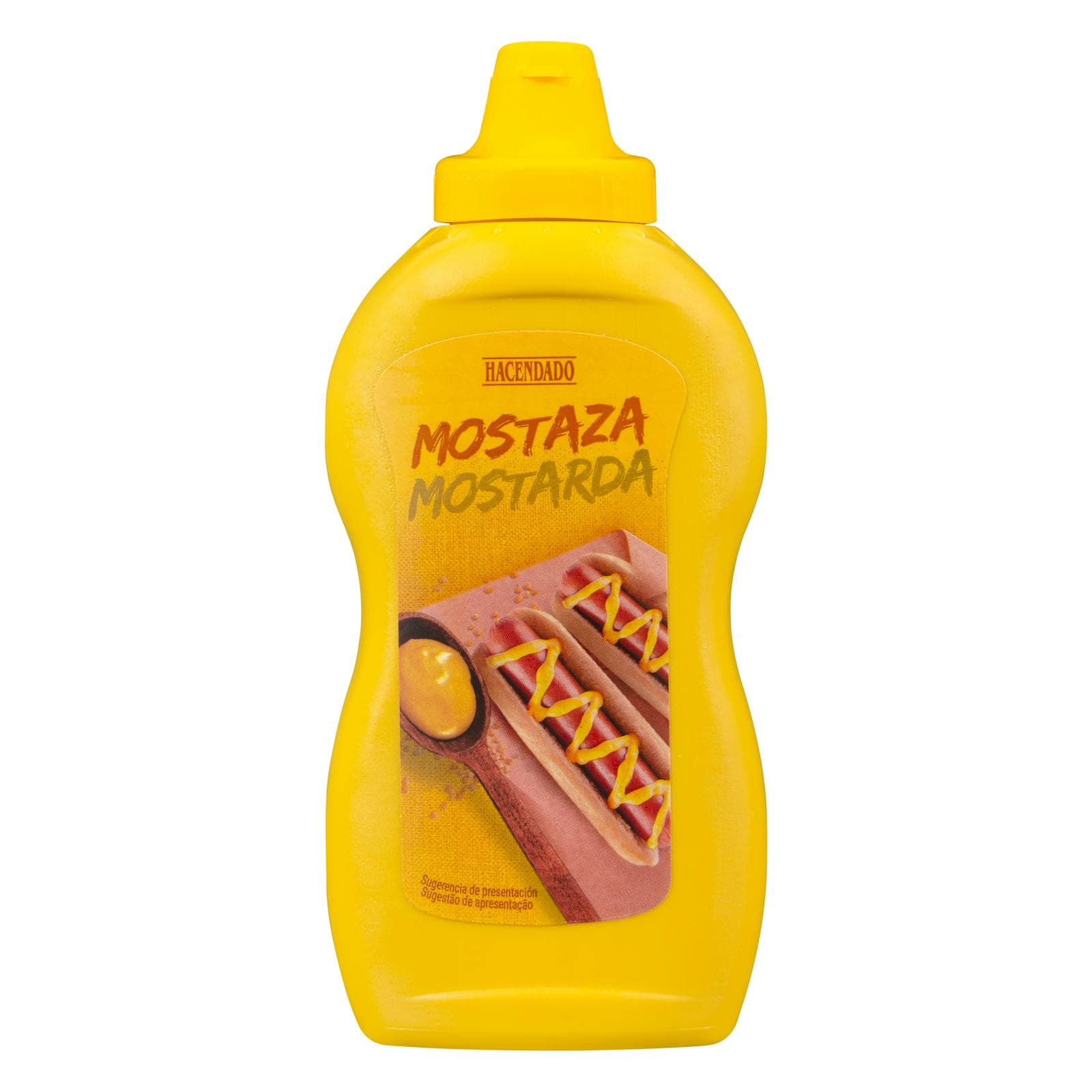 €1.35
€1.35Classic Mustard
Hacendado · 388 g · Mercadona
Good to know
- Flavor
- Sharp, pungent, nutty; heat varies yellow to black
- Form
- Whole seed (yellow/brown/black); ground into mustard
- Add when
- Temper in hot oil; toast to mellow; cold-grind for heat
- Cuisines
- Indian, European, American, pickling traditions
- How to buy
- Whole seeds by color/heat; yellow mild, brown/black hot
- How to store
- Airtight and dark; whole seeds keep for a long time
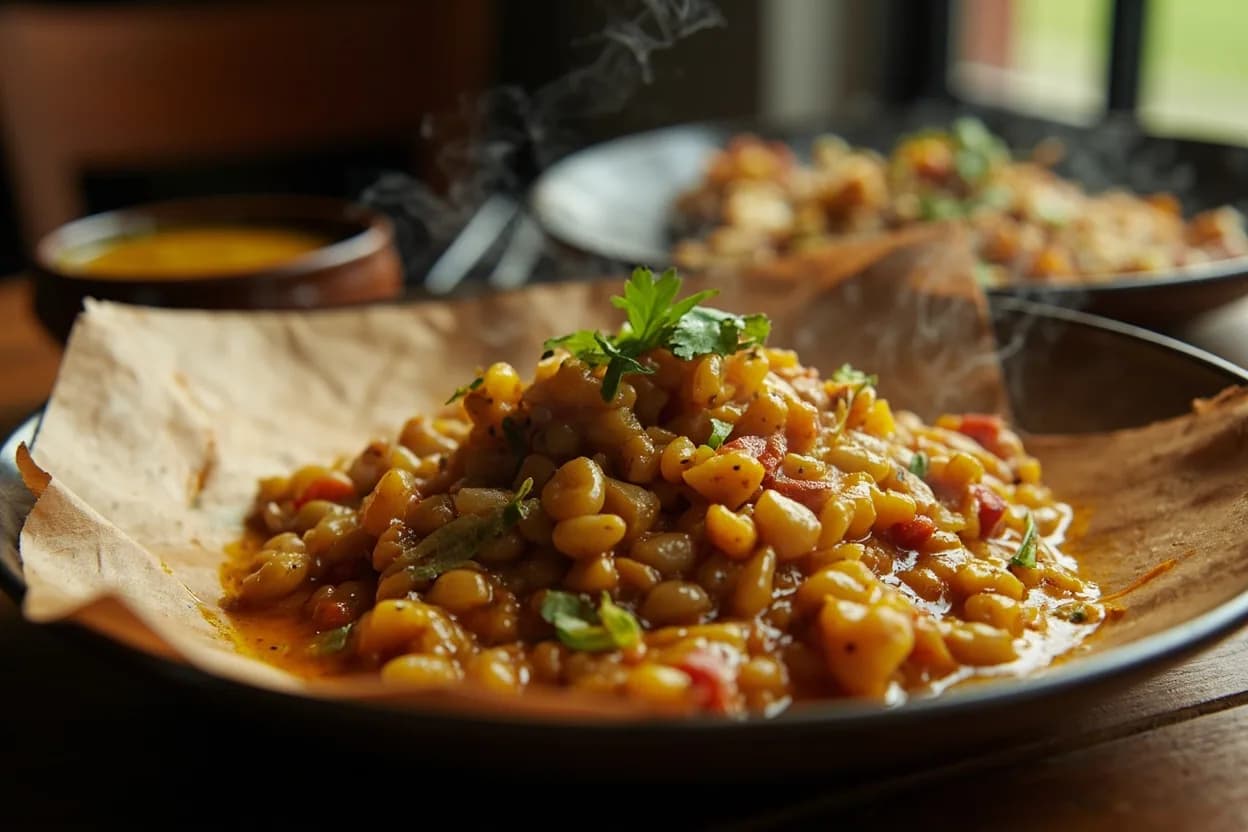
Appears in these dishes
Related
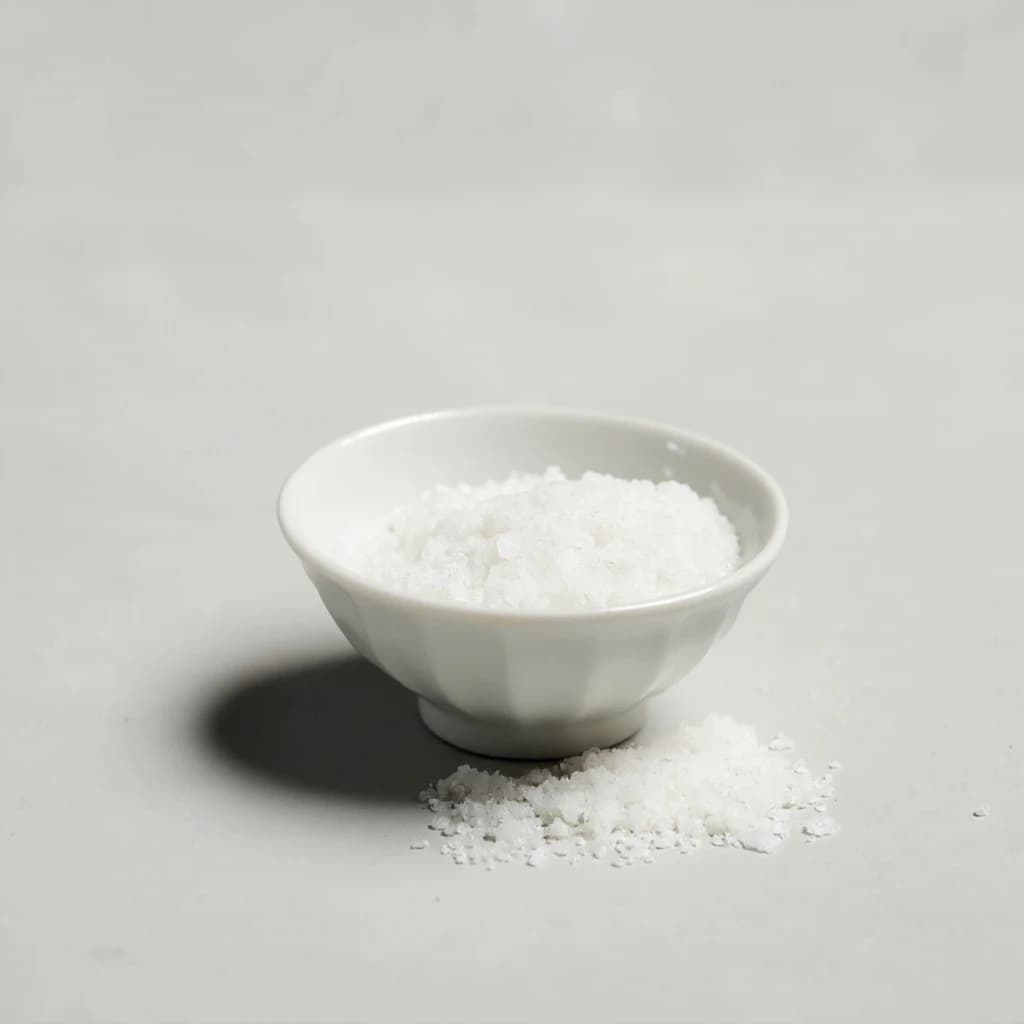
Salt
The one seasoning that makes everything else taste like itself

Black Pepper
Pungent, woody heat — best cracked fresh over anything savory
Amchur
Dried unripe mango ground to a tart, fruity souring powder
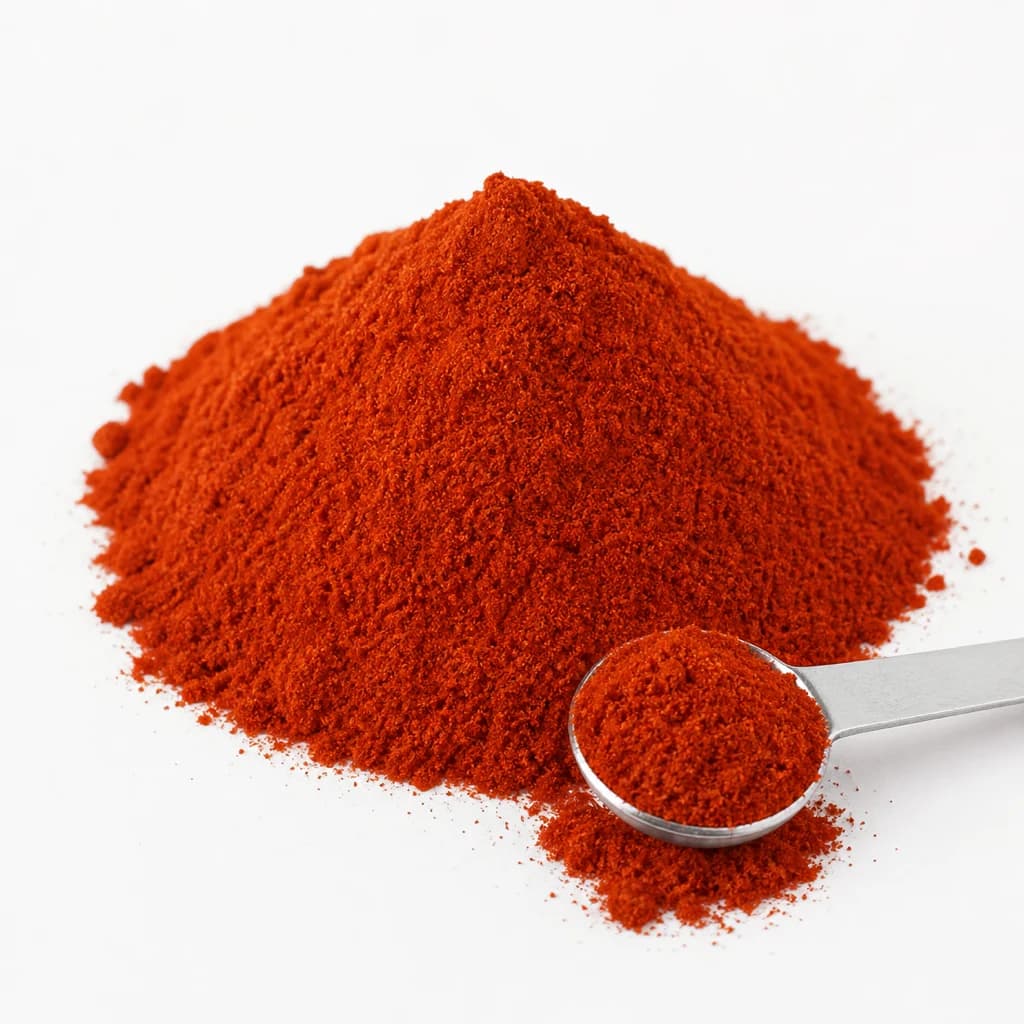
Paprika
Sweet, vivid ground pepper for color and gentle warmth
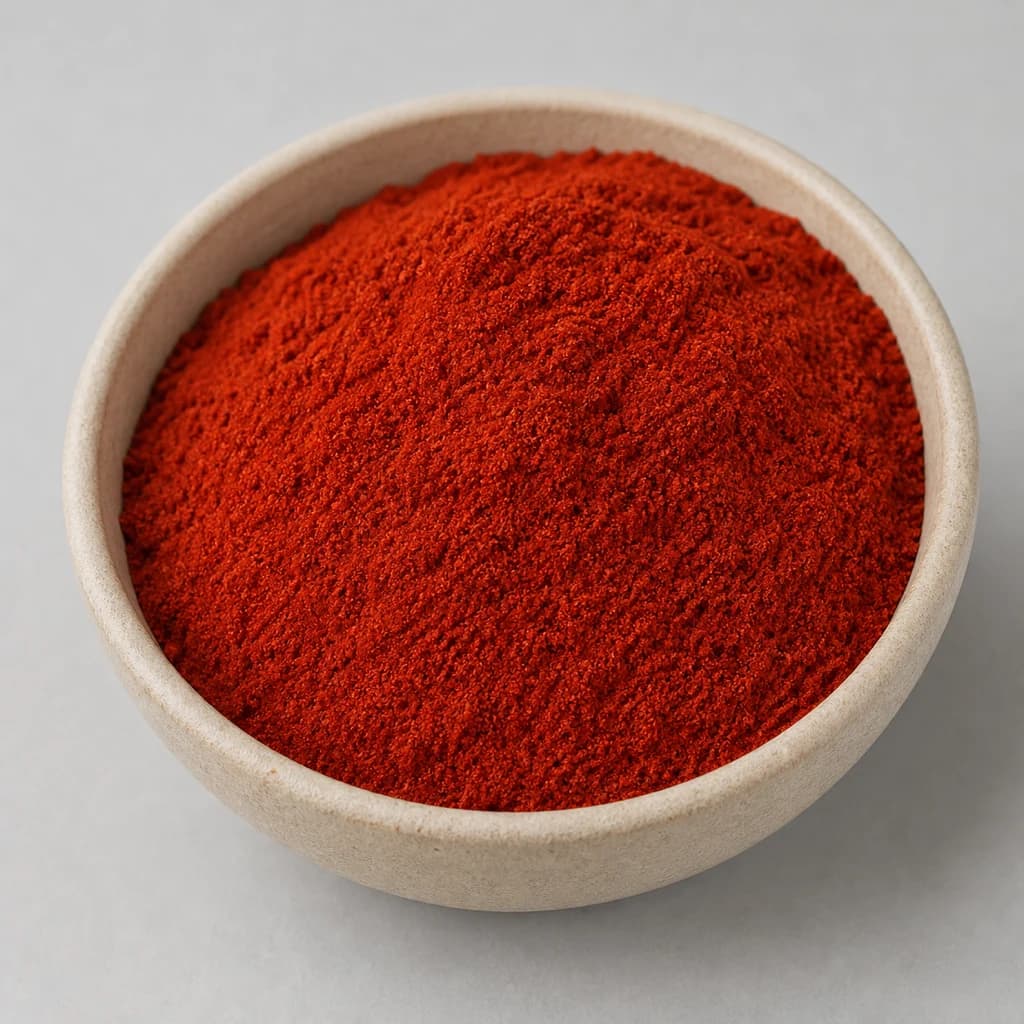
Smoked Paprika
Deep, smoky ground pepper for a campfire warmth
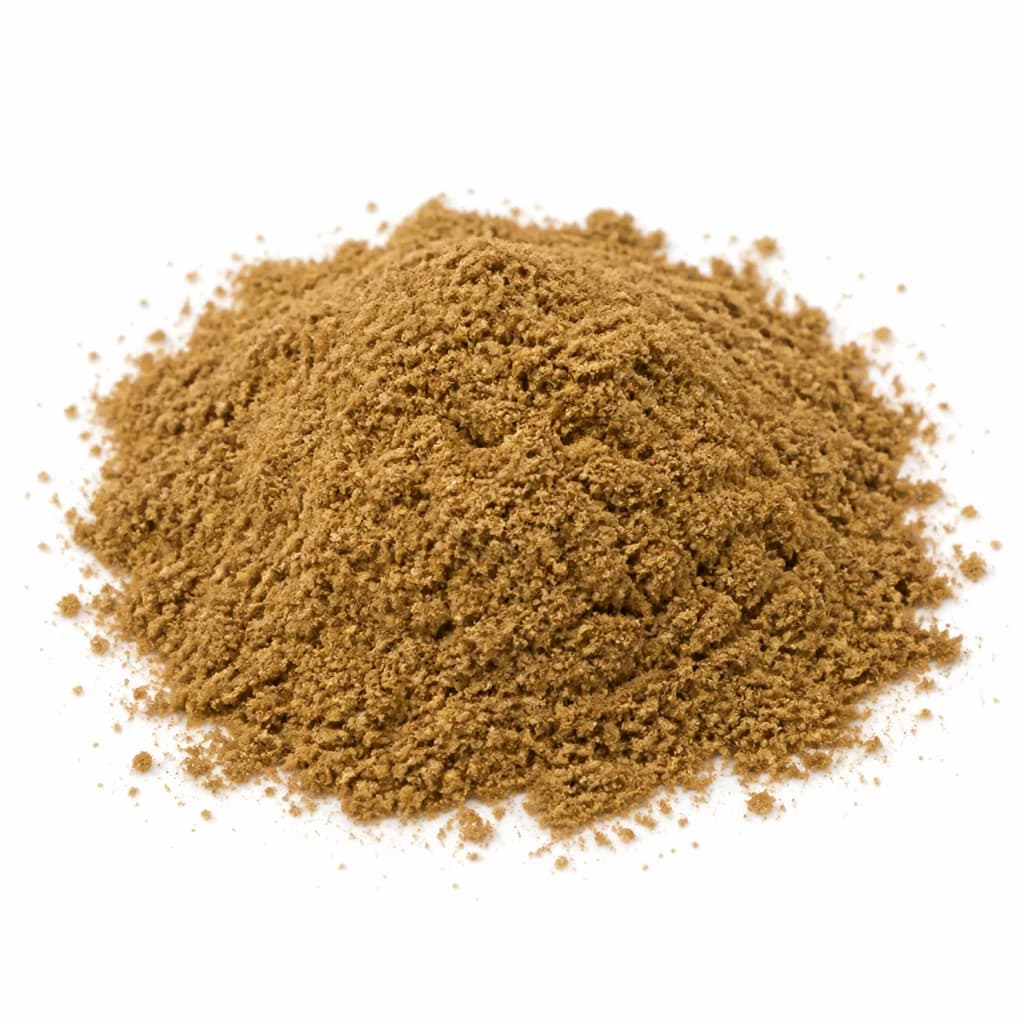
Cumin
Warm, earthy spice central to curries, chili, and tacos
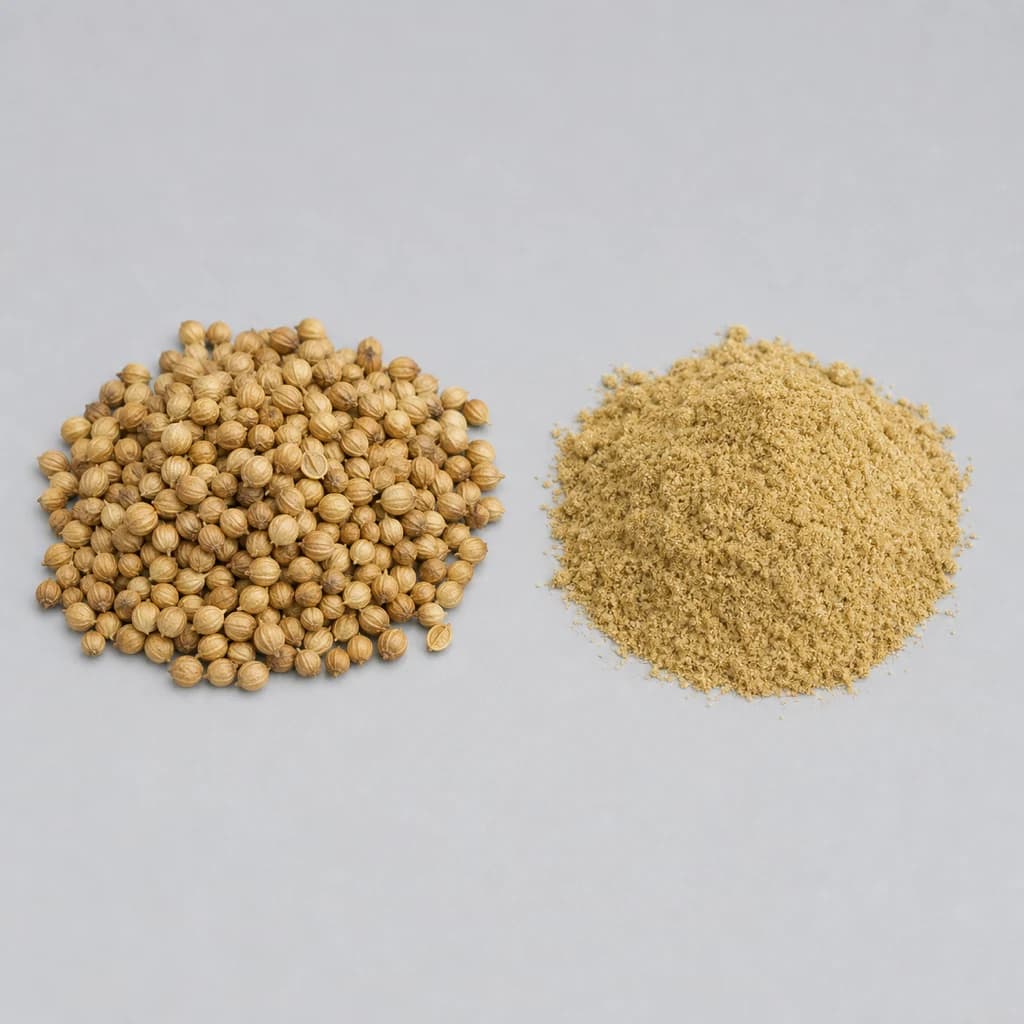
Coriander Seed
Citrusy, warm seed for curries, pickles, and rubs
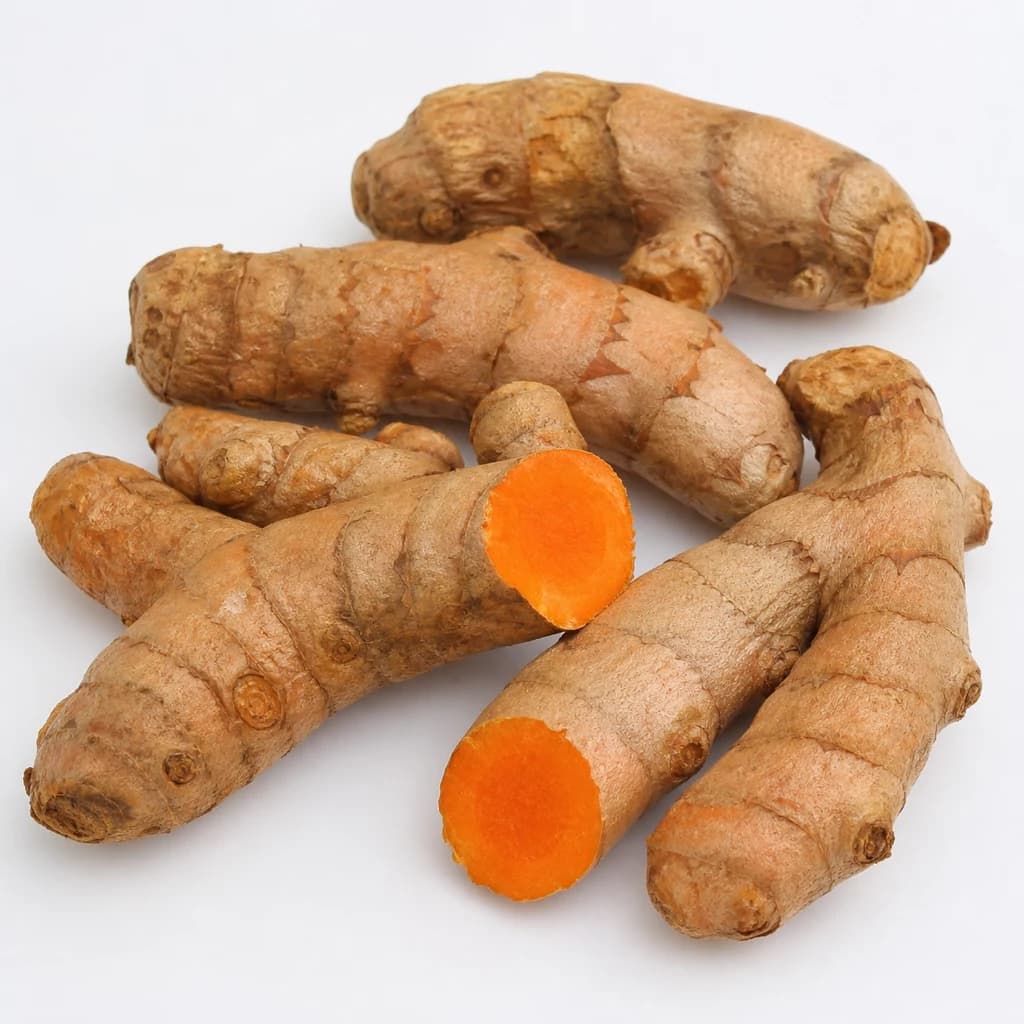
Turmeric
Golden, earthy spice for curries, rice, and color