
Herbs
Curry Leaf
Glossy aromatic leaves bloomed whole in hot oil for South Indian tempering; nutty and citrus-pungent, they are fried crisp and eaten, not steeped and discarded.
Curry leaf comes from Murraya koenigii, a small evergreen tree or large shrub in the Rutaceae family — the same family as citrus, which explains the bright, lemony top notes of its aroma. The usable leaf is pinnate, made up of 11 to 21 glossy, lance-shaped leaflets arranged along a woody central stalk, and it is the leaflets, stripped from the stem, that show up in bunches at South Asian markets and in frozen packets in diaspora grocery stores. Unlike most culinary aromatics, curry leaves are not steeped and then fished out; they are fried until brittle and eaten with the dish, the way fried herbs are used in many Mediterranean and Southeast Asian kitchens.
The flavor lives in volatile, fat-soluble oils — chiefly pinene, sabinene and caryophyllene — that only release their perfume on contact with hot ghee or oil. Once bloomed, the aroma reads as nutty and citrusy with a savory, faintly pungent edge reminiscent of asafoetida, and that savory depth is what lifts dals, sambar, rasam and coconut-based curries from merely good to unmistakably South Indian. Because the chemistry is fat-driven, curry leaves are inseparable from the tempering technique known as tadka, tarka or phodni: drop them into hot fat and the kitchen fills with their scent; skip the fat and the leaves taste grassy and disappointingly flat.
Outside the Indian subcontinent fresh leaves can be hard to source, but they freeze remarkably well and small potted plants are widely sold for windowsill cultivation. Two namesakes are worth ruling out before shopping: curry powder is an unrelated British colonial blend of turmeric, cumin, coriander and other spices, and the 'curry plant' (Helichrysum italicum) is a silver Mediterranean herb. Neither contains curry leaves and neither substitutes for them.
- Measured in
- g
- Storage
- Fridge
Find it in
Suits
Types & varieties
The standard Murraya koenigii with broader leaflets and balanced aroma; the workhorse of South Indian home kitchens.
Smaller, thicker leaflets with a noticeably stronger, more pungent aroma; associated with Gujarat but grown across India and prized for its intensity.
Compact semi-dwarf selections bred for home gardens and pots; same flavor, slower-growing, easier to harvest in usable quantity on a small plant.
Foraged or hedge-grown forms with variable leaflet size and aroma intensity; some cooks consider them the most aromatic of all.
Buying, storing and growing
Fresh curry leaves are sold on the woody sprig, and the leaflets should look glossy, deep green and unwilted, with no blackening at the stem joint. They keep for one to two weeks refrigerated if wrapped in a slightly damp paper towel inside a sealed bag; beyond that, they yellow and lose their top notes. For longer storage, freeze the sprigs whole in a single layer on a tray, then bag them: the frozen leaflets snap off the stem cleanly and drop straight into a hot pan with no thawing needed, and most of the aroma survives months in the freezer far better than it survives drying. Dried curry leaves, sold in jars, are a last resort — they read as dusty and herbal rather than citrusy and nutty, and are best used only as a background aromatic in long-cooked dals. Outside the Indian subcontinent, the most reliable answer is a small potted plant on a sunny windowsill; curry leaf trees grow slowly but produce harvestable sprigs for years in a 30–40 cm pot, and the fresh-picked leaves are markedly more aromatic than anything that has traveled.
- Look for glossy, deep green leaflets with no blackening at the stem joint.
- Refrigerate wrapped in a damp paper towel in a sealed bag for 1–2 weeks.
- Freeze on the sprig in a single layer, then bag — leaflets snap off cleanly when frozen.
- Dried leaves are a distant second; use only when nothing else is available.
- A potted dwarf plant on a sunny windowsill is the diaspora cook's best long-term supply.
The tempering principle
Curry leaves earn their place in the kitchen through fat, not water. Their aromatic compounds are locked inside oil-bearing cells and only volatilize — that is, only become perceptible as scent and flavor — at the temperature of hot ghee or oil. This is why almost every classic use involves a tadka: oil or ghee is heated until it shimmers, mustard or cumin seeds are added until they pop, and the stripped leaflets are scattered in for a few seconds before being poured over a dal, a chutney or a vegetable. The leaves should sizzle on contact; if they merely soften, the oil was not hot enough. They are typically left in the finished dish and eaten crisp, contributing a toasty, nutty note along with their perfume. Cooking them in water — dropping them into a simmering curry without first blooming in fat — wastes most of their character and is the single most common misuse.
- Heat ghee, coconut oil or sesame oil until it shimmers before adding the leaves.
- Bloom leaflets for 5–10 seconds only; longer frying drives off the top notes and can turn them bitter.
- Add after mustard seeds have finished popping so the seeds do not get scorched.
- For a crisp garnish, fry in a single layer so leaves sizzle rather than steam.
- Strip leaflets from the woody central stem before frying so they crisp evenly and the stem does not splinter into the food.
Common uses
Tips & pitfalls
- Always bloom curry leaves in hot fat — their aroma compounds are fat-soluble and only release on contact with hot oil or ghee.
- Add the leaves after mustard seeds have finished popping but before the oil scorches; five to ten seconds is usually enough to release the perfume.
- Use fresh leaves whenever possible; dried leaves lose most of the volatile top notes and taste dusty rather than citrusy.
- Strip the leaflets from the woody central stem before frying so they crisp evenly and do not splinter into the dish.
- For maximum aroma, fry in coconut oil (the Kerala and Sri Lankan choice) or ghee; neutral vegetable oils mute the flavor noticeably.
- Do not overcrowd the pan when making a crisp garnish — leaves should sizzle, not steam, or they turn leathery and chewy instead of brittle.
- Freeze fresh sprigs in a single layer, then bag them; frozen leaflets snap off the stem cleanly and drop straight into hot oil with no thawing.
- If a long-simmered dal calls for curry leaves on the stem, remove the woody stalk before serving — it stays fibrous and unpleasant to eat.
- Never substitute curry powder for curry leaves: the powder contains no curry leaves and tastes completely different.
- Do not confuse curry leaves with the curry plant (Helichrysum italicum), a silver Mediterranean herb with an entirely different, more resinous flavor.
Nutrition
Energy
96 kJ · per 100 g
Where the calories come from
Protein
2.5g
5% DV
Carbs
4g
1% DV
Fat
0.3g
0% DV
Sodium
20mg
1% DV
Source · USDA FoodData Central · approx. Amaranth leaves, raw
View on FDC →In the shops
Matched grocery products
No matched grocery products for Curry Leaf yet.
Good to know
- Botanical name
- Murraya koenigii, family Rutaceae (the citrus family)
- Origin
- Indian subcontinent; cultivated across South and Southeast Asia
- Leaf form
- Pinnate compound leaf with 11–21 glossy, lance-shaped leaflets, each roughly 2–4 cm long
- Plant habit
- Small evergreen tree or large shrub, typically 4–6 m tall in the ground, much smaller in pots
- Flavor profile
- Aromatic, slightly nutty and citrusy; develops a savory, faintly asafoetida-like pungency when bloomed in hot fat
- Aroma chemistry
- Rich in pinene, sabinene, caryophyllene and other volatile oils that are fat-soluble
- Form sold
- Almost always fresh on the sprig; dried leaves exist but are markedly less aromatic; frozen sprigs are common in diaspora markets
- Fresh storage
- Refrigerate 1–2 weeks wrapped in a damp paper towel inside a sealed bag; freeze on the sprig for several months
- Peak season
- Year-round in tropical climates; main flushes after monsoon rains and dry-season pruning
- Key technique
- Tempering (tadka/tarka/phodni): bloomed briefly in hot ghee or oil with mustard seeds, cumin, dried chili and/or lentils
- Cuisine focus
- South Indian (Tamil, Andhra, Telugu, Kerala, Karnataka) and Sri Lankan; also used in parts of Thailand, Malaysia and Myanmar
- Common confusion
- Not related to curry powder (a British colonial blend of turmeric, cumin, coriander, etc.) nor to the curry plant (Helichrysum italicum)
Substitutes
- Kaffir lime leaves — Closest citrus-aromatic stand-in; use sparingly as they lean more floral and lack the savory, nutty depth of curry leaves.
- Indian bay leaf (tejpat) or bay laurel — Useful only as a background aromatic in long-cooked dals; provides herbal warmth but not the citrusy lift of curry leaves.
- Lime or lemon zest — A small amount can mimic the citrus top note in a quick dish, but it cannot provide the savory pungency or the crisp texture.
- Thai basil plus a pinch of asafoetida — An improvised workaround when no leaves are available; covers some of the anise-umami register but not the citrus-nutty core.
Pairs with
Also called
curry leaves · kadi patta · kari patta · hoja de curry
Appears in these dishes
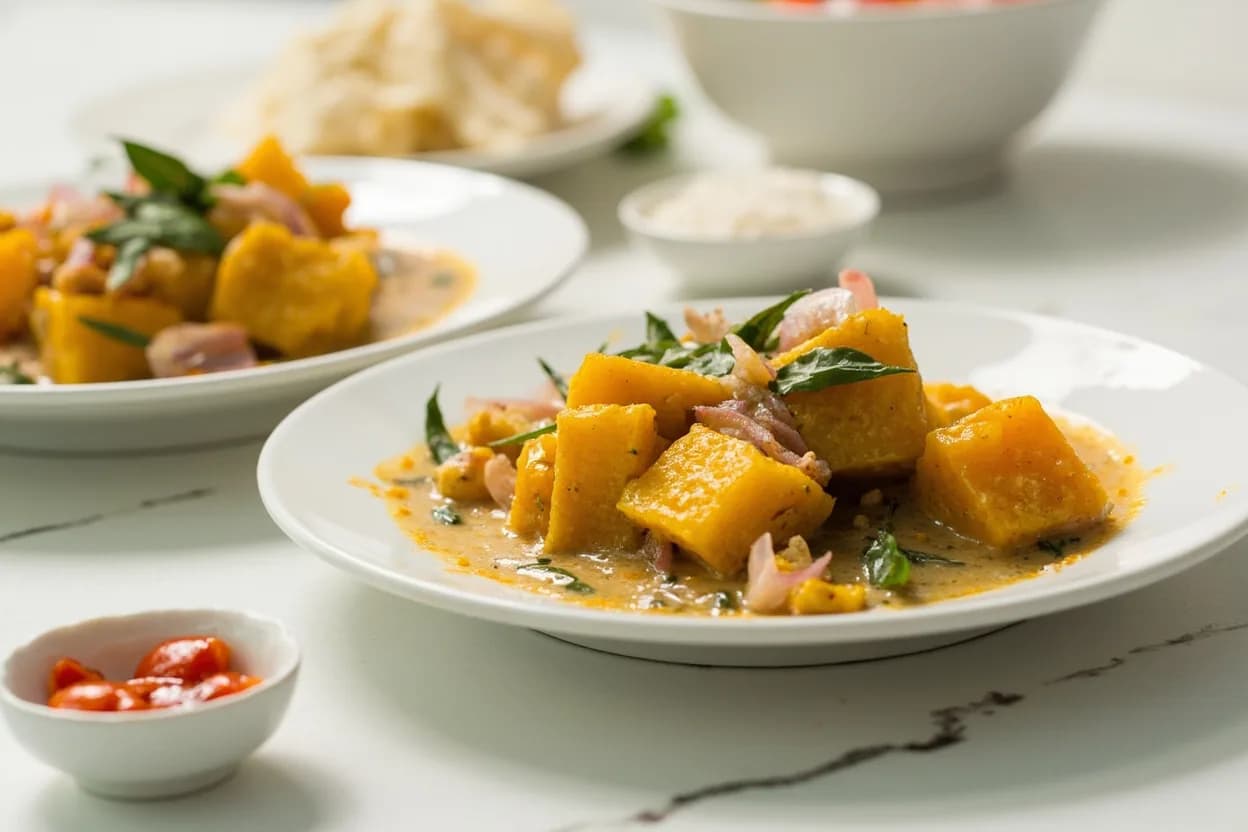
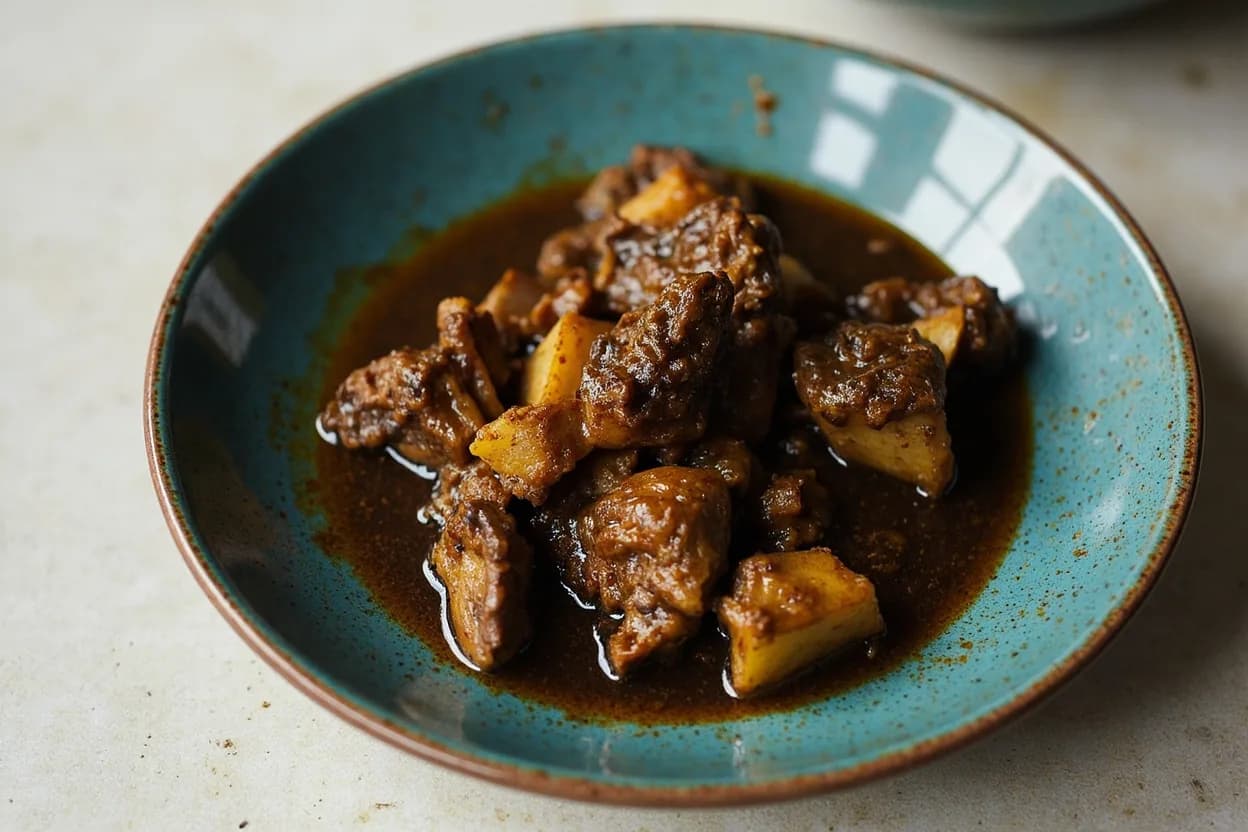


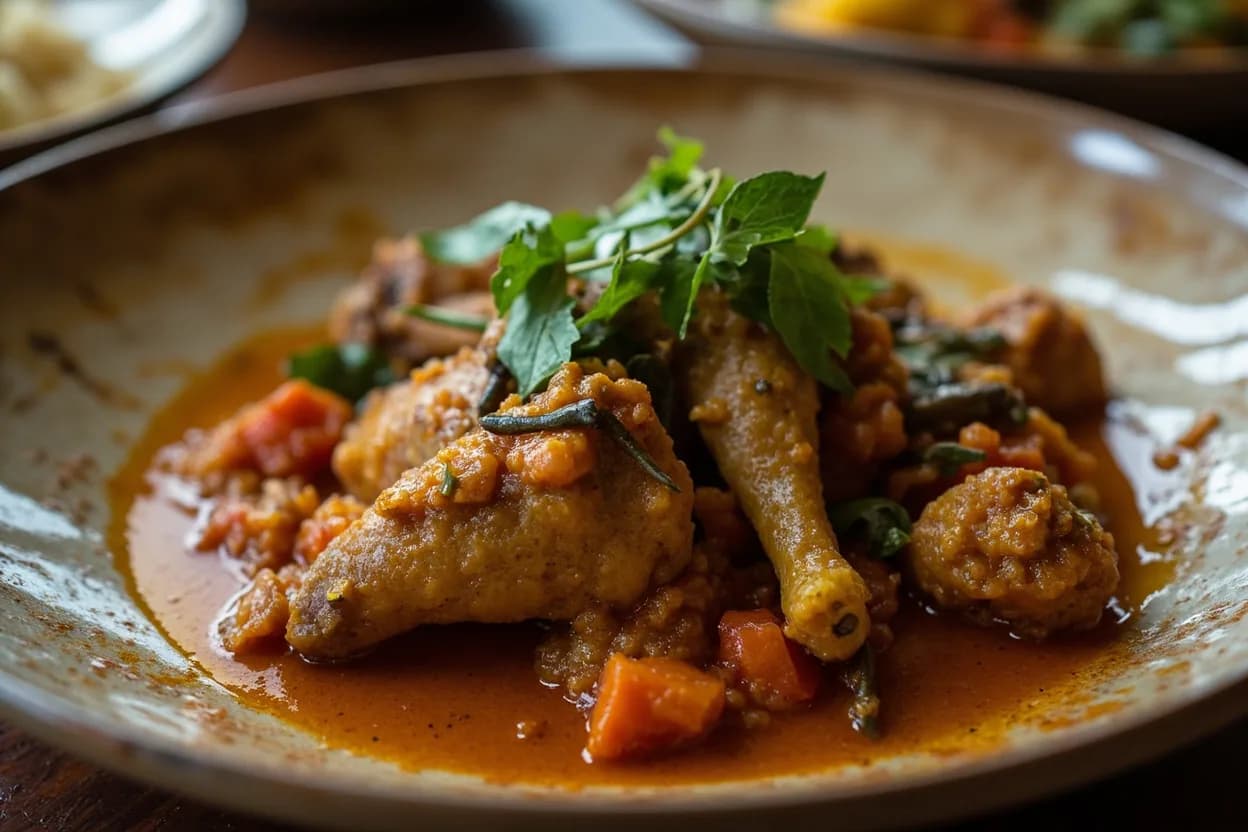
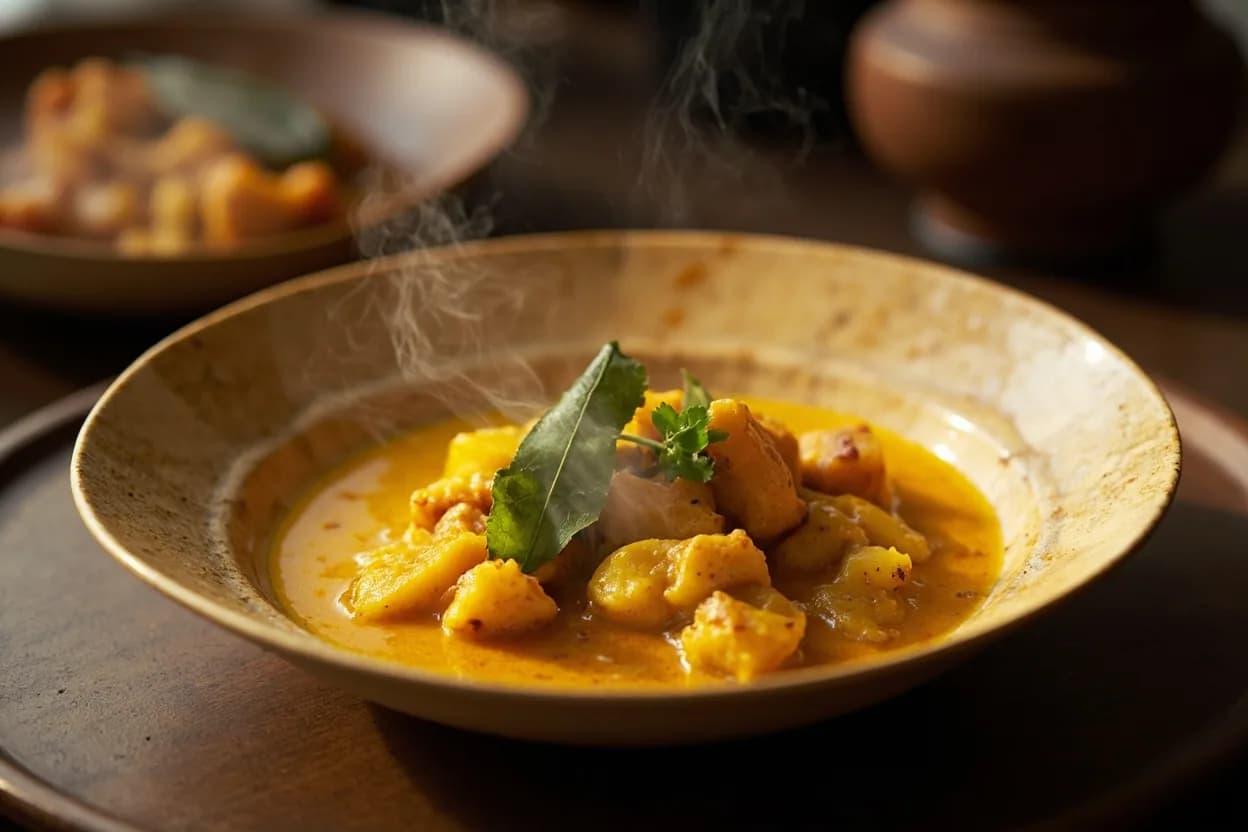

Related

Basil
Sweet, fragrant leaves for pesto, pasta, and caprese

Parsley
Fresh, grassy herb for finishing nearly any savory dish

Cilantro
Bright, citrusy herb for salsas, curries, and tacos

Mint
Cool, fragrant herb for teas, salads, and desserts
Rosemary
Piney, resinous herb for roasts, breads, and potatoes

Thyme
Earthy, floral herb for braises, roasts, and stocks

Sage
Savory, velvety herb for butter sauces and stuffings

Oregano
Pungent, peppery herb for tomato sauces and grilling