Spices
Asafoetida (Hing)
Pungent dried resin that mellows into a savory, onion-garlic note when fried in oil.
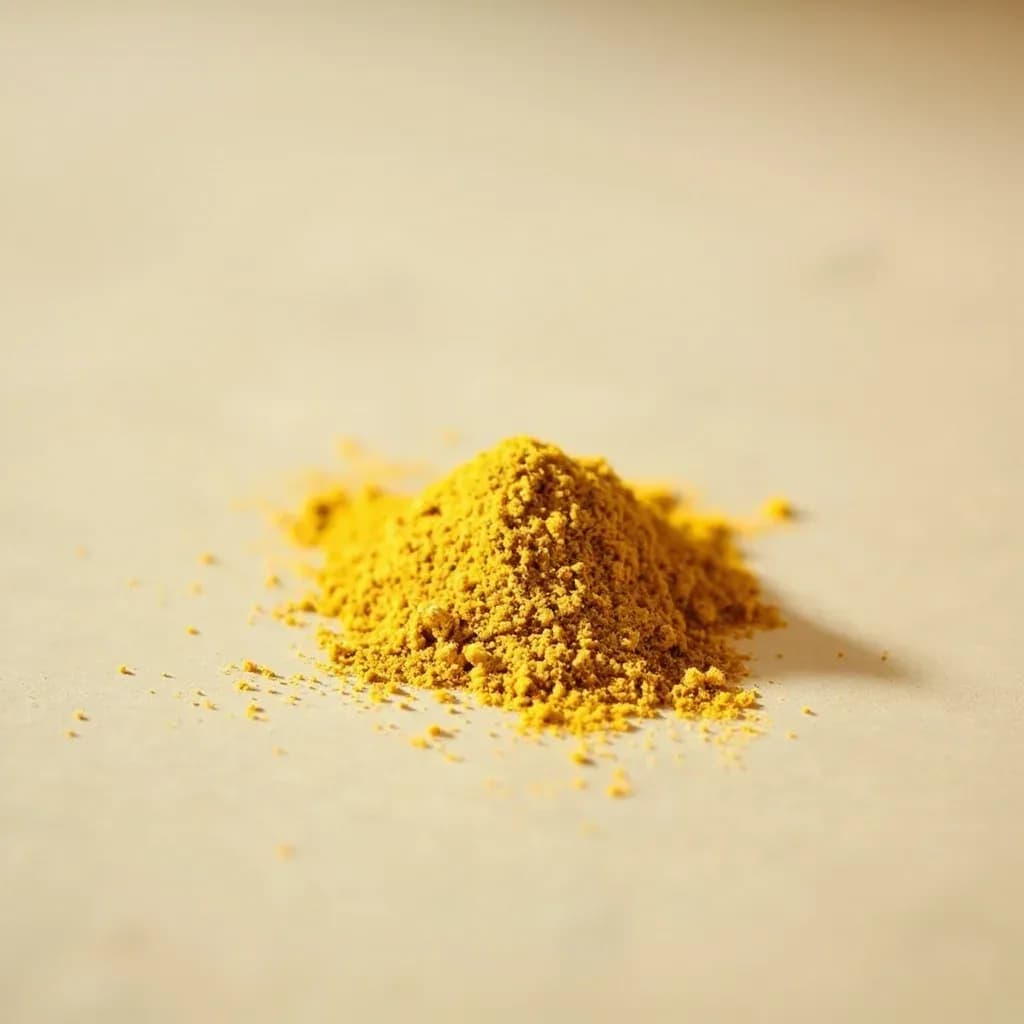
Asafoetida, or hing, is a dried resin from a giant fennel relative, sold as a strong-smelling powder. Used in tiny pinches in Indian cooking, it is bloomed in hot oil where its harsh raw aroma transforms into a savory, leek-and-garlic depth. It is especially valued in lentil dishes and as a flavoring for those who avoid onion and garlic.
Asafoetida (Ferula assa-foetida) is a dried latex resin tapped from the living taproots of giant Ferula plants, members of the Apiaceae family alongside carrots and celery. The resin is harvested without killing the plant, which can be tapped multiple times throughout its life. This ancient spice originates from Iran, Afghanistan, and Central Asia, though India has become its primary culinary home and the world's largest consumer.
The raw resin is notoriously pungent—its sulfurous, fetid aroma earned it the medieval English nickname "devil's dung"—and this intensity is why commercial asafoetida is almost always sold diluted, blended with rice flour or wheat flour to roughly 20–30% resin concentration. When fried in hot fat (ghee or oil) for just 10–20 seconds, the harsh notes dissolve and the resin transforms into something entirely different: a mellow, savory, onion-garlic character with deep umami. This magical transformation is the key to working with asafoetida, and the fried version bears no resemblance to the raw smell. In Indian cooking, particularly in Jain, Brahmin, and certain South Indian traditions where onion and garlic are avoided, asafoetida serves as the essential savory backbone of countless dishes, from dals and sambars to vegetable curries and temperings for pickles.
Beyond India, asafoetida maintains its rightful place in Persian and Afghan kitchens, where it seasons grilled meats and stews. Its history stretches back to ancient Greece and Rome, where it was used in cooking and medicine. The spice nearly vanished from European cooking after the Middle Ages, but it remains indispensable across South Asia, valued not only as a flavor agent but also as a digestive aid in traditional medicine.
- Measured in
- g
- Storage
- Pantry
Allergens
Types & varieties
Most common retail form; resin diluted with rice flour or wheat flour (typically 20–30% pure resin). Quality and concentration vary significantly by brand.
Compressed raw resin; rarely seen outside specialty markets. Requires grinding before use.
Pure hardened latex; extremely potent. Primarily used by spice blenders or traditional practitioners who know how to work with the concentrated form.
Regional South Indian term for a darker, coarser variety popular in Karnataka and Tamil Nadu cooking.
Often considered higher quality; traditional use in Iranian cuisine for kebabs, stews, and grilled meats.
Term for pre-diluted commercial powders. Indian versions use rice flour; some Middle Eastern versions use wheat flour as the carrier.
The Raw-to-Cooked Transformation
Understanding this transformation is essential to working with asafoetida effectively. Raw asafoetida resin contains volatile sulfur compounds that are intensely unpleasant—sharp, acrid, and reminiscent of rotting onions. When introduced to hot fat, these compounds vaporize and dissipate within seconds, while the resin softens and releases its savory compounds into the fat. The result is a complete flavor inversion. Properly fried asafoetida contributes a deep, rounded savory note with no sharpness remaining. Fat is non-negotiable in this process—asafoetida is not water-soluble, so adding it directly to water-based dishes without a fat tempering step produces harsh, unpleasant results.
- The frying time is short: 10–20 seconds in hot fat is sufficient
- Ghee is preferred in North Indian cooking; coconut oil is traditional in South India
- Add other spices (like cumin or mustard seeds) to the same fat after asafoetida begins to foam
The Harvesting Process
Asafoetida is harvested through a process similar to rubber tapping. When the Ferula plant reaches maturity, the top of the taproot is exposed and cut. A milky latex bleeds from the wound and is collected over several days as it exudes and hardens into reddish-brown tears or lumps. The plant is not killed in this process and can be tapped again in subsequent years. This sustainable harvesting method has been practiced for millennia in the arid regions of Iran and Afghanistan, where few other crops thrive.
Common uses
Tips & pitfalls
- Fry in hot fat for 10–20 seconds before adding other ingredients—this step is non-negotiable. Unfried asafoetida smells of raw sulfur and is unpleasant; fried, it develops its characteristic savory, mellow character.
- Start with a pinch—the diluted powder is still very potent. You can always add more; there is no fixing an over-seasoned dish.
- Add asafoetida at the start of cooking for maximum mellowing. Late addition leaves a sharper, less integrated edge to the flavor.
- Store in a tightly sealed glass jar, away from light, heat, and moisture. Air exposure causes the volatile compounds to degrade, reducing potency over time.
- Buy food-grade compound hing from reputable Indian grocers. Some lower-quality versions contain excessive flour fillers or weak resin—you will need to use more to achieve the same flavor.
- If using pure resin tears, dissolve a pea-sized piece in warm water or milk before adding to dishes; alternatively, grind to powder and sift before use.
- Do not confuse with silphium—an extinct Roman spice. Asafoetida is the only modern ingredient that approximates its flavor profile.
- In South Indian cooking, some cooks add a small piece of raw hing to hot oil and remove it after tempering, consuming only the infused oil. This delivers flavor without any texture.
Nutrition
Nutrition
No USDA FoodData Central match for Asafoetida (Hing) yet. We surface a per-100 g profile once a generic whole-food entry is matched and verified.
In the shops
Matched grocery products
No matched grocery products for Asafoetida (Hing) yet.
Good to know
- Scientific name
- Ferula assa-foetida (primary); also Ferula rubricaulis and other Ferula spp.
- Origin
- Iran, Afghanistan, Central Asia; primary cultivation in Iran and India
- Part used
- Dried latex resin from living taproots of Ferula plants
- Common form
- Compound powder (20–30% resin blended with rice or wheat flour); pure resin tears and lumps occasionally available
- Raw aroma
- Extremely pungent, sulfurous, and fetid—unpleasant to many
- Cooked flavor
- Savory, umami-rich, mellow onion-garlic; no sharpness when properly fried
- Shelf life
- Sealed container in cool, dark place: 1–2+ years; pure resin outlasts flour-based versions
- Dietary role
- Primary vegetarian/vegan substitute for onion and garlic; central to Jain and Brahmin cooking
Substitutes
- Garlic and onion — The direct flavor equivalent when dietary restrictions allow. Use 1 small onion and 1 clove garlic per ¼ tsp hing for a dish serving 4.
- Onion powder + garlic powder — Weaker substitute; use ½ tsp each per ¼ tsp hing. Does not replicate the umami depth of properly fried asafoetida.
- Asafoetida oil/essence — Highly concentrated; a single drop replaces ½ tsp powder. Use sparingly and verify the product is food-grade.
- Asafoetida tincture — Alcohol-based extract; used in very small quantities. Rare in home cooking but available from specialty suppliers.
Pairs with
Also called
asafoetida-hing · hing
Appears in these dishes
Related
Salt
The one seasoning that makes everything else taste like itself

Black Pepper
Pungent, woody heat — best cracked fresh over anything savory
Amchur
Dried unripe mango ground to a tart, fruity souring powder
Paprika
Sweet, vivid ground pepper for color and gentle warmth
Smoked Paprika
Deep, smoky ground pepper for a campfire warmth
Cumin
Warm, earthy spice central to curries, chili, and tacos
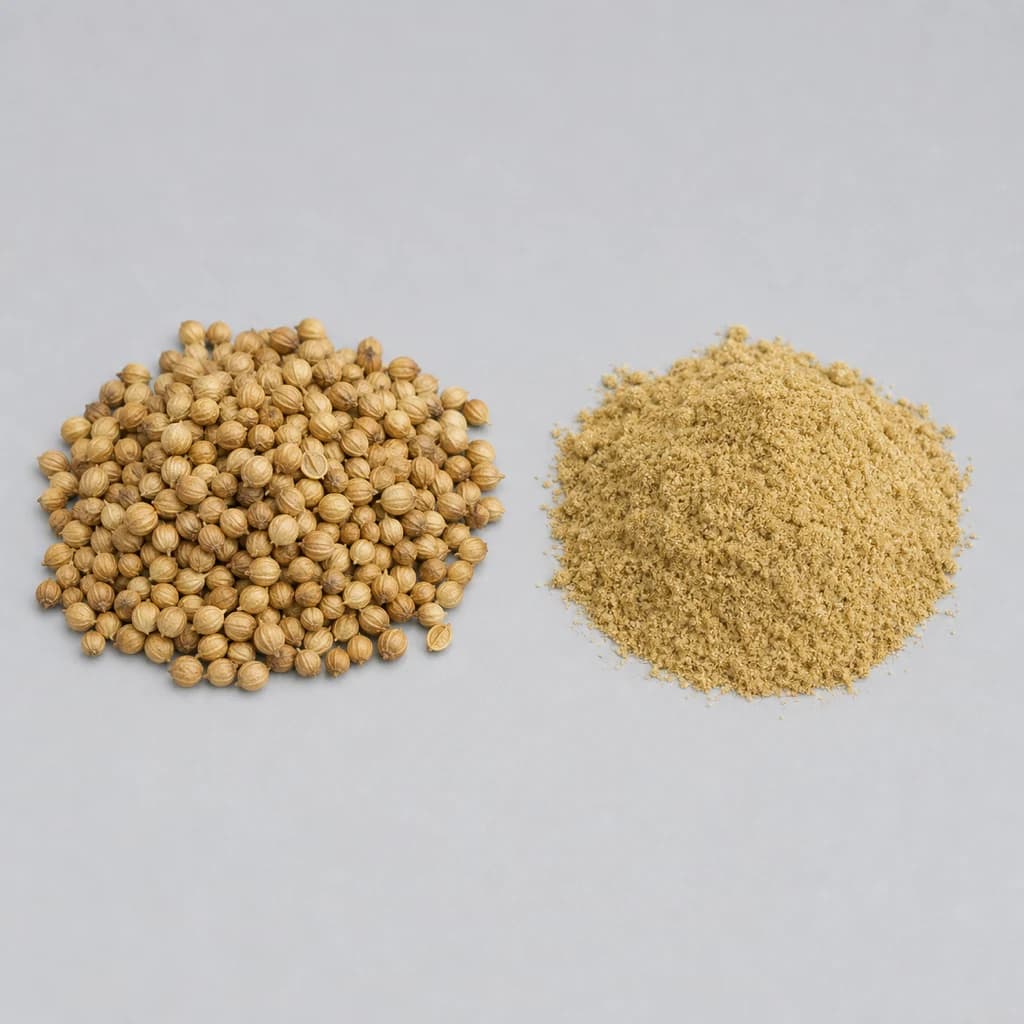
Coriander Seed
Citrusy, warm seed for curries, pickles, and rubs
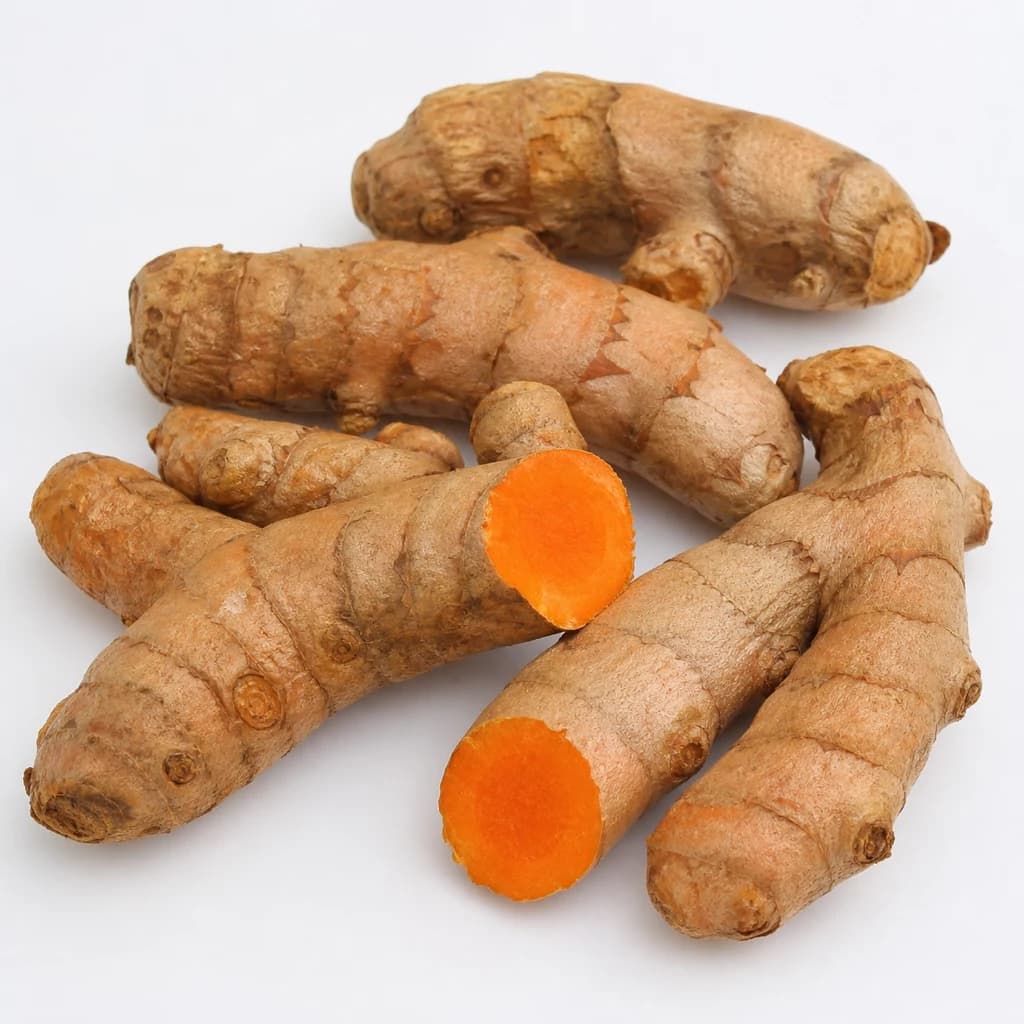
Turmeric
Golden, earthy spice for curries, rice, and color