Stored
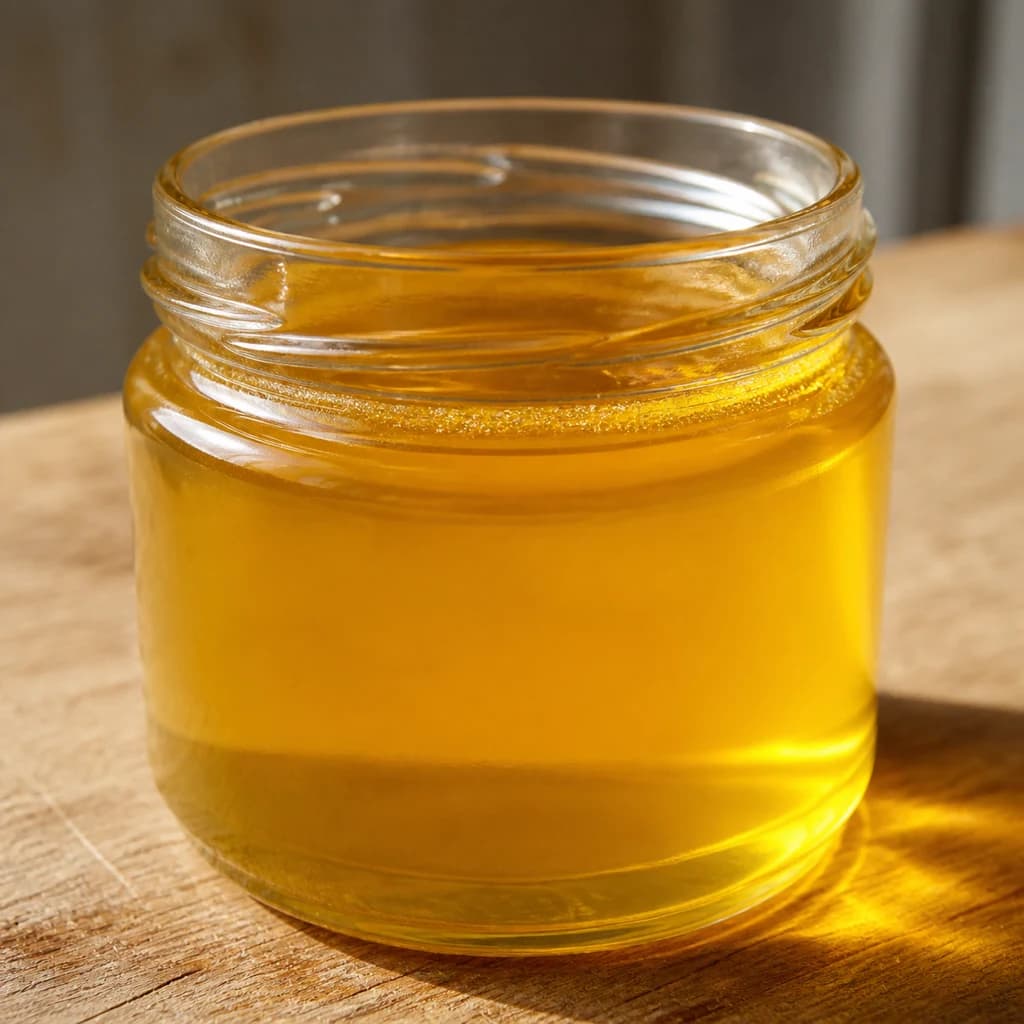
Golden clarified butter in a glass jar, solid at room temperature, shelf-stable without refrigeration.
Shows the distinctive amber-gold color, translucent clarity, and typical storage vessel that readers will encounter when buying or making ghee.
Oils & Fats
Clarified Butter (Ghee)
Butter with milk solids removed for a high smoke point and nutty flavor; the cooking fat ghee.
Clarified butter is made by gently melting butter and removing the water and milk solids, leaving pure golden butterfat. Cooked a bit longer it becomes ghee, with a toasty, nutty aroma central to Indian and Middle Eastern cooking. Its high smoke point and long shelf life make it ideal for frying and tempering spices.
Clarified butter is butter that has been heated to separate and remove the water and milk solids, leaving behind pure golden butterfat. This deceptively simple process transforms an ingredient with a relatively low smoke point and short shelf life into one of the most versatile and stable cooking fats in any kitchen. The resulting fat is nearly 100% butterfat, giving it exceptional resistance to burning and a remarkably long storage life at room temperature.
The distinction between clarified butter and ghee is largely cultural rather than technical. Both are butterfat with water and milk solids removed. The term 'ghee' typically refers to the Indian subcontinent's traditional method, where butter is slow-simmered until the milk solids caramelize and settle, creating the characteristic nutty aroma from Maillard reaction products. Western clarified butter is often made more quickly through gentle melting and straining. Functionally, they are interchangeable, though traditional ghee carries deeper flavor from those browned milk solids.
The behavior of clarified butter in cooking sets it apart from whole butter. With a smoke point of 482°F (250°C) — roughly 180°F higher than regular butter — it can withstand the high heat required for searing, deep-frying, and stir-frying without breaking down or burning. The removal of milk solids also eliminates the primary source of rancidity, explaining its extraordinary shelf stability. At room temperature, it remains semi-solid with about 65% solid fat content, melting smoothly between 86–98°F.
- Measured in
- g
- Storage
- Pantry
Allergens
Types & varieties
Slow-simmered until milk solids brown; deepest nutty flavor and amber color
Melted and strained without simmering; lighter color, milder flavor
Traditional variation from Himalayan region; often made from yak or cow milk
American commercial term; typically made via centrifugal separation rather than traditional simmering
Plant-based clarified fats (coconut, avocado) marketed as 'ghee'; technically clarified fat, not true dairy ghee
Traditional hand-churned butter clarified in Indian villages; distinct from commercial production
Clarified butter simmered until the milk solids brown — nutty, high smoke point and shelf-stable; sears and fries far hotter than whole butter.
Making Your Own
While commercial clarified butter is readily available, making it at home is straightforward and yields a superior product, especially using the traditional simmering method. The process requires only unsalted butter and a heavy-bottomed saucepan. Starting with unsalted butter prevents salt from interfering with separation and causing the milk solids to clump rather than settle cleanly.
- Use unsalted butter only — salt complicates separation and causes clumping
- Line your strainer with 2–3 layers of cheesecloth for the clearest fat
- Skim foam thoroughly during simmering for a cleaner final product
- If milk solids stick to the pan bottom, the batch is burned — discard it entirely
- Store in airtight containers away from strong odors; clarified butter absorbs flavors readily
Storage and Shelf Life
The removal of milk solids eliminates the primary cause of butter rancidity, making clarified butter remarkably stable. At room temperature in an airtight container, it remains fresh for 3–6 months. Refrigeration extends this to over a year. The fat may solidify or develop a grainy texture when cold, but returns smoothly to liquid form when warmed. For frequent cooking, keep a jar at the stove for immediate access.
- Store away from strong-smelling foods — it absorbs odors readily
- Refrigerated storage dramatically extends usability beyond the stated shelf life
- Solidified clarified butter can be scooped directly into hot pans
Common uses
Tips & pitfalls
- Always start with unsalted butter; salt causes milk solids to clump instead of settling cleanly
- Cook over medium-low heat — rushing produces bitter burned milk solids that ruin the batch
- Stop cooking when milk solids turn golden-brown, not dark brown or black
- Line your strainer with cheesecloth for the clearest possible fat, especially important for finishing applications
- Skim all foam from the surface during simmering; leaving it results in trapped moisture
- If milk solids stick to the pan bottom, the entire batch is compromised — discard and start over
- Store in airtight containers away from strong odors; it absorbs flavors from nearby foods
- A cup of clarified butter can replace a cup of regular butter in baking, though you'll lose some moisture contribution
- Use about one-third less volume than regular butter in some applications due to its concentrated flavor
- True clarified butter and traditional ghee are functionally identical despite different names and production methods
Nutrition
Energy
3766 kJ · per 100 g
Where the calories come from
Protein
0g
0% DV
Carbs
0g
0% DV
Fat
100g
128% DV
Fiber
0g
0% DV
Sugars
0g
of which
Sodium
0mg
0% DV
Source · USDA FoodData Central · Butter, Clarified butter (ghee)
View on FDC →In the shops
Matched grocery products
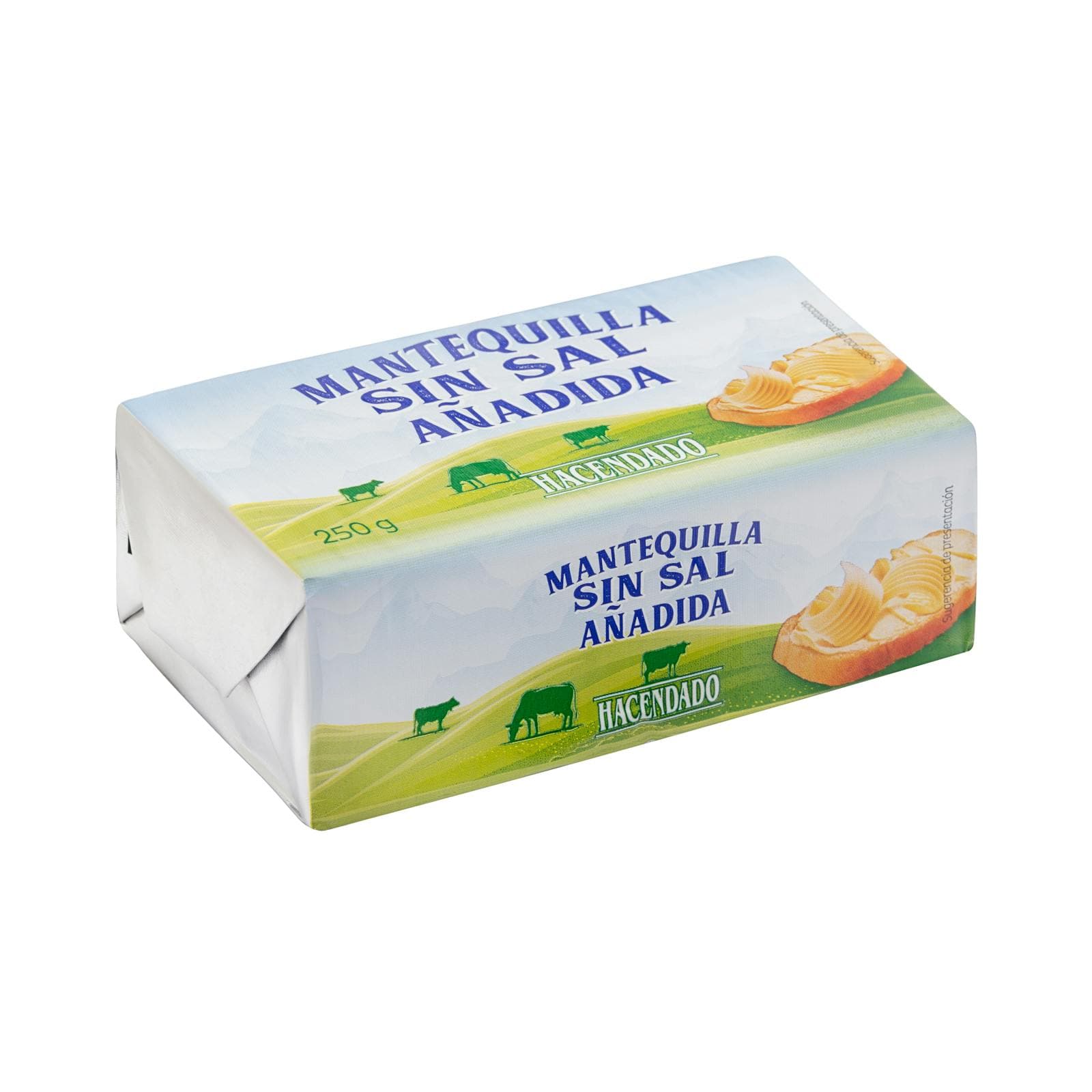 €2.10
€2.10Unsalted Butter
Hacendado · 250 g · Mercadona
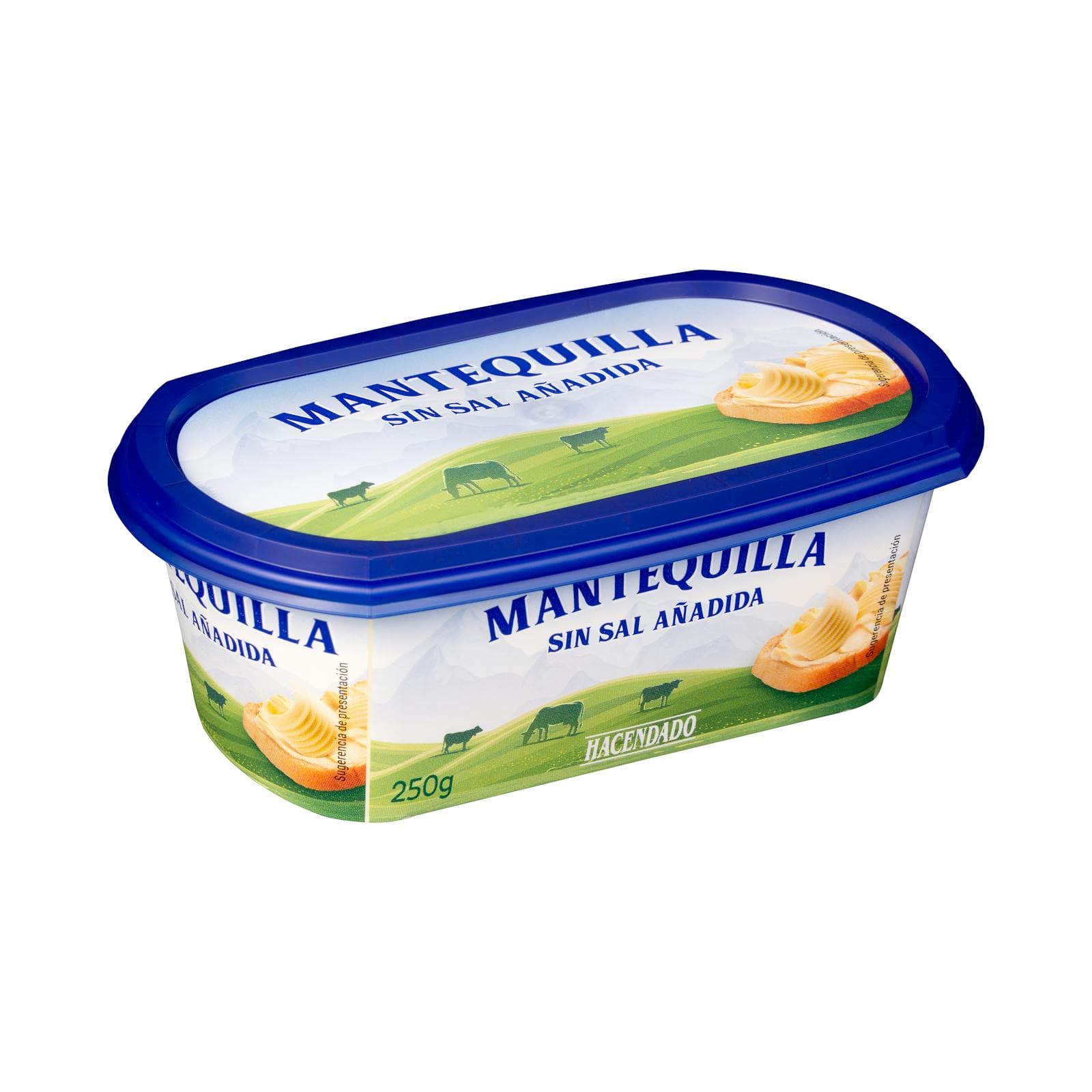 €2.45
€2.45Unsalted Butter
Hacendado · 250 g · Mercadona
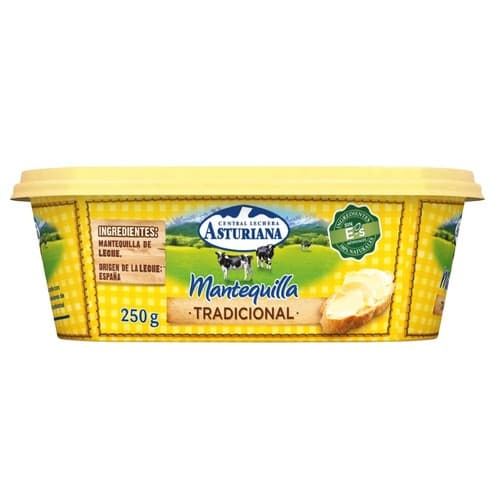 €3.69
€3.69Unsalted Butter
ASTURIANA · kg · Bonpreu
 €8.90
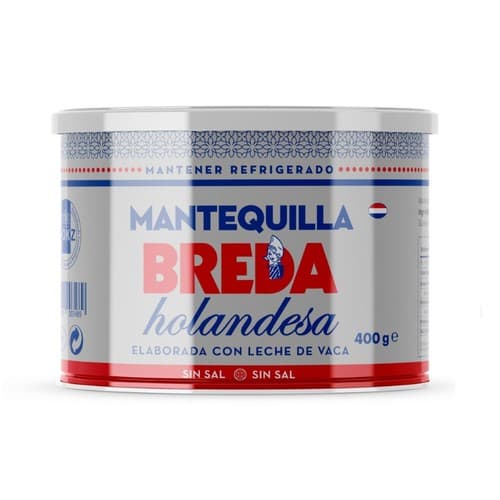
€8.90BREDA Unsalted Butter
BREDA · kg · Bonpreu
 €2.39
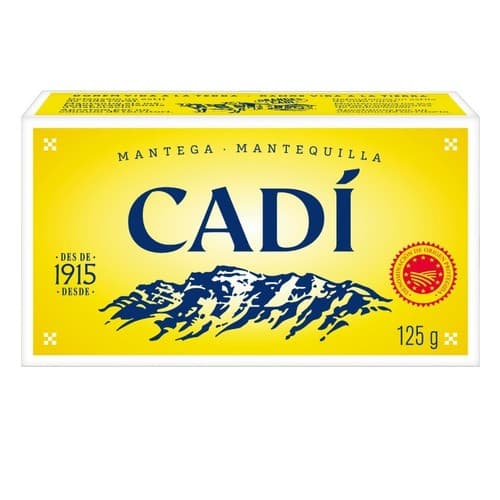
€2.39Cadí Butter
CADÍ · kg · Bonpreu
 €3.99
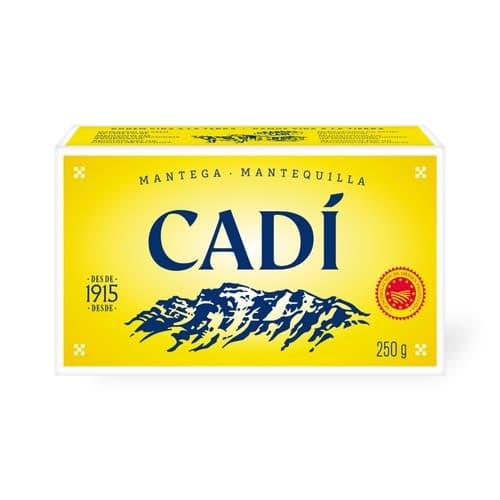
€3.99Cadí Butter
CADÍ · kg · Bonpreu
Good to know
- Origin
- Indian subcontinent; documented in Ayurvedic texts dating to ~1500 BCE
- Composition
- Pure butterfat; milk proteins and water removed
- Smoke Point
- 482°F (250°C)
- Butter Smoke Point
- 302°F (150°C) — for comparison
- Yield
- Approximately 75–80% of original butter weight
- Solid Fat Content
- ~65% at 68°F (20°C); melts around 86–98°F
- Shelf Life
- 3–6 months at room temperature; 1+ year refrigerated
- Key Flavors
- Dairy carbonyls concentrated through heating; nuttiness from pyrazines formed during traditional simmering (not quick methods)
Substitutes
- Refined Avocado Oil — Highest smoke point substitute (~520°F); neutral flavor; best choice for high-heat frying when dairy flavor is unwanted
- Refined Coconut Oil — ~400°F smoke point; mild coconut note may affect savory dishes but works well in many applications
- Light Olive Oil (Refined) — ~465°F smoke point; acceptable substitute for Mediterranean and Middle Eastern dishes
- Vegetable Shortening — Similar smoke point; completely neutral dairy-free flavor; acceptable for frying and baking
- Duck Fat — Rich umami character; excellent for roasting potatoes; not dairy-free but a flavorful alternative
Also called
Ghee · Roghan-e Zard · Samna · Niter Kibbeh · Spiced Clarified Butter
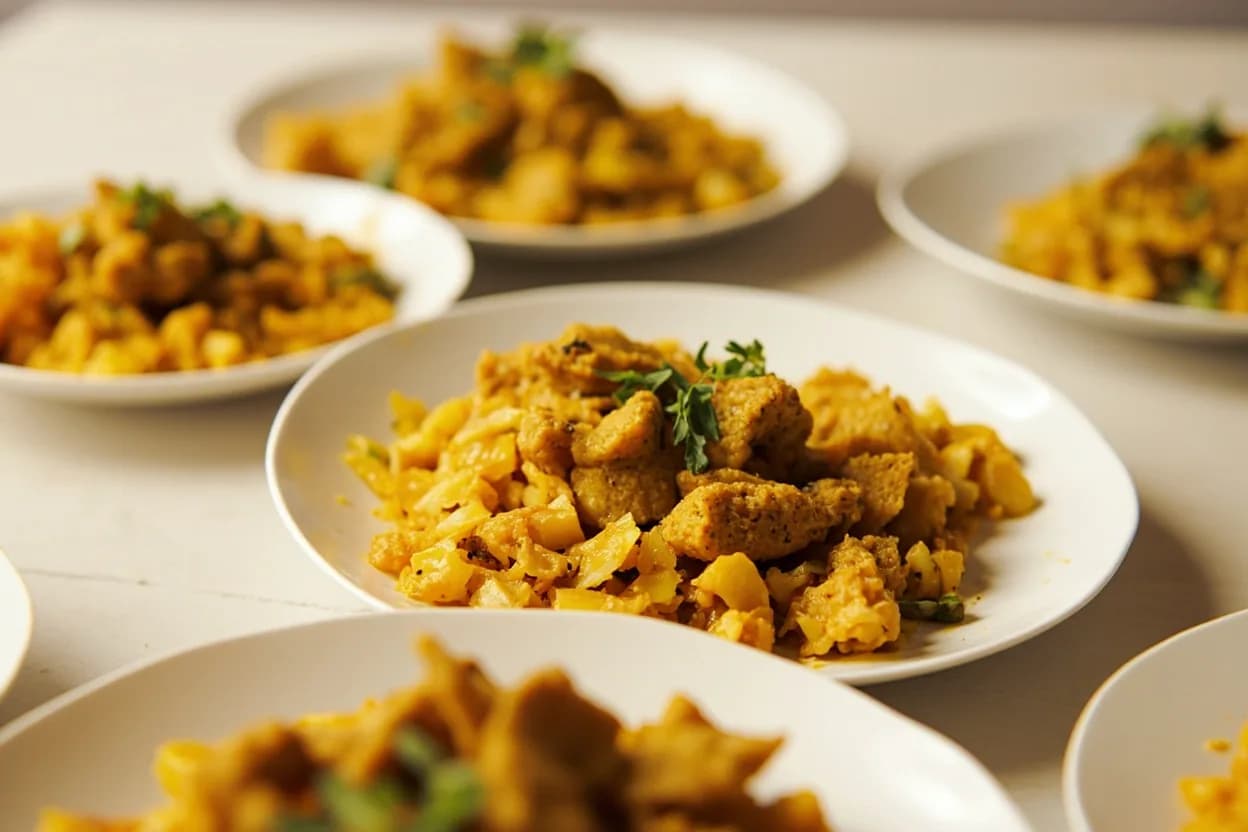
Appears in these dishes
Related
Olive Oil
Fruity, peppery everyday oil for sautéing, dressing, and finishing
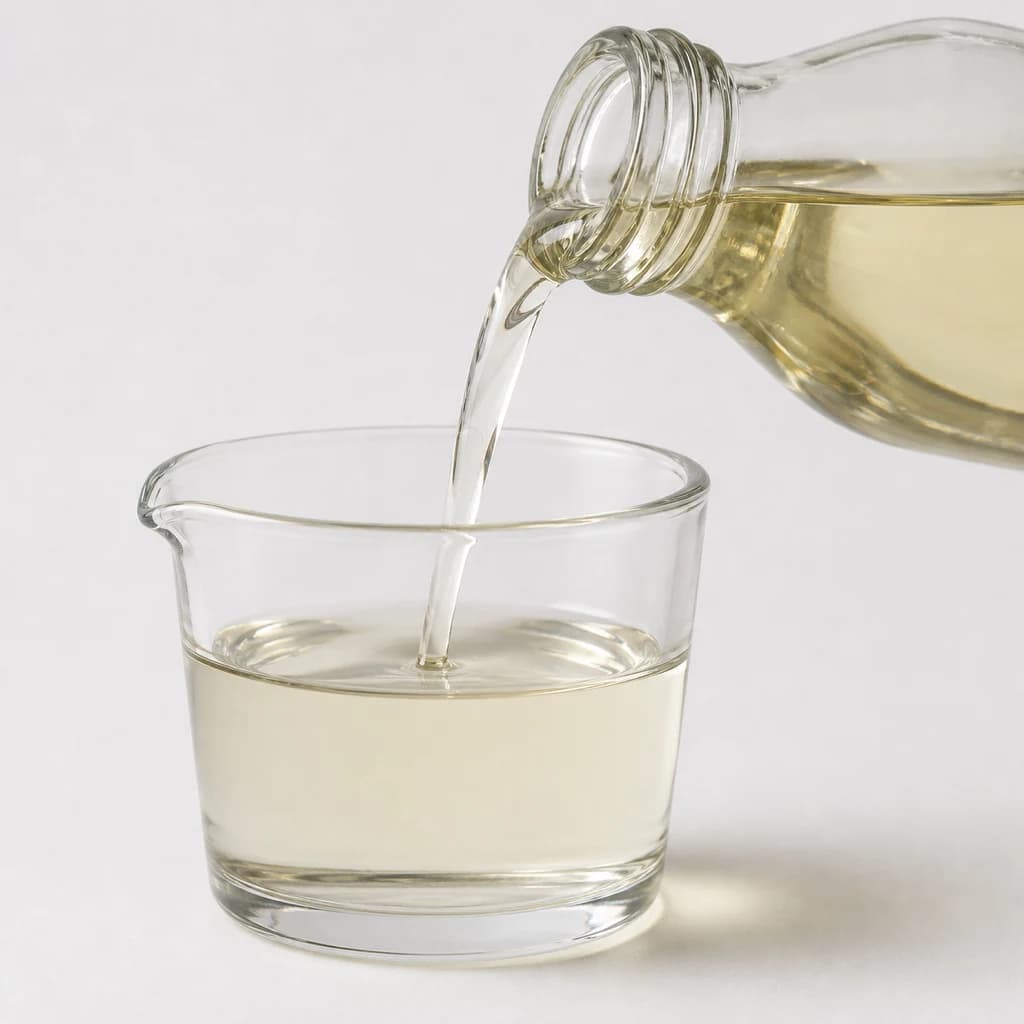
Vegetable Oil
Neutral, high-heat oil for frying and all-purpose cooking
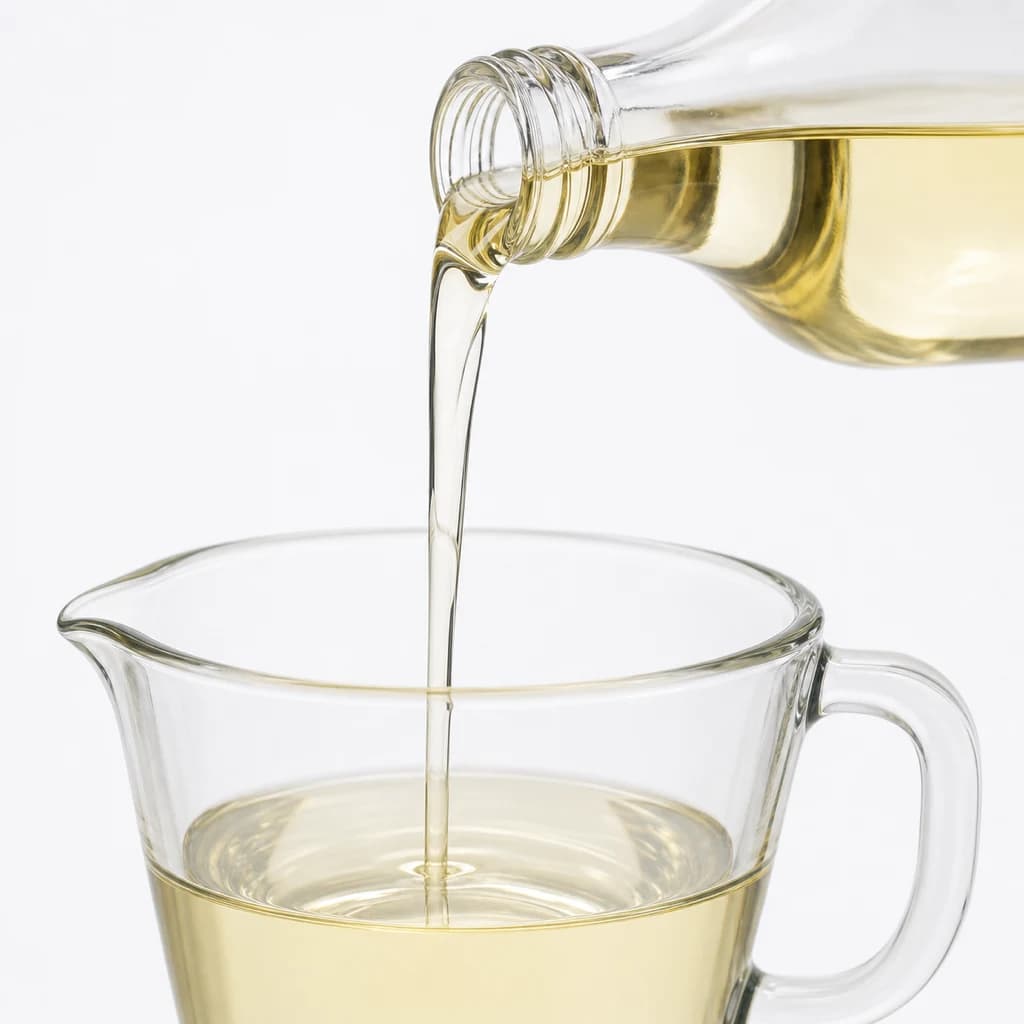
Canola Oil
Light, neutral oil for frying, baking, and dressings

Sunflower Oil
Clean, neutral oil for frying and everyday cooking
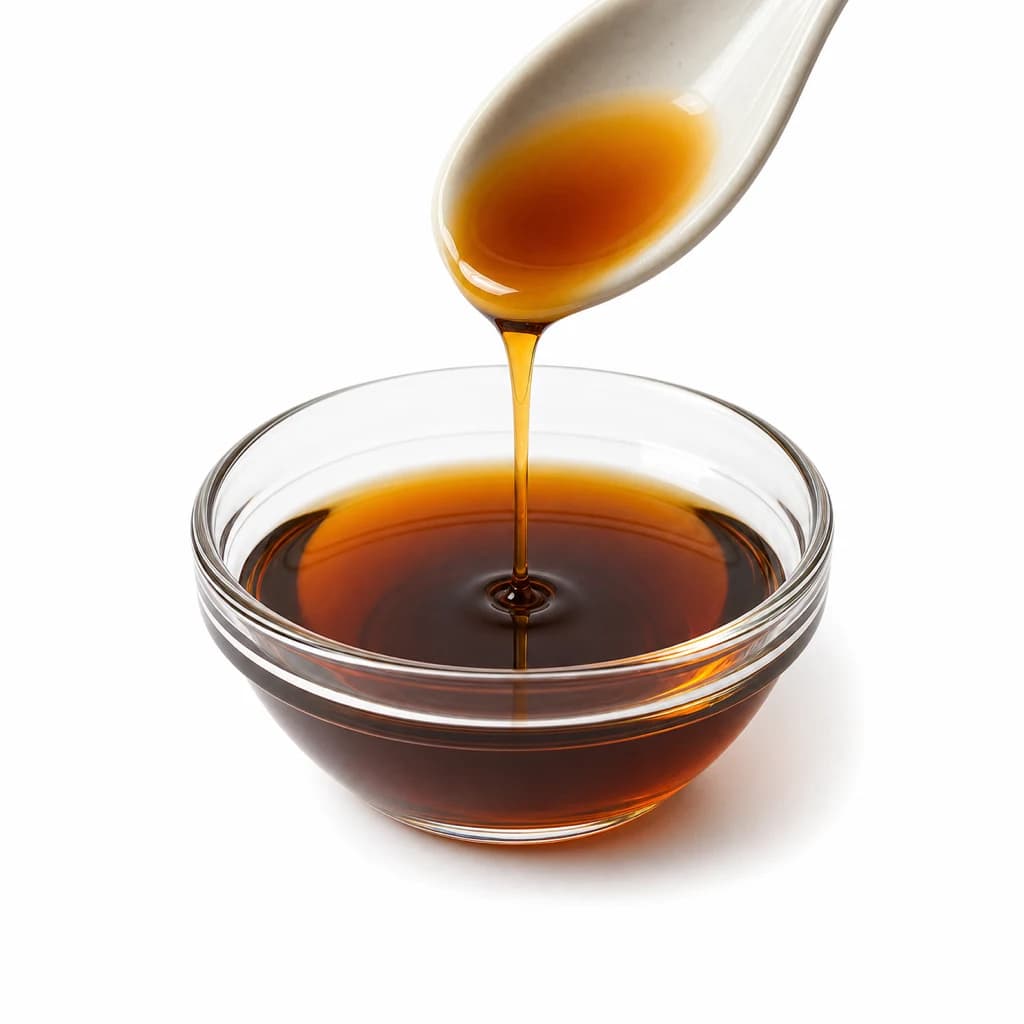
Sesame Oil
Toasty, aromatic oil — a finishing splash for Asian dishes
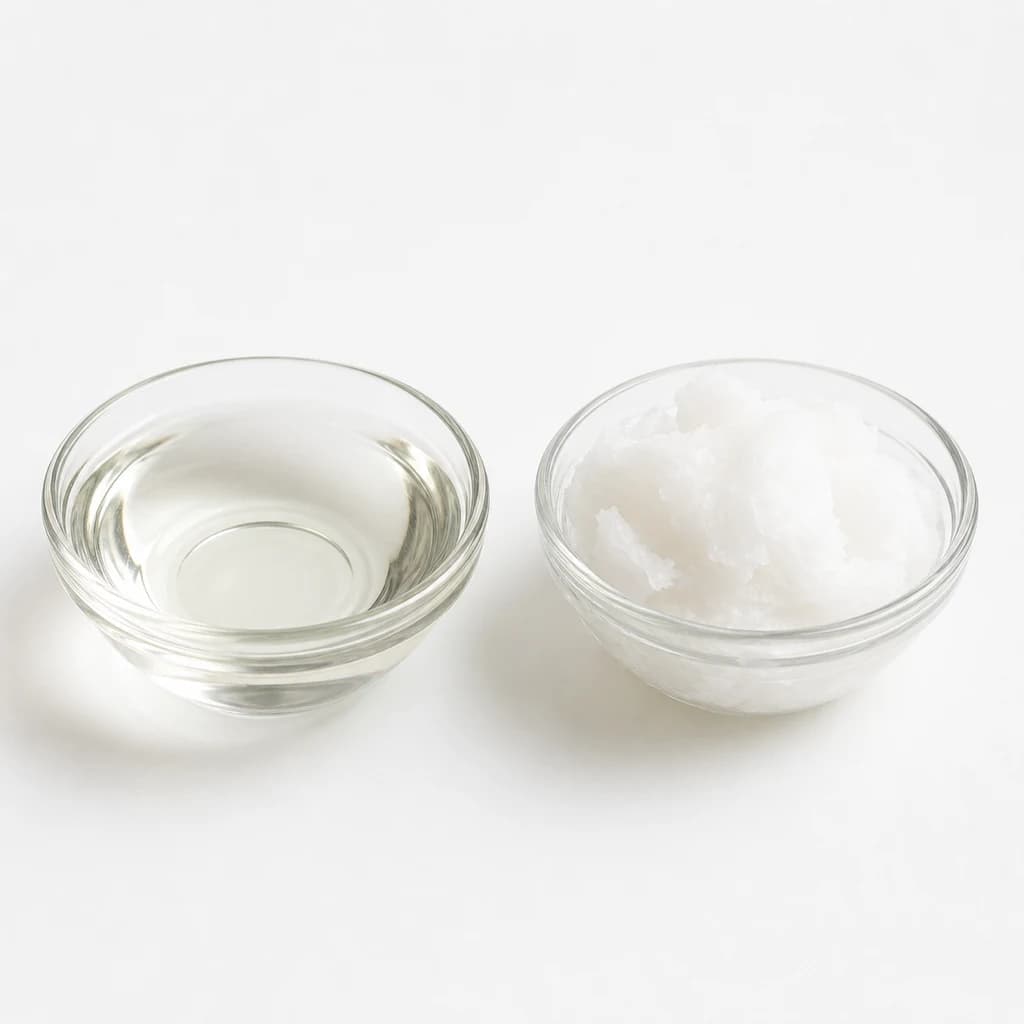
Coconut Oil
Fragrant, solid-at-room-temp fat for baking and frying
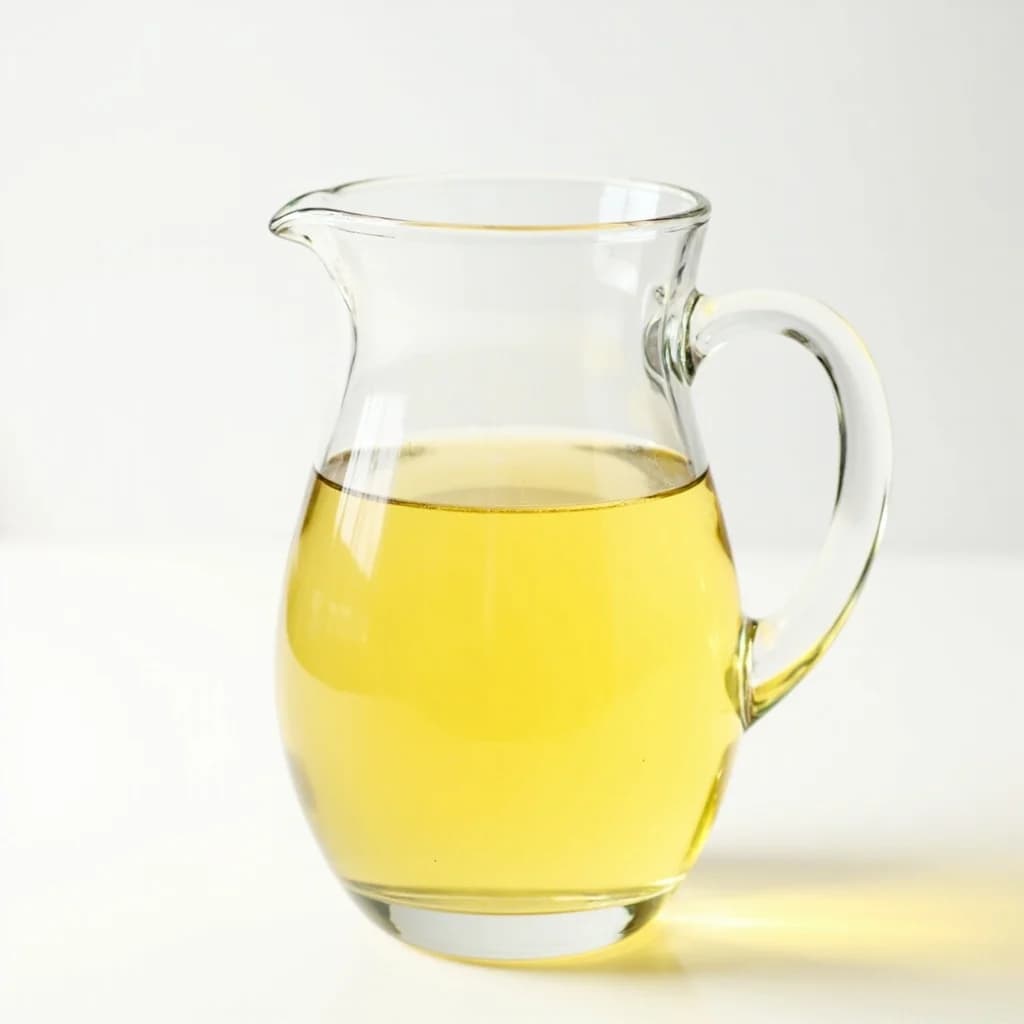
Peanut Oil
High-heat oil with a faint nutty note — ideal for frying

Lamb Tail Fat
Rich rendered fat from fat-tailed sheep — used as a cooking fat and flavor base in Central Asian and Middle Eastern dishes.