Dairy & Eggs
Ghee
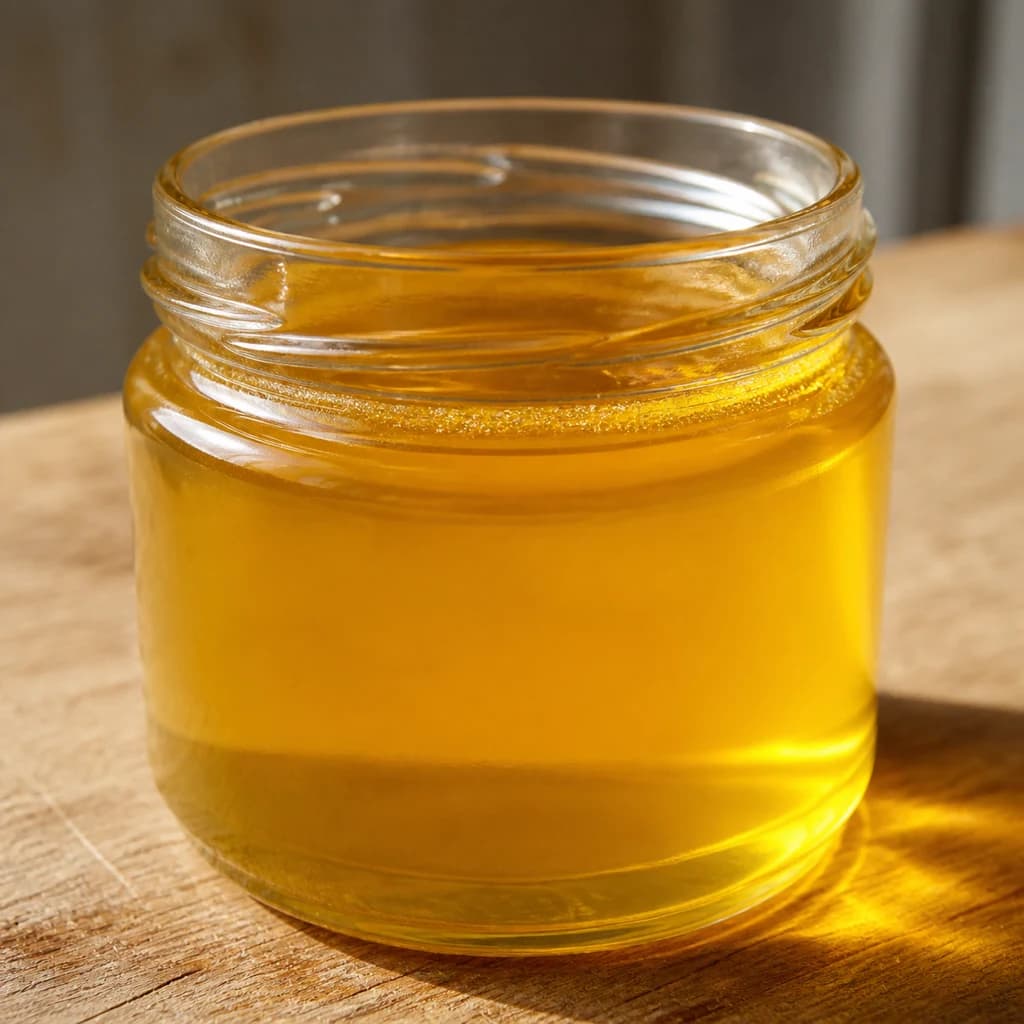
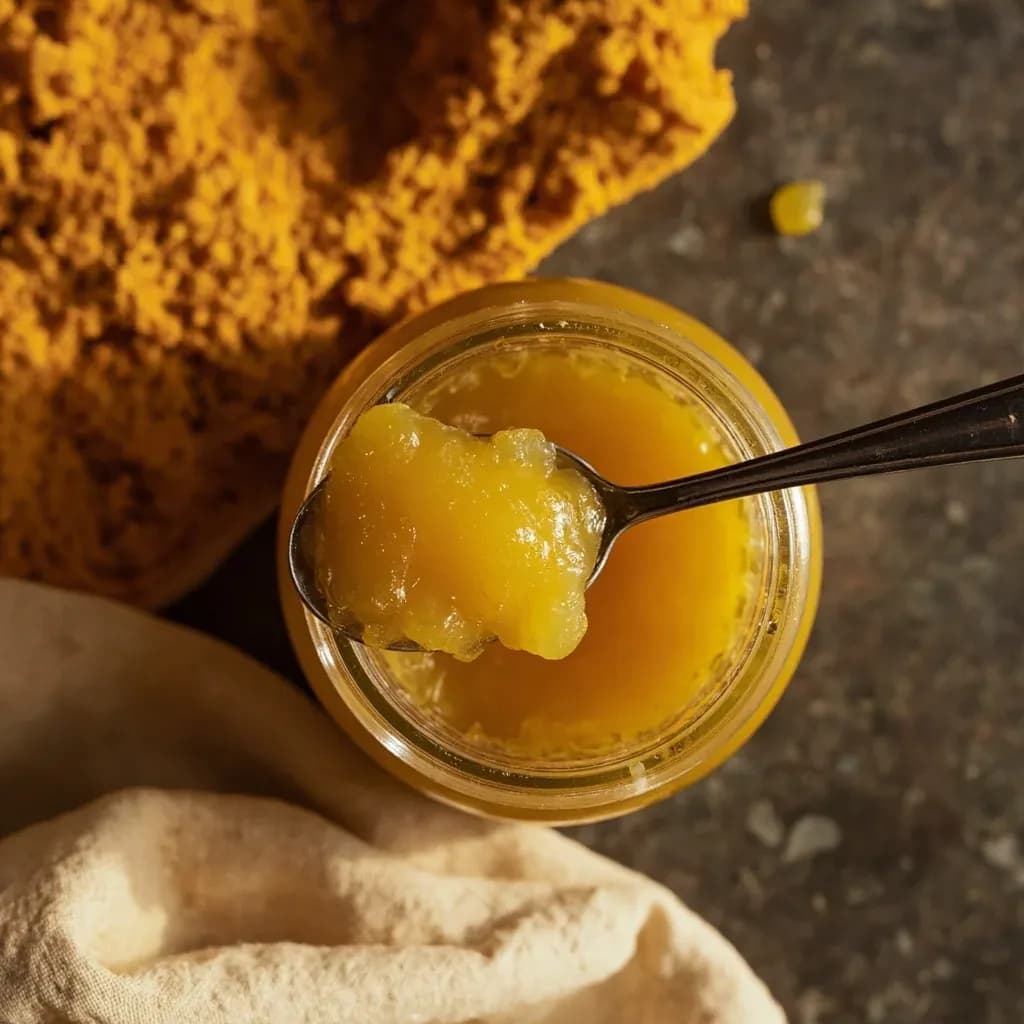
Clarified butter simmered until the milk solids brown — nutty, high smoke point and shelf-stable; sears and fries far hotter than whole butter.
Ghee is what happens when you take butter apart and put most of it back together differently. Butter is roughly 80% milkfat, 18% water, and 2% milk solids (casein, lactose, whey proteins). Melt it gently and the water evaporates, the solids sink, and you can pour off the clear golden fat. Ghee goes one step further: the solids aren't just removed, they're toasted in the hot fat until they turn deep amber, and that Maillard browning is what gives ghee its nutty, almost caramel aroma and its characteristic color. The result is a nearly anhydrous fat — about 99–100% milkfat — that behaves very differently from whole butter.
That difference shows up in three ways that matter at the stove. First, smoke point: whole butter scorches and blackens around 150 °C / 300 °F, while ghee handles roughly 250 °C / 485 °F, putting it in the company of refined coconut oil and avocado oil rather than ordinary butter. Second, shelf life: with the water and most of the solids gone, ghee resists rancidity for months at room temperature in a sealed jar, which is why South Asian kitchens have traditionally kept it on the pantry shelf, unrefrigerated. Third, flavor: toasted milk solids contribute a savory, slightly butterscotch depth that plain clarified butter lacks. The trade-off is dairy character — trace casein and lactose remain, so it's tolerated by many lactose-intolerant cooks but not by anyone with a serious milk-protein allergy.
- Measured in
- g
- Storage
- Pantry
Allergens
Find it in
Suits
Types & varieties
Lighter, more golden, slightly sweeter; the most common variety in North America and Europe
Whiter, denser, richer; traditional across much of South Asia, especially for sweets and Ayurvedic use
Made from butter churned from cultured cream or yogurt (the traditional hand-churned bilona method); tangier, more aromatic
Made from butter of pasture-raised cows; deeper yellow from higher beta-carotene, more complex flavor
Made from certified-organic butter; the only meaningful label, since 'ghee' itself is not a regulated term
Produced in parts of the Middle East and South Asia; stronger, gamier flavor
Ghee vs. Clarified Butter vs. Brown Butter
These three are often treated as the same thing, but they are built differently and aren't always interchangeable.
- Ghee: milk solids are removed AND toasted in the fat until deep amber. Nutty aroma, ~250 °C smoke point, months of shelf life, golden-amber color.
- Clarified butter (drawn butter): milk solids are removed but not browned. Mild sweet-dairy flavor, similar high smoke point, the classic fat for French sauces and seafood.
- Brown butter (beurre noisette): milk solids are toasted in the fat, but the fat is poured off WITH the solids. Custardy, intensely nutty, lower smoke point, and doesn't keep well.
Common uses
Tips & pitfalls
- Use unsalted sweet-cream butter; salted and European-style cultured butters scorch unpredictably and can taste briny in the finished ghee
- Start on medium heat and drop to medium-low once the foaming subsides — most burnt batches come from leaving the heat on high the whole time
- Listen for the sound: gentle hissing and a nutty aroma means it's done; popping or an acrid smell means the solids have caught and the batch is ruined
- Strain through two layers of cheesecloth or a coffee filter to catch every fleck of solids; any residue left in the fat shortens shelf life
- Pour into a warm, dry glass jar — moisture from a cold or wet jar can spoil an otherwise good batch
- A pinch of turmeric (about 1/8 tsp per 225 g butter) is traditional in some regional recipes and is said to extend keeping qualities; it will tint the ghee golden-orange
- If the finished ghee smells or tastes bitter or acrid rather than nutty, throw it out — it has oxidized and will turn every dish you add it to sharp
- Don't crowd the pan when frying in ghee; even well-strained ghee browns food fast and can go from caramel to burnt in seconds
Nutrition
Energy
3766 kJ · per 100 g
Where the calories come from
Protein
0g
0% DV
Carbs
0g
0% DV
Fat
100g
128% DV
Fiber
0g
0% DV
Sugars
0g
of which
Sodium
0mg
0% DV
Source · USDA FoodData Central · Butter, Clarified butter (ghee)
View on FDC →In the shops
Matched grocery products
 €2.10
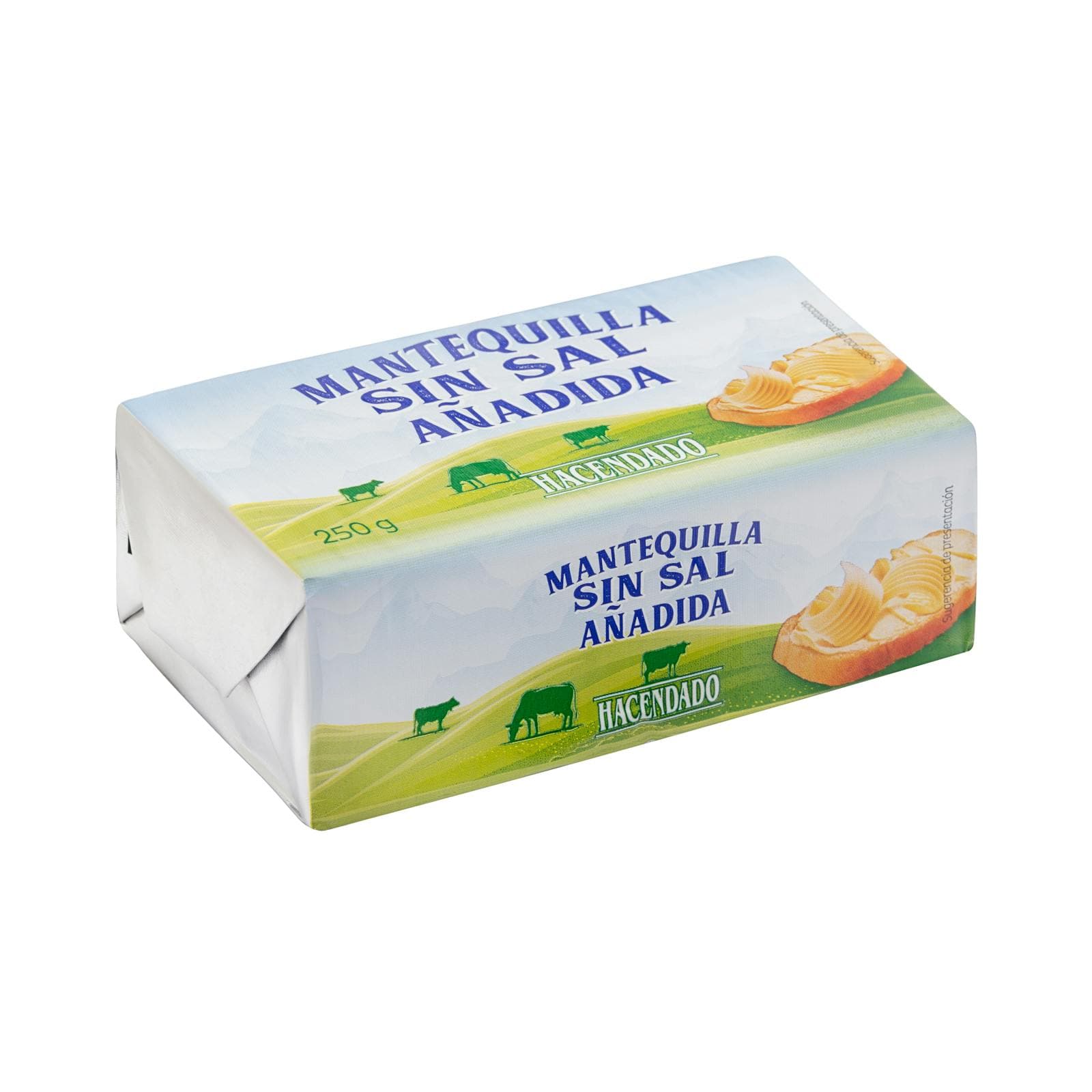
€2.10Unsalted Butter
Hacendado · 250 g · Mercadona
 €2.45
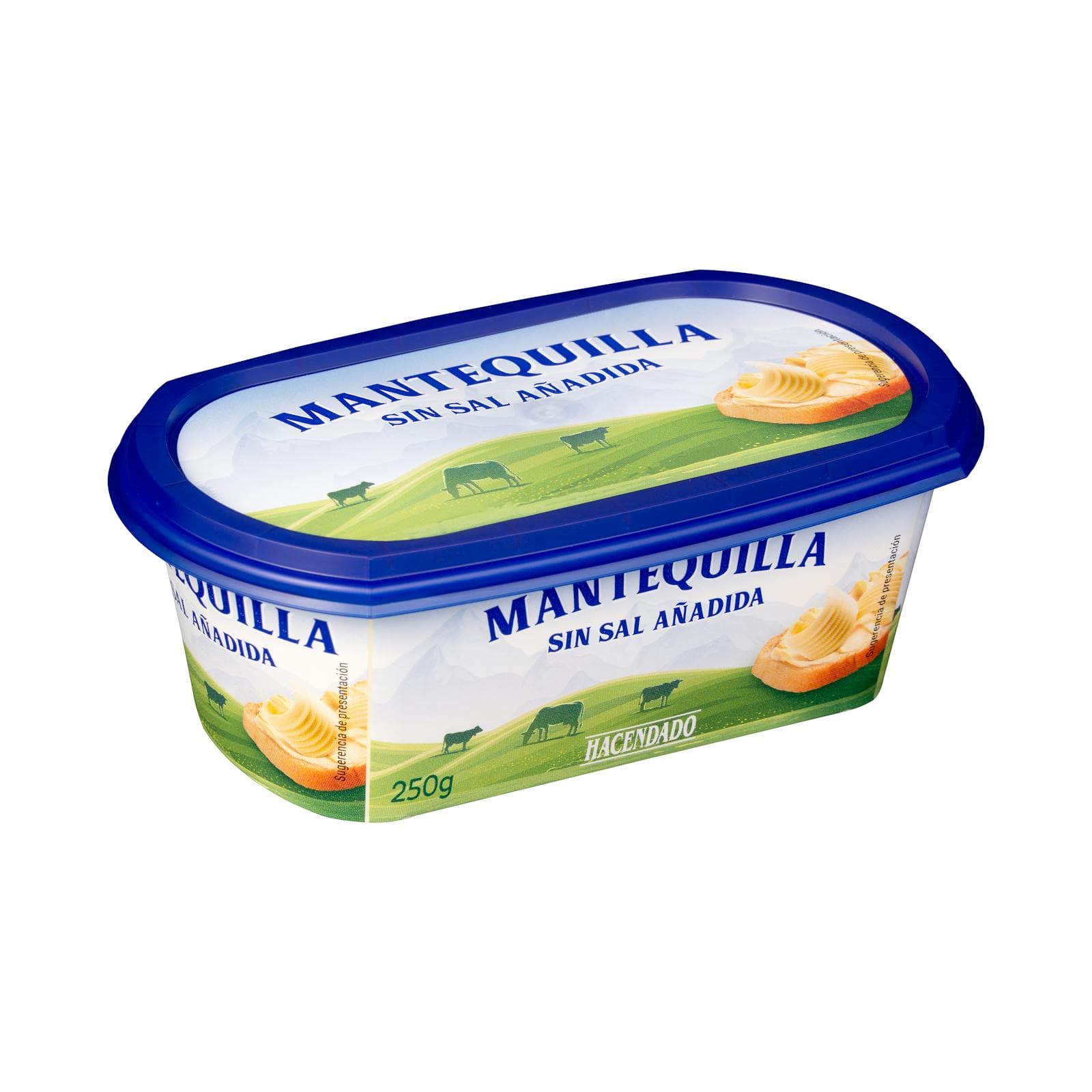
€2.45Unsalted Butter
Hacendado · 250 g · Mercadona
 €3.69
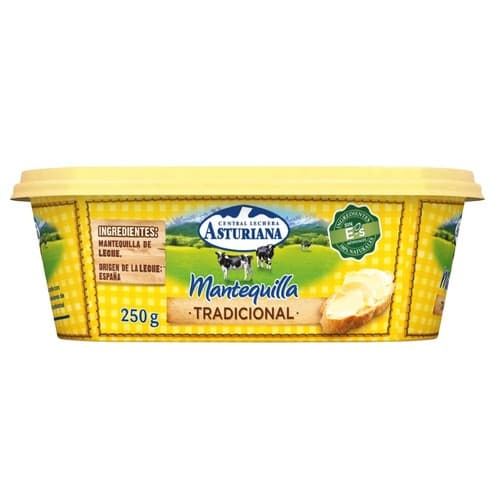
€3.69Unsalted Butter
ASTURIANA · kg · Bonpreu
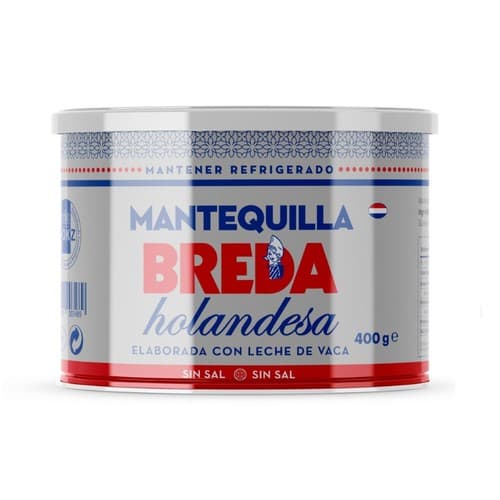 €8.90
€8.90BREDA Unsalted Butter
BREDA · kg · Bonpreu
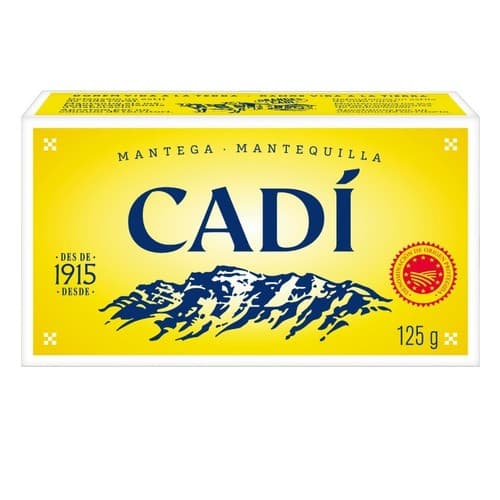 €2.39
€2.39Cadí Butter
CADÍ · kg · Bonpreu
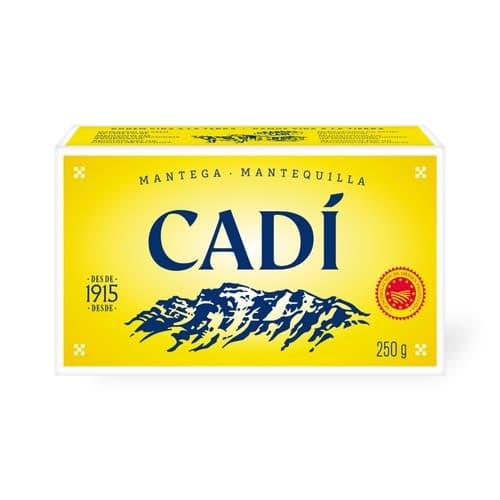 €3.99
€3.99Cadí Butter
CADÍ · kg · Bonpreu
Good to know
- Also known as
- Clarified butter; ghī/ghṛta (Sanskrit/Hindi)
- Composition
- ~99–100% milkfat; virtually all water, lactose, and casein removed
- Smoke point
- ~250 °C / 485 °F (versus ~150 °C / 300 °F for whole butter)
- Yield
- About 180 g ghee per 225 g (1 cup / 2 sticks) unsalted butter
- Color
- Golden yellow to deep amber, depending on milk source and cook time
- Storage (pantry)
- Airtight glass jar, cool dark place, 1–3 months
- Storage (refrigerated)
- 6–9 months, sometimes longer; solidifies and turns pale
- Lactose/casein
- Trace amounts only; not safe for severe milk-protein allergy
Substitutes
- Clarified butter (drawn butter) — Same fat-only base, but no browned-milk flavor; the closest 1:1 substitute in almost any savory dish
- Brown butter, strained — Nuttier, but still contains milk solids; gives a slightly more custardy texture in baking
- Refined coconut oil — Similar high smoke point and shelf stability; mild coconut note in unrefined versions, neutral in refined
- Avocado oil — Neutral, even higher smoke point; works for frying but lacks ghee's flavor
- Duck fat — Comparable richness and high heat tolerance; appropriate in European and confit-style dishes, less so in Indian
Pairs with
Also called
clarified butter · ghi · drawn butter · anhydrous milk fat