Oils & Fats
Avocado Oil
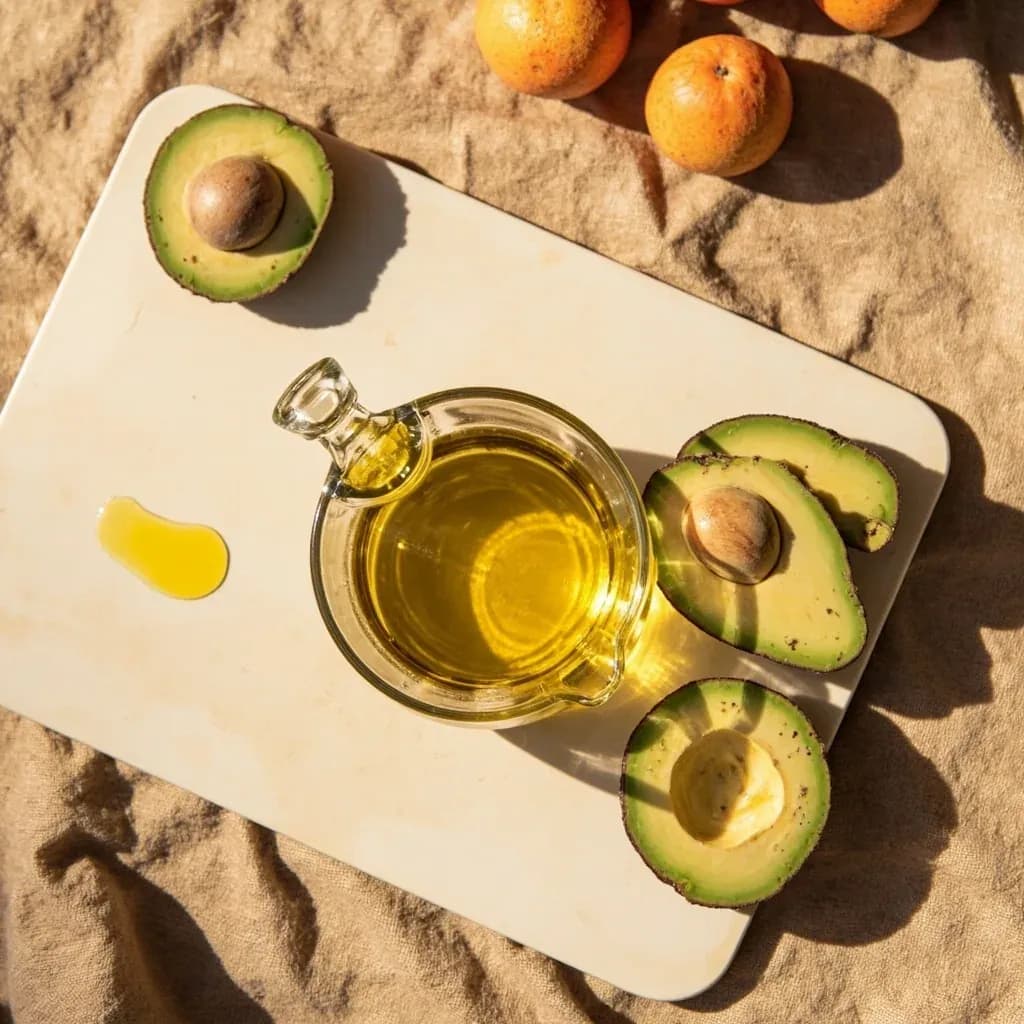
Buttery, grassy oil with one of the highest smoke points; ideal for high-heat searing and grilling, or drizzled raw over salads and grain bowls.
Avocado oil is pressed from the ripe flesh of Persea americana — most often the Hass cultivar — and is, in functional terms, an exceptionally high-oleic oil: roughly two-thirds to three-quarters of its fatty acid content is the same monounsaturated oleic acid that gives olive and macadamia oils their stability and reputation for heart-healthy fat. What sets it apart from those cousins is what the high oleic content enables: a refined avocado oil can reach a smoke point around 520°F (270°C), placing it among the most heat-tolerant of common culinary fats and making it a workhorse for searing, roasting, and frying where butter, EVOO, or unrefined nut oils would break down.
The single most important distinction a cook needs to understand is between unrefined (cold-pressed, extra-virgin, virgin) and refined (pure, light) avocado oil. The unrefined version is deep emerald to grassy green, with a buttery, faintly nutty, avocado-like aroma and a lower smoke point of roughly 375–400°F — beautiful for dressings and finishing, but a waste of money on a screaming-hot pan. The refined version is pale yellow, almost neutral, and deodorized to lift that smoke point to 500°F and beyond. Most of the "high-heat" claims on the front of the bottle refer to the refined product, and the two are not interchangeable.
Nutritionally, avocado oil overlaps heavily with extra-virgin olive oil — it is rich in alpha-tocopherol (vitamin E) and lutein, with small amounts of beta-sitosterol — so it is best understood as a versatile, mild-tasting high-oleic fat rather than a miracle food. Its main practical drawback is price: avocados yield only about a liter of oil per 20–25 kg of fruit, one of the lowest oil yields of any commercial crop, and that economics shows up at the register. Treat it accordingly — save the good green stuff for where you can taste it, and reach for the refined bottle for daily high-heat work.
- Measured in
- ml
- Storage
- Dark Cool
Find it in
Suits
Types & varieties
Mechanically pressed at low temperatures with no chemical refining. Deep green, robust buttery-grassy flavor, smoke point around 375–400°F. The right choice for dressings and finishing.
Pressed with slightly looser processing tolerances than extra-virgin but otherwise similar — green, flavorful, and best used raw or over moderate heat.
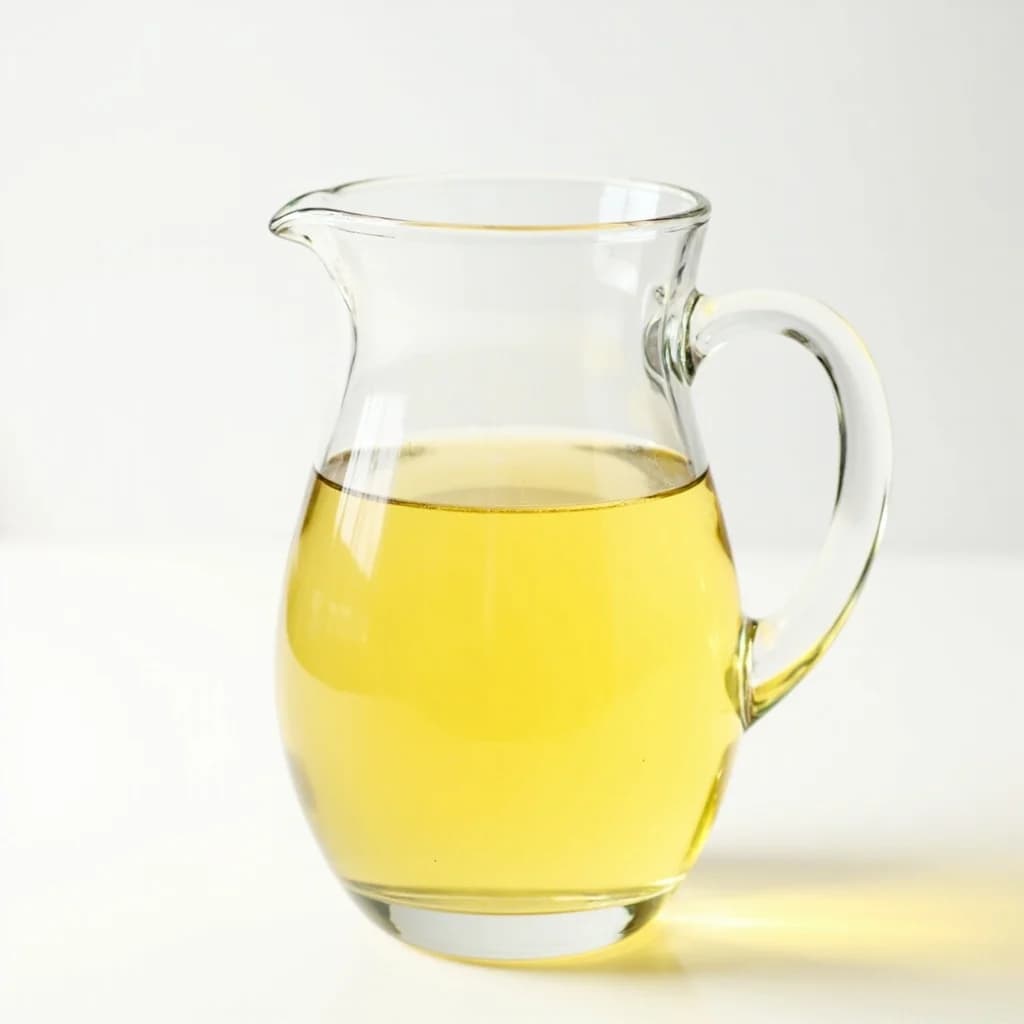
Pressed, then deodorized and bleached. Pale yellow, neutral, smoke point around 520°F. The everyday high-heat cooking oil of the family.
Mechanically extracted, often at higher temperatures than cold-pressed; typically solvent-free but not classed as extra-virgin.
Most commercial oil is Hass. Fuerte and other greenskin varieties produce a milder, slightly more herbal oil, though they are rare in U.S. retail.
Refined vs. unrefined: matching the bottle to the job
The label matters more than the brand. Read the back, not the front, and decide which oil you are actually buying.
- If the front of the bottle shouts 'high smoke point, 500°F+,' you are looking at refined oil — neutral, pale, and right for searing, roasting, and frying.
- If the oil in a clear glass bottle is visibly green and the label says 'cold-pressed' or 'extra-virgin,' that is the unrefined bottle — flavorful but lower-smoke-point, and worth saving for dressings, drizzles, and finishing.
- A pale yellow oil in a clear bottle labeled simply 'avocado oil' is almost always refined; this is fine for the stovetop but a disappointment on a tomato salad.
Buying and storing
Avocado oil's two enemies are light and heat; manage both and it will keep for months.
- Choose dark glass, tin, or opaque plastic over clear bottles; vitamin E and polyphenols degrade quickly in daylight.
- Buy the size you will use in 3–6 months — opening accelerates oxidation more than anything else.
- Refrigerate after opening; the oil will cloud and may partially solidify, which is harmless. Bring to room temperature for 15–20 minutes before dressing a salad so the texture loosens.
- Never store next to the stovetop; ambient heat and steam shorten usable life dramatically.
Common uses
Tips & pitfalls
- Do not waste expensive cold-pressed oil on searing — that 520°F claim on the label is for the refined bottle, not the green one in your pantry
- Use the color test in the shop: a genuine unrefined avocado oil in clear glass will be visibly green; a pale yellow product labeled just 'avocado oil' is refined, an olive-oil blend, or a fraud
- Expect clouding or partial solidification in the fridge — this is normal, not spoilage, and reverses at room temperature
- Recap tightly and store away from the stovetop; heat and steam are the fastest route to a rancid bottle
- Taste unrefined avocado oil side by side with a good extra-virgin olive oil — the avocado oil should read richer and more 'buttery,' while the olive oil will be more peppery and grassy
- Do not blend it with strong-flavored oils for finishing; its subtlety is the point, and it disappears next to toasted sesame or extra-virgin olive oil
- For mayonnaise and aioli, blend the oil in slowly at room temperature — a too-cold emulsion breaks more easily, and avocado oil will be partly solid straight from the fridge
Nutrition
Energy
3699 kJ · per 100 g
Where the calories come from
Protein
0g
0% DV
Carbs
0g
0% DV
Fat
100g
128% DV
Fiber
0g
0% DV
Sodium
0mg
0% DV
Source · USDA FoodData Central · Oil, avocado
View on FDC →In the shops
Matched grocery products
 €1.45
€1.45Avocado
Bonpreu
 €1.51
€1.51Avocado
270 g · Mercadona
 €3.45
€3.45Avocados
650 g · Mercadona
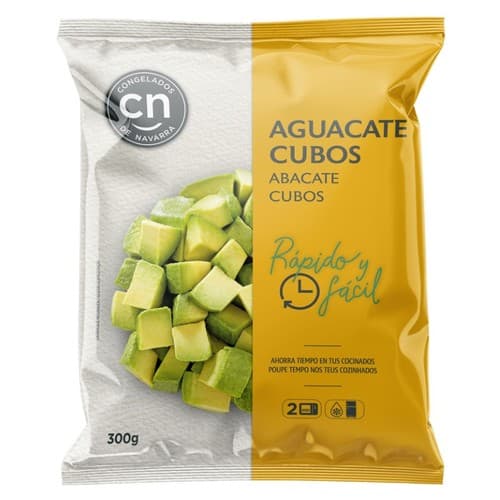 €2.39
€2.39Diced Avocado
CN · kg · Bonpreu
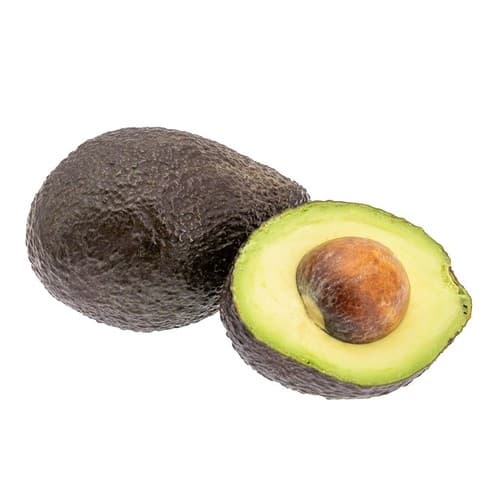 €1.35
€1.35Avocado 1 unit
ud · Bonpreu
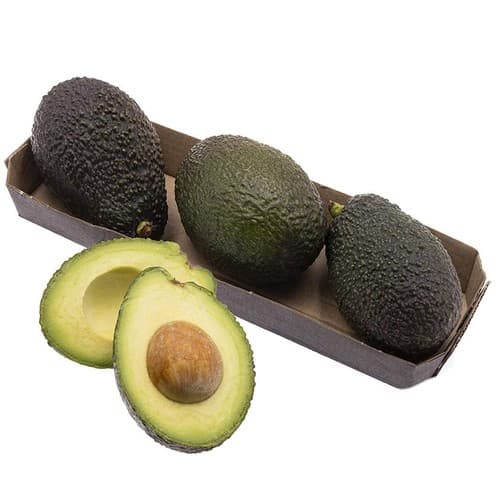 €2.99
€2.99Hass Avocado Tray 450g
LA COLLITA · kg · Bonpreu
Good to know
- Source
- Pressed from the flesh of ripe avocados (Persea americana), almost always the Hass variety
- Predominant fat
- Oleic acid (monounsaturated omega-9), typically 60–75% of total fatty acids
- Smoke point, refined
- About 520°F / 270°C — among the highest of any common cooking oil
- Smoke point, unrefined
- About 375–400°F / 190–204°C, comparable to extra-virgin olive oil
- Flavor & color
- Unrefined is deep green with a buttery, grassy, faintly nutty aroma; refined is pale yellow and nearly neutral
- Key micronutrients
- Naturally high in alpha-tocopherol (vitamin E) and lutein, with small amounts of beta-sitosterol
- Storage
- Cool, dark cupboard; refrigerate after opening. Will cloud and partially solidify in the fridge — normal and reversible
- Shelf life
- Unopened 12–18 months; opened, 3–6 months for best flavor
Substitutes
- Refined (light) olive oil — The closest 1:1 swap for high-heat cooking; smoke point around 460–470°F and a mild, olive-only flavor.
- Grapeseed oil — Neutral and high-smoke-point (around 420°F); good for sautés, frying, and dressings though less rich than avocado oil.
- High-oleic sunflower or safflower oil — Neutral, very heat-stable (around 450°F), and usually the most affordable everyday substitute for refined avocado oil.
- Macadamia nut oil — Buttery, high in monounsaturated fat — the best swap for unrefined avocado oil in dressings and low-heat finishing.
- Extra-virgin olive oil — The right substitute for unrefined avocado oil when the bottle is destined for dressings, drizzling, or bread — pepperier and more grassy than buttery, but functionally interchangeable.
Pairs with
Also called
refined avocado oil
Related
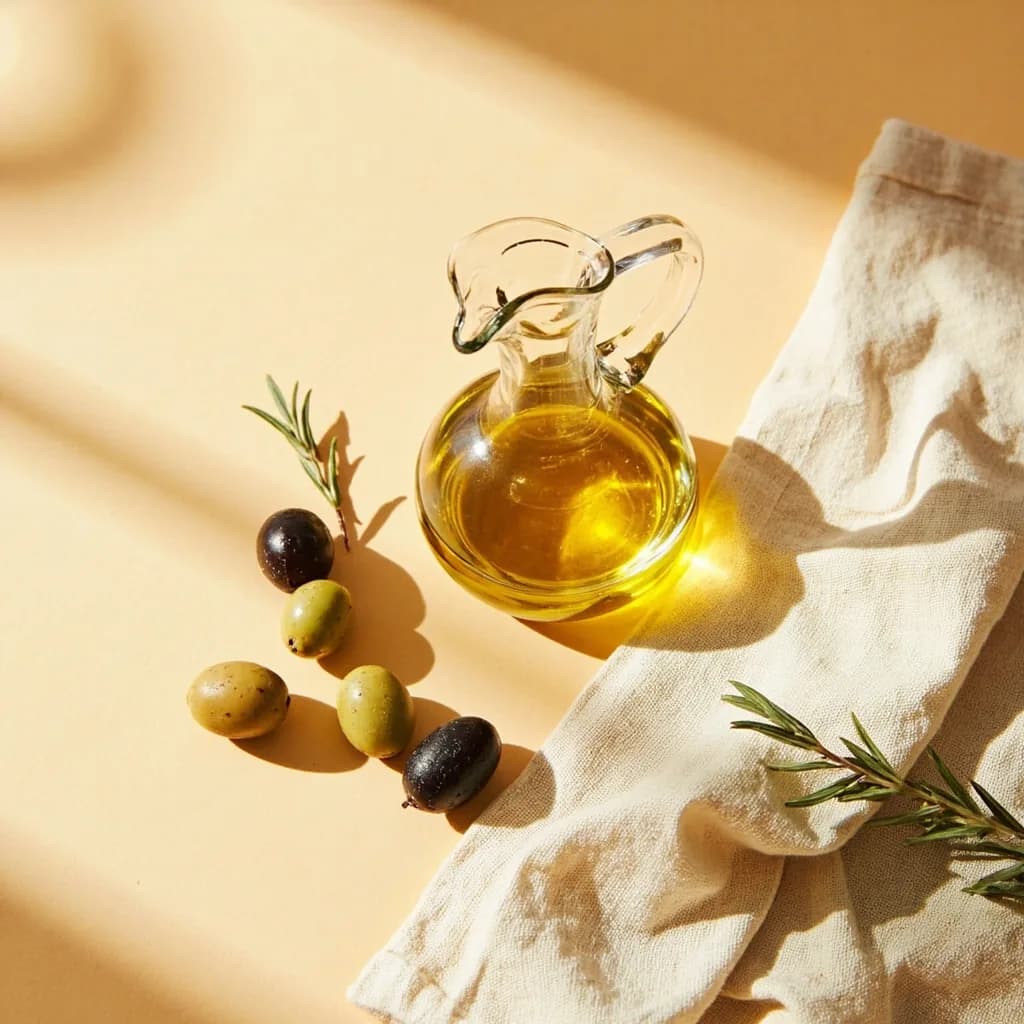
Olive Oil
Fruity, peppery everyday oil for sautéing, dressing, and finishing
Vegetable Oil
Neutral, high-heat oil for frying and all-purpose cooking
Canola Oil
Light, neutral oil for frying, baking, and dressings

Sunflower Oil
Clean, neutral oil for frying and everyday cooking
Sesame Oil
Toasty, aromatic oil — a finishing splash for Asian dishes
Coconut Oil
Fragrant, solid-at-room-temp fat for baking and frying
Peanut Oil
High-heat oil with a faint nutty note — ideal for frying

Lamb Tail Fat
Rich rendered fat from fat-tailed sheep — used as a cooking fat and flavor base in Central Asian and Middle Eastern dishes.