Oils & Fats
Grapeseed Oil
Light, neutral oil with a high smoke point — ideal for high-heat searing and stir-frying, clean-tasting homemade mayonnaise, and infusing with herbs without competing flavor.
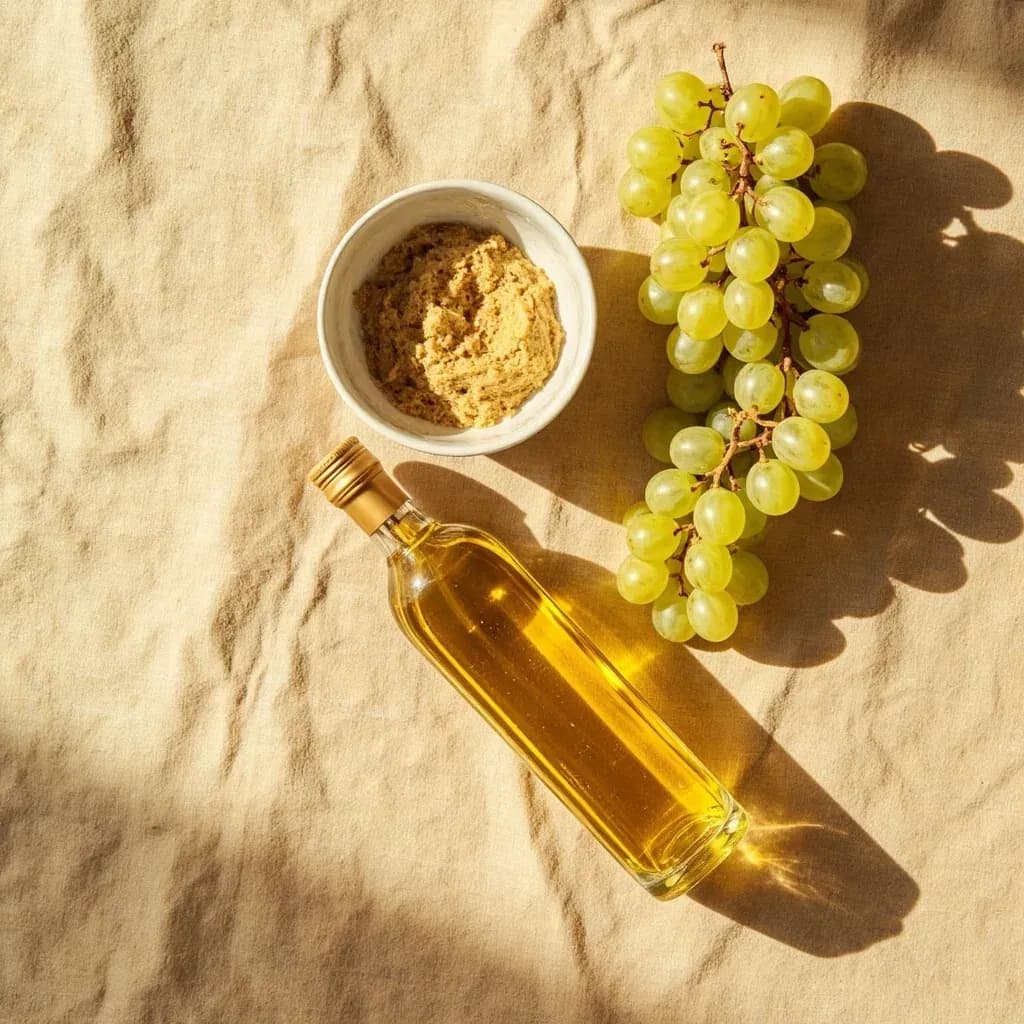
Grapeseed oil is pressed from the seeds of wine grapes (Vitis vinifera), most often reclaimed from the cake left after pressing for juice. That winemaking connection is more than trivia: it makes grapeseed one of the more resource-efficient seed oils on the market, since the seeds would otherwise be discarded. The oil that comes out is pale, light-bodied, and — when refined — almost flavorless, which is exactly the point.
What sets grapeseed apart in a working kitchen is the combination of a clean, neutral taste with a smoke point around 420°F (215°C) in its refined form. It behaves like a blank canvas for emulsions, a quiet carrier for infused aromatics, and a steady medium for the kind of high-heat pan work that would scorch a more flavorful oil. That same neutrality is why it disappears in delicate batters and dressings rather than asserting itself.
The trade-off is oxidative stability. Grapeseed is roughly 65–75% linoleic acid, a polyunsaturated fat that breaks down faster than the monounsaturated fat in olive or avocado oil. Treat it accordingly: use it fresh, store it cool, and never push it through multiple fryings.
- Measured in
- ml
- Storage
- Pantry
Find it in
Suits
Types & varieties
Solvent-extracted and deodorized. Very neutral flavor, higher smoke point (~420°F), and longer shelf life. The dominant type on supermarket shelves and in restaurant kitchens.
Mechanically pressed without chemical solvents. Retains more flavor, color, vitamin E, and plant pigments, with a lower smoke point (~320°F) and shorter shelf life.
Pressed from roasted grape seeds. Deep amber color and pronounced nutty, almost sesame-like flavor. Used sparingly as a finishing oil rather than a cooking oil.
Made from organically grown grapes, available in both refined and cold-pressed versions.
Extracted from the seed-rich cake left after winemaking; commonly refined. The bulk of commercial supply is of this type.
Choosing Between Refined and Unrefined
The two are functionally different ingredients. Refined grapeseed oil has been solvent-extracted and deodorized to strip flavor, color, and most impurities, which is why its smoke point climbs to around 420°F and it tastes almost like nothing. This is the workhorse you'll find in restaurant kitchens and on most supermarket shelves. Unrefined or cold-pressed grapeseed oil is mechanically pressed without chemical solvents, retains more of the seed's natural pigments and vitamin E, and carries a faintly nutty, sometimes slightly grassy taste. The trade-off is a lower smoke point of about 320°F and a shorter shelf life. Reach for refined when you need a neutral, high-heat cooking medium; reach for cold-pressed when you want the oil to register on the palate — in a dressing, a dip, or drizzled over finished vegetables.
Storage and the Oxidation Question
Grapeseed is roughly two-thirds to three-quarters linoleic acid, a polyunsaturated fat that is more vulnerable to heat, light, and oxygen than the monounsaturated fats that dominate olive or avocado oil. In a home kitchen, that translates to a simple rule: treat grapeseed the way you'd treat a bag of opened nuts. Keep the bottle in a cool, dark pantry, refrigerate after opening (unrefined versions especially), and pay attention to how it smells — fresh oil is faintly nutty and clean, while stale oil turns waxy, paint-like, or fishy. Cloudiness in the refrigerator is normal and will clear at room temperature; discard the bottle if the smell is off or the oil has darkened noticeably. Because of this oxidative sensitivity, never reuse grapeseed for a second frying batch.
Building a Clean Infusion
Because the base is so neutral, grapeseed is an ideal carrier for herb, garlic, and chile oils. Warm the oil gently with bruised aromatics rather than frying them — slow, low heat extracts the volatile oils and aromatics without scorching either the fat or the flavoring. Cool completely before bottling, and store infusions in the refrigerator, where they will keep for a couple of weeks. A few tested combinations: rosemary and garlic; thyme and lemon zest; dried chile and black peppercorn; tarragon and shallot. Strain through a fine sieve or coffee filter for a clear, restaurant-quality finish.
Common uses
Tips & pitfalls
- Don't conflate the two main types: refined (~420°F) is the high-heat workhorse, unrefined (~320°F) is for dressings and gentle cooking only.
- Because the oil is high in polyunsaturated fats, it oxidizes faster than olive or avocado oil — never reuse it for multiple frying batches.
- Buy cold-pressed or expeller-pressed when you want flavor and nutrients; buy refined when you want neutrality and high smoke point.
- Store away from heat and light; refrigeration slows rancidity in unrefined versions (it may cloud when cold, then clear at room temperature).
- Smell before using — fresh oil is faintly nutty and clean; stale oil smells waxy, paint-like, or fishy.
- Cheap supermarket bottles labeled 'grapeseed oil' are often solvent-refined and may be blended with other neutral oils; read the label if origin or purity matters.
- For infusions, warm gently with bruised aromatics rather than frying them — neutral oil carries delicate flavors better when not scorched.
- A faint greenish cast is normal and comes from chlorophyll in the seeds, not a sign of spoilage.
Nutrition
Energy
3699 kJ · per 100 g
Where the calories come from
Protein
0g
0% DV
Carbs
0g
0% DV
Fat
100g
128% DV
Fiber
0g
0% DV
Sugars
0g
of which
Sodium
0mg
0% DV
Source · USDA FoodData Central · Oil, grapeseed
View on FDC →In the shops
Matched grocery products
No matched grocery products for Grapeseed Oil yet.
Good to know
- Source
- Pressed from the seeds of wine grapes (Vitis vinifera), most often a byproduct of winemaking.
- Smoke point (refined)
- Approximately 420°F / 215°C.
- Smoke point (unrefined/cold-pressed)
- Approximately 320°F / 160°C.
- Primary fatty acid
- Linoleic acid (omega-6 polyunsaturated), roughly 65–75% of total fat.
- Other fatty acids
- Oleic (monounsaturated) ~12–20%, palmitic ~5–10%, stearic ~3–6%.
- Notable micronutrients
- Naturally contains vitamin E (tocopherols) and small amounts of phytosterols and proanthocyanidins.
- Storage
- Cool, dark place; refrigerate after opening, especially unrefined versions, to slow rancidity.
- Shelf life
- Refined, unopened: ~12 months. Unrefined, unopened: ~6 months. After opening, use within 3–6 months.
Substitutes
- Refined canola oil — The closest 1:1 swap for refined grapeseed: neutral flavor and a similar high smoke point, usually cheaper.
- Refined sunflower oil — Pale, neutral, and high-smoke-point; high-oleic versions are especially heat-stable.
- Refined safflower oil — Clean flavor and high smoke point; a good stand-in for emulsions and dressings.
- Avocado oil (refined) — Even higher smoke point (~520°F) and neutral; pricier but excellent for searing.
- Rice bran oil — Mild flavor and high smoke point; a common neutral alternative in Asian cooking.
- Light or refined olive oil — Works in cooked applications but carries noticeably more flavor; not suitable when a truly neutral base is required.
- Peanut oil (refined) — Higher smoke point and slightly more body; suitable for frying, though it has a faint peanut aroma.
Pairs with
Also called
grape seed oil
Related
Olive Oil
Fruity, peppery everyday oil for sautéing, dressing, and finishing
Vegetable Oil
Neutral, high-heat oil for frying and all-purpose cooking
Canola Oil
Light, neutral oil for frying, baking, and dressings

Sunflower Oil
Clean, neutral oil for frying and everyday cooking
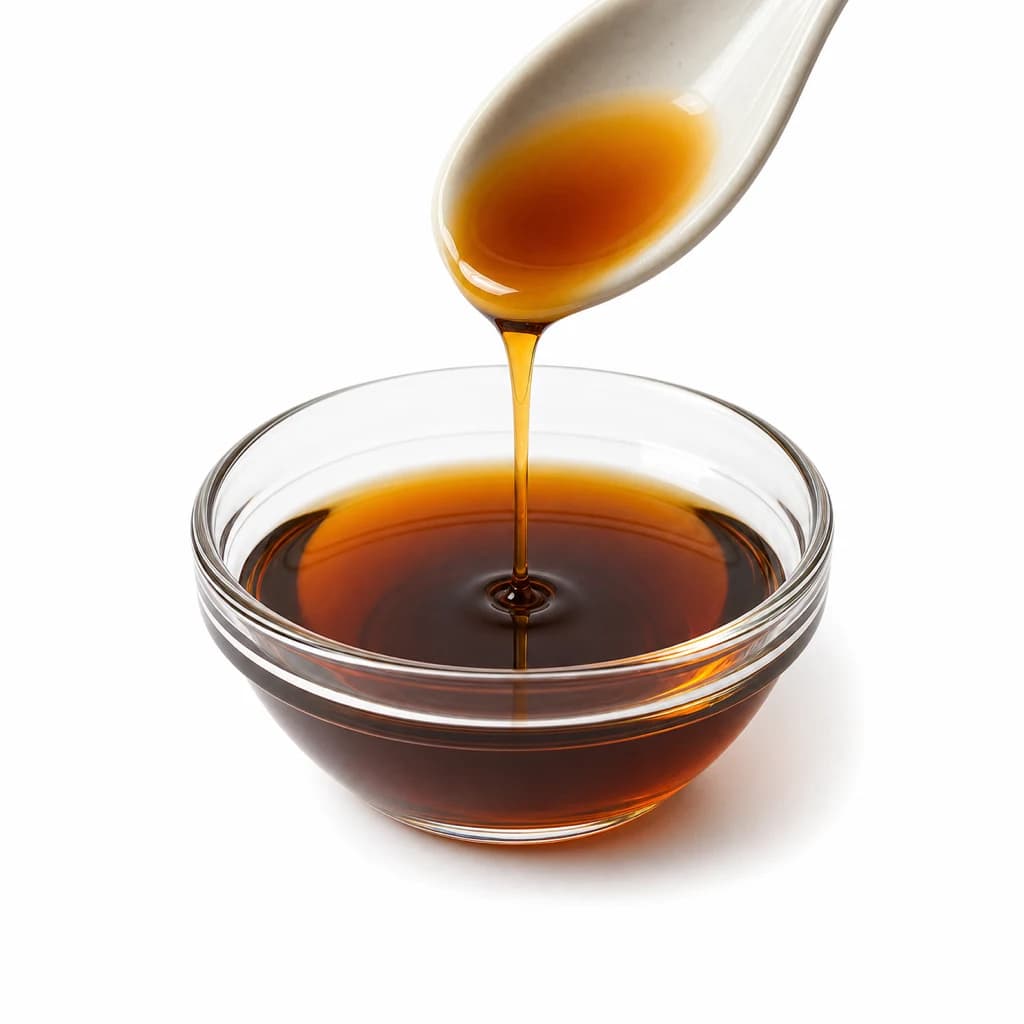
Sesame Oil
Toasty, aromatic oil — a finishing splash for Asian dishes
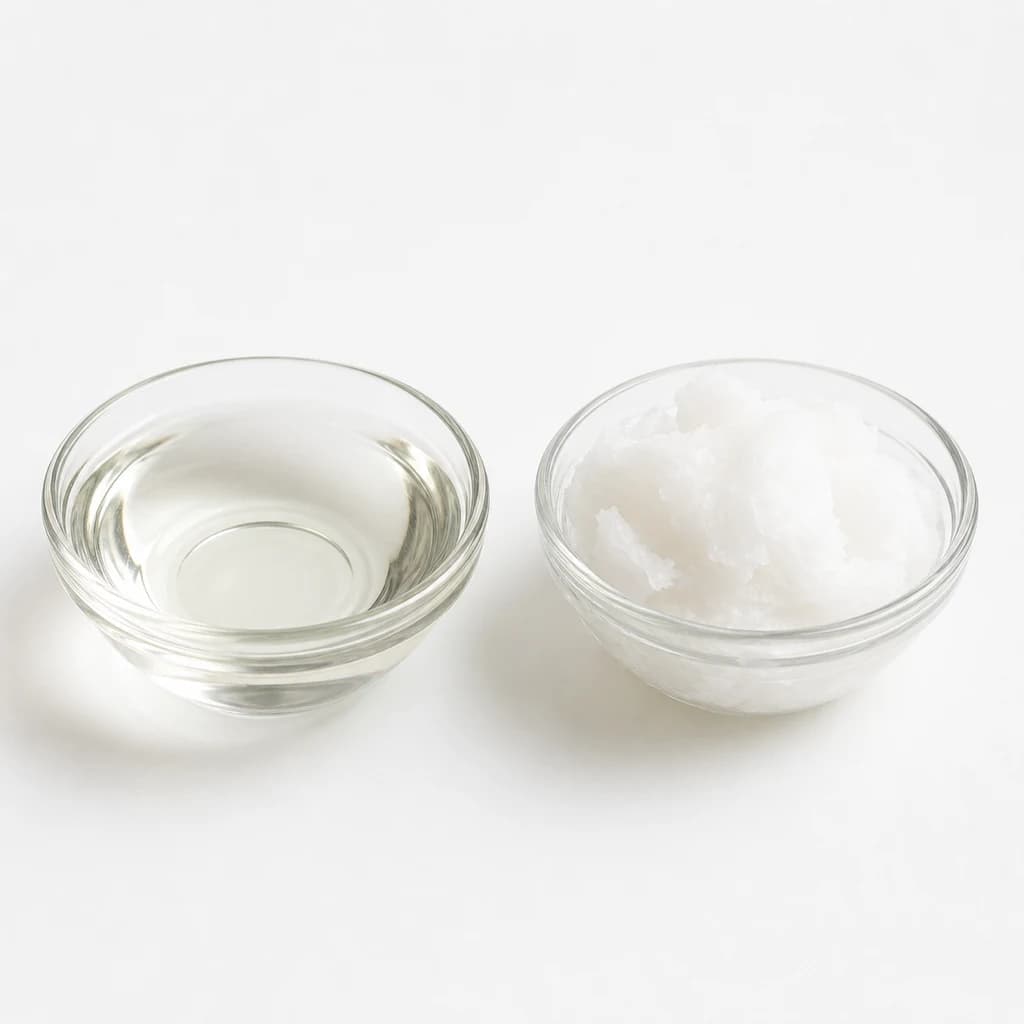
Coconut Oil
Fragrant, solid-at-room-temp fat for baking and frying
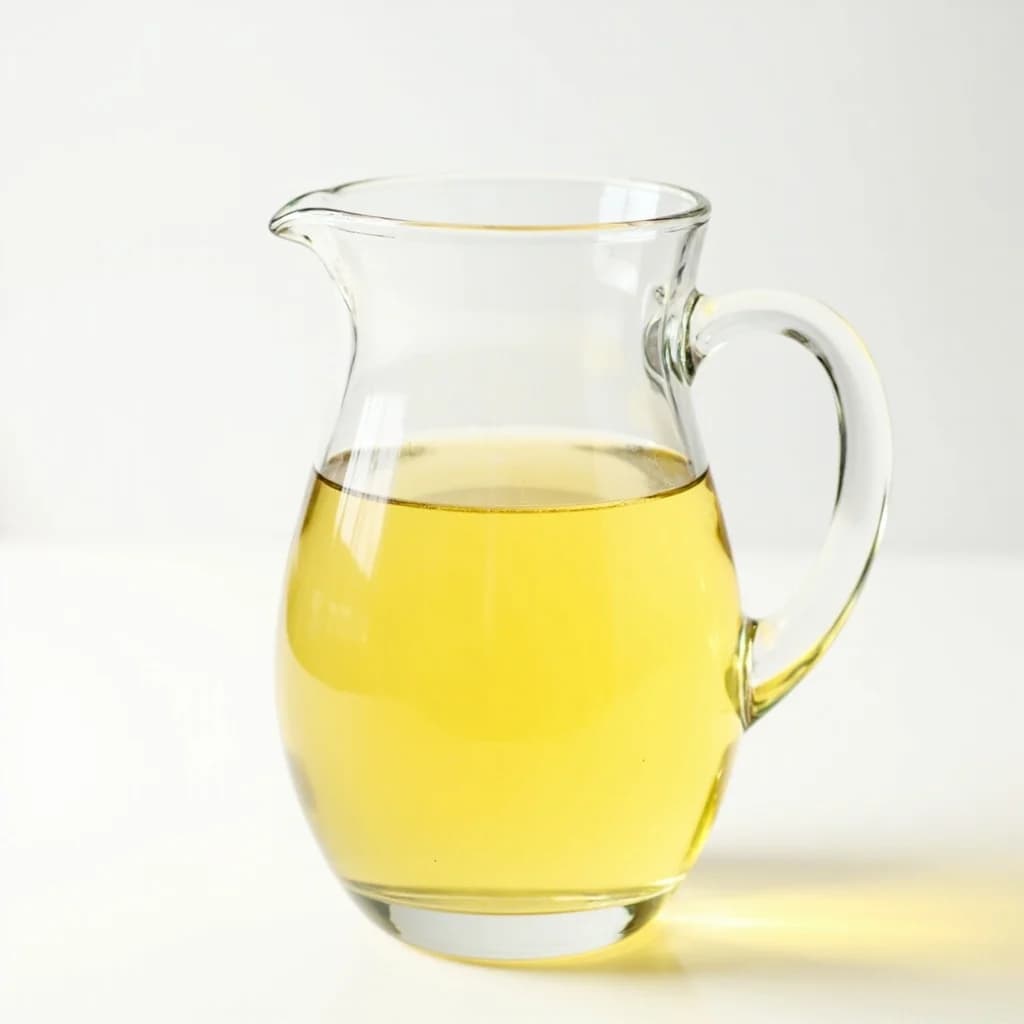
Peanut Oil
High-heat oil with a faint nutty note — ideal for frying

Lamb Tail Fat
Rich rendered fat from fat-tailed sheep — used as a cooking fat and flavor base in Central Asian and Middle Eastern dishes.