Natural form
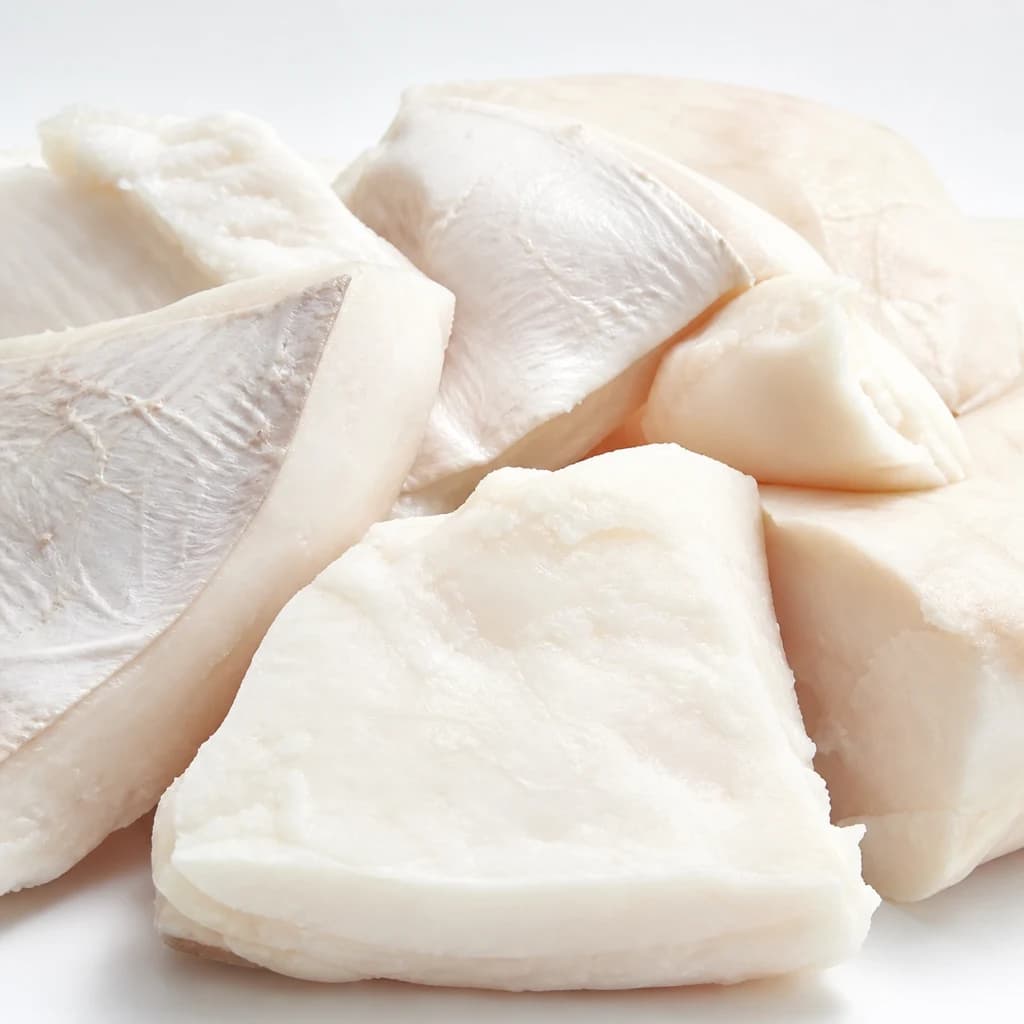
Raw lamb tail fat: dense white-cream blocks trimmed from a fat-tailed sheep carcass.
Shows the raw ingredient as it appears at the butcher, establishing its color, texture, and form before any processing.
Oils & Fats
Lamb Tail Fat
Rich rendered fat from fat-tailed sheep — used as a cooking fat and flavor base in Central Asian and Middle Eastern dishes.
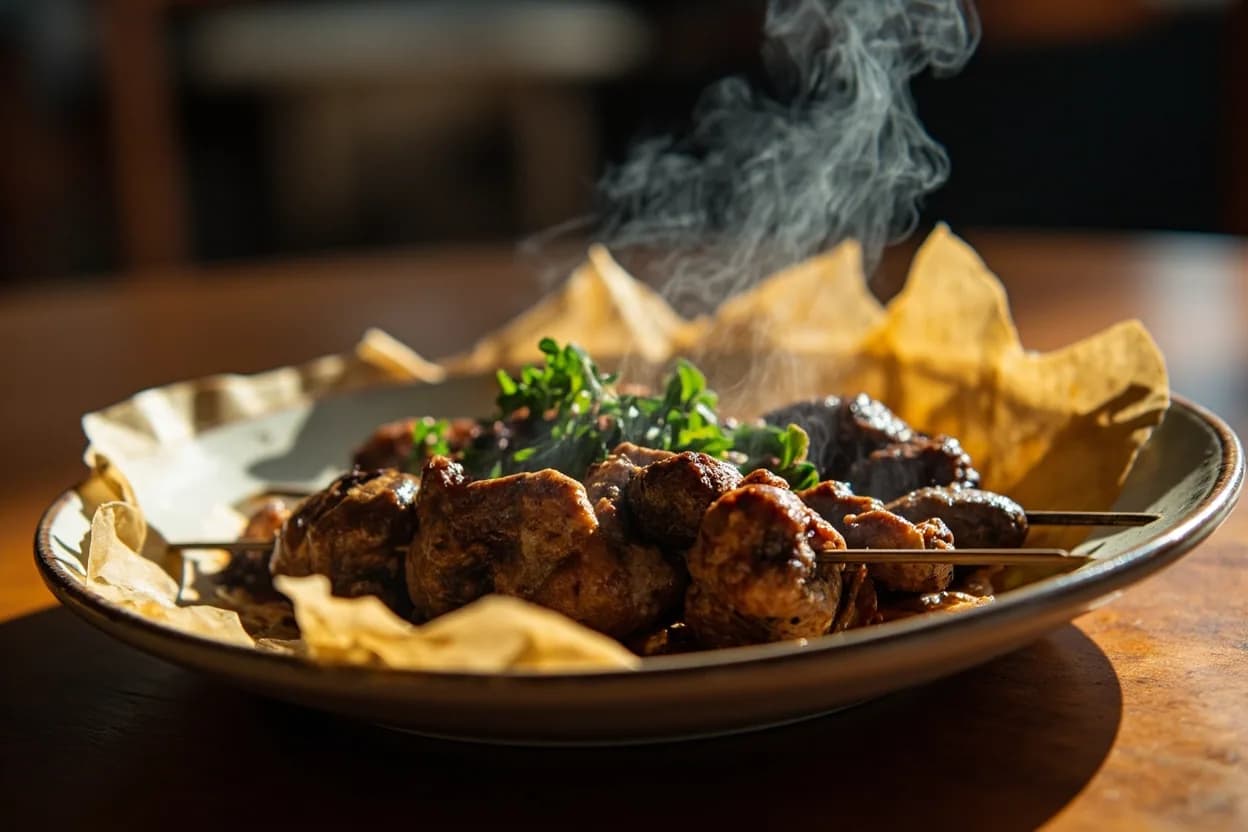
Lamb tail fat is the dense, flavorful fat from the tails of fat-tailed sheep breeds, a prized cooking fat across Central Asia, the Caucasus, and the Middle East. It is rendered to fry rice pilafs and meats, cubed and skewered between kebab pieces, or chopped into kofta and dumplings for richness. It carries a distinctive savory, lamby flavor that defines many regional dishes.
Lamb tail fat is the rendered adipose tissue from fat-tailed sheep breeds (Ovis aries), an ancient livestock type bred specifically for their substantial tail-mounted fat reserves. This fat was the primary cooking medium across a broad belt of cuisines stretching from the Aegean to the Hindu Kush for millennia, before plant oils became widely affordable. The tail itself can weigh 5–20 kg in mature broad-tailed breeds and accounts for up to 10% of the animal's body weight. When raw, the fat is firm and white; when rendered, it becomes a clear, golden liquid with a rich, mildly sweet lamb flavour that sits between the neutrality of pork lard and the aromatic depth of butter. Fully rendered tail fat has a smoking point of approximately 190–200°C (375–390°F), making it well-suited for high-heat cooking. It is distinct from kidney fat (suet) or caul fat, which come from different anatomical locations and have different melting properties. Ask a butcher for 'lamb tail fat' or 'fat tail' — it is sold by weight and trimmed from the carcass at slaughter. In Iran the rendered fat is generally called rans; in Turkish it is kuyruk yağı; in Uzbek, qo'ylarning yog'i.
- Measured in
- g
- Storage
- Fridge
Types & varieties
Fresh, unrendered fat trimmed from the sheep's tail; the starting material for rendering
Clarified fat with water and solids removed; ready-to-use cooking fat; Turkish and Central Asian terms common in trade
Fully rendered, lightly toasted to develop a nutty aroma; used in some Iranian and Afghan preparations
Understanding Fat-Tailed Sheep
Fat-tailed sheep, including the Arabi, Akkaraman, and Karakul breeds, are among the oldest domesticated livestock, shaped by millennia of selective breeding for harsh, sparse grazing environments. The tail functions as a biological energy reserve — rather like a camel's hump — allowing the animals to survive periods of feed scarcity. This agricultural adaptation created a cooking fat that was historically available where other cooking media were not. Understanding this context explains why lamb tail fat appears at the foundation of so many classic pilafs, kebabs, and flatbreads from Morocco to Central Asia.
Common uses
Tips & pitfalls
- Render slowly over low heat — keep the temperature below 120°C with occasional stirring; rushing the process burns the milk solids and imparts bitter notes that cannot be removed.
- Strain the rendered fat through a fine-mesh sieve or cheesecloth into a dry, sterile jar, discarding the solids for a cleaner final product.
- Store rendered fat in portioned containers in the refrigerator; this avoids the need to re-render each time you need a small amount.
- Skim any remaining moisture after initial rendering by holding the fat at 130°C for 10 minutes, then cool undisturbed — moisture causes the fat to go rancid faster.
- If raw tail fat smells sour, gamey, or otherwise off before rendering, discard it — off-flavours do not cook out and will carry through into the finished fat.
- Blend with an equal amount of neutral oil when deep-frying to raise the effective smoking point and extend the fat's usable life in the pan.
- For dishes where the lamb flavour reads too assertively, cut the tail fat with a small amount of ghee or a neutral oil to maintain richness while softening the animal character.
Nutrition
Energy
2038 kJ · per 100 g
Where the calories come from
Protein
12.6g
25% DV
Carbs
0g
0% DV
Fat
48.5g
62% DV
Fiber
0g
0% DV
Sugars
0g
of which
Sodium
69mg
3% DV
Source · USDA FoodData Central · approx. Lamb, Australian, imported, fresh, external fat, raw
View on FDC →In the shops
Matched grocery products
No matched grocery products for Lamb Tail Fat yet.
Good to know
- Source
- Fat-tailed sheep breeds (Ovis aries), specifically the adipose deposits in the tail region
- Physical Form
- Solid white fat at room temperature; renders to clear golden liquid when heated
- Primary Regions
- Iran, Afghanistan, Uzbekistan, Kazakhstan, Turkey, the Caucasus, and parts of North Africa
- Smoking Point
- ~190–200°C (375–390°F) when fully rendered
- Flavour
- Rich, lamby, slightly sweet; more neutral than butter, more aromatic than pork lard
- Yield
- ~80–85% fat from raw tail tissue when properly rendered
- Shelf Life (rendered)
- 6 months refrigerated in sealed container; indefinitely frozen
- Storage (raw)
- Refrigerate and use within 3–5 days; freeze for longer storage
Substitutes
- Duck Fat — Closest in richness and high-heat performance; excellent for roasting potatoes and confit
- Schmaltz (Rendered Chicken Fat) — More poultry-forward flavour but broadly compatible; widely available in supermarkets
- Clarified Butter (Ghee) — Dairy fat with similar smoking point; adds a buttery note rather than lamb character
- Lard (Rendered Pork Fat) — Neutral flavour, crisp texture; fine for frying but lacks the regional specificity
- Beef Tallow — Good for high-heat use; beefy flavour diverges from lamb tail fat's character
Pairs with
Also called
Lamb Tail Fat (Quyruq Yağı) · Tail Fat (Kuyruk May) · Mutton Tail Fat (Құйрық майы) · Kurdyuk · Quyruq
Appears in these dishes
Related
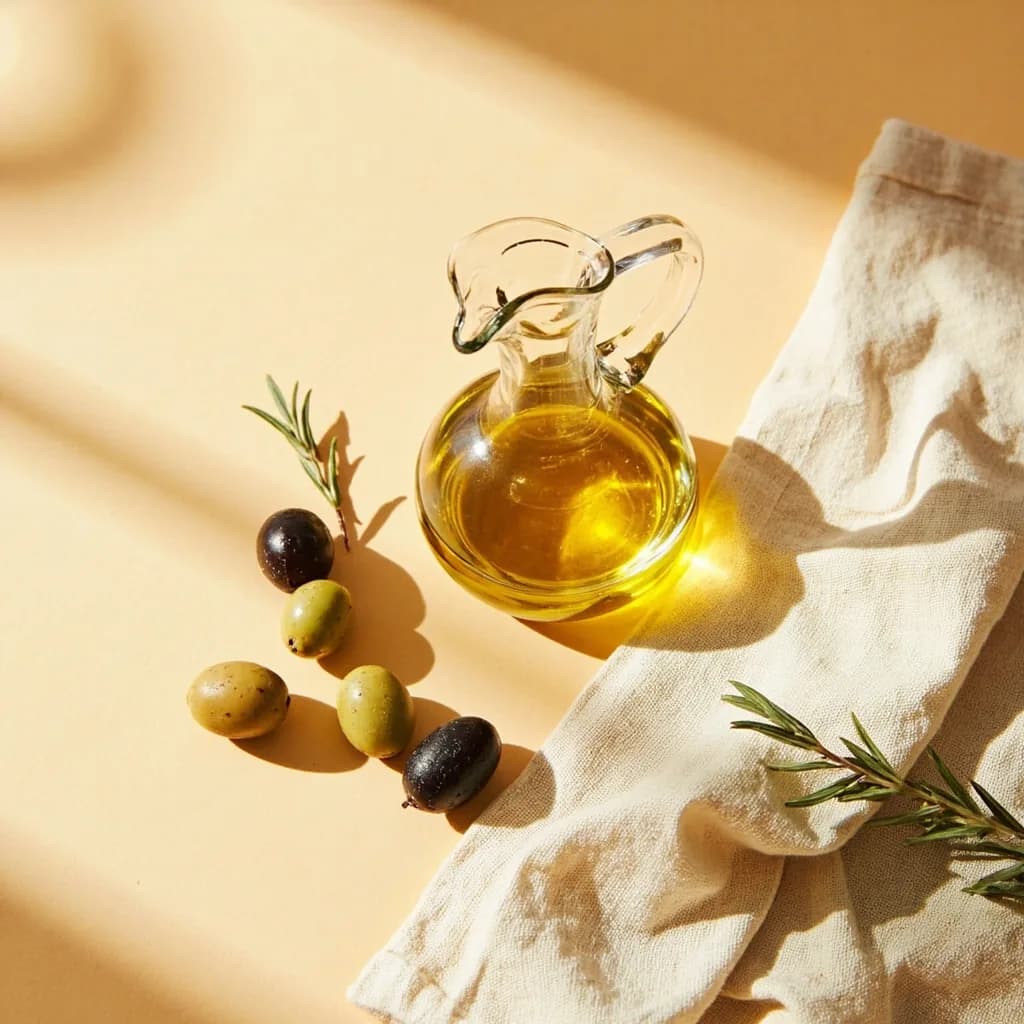
Olive Oil
Fruity, peppery everyday oil for sautéing, dressing, and finishing
Vegetable Oil
Neutral, high-heat oil for frying and all-purpose cooking
Canola Oil
Light, neutral oil for frying, baking, and dressings

Sunflower Oil
Clean, neutral oil for frying and everyday cooking
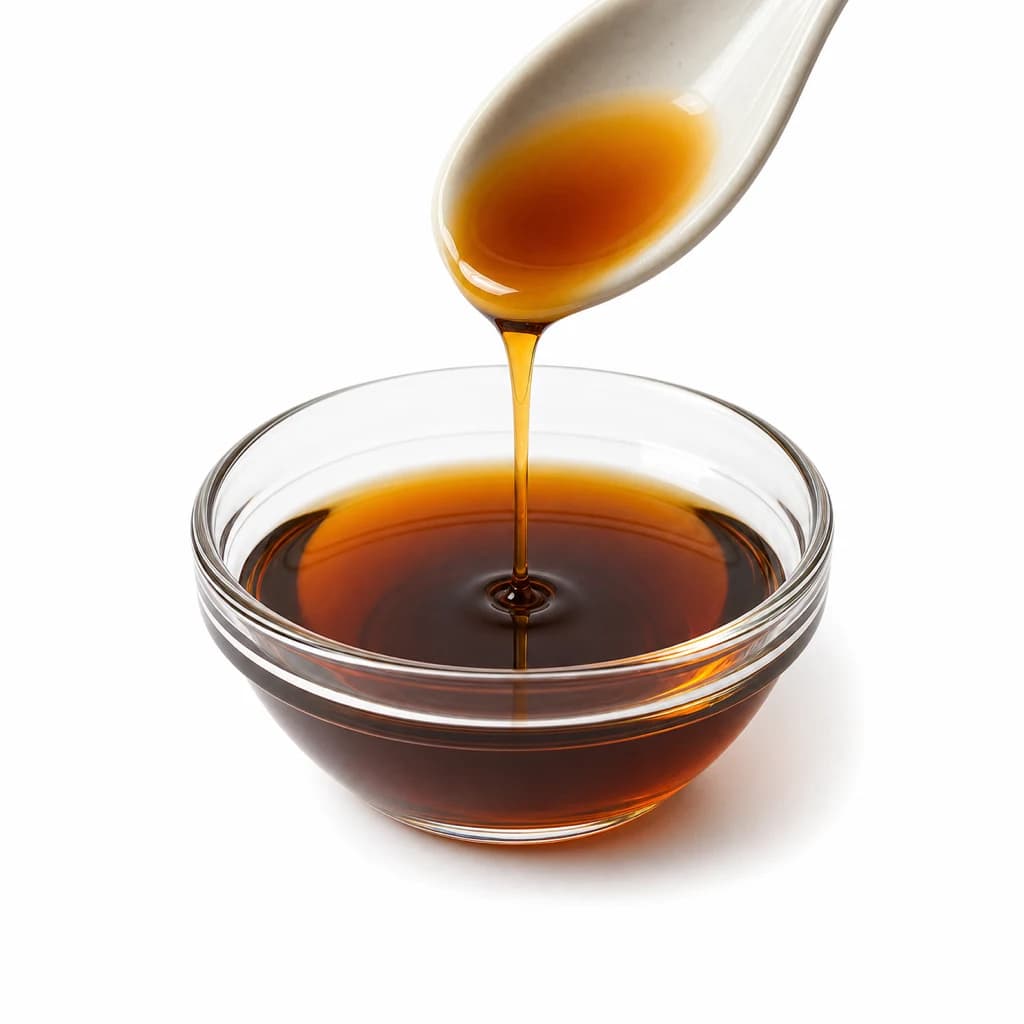
Sesame Oil
Toasty, aromatic oil — a finishing splash for Asian dishes
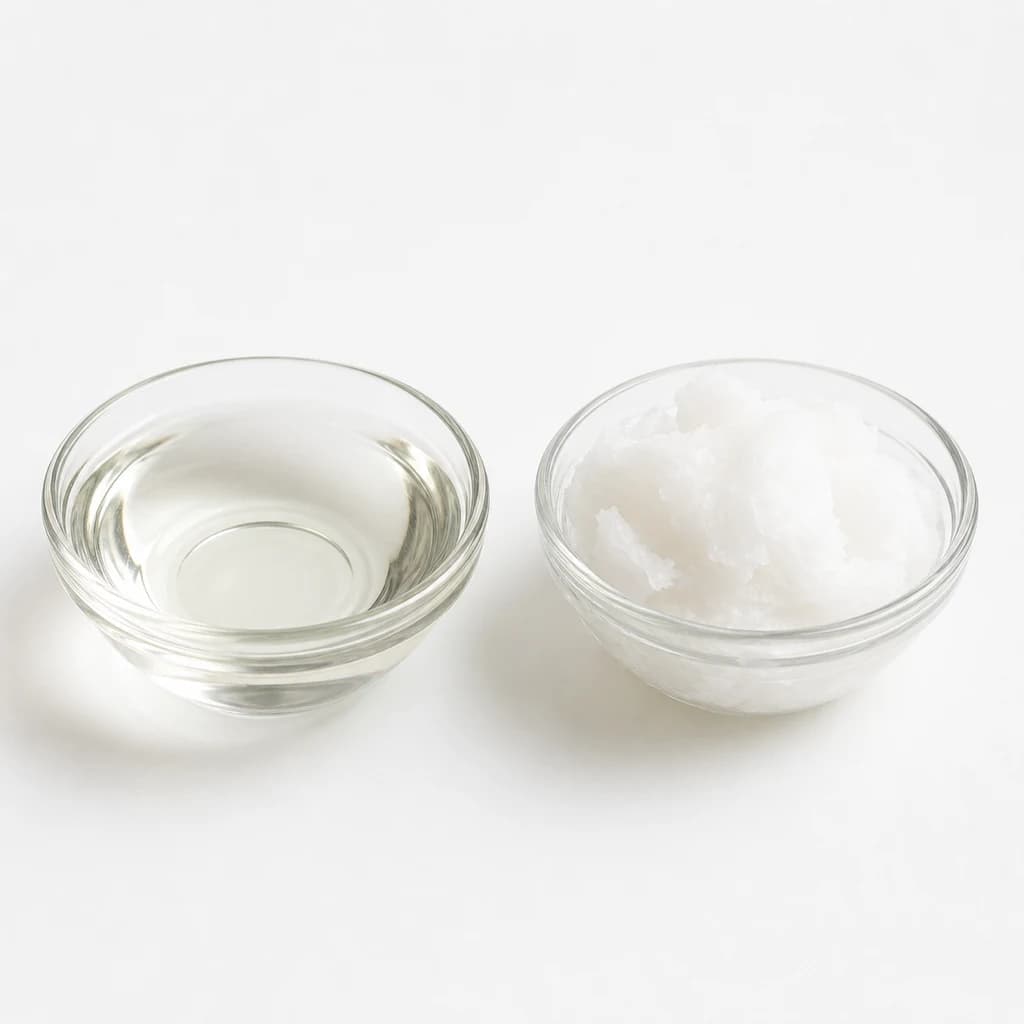
Coconut Oil
Fragrant, solid-at-room-temp fat for baking and frying
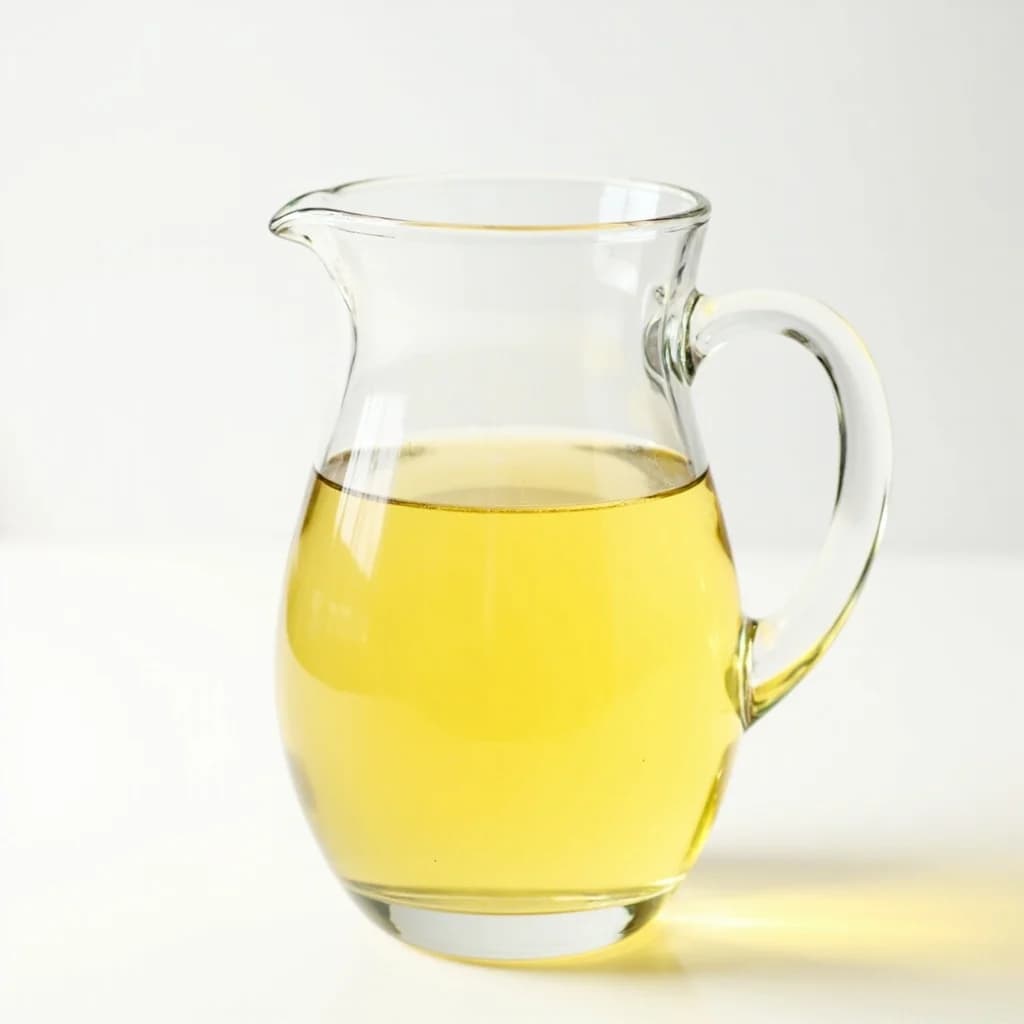
Peanut Oil
High-heat oil with a faint nutty note — ideal for frying

Pork Back Fat
Hard fat from the pig's back, used for larding, sausages, and rendered lard.