Oils & Fats
Beef Tallow
Rendered beef fat with a high smoke point and savory depth — prized for frying chips and fried chicken, searing steaks, and making flaky savory pastry and tortillas.
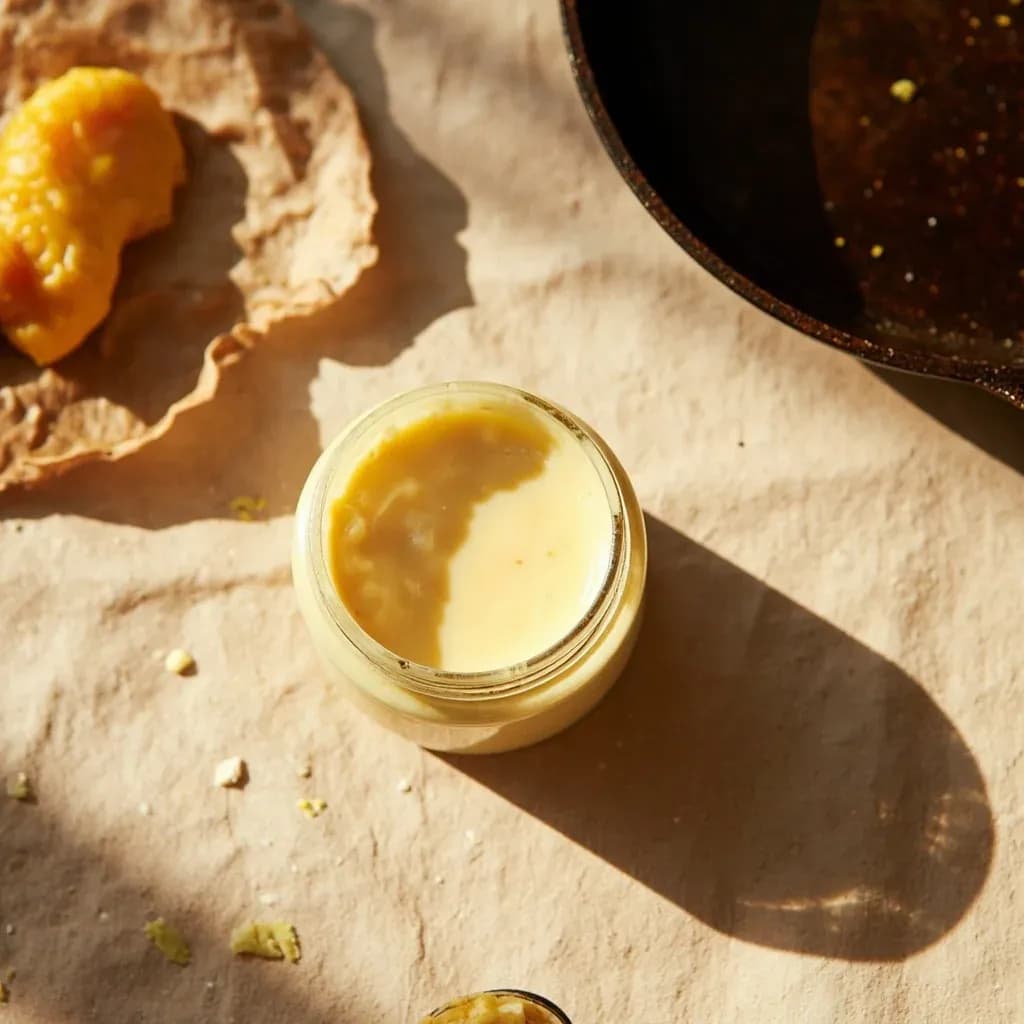
Beef tallow is rendered beef fat — most prized when made from suet, the firm, crumbly fat that surrounds the kidneys, though trimmed body fat also renders down well. Slow, gentle heat separates the pure fat from connective tissue and any clinging bits of lean; once strained and cooled, the result is a pale, creamy-white solid that smells faintly of beef and melts to a clear liquid on the stove. Its long dominance in Western kitchens was no accident: with a fatty-acid profile dominated by saturated and monounsaturated fats and almost no polyunsaturated fat, tallow resists oxidation and tolerates heat far better than unrefined vegetable oils.
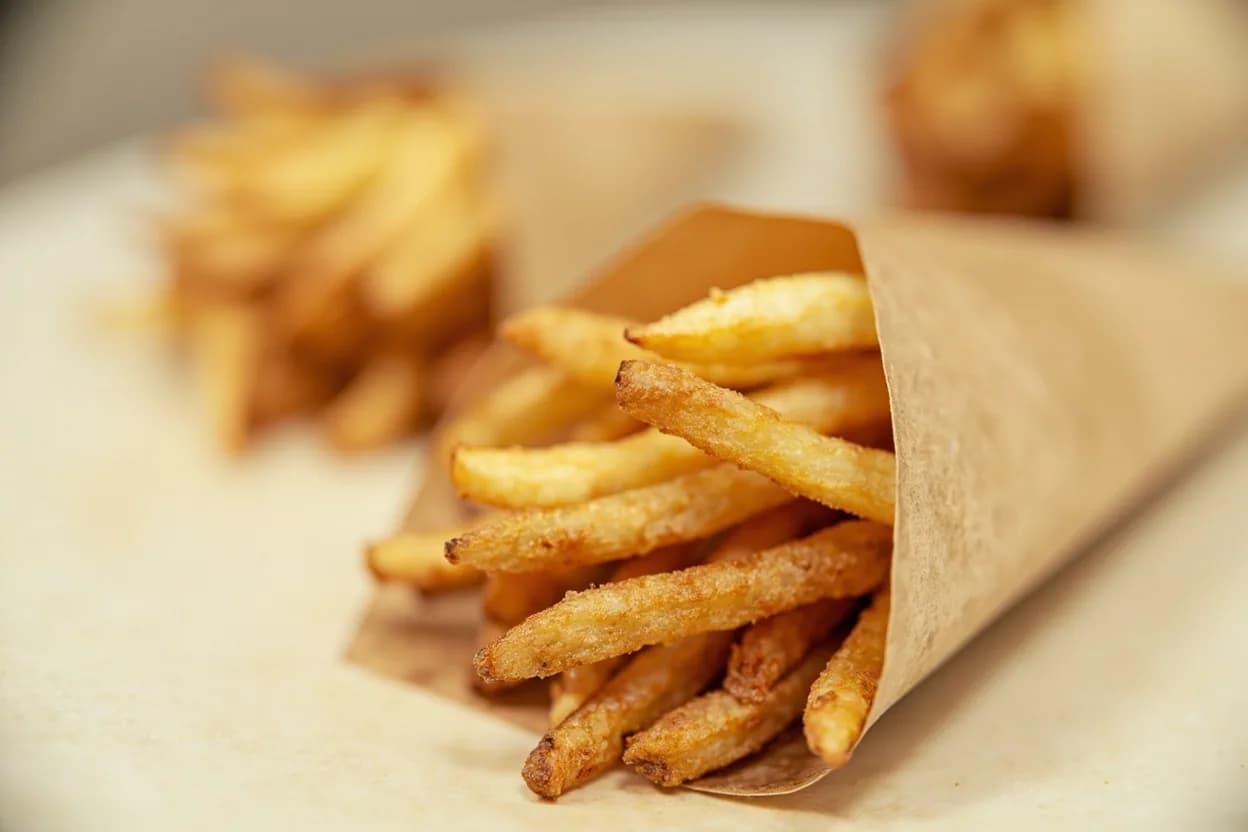
What separates tallow from neutral frying oils is its savory depth. Properly rendered from clean suet, it carries a soft, meaty undertone that quietly amplifies anything it touches — the crust of a French fry, the sear on a steak, the flake of a savory pie crust. It is also one of the most forgiving fats to keep on hand: essentially shelf-stable, firm when cold (so it cuts into pastry like butter or lard), and capable of producing a clarity and crispness in fried foods that few other fats match.
In the home kitchen, tallow bridges the roles of butter, lard, and a high-heat cooking oil. It is a frying fat, a pastry fat, a roasting medium, and a traditional seasoning for cast iron. Understanding its grades and how to render it well is the difference between a clean, almost-neutral cooking fat and something muddy or livery.
- Measured in
- g
- Storage
- Refrigerate
Find it in
Types & varieties
Rendered from the hard fat around the kidneys. The premium grade — palest in color, cleanest in flavor, firmest when set. The traditional choice for pastry and high-heat frying.
Rendered from general beef trimmings and body fat. Slightly softer, darker, and more flavorful — excellent for fries and savory cooking, but less neutral than suet tallow.
A softer, golden tallow rendered at low temperatures from selected trimmings. Used in classic French sauce work and by commercial kitchens; melts at a lower temperature than standard tallow.
A commercial classification rather than a culinary one. 'Edible tallow' is food-grade from approved fats; 'inedible tallow' is the technical grade used for soap, candles, lubricants, and animal feed.
Rendering tallow at home
Rendering is straightforward, but the details determine the quality of the finished fat. Two methods work well, and both reward patience over speed.
- Dry rendering: chop or grind clean suet or trimmed fat into small pieces and place in a heavy pot over very low heat. Stir occasionally as the fat slowly liquefies; strain while still warm through a fine mesh strainer lined with several layers of cheesecloth. This method gives the cleanest, palest tallow and lets you collect the cracklings (the browned, crisp bits left behind) for eating or garnishing.
- Wet rendering: cover the chopped fat with a small amount of water in a heavy pot and bring to a bare simmer. The water prevents scorching and helps draw out impurities. Simmer gently until the fat has melted and the solids are crisp, then strain and refrigerate so the tallow sets on top of the water; lift off the solid disc and discard the water underneath. Wet rendering is more forgiving for beginners and produces a very clean result.
- Cracklings — the crisp, salty, deeply savory bits left after rendering — should be saved. Spread them on a baking sheet, salt lightly, and crisp in a hot oven; use them on potatoes, salads, in biscuits, or as a snack.
Choosing and storing quality tallow
Color and smell are the two clearest signals of quality, and storage is what preserves both.
- Good tallow is near-white or ivory and has a clean, faint beef aroma. Yellow or brown color, or a strong, livery smell, indicates overheating during rendering or low-grade source fat.
- Pour rendered tallow into clean glass jars and let them cool uncovered until the fat is fully set, then seal. Cooling uncovered prevents condensation from dripping back into the fat and spoiling it.
- Keep sealed jars in a cool, dark cupboard — away from the stove — for everyday use, and refrigerate or freeze any long-term supply. Properly stored, tallow stays usable far longer than butter or lard.
- For pastry, tallow should be cold and firm, like butter or lard. Chill it in the freezer for 10–15 minutes before cutting it into dough so it stays distinct from the flour and produces a flaky texture.
Common uses
Tips & pitfalls
- Render suet slowly over low heat; high heat scorches the fat and produces a strong, off-putting flavor that no amount of straining will fix.
- Strain through several layers of cheesecloth while still warm for a clear, long-lasting tallow — fine impurities cloud the fat and shorten its shelf life.
- Save the cracklings left in the pan after rendering; crisped and salted, they are one of the best byproducts of making tallow at home.
- Let freshly rendered tallow cool uncovered before sealing the jar — trapping steam under the lid introduces moisture and accelerates rancidity.
- For the cleanest frying fat, let melted tallow settle, then pour off the clear top layer and discard the milky sediment at the bottom.
- Do not accept dark yellow or strongly beefy tallow as a frying medium — color and smell are your quality checks, and bad tallow will flavor everything it touches.
- Avoid blending tallow with strongly flavored oils if you want its savory character to come through; a neutral oil dilutes it, and an aromatic oil fights it.
- For pastry, treat tallow like cold butter or lard: keep it very cold, cut it into the flour quickly, and handle the dough minimally for maximum flake.
Nutrition
Energy
3774 kJ · per 100 g
Where the calories come from
Protein
0g
0% DV
Carbs
0g
0% DV
Fat
100g
128% DV
Fiber
0g
0% DV
Sugars
0g
of which
Sodium
0mg
0% DV
Source · USDA FoodData Central · approx. Fat, beef tallow
View on FDC →In the shops
Matched grocery products
No matched grocery products for Beef Tallow yet.
Good to know
- Source
- Primarily suet — the hard kidney or 'leaf' fat — though trimmed body fat also renders into good tallow.
- Smoke point
- Approximately 250 °C / 480 °F when well-rendered and clarified, well above most unrefined vegetable oils.
- Melting point
- Roughly 40–46 °C / 104–115 °F — solid and sliceable at room temperature, liquid on the stove.
- Fatty acid profile
- About 50% saturated, 42% monounsaturated (oleic), 4% polyunsaturated — very low in PUFAs, which gives it excellent oxidative stability.
- Color & aroma
- Good tallow is ivory-white and smells faintly, cleanly of beef. Yellow, brown, or strongly meaty tallow has been overheated or made from lower-grade fat.
- Yield
- Roughly 700–800 g of rendered tallow per 1 kg of trimmed beef fat, depending on how much lean is attached.
- Storage
- 6–12 months in a sealed jar at cool room temperature; 12+ months refrigerated; indefinitely when frozen.
- Historical note
- The dominant Western cooking and frying fat for centuries, and the original material for tallow candles and hard soap. McDonald's fried its U.S. French fries in a beef-tallow blend until 1990.
Substitutes
- Lard (rendered pork fat) — The closest all-around substitute — similar texture and high-heat performance, slightly softer and milder in flavor. Excellent in pastry and for frying.
- Duck fat — Similar heat tolerance with a richer, gamier flavor. A natural swap for fries and roasted potatoes.
- Schmaltz (rendered chicken or goose fat) — Good substitute for frying and savory pastry; carries a distinctly poultry flavor that changes the character of the dish.
- Ghee or clarified butter — Useful for sautéing and shallow-frying, but with a lower smoke point and a noticeably nuttier, dairy-driven flavor.
- Refined palm oil — A neutral, high-smoke-point solid fat used commercially as a tallow stand-in; lacks the savory depth of beef fat.
Pairs with
Also called
rendered beef fat · dripping · suet fat
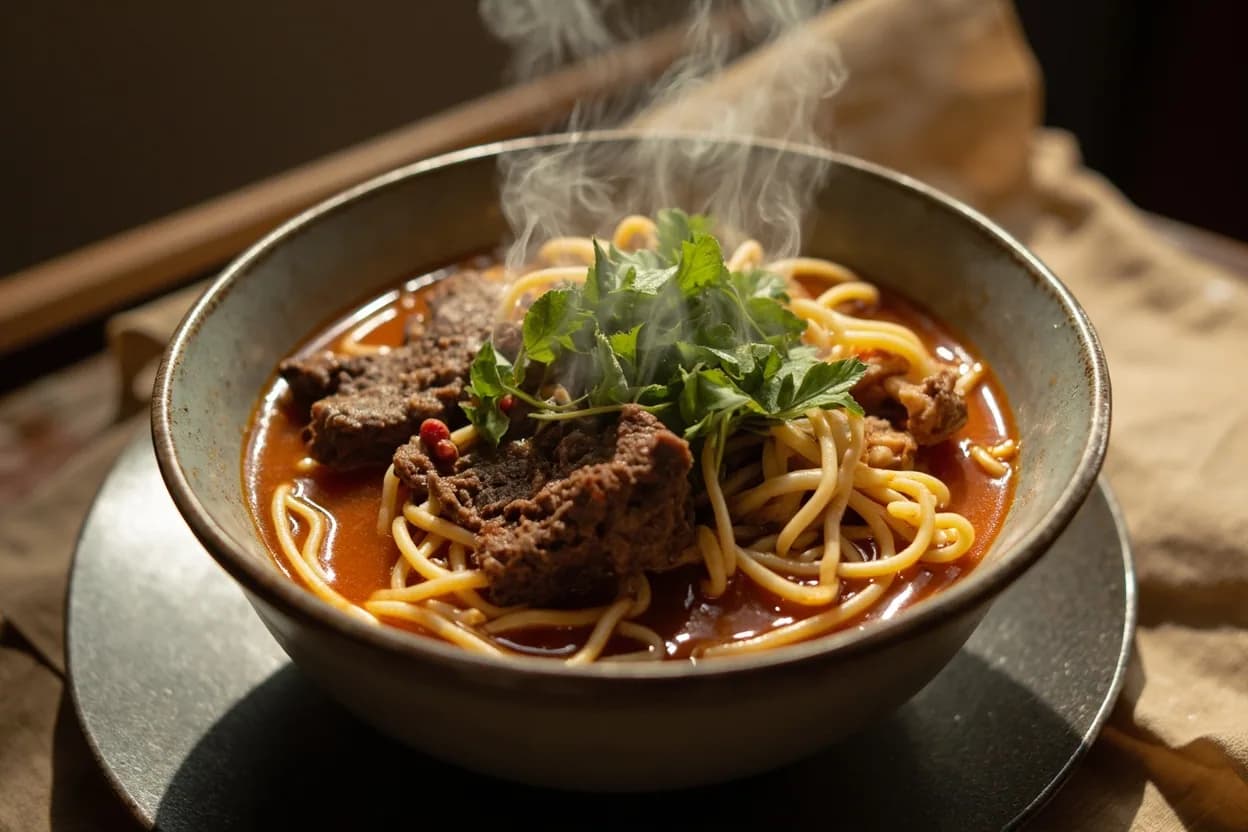
Appears in these dishes
Related
Olive Oil
Fruity, peppery everyday oil for sautéing, dressing, and finishing
Vegetable Oil
Neutral, high-heat oil for frying and all-purpose cooking
Canola Oil
Light, neutral oil for frying, baking, and dressings

Sunflower Oil
Clean, neutral oil for frying and everyday cooking
Sesame Oil
Toasty, aromatic oil — a finishing splash for Asian dishes
Coconut Oil
Fragrant, solid-at-room-temp fat for baking and frying
Peanut Oil
High-heat oil with a faint nutty note — ideal for frying

Lamb Tail Fat
Rich rendered fat from fat-tailed sheep — used as a cooking fat and flavor base in Central Asian and Middle Eastern dishes.