Oils & Fats
Lard
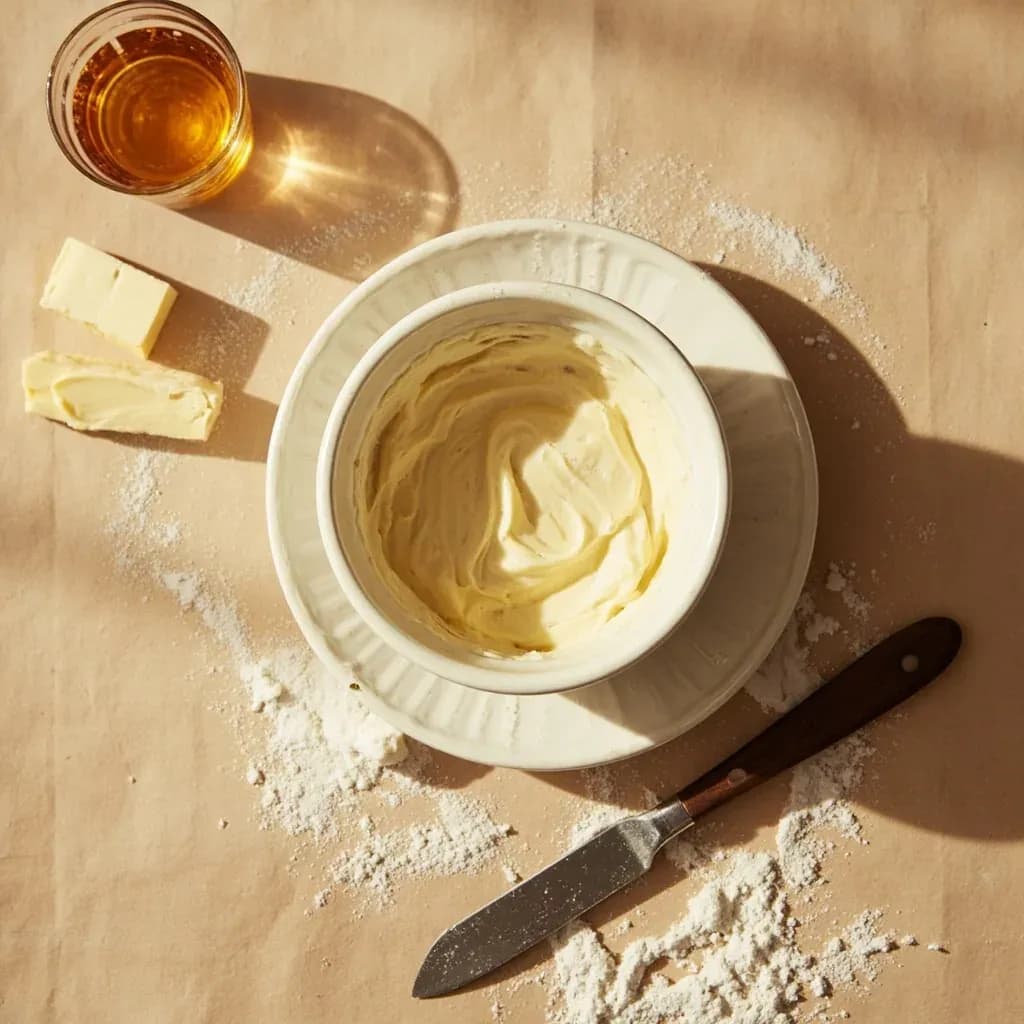
Rendered pork fat that creams flaky pastry, crisps refried beans, and fries with clean savory depth; solid at room temp, melts to a clear high-heat fat.
Lard is the rendered fat of the domestic pig — soft and pliable when cool, clear and liquid when warm, with a mild savory scent that disappears almost entirely in refined versions. For most of cooking history it was the default frying and baking fat across Europe, the Americas, and parts of Asia, and it remains foundational in regional cuisines from Southern biscuits and refried beans to Spanish confit and Central European dumplings. Its value to a cook is structural as much as flavor: because it is solid at room temperature yet melts cleanly near body temperature, it produces pastry that is simultaneously tender and flaky, and it fries with a high smoke point and a clean, meat-sweet depth that vegetable oils cannot imitate.
Chemically, traditionally rendered lard is roughly 40% monounsaturated oleic acid, putting it closer to olive oil than to heavily saturated fats, with palmitic and stearic acids giving it its firmness. The crystal structure matters as much as the composition: leaf lard's large, loose fat crystals slip easily into flour, producing layered, short doughs, while the denser crystals of back fat stand up better to prolonged frying. Understanding the source cut and whether the lard has been refined is the single most useful distinction a cook can make — it determines whether the fat disappears into a neutral background or carries a porky note into the finished dish.
- Measured in
- g
- Storage
- Refrigerate
Find it in
Types & varieties
The premium grade, rendered from the soft fat around the kidneys and loin. Neutral flavor, fine large crystals, and a snow-white color make it the choice for pastry, biscuits, and croissants.
Rendered from the firm layer along the pig's back. Slightly porky flavor and dense crystals suited to frying, savory cooking, and traditional rendering.
The lacy membrane around the stomach organs; used to wrap pâtés, terrines, and crépinettes. Not rendered into lard.
The French term, usually from back fat; central to confit, charcuterie, and alpine cooking.
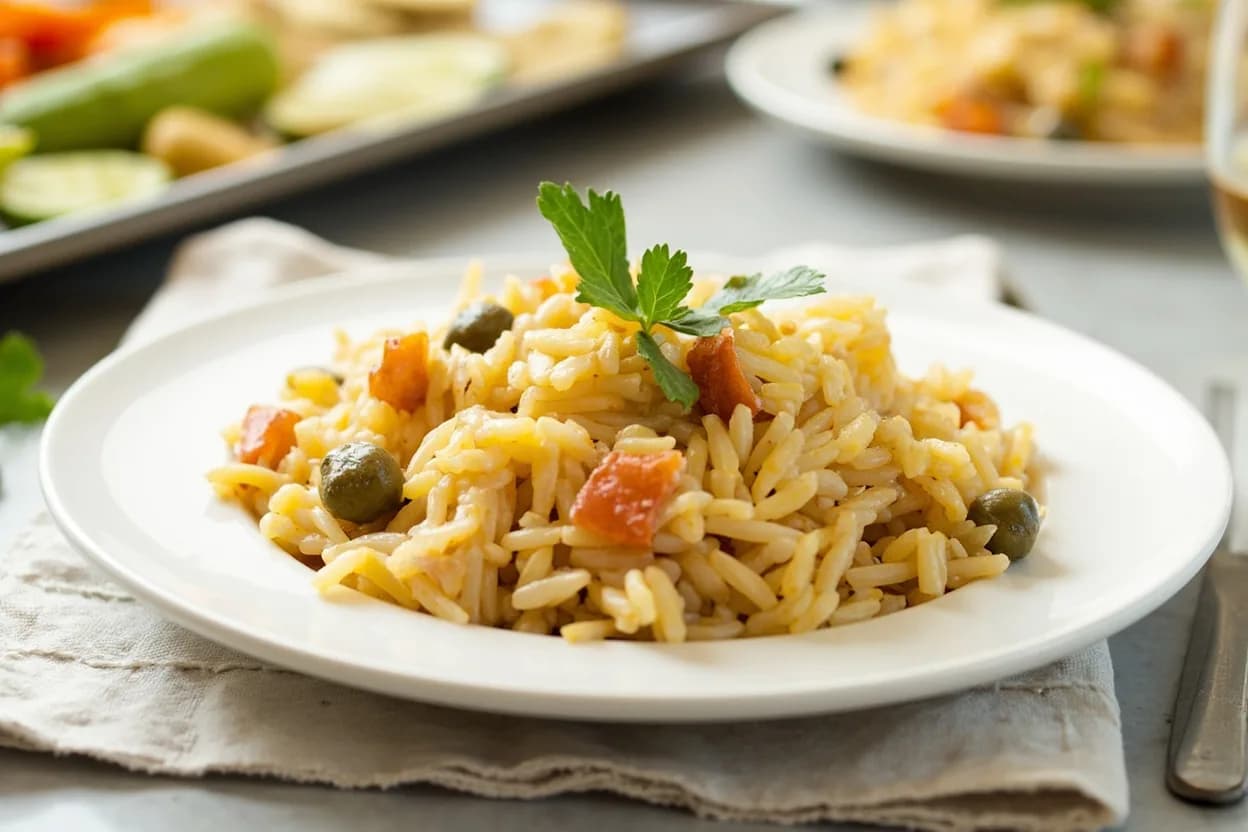
Spanish and Latin American lard, typically from back fat, sometimes lightly salted; the backbone of refried beans, tamales, and rice dishes.
German and Central European name for rendered pork back fat, sometimes blended with bacon; deep savory flavor used in dumplings, spreads, and potatoes.
Italian cured (not rendered) back fat seasoned with salt, pepper, garlic, and herbs; sliced thin and eaten raw on bread.
Filtered, bleached, and deodorized for a neutral product and long shelf life; standard on U.S. supermarket shelves.
Simply melted, strained, and cooled. Retains a faint pork scent and pale ivory color — what most bakers and traditional cooks prefer.
Choosing the Right Lard
Two questions determine which lard to buy or render: what cut it came from, and whether it has been refined. Leaf lard is the only choice when you want pastry that is tender, layered, and free of any pork flavor — its large, loosely packed fat crystals shorten dough without greasiness. Back fat is the workhorse for frying, refrying beans, and any application where a savory porky note is welcome. Refined lard is consistent, neutral, and shelf-stable; unrefined lard tastes better in nearly every savory use and bakes identically once incorporated into dough. Industrial hydrogenated lard, once common in commercial baking, has a higher melting point and waxy mouthfeel and should be avoided when traditional texture matters.
Rendering Lard at Home
Home rendering turns cheap fatback or leaf fat into a pure, clean product with a long shelf life and superior flavor. The keys are low heat, patience, and clean fat. The fat should smell faintly sweet at the end — never scorched or acrid — and the liquid should pour clear through cheesecloth.
- Dice 1 kg / 2 lb of clean, cold fatback or leaf fat into 1 cm / ½ inch cubes; removing any meat or blood improves flavor and shelf life.
- Place in a heavy pot with 60 ml / ¼ cup cold water and set over low heat. The water prevents sticking at the start and evaporates as the fat renders; the rendered fat will reach ≈110–120 °C / 225–250 °F as rendering proceeds.
- Stir occasionally for 1–2 hours until the solid pieces (cracklings) turn pale gold and float; do not let them go dark brown, or the lard will taste scorched.
- Strain through a fine sieve lined with cheesecloth into clean glass jars. Reserve the cracklings — salt them hot and eat, or fold into cornbread.
- Cool to room temperature, seal, and refrigerate. Properly rendered lard keeps 3–6 months cold, up to a year frozen.
Common uses
Tips & pitfalls
- Match the cut to the task: leaf lard for pastry and biscuits, back fat for frying and savory cooking.
- Render at low steady heat — scorched lard carries a bitter, acrid taste that no dish can hide.
- Always store lard in a sealed, opaque container; light and oxygen are the main causes of rancidity.
- Cloudiness or partial solidification at room temperature is normal — it reflects the crystal structure, not spoilage.
- If lard smells soapy, sour, or paint-like, it has oxidized and should be discarded.
- Keep lard cold when cutting it into flour for pastry; warm lard smears into the dough and destroys flakiness.
- A small addition of leaf lard (5–15%) to an all-butter pastry shortens the dough and produces more tender, better-layered results.
- Reserve the cracklings — they are not waste. Salt them hot, sprinkle on salads, or fold into cornbread and biscuits.
Nutrition
Energy
3774 kJ · per 100 g
Where the calories come from
Protein
0g
0% DV
Carbs
0g
0% DV
Fat
100g
128% DV
Fiber
0g
0% DV
Sugars
0g
of which
Sodium
0mg
0% DV
Source · USDA FoodData Central · Lard
View on FDC →In the shops
Matched grocery products
No matched grocery products for Lard yet.
Good to know
- Primary fatty acids
- Oleic ≈40–45% (monounsaturated), palmitic ≈25%, stearic ≈12%, linoleic ≈10%
- Melting point
- Softens near 32 °C / 90 °F; fully liquid around 40 °C / 104 °F
- Smoke point (refined)
- ≈190 °C / 374 °F
- Smoke point (unrefined)
- ≈182 °C / 360 °F
- State at room temperature
- Solid but soft and pliable; cloudy or partially opaque appearance is normal
- Shelf life
- 3–6 months refrigerated in a sealed opaque container; up to 1 year frozen
- Color
- Snow white when refined; pale ivory or creamy when properly rendered from clean fat
- Source
- Domestic pig (Sus scrofa domesticus); distinct from beef suet and poultry schmaltz
Substitutes
- Beef tallow — The closest culinary cousin for frying and savory cooking; similar solidity and high smoke point, with a deeper beefy flavor.
- Duck or goose fat — Excellent for frying potatoes and confit; richer and more savory than lard, with a lower melting point.
- Schmaltz (rendered chicken or goose fat) — Nearly interchangeable in Central European Jewish and German cooking; carries poultry flavor.
- Cold butter — Workable in pastry; produces browning and dairy notes but lower smoke point and a less flaky result.
- Vegetable shortening — Neutral, solid, and high in solid fats; mimics lard's pastry function but lacks flavor and is made from industrial seed oils.
- Refined coconut oil (solid) — Solid at room temperature with similar plasticity; works in pastry but adds a faint coconut note and a different fatty acid profile.
Pairs with
Also called
rendered pork fat · manteca
Appears in these dishes
Related
Olive Oil
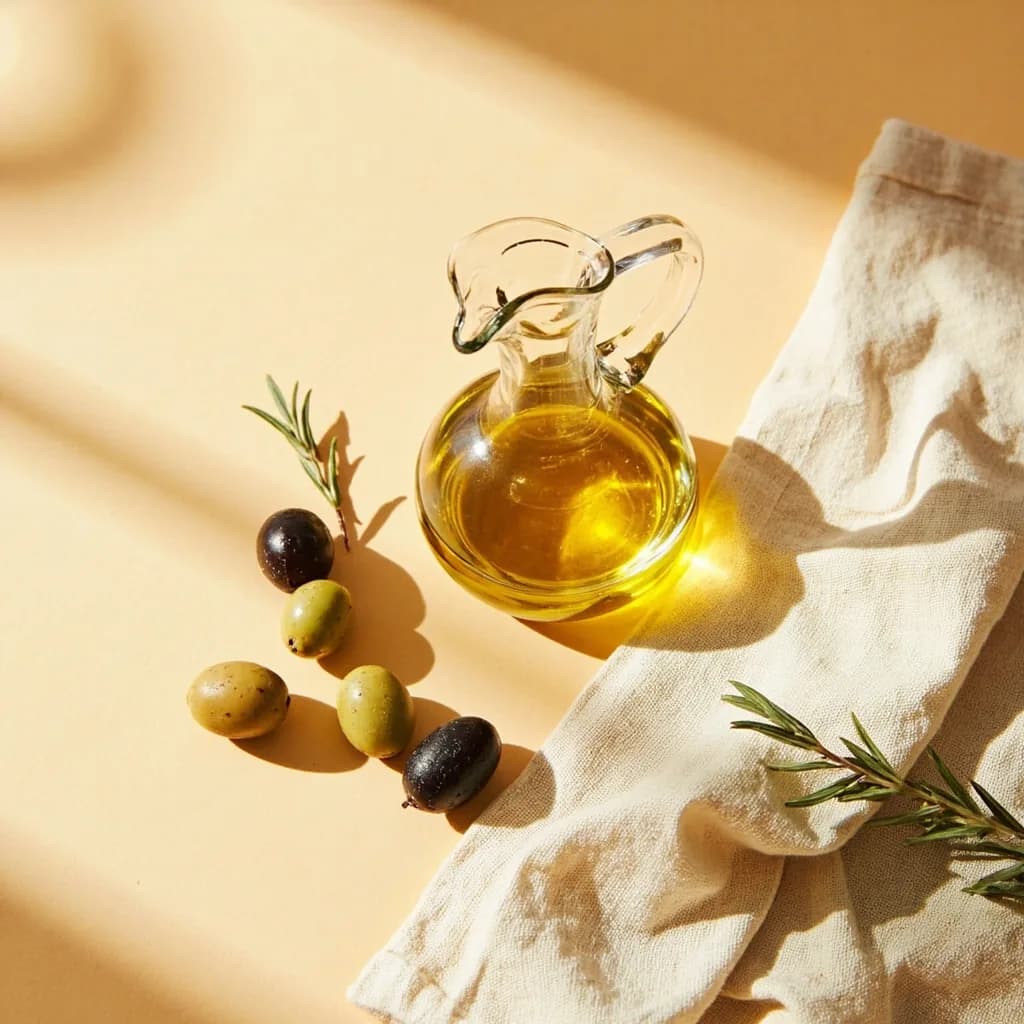
Fruity, peppery everyday oil for sautéing, dressing, and finishing
Vegetable Oil
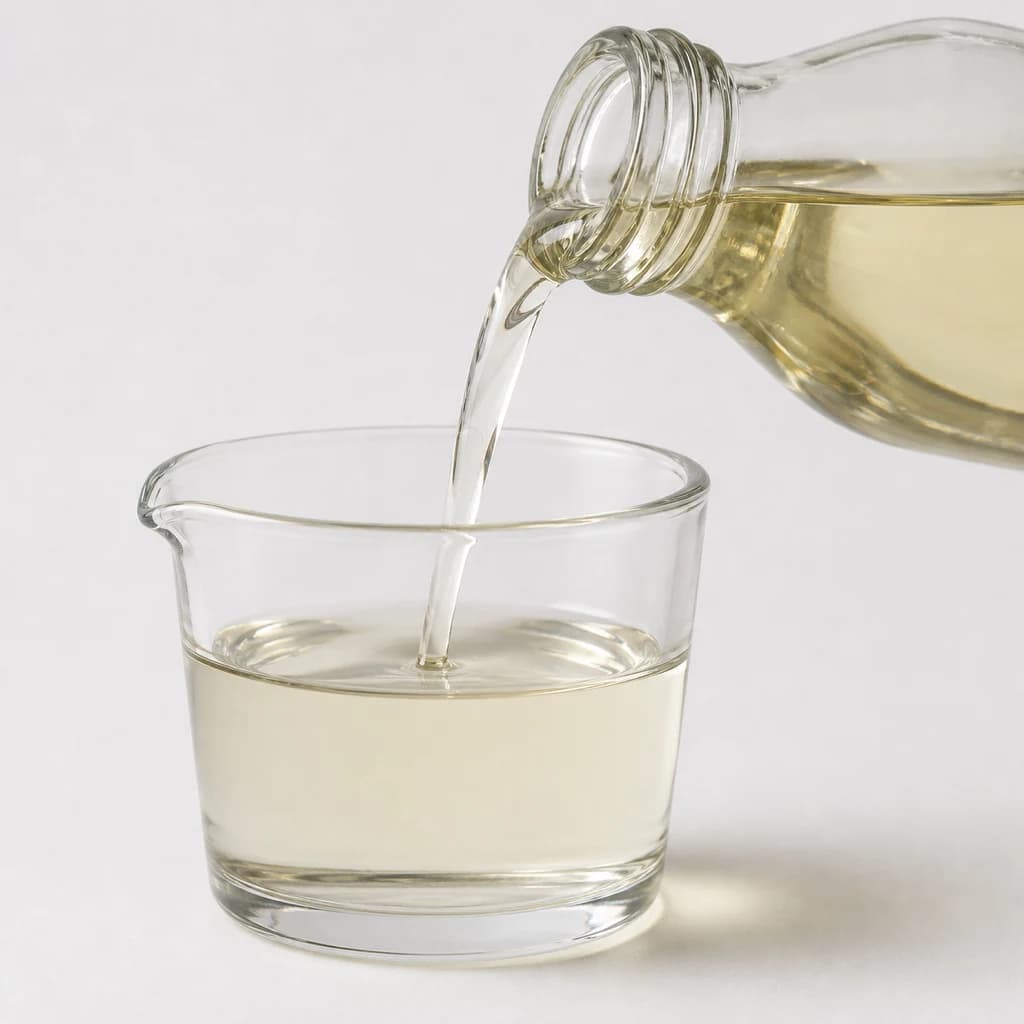
Neutral, high-heat oil for frying and all-purpose cooking
Canola Oil
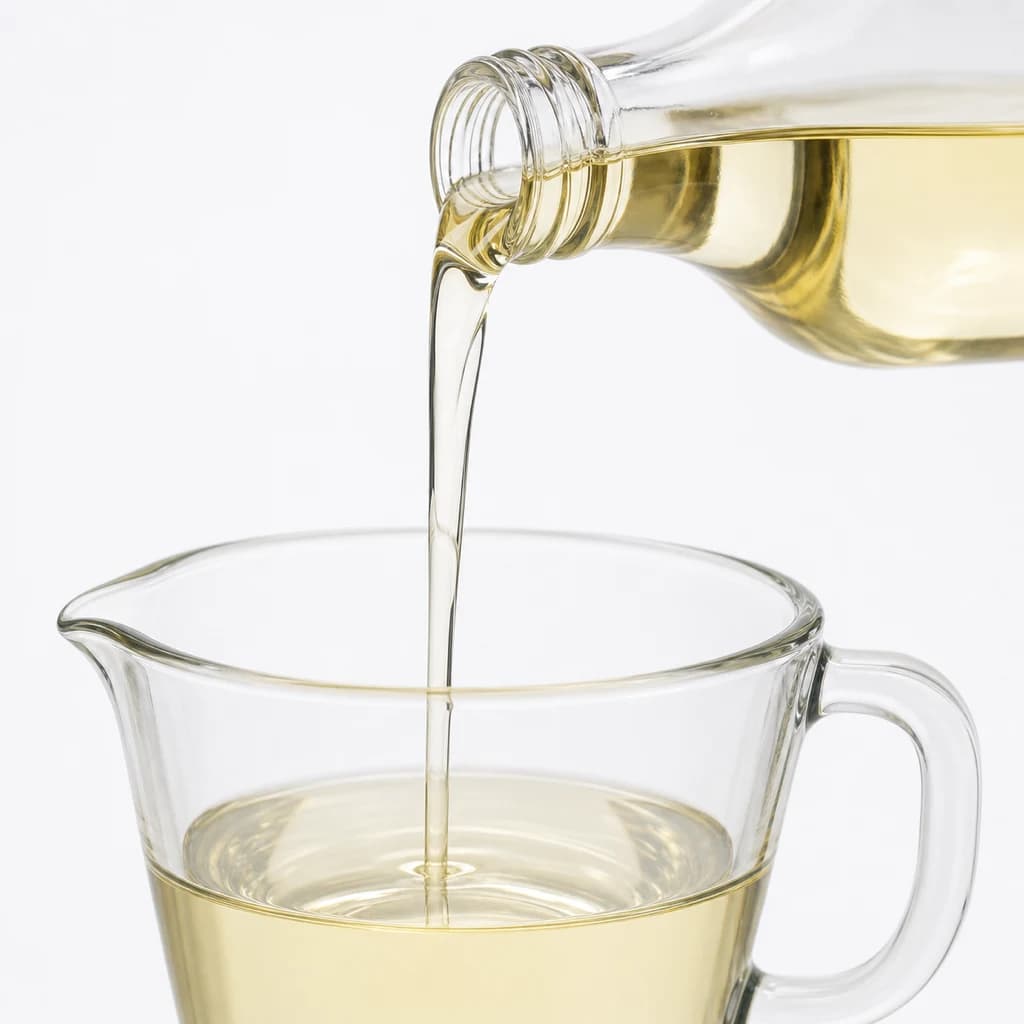
Light, neutral oil for frying, baking, and dressings

Sunflower Oil
Clean, neutral oil for frying and everyday cooking
Sesame Oil
Toasty, aromatic oil — a finishing splash for Asian dishes
Coconut Oil
Fragrant, solid-at-room-temp fat for baking and frying
Peanut Oil
High-heat oil with a faint nutty note — ideal for frying

Lamb Tail Fat
Rich rendered fat from fat-tailed sheep — used as a cooking fat and flavor base in Central Asian and Middle Eastern dishes.