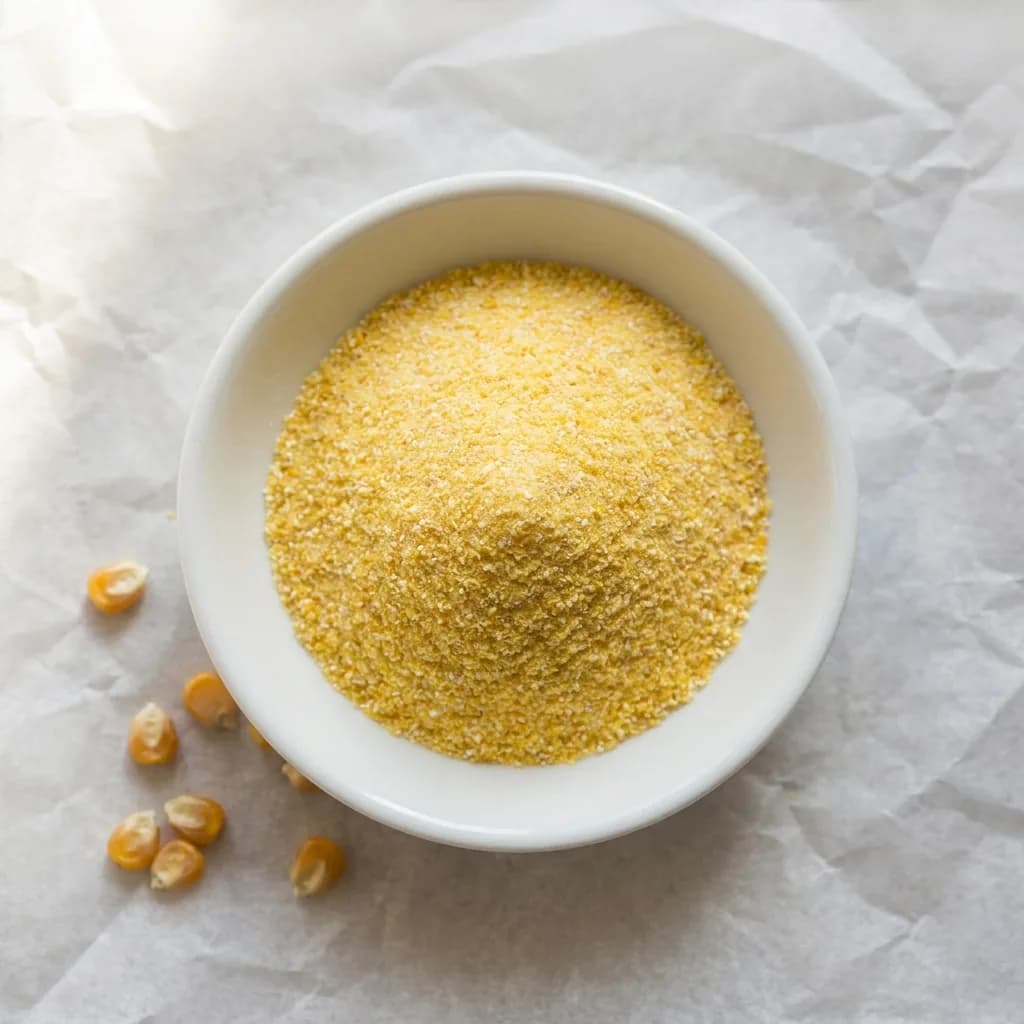
Grains & Rice
Cornmeal
Ground dried maize used for polenta, cornbread, porridge, and crispy coatings.
Cornmeal is dried corn ground to a fine, medium, or coarse texture, available in yellow or white. It is cooked into polenta and porridges, baked into cornbread and muffins, and used to coat foods for frying for a crunchy crust. Its naturally sweet, earthy corn flavor makes it a staple from the American South to the Balkans (mămăligă) to Africa.
Cornmeal is ground dried maize, produced by milling whole kernels of dent corn to varying degrees of coarseness. It differs fundamentally from masa harina, which undergoes nixtamalization—a treatment with lime or wood ash that releases niacin and improves digestibility. The grinding process determines its use: fine cornmeal yields smooth batters for baked goods, medium-ground creates the classic crumbly texture of cornbread, and coarse-ground transforms into the creamy Italian staple polenta or Southern grits. The flavor profile is straightforward—mild corn sweetness that deepens dramatically when toasted or browned in fat, making the cooking method as important as the ingredient itself.
Cornmeal has been a dietary cornerstone for millennia; Indigenous peoples of the Americas cultivated maize for thousands of years before European contact, and it remains central to Southern US, Italian, Latin American, and West African cuisines. The ingredient behaves differently depending on hydration and heat: it absorbs liquid and swells, releasing starches that thicken or bind, while proteins and fats contribute to structure and richness in baked applications. Its inherent gluten-free nature makes it invaluable for those avoiding gluten, though certified gluten-free labeling matters for celiac cooks due to cross-contamination risks during milling.
- Measured in
- g
- Storage
- Pantry
Types & varieties
Most common in US; mild, slightly sweet flavor; versatile for baking and cooking
Preferred in Southern US cuisine; more delicate, faintly sweeter; traditional for hoecakes and cornbread
Ground from heirloom Hopi or ancestral varieties; earthy, nutty, mildly bitter; striking purple color; higher protein than yellow
Smooth texture suitable for baking; used in batters, pancakes, and as breading
All-purpose cornmeal; standard for most cornbread and muffin recipes
Large, uneven particles; requires longer cooking for smooth texture; traditional for Italian polenta and Southern grits
Traditional milling retains germ and bran; more flavor, better nutrition; uneven texture; shorter shelf life
Pre-mixed with leavening and salt; formulated for quick cornbread and biscuits; not interchangeable with plain cornmeal
Pre-gelatinized and dried; cooks in 5–10 minutes; less flavor than traditional; suited for convenience dishes
Grind Size and Texture
The grind size of cornmeal is not a trivial detail—it determines the cooking method, liquid ratio, and final texture. Fine cornmeal resembles flour and integrates smoothly into batters for quick breads, pancakes, and coatings. Medium cornmeal, the workhorse of American cornbread, creates a tender, slightly crumbly crumb without visible grain. Coarse cornmeal, sometimes labeled polenta meal or grits depending on regional terminology, contains visible particles that require longer cooking and more liquid to achieve a smooth, creamy result. Coarse-ground cornmeal cooked to a loose porridge consistency becomes polenta; the same grind cooked with less liquid to a firmer consistency becomes grits. These are regional and stylistic distinctions, not ingredient differences.
- Fine: 1 part cornmeal to 3–4 parts liquid for smooth porridge; 5–10 min cooking time
- Medium: standard for cornbread; produces tender, crumbly texture
- Coarse: 1 part to 4–5 parts liquid; 30–45 minutes for smooth polenta; stir frequently to prevent sticking
Stone-Ground vs. Steel-Ground
The milling method profoundly affects flavor, nutrition, and shelf life. Stone-ground cornmeal preserves the germ and bran, delivering richer corn flavor, better nutrition through retained oils, and a characteristic uneven texture. However, those same natural oils cause faster rancidity—use stone-ground cornmeal within 1–3 months of purchase. Steel-ground cornmeal has had the germ removed, yielding a lighter color, more uniform texture, and longer shelf stability but noticeably less corn flavor. For baked goods where flavor matters, stone-ground is worth seeking out; for long-term storage or lighter applications, steel-ground performs reliably.
- Stone-ground: superior flavor, retained nutrition, 1–3 month shelf life at room temperature
- Steel-ground: uniform texture, longer shelf life, lighter flavor and color
- Store stone-ground in the freezer to extend usability
Cornbread: Regional Styles
Understanding regional preferences clarifies why cornbread recipes vary so dramatically. Traditional Southern cornbread is intentionally crumbly, savory, and often made with only cornmeal, egg, buttermilk, and a bit of bacon fat—no sugar, no wheat flour. This style reflects the historical role of cornbread as an everyday food that paired with beans, greens, and smoked meats. Northern cornbread, particularly in commercial and boxed mixes, tends toward sweeter, cakier results due to added sugar and often wheat flour, reflecting different regional tastes and baking traditions. Cornmeal itself provides flavor and texture; the lift and structure in cornbread come from leavening (baking powder or buttermilk's natural acidity reacting with baking soda) and egg protein, not the cornmeal. This means cornbread's crumb depends on technique as much as ingredients.
- Southern style: savory, crumbly, minimal ingredients, cast iron skillet
- Northern style: sweeter, cakier, often includes wheat flour and sugar
- Leavening and eggs provide rise, not cornmeal itself
Common uses
Tips & pitfalls
- Toast dry cornmeal in fat before adding liquid to deepen its corn flavor and add nuttiness—this is especially effective for polenta and porridges.
- Store cornmeal in the freezer if you will not use it within a few months; the natural oils in corn go rancid at room temperature over time.
- Stone-ground cornmeal has superior flavor and nutrition but a shorter shelf life; use it within 1–3 months of purchase.
- For smooth polenta, whisk vigorously when adding cornmeal to boiling liquid to prevent lumps; then stir frequently during cooking.
- Let cornbread rest 5–10 minutes before slicing—it holds together better and the texture sets properly.
- Coarse-ground cornmeal requires more liquid and longer cooking; reduce heat to a bare simmer once added to prevent sticking.
- For a crispier crust on fried foods, mix cornmeal with flour or panko and let the coating set for a few minutes before frying.
- Use fine cornmeal for baked goods where a smooth crumb is desired; use medium or coarse for textured, rustic results.
- When substituting cornmeal for a portion of wheat flour in baking, use no more than 25–30% replacement to maintain structure.
Nutrition
Energy
1665 kJ · per 100 g
Where the calories come from
Protein
10.4g
21% DV
Carbs
76.9g
28% DV
Fat
5.4g
7% DV
Fiber
8.7g
31% DV
Sugars
1.8g
of which
Sodium
7mg
0% DV
Source · USDA FoodData Central · Cornmeal, blue (Navajo)
View on FDC →In the shops
Matched grocery products
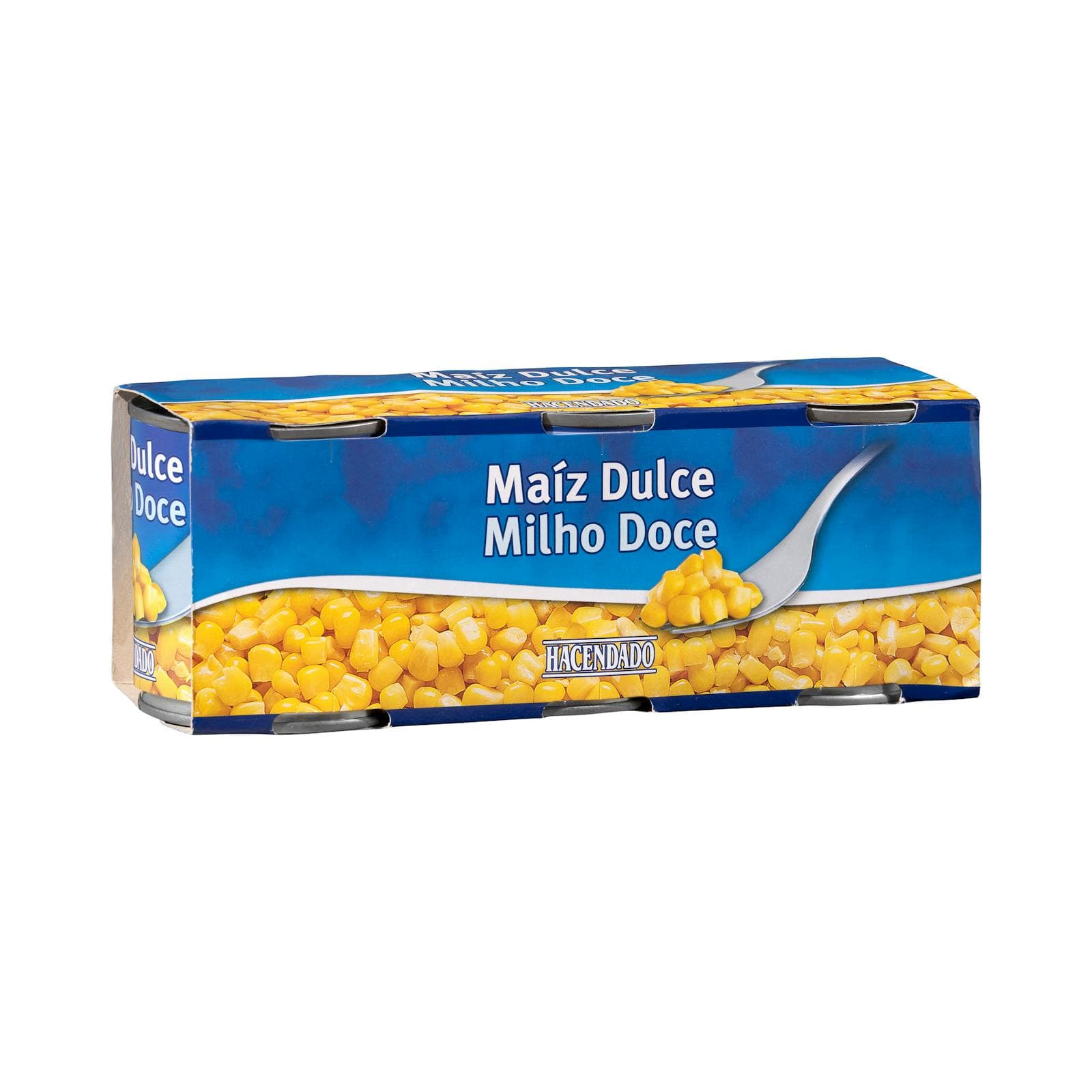 €1.55
€1.55Sweet Corn
Hacendado · 450 g · Mercadona
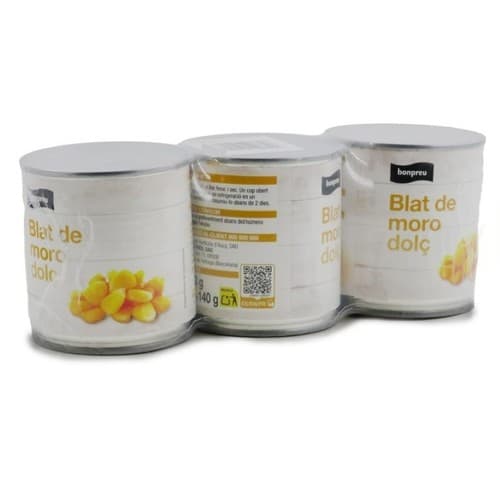 €1.59
€1.59Sweet Corn Bonpreu
BONPREU · kg · Bonpreu
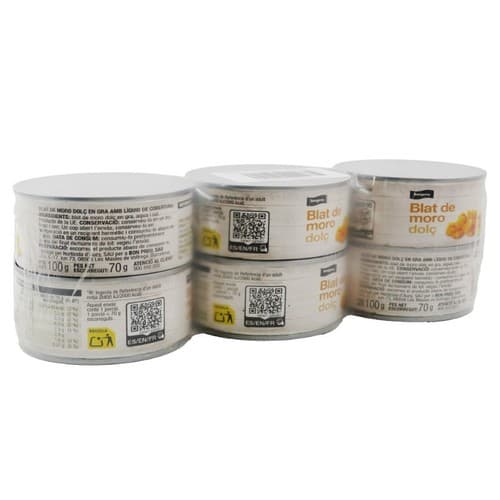 €2.49
€2.49Sweet Corn Bonpreu
BONPREU · kg · Bonpreu
 €1.99
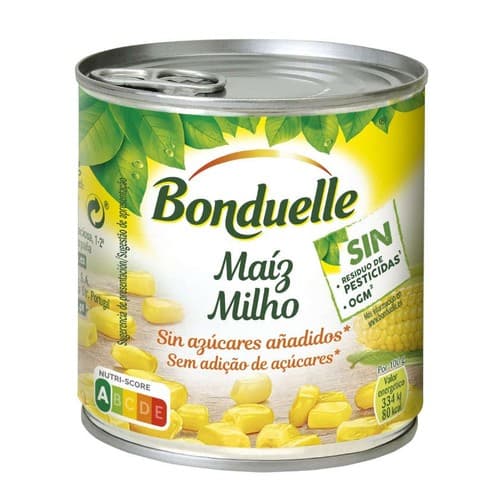
€1.99Bonduelle Sweet Corn
BONDUELLE · kg · Bonpreu
 €2.99
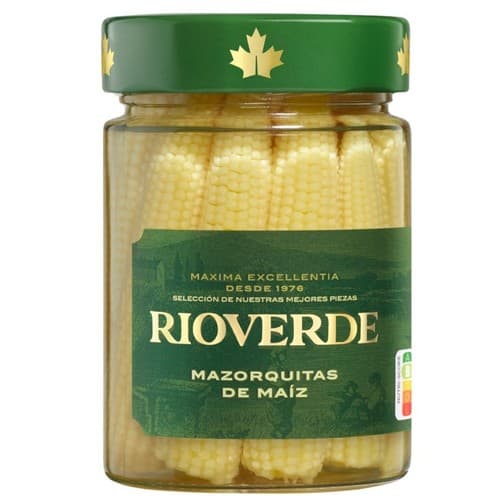
€2.99Pickled Corn Kernels
RIOVERDE · kg · Bonpreu
 €3.15
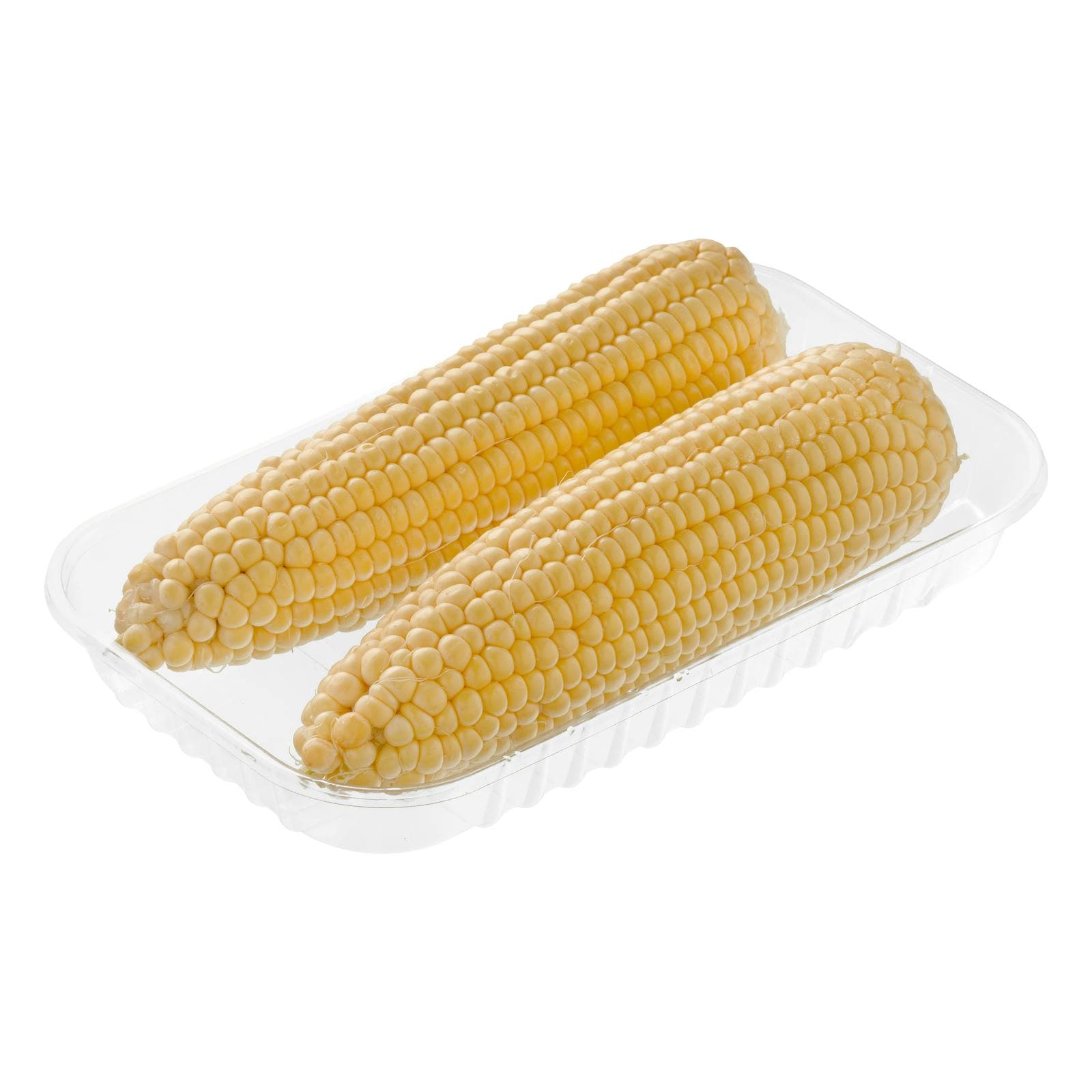
€3.15Sweet Corn on the Cob
2 ud · Mercadona
Good to know
- Origin
- Indigenous to the Americas; cultivated for thousands of years before European contact
- Primary grind sizes
- Fine (corn flour), medium, and coarse (polenta/grits)
- Common colors
- Yellow (mild, sweet), white (delicate, slightly sweeter), blue/purple (earthy, slightly bitter)
- Processing methods
- Stone-ground (traditional, more flavor, uneven texture) vs. steel-ground (modern, uniform, lighter)
- Flavor
- Mild corn sweetness; toasted notes when browned; flavor intensifies with toasting or longer cooking
- Shelf life
- 6–12 months in airtight container at cool temperature; indefinite in freezer due to natural oils going rancid
- Gluten-free
- Yes, inherently gluten-free but verify cross-contamination for celiac use
- Key cuisine traditions
- Southern US (cornbread, hush puppies), Italian (polenta), Latin American (arepas, tamales base), West African (sadza, kenkey)
Substitutes
- Corn grits — Direct substitute in cooked dishes; similar grind and behavior; not ideal for fine baking
- Masa harina — Nixtamalized corn flour; similar texture but with lime-treated flavor; acceptable for Latin dishes, notably different for others
- Corn flour (starch) — Too fine and starchy; only works as thickener, not for textural applications
- Semolina flour — Closest texture for coarse applications like polenta; distinctly different flavor; works in Italian-style dishes
- Ground hominy — Similar flavor profile; good for Latin-inspired dishes; availability limited
- Wheat flour (partial) — For baking, can replace up to 25% of flour with cornmeal for flavor; texture and rise will change
Pairs with
Also called
Miell Misri · Mălai · Polenta Cornmeal · Corn Meal
Appears in these dishes
Related

White Rice
Fluffy long-grain rice — the neutral base for almost any meal

White Bread
Soft sandwich loaf for toast, sandwiches, and crumbs
Brown Rice
Nutty, whole-grain rice with chew and extra fiber

Basmati Rice
Fragrant, long-grain rice that cooks up light and separate
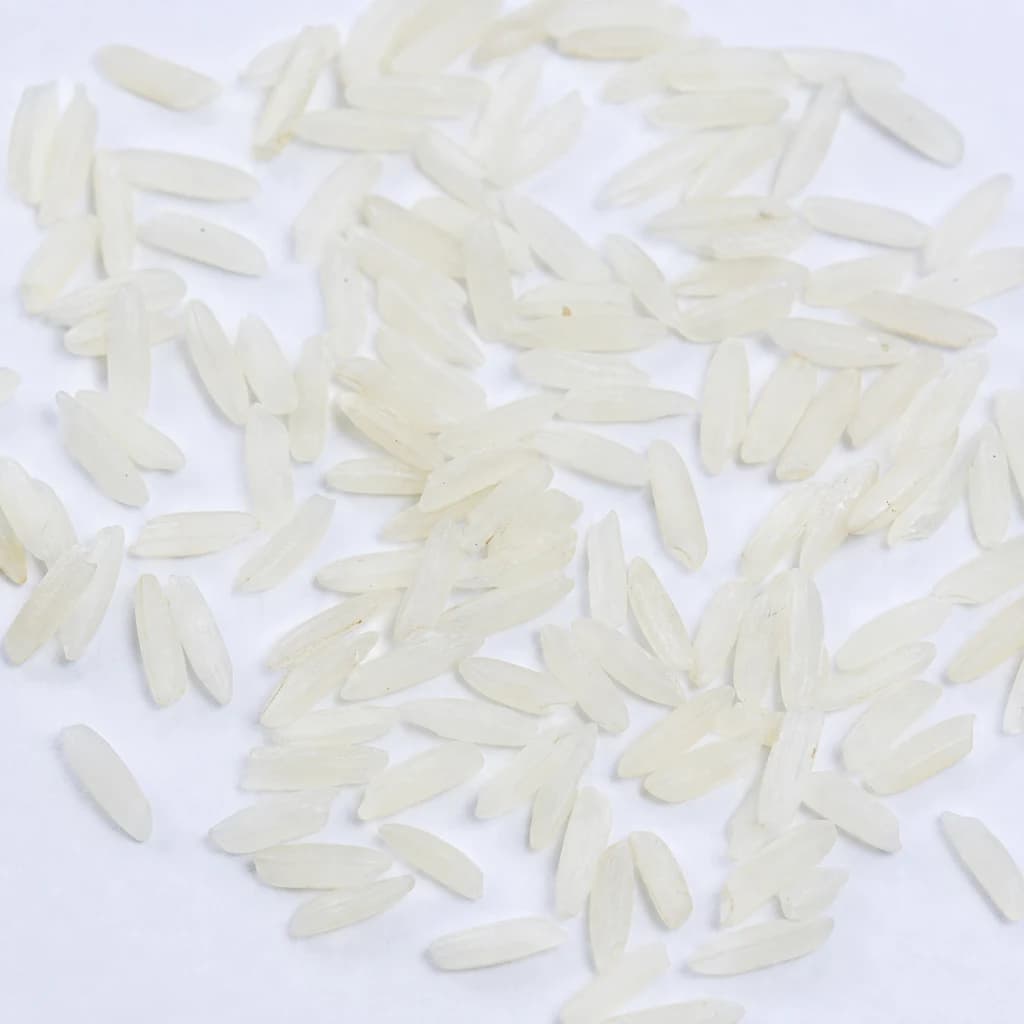
Jasmine Rice
Soft, floral-scented rice that's the pillar of Thai meals
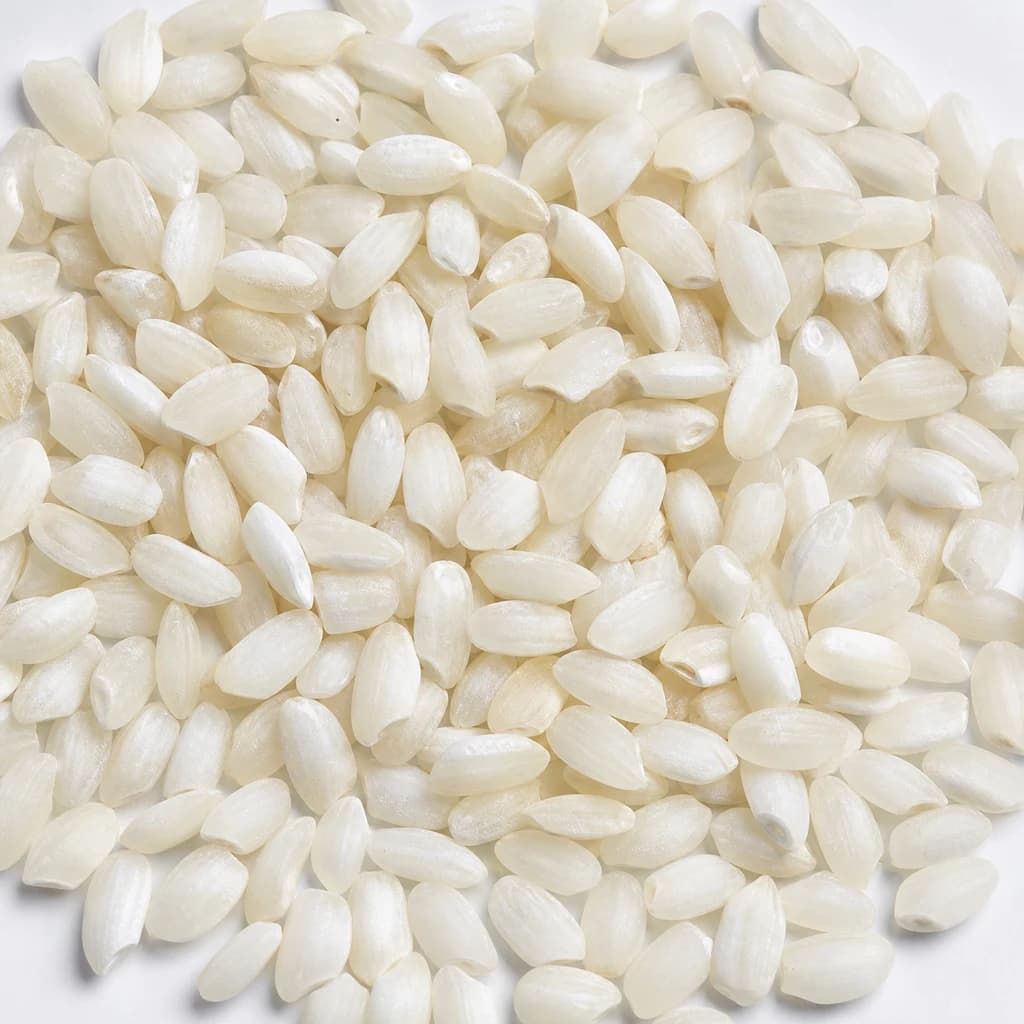
Arborio Rice
Plump, starchy rice that makes risotto creamy
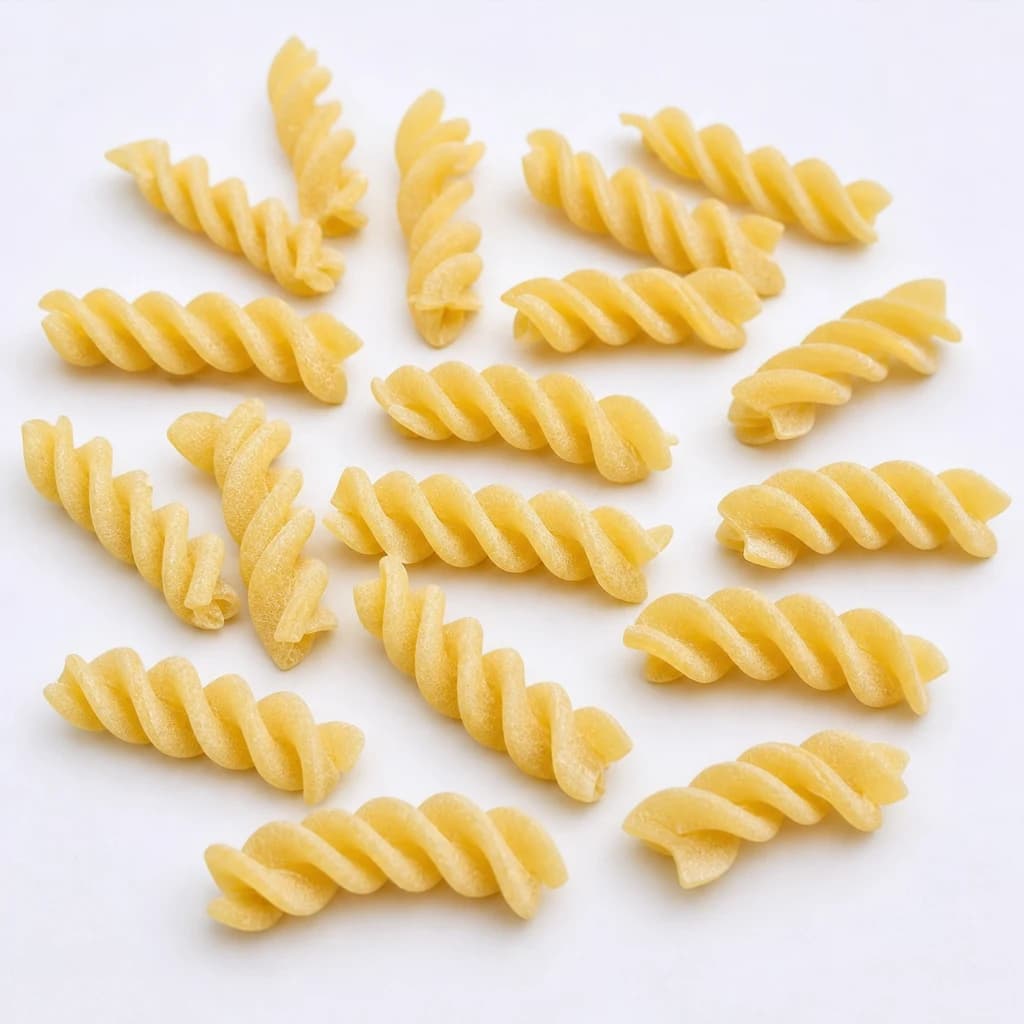
Fusilli
Spiraled pasta that twirls up sauce and dresses cold salads
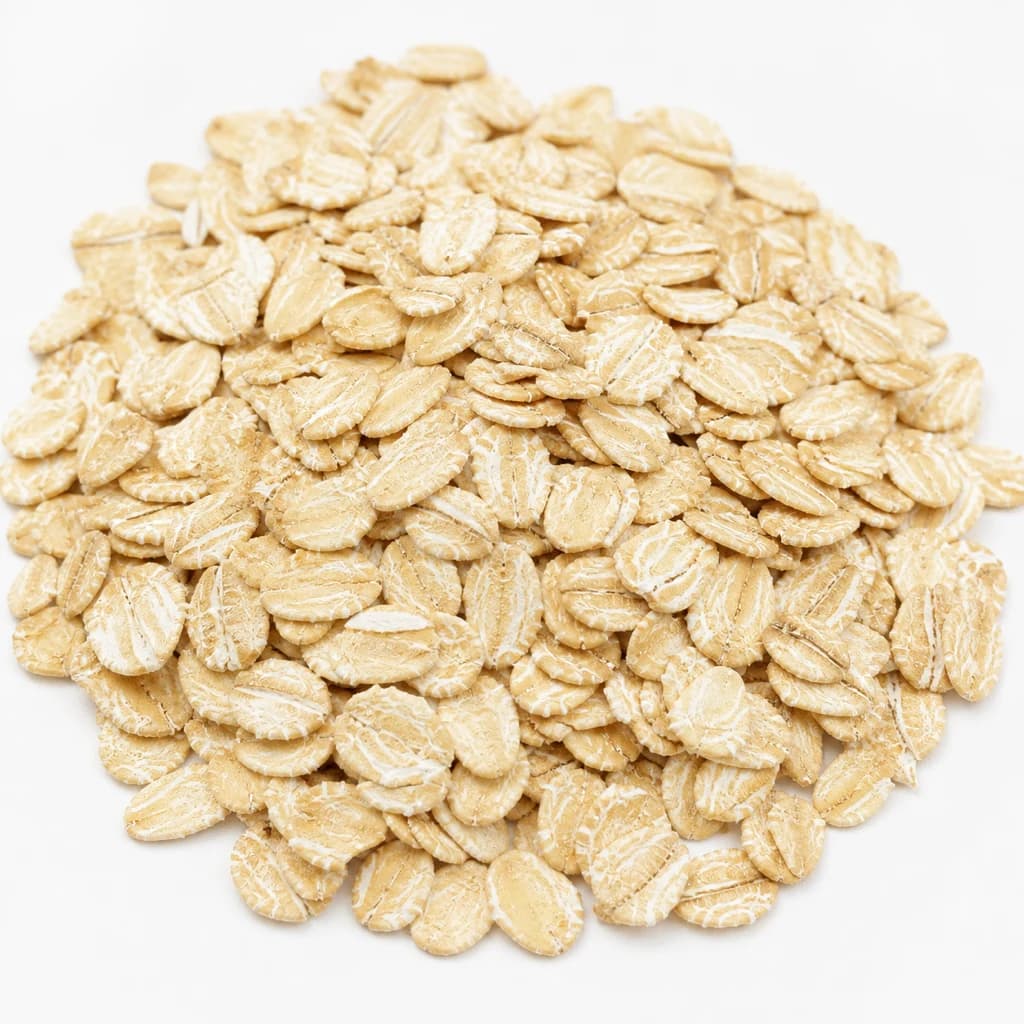
Rolled Oats
Hearty flakes for porridge, granola, and chewy cookies