Baking
Wheat Flour
The universal milled-wheat flour for bread, flatbreads, pasta, pastry, and thickening.
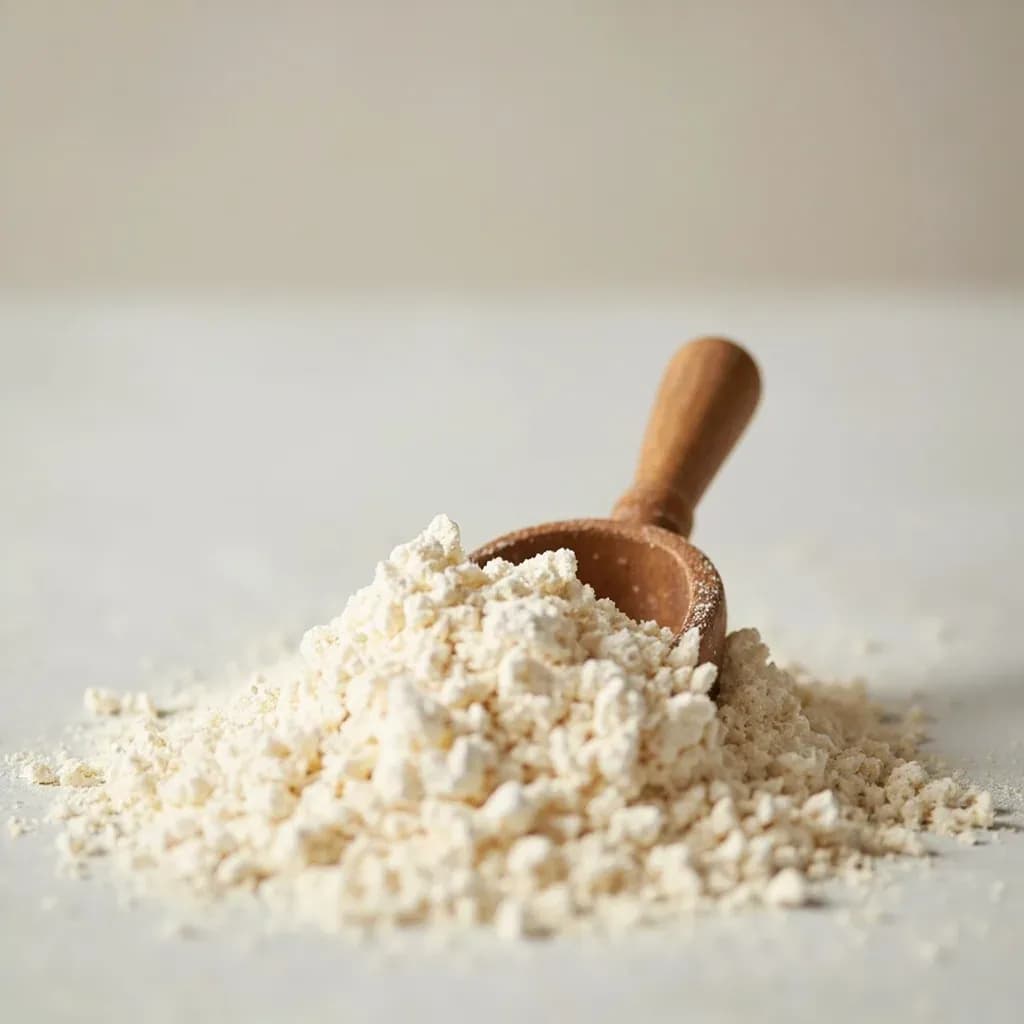
Wheat flour is ground from wheat kernels and is the most widely used flour on earth, appearing in breads, flatbreads like roti and chapati, noodles, cakes, and sauces. Its gluten-forming proteins give dough elasticity and structure, which is why it underpins everything from baguettes to dumplings. Varieties range from soft low-protein cake flour to strong high-protein bread flour.
Wheat flour is finely milled endosperm—the starchy, protein-rich interior of the wheat kernel. It is the foundational ingredient of most global bread cultures, pasta traditions, and pastry arts. The endosperm is separated from the bran and germ during milling and refined to produce the neutral-flavored, predictable powder that bakers rely on for consistent results. The refining process removes 25–28% of the grain, including the fiber-rich bran and the oil-heavy germ that causes whole wheat flour to go rancid faster.
Protein content—not brand or price—determines how wheat flour behaves in any recipe. Glutenin and gliadin, the two gluten-forming proteins in wheat, activate when flour meets water and create an elastic network that traps gas and provides structure. Soft wheat varieties yield 6–10% protein flours suited for tenderness; hard wheats produce 12–14% protein flours that develop the strong, chewy gluten needed for bread. This single variable explains why cake flour makes tender pastries while bread flour makes elastic pizza dough—same ingredient, different protein.
Whole wheat flour, ground from the entire kernel including bran and germ, presents a different set of trade-offs. The bran fragments physically cut gluten strands, creating a denser crumb, while the germ's oils shorten shelf life to months rather than years. Most serious bakers use whole wheat strategically, often blending it with white flour to balance nutrition against workability. For everyday baking, an unbleached all-purpose flour handles 90% of recipes adequately; reserving separate bread and pastry flours for their specific applications is where precision baking begins.
- Measured in
- g
- Storage
- Pantry
Allergens
Types & varieties
10–12% protein blend of hard and soft wheats. Enriched with iron and B vitamins. Versatile for quick breads, cookies, muffins, and light yeast breads.
Hard wheat, 12–14% protein. High gluten development creates strong, elastic doughs ideal for sandwich breads, pizza, and dinner rolls. Often bromated.
Soft wheat, 8–10% protein. Low gluten yields tender, flaky results for pie crusts, tart shells, and delicate free-form pastries.
Soft wheat with 6–8% protein; chlorinated to lower pH and weaken proteins. Produces extremely tender, fine-crumbed cakes and génoise.
Ground entire wheat kernel including bran and germ. Higher fiber, nuttier flavor. Bran cuts gluten strands, making baked goods denser; often combined with white flour.
Ground from hard white wheat (lower tannin than red wheat). Milder flavor; substitutes for whole wheat in most recipes with less color difference.
Coarse grind of hard durum wheat, 10–13% protein. Golden color, creamy texture. Traditional for pasta, couscous, and rustic bread crusts like focaccia.
Extra-fine grind, very low ash (~0.25–0.35%), 10–12% protein. Creates silky, extensible dough perfect for Neapolitan pizza and fresh pasta.
Coarsely ground whole wheat with separately milled coarse bran particles. Traditional for graham crackers and authentic New England-style hearth breads.
Flour with iron and B vitamins (thiamine, riboflavin, niacin, folic acid) added after milling. Standard for commercial all-purpose and bread flours in the US.
Not treated with bleaching agents; naturally aged 2–3 months to develop color and structure. Slightly denser, creamier color than bleached.
Treated with chemical agents for faster whitening and softer texture. Common in commercial cake and pastry flours.
Protein Content: The Defining Variable
Protein percentage—not price, not brand—determines flour performance. Low-protein flours (6–8%) limit gluten formation, producing tender, delicate crumb structures ideal for cakes and biscuits. Medium-protein flours (10–12%) balance tenderness with enough structure for cookies, quick breads, and lighter yeast breads. High-protein flours (12–14%) develop strong gluten networks that trap gas bubbles and produce chewy, elastic textures in bread, pizza, and pasta. When a recipe fails or succeeds, flour protein is usually the variable to examine first.
- Check the protein percentage on the nutrition label—most brands list it
- All-purpose flour protein varies by brand: King Arthur runs ~11.7%, while some store brands run ~10%
- Higher protein flours absorb more water; increase hydration by 2–5% when switching from all-purpose to bread flour
- At the grocery store, pastry flour typically lists ~8% protein, bread flour ~12-14%
Bleached vs. Unbleached: Practical Differences
Unbleached flour ages naturally for 2–3 months after milling, developing a creamier color and slightly stronger gluten structure through natural oxidation. Bleached flour is treated with chlorine gas or benzoyl peroxide to achieve the same results in hours. The differences are cosmetic and textural—bleached flour produces a brighter white crumb and slightly softer texture, making it common in commercial cake and pastry flours. For home baking, unbleached all-purpose works in all applications; the slight density difference matters only in delicate layer cakes where the extra structure helps.
- For color-sensitive recipes like cream puffs or delicate pastries, bleached flour may produce brighter results
- Unbleached flour is preferable for yeast breads where slight extra gluten strength aids structure
- Taste is identical between bleached and unbleached—both are required to be enriched in the US
Common uses
Tips & pitfalls
- Measure flour by weight (135–150 g per cup for white flour) rather than volume—scooping or settling can introduce 20–30% error
- Sift flour before measuring only if a recipe specifically calls for 'sifted flour'; otherwise, aerating introduces inconsistency
- Store flour in an airtight container away from strong odors—flour absorbs aromas from coffee, onions, and spices
- Refrigerate or freeze flour for long-term storage; cold temperatures inhibit insect eggs from hatching and slow fat oxidation that causes rancidity
- Bring refrigerated or frozen flour to room temperature before baking to prevent condensation in doughs
- For yeast breads requiring strong gluten, knead until the dough passes the windowpane test—stretch a golf-ball-sized piece thin enough to see light through without tearing
- Avoid overmixing batters containing low-protein flour (cake or pastry) once ingredients are combined to prevent toughening
- When substituting whole wheat for white flour in yeast breads, replace no more than 25–50% and add slightly more liquid; expect denser texture
- For biscuits and pie crusts, keep fat cold and work quickly to maintain distinct fat pieces that create flakiness upon baking
- Let doughs rest after mixing (autolyse) for 20–60 minutes to allow flour to fully hydrate and gluten to relax—this reduces tearing and improves extensibility
Nutrition
Energy
1523 kJ · per 100 g
Where the calories come from
Protein
10.3g
21% DV
Carbs
76.3g
28% DV
Fat
1g
1% DV
Fiber
2.7g
10% DV
Sugars
0.3g
of which
Sodium
2mg
0% DV
Source · USDA FoodData Central · Wheat flour, white, all-purpose, enriched, bleached
View on FDC →In the shops
Matched grocery products
No matched grocery products for Wheat Flour yet.
Good to know
- Source
- Milled wheat grain (Triticum spp.)—specifically the endosperm, with bran and germ removed for white flour
- Primary Component
- Starchy endosperm containing 6–14% protein depending on wheat variety
- Gluten-Forming Proteins
- Glutenin and gliadin—activated when flour meets water, creating the elastic gluten network
- Protein Classes
- Soft wheat (6–10% protein for tenderness) vs. hard wheat (12–14% protein for structure)
- Extraction Rate
- 72–75% for standard white flour; higher extraction includes more bran and germ
- Ash Content
- 0.3–0.5% refined white; 1.0–2.0% whole wheat (indicates mineral content and milling refinement)
- Shelf Life (unopened)
- 12–18 months in cool, dry storage
- Shelf Life (opened)
- 6–12 months in airtight container; up to 2 years refrigerated or frozen
- Leading Producers
- China, India, Russia, United States, France
Substitutes
- Pastry Flour — Substitute 1:1 for all-purpose when making tender pastries or cookies—result will be more delicate. Not suitable for bread.
- Bread Flour — Substitute 1:1 for all-purpose in yeast breads for better rise and chew. Makes cookies tougher in non-yeasted applications.
- Cake Flour — Substitute 1:1 for all-purpose in cakes. Will make bread and pizza doughs that collapse due to insufficient gluten structure.
- Whole Wheat Flour — Substitute 3/4 cup per 1 cup all-purpose; add 1–2 teaspoons liquid per cup substituted. Baked goods will be denser with nuttier flavor.
- Rye Flour — Substitute up to 50% in breads for rye character. Contains no gluten-forming proteins; breads will not rise without substantial wheat flour addition.
- Spelt Flour — Substitute 1:1 for white flour in most applications. Lower gluten potential means batters may be runnier. Some find it easier to digest.
- Oat Flour — Substitute 3/4 cup per 1 cup wheat flour; add 1/4 teaspoon xanthan gum per cup for gluten-free binding in baked goods.
- Gluten-Free Flour Blend — Substitute 1:1 in most recipes with addition of 1/2 teaspoon xanthan gum per cup for binding. Results vary significantly by brand and recipe.
- Almond Flour — Not a 1:1 substitute—lower starch, higher fat, no gluten. Use in combination with starch-based gluten-free flours for acceptable results in certain applications.
Pairs with
Also called
Aurd · Miell Gruri · Ataa · Roshi Flour · Atta · All-Purpose Flour · Plain Flour
Appears in these dishes

Related

All-Purpose Flour
The do-anything flour for bread, cakes, sauces, and dredging

Bread Flour
High-protein flour for chewy, well-risen breads
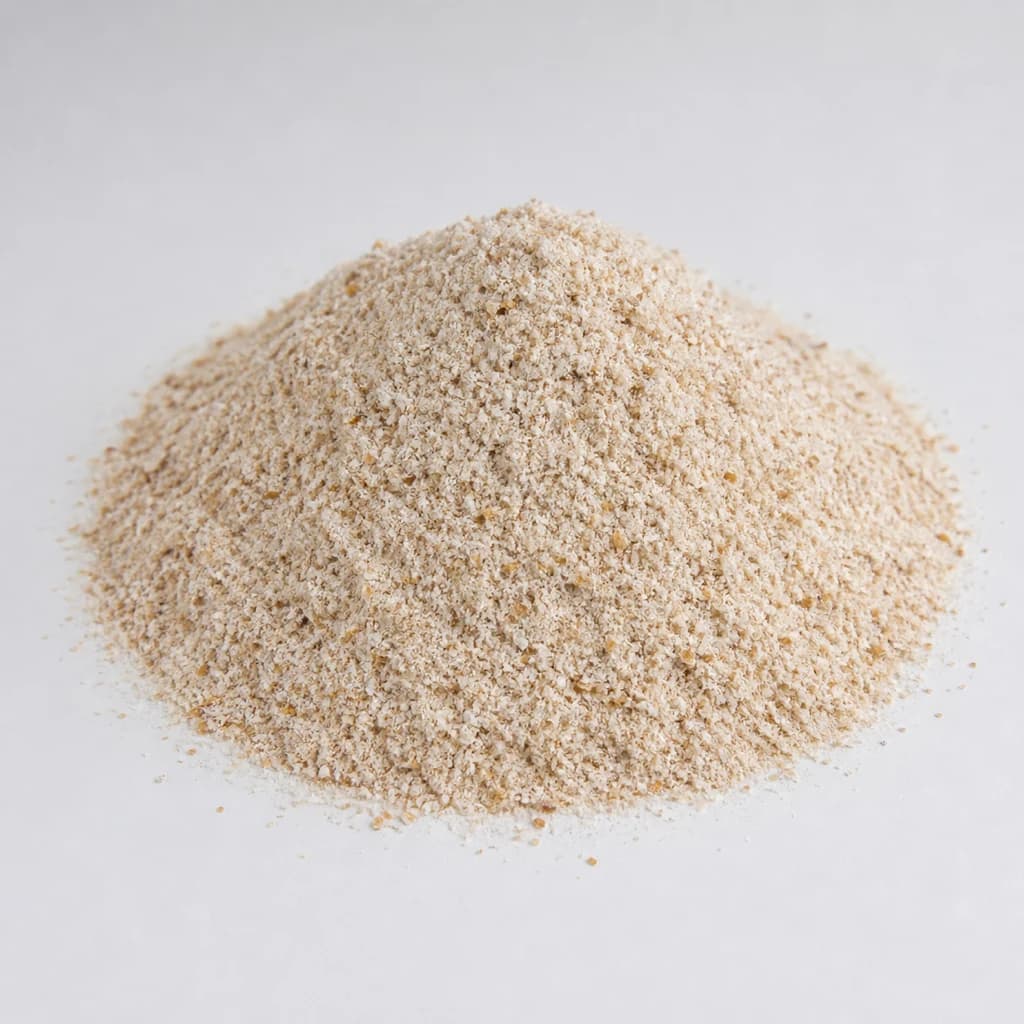
Whole Wheat Flour
Nutty, whole-grain flour for hearty breads and bakes
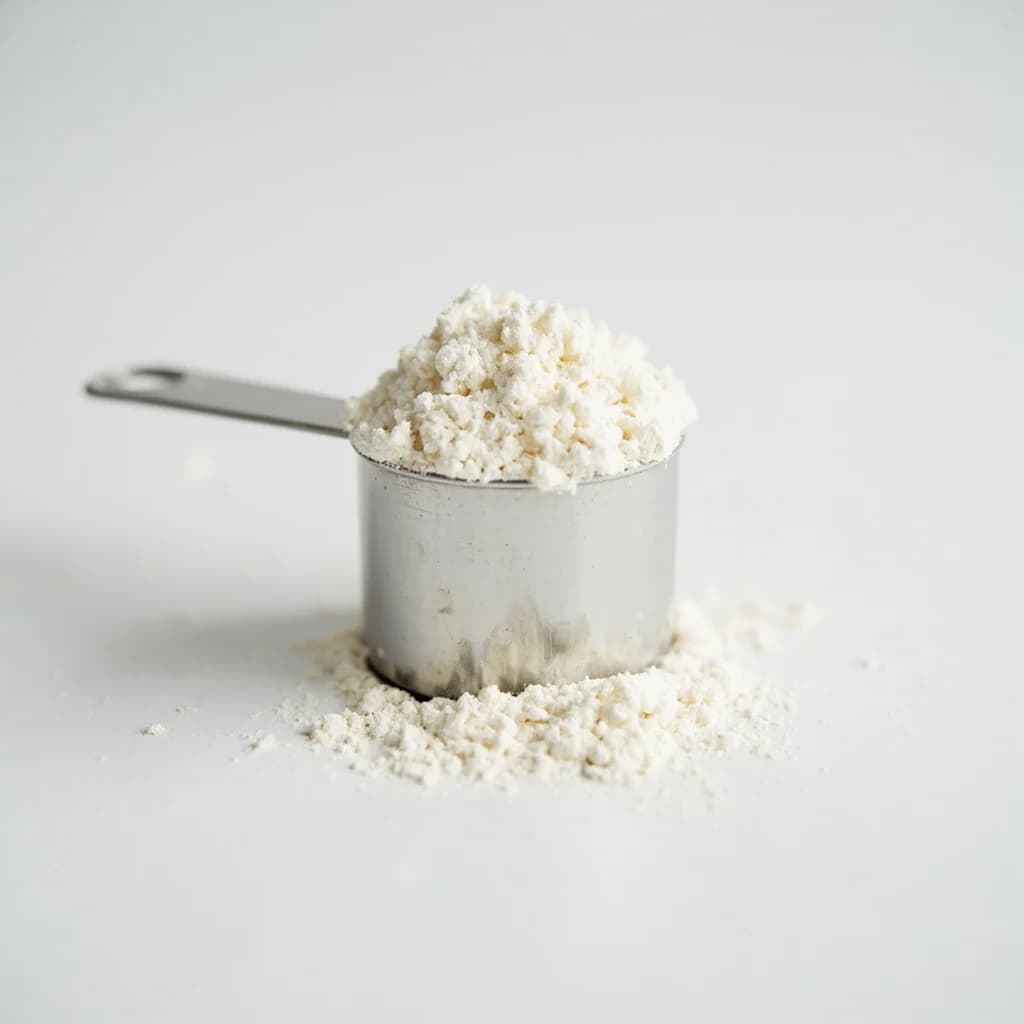
Cake Flour
Fine, low-protein flour for tender, delicate cakes
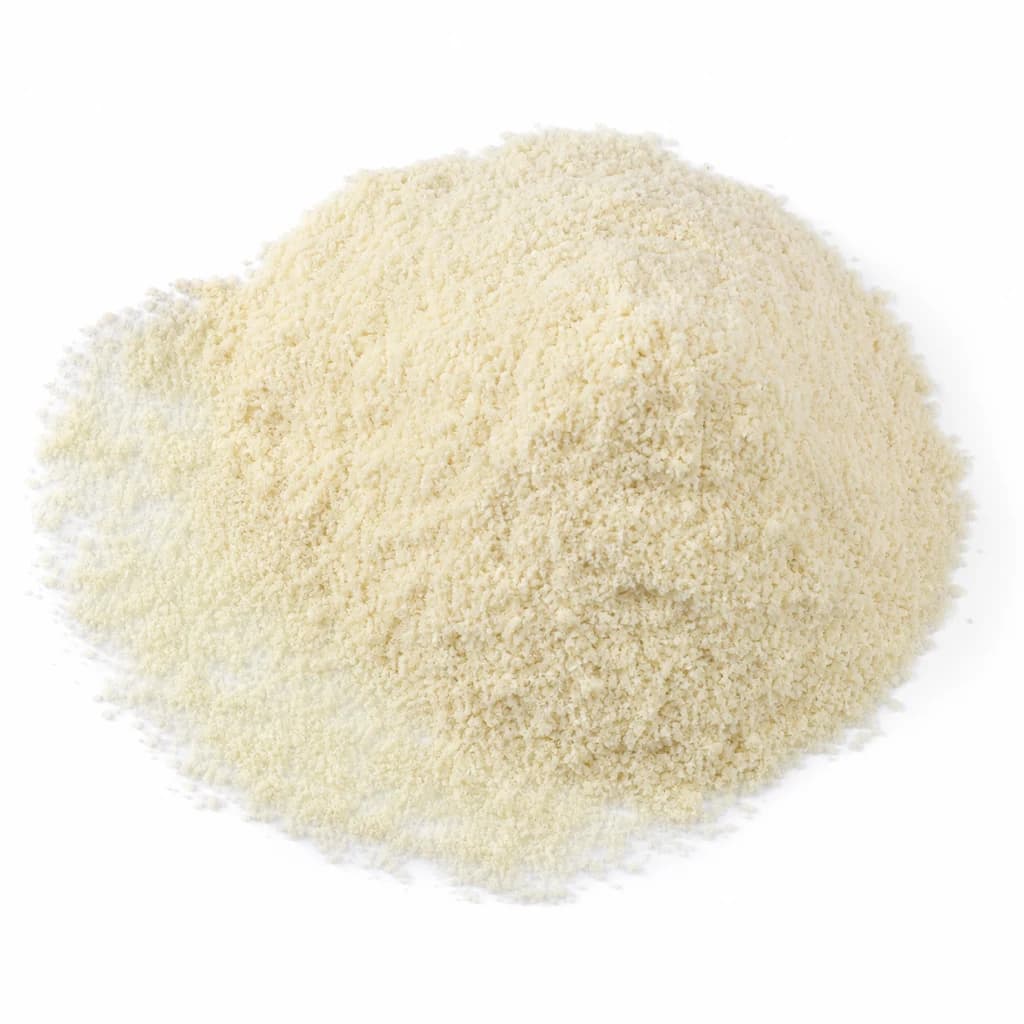
Almond Flour
Nutty, gluten-free flour for macarons and tender bakes

Baking Powder
All-in-one leavener for fluffy cakes, pancakes, and biscuits

Baking Soda
Pure leavener that needs acid to lift — and tenderize
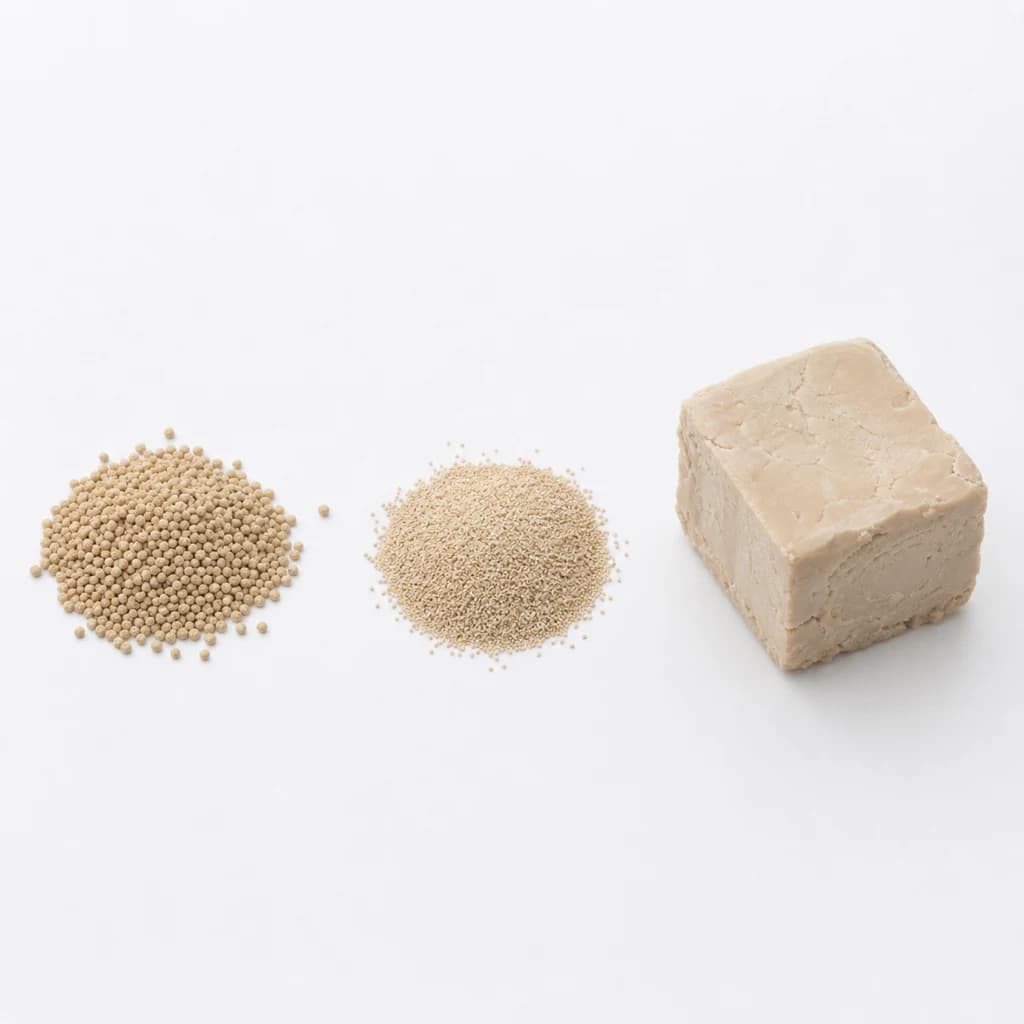
Yeast
Living leaven that makes bread rise and dough come alive