Baking
Strong Bread Flour
High-protein wheat flour that builds the gluten structure for chewy, well-risen bread.
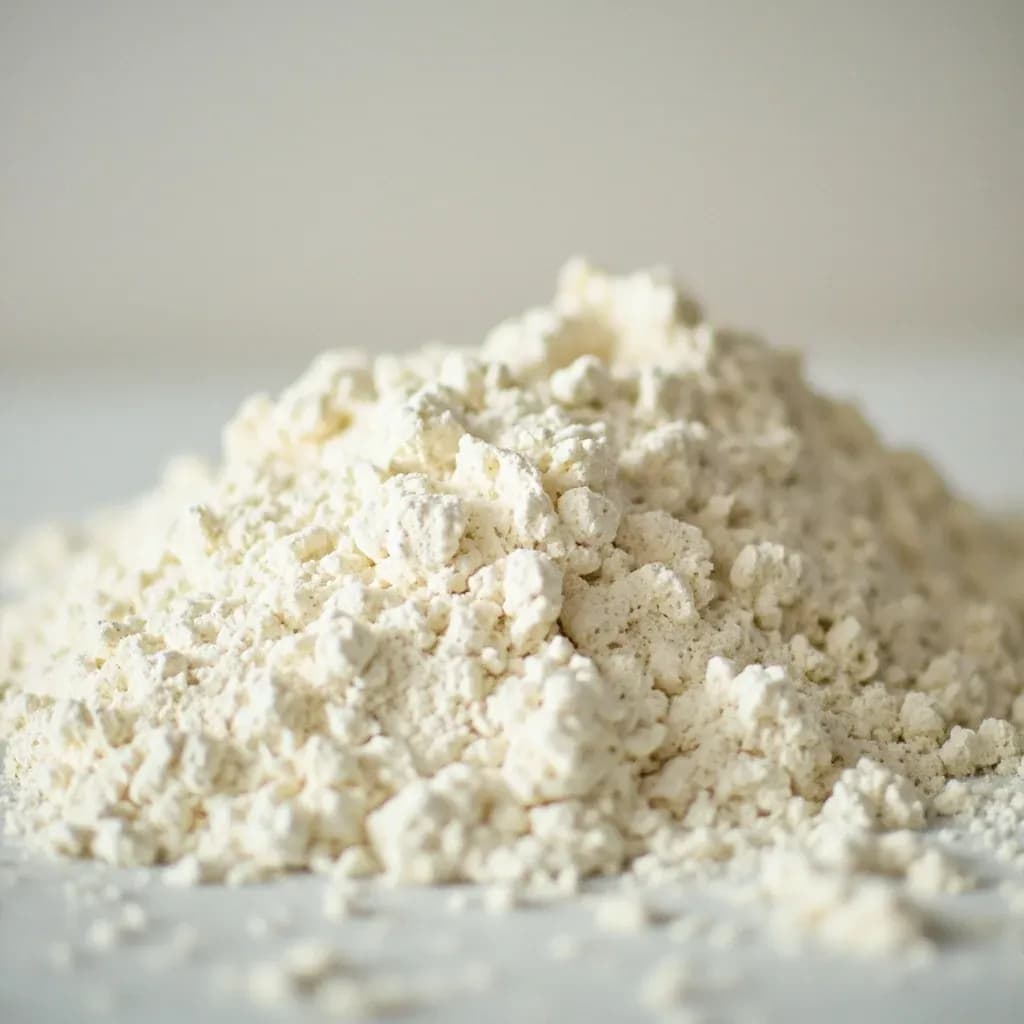
Strong bread flour is milled from hard wheat with a high protein content, so it develops abundant gluten for elastic, well-structured loaves. It is the go-to flour for yeasted breads, pizza, and bagels where a strong crumb and chew matter. French designations like T55 and T65 indicate ash content and milling, with bakers choosing by gluten strength.
Strong bread flour is milled from hard wheat varieties—typically hard red winter or hard red spring—selected and bred specifically for their high protein content, usually between 12% and 15%. This protein fraction is what distinguishes it from all-purpose flour, which typically contains only 10–12%. When hydrated and worked, the proteins in strong bread flour form an extensive, elastic gluten network: gliadin and glutenin strands align and bond into a stretchy matrix capable of trapping the carbon dioxide produced by yeast, giving bread its rise and structure. The resulting dough holds tension under the forces of proofing and oven spring, allowing it to expand fully before the gluten sets during baking.
The term "strong" refers to the dough's ability to resist tearing and maintain its shape under tension—it has nothing to do with flavor, which is actually milder than whole wheat flour. The flour's high absorbency is a practical characteristic worth understanding: strong bread flour can bind significantly more water than all-purpose, which means recipes using it often require hydration adjustments. A dough made with bread flour that feels too stiff may simply need more water; one that seems slack is likely over-hydrated for its intended purpose. This absorbency also contributes to a creamier, more cohesive dough that develops a windowpane—thin, translucent sheets of gluten—during proper kneading.
Strong bread flour is the workhorse of yeast-based baking. It performs reliably in standard sandwich loaves, artisan hearth breads, sourdough foundations, pizza doughs, and enriched brioches alike. While high-gluten flour exists for specialized chewy applications like bagels and pretzels, and whole wheat strong flour offers nuttier flavor with slightly less gluten development, bread flour fills the everyday role for most home bakers making yeast breads. Its unbleached form is preferred for flavor development and browning, though bleached versions produce a slightly softer texture.
- Measured in
- g
- Storage
- Pantry
Allergens
Types & varieties
The standard high-protein flour; most widely available and versatile for yeast breads.
Made from entire wheat berry; adds nuttiness and fiber; gluten development is shorter so recipes often blend with white strong flour.
UK-style flour containing part-malted wheat grains; adds subtle sweetness and crust color; classic for farmhouse loaves.
Specialty flour with 14–16% protein; used for bagels, pretzels, pizza; harder to find than standard bread flour.
Milled from organically grown hard wheat; same protein range; may have slightly different milling characteristics.
Common uses
Tips & pitfalls
- Weigh your flour — volume measurements vary dramatically with scooping method; 1 cup bread flour ≈ 120–130g.
- Let dough rest (autolyse) 20–60 minutes after mixing before kneading; this hydrates the flour and begins gluten formation without effort.
- Knead until the dough passes the windowpane test: stretch a small piece thin enough to see light through without tearing.
- For artisan loaves, use a Dutch oven or steam injection in the first 15–20 minutes of baking to prevent early crust formation that restricts oven spring.
- Strong flour absorbs more water than all-purpose; don't assume a standard 60% hydration ratio; start lower and adjust.
- Store in an airtight container in a cool pantry; freeze portions in zip-lock bags for longer storage — thaw at room temperature before using.
- If a recipe fails with bread flour, the issue is usually over-kneading or over-proofing, not the flour itself.
Nutrition
Energy
1510 kJ · per 100 g
Where the calories come from
Protein
12g
24% DV
Carbs
72.5g
26% DV
Fat
1.7g
2% DV
Fiber
2.4g
9% DV
Sugars
0.3g
of which
Sodium
2mg
0% DV
Source · USDA FoodData Central · approx. Wheat flours, bread, unenriched
View on FDC →In the shops
Matched grocery products
 €0.95
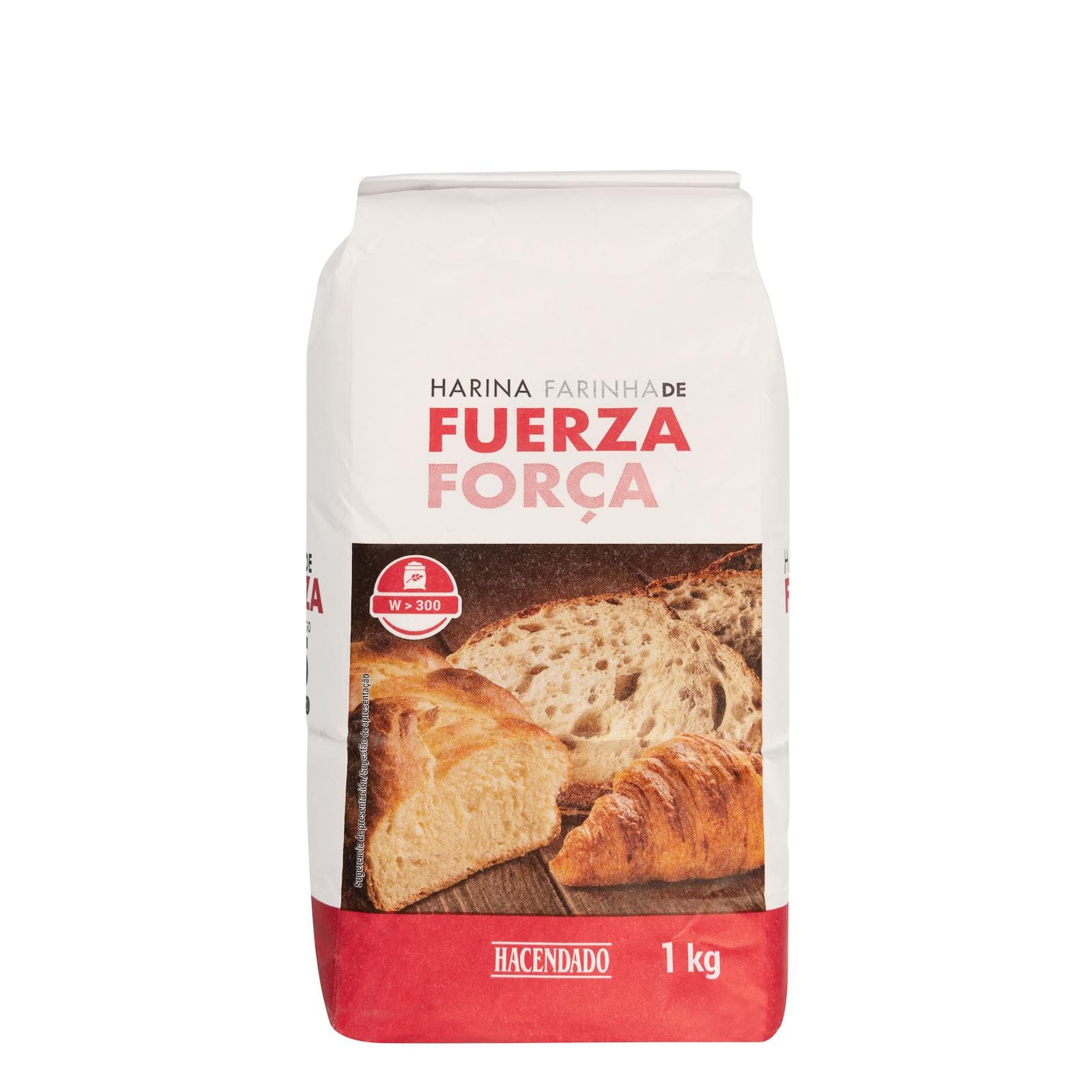
€0.95Strong Flour
Hacendado · 1 kg · Mercadona
 €0.95
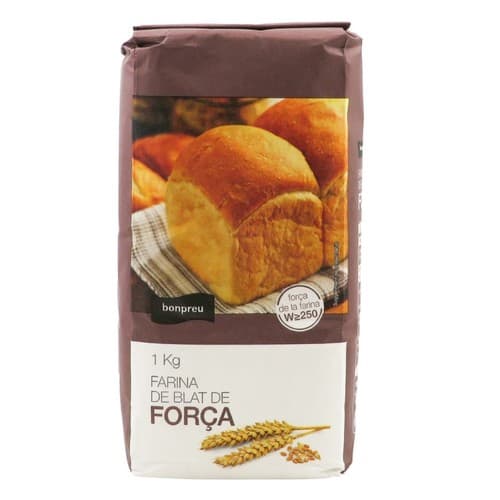
€0.95Strong Wheat Flour
BONPREU · kg · Bonpreu
 €1.79
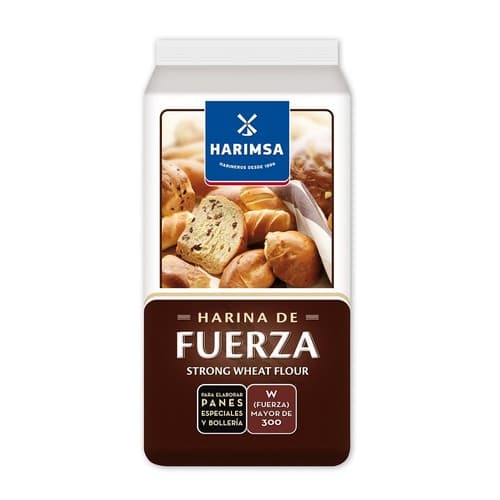
€1.79Strong Flour
HARIMSA · kg · Bonpreu
 €1.85
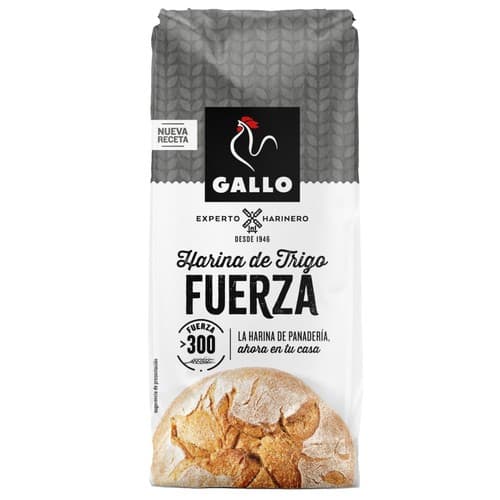
€1.85Gallo Strong Flour
GALLO · kg · Bonpreu
Good to know
- Protein Content
- 12–15% (higher than all-purpose flour's 10–12%)
- Wheat Type
- Hard red winter or hard red spring wheat
- Gluten Potential
- Strong — forms elastic, stretchy gluten network that traps gas for good rise
- Common Names
- Bread flour (US), strong flour (UK), hard flour
- Available Forms
- Unbleached (preferred for flavor), bleached (softer texture)
- Color
- Creamy off-white; unbleached versions are slightly darker
- Typical Shelf Life
- 6–12 months in cool, dry pantry; up to 2 years in freezer
- Key Characteristic
- High absorbency — doughs take more liquid than expected
Substitutes
- All-Purpose Flour + Vital Wheat Gluten — Add 1–2 teaspoons of vital wheat gluten per cup of all-purpose to raise protein to bread-flour range.
- High-Gluten Flour — Use directly; higher protein than standard bread flour, excellent for chewy results.
- Spelt Flour + Vital Wheat Gluten — Add 1 teaspoon gluten per cup; spelt's gluten is weaker but workable with augmentation.
- Dark Rye Flour + Wheat Gluten — Dark rye has limited gluten; blend with added wheat gluten for structure; common in traditional rye breads.
Also called
High Gluten Flour · T65 Bread Flour · T55 Flour · Bread Flour
Appears in these dishes




Related

All-Purpose Flour
The do-anything flour for bread, cakes, sauces, and dredging

Bread Flour
High-protein flour for chewy, well-risen breads
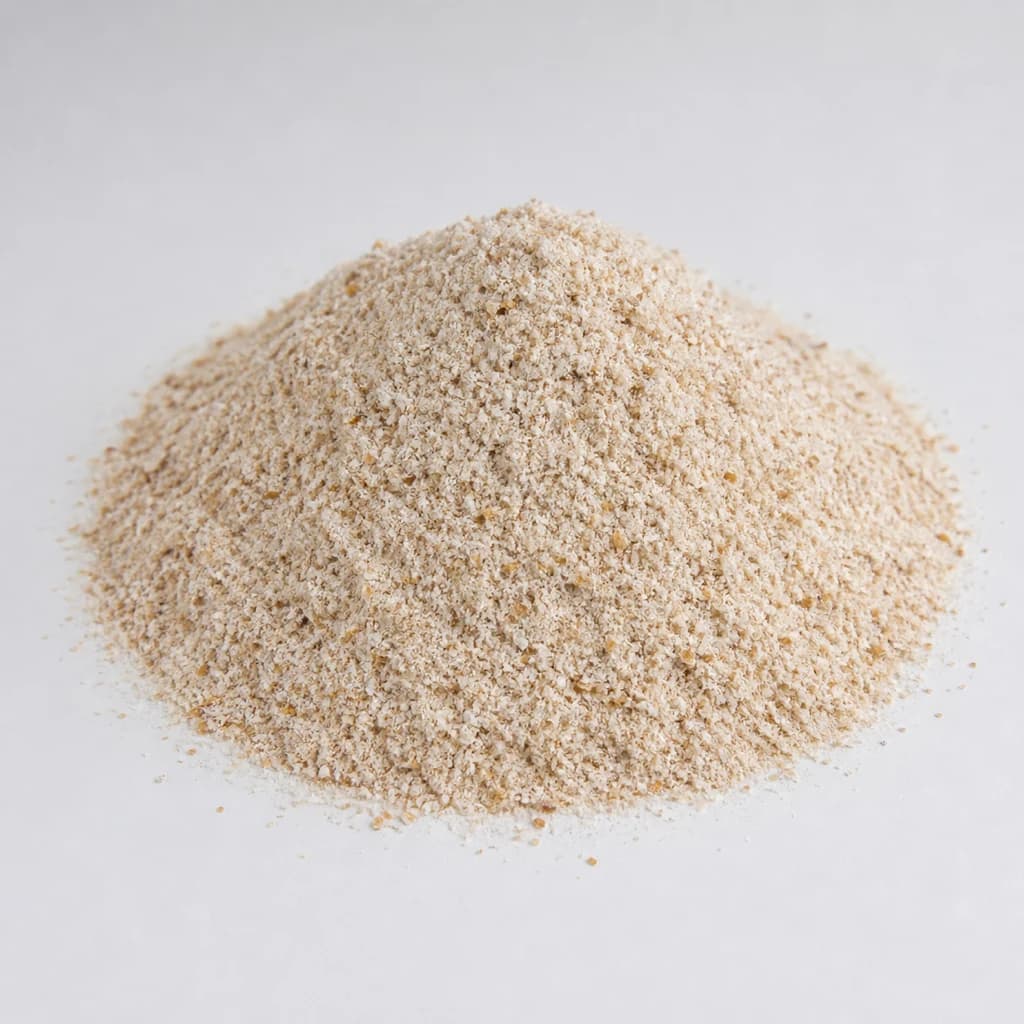
Whole Wheat Flour
Nutty, whole-grain flour for hearty breads and bakes
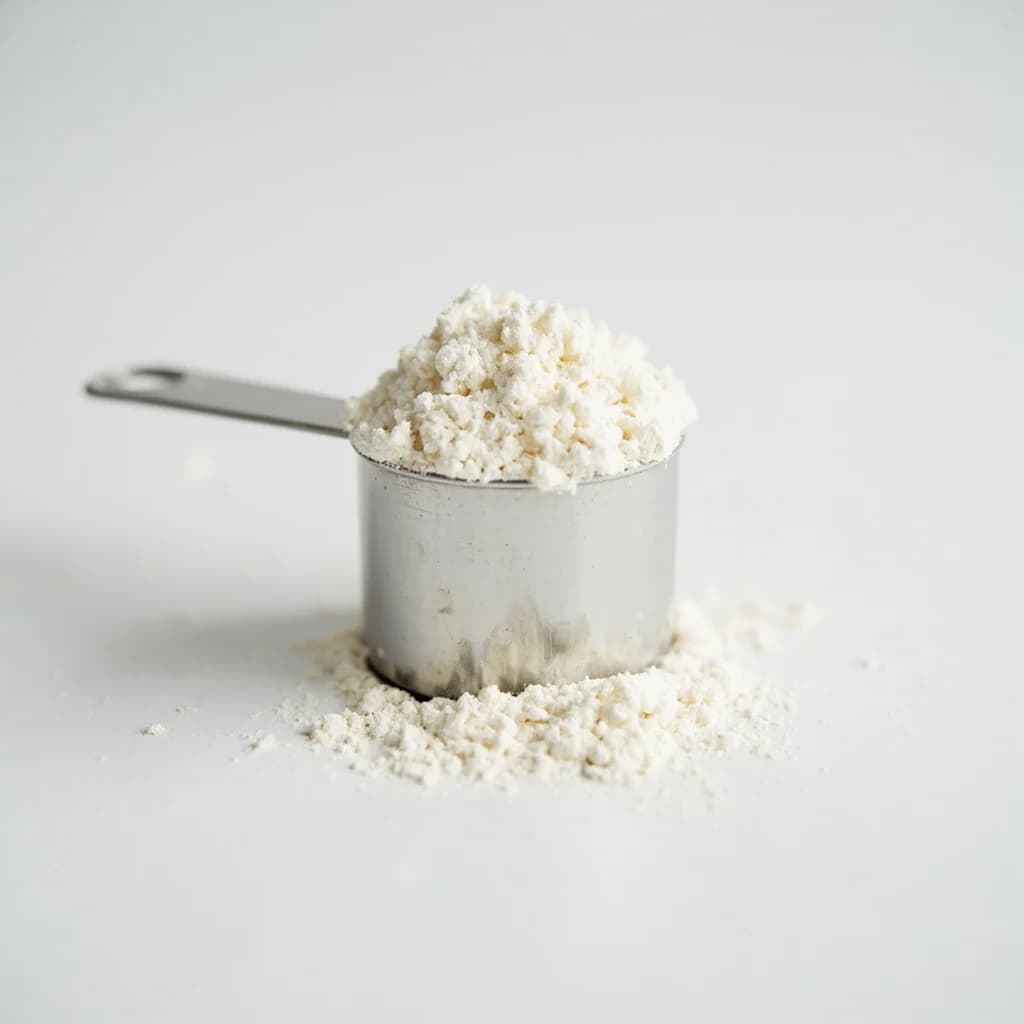
Cake Flour
Fine, low-protein flour for tender, delicate cakes
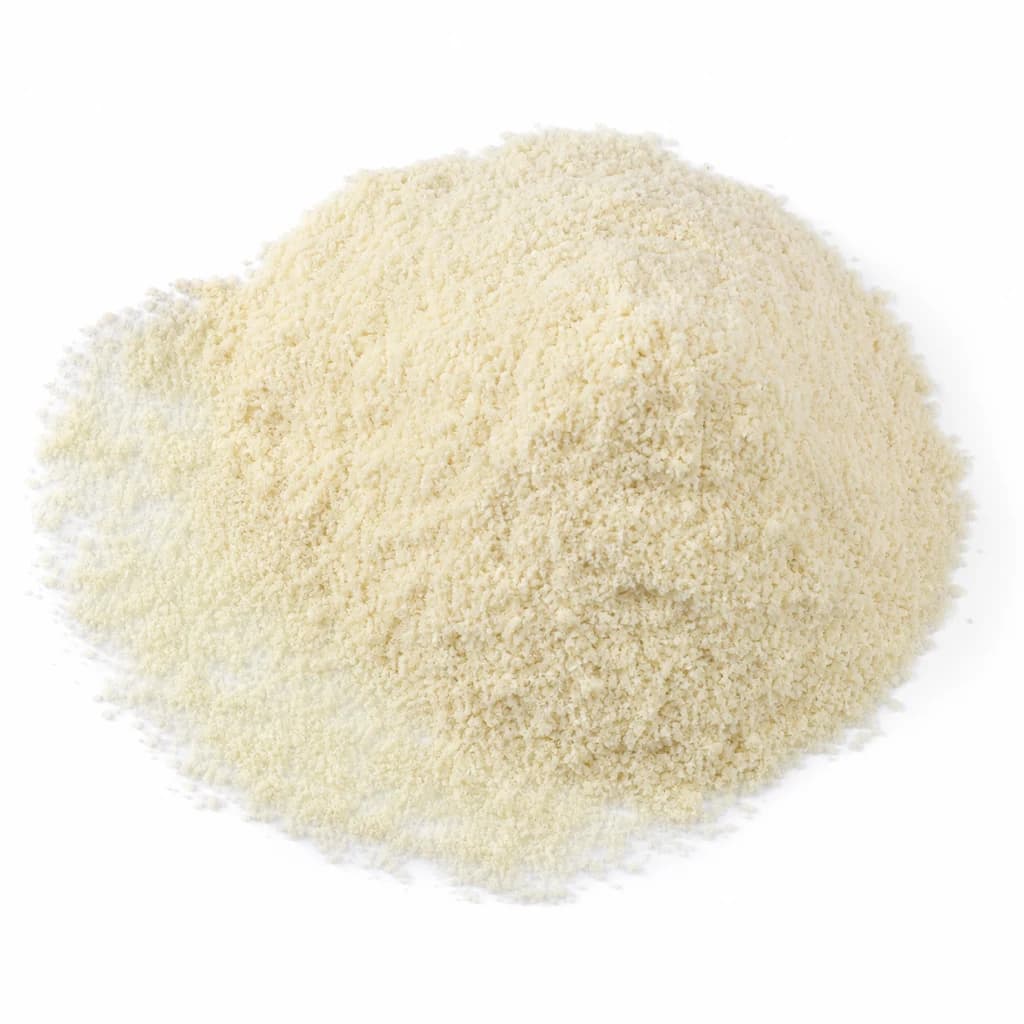
Almond Flour
Nutty, gluten-free flour for macarons and tender bakes

Baking Powder
All-in-one leavener for fluffy cakes, pancakes, and biscuits

Baking Soda
Pure leavener that needs acid to lift — and tenderize
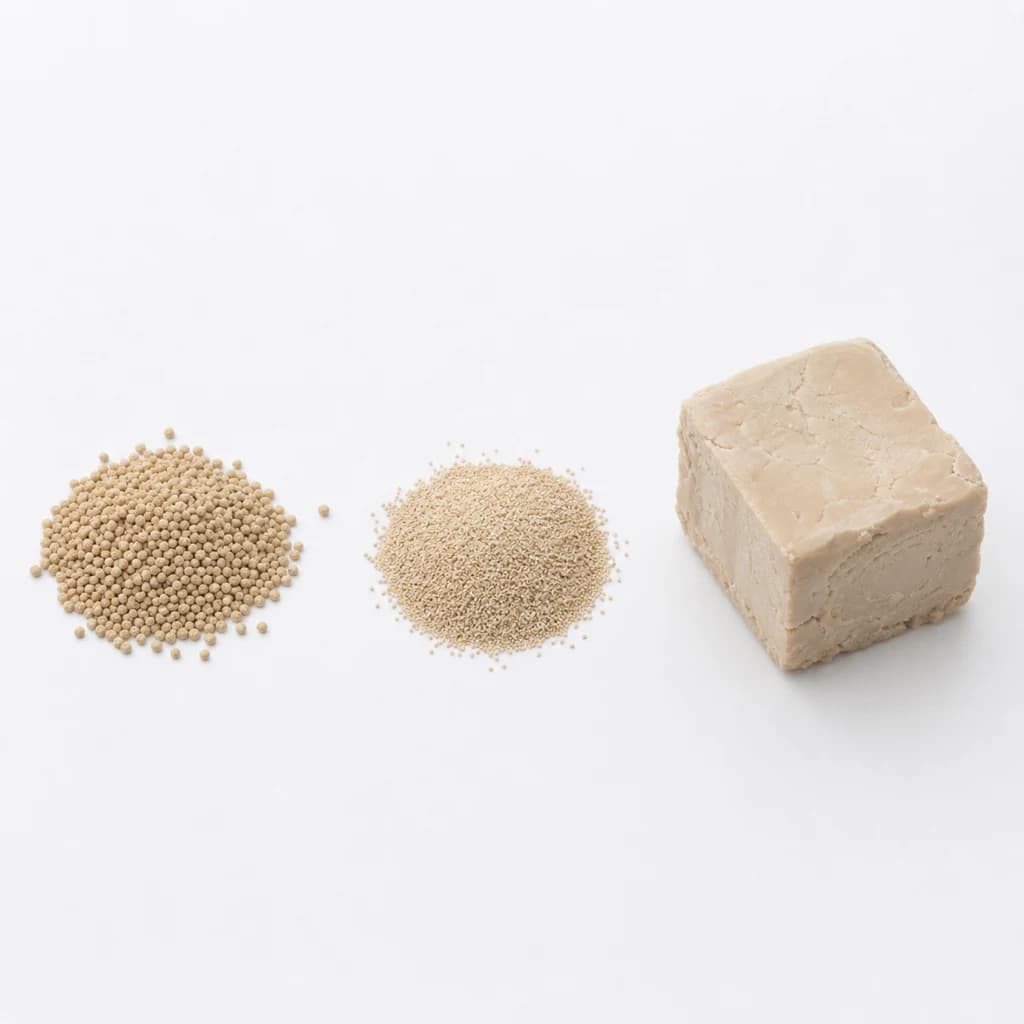
Yeast
Living leaven that makes bread rise and dough come alive