
Ready to use
Fine white powder measured into a small bowl, ready to be added to a recipe.
Shows the exact form a cook encounters — a fine, loose, bright-white powder — making it immediately identifiable at the point of use.
Baking
Baking Powder
All-in-one leavener for fluffy cakes, pancakes, and biscuits
A complete leavening agent that lifts cakes, pancakes, and biscuits without any added acid. Keep it bone-dry and airtight, and replace it once it loses its fizz.
Baking powder is a complete chemical leavener — a premixed blend of an alkali (baking soda), one or more acids, and a starch buffer — that produces carbon-dioxide bubbles to make batters rise. Because the acid is built in, it needs only moisture and heat, not an added acidic ingredient. Most modern powders are 'double-acting': they release some gas when wet and more in the oven's heat, giving reliable lift to cakes, muffins, and quick breads.
- Measured in
- g
- Storage
- Airtight
Find it in
Types & varieties
The standard; reacts in two stages for reliable lift.
Reacts only when wet; bake immediately (less common).
Avoids the faint metallic note some detect.
Acidic powder that stabilizes whipped egg whites and stops sugar crystallizing; pair with baking soda to improvise baking powder.
How to use
Whisk it into dry ingredients so it distributes evenly. Use roughly 1–1.25 tsp per cup of flour. Too much tastes bitter and can cause batter to rise then collapse. Unlike baking soda, it doesn't need an acidic ingredient in the recipe.
- Cakes, cupcakes, and muffins
- Pancakes and waffles
- Biscuits and scones
- Quick breads (banana, cornbread)
How to store
Keep it tightly sealed and away from moisture — humidity activates and spends it. Test potency by stirring a teaspoon into hot water; it should fizz vigorously.
Common uses
Tips & pitfalls
- Test freshness: a teaspoon in hot water should bubble briskly.
- Use about 1 tsp per cup of flour — more turns batter bitter.
- Make a substitute with 1/4 tsp baking soda + 1/2 tsp cream of tartar per teaspoon.
- Whisk into dry ingredients first so it spreads evenly.
Nutrition
Energy
406 kJ · per 100 g
Where the calories come from
Protein
0.1g
0% DV
Carbs
46.9g
17% DV
Fat
0.4g
1% DV
Fiber
2.2g
8% DV
Sugars
0g
of which
Sodium
90mg
4% DV
Source · USDA FoodData Central · approx. Leavening agents, baking powder, low-sodium
View on FDC →In the shops
Matched grocery products
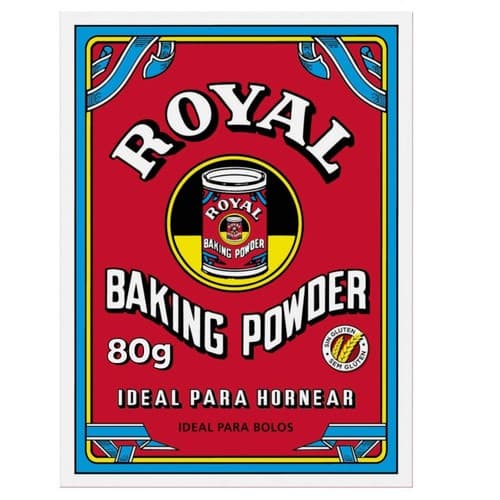 €2.25
€2.25Royal Baking Powder
ROYAL · kg · Bonpreu
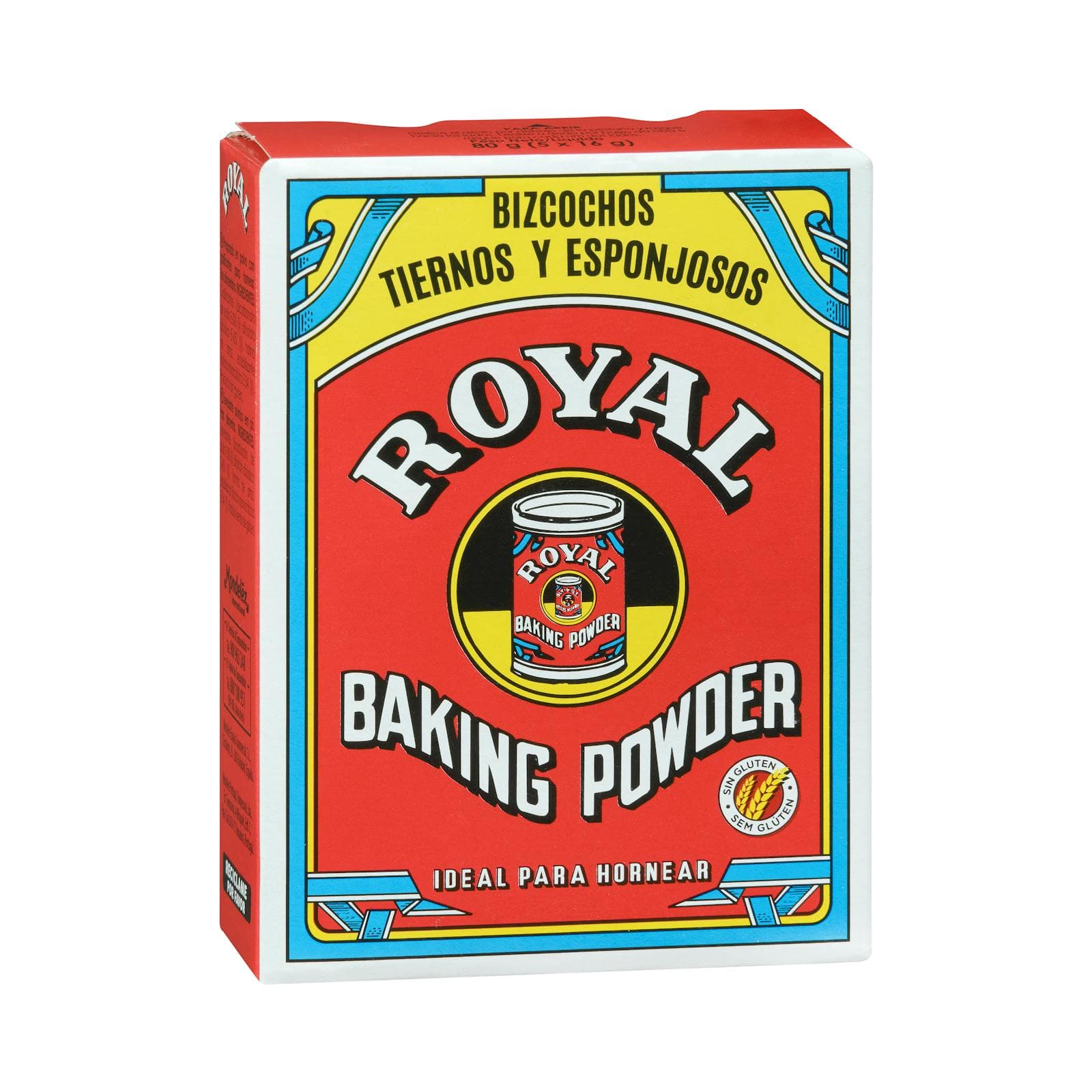 €2.25
€2.25Royal Baking Powder - Food Use
Royal · 80 g · Mercadona
Good to know
- Function
- Chemical leavener — produces CO₂ for rise
- Made from
- Baking soda + acid salts + starch
- Best for
- Cakes, muffins, pancakes, quick breads, biscuits
- Type
- Usually double-acting (reacts wet, then hot)
- How to store
- Airtight, dry; humidity kills it
- Shelf life
- ~6–12 months once opened; test before use
Substitutes
- Baking soda + cream of tartar — 1/4 tsp soda + 1/2 tsp cream of tartar per tsp.
- Baking soda + acid (buttermilk/yogurt) — Adjust the recipe's liquid acid.
- Self-rising flour — Already contains leavening; skip added powder.
Also called
polvo de hornear · levadura química
Appears in these dishes
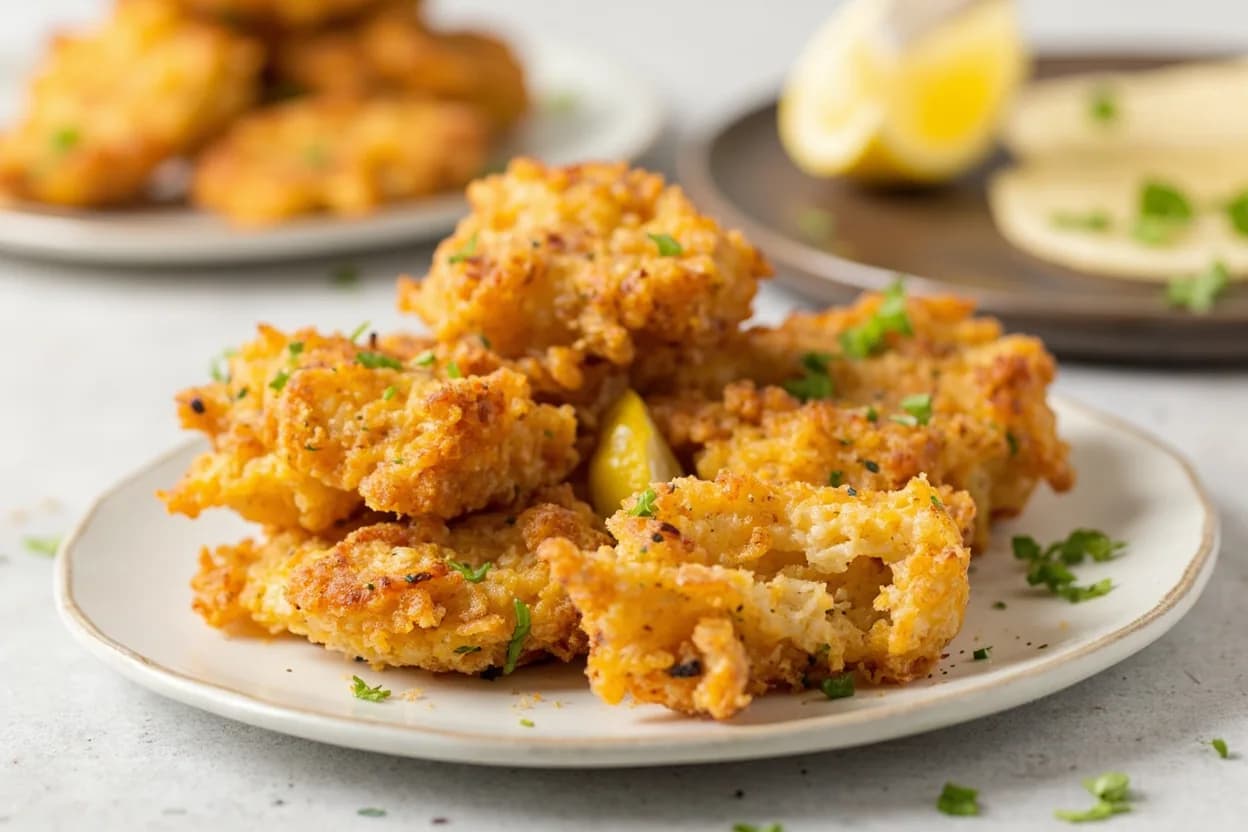
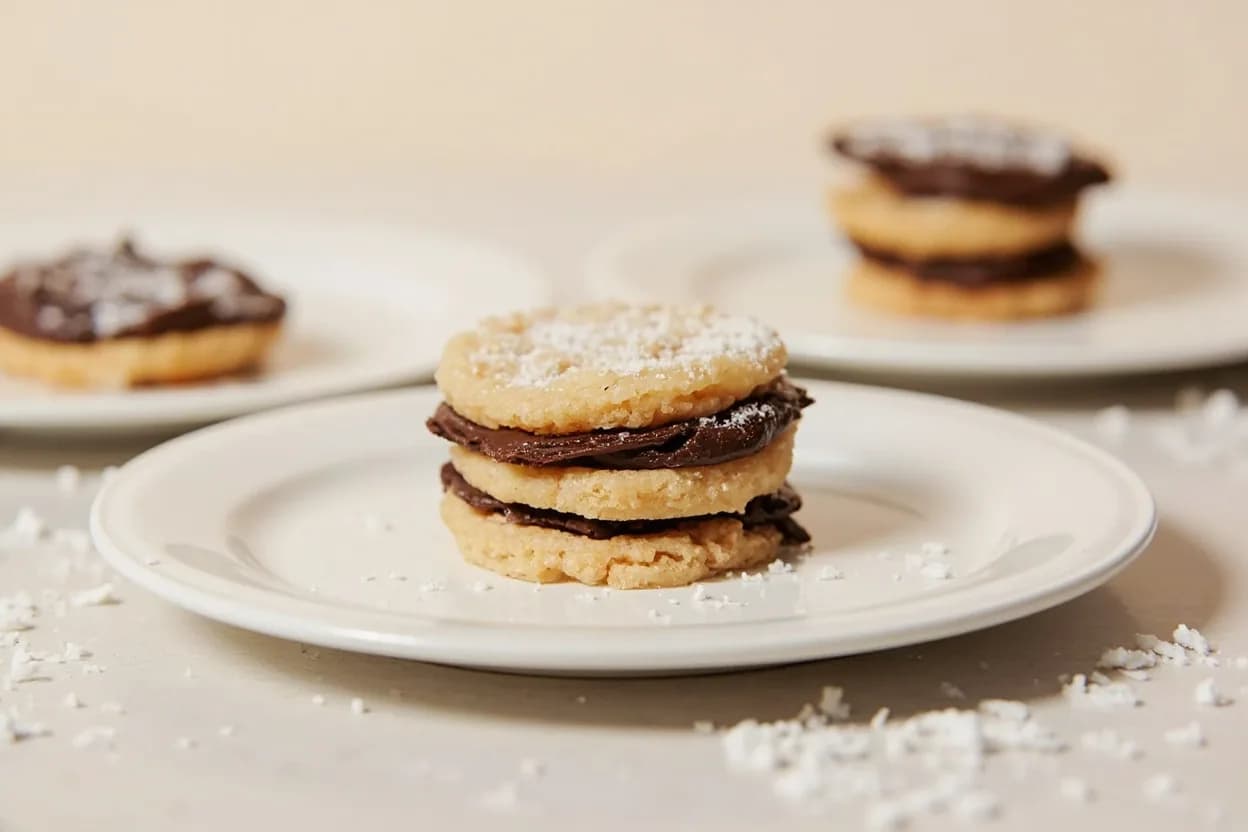

Related

All-Purpose Flour
The do-anything flour for bread, cakes, sauces, and dredging

Bread Flour
High-protein flour for chewy, well-risen breads
Whole Wheat Flour
Nutty, whole-grain flour for hearty breads and bakes
Cake Flour
Fine, low-protein flour for tender, delicate cakes
Almond Flour
Nutty, gluten-free flour for macarons and tender bakes

Baking Soda
Pure leavener that needs acid to lift — and tenderize
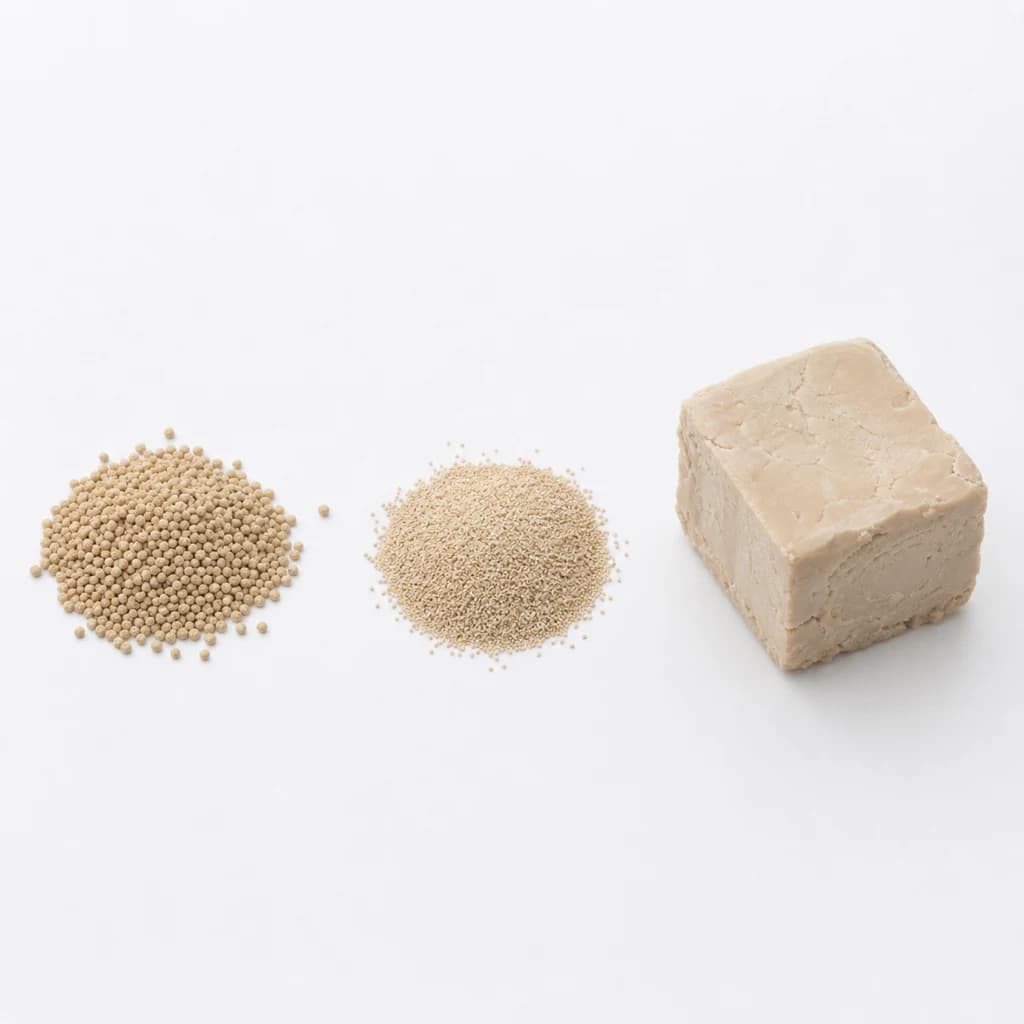
Yeast
Living leaven that makes bread rise and dough come alive
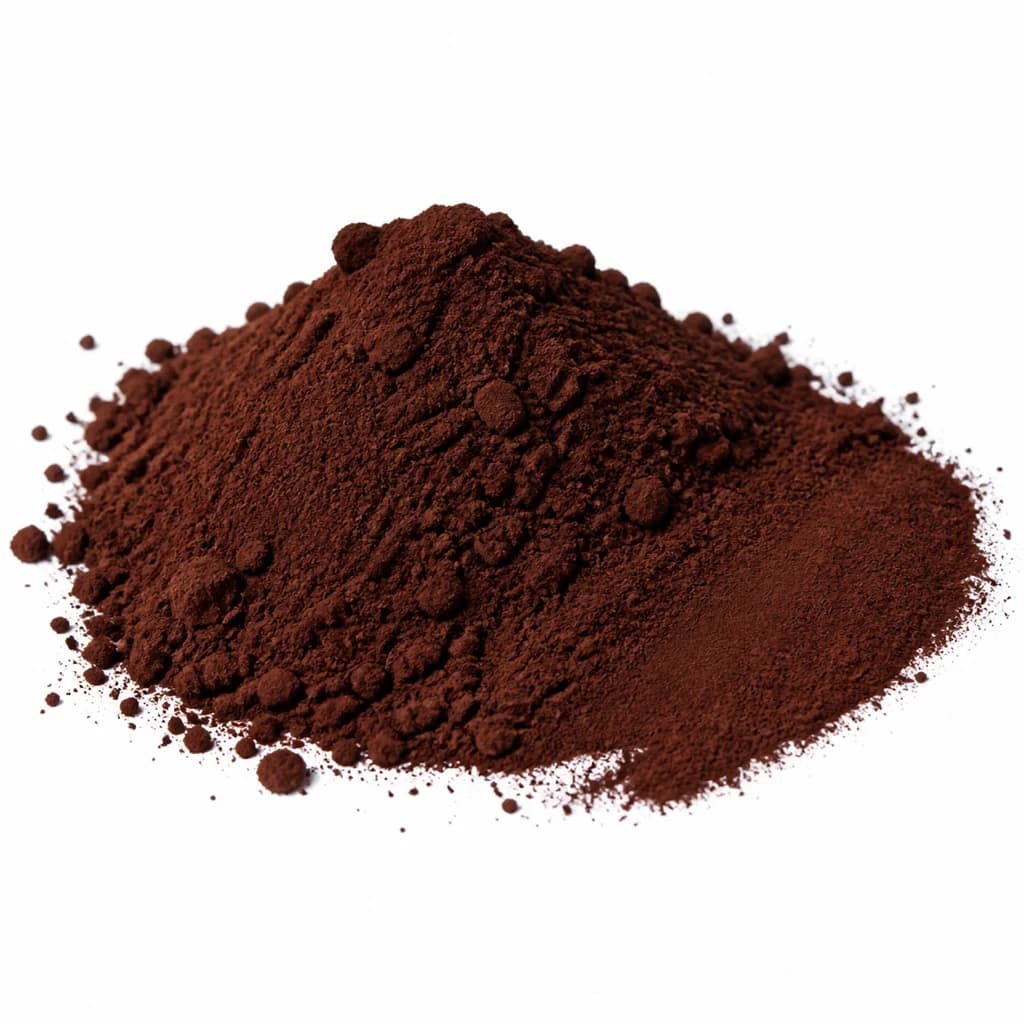
Cocoa Powder
Deep, bitter chocolate powder for cakes, drinks, and dusting