Baking
Self-Raising Flour
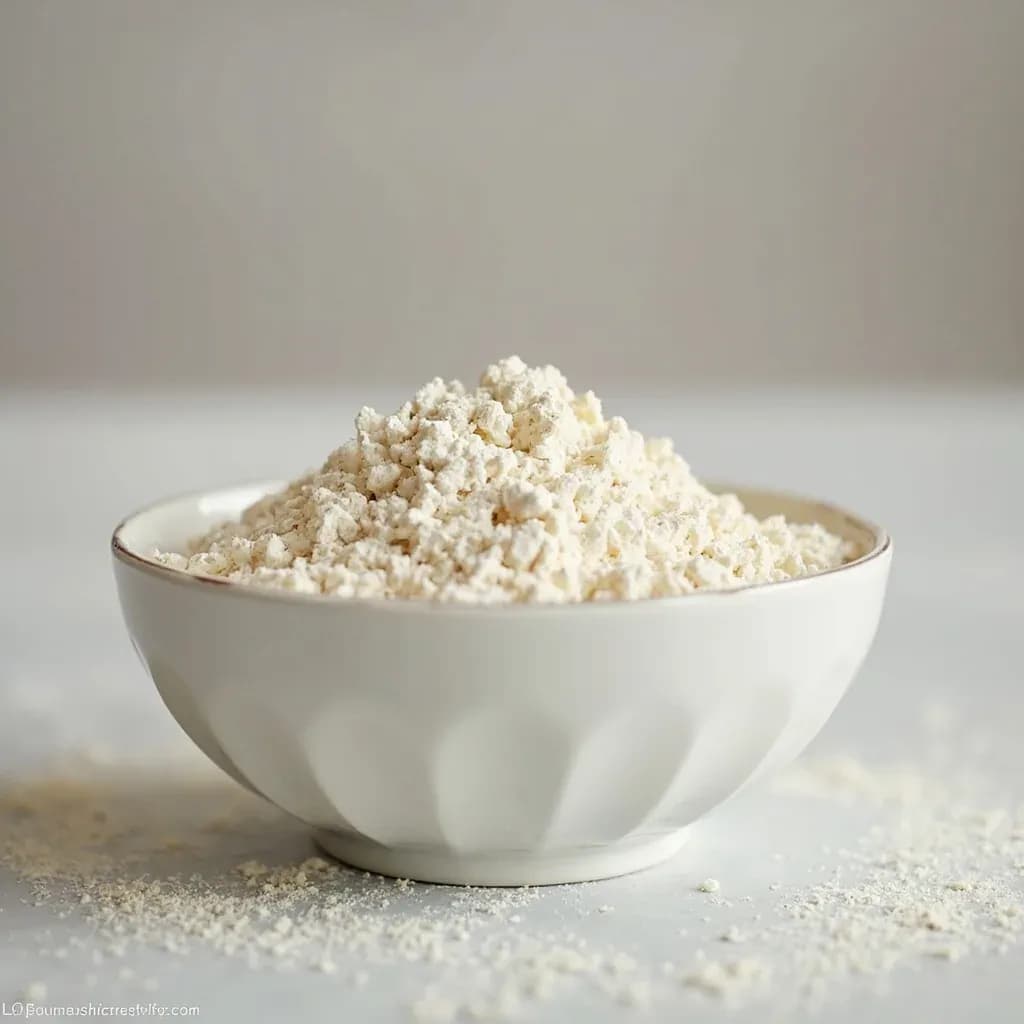
Wheat flour pre-blended with baking powder and salt for quick rises.
Self-raising flour is plain wheat flour mixed with a measured amount of baking powder and a little salt so doughs and batters rise without added leavener. It is a convenience staple for scones, quick breads, cakes, and pancakes. Because the leavening loses potency over time, it is best used reasonably fresh.
Self-raising flour is wheat flour that has been commercially milled with a measured amount of baking powder and salt blended evenly throughout. The pre-packaged leavening eliminates the need to measure and sift these ingredients separately each time you bake, making it a genuine labor-saver for everyday baking. In the UK and Commonwealth countries, the standard ratio is approximately 1 teaspoon of baking powder and ¼ teaspoon of salt per 100 grams of flour—conventions so established that most British recipes simply call for "self-raising flour" without specifying quantities. The leavening agent used is almost always double-acting baking powder, which releases gas in two stages: first when combined with liquid, and again during heating, giving batters a reliable and forgiving rise. This matters because self-raising flour produces a lighter, more tender crumb than plain flour in quick breads and cakes, but it requires restraint: overmixing develops gluten strands that fight against the lift the baking powder provides, resulting in a tough, dense texture rather than the delicate, open crumb you expect. Understanding this behavior is the difference between a fluffy Victoria sponge and a leaden brick.
- Measured in
- g
- Storage
- Pantry
Allergens
Types & varieties
Refined wheat flour with standard baking powder ratio; most common in UK, Australia, and Ireland
Contains part or all whole wheat flour; denser texture, nuttier flavor; may require slightly more liquid in recipes
Blends of rice flour, tapioca starch, potato starch, and maize; often requires xanthan gum for structure
Widely available; leavening ratios vary by manufacturer—check packaging when following precision recipes
Common uses
Tips & pitfalls
- Test freshness by mixing 1 tsp of the flour with ¼ cup hot water—vigorous bubbling indicates active baking powder, while weak or no reaction means the leavening has degraded
- Sift twice before use to distribute leavening evenly and incorporate air for lighter, more uniform results
- Do not overmix once liquid is added—stir until just combined; visible lumps in the batter are acceptable and preferred over smooth, developed batter
- Never substitute self-raising flour for bread flour in yeasted recipes—the pre-added baking powder will not replicate yeast activity and may disrupt gluten structure, producing a dense, strange result
- For savory applications like cheese scones, add mix-ins such as grated cheddar and herbs before the final fold to ensure even distribution without breaking down the batter
- Avoid adding extra baking powder or soda to recipes already using self-raising flour—double-leavening causes excessive rise followed by collapse, often with a bitter metallic taste
- When adapting American recipes that call for self-rising flour, account for the pre-added leavening to prevent over-expansion; conversely, when converting British recipes to US ingredients, use the all-purpose plus leavening substitute to maintain the intended lift
- Rest batter for 10–15 minutes after mixing for thicker scones and fluffier drop scones—the hydration allows gluten to relax and starch to absorb liquid fully
Nutrition
Nutrition
No USDA FoodData Central match for Self-Raising Flour yet. We surface a per-100 g profile once a generic whole-food entry is matched and verified.
In the shops
Matched grocery products
No matched grocery products for Self-Raising Flour yet.
Good to know
- Composition
- Wheat flour blended with approximately 1 tsp baking powder and ¼ tsp salt per 100g (UK standard)
- Leavening Agent
- Double-acting baking powder, releasing gas first when mixed with liquid, then again when heated
- Protein Content
- Typically 8–10%, similar to all-purpose/plain flour—lower than bread flour
- Origin
- Commercial production began in the late 19th century alongside widespread baking powder adoption
- Shelf Life
- 6–12 months in cool, dry pantry storage; leavening potency declines noticeably over time
- Storage
- Airtight container in cool, dry location; freezing extends shelf life significantly
- Gluten Risk
- Minimal mixing required—overworking develops gluten, producing tough crumb in quick breads
Substitutes
- All-Purpose Flour + Baking Powder + Salt — Mix 1 cup flour + 1½ tsp baking powder + ¼ tsp salt; sift together at least three times for even distribution and use immediately for best results
- Cake Flour + Baking Powder — Use 1 cup cake flour + 1½ tsp baking powder + ¼ tsp salt; yields a finer, more tender crumb than the standard all-purpose substitute
- Bread Flour Substitutes Not Applicable — Self-raising flour cannot substitute for bread flour in yeasted recipes—protein content and leavening timing differ fundamentally
Pairs with
Also called
Self-Rising Flour
Related

All-Purpose Flour
The do-anything flour for bread, cakes, sauces, and dredging

Bread Flour
High-protein flour for chewy, well-risen breads
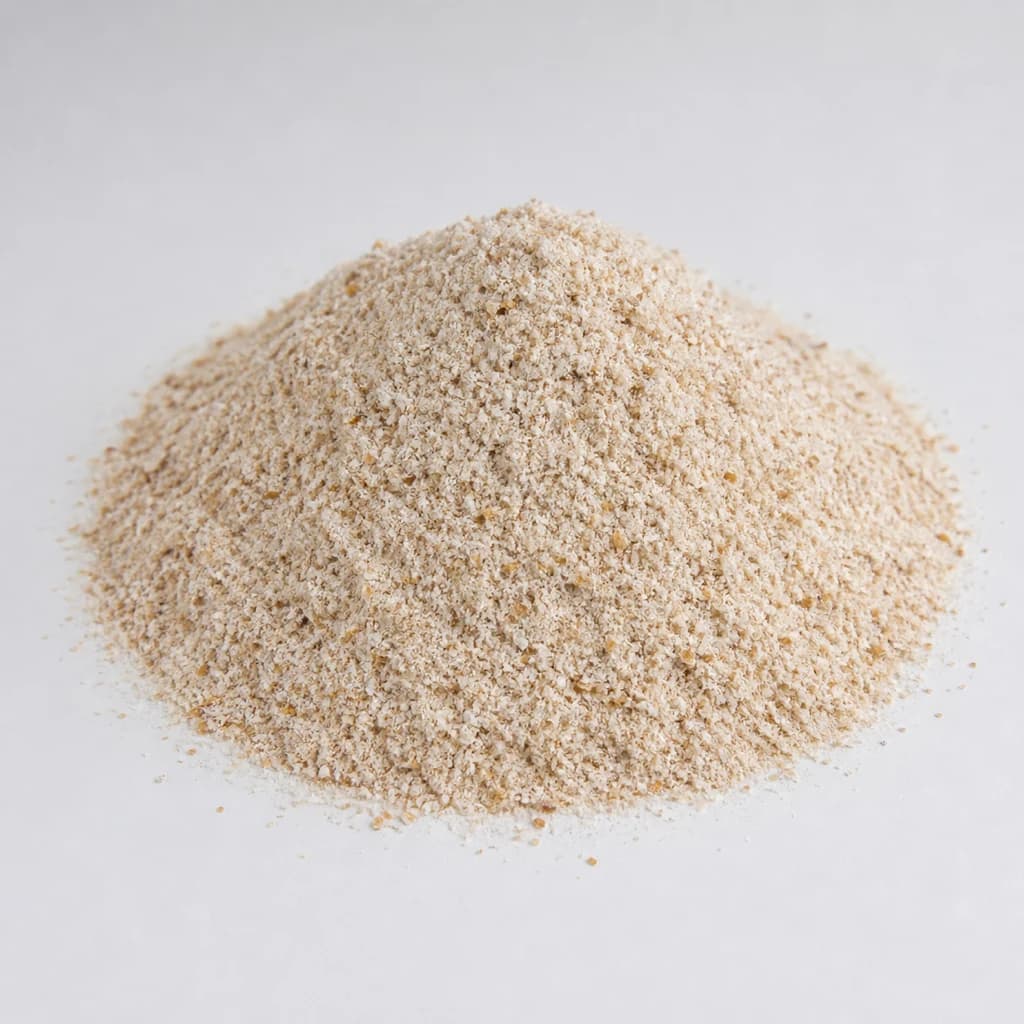
Whole Wheat Flour
Nutty, whole-grain flour for hearty breads and bakes
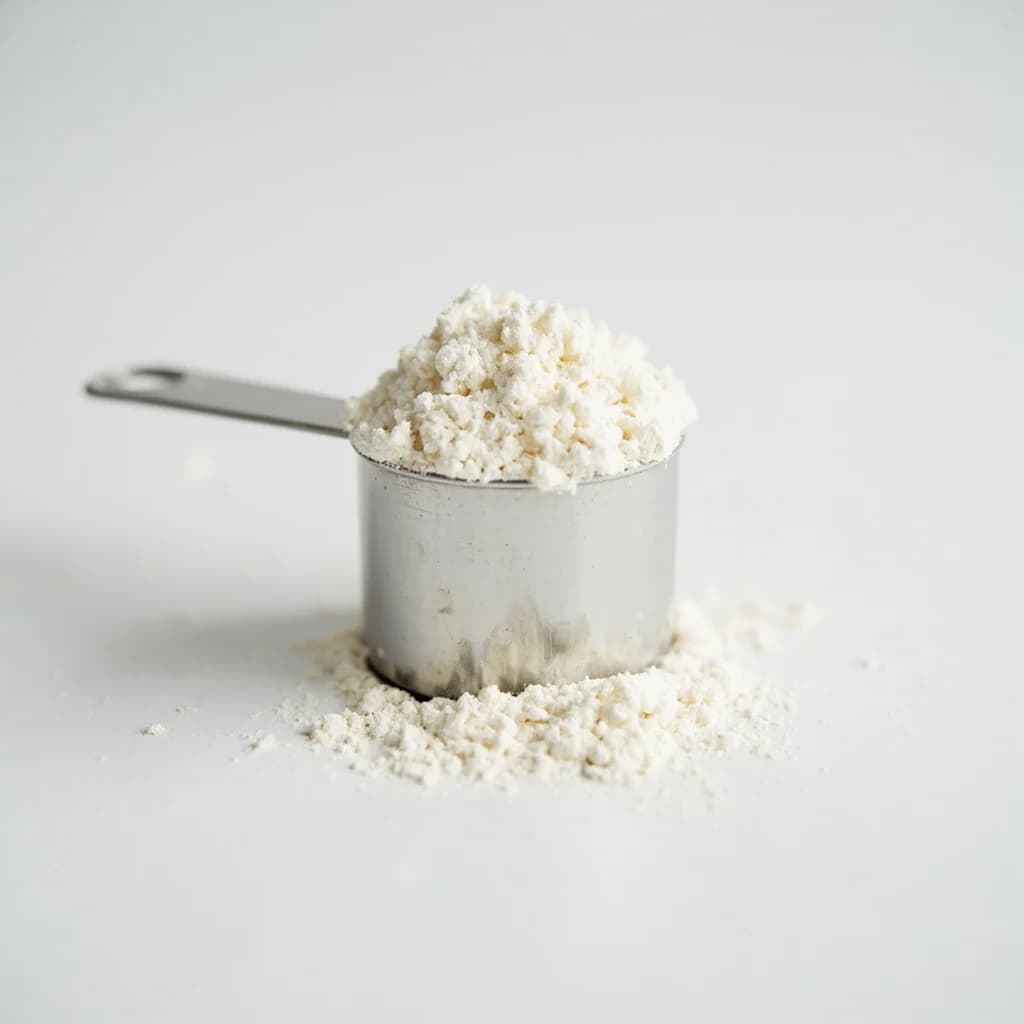
Cake Flour
Fine, low-protein flour for tender, delicate cakes
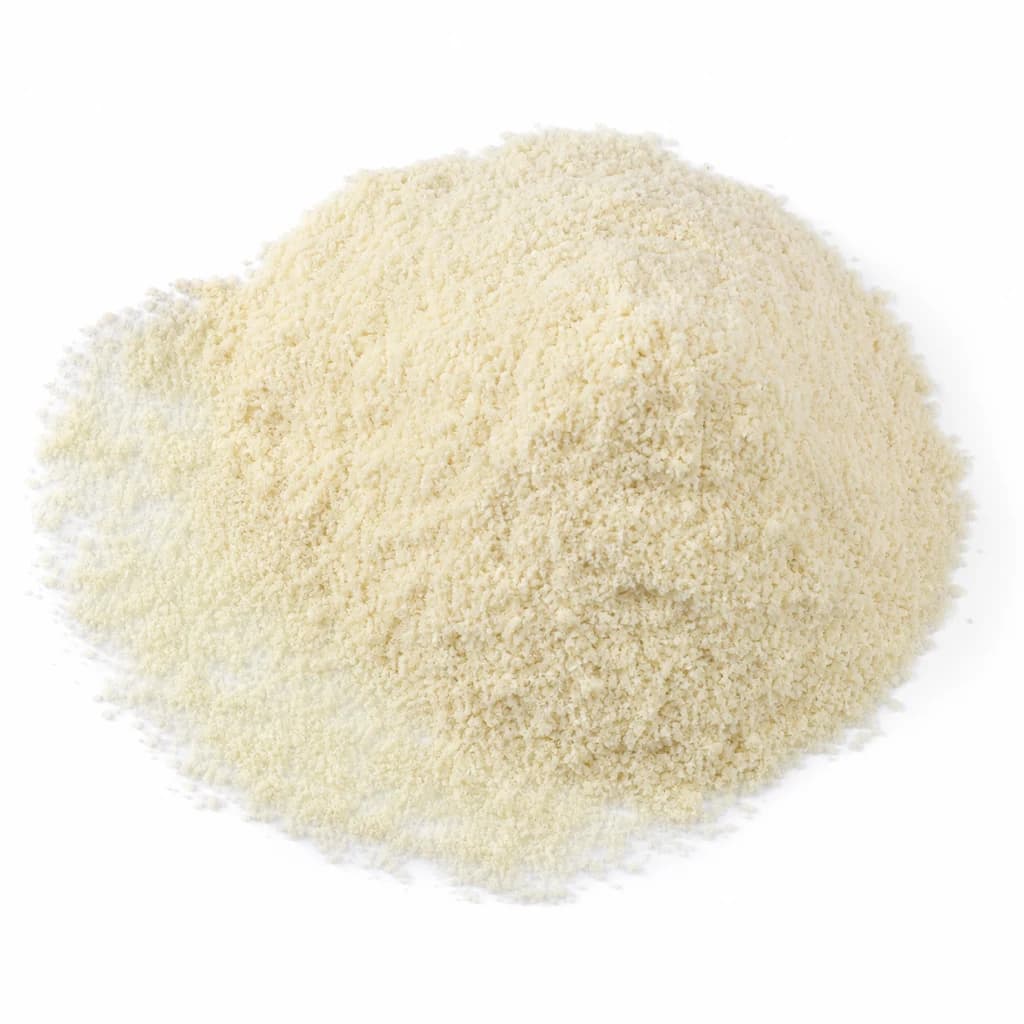
Almond Flour
Nutty, gluten-free flour for macarons and tender bakes

Baking Powder
All-in-one leavener for fluffy cakes, pancakes, and biscuits

Baking Soda
Pure leavener that needs acid to lift — and tenderize
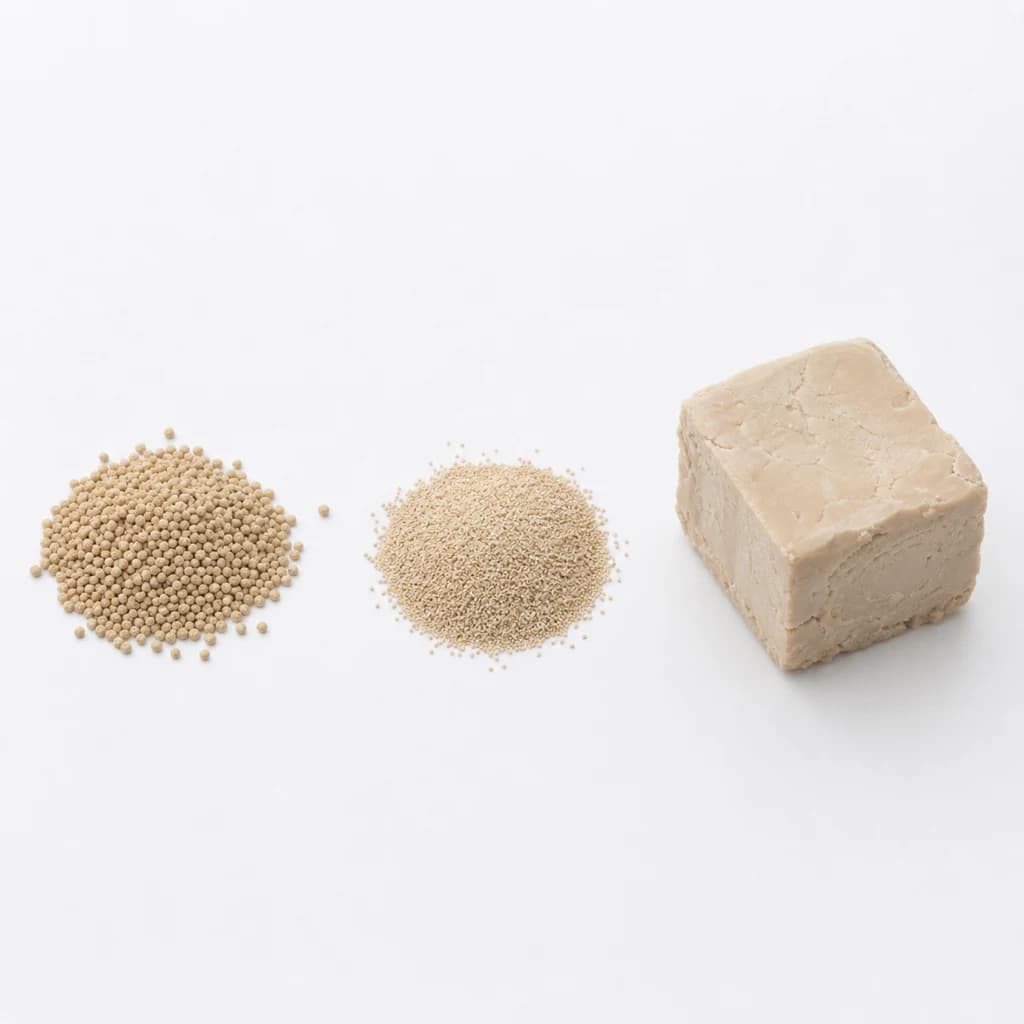
Yeast
Living leaven that makes bread rise and dough come alive