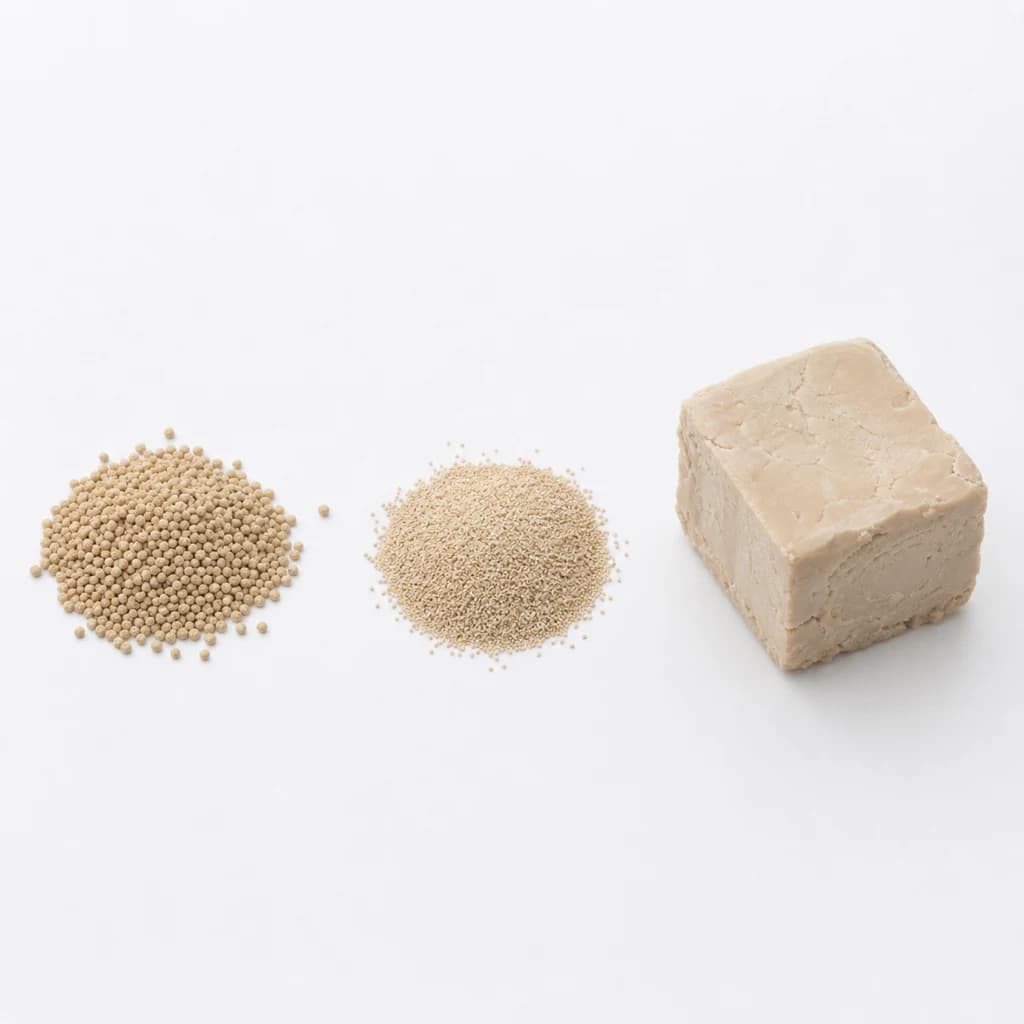
Varieties
Three yeast forms side by side: active dry granules, instant dry granules, and fresh compressed cake yeast.
Shows the reader the three distinct physical forms of yeast they will encounter in stores, making each immediately recognizable.
Baking
Yeast
Living leaven that makes bread rise and dough come alive
The microbe behind every airy loaf — yeast ferments dough into a billowy rise and a yeasty aroma. Keep it cold and sealed; proof it in warm water if you're unsure it's alive.
Yeast is the living leavener — a single-celled fungus (Saccharomyces cerevisiae) that ferments sugars into carbon dioxide and alcohol, giving bread its rise, open crumb, and deep flavor. Unlike chemical leaveners it works slowly and contributes taste, not just lift. It comes in a few forms (active dry, instant, fresh) that differ mainly in how they're added; all do the same fundamental, flavor-building work over time.
- Measured in
- g
- Storage
- Refrigerate
Find it in
Types & varieties
Larger granules; traditionally dissolved in warm water first.
Finer; mix straight into flour, no proofing needed.
Moist, perishable; favored by some bakers, dissolve before use.
Natural leaven of wild yeast and bacteria for tangy bread.
Fine-grained fast-acting yeast that needs no proofing — stir straight into flour. More active than active-dry, so doughs rise faster.
How to choose
Instant yeast is the most convenient — it goes straight into the dry ingredients. Active dry needs blooming in warm liquid (a good way to confirm it's alive). Fresh yeast is for traditionalists; sourdough starter is a different, slower path to flavor.
How to use
Give yeast warmth, moisture, and time. Liquid too hot kills it; too cold slows it. A long, cool rise (even overnight in the fridge) develops more flavor. Salt slows yeast, so keep them from direct contact at first.
- Bread, pizza, and focaccia
- Dinner rolls and brioche
- Cinnamon rolls and enriched doughs
- Doughnuts and bagels
Common uses
Tips & pitfalls
- Proof active dry yeast in warm (not hot) water with a pinch of sugar — it should foam.
- Liquid above ~130°F kills yeast; aim for lukewarm.
- A slow, cold overnight rise builds far more flavor.
- Store opened yeast in the fridge or freezer to extend its life.
Nutrition
Energy
774 kJ · per 100 g
Where the calories come from
Protein
23.9g
48% DV
Carbs
20.4g
7% DV
Fat
0.9g
1% DV
Fiber
6.5g
23% DV
Sugars
1.6g
of which
Sodium
3380mg
147% DV
Source · USDA FoodData Central · Yeast extract spread
View on FDC →In the shops
Matched grocery products
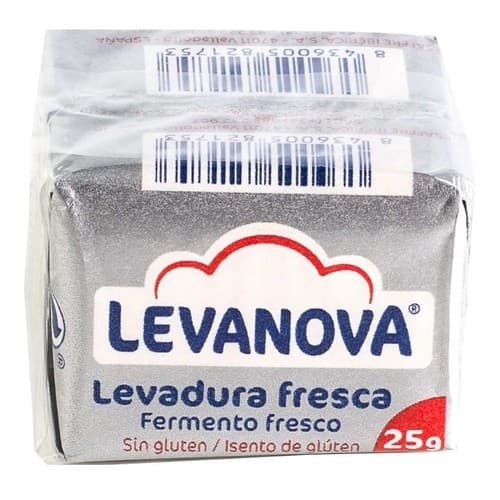 €0.50
€0.50Fresh Yeast
LEVANOVA · kg · Bonpreu
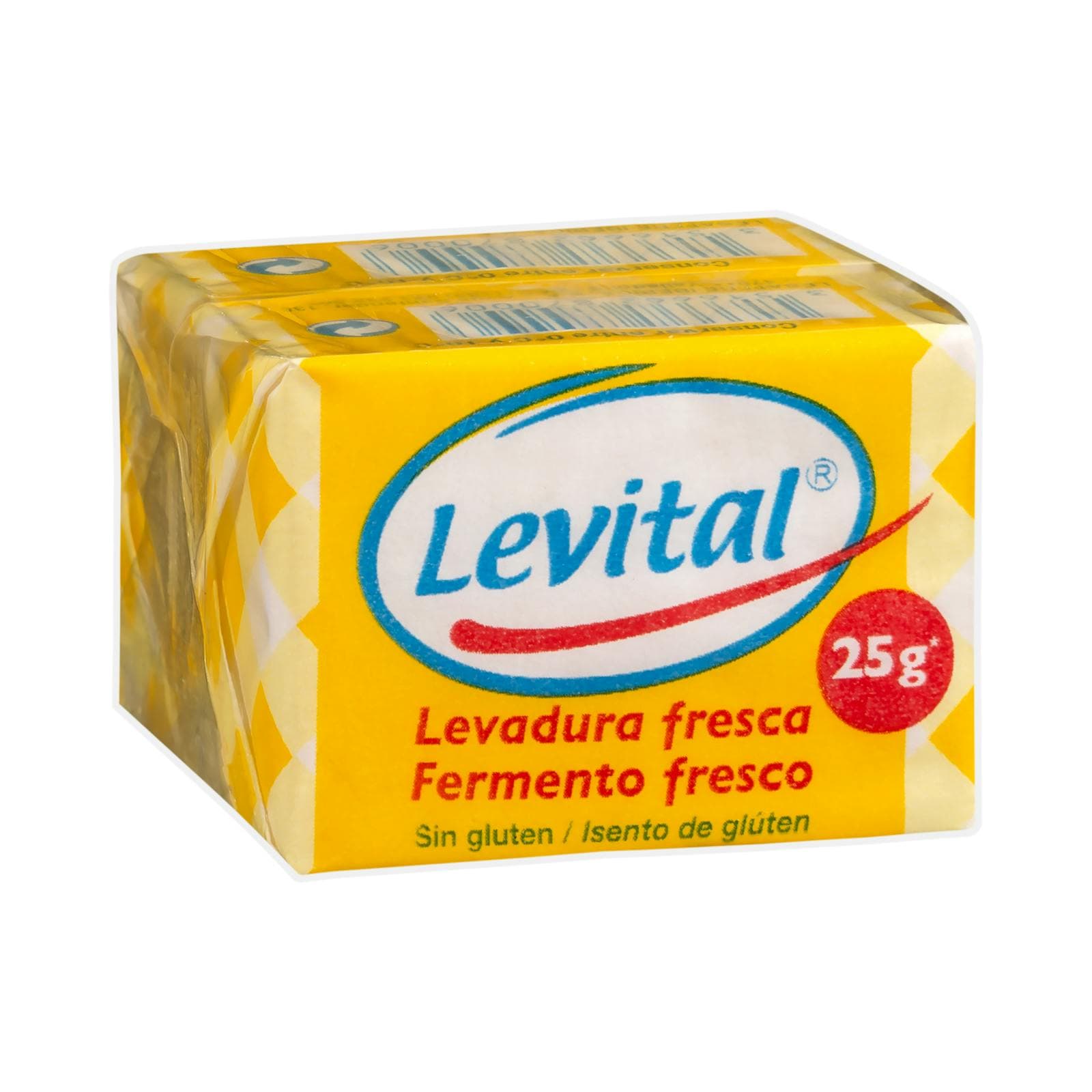 €0.50
€0.50Fresh Yeast
Levital · 50 g · Mercadona
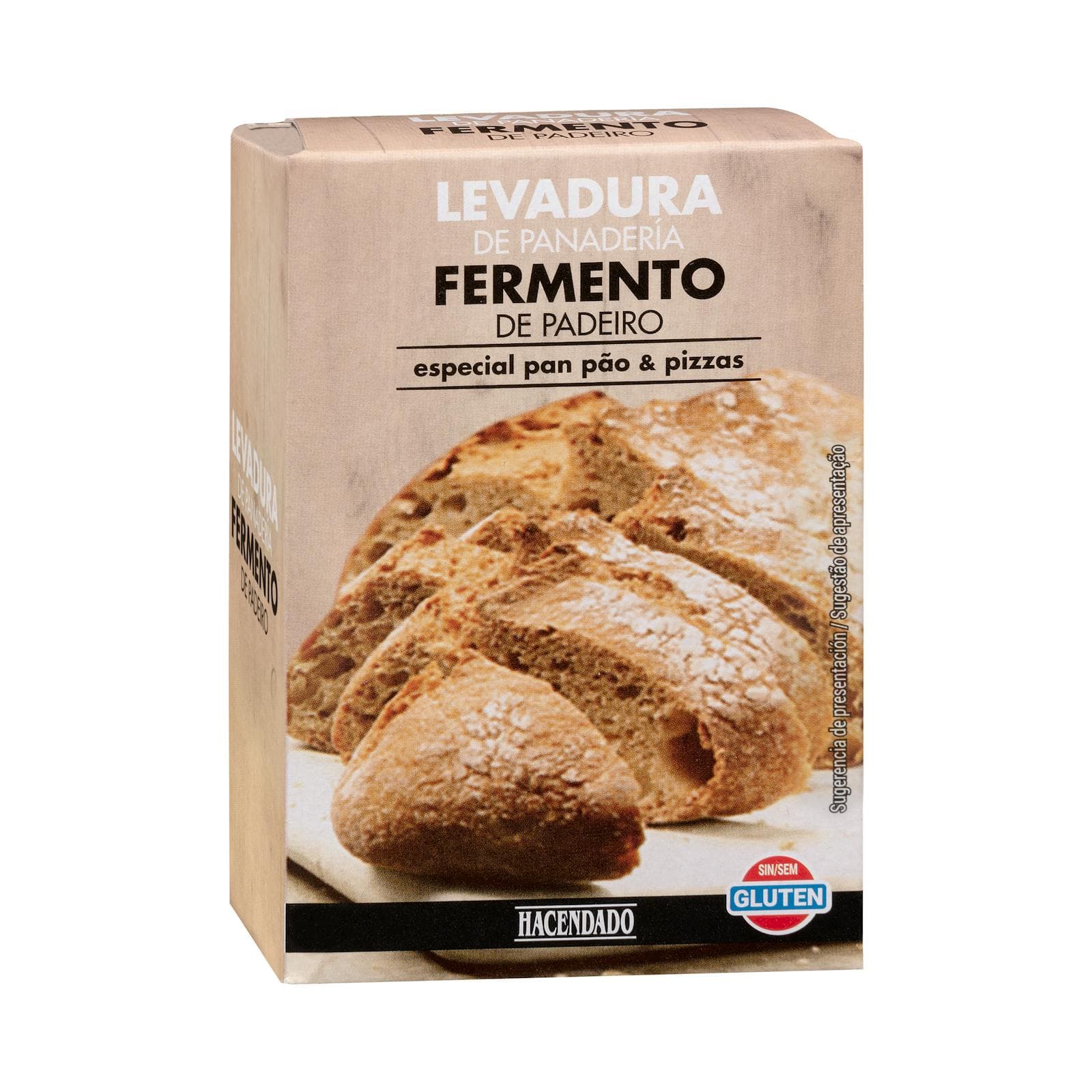 €1.60
€1.60Baker's Yeast
Hacendado · 70 g · Mercadona
 €1.89
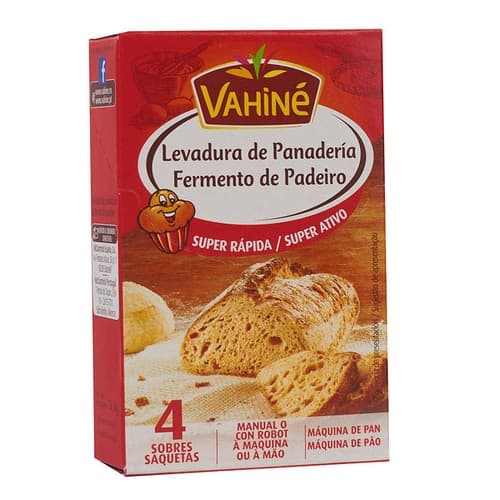
€1.89Bread Making Yeast
VAHINE · kg · Bonpreu
 €2.25
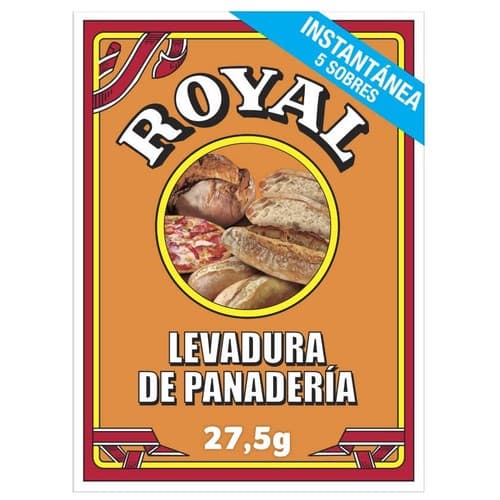
€2.25Royal Bread-Making Yeast
ROYAL · kg · Bonpreu
Good to know
- Function
- Living leavener — ferments sugars to CO₂ + flavor
- Organism
- Saccharomyces cerevisiae (baker's yeast)
- Best for
- Bread, pizza, rolls, enriched doughs
- Activity range
- Likes ~75–95°F; killed above ~130–140°F
- How to store
- Cool/dry sealed; fridge or freezer once opened
- Shelf life
- Months sealed; test (proof) older yeast
Substitutes
- Instant ↔ active dry yeast — Interchangeable; use ~25% less instant, adjust method.
- Sourdough starter — Natural leaven; longer rise, tangy flavor.
- Baking powder/soda (non-yeast breads) — Only for quick breads, not yeasted texture.
Also called
levadura
Appears in these dishes
Related

All-Purpose Flour
The do-anything flour for bread, cakes, sauces, and dredging

Bread Flour
High-protein flour for chewy, well-risen breads
Whole Wheat Flour
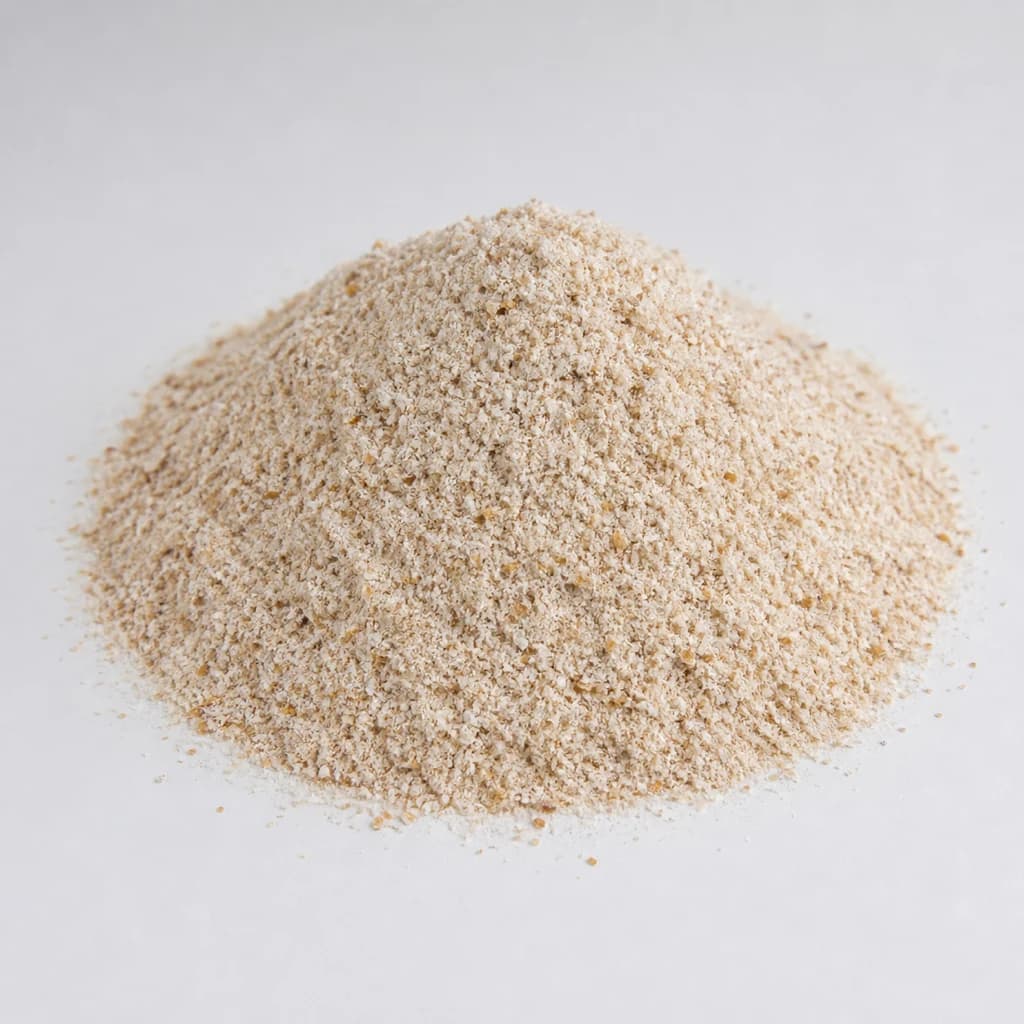
Nutty, whole-grain flour for hearty breads and bakes
Cake Flour
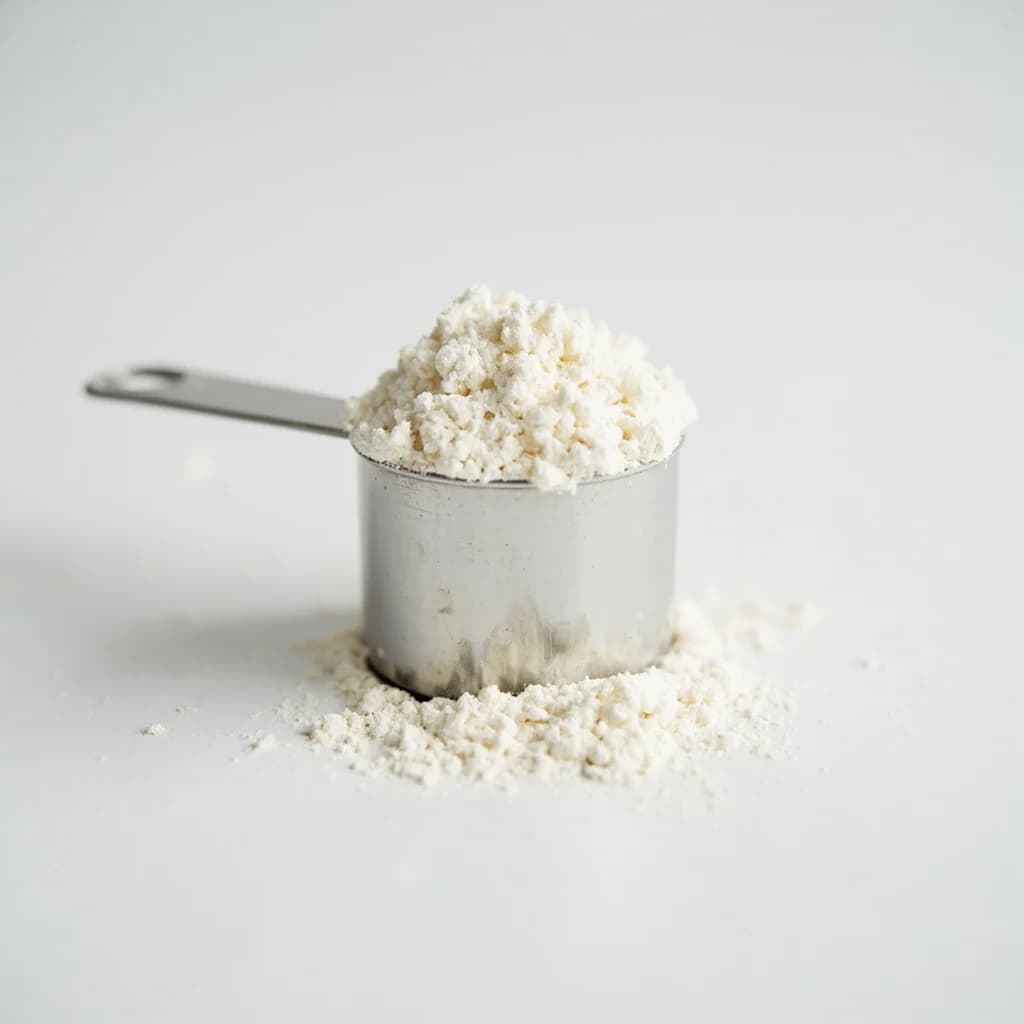
Fine, low-protein flour for tender, delicate cakes
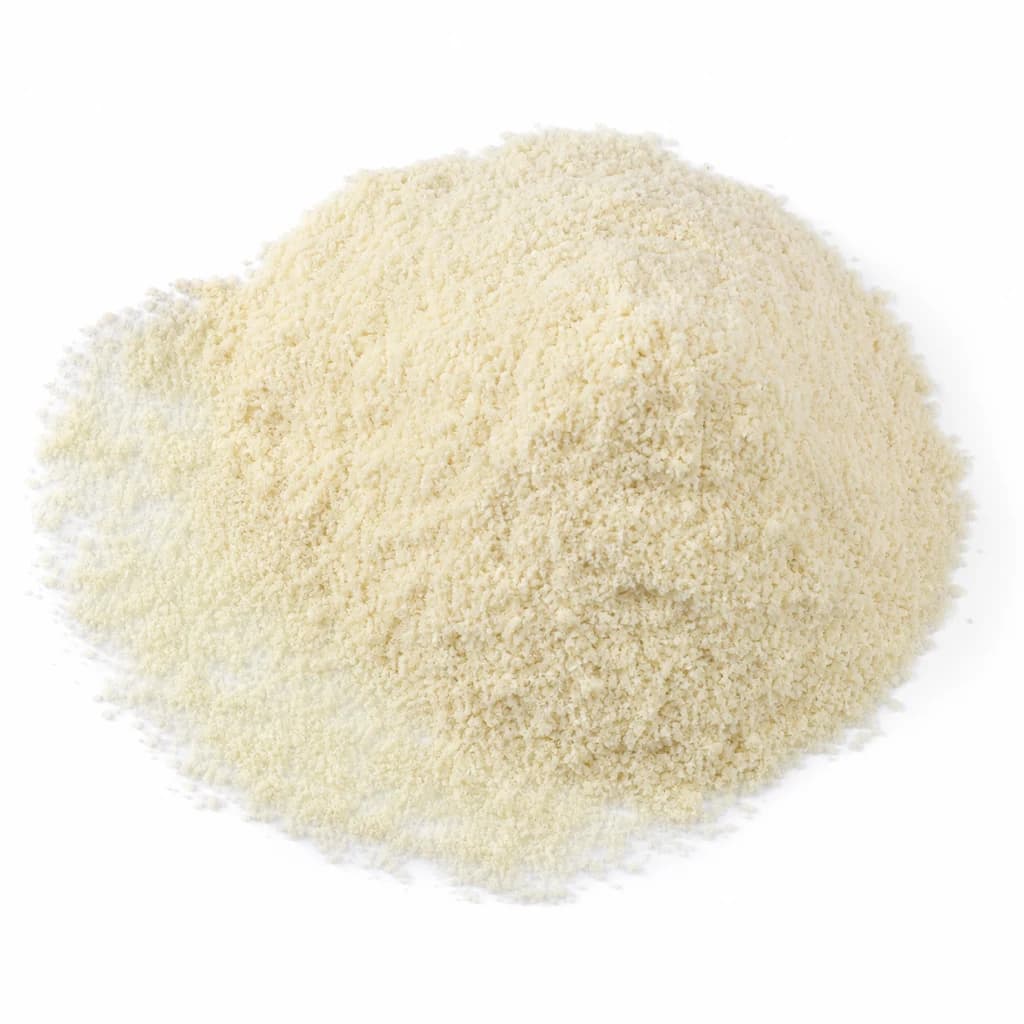
Almond Flour
Nutty, gluten-free flour for macarons and tender bakes

Baking Powder
All-in-one leavener for fluffy cakes, pancakes, and biscuits

Baking Soda
Pure leavener that needs acid to lift — and tenderize
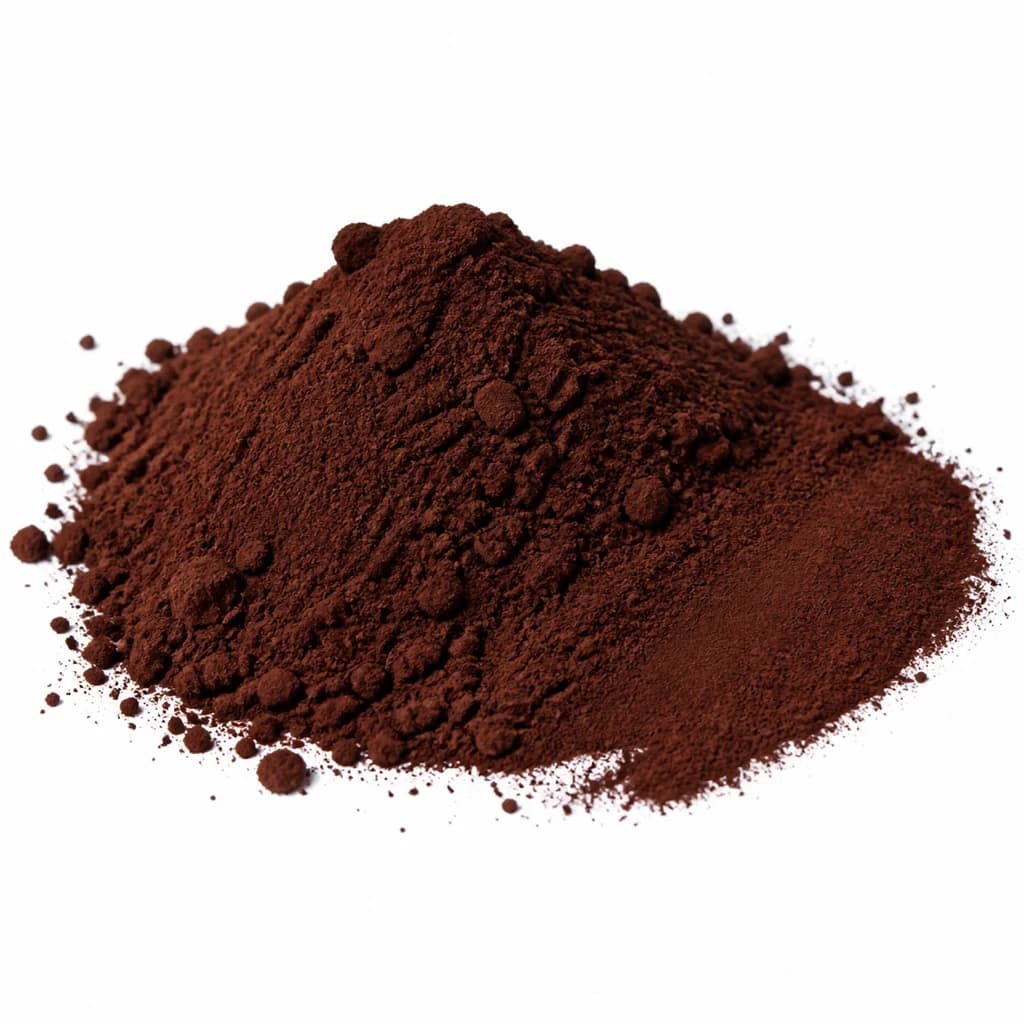
Cocoa Powder
Deep, bitter chocolate powder for cakes, drinks, and dusting