Natural form
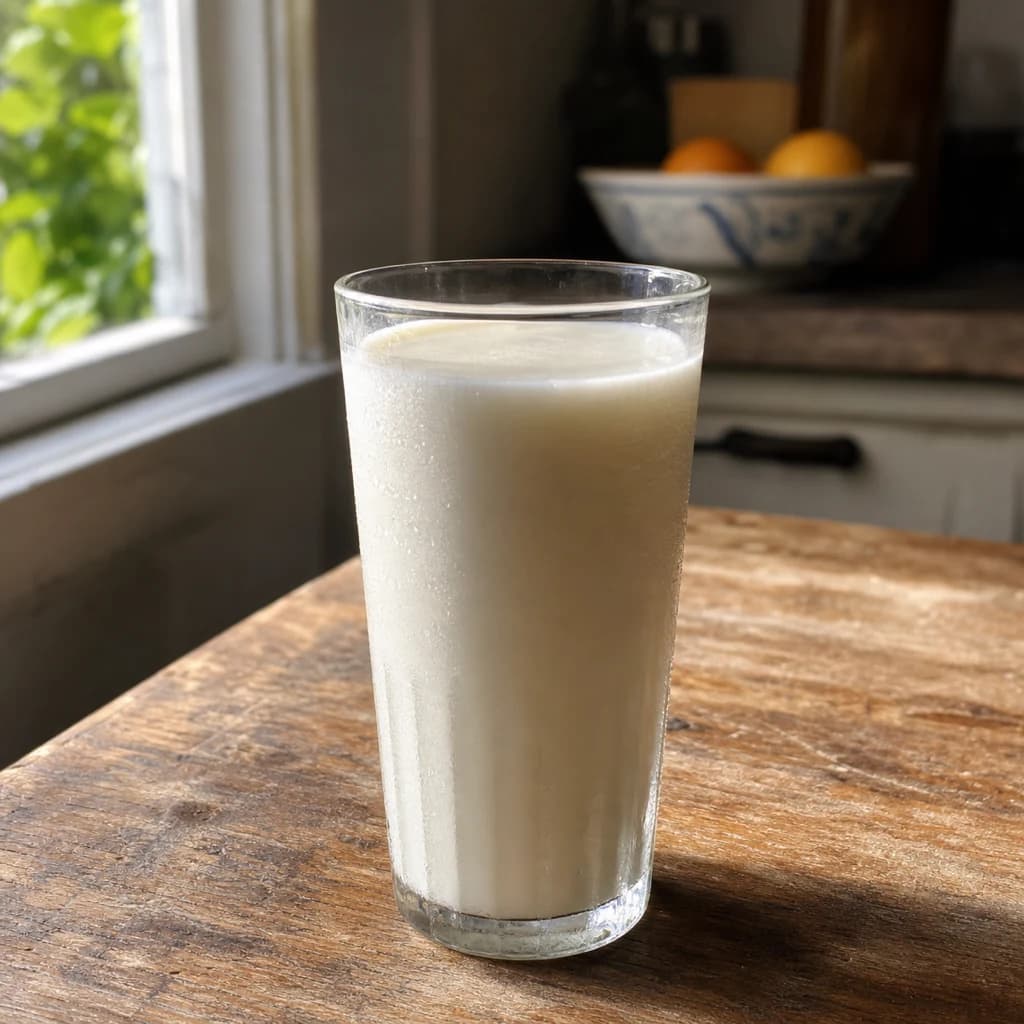
Whole fresh milk poured into a glass, showing its opaque white color and natural viscosity.
Shows milk in its most recognizable form — the white liquid that readers associate with drinking milk — making identification immediate and unmistakable.
Dairy & Eggs
Milk
Fresh cow's or buffalo milk, the foundational dairy liquid for drinking, baking, sauces, and countless dishes.
Milk is the fresh liquid drawn from cows, buffalo, or other animals and is one of the most universal cooking ingredients. It is consumed plain, cultured into yogurt and cheese, and used to build sauces, batters, puddings, and breads. Whole milk adds richness while skim is lighter; buffalo milk is notably higher in fat.
Milk is a complex emulsion of fat globules, protein (primarily casein with smaller amounts of whey), lactose, vitamins, and minerals suspended in water. Its functionality in cooking derives from several properties: proteins coagulate when heated or acidified, enabling sauces, custards, and cheese; fat provides richness and carries fat-soluble flavors; lactose caramelizes during browning reactions; and the calcium in milk strengthens gluten structure in baked goods while aiding browning through its reaction with proteins. Understanding these properties lets you choose the right milk type for each application and troubleshoot when things go wrong.
The fat content of milk profoundly affects culinary outcomes. Whole milk (3.5% fat) produces the richest, creamiest sauces and baked goods because fat coats the protein molecules, slowing gluten development and creating a more tender crumb. Lower-fat milks yield thinner sauces and drier baked goods. Buffalo, sheep, and goat milks offer alternatives with different protein and fat compositions—buffalo milk's higher protein content makes it ideal for paneer and fresh mozzarella, while goat milk's smaller fat globules create a naturally homogenized texture with a slightly tangy flavor that Mediterranean and Middle Eastern cuisines embrace.
Fresh milk spoils quickly because it supports bacterial growth. Pasteurization (72°C for 15 seconds via HTST, or 135°C for 1-2 seconds via UHT) kills pathogens but also affects flavor—UHT milk has a cooked note that can interfere with delicate custards. Always store milk on interior refrigerator shelves where temperature is most consistent, never in the door where opening and closing causes fluctuations. Bring milk to a bare simmer for sauces rather than a rolling boil, which causes proteins to tighten and the milk to scorch on the pan bottom.
- Measured in
- ml
- Storage
- Fridge
Allergens
Types & varieties
3.5% butterfat — standard drinking milk, balances fat content for most cooking applications
2% butterfat — lighter option, acceptable for most recipes
0.1-0.5% butterfat — lower fat, thinner texture, can work in some baking applications
Higher fat (6-8%) and protein than cow's milk; basis for many South Asian dairy products (paneer, ghee) and Italian mozzarella di bufala; yields 20-25% more cheese by weight
Smaller fat globules, naturally homogenized; tangier flavor; easier to digest for some; used in Mediterranean and Middle Eastern cuisines
Highest fat (6-8%) and protein; basis for pecorino romano, ricotta, and Roquefort cheese
Unpasteurized; illegal to sell in many jurisdictions; used by some artisan cheesemakers
From cows producing only A2 beta-casein protein; marketed as easier to digest
Pre-digested with lactase enzyme; identical in cooking applications
60% of water removed; unsweetened; can be reconstituted with equal water or used as-is for richer sauces and desserts
60% water removed plus 40-45% sugar added; extremely thick and sweet; used in caramel, dulce de leche, and confections
Dehydrated whole or skim milk; reconstituted 1:4 with water; useful for baking, emergencies, and dry applications
Cultured milk (or traditional residual liquid from churning); 1% fat; tangy; used in baked goods for tenderizing gluten and adding tang
Choosing the Right Milk for Cooking
Whole milk serves most cooking purposes—béchamel, custards, cream soups, and baking—because its fat content produces the best texture and flavor balance. For delicate custards or crème brûlée, avoid UHT milk; its cooked flavor permeates the finished product. Reduced-fat milk works adequately in most applications but yields slightly leaner results. When making paneer or fresh cheese, buffalo milk's superior protein content gives substantially better yield than cow's milk, producing a firmer, more pliable cheese. Goat milk works well in sauces and soups where its tangy note complements the dish, and its smaller fat globules create a smoother texture without visible cream lines.
- For richness: use whole milk or substitute cream diluted 1:1 with water
- For baking: any milk works, but whole milk produces the most tender crumb
- For custards: avoid UHT milk; use fresh HTST pasteurized whole milk
- For cheese-making: buffalo milk yields 20-25% more cheese than cow's milk
Scalding Milk for Baking
Some older bread and roll recipes call for scalded milk, heated to exactly 71°C (160°F). At this temperature, proteins denature slightly and any naturally occurring enzymes are deactivated, which improves gluten development and extends the bread's shelf life. The milk should show tiny bubbles around the edges and steam—but not a rolling boil. For most modern baking, particularly with commercially pasteurized milk, scalding is unnecessary. However, understanding why these recipes exist helps you decide when to apply this technique.
- Heat in heavy-bottomed pan over medium heat
- Use thermometer for precision; remove from heat at 71°C
- Cool to room temperature before combining with yeast
- This technique matters most for artisan breads with long fermentation times
Common uses
Tips & pitfalls
- Never boil milk directly in a thin-bottomed pan—it scorches within seconds. Use heavy-bottomed cookware and medium heat with constant stirring in a figure-eight pattern.
- For creamy white sauces, do not let milk boil after adding flour-thickened roux. Boiling breaks down starch and causes the sauce to thin. Simmer gently until it coats a spoon.
- When making custards or pastry cream, always temper the eggs—add hot milk gradually while whisking to prevent scrambling. Bring the final custard to 82-85°C (180-185°F) for proper thickening.
- If milk curdles in a sauce, rescue it by transferring immediately to a blender and blending rapidly while cool; this emulsifies the curds back into a smooth sauce.
- Store milk on interior refrigerator shelves, not in the door, where temperature fluctuates most with each opening. Keep the container sealed to prevent absorption of odors from other foods.
- Do not use expired milk for cooking—spoilage compounds affect flavor and food safety, particularly in uncooked applications like salad dressings or milkshakes.
- For richer béchamel, replace some whole milk with cream, or use scalded milk with an extra tablespoon of butter added before incorporating the roux.
Nutrition
Energy
255 kJ · per 100 g
Where the calories come from
Protein
3.2g
6% DV
Carbs
4.8g
2% DV
Fat
3.3g
4% DV
Fiber
0g
0% DV
Sugars
5.1g
of which
Sodium
43mg
2% DV
Source · USDA FoodData Central · Milk, whole, 3.25% milkfat, with added vitamin D
View on FDC →In the shops
Matched grocery products
No matched grocery products for Milk yet.
Good to know
- Composition
- 87-88% water, 3-4% fat (whole), 3.3% protein (casein and whey), 4.8% lactose, vitamins A/D/B12, minerals (calcium, potassium, phosphorus)
- Pasteurization (HTST)
- 72°C (161°F) for 15 seconds
- Pasteurization (UHT)
- 135°C (275°F) for 1-2 seconds
- Scalding Temperature
- 71°C (160°F) for baking recipes
- Refrigerated Shelf Life
- 5-7 days after sell-by date
- pH Range
- 6.4-6.8 (slightly acidic to neutral)
- Freezing Point
- -0.5°C (31°F)
- Origin
- Dairy cattle domesticated ~10,000 years ago in the Fertile Crescent
Substitutes
- Evaporated Milk — Mix with equal water to approximate fresh milk; use undiluted for richer results in sauces and custards
- Powdered Milk — Reconstitute per package directions; approximately 1/3 cup powder + 1 cup water yields 1 cup fresh milk
- Unsweetened Plant-Based Milks — Almond, oat, soy, or coconut milk work for drinking and many cooking applications, though flavor and protein content differ; soy is closest in protein profile
- Coconut Milk (canned) — Full-fat works for rich sauces and curries; thin with water for general cooking. Imparts coconut flavor.
- Nutritional Yeast + Water — For creamy savory applications only; does not replicate dairy for baking or sweet uses
- Cream (diluted) — Mix with water 1:1 for a milk-like consistency; much higher fat content and richer flavor
Also called
Qumësht · Whole Milk · Cow Milk · Fresh Milk · Full-Cream Milk · Buffalo Milk · Raw Cow's Milk · Pasteurized Milk
Appears in these dishes
Related

Whole Milk
Rich, full-fat milk for drinking, coffee, sauces, and baking
Butter
Golden fat for searing, baking, and finishing a sauce
Yogurt
Tangy, creamy culture for breakfast, sauces, and marinades
Cheddar Cheese
Sharp, melty cheese for sandwiches, gratins, and grating
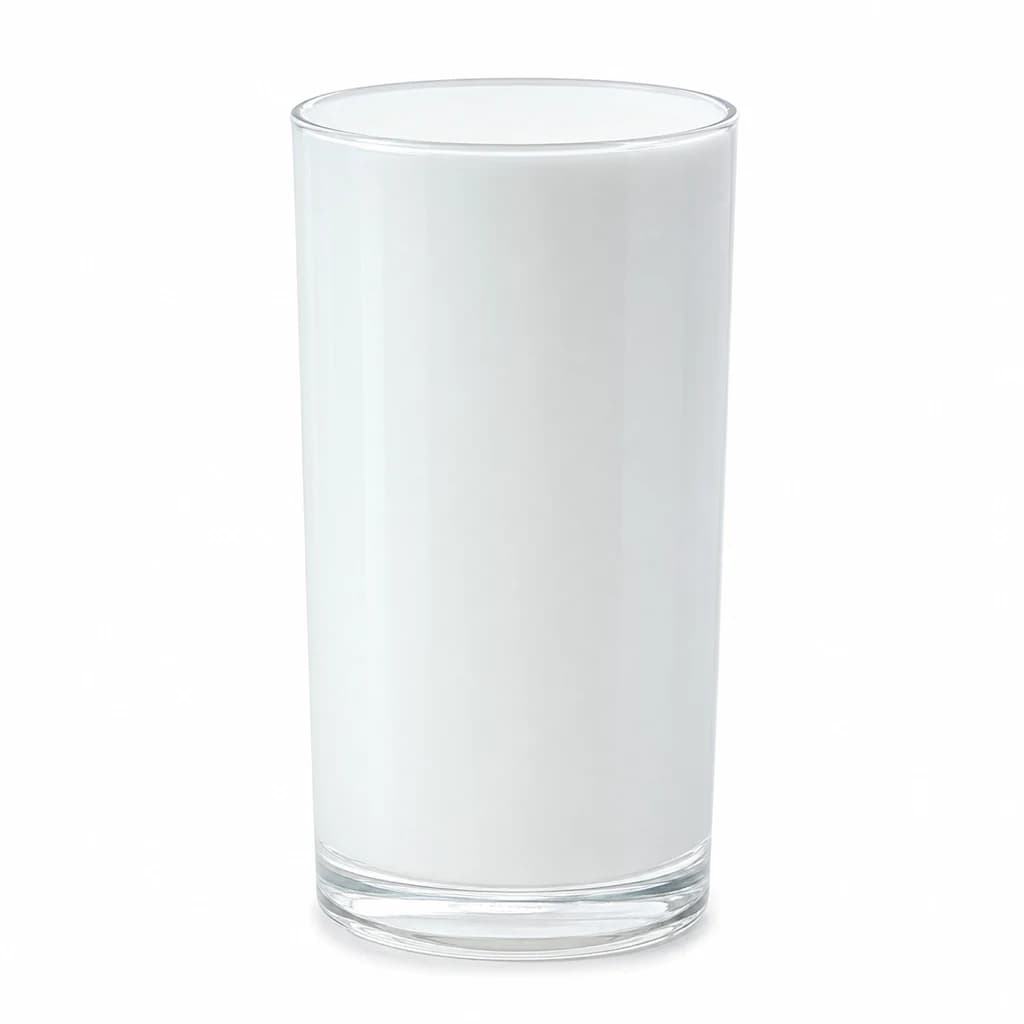
Skim Milk
Fat-free milk for lighter drinking, coffee, and cooking
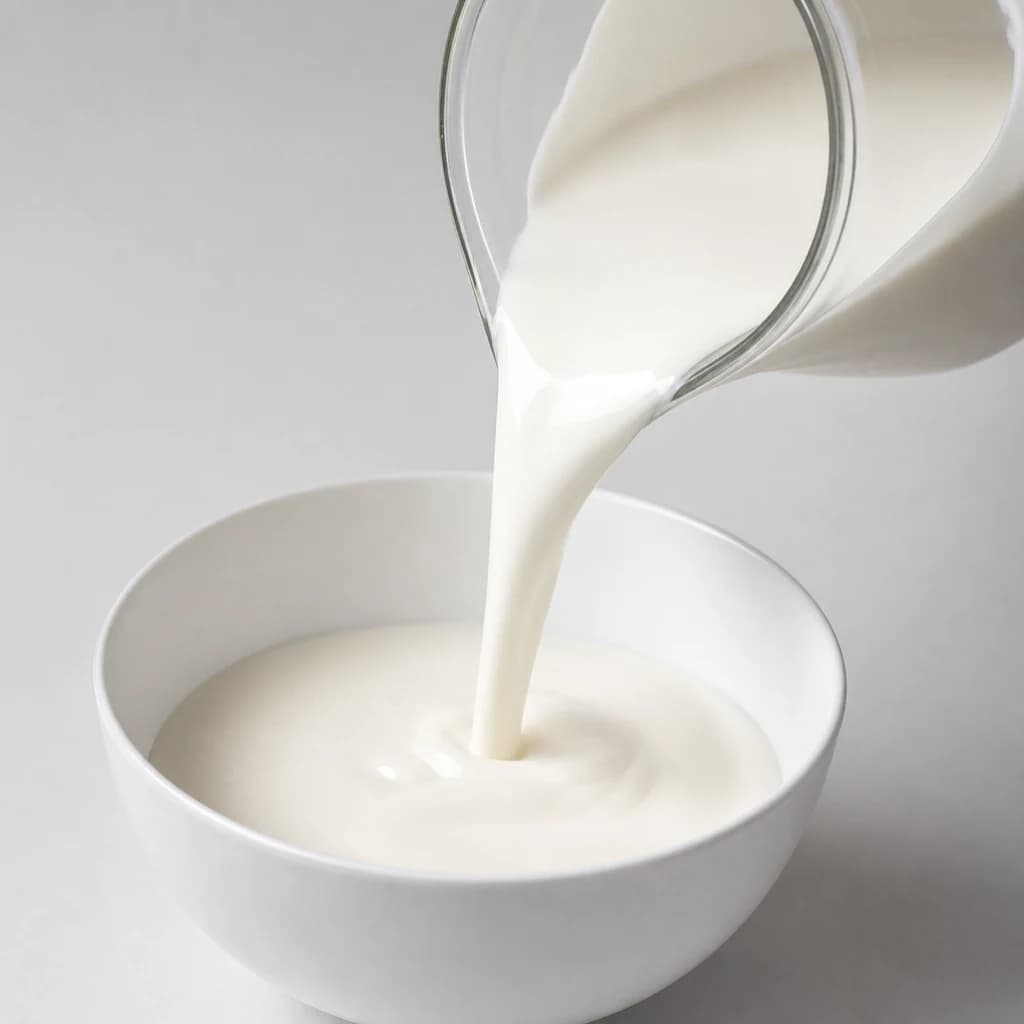
Heavy Cream
Rich cream that whips, enriches sauces, and sets ganache

Sour Cream
Tangy, thick cream for dolloping, baking, and dips
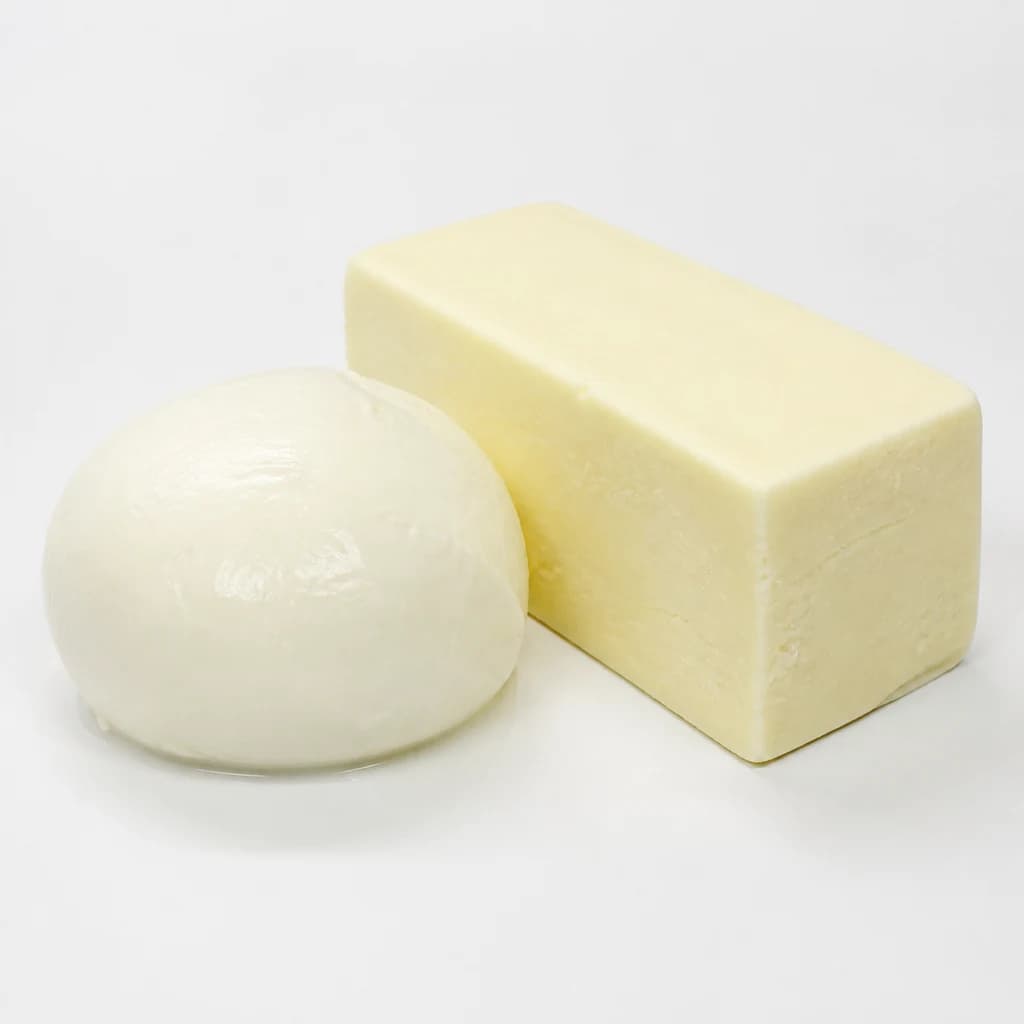
Mozzarella
Soft, milky cheese that melts into stretchy pizza pulls