Natural form
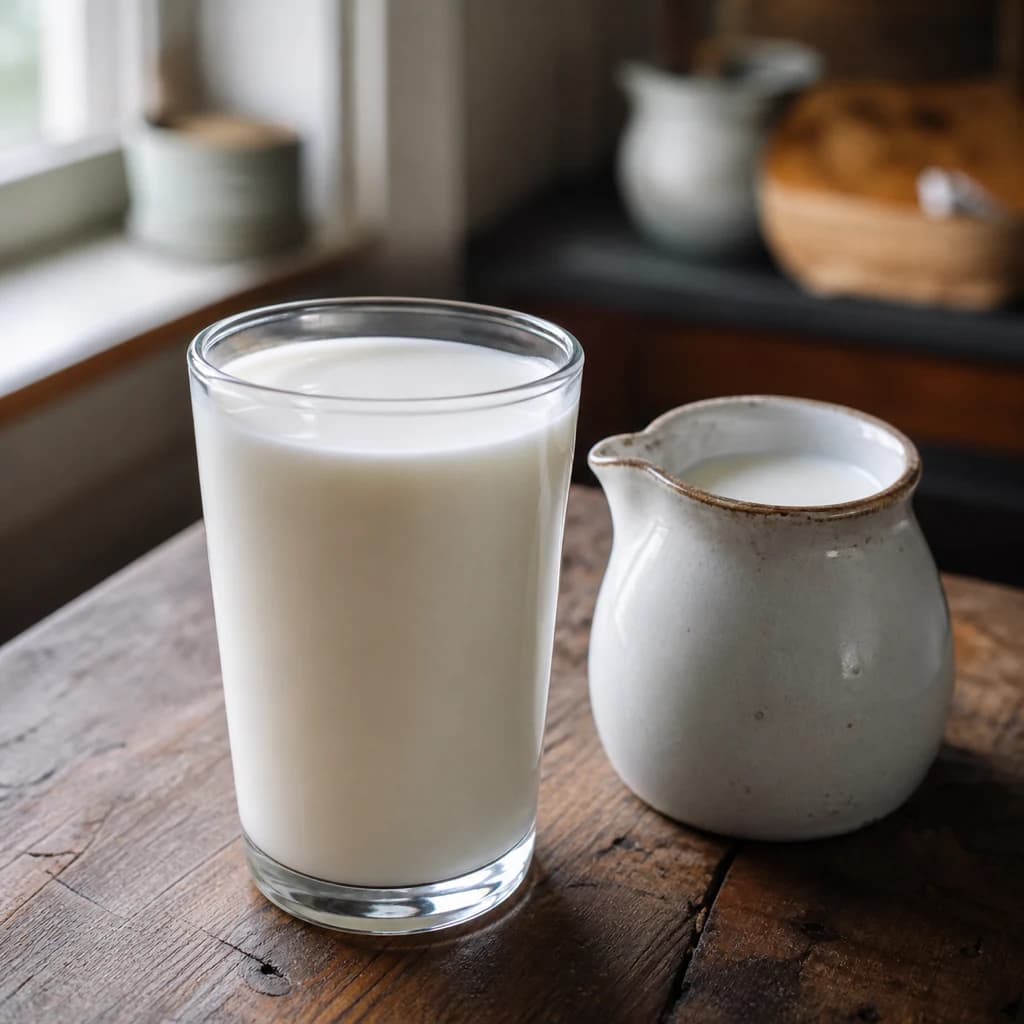
Fresh goat milk poured into a glass, showing its naturally white, slightly off-white color.
Shows the reader the fundamental appearance of goat milk as a drinkable liquid, establishing its color and texture compared to cow milk.
Dairy & Eggs
Goat Milk
Tangy, easily digestible milk from goats, drunk fresh or made into cheese and yogurt.
Goat milk is the milk of domestic goats, slightly sweeter and tangier than cow's milk with smaller fat globules that many find easier to digest. It is drunk fresh and is the base for chevre, feta, and many regional cheeses and yogurts. Its naturally homogenized fat gives a smooth mouthfeel without separating cream.
Goat milk is one of the most widely consumed animal milks globally, ranking second only to cow milk in total production. Its distinctive tangy flavor comes from higher proportions of medium-chain fatty acids—capric (C10) and caprylic (C8)—which also make it more digestible than cow milk. The fat globules in goat milk are roughly half the size of those in cow milk (about 2 micrometers versus 4), which means the fat stays suspended naturally rather than separating to the surface. This smaller globule size and the predominance of A2 casein (rather than the A1 variant found in most commercial cow milk) are why many people who struggle with cow milk tolerate goat milk better. That said, goat milk is not lactose-free and still contains casein proteins, so it is not safe for those with true milk protein allergies.
The breed of goat significantly affects milk composition. Nigerian Dwarf goats produce exceptionally rich milk with fat content up to 10%, making it ideal for butter, ice cream, and artisanal cheeses. Alpine and Saanen goats produce more fluid milk with lower fat (2.5–3%), better suited for drinking and fluid dairy applications. Fresh goat milk is increasingly available at farmers' markets and specialty grocers in the US and Europe, while ultra-pasteurized versions offer longer shelf life and more consistent year-round availability. The flavor can range from mild and creamy to distinctly goaty depending on the goat's diet—goats on browse-heavy diets develop stronger, grassier notes than those fed hay or grain.
In the kitchen, goat milk behaves similarly to cow milk in most applications, but its natural tanginess and finer fat structure make it particularly suited to certain uses. It coagulates slightly faster when making cheese, sets into a softer curd, and produces a smoother texture in frozen desserts even at lower fat contents. The slightly acidic character that develops as it ages can be an asset in cooked dishes or a drawback in fresh applications—knowing how to work with (or mask) this tanginess is key to using goat milk successfully.
- Measured in
- ml
- Storage
- Fridge
Allergens
Types & varieties
Unpasteurized or pasteurized; closest to farm taste; most perishable (use within 2–3 days of opening)
Shelf-stable until opened; slightly cooked flavor; keeps 6 months unopened, 30 days after opening
Dehydrated whole or skim; reconstitute with water; excellent for baking and emergency storage
Fermented base; tangier than cow-milk versions; probiotic-rich; used to make homemade fermented dairy
Exceptionally high fat (up to 6–10%); rich and creamy; ideal for butter, ice cream, and specialty cheeses
Lower fat (2.5–3%); more fluid; the standard commercial variety for drinking and fluid dairy
Canned; 60% of water removed; traditional in confections, caramel, and fudge
Canned and sweetened; used in desserts and traditional confections
Goat Milk by Cuisine
Goat milk has shaped culinary traditions across the Mediterranean, Middle East, East Africa, the Caribbean, and parts of Asia for millennia. In France, it is the foundation of the entire fresh cheese category—chèvre, Crottin, Chabichou, and Valençay are all made from goat milk. Greek feta is traditionally made from sheep milk or a blend of sheep and goat milk; goat milk is also used for yogurt and the base of some Spanakopita fillings. In the Middle East, fresh goat milk is drunk daily and made into labneh and ayran-style drinks. The Caribbean and West Africa use goat milk in callaloo and other savory dishes, while East African cuisines incorporate it into tea and porridge. Understanding these regional traditions helps cooks appreciate why certain recipes call for goat milk specifically—it is not simply a cow milk substitute but carries its own culinary logic.
- France: Chèvre, Crottin, Chabichou, Selles-sur-Cher, Valençay
- Greece: Feta (sheep-goat blend), yogurt, some pastry fillings
- Middle East: Labneh, fresh drinking milk, fermented drinks
- East Africa: Porridge, chai, fresh drinking
- Caribbean: Curries, callaloo, fresh drinking
Common uses
Tips & pitfalls
- Substitute 1:1 in any recipe calling for cow milk; the flavor difference is usually acceptable in cooked dishes, less so in mild applications like béchamel
- For a milder taste, choose milk from goats fed hay or grain rather than browse-heavy diets, which impart stronger grassy-goaty notes
- When making cheese, goat milk coagulates slightly faster than cow milk due to pH; add rennet promptly and check curds 30–45 minutes in (versus 50–60 for cow milk)
- Freeze excess goat milk in zip-lock bags laid flat; thaw overnight in refrigerator; slight textural change is acceptable for cooking but not for drinking fresh
- Shake well before each use—while goat milk separates less readily than cow milk, fat distribution still needs integration
- To reduce tanginess in a finished dish, balance with honey, vanilla, or a touch of neutral oil rather than masking with strong spices
- Use newer (younger-dated) milk for fresh applications like drinking or cream sauces; save older milk for baking, soups, and cooked dishes where acidity is an asset
- Nigerian Dwarf goat milk is ideal for butter and ice cream due to high fat content; Alpine or Saanen milk is better for drinking and fluid dairy
- Do not assume goat milk is lactose-free—it is not; those with lactose intolerance should use caution or take enzyme supplements
- Pasteurized goat milk develops a sharper, more acidic flavor as it ages; this is normal and does not indicate spoilage unless accompanied by off odors or curdling
Nutrition
Energy
289 kJ · per 100 g
Where the calories come from
Protein
3.6g
7% DV
Carbs
4.5g
2% DV
Fat
4.1g
5% DV
Fiber
0g
0% DV
Sugars
4.5g
of which
Sodium
50mg
2% DV
Source · USDA FoodData Central · Milk, goat, fluid, with added vitamin D
View on FDC →In the shops
Matched grocery products
No matched grocery products for Goat Milk yet.
Good to know
- Protein type
- Contains A2 casein; like sheep milk, unlike most commercial cow milk which contains A1
- Fat globule size
- ~2 micrometers average (cow milk is ~4 micrometers); naturally homogenized, fat rarely separates
- Lactose content
- ~10–12 g per cup; slightly lower than cow milk but NOT lactose-free
- Key fatty acids
- Higher in medium-chain capric and caprylic acids; responsible for the characteristic tangy flavor
- Digestibility
- Often tolerated better than cow milk due to smaller fat globules and A2 protein profile
- Typical fat content
- 3–6% depending on breed; most common commercial varieties are ~3.5%
- Fresh storage
- Refrigerate at 35–40°F; use within 2–3 days after opening
- Calories per cup
- ~170 kcal (whole); ~100 kcal (2% reduced-fat)
Substitutes
- Cow milk — Closest functional match; flavor will be milder and less tangy; acceptable in most cooked applications at 1:1 ratio
- Sheep milk — Higher fat and protein; excellent for cheese-making; flavor is richer and more buttery; harder to find outside specialty shops
- Buffalo milk — Much higher fat; excellent for cheese and dairy; difficult to find outside South Asia; expensive
- Coconut milk (full-fat) — Dairy-free alternative; neutral to sweet flavor; works in cooking, baking, and smoothies; not a flavor match
- Oat milk — Good dairy-free substitute for drinking and smoothies; slightly sweet; poor for cheese-making due to lack of protein
- Evaporated cow milk — If substituting for evaporated goat milk in confections; add water to dilute to milk consistency if needed
- Almond milk — Dairy-free; watery and low-fat; not a close functional match for cooking or cheese-making
Pairs with
Also called
Raw Goat's Milk · Goat's Milk
Appears in these dishes


Related

Whole Milk
Rich, full-fat milk for drinking, coffee, sauces, and baking
Butter
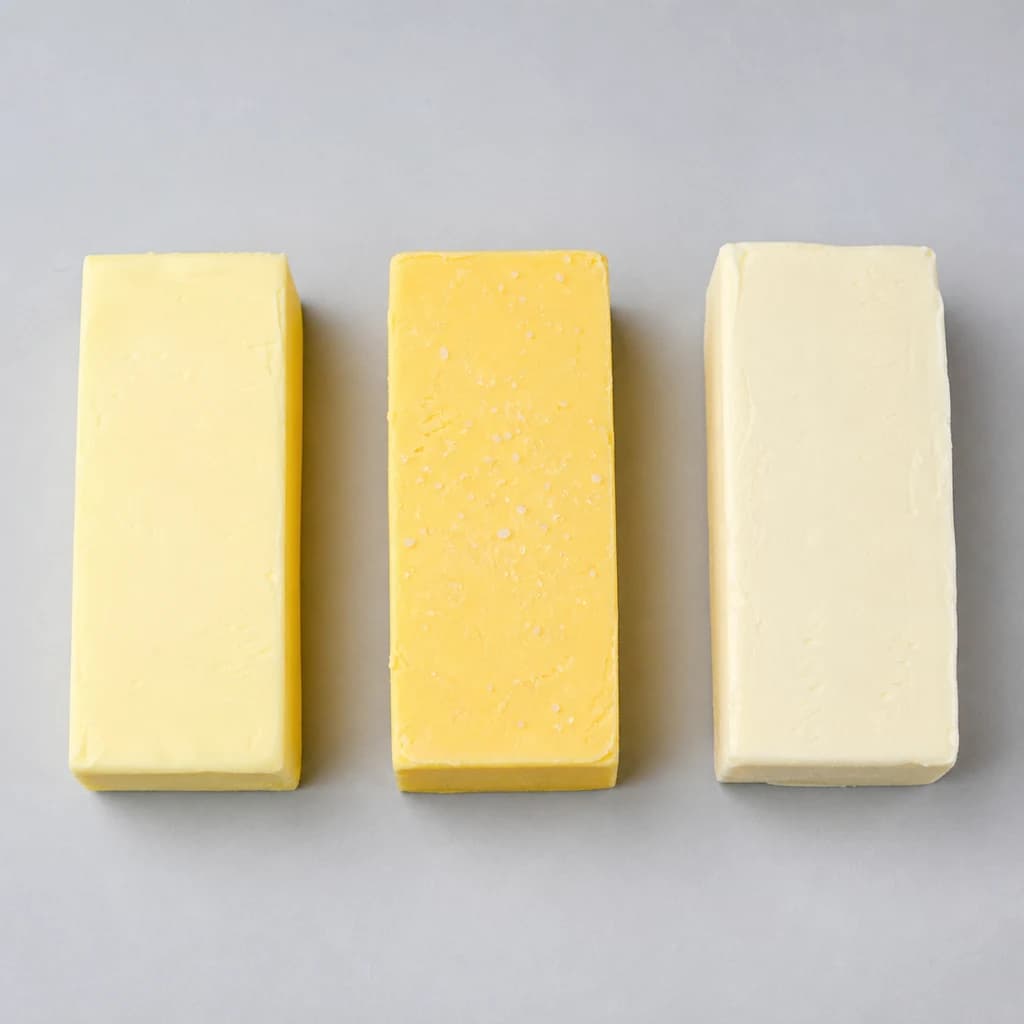
Golden fat for searing, baking, and finishing a sauce
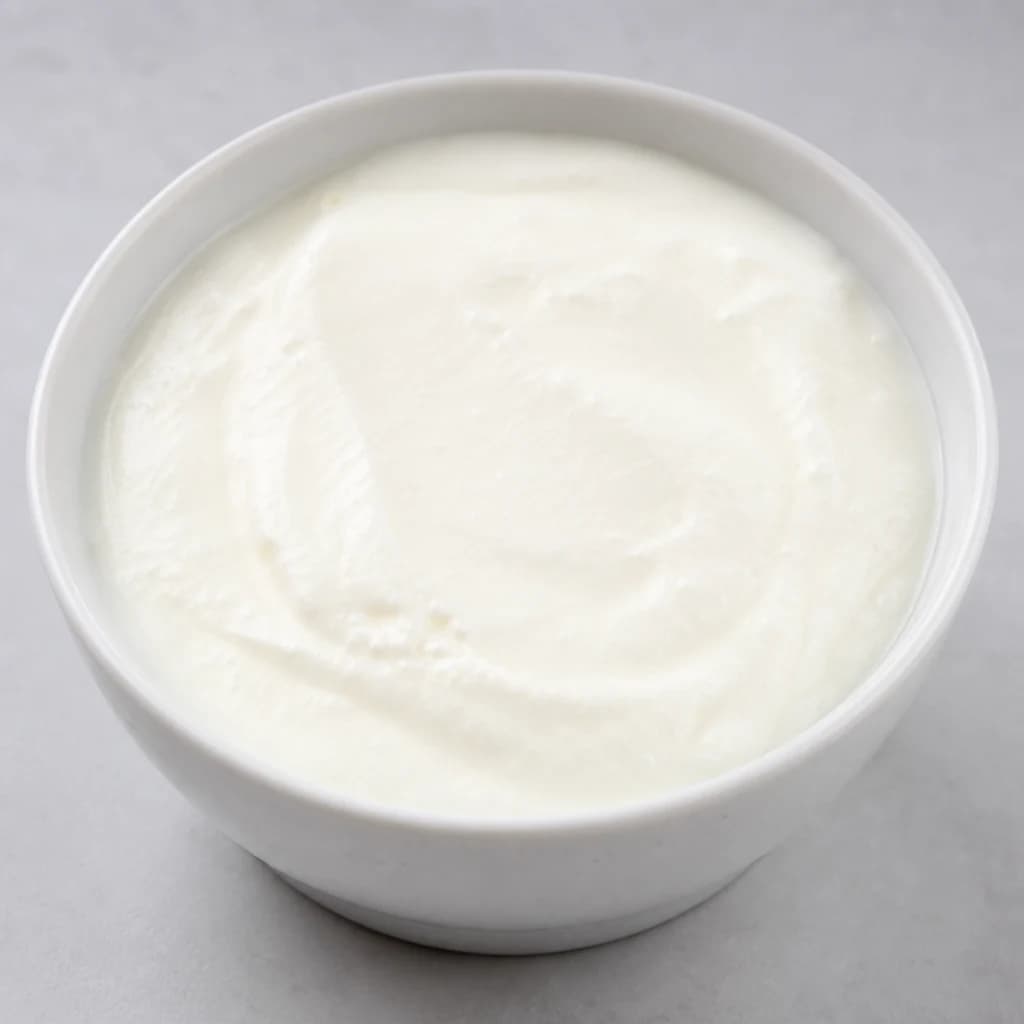
Yogurt
Tangy, creamy culture for breakfast, sauces, and marinades
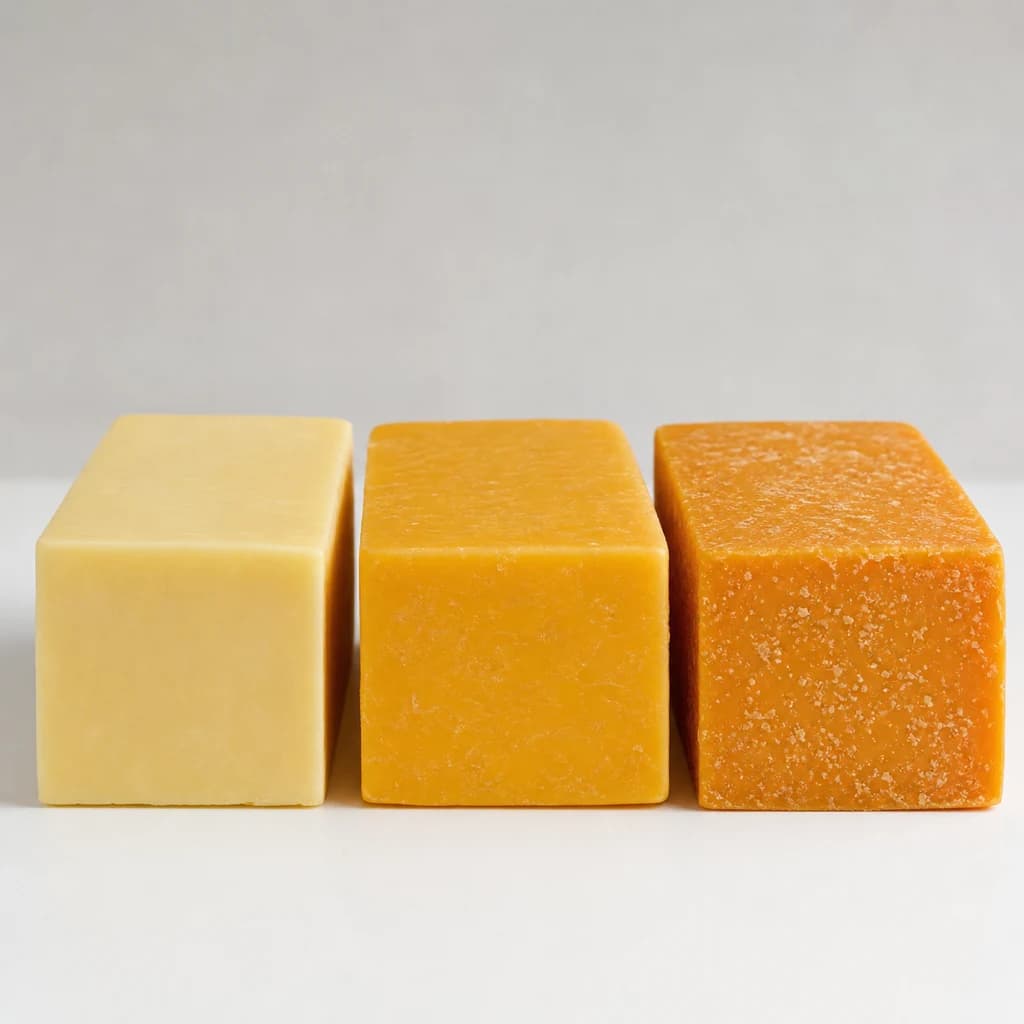
Cheddar Cheese
Sharp, melty cheese for sandwiches, gratins, and grating
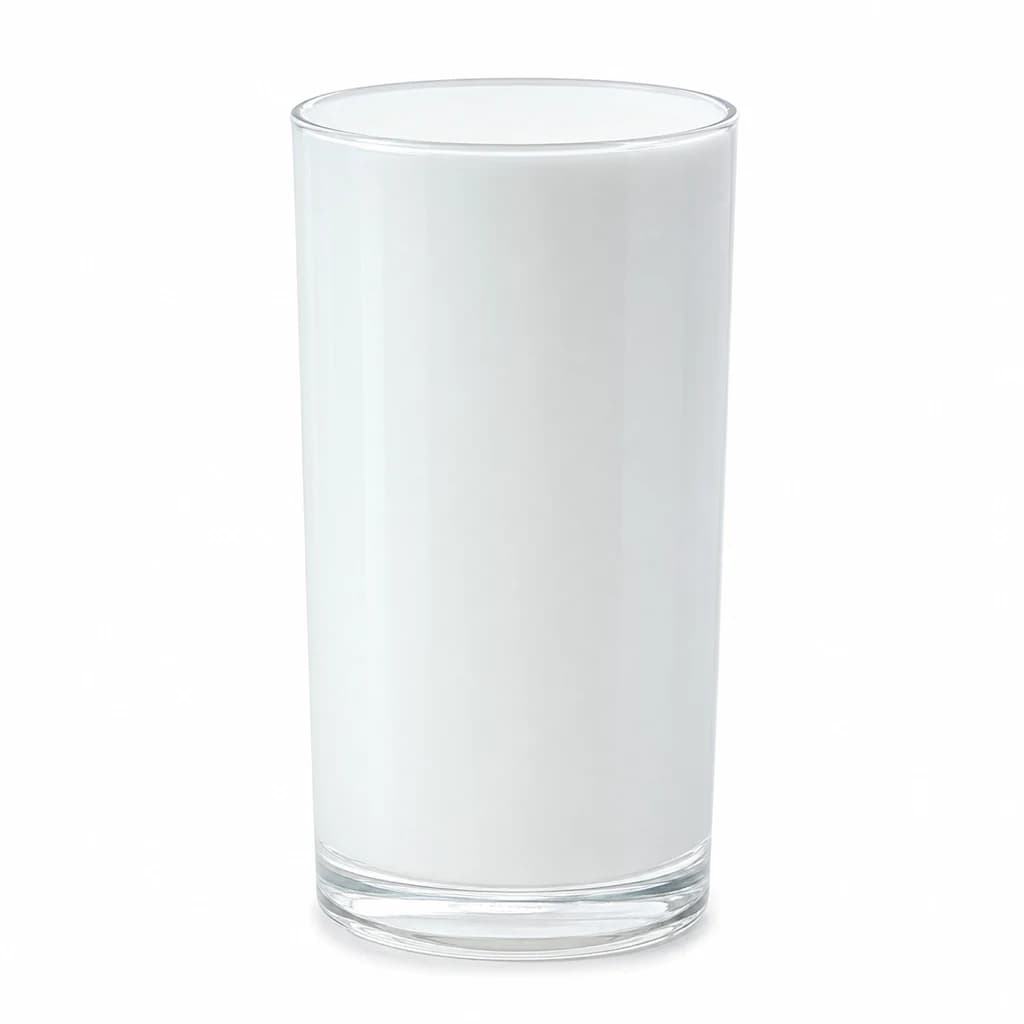
Skim Milk
Fat-free milk for lighter drinking, coffee, and cooking
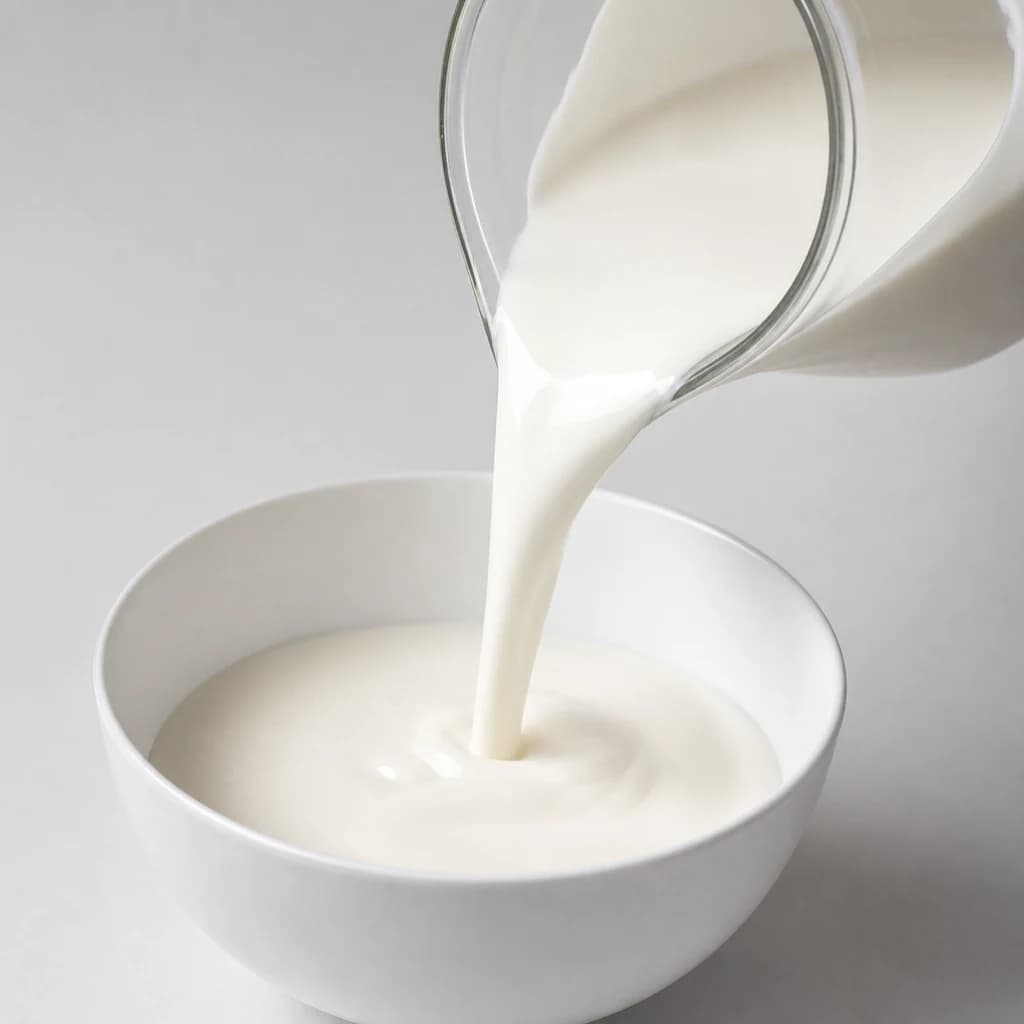
Heavy Cream
Rich cream that whips, enriches sauces, and sets ganache

Sour Cream
Tangy, thick cream for dolloping, baking, and dips
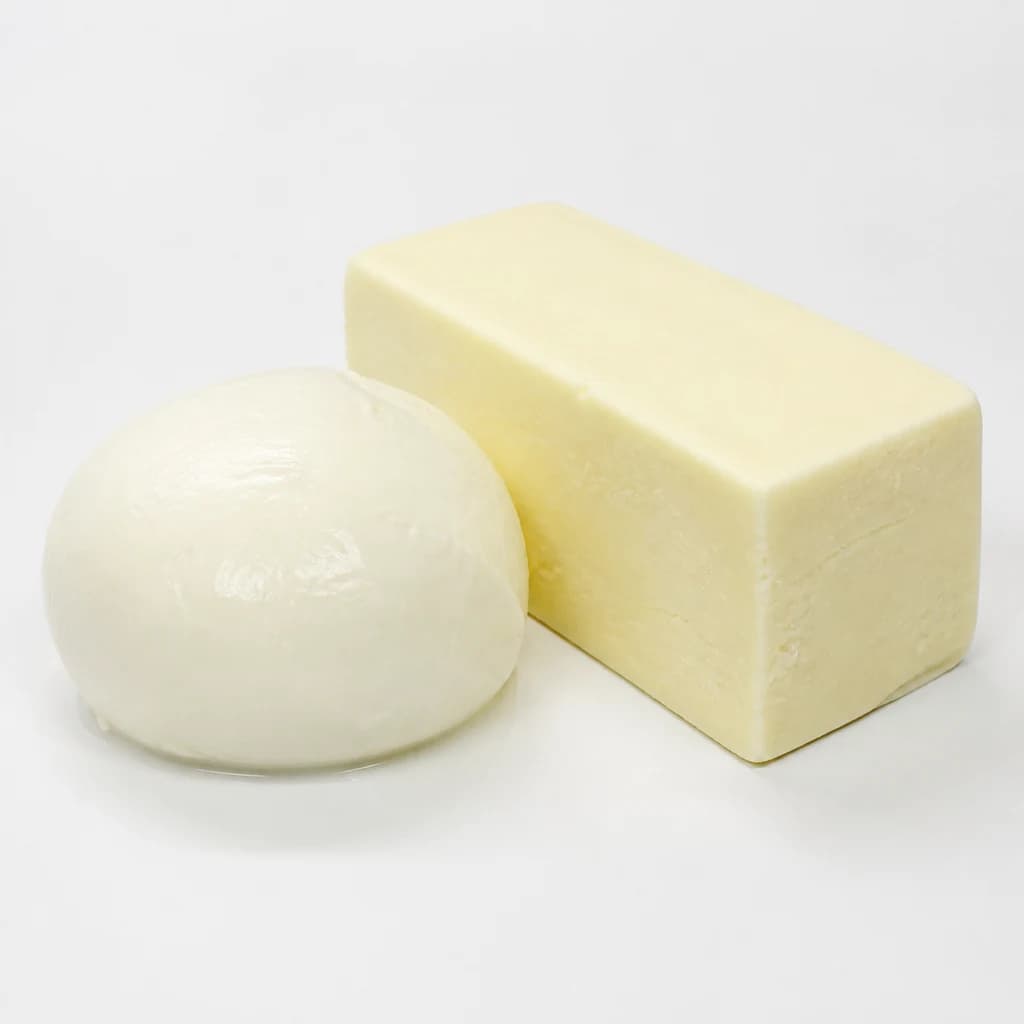
Mozzarella
Soft, milky cheese that melts into stretchy pizza pulls