Natural form
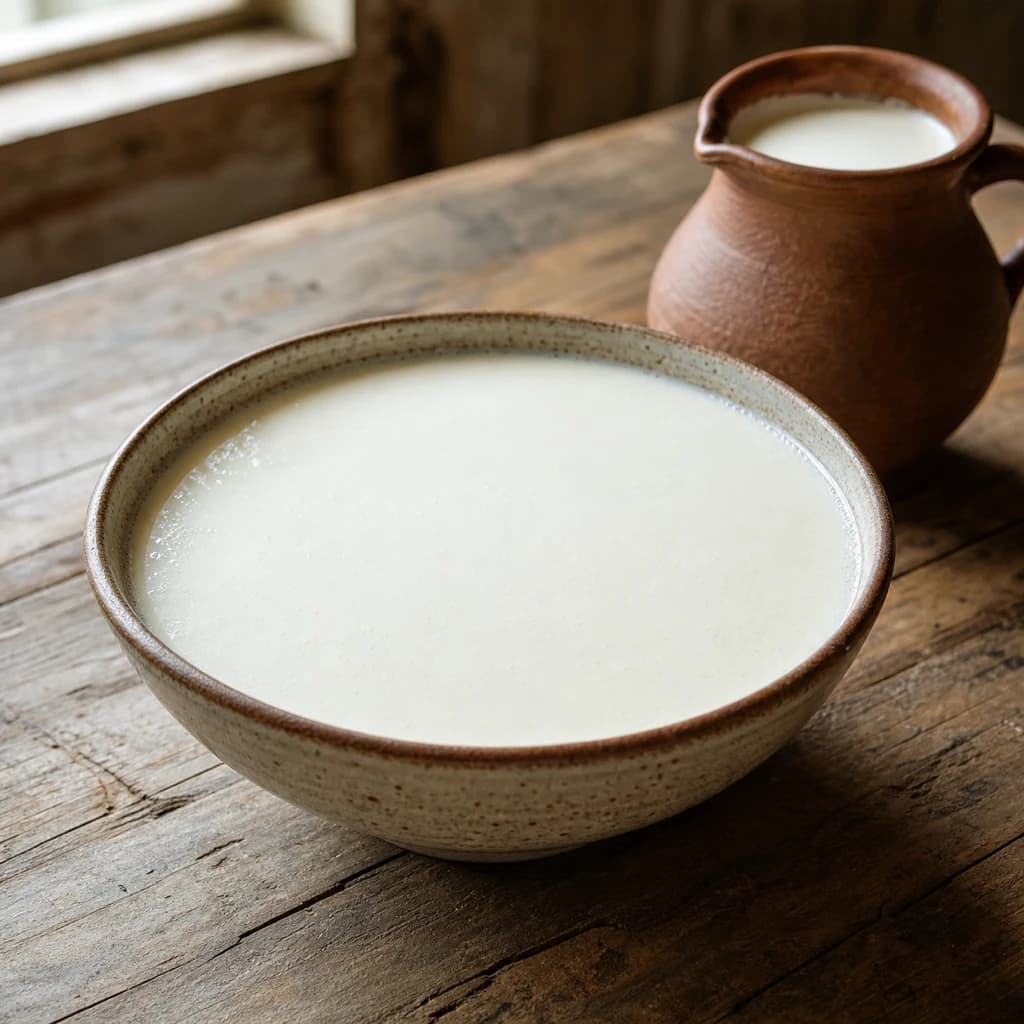
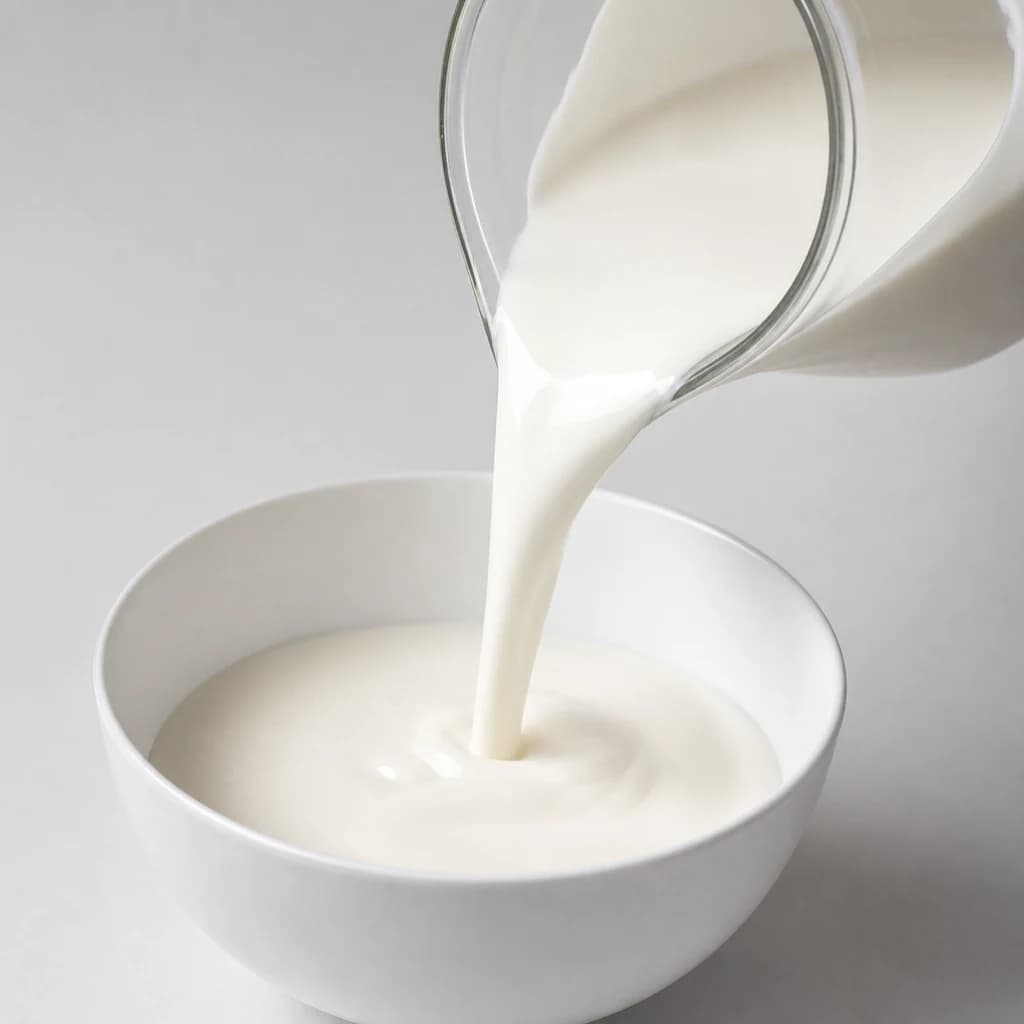
Fresh water buffalo milk poured into a wide ceramic bowl, thick and ivory-white.
Shows the milk's defining visual characteristic — its notably thick, ivory-cream color compared to standard cow's milk — immediately teaching readers what to expect.
Dairy & Eggs
Water Buffalo Milk
Rich, high-fat milk from water buffalo, prized for mozzarella di bufala, paneer, and Indian sweets.
Water buffalo milk is creamier and significantly higher in fat and protein than cow's milk, with a sweet, rich taste. It is the traditional milk for Italian mozzarella di bufala and for many South Asian dairy products like paneer, ghee, and milk-based sweets. Its richness yields a higher cheese and cream yield per liter.
Water buffalo milk is a distinct ingredient, not merely an alternative to cow's milk. Its fat content of 7–8% is roughly double that of most whole cow's milk, and its protein content runs at 4.5% or higher, with a casein profile dominated by the A2 type. This combination makes buffalo milk the only reliable milk for producing true stretched cheeses (pasta filata) such as mozzarella di bufala—cow's milk simply cannot replicate the structure. The high fat also means richer emulsions in sweets and a higher ghee yield per liter. Water buffalo were first domesticated in South Asia over 5,000 years ago, and today India produces roughly 70% of the world's supply, though Italy's Campania region developed the fresh mozzarella tradition in the 12th–13th century and maintains strict DOP standards for the finished cheese.
In Indian cooking, buffalo milk is not a substitute—it is the default. The entire paneer tradition, the preparation of ghee, and the base for sweets like peda, gulab jamun, and barfi assume buffalo milk's fat and protein ratios. Switching to cow's milk in these preparations without adjustment produces a noticeably different texture, often too watery or prone to excessive curdling. Italian buffalo mozzarella must be produced within 12 hours of milking and sold in its brine; its pale, almost white color reflects the buffalo's efficient conversion of beta-carotene to vitamin A, leaving less yellow pigmentation than cow's milk. When a recipe specifies buffalo milk, trust that the choice is structural, not stylistic.
Fresh buffalo milk keeps 2–3 days refrigerated; pasteurized versions extend that to 5–7 days. For most savory cooking where the goal is dairy richness rather than specific cheese chemistry, a 50/50 blend of whole cow's milk and heavy cream approximates the fat content well enough, but it cannot substitute for buffalo milk in mozzarella, paneer, or traditional Indian sweets where casein structure and fat-protein balance are essential.
- Measured in
- ml
- Storage
- Fridge
Allergens
Types & varieties
Italy's premier buffalo milk cheese; made in Campania, Lazio, Caserta, and Salerno provinces; must be produced within 12 hours of milking
Same stretched style but produced outside the protected DOP region, or made with milk sourced from outside the designation
Outer shell of stretched buffalo mozzarella filled with cream and shredded mozzarella scraps (stracciatella)
Fresh, acid-set Indian cheese curdled with lemon juice, buttermilk, or yogurt; firm and non-melting
Made from whey rather than curd; lighter, fluffier texture than cow's milk ricotta
Soft, spreadable cheese from Lombardy; mild and buttery
Reduced buffalo milk used in Indian mithai; the essential base for peda, gulab jamun, and barfi
Why Buffalo Milk Behave Differently
The cooking properties of buffalo milk stem from its fat-protein composition, not from the animal itself. The higher fat content (7–8% vs. ~3.5% in whole cow's milk) creates richer mouthfeel and more stable emulsions. More importantly, the casein profile—particularly the dominance of A2 beta-casein—affects how proteins coagulate and how cheese stretches. When heated, buffalo milk proteins form a more elastic curd matrix, which is why it is the only milk that reliably produces true pasta filata without additives. In sweets like kheer or rasmalai, the higher solids content reduces cooking time and yields a denser, creamier result. When a recipe calls for buffalo milk in Indian or Italian contexts, it is almost always because the fat-protein ratio is doing structural work that cow's milk cannot replicate without adjustment.
- A2 casein: easier to digest for some people with cow's milk sensitivity; not a guaranteed solution for lactose intolerance
- Higher fat means butter made from buffalo milk produces slightly less finished ghee but with a cleaner, sweeter flavor
- The lower yellow pigmentation affects the appearance of butter and cheese; this is normal and not a quality indicator
- Buffalo milk yogurt separates more readily than commercial cow's milk yogurt when cooked; plan for this in savory applications
Buying and Storing Buffalo Milk
In North America and much of Europe, fresh buffalo milk is difficult to source outside specialty Italian or South Asian grocers. Italian buffalo mozzarella is more widely available; look for it submerged in brine in the refrigerated case. On Italian labels, 'latte di bufala' confirms pure buffalo milk; 'mozzarella mista' or 'mozzarella vaccina' indicates a blend with cow's milk—avoid these if authentic buffalo is intended. Fresh mozzarella di bufala should smell clean and milky, never sour. It dries out quickly once removed from brine, so use it the day you buy it, or wrap it tightly with plastic overwrap and use within two days. Pasteurized buffalo milk has a slightly longer shelf life (5–7 days) but lacks the freshness of the true fresh product.
- Fresh mozzarella in brine: use within 2 days of purchase
- Pasteurized buffalo milk: 5–7 days refrigerated; do not use past the sell-by date for paneer or cheese-making
- Never freeze fresh mozzarella; the ice crystals destroy the stretched curd structure
- If buying paneer, check the label for buffalo milk origin; many commercial paneer brands use cow's milk
Common uses
Tips & pitfalls
- Look for 'latte di bufala' on Italian labels; 'mozzarella mista' blends buffalo and cow milk—avoid if authentic buffalo is desired
- For pizza, stretch buffalo mozzarella at room temperature (not cold) and tear rather than slice to distribute evenly
- When making paneer, bring milk to a gentle simmer before adding acid; stir slowly to form large, clean curds
- Buffalo milk cheese melts at a lower temperature than cow's milk cheese; watch carefully to avoid excess browning
- Store fresh mozzarella in its brine or wrap tightly with plastic overwrap; it dries out quickly
- For Indian sweets calling for buffalo milk, do not substitute equal parts cow's milk—reduce quantity and boost with cream, or the texture will be wrong
- When making ghee, buffalo milk butter yields slightly less finished product but has a cleaner, sweeter flavor
- Use fresh buffalo milk yogurt within 48 hours; it separates more readily than commercial cow's milk yogurt when cooked
Nutrition
Energy
406 kJ · per 100 g
Where the calories come from
Protein
3.8g
8% DV
Carbs
5.2g
2% DV
Fat
6.9g
9% DV
Fiber
0g
0% DV
Sodium
52mg
2% DV
Source · USDA FoodData Central · Milk, indian buffalo, fluid
View on FDC →In the shops
Matched grocery products
No matched grocery products for Water Buffalo Milk yet.
Good to know
- Fat Content
- 7–8%, roughly double that of most cow's milk
- Protein
- 4.5% or higher; higher casein (especially A2 type) makes it superior for cheese-making
- Lactose
- Slightly lower than cow's milk
- Color
- Paler, whiter than cow's milk; buffalo efficiently convert beta-carotene to vitamin A, yielding less yellow pigmentation
- Cheese Yield
- Approximately 1 kg cheese per 10 liters; cow's milk yields roughly half that for the same cheese types
- Shelf Life
- Fresh: 2–3 days refrigerated; pasteurized: 5–7 days
- Substitution Ratio
- 1:1 acceptable in most recipes calling for whole cow's milk for richness
- Key Production Regions
- India (~70% of global supply), Pakistan, Italy (Mozzarella di Bufala Campana DOP), China, Egypt
Substitutes
- Whole cow's milk + heavy cream (50/50 blend) — Approximates fat content for savory sauces and general cooking; acceptable for pizza but lacks the casein profile for true mozzarella di bufala texture or paneer
- Goat's milk — Closer protein structure than cow's milk; better for soft cheeses; distinctly tangier flavor; not appropriate for most Indian preparations
- Paneer (commercial, buffalo-milk based) — For Indian curries, commercial paneer made from buffalo milk is interchangeable with homemade; check the label to confirm the milk source
- Evaporated whole milk — Reduced water content brings fat and solids closer to buffalo milk; useful in Indian sweets and some savory preparations where the fat-to-protein ratio matters less than overall richness
Pairs with
Also called
water buffalo milk · buffalo milk
Appears in these dishes
Related

Whole Milk
Rich, full-fat milk for drinking, coffee, sauces, and baking
Butter
Golden fat for searing, baking, and finishing a sauce
Yogurt
Tangy, creamy culture for breakfast, sauces, and marinades
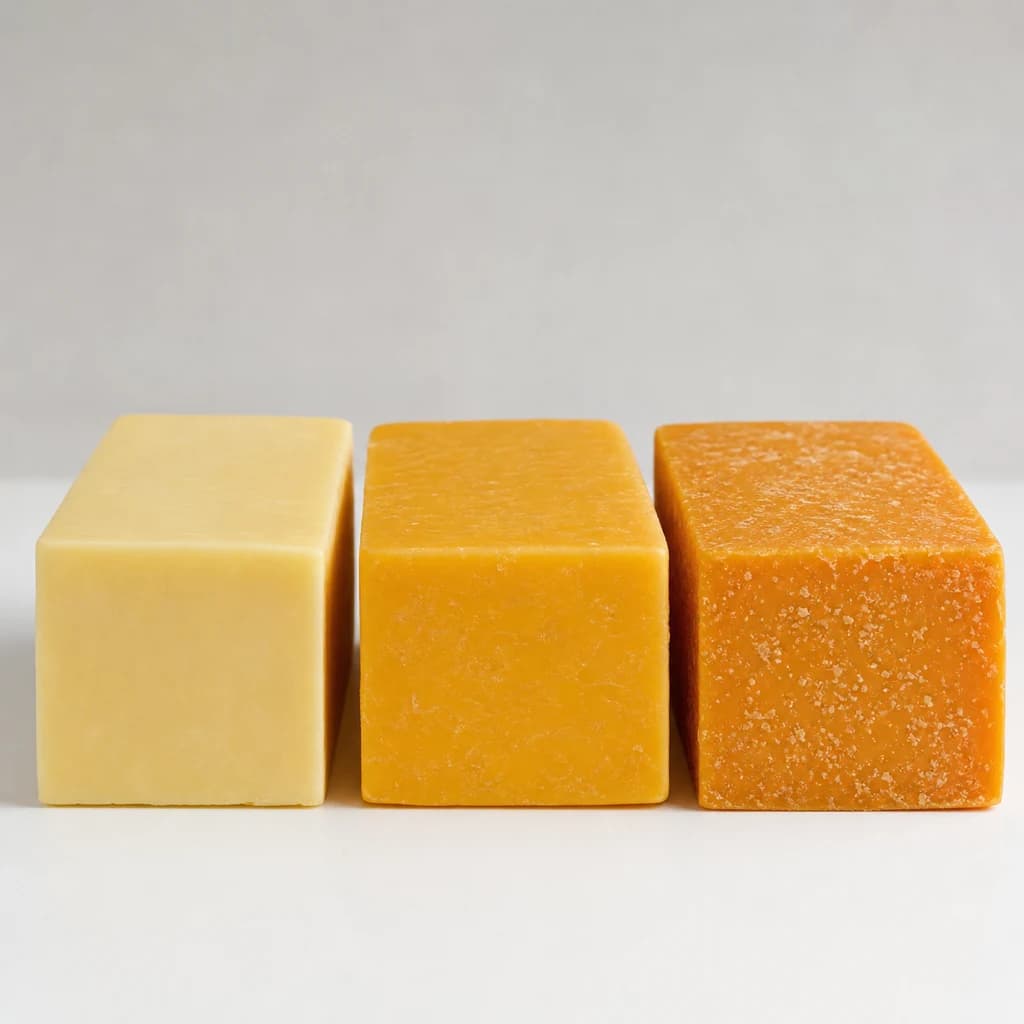
Cheddar Cheese
Sharp, melty cheese for sandwiches, gratins, and grating
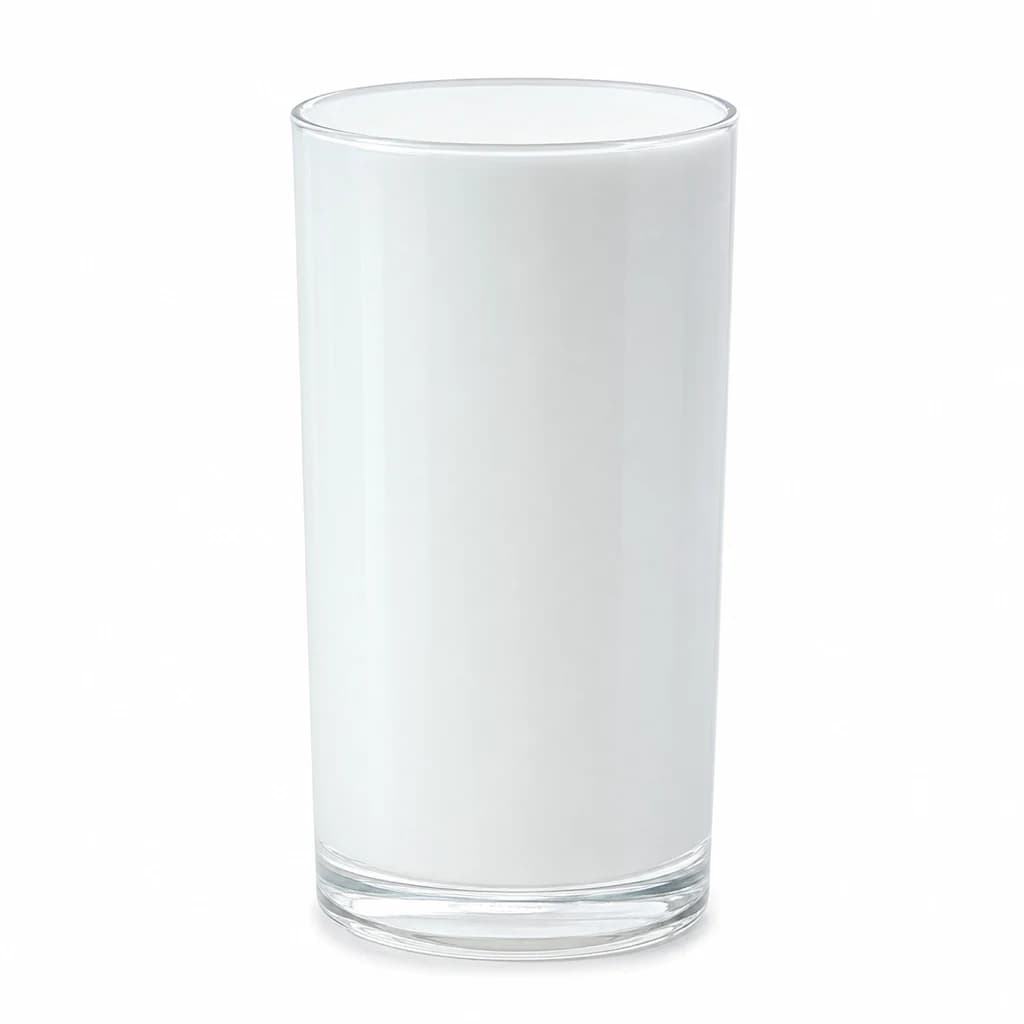
Skim Milk
Fat-free milk for lighter drinking, coffee, and cooking
Heavy Cream
Rich cream that whips, enriches sauces, and sets ganache

Sour Cream
Tangy, thick cream for dolloping, baking, and dips
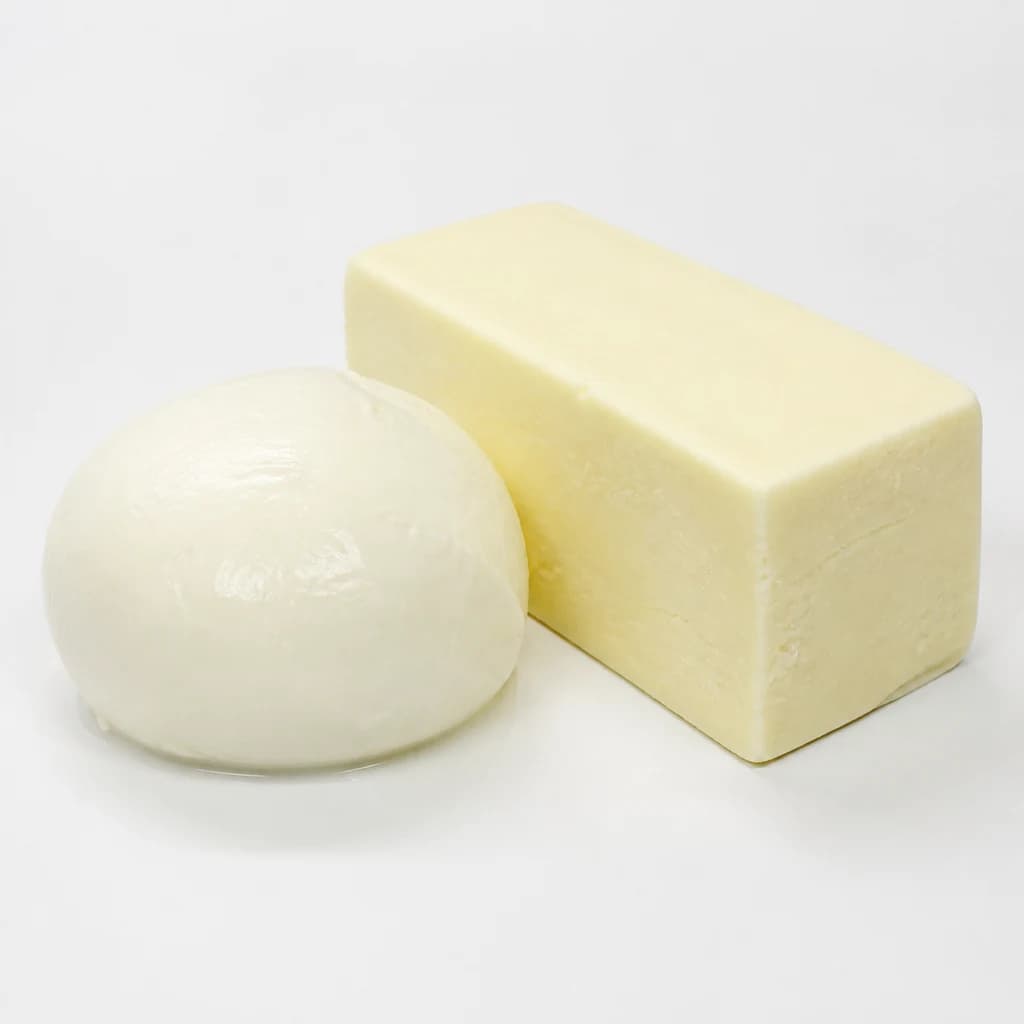
Mozzarella
Soft, milky cheese that melts into stretchy pizza pulls