
Natural form
Fresh buffalo mozzarella ball in its whey brine, showing the smooth, wet white exterior.
Shows the reader the exact form in which buffalo mozzarella is sold and recognized — a plump white ball submerged in milky whey.
Dairy & Eggs
Buffalo Mozzarella (Mozzarella di Bufala)
Soft, milky fresh cheese from water-buffalo milk, torn over salads, pizza, and caprese.
Buffalo mozzarella is a soft fresh cheese made from the milk of water buffalo in southern Italy, prized for its rich, tangy, milky flavor and tender, juicy interior. It is torn over Caprese salad, draped on pizza, or eaten simply with olive oil and tomatoes. Compared with cow's-milk mozzarella it is creamier, more acidic, and noticeably more delicate.
Buffalo mozzarella (Mozzarella di Bufala) is a fresh, stretched-curd cheese crafted from the milk of water buffalo in southern Italy. Unlike common supermarket mozzarella made from cow's milk, authentic buffalo mozzarella carries a distinctive lactic sweetness, a creamy body that pulls apart in silky strings, and a gentle acidity that keeps it from tasting flat. The cheese is sold submerged in brine, which preserves its moisture and signature character. Its texture is soft yet elastic—the mark of properly made mozzarella is that it stretches cleanly when pulled apart and yields to pressure without crumbling.
The PDO protection granted in 1996 to Mozzarella di Bufala Campana ensures that true buffalo mozzarella comes from designated farms in Campania, Lazio, and Puglia, where water buffalo graze on pasture, particularly in the spring and autumn months when the milk reaches its peak flavor complexity. The water buffalo themselves yield less milk than cows, but that milk is richer in fat and protein, which translates to a more indulgent cheese with better melting properties. When you encounter a ball of buffalo mozzarella, you are tasting a product shaped by geography, animal diet, and craft—all of which industrial imitations cannot replicate.
In the kitchen, buffalo mozzarella behaves differently than its cow's milk counterpart. It has a higher moisture content (52–60%), which makes it sublime for fresh applications—torn over a Caprese salad, draped across pizza after baking, or nestled into a sandwich. However, that same moisture is its Achilles' heel when exposed to prolonged heat: the cheese will weep, turn rubbery, and lose its creamy character if cooked too long or at too high a temperature. Understanding this duality—its excellence raw versus its limitations under heat—is the key to using buffalo mozzarella well.
- Measured in
- g
- Storage
- Fridge
Allergens
Types & varieties
The authentic PDO-protected buffalo mozzarella from Campania; look for the consortia seal in yellow and blue with a numbered sticker
Produced in parts of Lazio and Puglia under similar methods; also PDO protected
Small bite-sized balls (20–30 g); ideal for salads, skewers, and antipasto
Cherry-sized balls (~25 g); firm yet yielding texture
Pearl-sized mozzarella; used in salads and as garnishes
Braided mozzarella; lighter texture, good for slicing
Knot-shaped; attractive presentation, holds shape well
Large balls (250–500 g); the classic Campania shape
How to Identify Authentic Buffalo Mozzarella
The EU PDO seal is the most reliable authenticity marker—it appears as a yellow and blue numbered sticker on the packaging. Domestic 'buffalo mozzarella' or 'bufala-style' products are usually made from cow's milk and lack the PDO distinction. Examine the brine: it should be clear to slightly milky white, not cloudy or yellowed. A fresh ball should feel heavy with liquid when you pick it up, and pressing gently should leave a slight indentation that slowly recovers—not bounce back rigidly, which indicates age. The cheese should have a clean, lactic scent; any sour or ammonia smell is a red flag.
- Look for the yellow and blue PDO consortia seal with a lot number
- Check that the brine is clear to slightly milky, not cloudy or yellowed
- Fresh mozzarella feels heavy and yields slightly to pressure
- Smell: fresh buffalo mozzarella has a clean, lactic scent; ammonia indicates age
The Buffalo versus the Cow: Why It Matters
Three fundamental differences separate buffalo mozzarella from common supermarket mozzarella. First, the milk source: water buffalo produce less milk than cows, but what they produce is richer in fat (typically 7–8% versus 3–4% for cow's milk) and protein, giving the cheese a more indulgent body and better melt. Second, the PDO production region: true Mozzarella di Bufala Campana comes from designated areas where traditional methods and local pasture shape the flavor—pasture-raised buffalo produce milk with grassy, floral notes absent from confined-animal production. Third, the flavor complexity: genuine buffalo mozzarella has a lactic, buttery quality with a clean finish, while industrial cow's milk mozzarella is often blander and can turn rubbery when melted. When you pay the premium for buffalo mozzarella, you are paying for these three things.
- Water buffalo milk is richer in fat and protein than cow's milk
- PDO region and traditional methods shape the flavor profile
- Pasture-raised buffalo milk develops grassy, floral notes
- The result is a more complex, indulgent cheese with better melt properties
Common uses
Tips & pitfalls
- Drain from brine and pat dry before slicing for clean cuts and to prevent watery plates
- Serve at room temperature—cold buffalo mozzarella has muted flavor and tight texture; rest about 1 hour out of the fridge
- Do not cook directly on pizza stone or under broiler for long periods—it releases water and turns rubbery; add only during final baking or post-oven
- Check the expiration date carefully; fresh buffalo mozzarella spoils faster than low-moisture cow's milk mozzarella
- Press gently when buying—if it feels dense or bounces back fully rigid, it is likely old or improperly stored
- A fresh ball should have a slight lactic scent and feel heavy with liquid; any sour or ammonia smell indicates age
- Never freeze fresh buffalo mozzarella—it destroys the delicate texture, turning crumbly and grainy upon thawing
- Keep mozzarella submerged in its brine at all times; do not discard it prematurely
Nutrition
Nutrition
No USDA FoodData Central match for Buffalo Mozzarella (Mozzarella di Bufala) yet. We surface a per-100 g profile once a generic whole-food entry is matched and verified.
In the shops
Matched grocery products
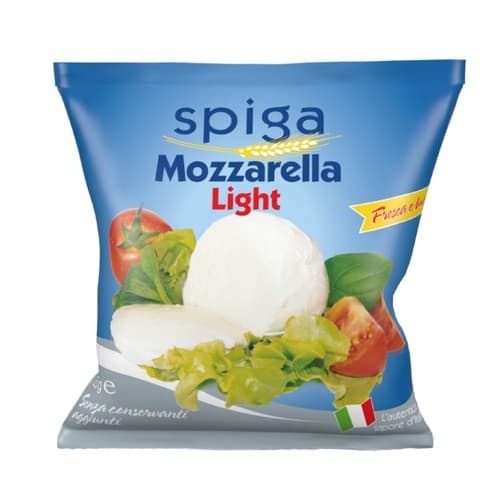 €1.00
€1.00Light Mozzarella
SPIGA · kg · Bonpreu
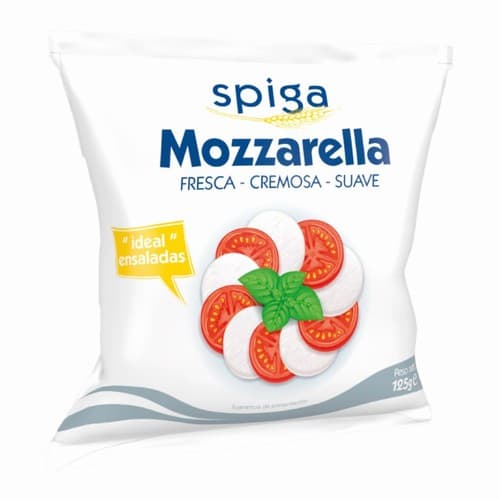 €0.90
€0.90Fresh Mozzarella
SPIGA · kg · Bonpreu
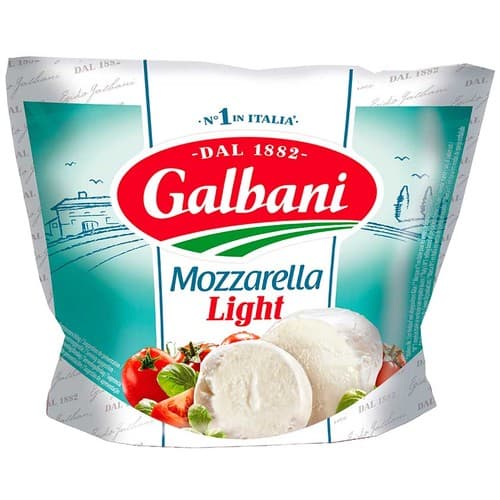 €1.95
€1.95Galbani Light Mozzarella
GALBANI · kg · Bonpreu
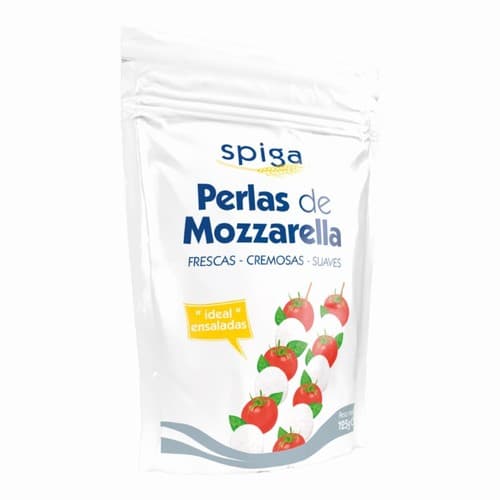 €1.59
€1.59Mozzarella Pearls
SPIGA · kg · Bonpreu
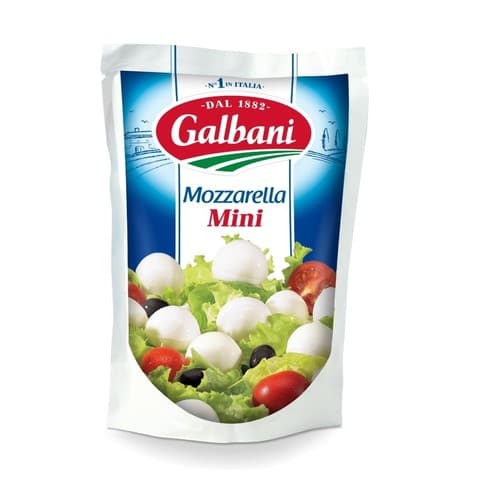 €3.65
€3.65Mini Mozzarella Balls
GALBANI · kg · Bonpreu
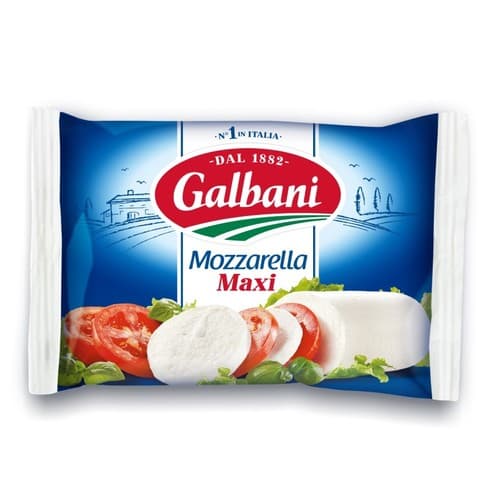 €3.99
€3.99GALBANI Mozzarella Maxi Fresh
GALBANI · kg · Bonpreu
Good to know
- Milk Source
- Water buffalo milk (not cow's milk)
- Origin
- Campania region, Italy (PDO protected since 1996)
- Texture
- Soft, elastic; pulls apart in strings; 52–60% moisture
- Color
- White (no added colorings)
- Flavor
- Mild, milky, fresh with gentle acidity; buttery finish
- Fat Content
- 17–20%
- Storage
- Refrigerate submerged in brine; consume within 2–3 days of opening
- Serving Temperature
- Room temperature (about 1 hour out of fridge before serving)
- Peak Season
- Year-round; best spring–autumn when buffalo graze on fresh pasture
Substitutes
- Fior di Latte (Fresh Cow's Milk Mozzarella) — The most practical substitute; milder flavor but similar texture and melting properties. Use 1:1. Not a PDO product and slightly lower fat.
- Burrata — Made from buffalo or cow's milk; creamier interior, similar flavor profile. More expensive and even more perishable. Excellent for Caprese and open-faced applications.
- Scamorza — Semi-soft cow's milk cheese with a slightly smokier, firmer texture. Holds shape better when cooked. Use in baked applications where you want less weeping.
- Stracciatella — Shredded buffalo mozzarella in cream; essentially the interior of burrata. Works in salads and pasta but not for slicing or melting.
Pairs with
Also called
Mozzarella di Bufala · Mozzarella di Bufala Campana
Related

Whole Milk
Rich, full-fat milk for drinking, coffee, sauces, and baking
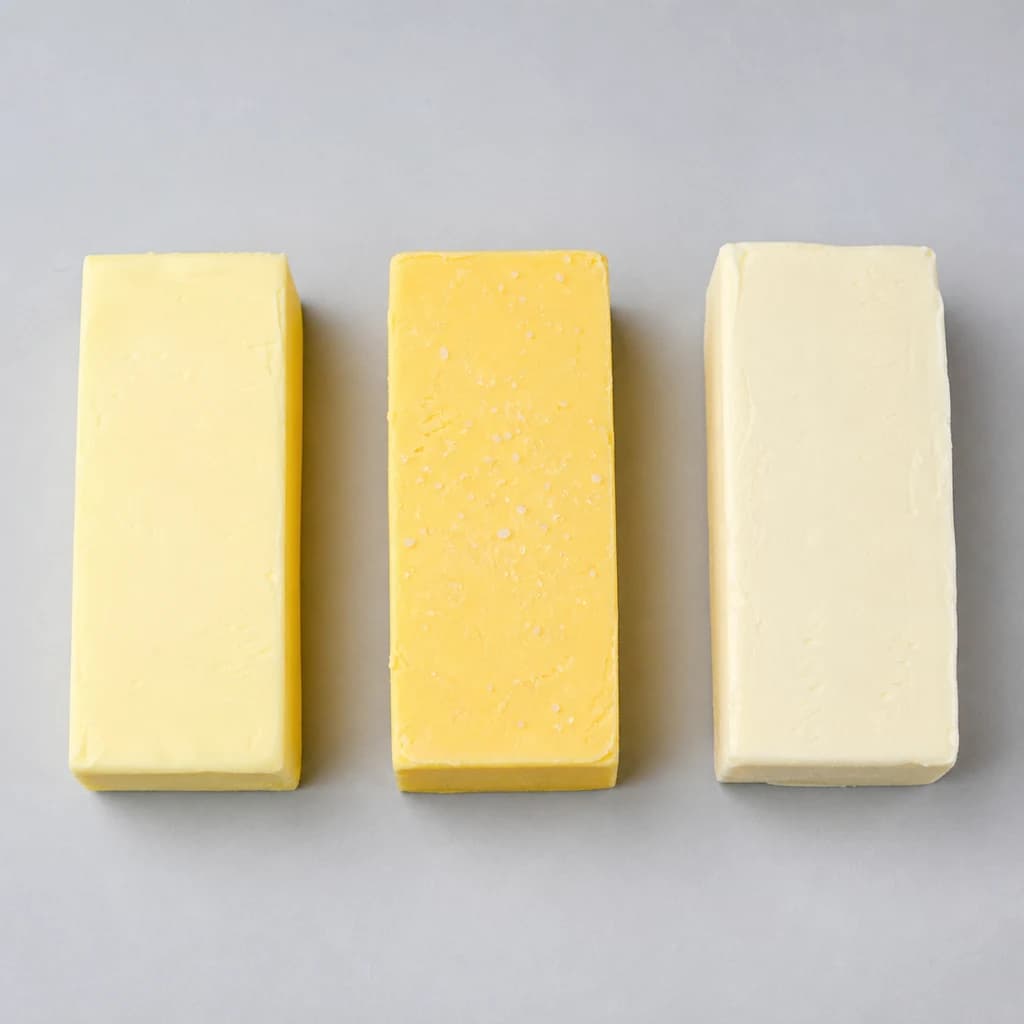
Butter
Golden fat for searing, baking, and finishing a sauce
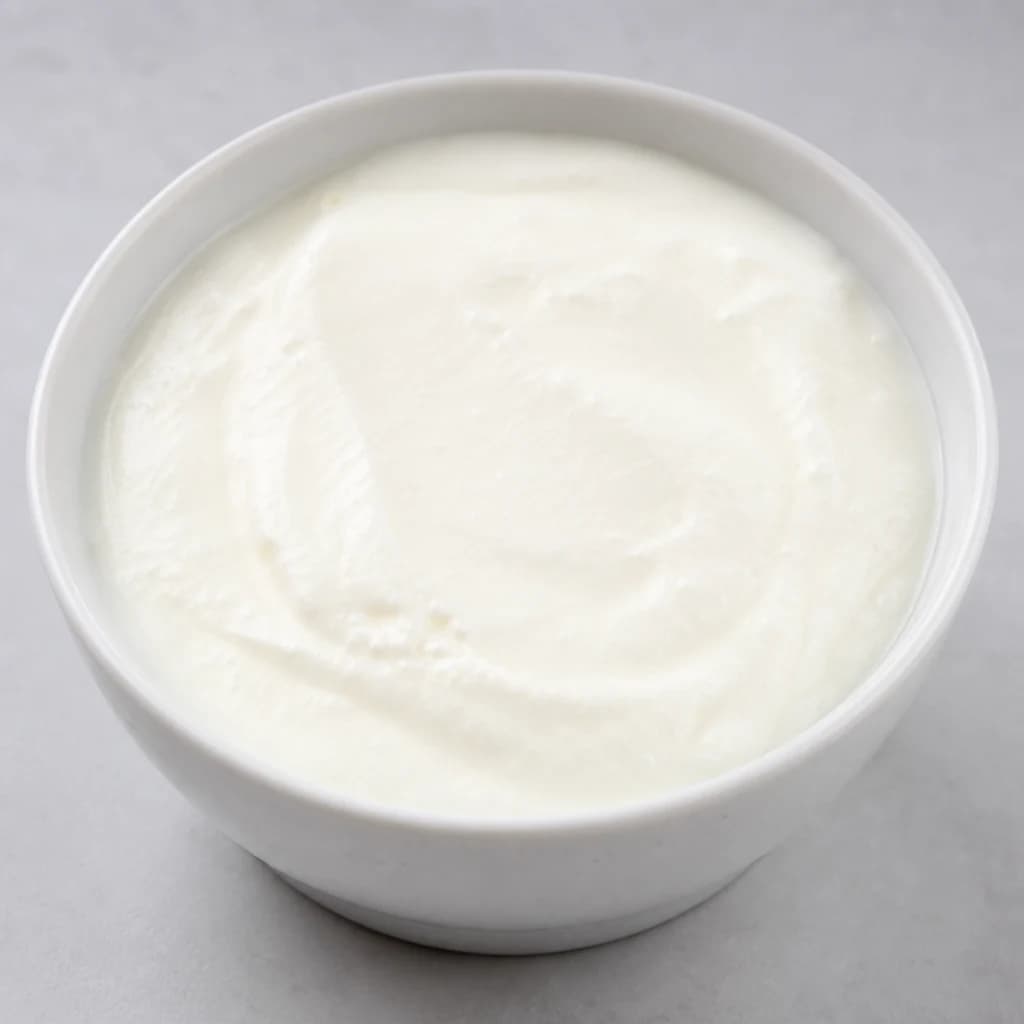
Yogurt
Tangy, creamy culture for breakfast, sauces, and marinades
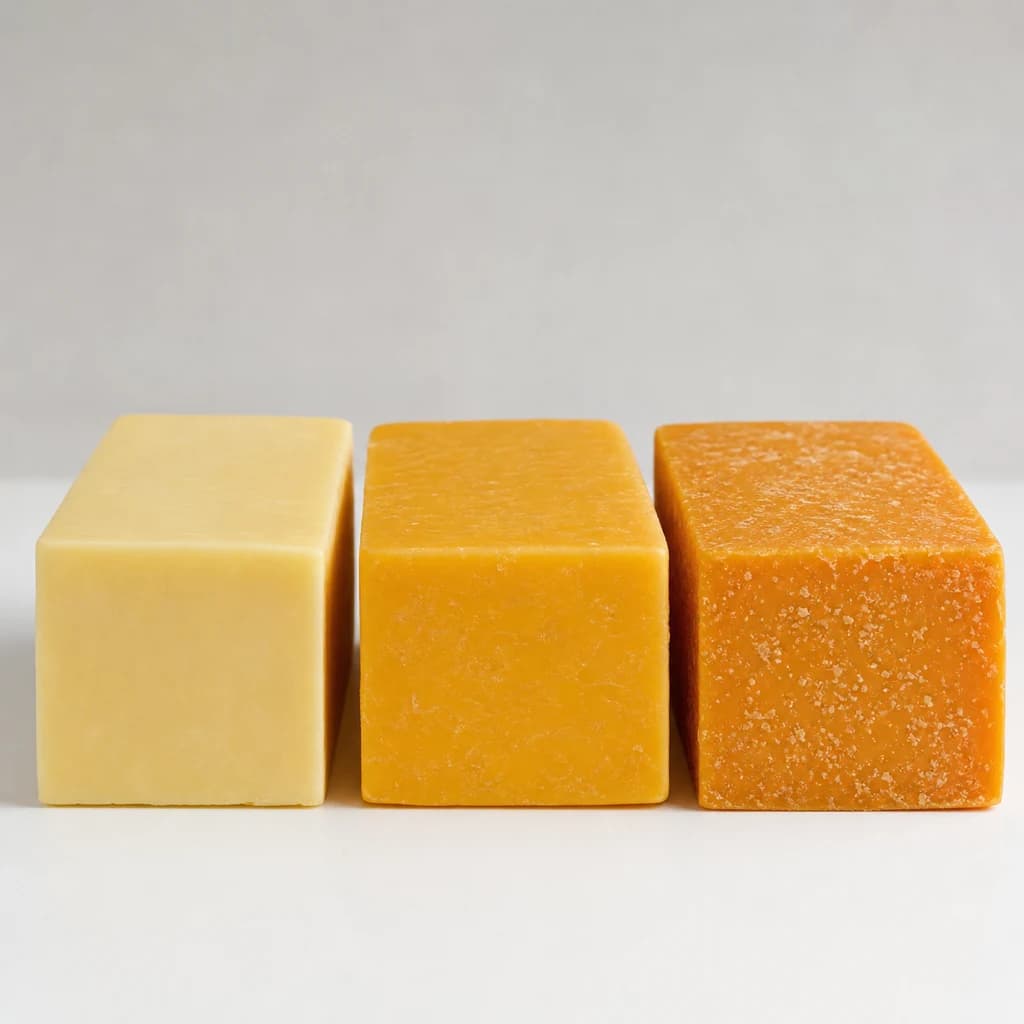
Cheddar Cheese
Sharp, melty cheese for sandwiches, gratins, and grating
Skim Milk
Fat-free milk for lighter drinking, coffee, and cooking
Heavy Cream
Rich cream that whips, enriches sauces, and sets ganache

Sour Cream
Tangy, thick cream for dolloping, baking, and dips
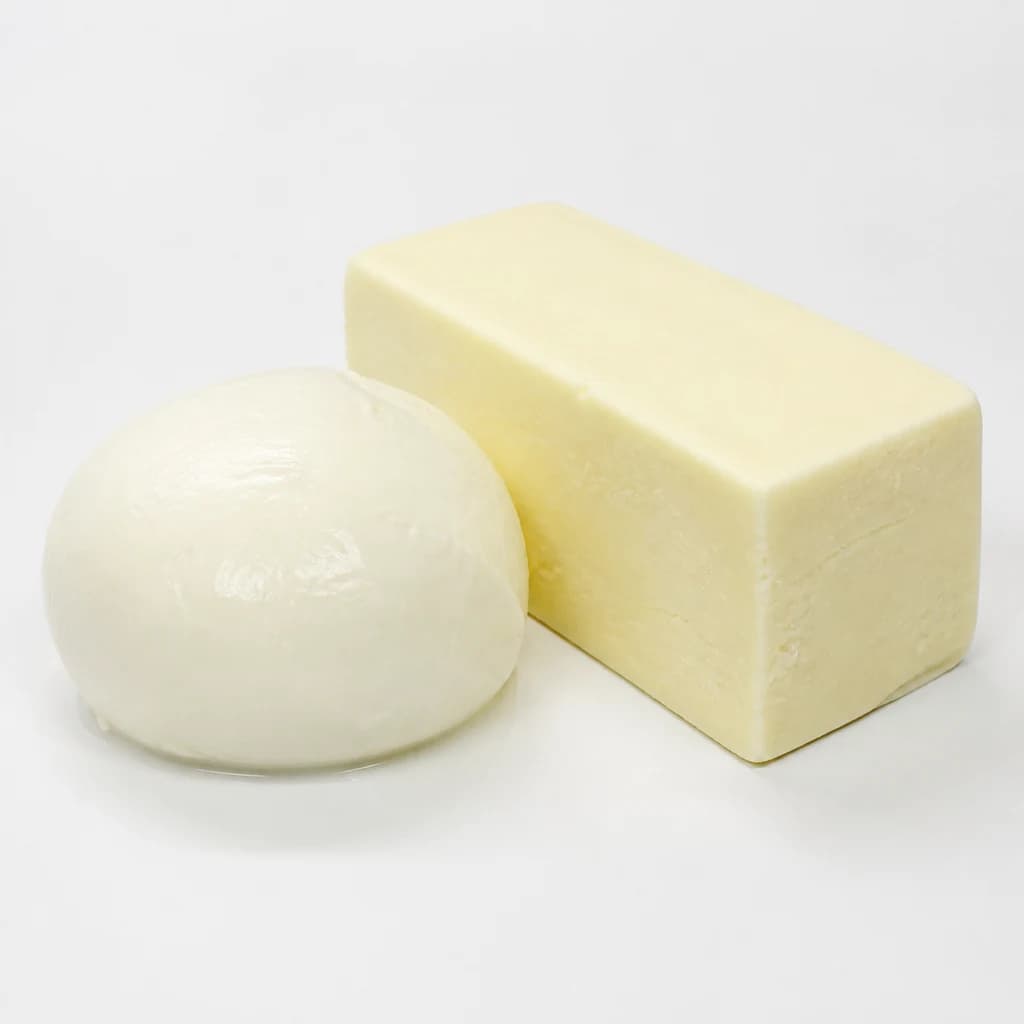
Mozzarella
Soft, milky cheese that melts into stretchy pizza pulls