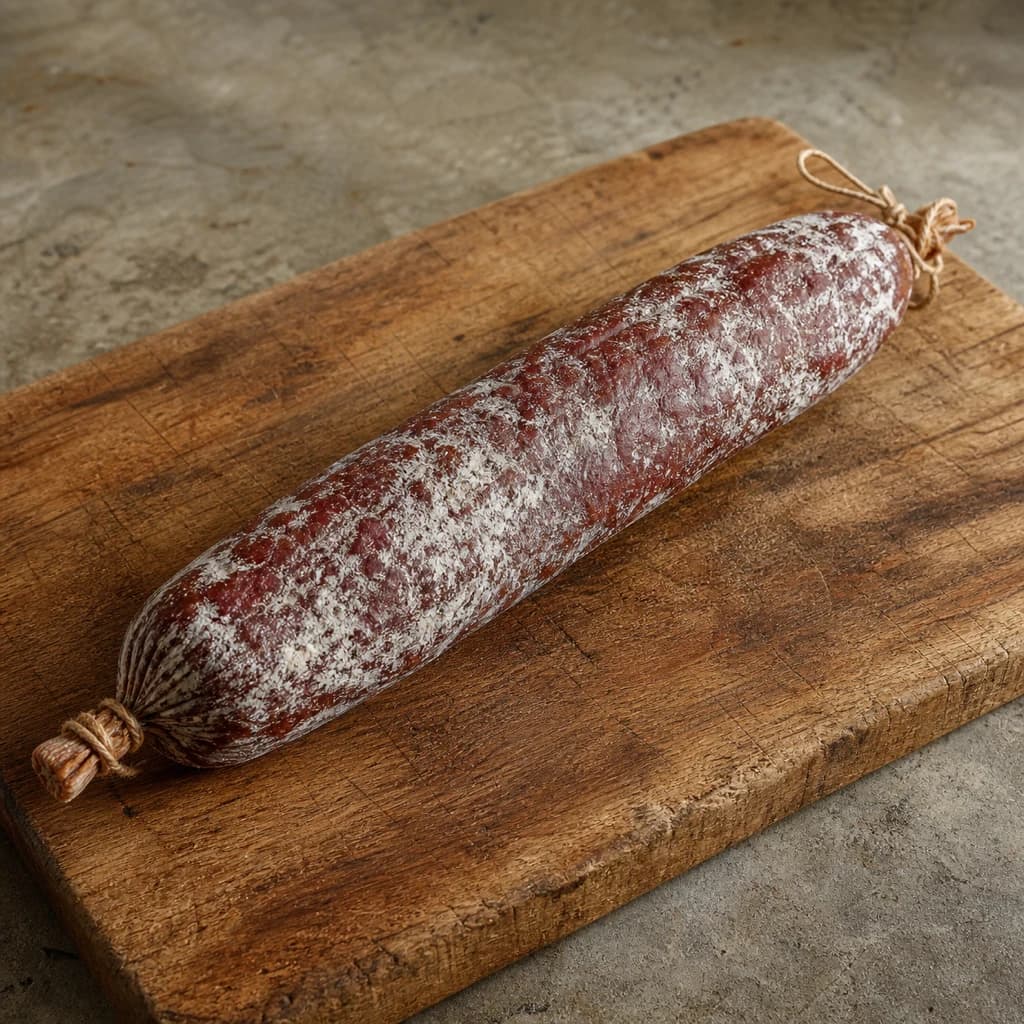
Natural form
A whole salami log shows the characteristic dense casing and white mold bloom.
Shows the intact cured sausage as a buyer or home cook would first encounter it — whole, with its mold-dusted casing intact.
Proteins
Salami
Air-dried, fermented cured sausage sliced thin for charcuterie and sandwiches.
Salami is a cured, fermented, and air-dried sausage of ground meat and fat seasoned with salt, garlic, and spices. It is sliced thinly for charcuterie boards, sandwiches, and pizza, with countless regional styles from Italian and French saucisson sec to Dominican salami. The fermentation and drying give it a tangy, savory, concentrated flavor and long shelf life.
Salami is a fermented, air-dried cured sausage that traces its heritage to Italy, where ancient Roman and pre-Roman preservation techniques evolved into the sophisticated craft of charcuteria. What distinguishes true salami from other cured meats is the fermentation process—beneficial bacteria consume sugars and produce lactic acid, lowering the pH and creating that characteristic tang. Combined with controlled air-drying over weeks to months, this fermentation develops complex flavors that cooked or brined meats simply cannot match. The sausage is typically made from pork (though beef, venison, wild boar, and combinations are common), coarsely to finely ground with visible fat marbling, and seasoned with salt, pepper, garlic, wine, and regional spices. The result ranges from mild and elegant (Milano) to fiercely spicy ('Nduja), with textures from firm and snappy to spreadable.
- Measured in
- g
- Storage
- Fridge
Types & varieties
From Liguria; made with red wine, garlic, and white pepper; medium grind, medium to firm texture
Southern Italian; coarse grind, often seasoned with hot pepper; dry-cured with firm texture
From Lombardy; finer grind, milder flavor, lighter color; wine and pepper-dominant
Small-diameter (2–3 cm), thin, snack-ready; often hung in pairs; mild and portable
Tuscan salami with fennel seeds; coarse grind, anise note from wild fennel pollen and seeds
Spanish Catalan style; finer texture, mild, encased in thin casing; sometimes lightly smoked
American dried sausage; heavily seasoned with paprika giving orange-red color; often uses turkey or chicken in addition to pork
Spreadable Calabrian salami; very soft, heavily spiced with Calabrian chili; 30–40% fat; used as a condiment or sauce base
Technically a cooked Bologna-type sausage; fine grind, studded with pistachios and fat cubes; not fermented or dried like true salami
Understanding the Fermentation
The fermentation that defines salami is not accidental—it is a controlled process guided by the craftsman. A starter culture may be added, or the maker relies on natural bacteria present on the meat and in the curing environment. These microorganisms consume naturally occurring sugars in the meat, producing lactic acid as they grow. This acidification does two critical things: it inhibits harmful bacteria and it develops the slightly tangy, complex flavor unique to fermented cured meats. The pH drops over days to weeks, and the process continues even as the salami dries and ages. This is why you cannot simply dry a cooked sausage and call it salami—the fermentation is the soul of the product.
- Traditional salami ferments at controlled temperature and humidity
- The tang intensifies with longer fermentation; short-cure salamis taste milder
- Fermentation and drying work together—neither alone produces true salami
Casing and Texture
The casing determines more than appearance—it directly affects texture and how the salami breaks apart in the mouth. Natural casings (intestine) offer a classic snap when bitten; they breathe, allowing controlled drying and flavor development. Collagen casings are more uniform and peel away easily, preferred for modern processing. Larger-diameter salami (5–6 cm) hang for months, developing concentrated flavor and firm texture. Smaller formats like cacciatorini (2–3 cm) dry faster and remain supple. When slicing, a sharp flexible knife or deli slicer should glide through cleanly; if you fight the casing, the knife is dull or the salami is over-dried.
- Natural casings may show white or gray mold—this is desirable and protective
- Excessive liquid in packaging indicates sweating and potential spoilage
- Ammonia smell signals over-fermentation; discard the product
Common uses
Tips & pitfalls
- Bring refrigerated salami to room temperature for 20–30 minutes before serving; cold suppresses aromatics and the fat does not release its flavor properly
- Slice against the grain (across the casing) for cleaner cuts; use a long, sharp flexible knife or deli slicer for paper-thin cuts
- For charcuterie, slice varietals from end to end so guests see the differing textures and fat distribution of each type
- When a salami shows visible mold on the casing, wipe with vinegar rather than cutting it away; the mold (Penicillium) is part of the curing process and protective
- Store whole salami hanging or in a cool, dry place; do not wrap tightly in plastic as it needs air circulation; once you begin slicing, then refrigerate in breathable wrap
- Avoid salami with excessive liquid pooled in the package (sweating) or an ammonia smell—signs of over-fermentation or spoilage
- For sandwiches, mix mild and spicy varieties together for contrast; Genoa pairs well with sharper aged provolone
- Common mistake: using pre-sliced deli salami when a thicker cut would provide better texture and flavor; buy whole and slice as needed for superior results
Nutrition
Energy
1778 kJ · per 100 g
Where the calories come from
Protein
21.7g
43% DV
Carbs
1.2g
0% DV
Fat
37g
47% DV
Fiber
0g
0% DV
Sugars
1.2g
of which
Sodium
1890mg
82% DV
Source · USDA FoodData Central · Salami, Italian, pork
View on FDC →In the shops
Matched grocery products
No matched grocery products for Salami yet.
Good to know
- Origin
- Italy, with ancient roots in Roman and pre-Roman preservation techniques
- Primary Meat
- Pork; also beef, venison, wild boar, or combinations
- Key Characteristics
- Fermented, air-dried, coarsely to finely ground, visibly marbled with fat particles
- Typical Seasonings
- Salt, pepper, garlic, wine (red or white), paprika, herbs; varies by variety
- Casing
- Natural (intestine) or collagen; affects texture and snap
- Serving Temperature
- Room temperature for full flavor development; cold from refrigerator mutes aromatics
- Shelf Life (whole)
- Weeks at room temperature; once sliced, refrigerate and use within 2–3 weeks
- Shelf Life (sliced deli)
- Refrigerated, 5–7 days in airtight container
- Typical Diameter
- 2–6 cm (varies by variety); larger formats age longer
- Fat Content
- 25–35% fat by weight; quality salami shows uniform fat distribution, not pools or gaps
Substitutes
- Prosciutto di Parma — Cured raw ham; similar salt-cured character but no fat marbling or spice; not fermented
- Spanish Chorizo — Smoked paprika-dominant; similar texture and cured nature; can be substituted 1:1 in most applications
- Pepperoni — US-style dried sausage; similar garlic and paprika notes; slightly more processed; acceptable in sandwiches and pizzas
- Soppressata — Substitute one dry-cured salami for another; flavor profiles differ but textures are similar
- Pancetta — Cured pork belly; lacks fermentation and drying complexity; good in cooked applications where texture similarity matters less
- Mortadella — Fine-grained alternative for applications requiring milder, uniform texture; not suitable for charcuterie presentation
Pairs with
Also called
Saucisson Sec · Droge Worst · Dry Sausage · Cured Sausage · Dominican Salami
Appears in these dishes
Related
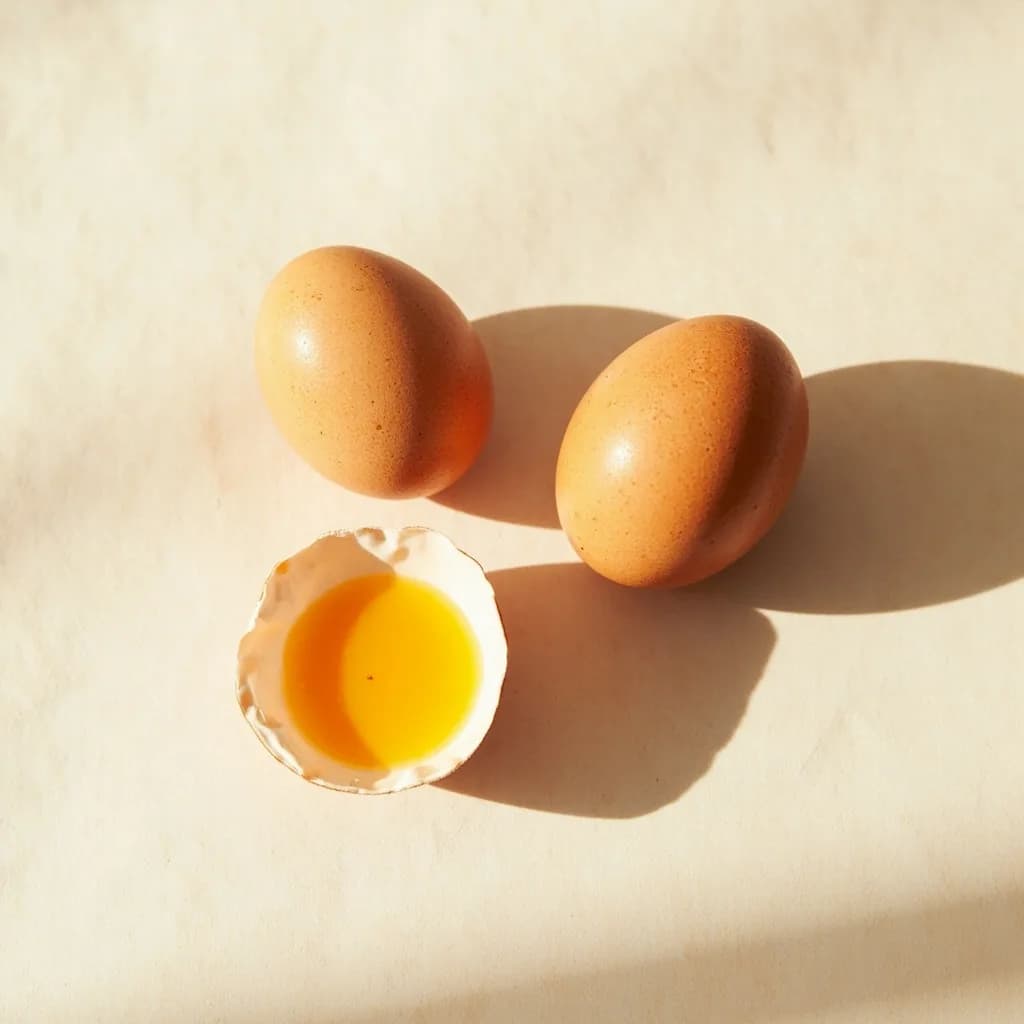
Egg
The kitchen's everything ingredient — bind, leaven, enrich, or fry
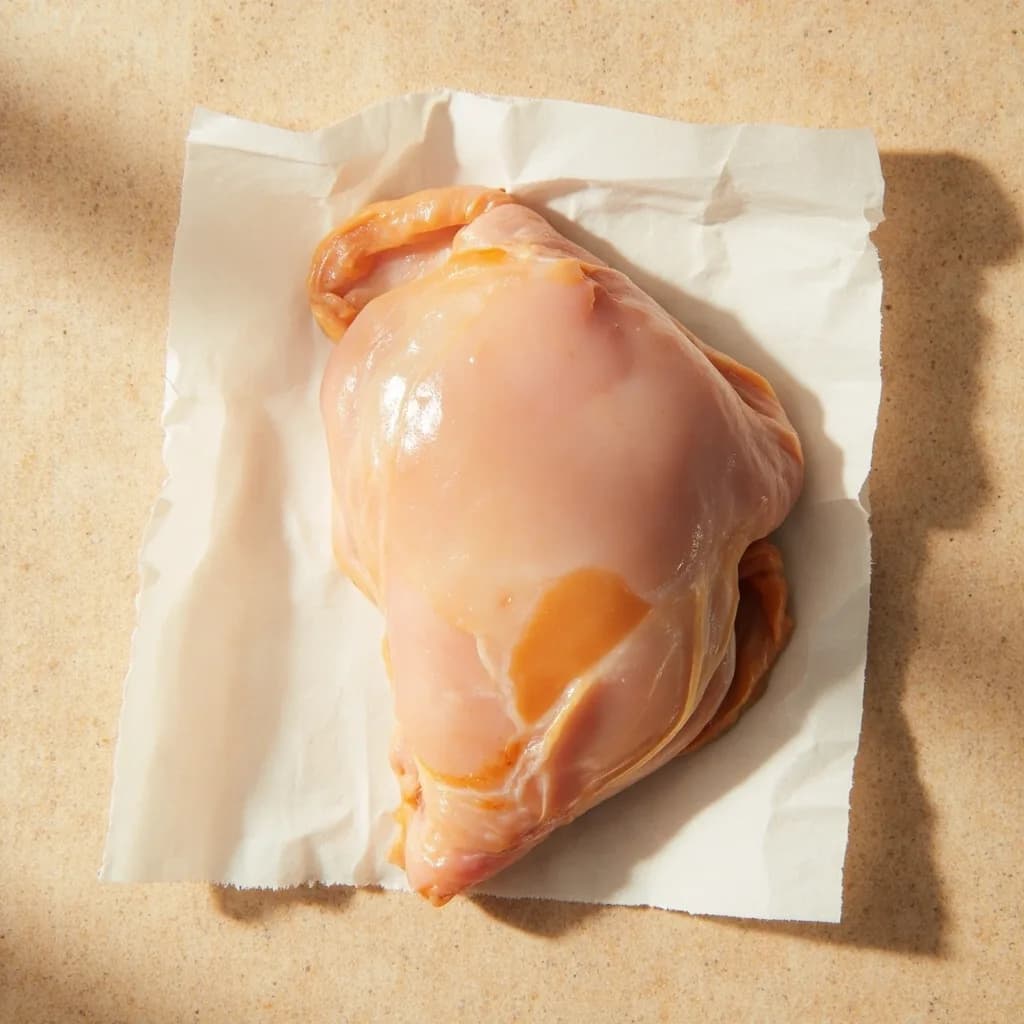
Chicken Breast
Lean, quick-cooking white meat for everyday dinners

Ground Beef
Versatile minced beef for burgers, ragù, tacos, and meatballs
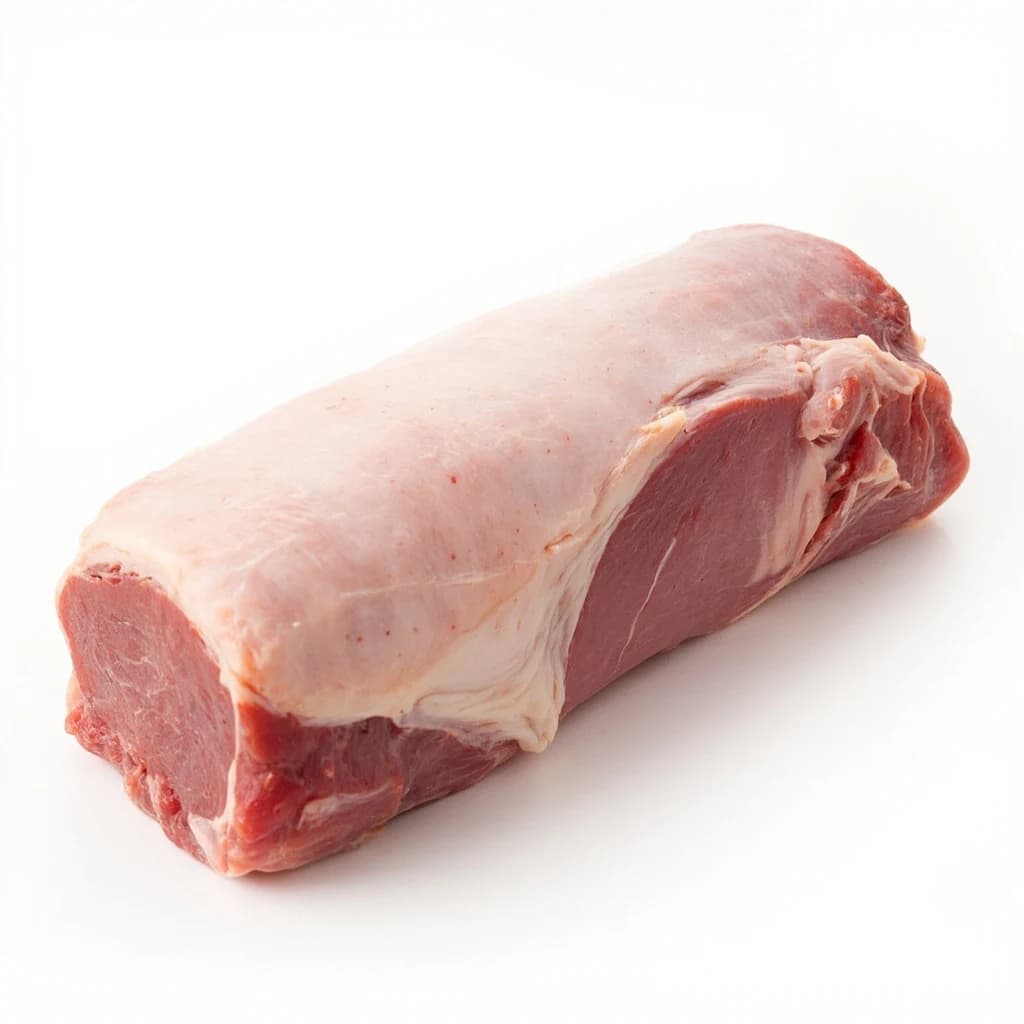
Pork Loin
Lean, tender roasting cut that stays juicy with care
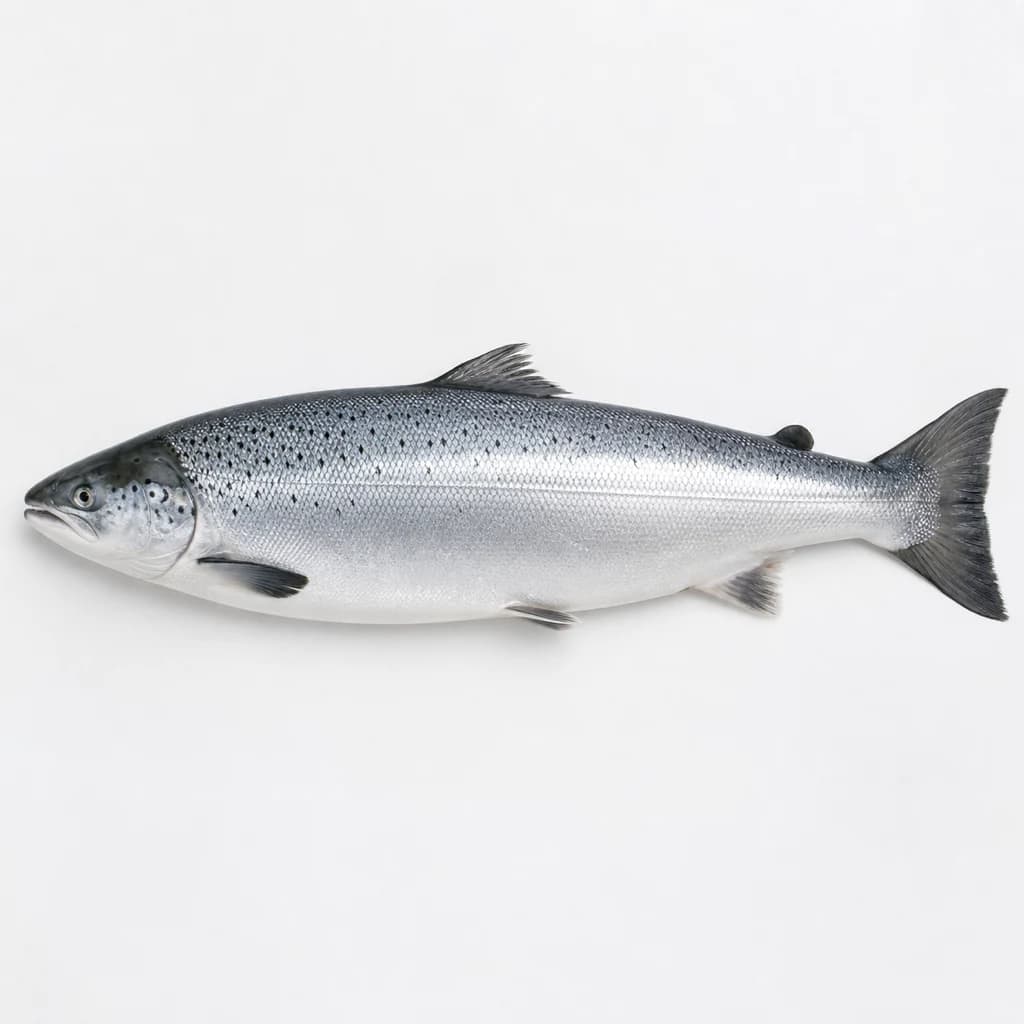
Salmon
Rich, rosy fish that roasts, grills, or cures beautifully

Egg White
Pure protein that whips to airy peaks for meringue and more

Egg Yolk
Rich, golden yolk for custards, mayonnaise, and pasta

Quail Egg
Tiny, speckled eggs for garnishing and elegant bites