Proteins
Mortadella
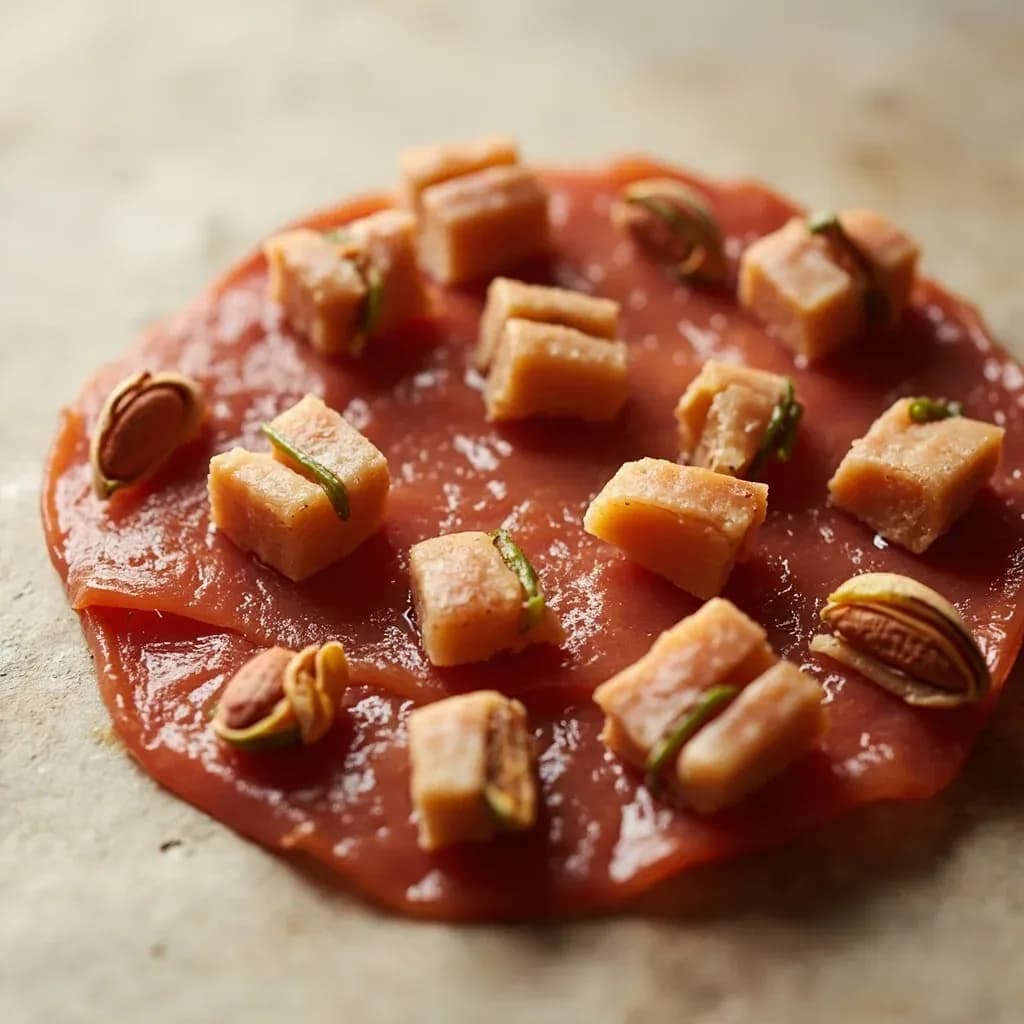
Smooth, finely emulsified Italian pork sausage studded with fat cubes and sometimes pistachios.
Mortadella is a large, smooth Italian cooked sausage from Bologna, made of finely ground pork dotted with cubes of pork fat and often pistachios and peppercorns. It is sliced thin for sandwiches and antipasti, cubed into salads, or blended into mousses and stuffings. Delicately spiced with a soft, silky texture, it is the ancestor of American bologna but far more refined.
Mortadella is a fully cooked, finely emulsified Italian pork sausage distinguished by visible white cubes of pork fat distributed throughout a smooth, rose-colored paste. Unlike coarse-ground sausages, mortadella achieves its characteristic texture through a controlled emulsification process where lean pork and fat are blended into a unified mass before stuffing into casings. The fat cubes—never beef fat in authentic mortadella—should snap cleanly between the teeth, providing textural contrast to the silky meat. Seasoned with black and white pepper, nutmeg, and coriander, true Mortadella di Bologna carries PGI (Protected Geographical Indication) status under EU law, restricting production to the Bologna area with specific ingredient and method requirements.
The name mortadella derives from the Latin mortarium, referring to the mortar historically used to pound the meat. Mortadella has been a cornerstone of Emilian cuisine since at least the medieval period, and similar products appear in Roman texts. Today it remains the defining cold cut of Italian antipasto, casual sandwiches, and the aperitivo table—ubiquitous enough to be everyday, refined enough to be revered.
The key to quality mortadella lies in the fat cubes. They must be clearly white, evenly distributed, and distinctly visible against the pinkish-beige background—not melted, gray, or blended into the emulsion. When you bite through one, there should be a slight snap. If the fat cubes are absent or soft, or if liquid pools in the package, you are looking at an inferior product, likely not a true Italian mortadella at all. Room temperature serving is essential: refrigeration dulls the delicate aromatics, and the fat needs warmth to express its full flavor.
- Measured in
- g
- Storage
- Fridge
Allergens
Types & varieties
The benchmark authentic variety; Bologna area only; traditional pork-only recipe; often contains pistachios; strict production standards
PGI-protected variety from Felino in Parma province; traditionally coarser grind than Bologna style; part of the greater Emilia tradition
Premium variety studded with green pistachios; nuts added after emulsion forms to remain whole; Mortadella di Bologna with pistachios has its own PGI specification
Rustic farmhouse-style; looser regulation; smaller batches; variable quality depending on producer; authentic when sourced carefully
Small-format mortadella, typically 200–400 g; same recipe scaled down; convenient for single households or sampling different producers
Mortadella and American Bologna: Understanding the Confusion
These are entirely separate product categories that share only a geographic name. American bologna— ubiquitous in delis across the United States—is typically a finer-ground, single-link sausage often containing turkey, chicken, or extenders alongside pork, and almost never features visible fat cubes. It lacks the emulsified texture, the characteristic snap of pork fat, and the spice profile of true Italian mortadella. The confusion stems from Italian immigrants in the late 19th and early 20th centuries who used the city name 'Bologna' for the similar but distinctly different product they found stateside. When a recipe specifies mortadella, it is calling for the Italian product: a premium, emulsified sausage with PGI-level standards, not a deli bologna round. Substitute only with full awareness that you are changing the dish's character.
- Italian mortadella: fine emulsion, visible pork fat cubes, PGI-protected, pork-only or with pistachios
- American bologna: finer grind, no fat cubes, often contains poultry or extenders, no regulatory protection
Common uses
Tips & pitfalls
- Buy whole and request slices cut to order from the deli counter—pre-packaged sliced versions often contain additives, stabilizers, and modified starches to prevent fat separation during storage
- Look for the PGI designation and Italian origin on labels when authenticity matters; many mass-market versions called 'mortadella' in other countries bear little resemblance to the real thing
- The fat cubes should be visibly white, evenly distributed, and clearly distinguishable from the meat—not melted or blended into the background
- If a mortadella shows liquid pooling in the package, gray spots, or a mealy texture, it has degraded or was poorly made
- Bring refrigerated mortadella to room temperature 15–20 minutes before serving to allow the aromatics and fat flavor to fully develop
- To slice paper-thin without a professional slicer, partially freeze the mortadella for 30 minutes; it firms up enough to achieve clean, even cuts
- Never overcook mortadella—it is already fully cooked; any heating is just to warm through; high heat will cause the fat to render and the emulsion to break, resulting in a dry, crumbly texture
- The quality indicator: authentic mortadella should have a slight snap when you bite through a fat cube; if they seem soft or absent, you likely have an inferior product
Nutrition
Energy
1301 kJ · per 100 g
Where the calories come from
Protein
16.4g
33% DV
Carbs
3.1g
1% DV
Fat
25.4g
33% DV
Fiber
0g
0% DV
Sugars
0g
of which
Sodium
1246mg
54% DV
Source · USDA FoodData Central · Mortadella, beef, pork
View on FDC →In the shops
Matched grocery products
No matched grocery products for Mortadella yet.
Good to know
- Origin
- Bologna, Emilia-Romagna, Italy; references to similar products date to Roman times
- Type
- Fully cooked (cotto) emulsified pork sausage
- Primary Meat
- Pork shoulder and belly; Mortadella di Bologna PGI contains pork only
- Distinguishing Feature
- Visible white cubes of pork fat in a smooth, fine emulsion
- Typical Seasonings
- Black pepper, white pepper, nutmeg, coriander; myrtle berries occasionally
- Protection
- Mortadella di Bologna carries PGI status under EU law; Mortadella di Felino is also PGI-protected
- Serving Temperature
- Room temperature (15–20 minutes out of refrigeration) for full flavor development
- Storage (Whole)
- Refrigerate 2–4 weeks, tightly wrapped; up to 2 months frozen
- Storage (Sliced)
- Refrigerate up to 1 week; press plastic wrap directly to cut surface
Substitutes
- Bologna (American) — Closest flavor profile but typically contains binders, extenders, and turkey or chicken; lacks the characteristic fat cubes and fine emulsion; use only in a pinch and expect a different texture
- Prosciutto cotto — Cooked ham with a similar mild, savory profile; lacks the fat cubes and coarser texture of mortadella; works as a substitute in sandwiches and antipasto but not in applications where the fat cubes provide textural contrast
- Cooked Polish kielbasa or similar spiced pork sausage — Rougher grind, stronger seasoning, and no fat cubes; acceptable for cooked applications like pasta sauces or pizza but not suitable for raw serving
- Pork liver sausage (leverworst or similar) — Completely different flavor profile—mineral, intense, and liver-forward; not a true substitute but sometimes used in European cuisines for a similarly emulsified pork product
Pairs with
Also called
Bologna Sausage · Mortadella di Bologna
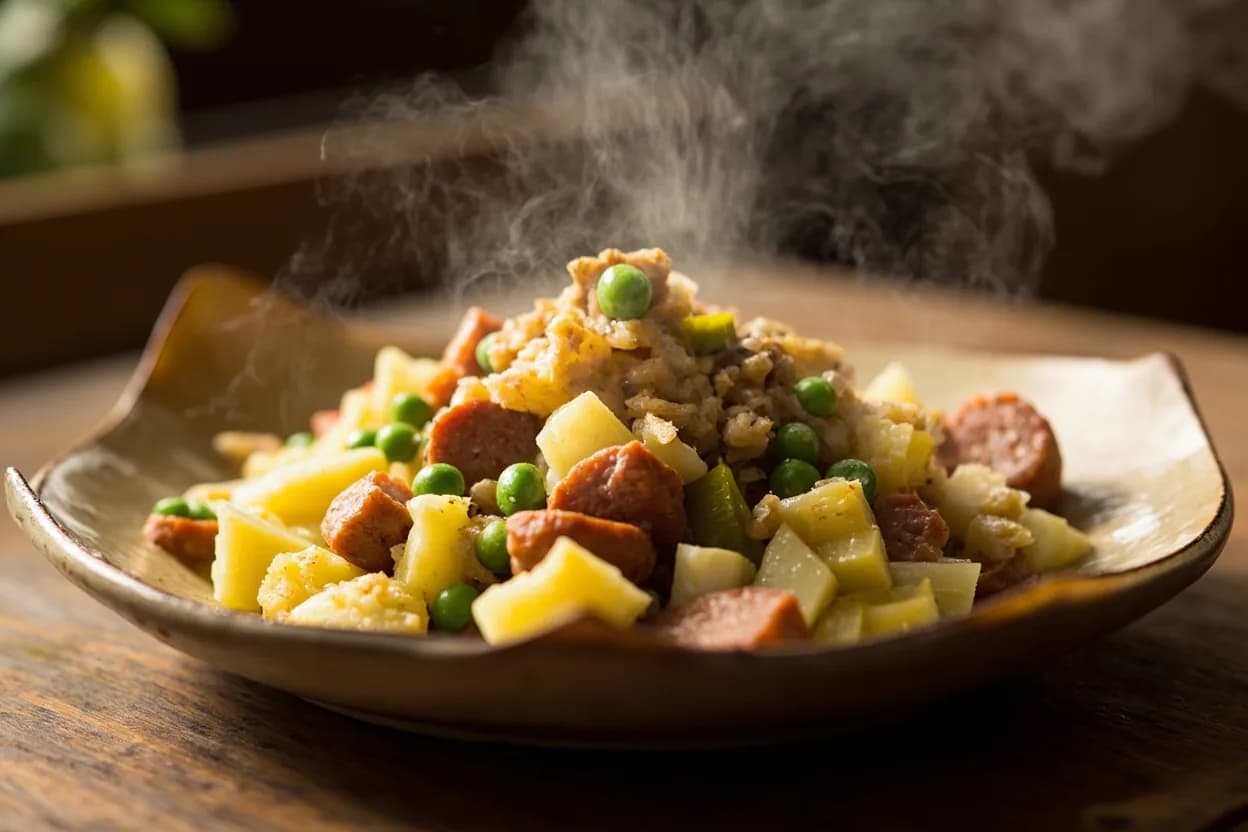
Appears in these dishes
Related
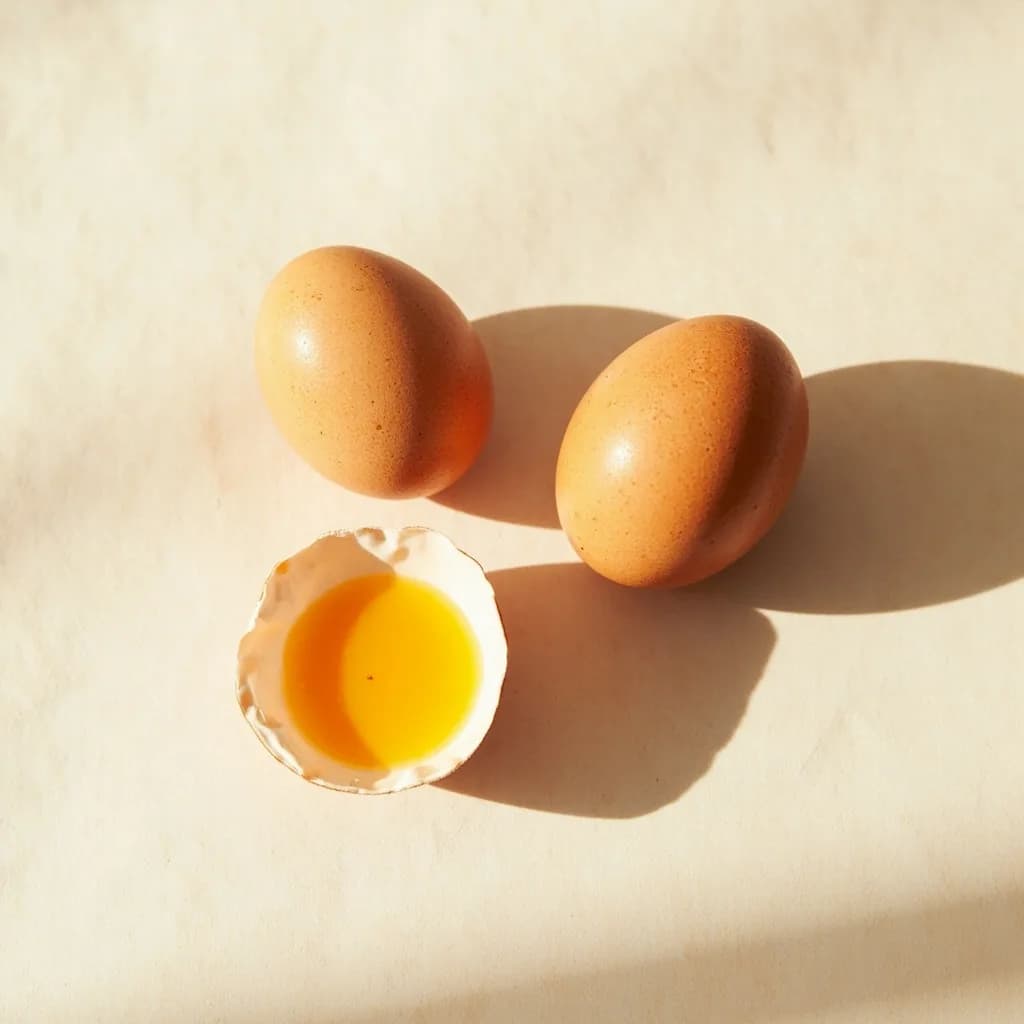
Egg
The kitchen's everything ingredient — bind, leaven, enrich, or fry
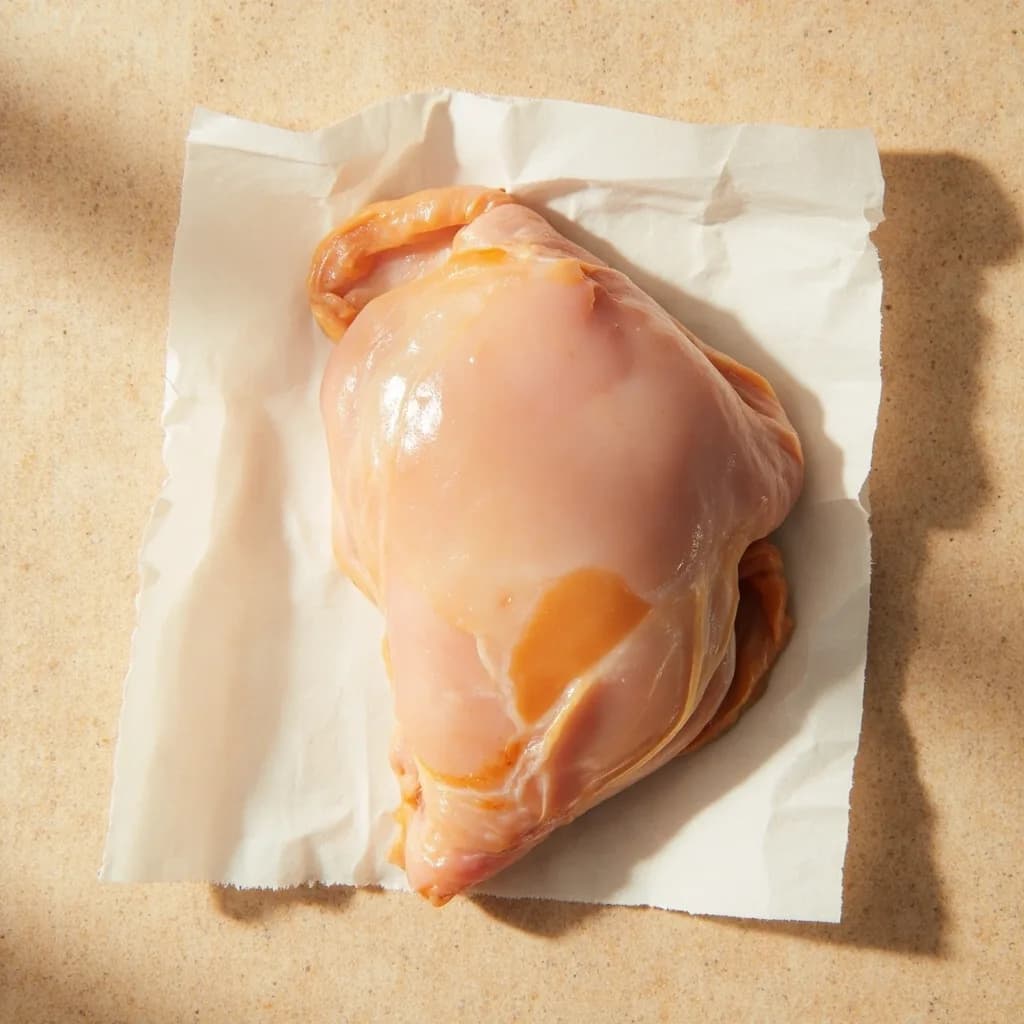
Chicken Breast
Lean, quick-cooking white meat for everyday dinners

Ground Beef
Versatile minced beef for burgers, ragù, tacos, and meatballs
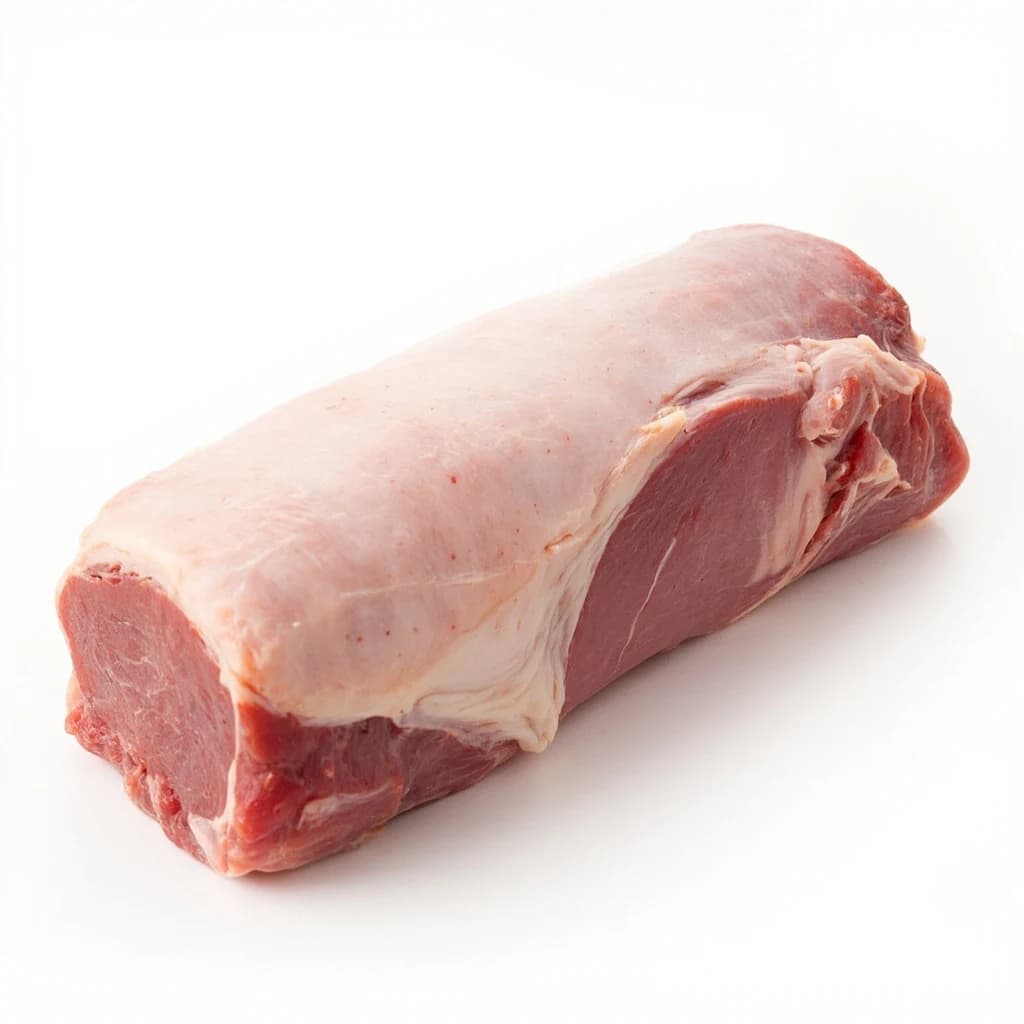
Pork Loin
Lean, tender roasting cut that stays juicy with care
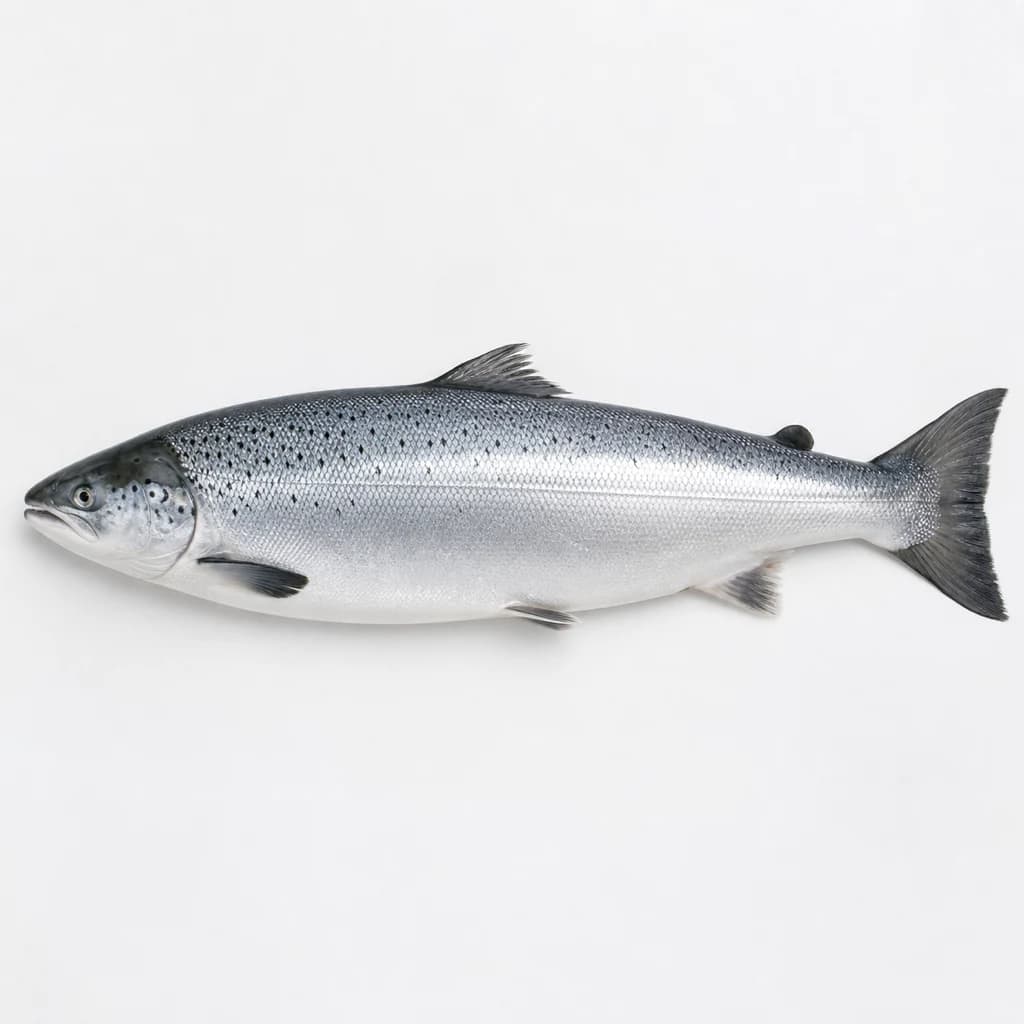
Salmon
Rich, rosy fish that roasts, grills, or cures beautifully

Egg White
Pure protein that whips to airy peaks for meringue and more
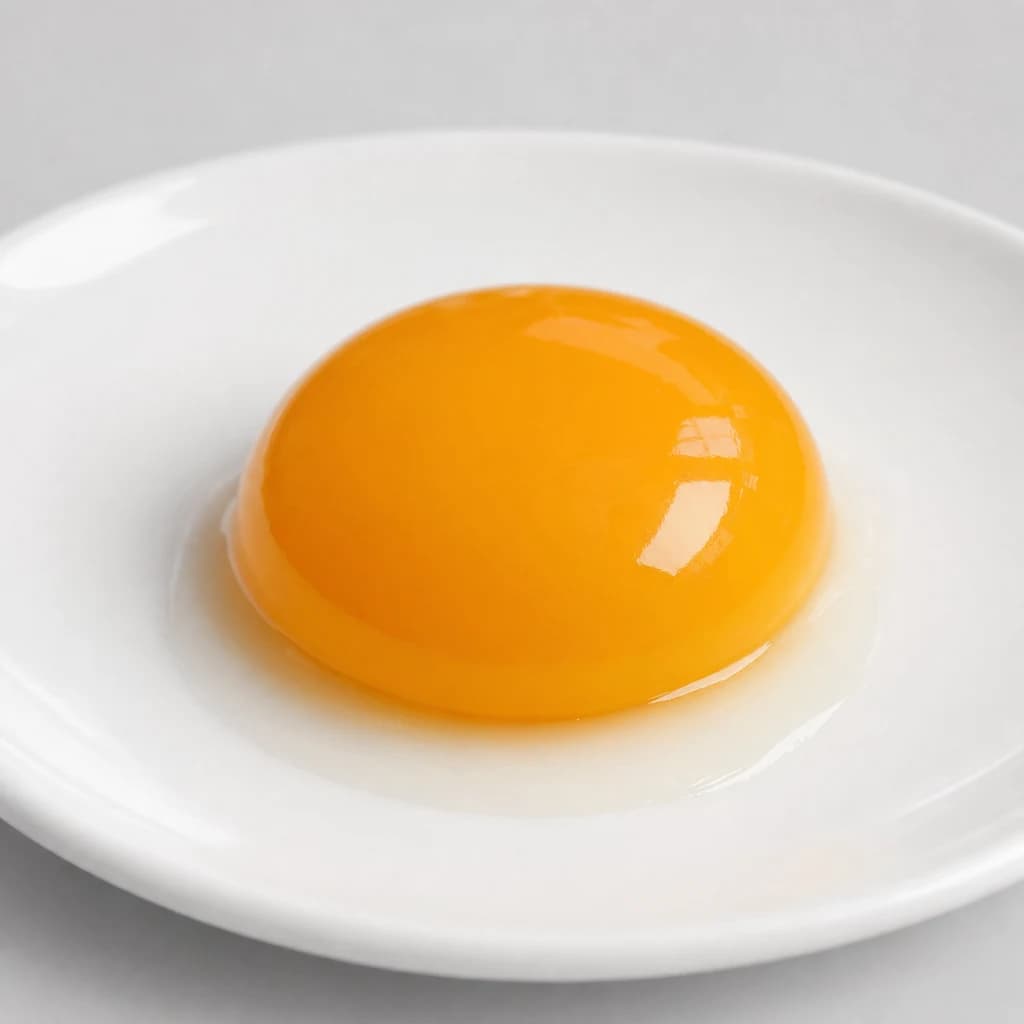
Egg Yolk
Rich, golden yolk for custards, mayonnaise, and pasta

Quail Egg
Tiny, speckled eggs for garnishing and elegant bites