Proteins
Prosciutto Cotto
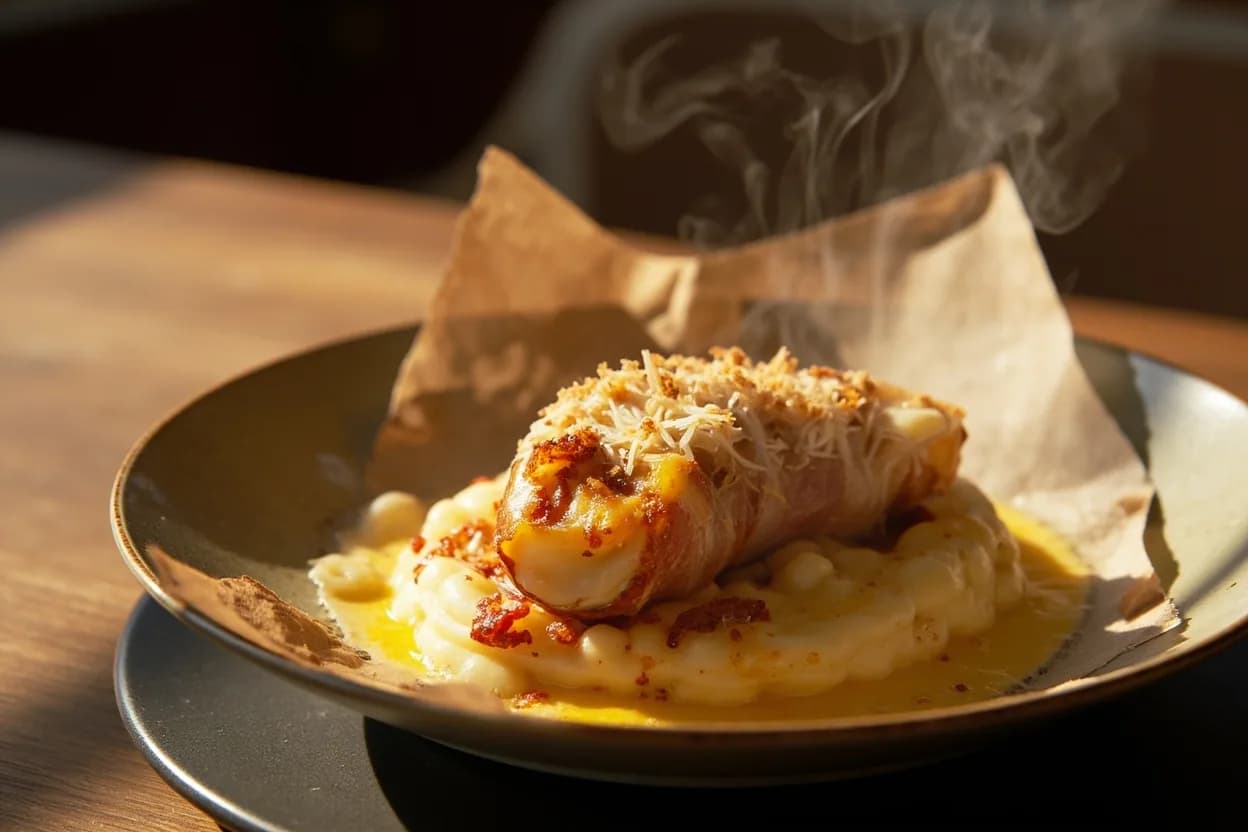
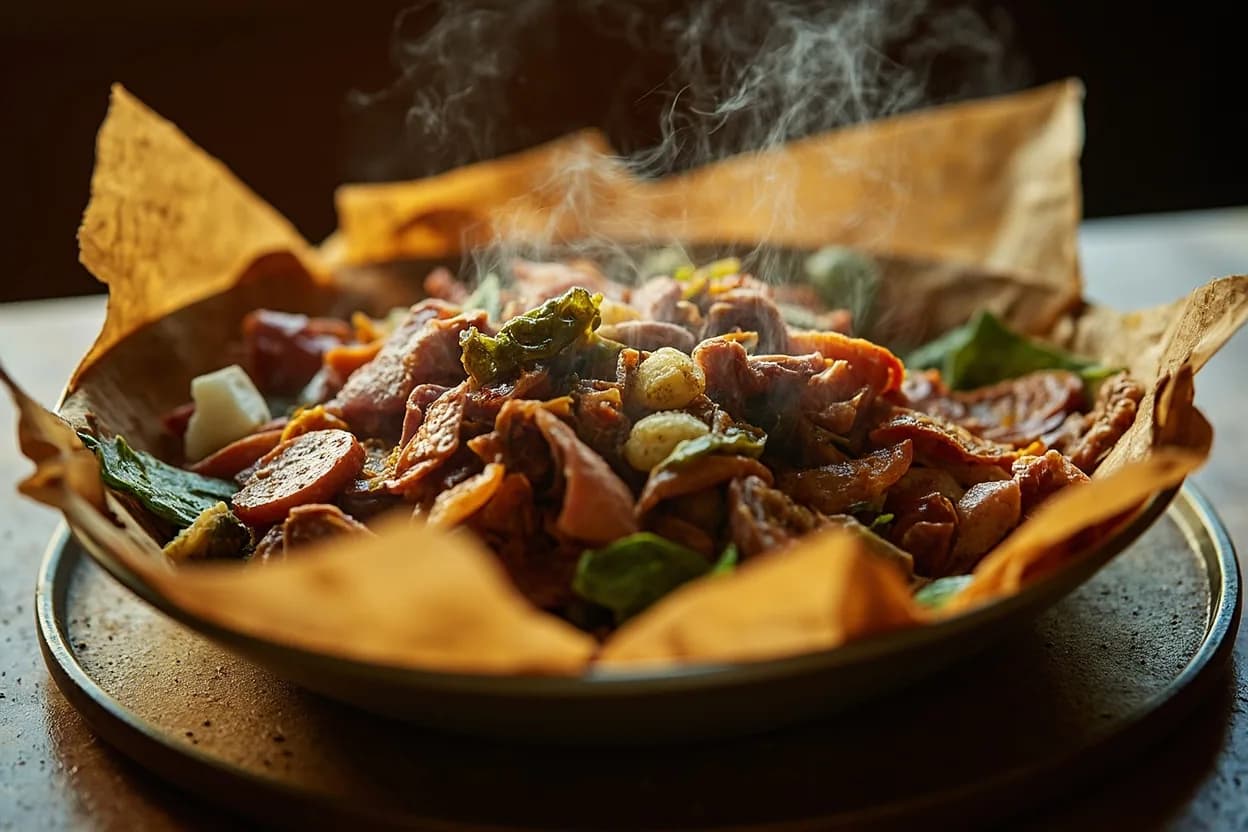
Italian cooked ham, gently brined and slow-roasted to a delicate, mild flavor; sliced thin for sandwiches and antipasti or folded into pasta bakes and pizza.
Prosciutto cotto is the cooked cousin of Italy's famous dry-cured hams — a whole pork leg, brined in salt water with gentle aromatics and slow-cooked until tender. Where prosciutto crudo concentrates pork flavor through months of drying, cotto spreads it out: the meat stays moist, sliceable, and mildly sweet, with the herbal or spiced notes of its brine coming through softly on the finish. It is fully cooked, ready to eat, and meant to be sliced thin and used like a deli meat that still tastes like a piece of meat.
The category covers a wider range of styles than most shoppers realize. At the top is the Italian 'Alta Qualità' grade, made from 100% Italian pork leg with a short, clean ingredient list and a slow, even cook. The familiar oval, evenly pink slices sold at deli counters are usually cotto di Praga, a pressed, sometimes lightly smoked style popularized by northern Italian dairies. Rustic versions — cotto arrosto or 'fascettato' — are tied by hand and roasted, with a looser texture and a rosier heart that tastes more of pork and less of the brine.
Cotto behaves differently from both raw-cured ham and American deli ham. It has enough moisture to carry flavor into a hot panini without going leathery, but it dries out under high heat. The mildness that makes it crowd-pleasing is also its main vulnerability: it disappears next to aggressively smoked, spicy, or heavily cured ingredients. Treat it as a delicate protein, slice it just before serving, and pair it with ingredients that match its quiet herbal sweetness rather than fight it.
- Measured in
- g
- Storage
- Refrigerate Sealed; Use Opened Slices Within A Few Days.
Find it in
Types & varieties
Top Italian grade: 100% Italian pork leg, no phosphates, simple salt-and-spice brine, slow-cooked.
Pressed in oval or cylindrical molds, sometimes lightly smoked; the classic deli-counter shape, with IGP status.
Roast-style, often hand-tied, with a looser texture and more pronounced pork flavor; sold bone-in or as a boneless roll.
Brined or rubbed with rosemary, garlic, pepper, or juniper; aromatic and sometimes faintly green-flecked at the rind.
Hand-tied in net or string after cooking, giving a rustic, rosette-like cross-section; served thin at room temperature.
Smoked over beech or juniper wood after cooking; deeper amber color and resinous aroma.
Cooked inside a vacuum-sealed bag in a water bath for very even texture and high yield; common in modern deli hams.
A boneless roll made from the cushion muscle, easy to slice evenly; common in premium delis.
How to buy well
A good cotto announces itself quietly. The slice should be moist but not wet, with a clean pork aroma and a soft pink that fades to slightly deeper rose at the thicker center of a roast-style piece. Industrial hams pushed through brines with polyphosphates tend to weep liquid in the packet and turn rubbery when heated; an 'Alta Qualità' label, a short ingredient list, and a recognizable regional producer are reliable shortcuts. Buy a whole piece and slice to order whenever you can — pre-sliced cotto loses both moisture and the delicate herbal top notes of the brine within days of the package being opened.
- Look for 'Alta Qualità' or a named regional producer (e.g. Parma-area, Brianza) on the label.
- Read the ingredient list: short is good; avoid polyphosphates, added starches, and excessive sugars.
- Pre-sliced packets in the refrigerator case dry out fast — opt for a deli slice or a whole piece whenever possible.
- Pressed Praga-style gives uniform, sandwich-friendly slices; cotto arrosto gives more flavor and better texture for antipasti.
In the kitchen
Because the meat is already cooked, almost every cotto mistake is one of heat or time. Slice it as close to serving as you can, and bring it to cool room temperature — about 15 to 20 minutes out of the fridge — so the fat softens and the aromatics open up. For panini, use slightly thicker slices (2–3 mm) and press gently so the meat warms through without squeezing out all its juice. For pizza, add cotto after the pie comes out of the oven: the ham only needs to be warmed, and a long bake drives off the moisture and leaves the slices papery.
- Slice just before serving for the best flavor and aroma.
- Aim for 1–2 mm for cold antipasti, 2–3 mm for hot-pressed sandwiches and pizza topping.
- Always add cotto after baking pizza, not before; it is already cooked.
- Wrap leftover slices in butcher paper or a clean cloth, not plastic, to avoid a 'boiled plastic' off-flavor.
Common uses
Tips & pitfalls
- Buy a whole piece and slice to order if possible — pre-sliced industrial cotto dries out and tastes of the packet.
- Choose 'Alta Qualità' or a recognizable regional brand; avoid hams with added polyphosphates, which turn gelatinous and weep water.
- Slice just before serving and bring to cool room temperature (15–20 minutes out of the fridge) for the best flavor and aroma.
- For panini, use slightly thicker slices (2–3 mm) so the ham holds its juices against the heat of the press.
- For pizza, add the cotto after baking — cooked ham only needs to be warmed, and a long bake drives off the moisture.
- Press a slice between paper towels before assembling a sandwich to remove surface moisture that would sog the bread.
- Do not cook cotto at high heat for long — it is already fully cooked; gentle warming preserves its moisture.
- Pair the brine's herbal notes (rosemary, juniper, pepper) with matching herbs in the dish rather than fighting them.
- Simmer the bone with soffritto, white beans, or split peas for a clean, savory broth.
Nutrition
Energy
510 kJ · per 100 g
Where the calories come from
Protein
17.9g
36% DV
Carbs
7.3g
3% DV
Fat
2.4g
3% DV
Fiber
0g
0% DV
Sugars
0g
of which
Sodium
900mg
39% DV
Source · USDA FoodData Central · Ham, honey, smoked, cooked
View on FDC →In the shops
Matched grocery products
No matched grocery products for Prosciutto Cotto yet.
Good to know
- Origin
- Italy, with strong traditional production in Lombardy, Emilia-Romagna, Veneto, and Piedmont.
- Name
- Prosciutto cotto — literally 'cooked ham'; distinct from prosciutto crudo (dry-cured).
- Main ingredient
- Whole pork leg (coscia suina), often boned and tied, sometimes left on the bone.
- Production
- Brined in salt, water, and natural aromatics, then slow-cooked in steam or dry-heat ovens to a core temperature of about 75–85°C (165–185°F).
- Alta Qualità grade
- Italian classification requiring 100% fresh Italian pork legs, no polyphosphates, no added starches, and a defined minimum cure and cooking time.
- Texture
- Tender, moist, sliceable; pressed styles are firm and uniform; roast styles are looser-grained and slightly rosy at the center.
- Slicing
- Best cut just before serving; 1–2 mm for antipasti, 2–3 mm for panini and pizza.
- Shelf life
- Whole vacuum-sealed pieces keep 2–3 weeks refrigerated; once sliced, 4–6 days wrapped in butcher paper or a clean cloth.
- Common confusion
- Not the same as prosciutto crudo (Parma, San Daniele) and not the same as American-style 'deli ham', which is often restructured and water-added.
Substitutes
- Jambon de Paris — Closest match in texture and mildness; slice a little thicker, as it tends to be leaner.
- Kochschinken — German cooked ham, brined and slow-cooked; often slightly more spiced with coriander and mace.
- Mortadella — Works in pasta bakes and pizza; richer and fattier, with a nutmeg-and-pistachio profile rather than cotto's quiet herbal notes.
- Speck — Use only when a smoky, cured flavor fits; it is not a clean swap in delicate panini or cold antipasti.
- Black Forest ham — Smoked and cured; good for pizza and quiche, but the smoke changes the character of the dish.
- Roast turkey breast — Lighter option for salads and rolls; lacks the pork fat that carries cotto's flavor.
- Country-style pâté or chicken galantine — Pressed preparations that mimic the slice-and-fold behavior of pressed cotto in terrines and stuffed vegetables.
Pairs with
Also called
cooked ham · italian cooked ham · cotto ham