Natural form
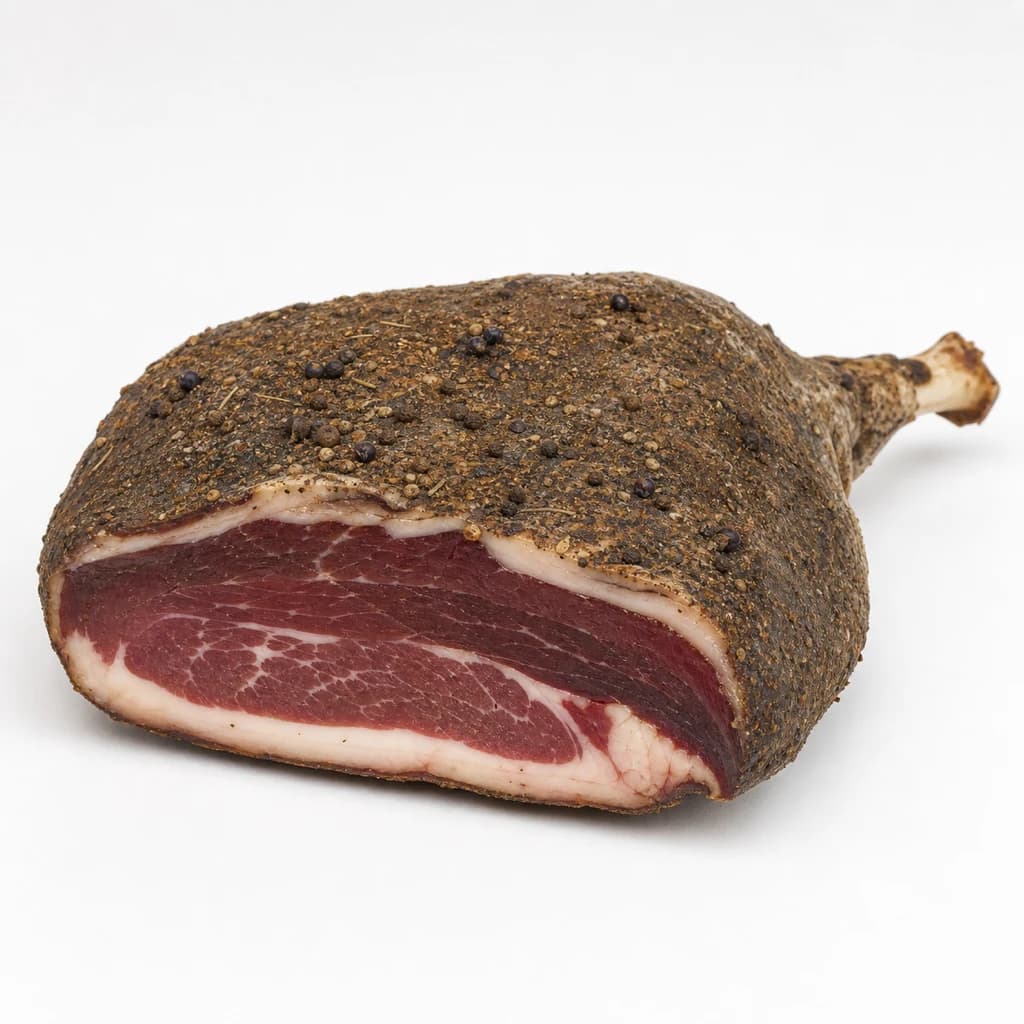
A whole speck leg showing the dark spiced rind and firm, cured exterior.
Shows the recognizable exterior crust, compact shape, and dark dried rind that distinguish speck from other cured hams.
Proteins
Speck
Lightly smoked, dry-cured ham from the Alps; sliced thin or diced into dishes.
Speck is a dry-cured, lightly smoked ham from the Alpine region of South Tyrol, sitting between Italian prosciutto and German smoked ham. It is sliced thinly for charcuterie boards or diced into pasta, dumplings, and risottos for a smoky, savory depth. The cure uses juniper and spices before a gentle cold-smoking.
Speck Alto Adige is a dry-cured, lightly smoked ham from South Tyrol in northern Italy, where the Alpine climate and centuries of Germanic tradition shape a product that sits between Italian and Central European charcuterie. The pork is cured with a blend of salt, black pepper, juniper berries, bay leaf, and garlic, then cold-smoked over juniper and beech wood — a brief, gentle process that adds subtle smoke without cooking the meat. After a minimum of five to six months of air-drying, the result is a firm, sliceable ham with deep pink lean meat, white-to-ivory marbled fat, and a distinctly herbal, smoky character that is neither as soft as prosciutto nor as aggressively fatty as American bacon. Speck's PDO status (Speck Alto Adige, EU Regulation 1107/96) strictly governs production: only pork from Italian livestock, processed in South Tyrol according to traditional methods, may carry the name. This regulation ensures a product that is dry-cured (not brined or wet-cured like bacon), lower in salt than many cured meats, and versatile enough to serve raw at the table or rendered in a pan as a savory cooking fat. For cooks, understanding speck means recognizing it as a backbone seasoning agent — it functions like a smokier, leaner pancetta and brings juniper-scented depth to dishes that would otherwise rely on bacon or unsmoked cured pork.
- Measured in
- g
- Storage
- Fridge
Types & varieties
The only PDO-protected variety; produced exclusively in South Tyrol from Italian pork; cure mixture is salt, black pepper, juniper, bay leaf, and garlic; cold-smoked over juniper and beech; must meet strict regulations including minimum curing time, smoking specifications, and origin tracing. Look for the official PDO seal stamped on the rind as your guarantee of authenticity.
Speck vs. Bacon vs. Prosciutto
The three are often confused but behave very differently in the kitchen. American-style bacon is brined or wet-cured (often injected with a salt-solution cure), then smoked at higher temperatures that partially cook it — it is soft, very fatty, and intensely smoky. Speck is dry-cured, never cooked by the smoking process, and cold-smoked at low temperature, so it remains firm and the smoke flavor is subtle and juniper-forward. Prosciutto is also dry-cured but receives no smoking at all, yielding a mild, buttery, purely porky flavor and a softer, silkier texture. When a recipe calls for speck, substituting bacon will add unwanted fat and overwhelming smoke; substituting prosciutto will remove the herbal, smoky dimension entirely. Smoked pancetta is the closest practical alternative.
- Speck is dry-cured and cold-smoked; bacon is typically brined and hot-smoked or fully cooked
- Speck is leaner and firmer than bacon; prosciutto is softer and unsmoked
- Speck's smoke is juniper and beech; bacon's smoke varies widely (hickory, apple, maple)
Buying and Storing Speck
Speck is sold whole (bone-in or boneless, rind on) or pre-sliced in vacuum packs. Whole pieces maintain quality far longer because the rind protects the interior from oxidation; pre-sliced speck has a large exposed surface area and will oxidize and dry out more quickly. For the best texture and flavor, buy whole pieces and slice at home or ask the deli to slice fresh to order rather than buying from a pre-packaged stack.
- Whole pieces: hang in a cool, dry, well-ventilated pantry (12–15°C / 50–60°F) for months
- Sliced speck: refrigerate in an airtight container; use within 2–3 weeks
- Freeze tightly wrapped slices for up to 3 months; thaw overnight in the refrigerator
- Pre-sliced vacuum-packed speck is convenient but inferior to freshly sliced; choose whole when quality matters
Common uses
Tips & pitfalls
- Partially freeze speck for 30–45 minutes before slicing; it firms up enough to cut paper-thin slices cleanly with a deli slicer or sharp chef's knife without tearing or buckling
- Identify true Speck Alto Adige by the official PDO seal stamped on the rind; this is your guarantee of production in South Tyrol under regulated traditional methods
- Render speck slowly over medium-low heat — add it to a cold or room-temperature pan and increase heat gradually; high heat burns the delicate juniper-smoke compounds and creates acrid flavors
- Because speck is leaner than pancetta or guanciale, add a small drizzle of olive oil to the pan when crisping for pasta or risotto to prevent sticking and ensure good fat coverage
- Let sliced raw speck rest at room temperature for 10 minutes before serving as antipasto; cold meat suppresses aroma and the perceived flavor is significantly muted
- Do not substitute standard smoked ham for speck in cooked dishes — smoked ham is fully cooked, often brined, and lacks the dry-cured texture and herbal juniper character
- Store whole pieces hanging in a cool pantry with good air circulation; refrigeration is only necessary once the piece is cut into; once sliced, always refrigerate
Nutrition
Nutrition
No USDA FoodData Central match for Speck yet. We surface a per-100 g profile once a generic whole-food entry is matched and verified.
In the shops
Matched grocery products
No matched grocery products for Speck yet.
Good to know
- Origin
- South Tyrol (Alto Adige), northern Italy; borders Austria and shares Alpine curing traditions with both countries
- PDO Status
- Speck Alto Adige — Protected Designation of Origin under EU Regulation 1107/96, the only legally protected speck variety
- Curing Time
- Minimum 22–24 weeks (5–6 months) of dry-curing and air-drying; some producers cure longer for deeper flavor
- Smoking Method
- Light cold-smoking over juniper and beech wood; smoke flavors the surface without cooking the meat
- Salt Content
- Lower than prosciutto; typically 4–5% salt by weight, contributing to its balanced, not aggressively salty, flavor
- Texture
- Firm and sliceable; lean meat is deep pink to rose, fat is white to ivory; not as soft as prosciutto or as soft as cooked ham
- Typical Slice Thickness
- Paper-thin for antipasto; 3–5mm for cooking applications where structure and browning matter
Substitutes
- Smoked pancetta — Italian pancetta that has been cold-smoked; the closest substitute in both texture and flavor; if unavailable, smoke pancetta yourself using juniper and beech chips, or season with a drop of liquid smoke when cooking
- Pancetta — Not smoked, so lacks the juniper-smoke element; use in the same quantity but add a few juniper berries to the pan or a drop of liquid smoke to approximate speck's character
- Guanciale — Cured pork jowl, unsmoked, much richer and fattier; use half the amount and add smoke separately to the dish; it will render more fat and contribute a deeper pork intensity
- Lardons — Pork belly cut into strips or cubes, often unsmoked; a good textural substitute for salads, tarts, and quick-cook applications; the lack of smoke means the dish will taste different but the method remains the same
- Canadian bacon — Lean, smoked, fully cooked back bacon; too lean, too different in texture, and too mild; not suitable as a cooking fat base; avoid for most cooked applications
Pairs with
Also called
Speck Alto Adige · Smoked Prosciutto
Appears in these dishes
Related
Egg
The kitchen's everything ingredient — bind, leaven, enrich, or fry
Chicken Breast
Lean, quick-cooking white meat for everyday dinners

Ground Beef
Versatile minced beef for burgers, ragù, tacos, and meatballs
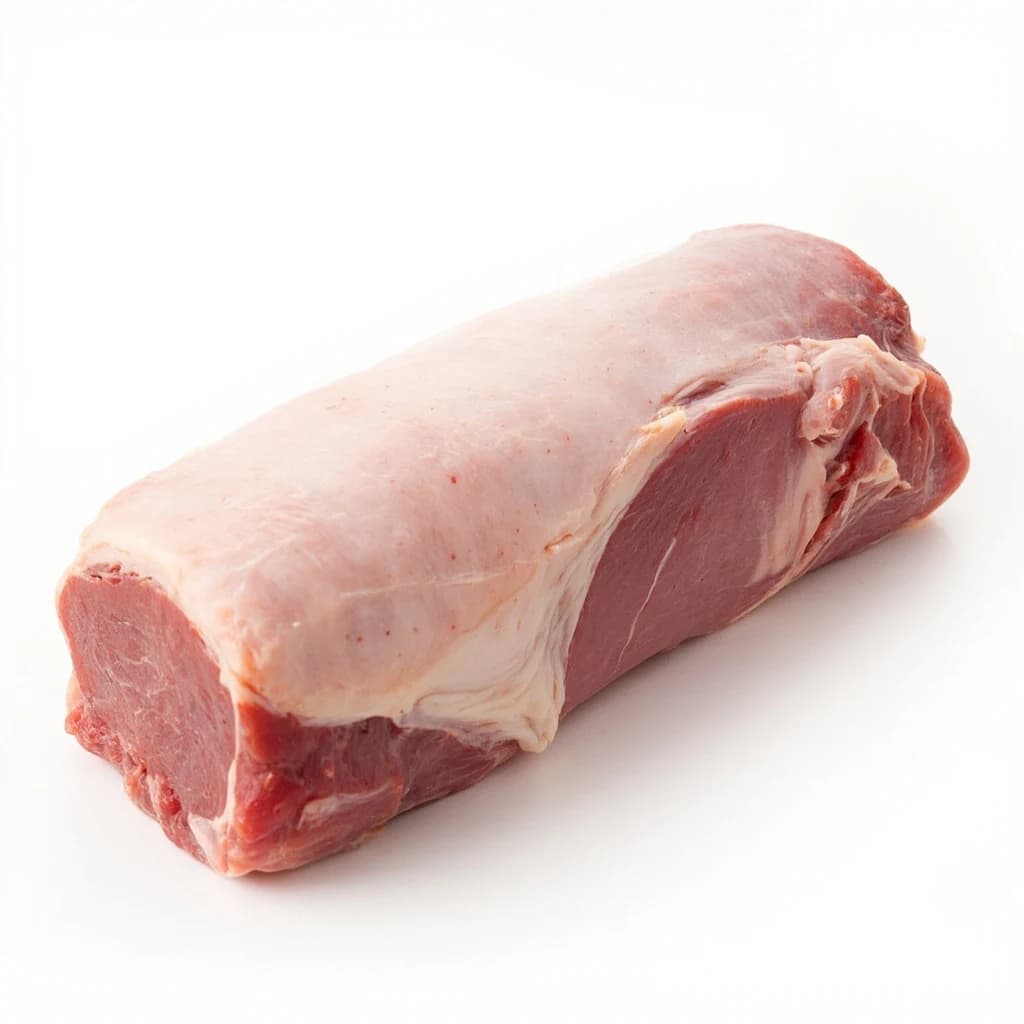
Pork Loin
Lean, tender roasting cut that stays juicy with care
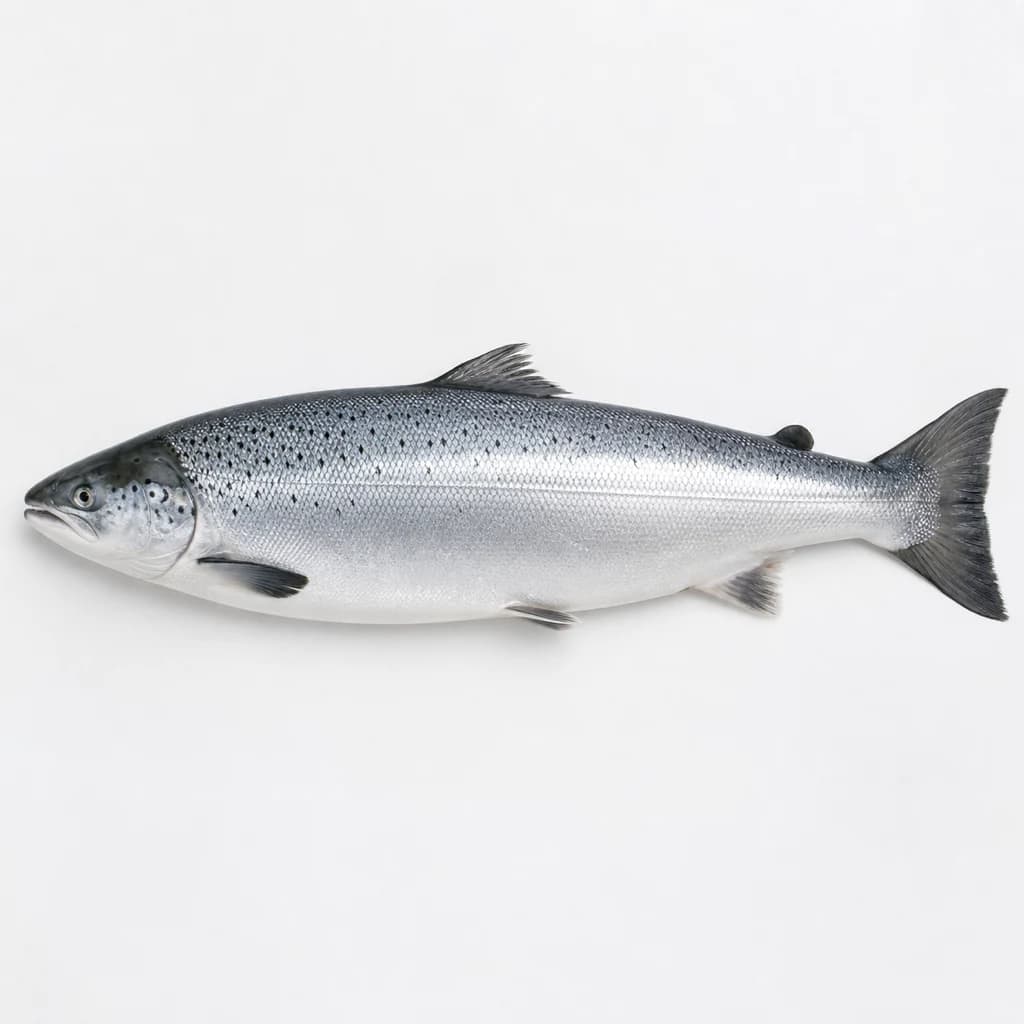
Salmon
Rich, rosy fish that roasts, grills, or cures beautifully

Egg White
Pure protein that whips to airy peaks for meringue and more
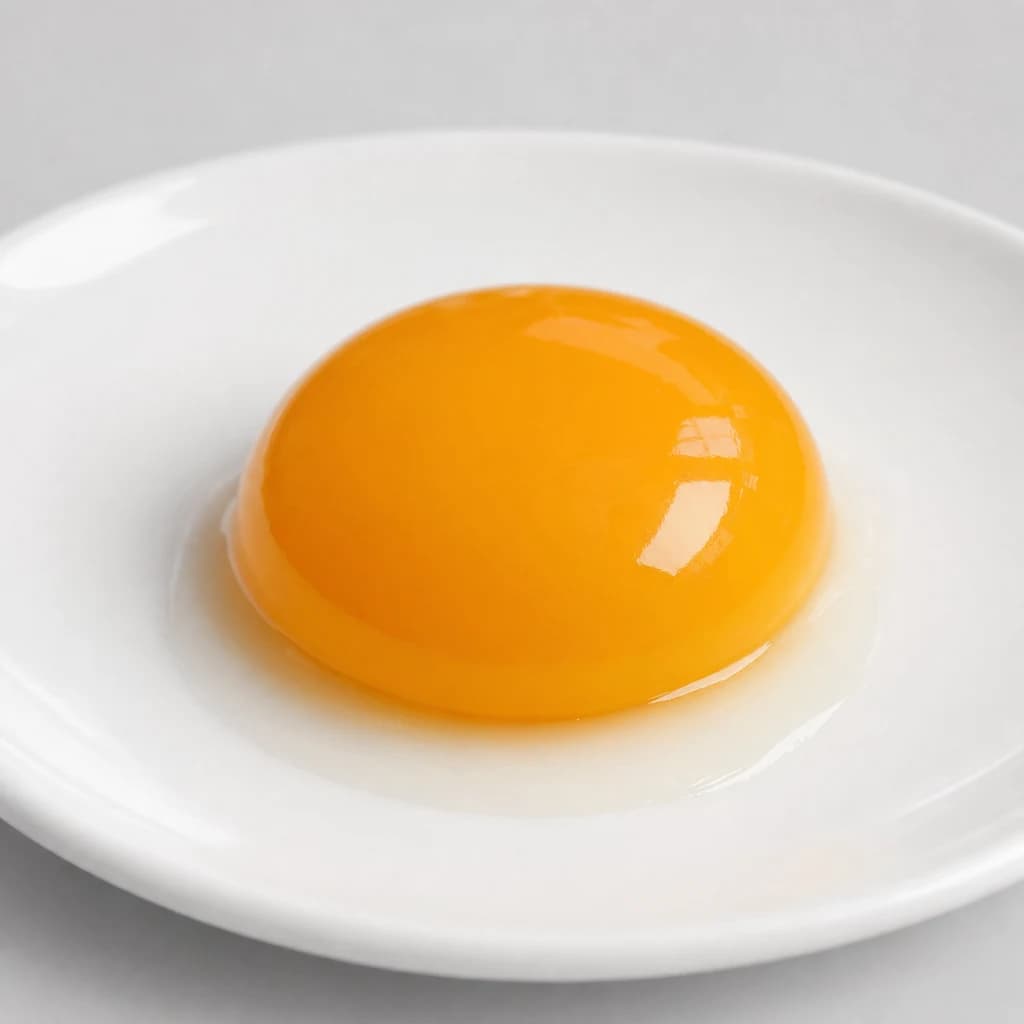
Egg Yolk
Rich, golden yolk for custards, mayonnaise, and pasta

Quail Egg
Tiny, speckled eggs for garnishing and elegant bites