Proteins
Back Bacon
Leaner bacon from the loin (Canadian/peameal), meatier than streaky belly bacon and fried in rounds.
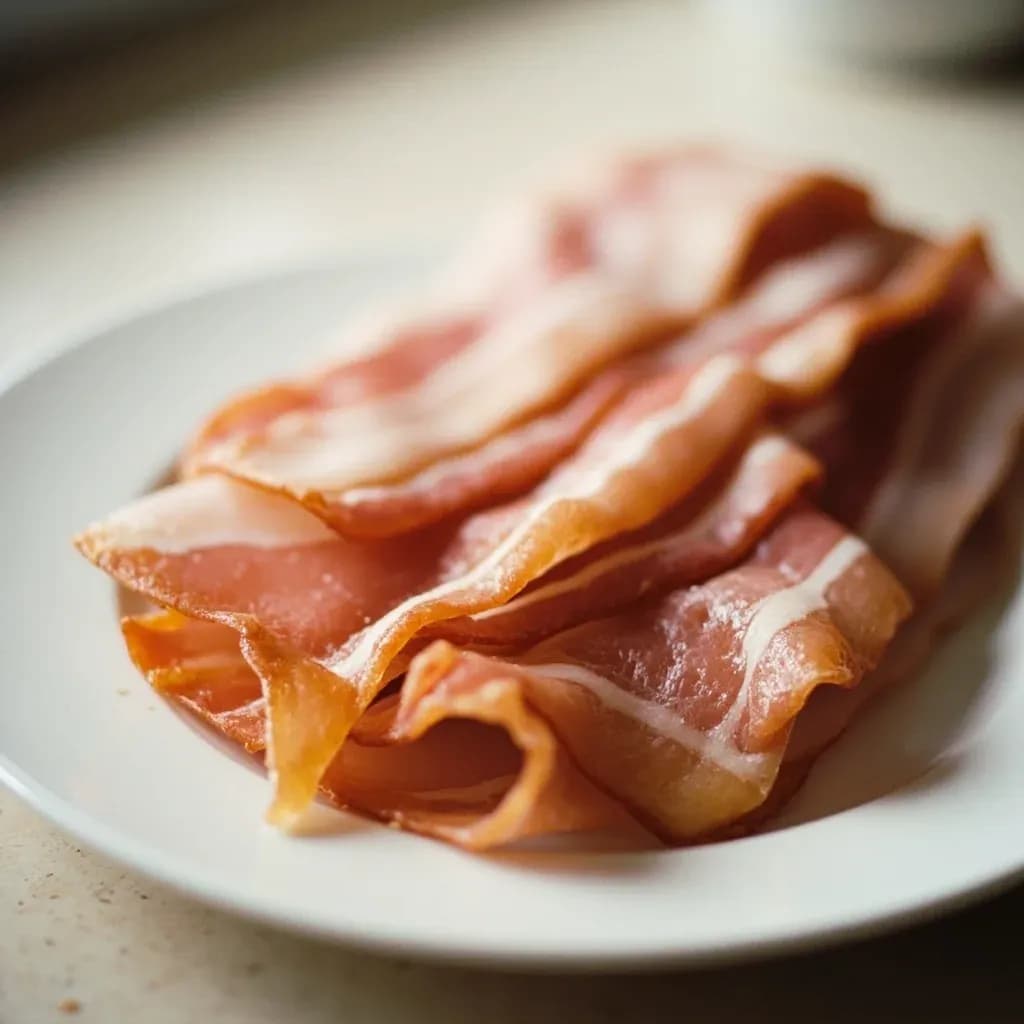
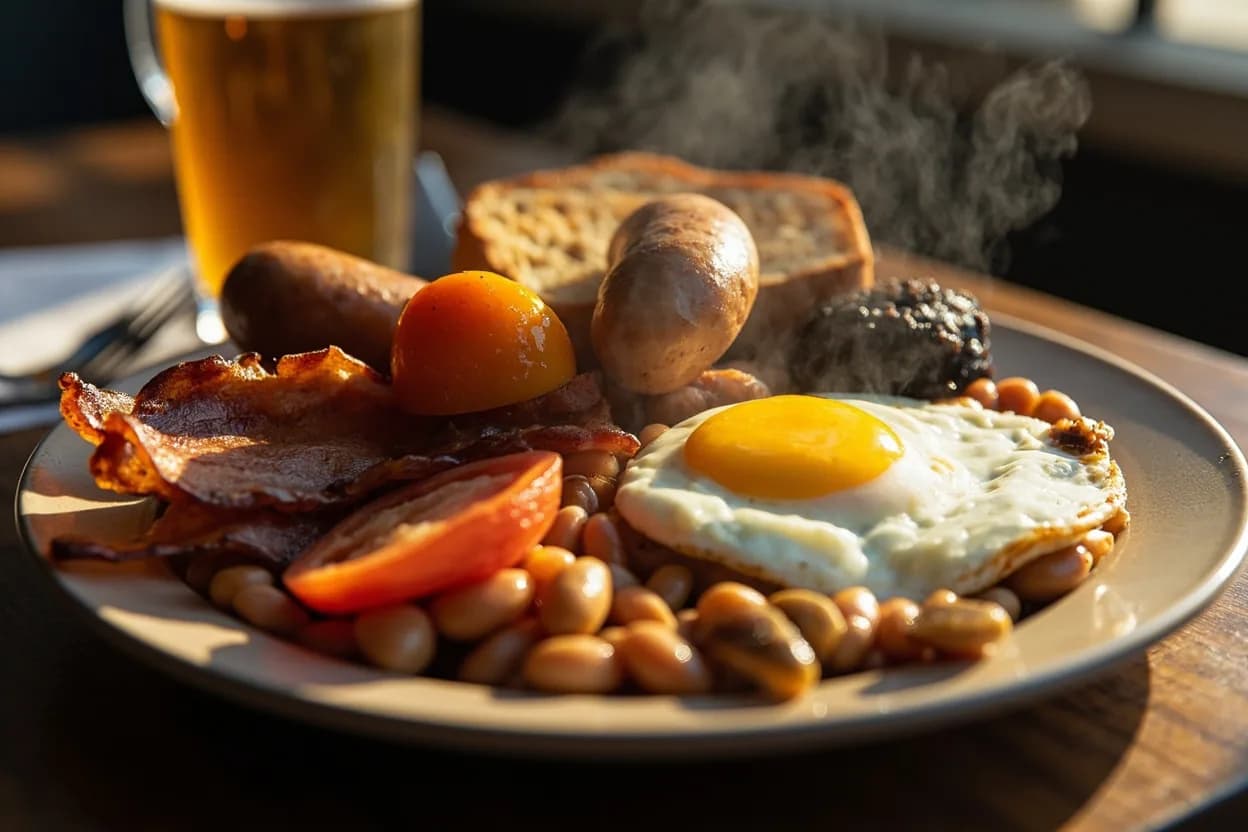
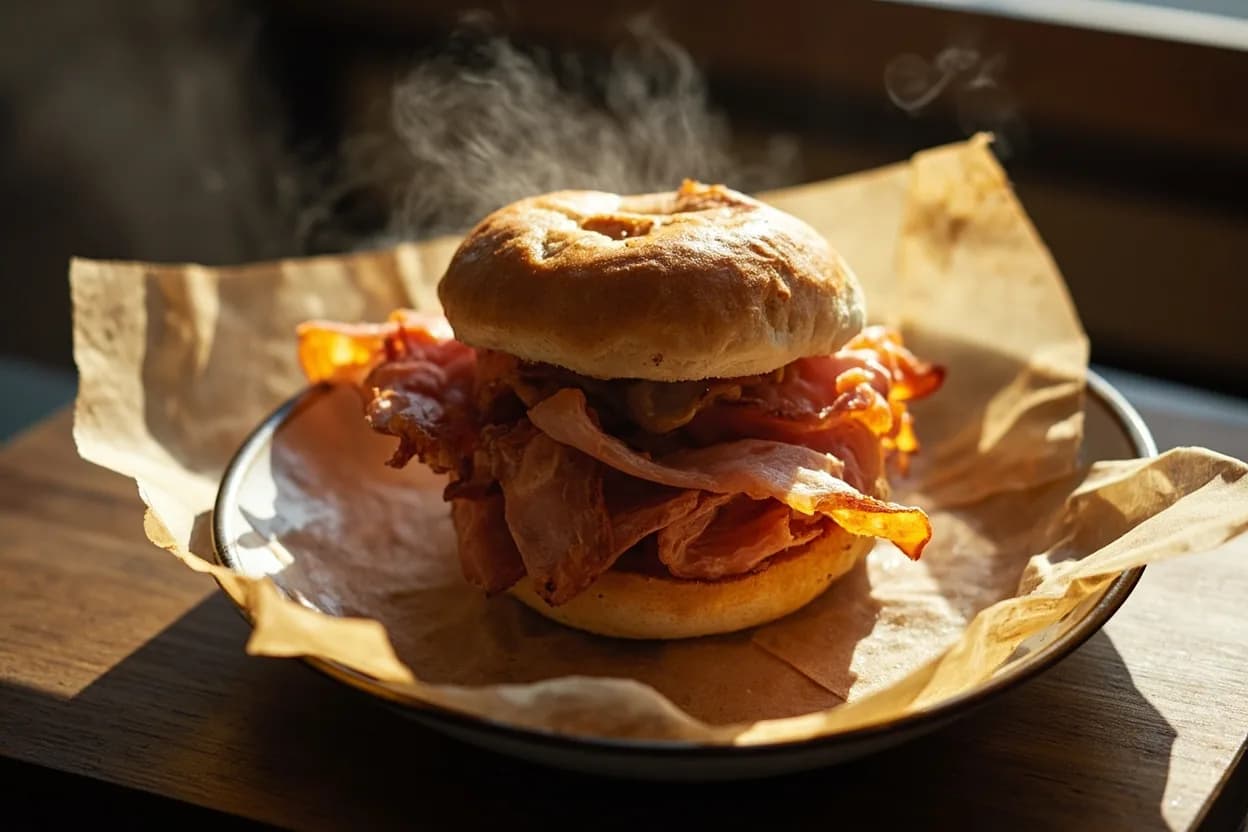
Back bacon is cured from the pork loin, making it much leaner and meatier than fatty streaky belly bacon. The Canadian peameal version is wet-cured and rolled in cornmeal, sliced and fried for sandwiches, while British back bacon is the classic rasher of a full breakfast. It has a tender, hammy bite with just a rim of fat.
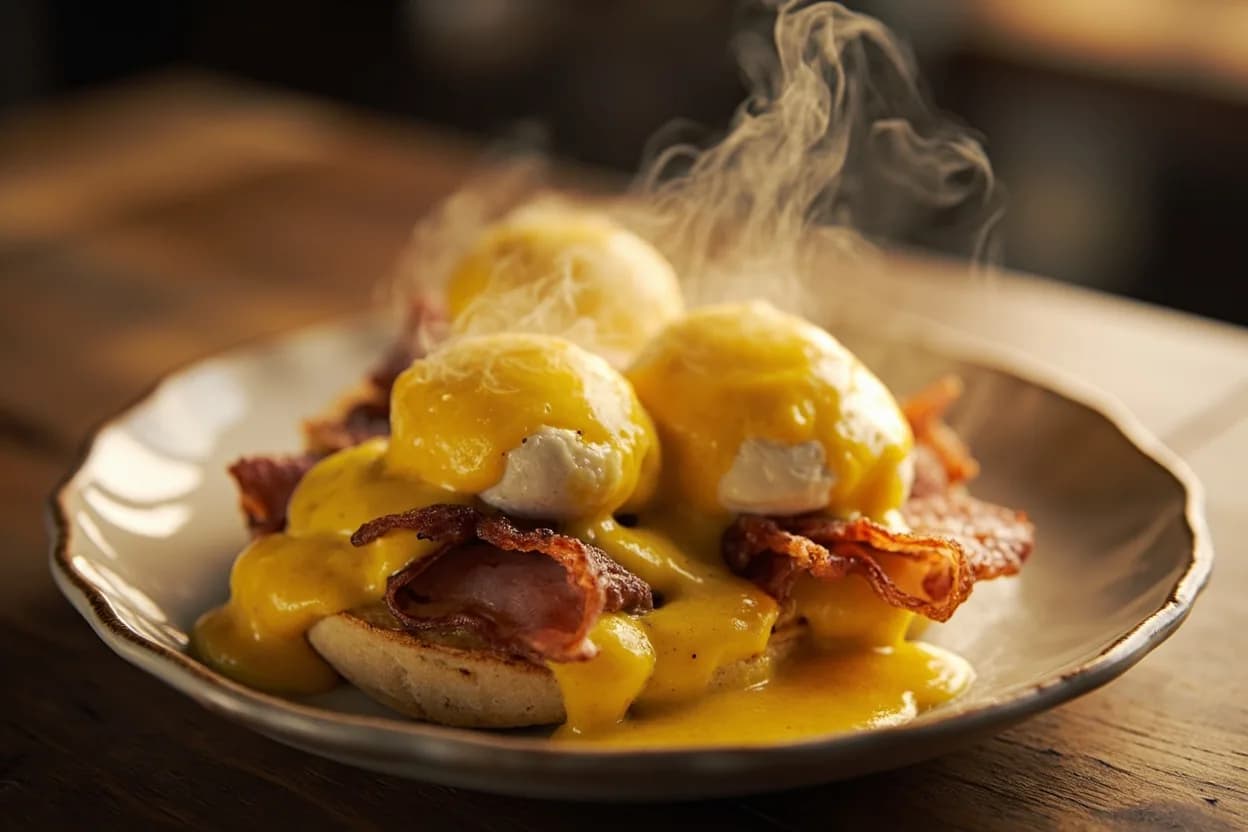
Back bacon is a premium bacon cut from the pork loin, the long, lean muscle that runs along the pig's back. Unlike streaky bacon from the fatty belly, back bacon is a lean primal cut with a higher meat-to-fat ratio, giving it a denser, ham-like texture and a porky, savory flavor that leans less on rendered fat and more on the meat itself. The bacon is typically sliced into recognizable round or oval slices from the loin cylinder, though UK and Irish styles often cut it into broader rashers. Its leanness makes it more forgiving during high-heat cooking than belly bacon—it shrinks less and holds its shape—but it dries out faster once cooked through, so heat management matters. Back bacon is the dominant bacon style in Canada, the UK, and Ireland, where it forms the backbone of iconic breakfasts from a full Irish fry to Eggs Benedict.
The curing process defines the final character. Wet-curing (brining) is common, yielding a moist, pink slice; dry-curing produces a denser product. Smoking—with hickory, applewood, or maple chips—adds a layer of sweet, woody depth, while unsmoked "green" bacon showcases pure porky flavor. Peameal bacon, a Toronto specialty, takes a different path: the brined loin is rolled in ground yellow peas or fine cornmeal, creating a moist, slightly sweet exterior that caramelizes beautifully when cooked. Unlike some North American Canadian bacon sold fully cooked, peameal must always be cooked before eating.
Regional distinctions prevent confusion at the butcher or grocery. In Canada, "Canadian bacon" on menus often means the round, smoked, ready-to-eat slices served on English muffins, while "back bacon" may refer to the broader category including peameal. In the UK, back bacon is simply the standard bacon—unsmoked and sold in rasher form—and streaky bacon is the less-common alternative. Irish rashers are cut closer to the shoulder, sometimes including a ribbon of belly, yielding thinner slices with a different fat balance. When a recipe calls for back bacon, these regional variants are broadly interchangeable, but check whether the product is raw or pre-cooked before you start.
- Measured in
- g
- Storage
- Fridge
Types & varieties
Broad North American term; typically brined and fully cooked or ready-to-eat; sold in cylindrical rolls or pre-sliced rounds; may or may not be smoked.
Toronto specialty; pork loin brined in a sweet cure, then rolled in ground yellow peas or fine cornmeal; must be cooked before eating; moister and slightly sweet.
Back bacon cut closer to the shoulder end, often including some belly; thinner slices; common in full Irish breakfasts; typically unsmoked.
UK term; unsmoked back bacon sold in rasher form (broader slices than Canadian rounds).
Sweet-cured with maple syrup or maple sugar; popular in New England and Canada; caramelizes when cooked.
Cured with wood smoke (hickory, applewood); distinct smoky-sweet character.
Cured without smoke; pure porky flavor; labeled as "green" or unsmoked in UK.
Common uses
Tips & pitfalls
- Pat slices dry before cooking — excess moisture prevents browning and crisping; this is the single most common mistake with back bacon.
- Use medium heat rather than high — the lean meat can go from done to dried out quickly on high heat.
- Render the fat edge first by laying slices fat-side down in a cold pan, then turn on heat; this ensures the fat renders without curling.
- For perfect round slices that stay flat: score the outer fat ring with a knife before cooking, or weigh slices down with a spatula for the first minute.
- Rest cooked bacon on a wire rack over a baking sheet — never on paper towels alone, which traps steam and makes it soggy.
- If using peameal bacon, slice thin (1/4 inch) and cook thoroughly — it is not pre-cooked like some Canadian bacon products.
- Batch cook in the oven: lay slices on a rack over a sheet pan at 400°F for 12–15 minutes; this yields crisp, flat, evenly cooked bacon with no hands-on time.
- Blot excess grease after cooking if using in salads or sandwiches — back bacon releases less fat than streaky bacon but still benefits from removal.
Nutrition
Energy
460 kJ · per 100 g
Where the calories come from
Protein
20.3g
41% DV
Carbs
1.3g
0% DV
Fat
2.6g
3% DV
Fiber
0g
0% DV
Sugars
0.9g
of which
Sodium
751mg
33% DV
Source · USDA FoodData Central · Canadian bacon, unprepared
View on FDC →In the shops
Matched grocery products
 €1.48
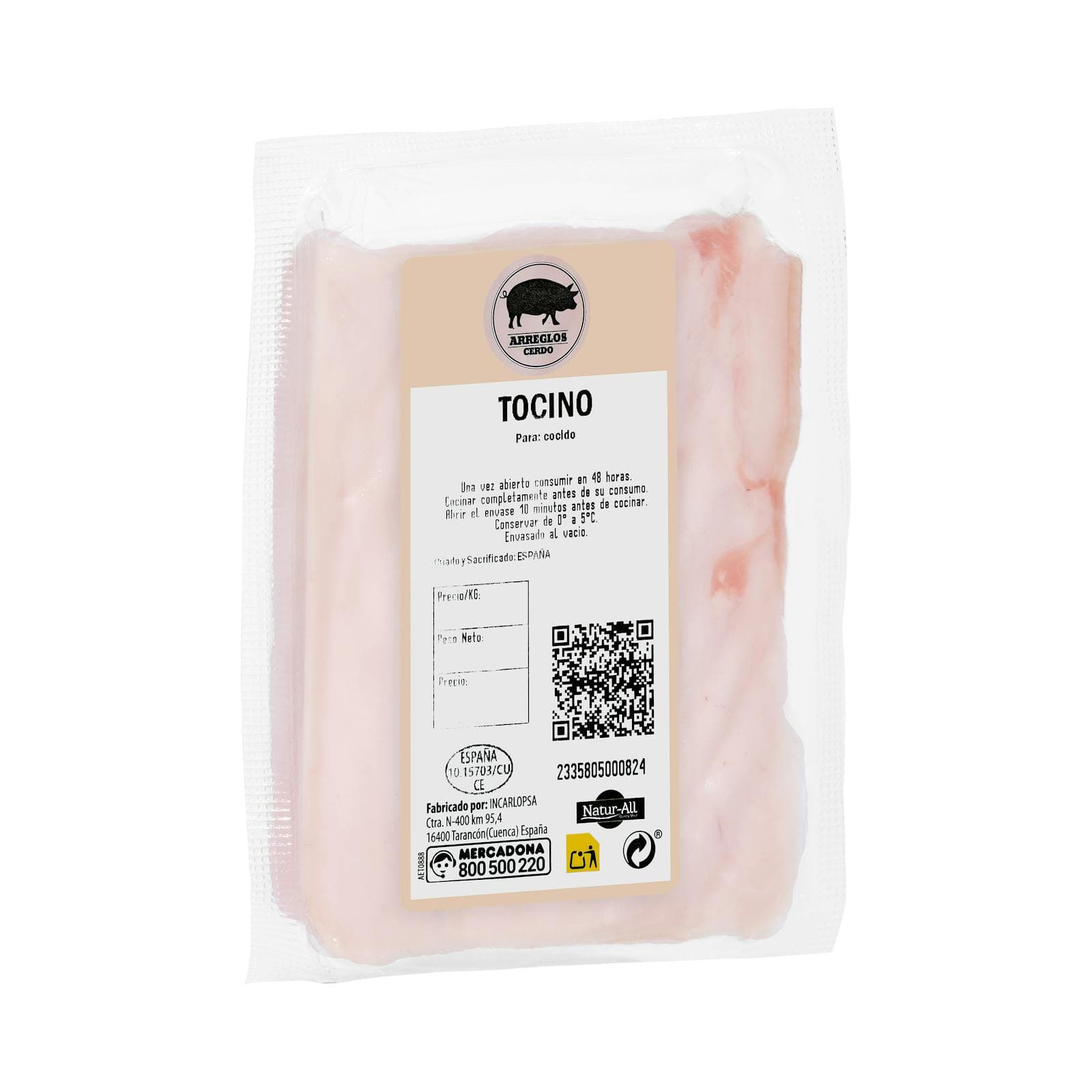
€1.48Pork Fatback
190 g · Mercadona
 €1.99
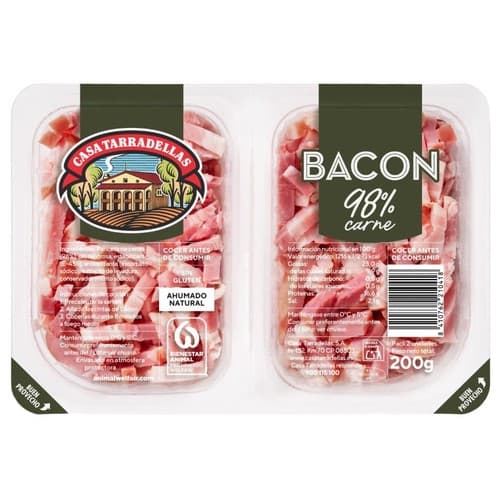
€1.99Pork Bacon Strips
CASA TARRADELLAS · kg · Bonpreu
 €1.85
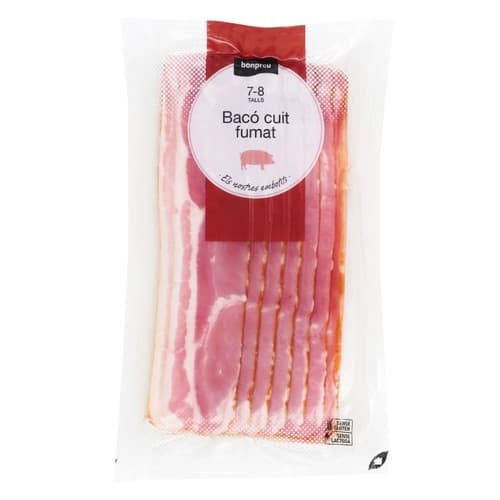
€1.85Smoked Cooked Bacon
BONPREU · kg · Bonpreu
 €2.20
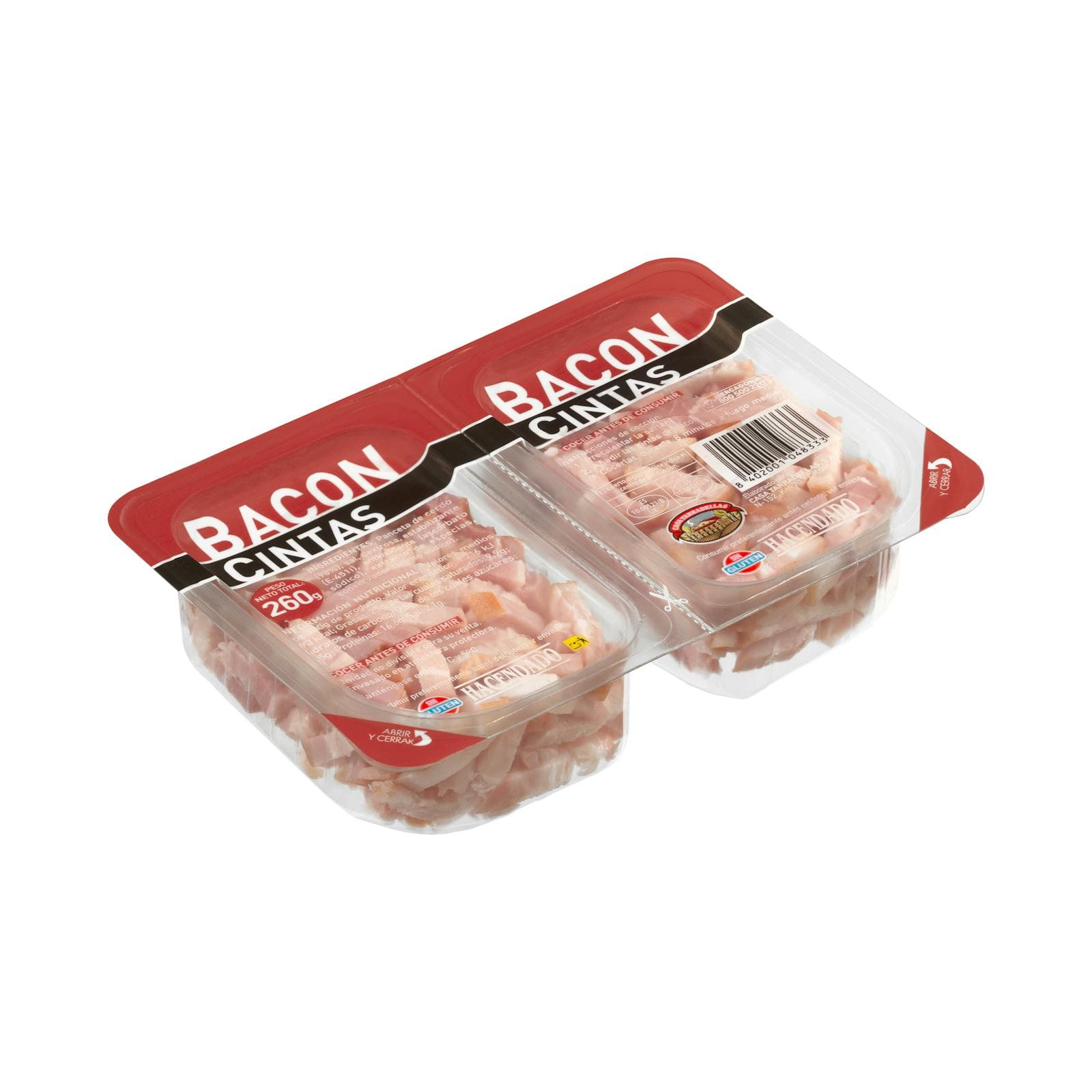
€2.20Bacon Strips
Hacendado · 260 g · Mercadona
 €2.35
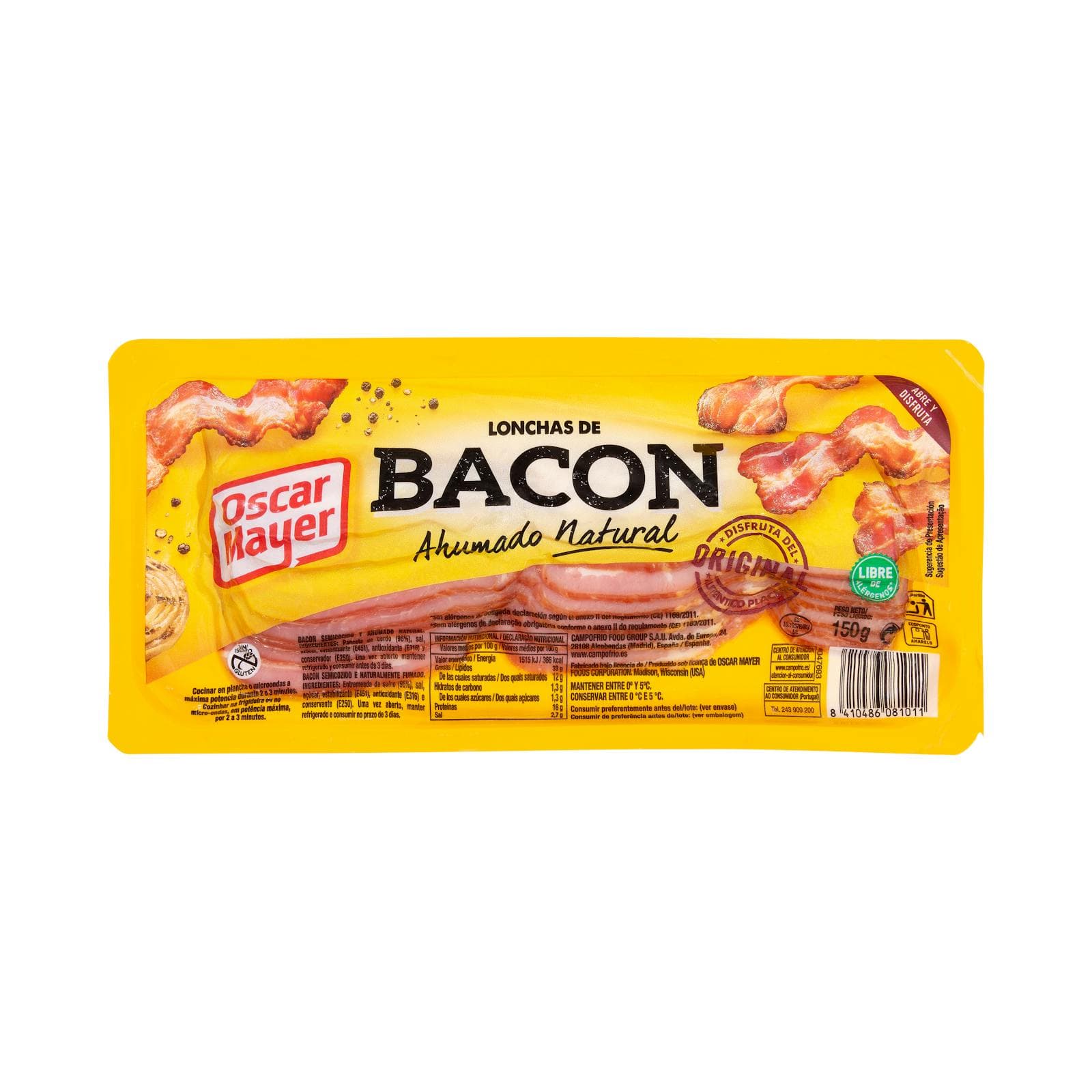
€2.35Oscar Mayer Bacon Slices
Oscar Mayer · 150 g · Mercadona
 €2.89
€2.89Smoked Cooked Bacon Bonpreu
BONPREU · kg · Bonpreu
Good to know
- Source
- Pork loin (longissimus dorsi muscle)
- Cut Type
- Lean muscle meat, not from the belly
- Fat Content
- Low to moderate (loin is a lean primal cut)
- Typical Form
- Round/circular slices from the loin cylinder; UK/Ireland also sold as broader rashers
- Curing
- Wet-cured (brined) or dry-cured; smoked or unsmoked
- Flavor
- Savory, porky, ham-like; meatier and less fatty than streaky bacon; mildly smoky if smoked
- Cooking Time
- 3–5 minutes per side for 1/2-inch slices (faster than belly bacon)
- Region of Popularity
- North America (Canadian bacon), UK (back bacon), Ireland (rashers)
Substitutes
- Pork loin, cut into 1/2-inch slices and pan-fried — Closest texture and flavor; cure with salt, sugar, and smoke if desired for authenticity.
- Canadian bacon (pre-sliced rounds) — Usually already cooked or ready-to-eat; just sear briefly to warm and brown.
- Peameal bacon (if using generic back bacon) — Peameal is wet-cured and cornmeal-coated; will have different texture and moisture content; cook thoroughly.
- Thinly sliced ham steak — Not bacon-cured, but similar leanness and mild porky flavor; acceptable in sandwiches and fried-egg plates.
- Turkey bacon — Lean substitute; significantly different flavor and texture; acceptable only for dietary restrictions.
- Streaky (belly) bacon — Fattier and crispier; not a direct substitute — use half the weight per serving due to higher fat content and different flavor profile.
Pairs with
Also called
Back Bacon (Peameal) · Canadian Bacon · Peameal Bacon
Appears in these dishes
Related

Egg
The kitchen's everything ingredient — bind, leaven, enrich, or fry
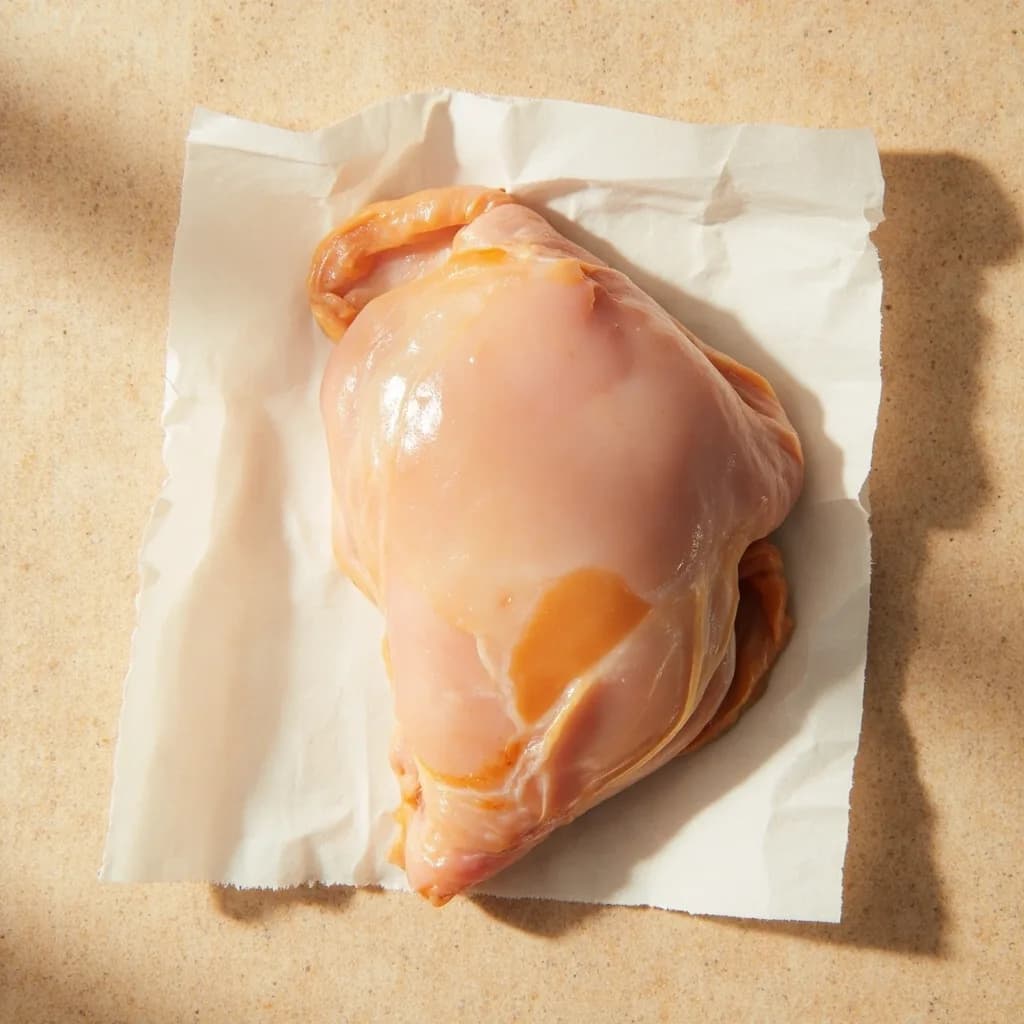
Chicken Breast
Lean, quick-cooking white meat for everyday dinners

Ground Beef
Versatile minced beef for burgers, ragù, tacos, and meatballs
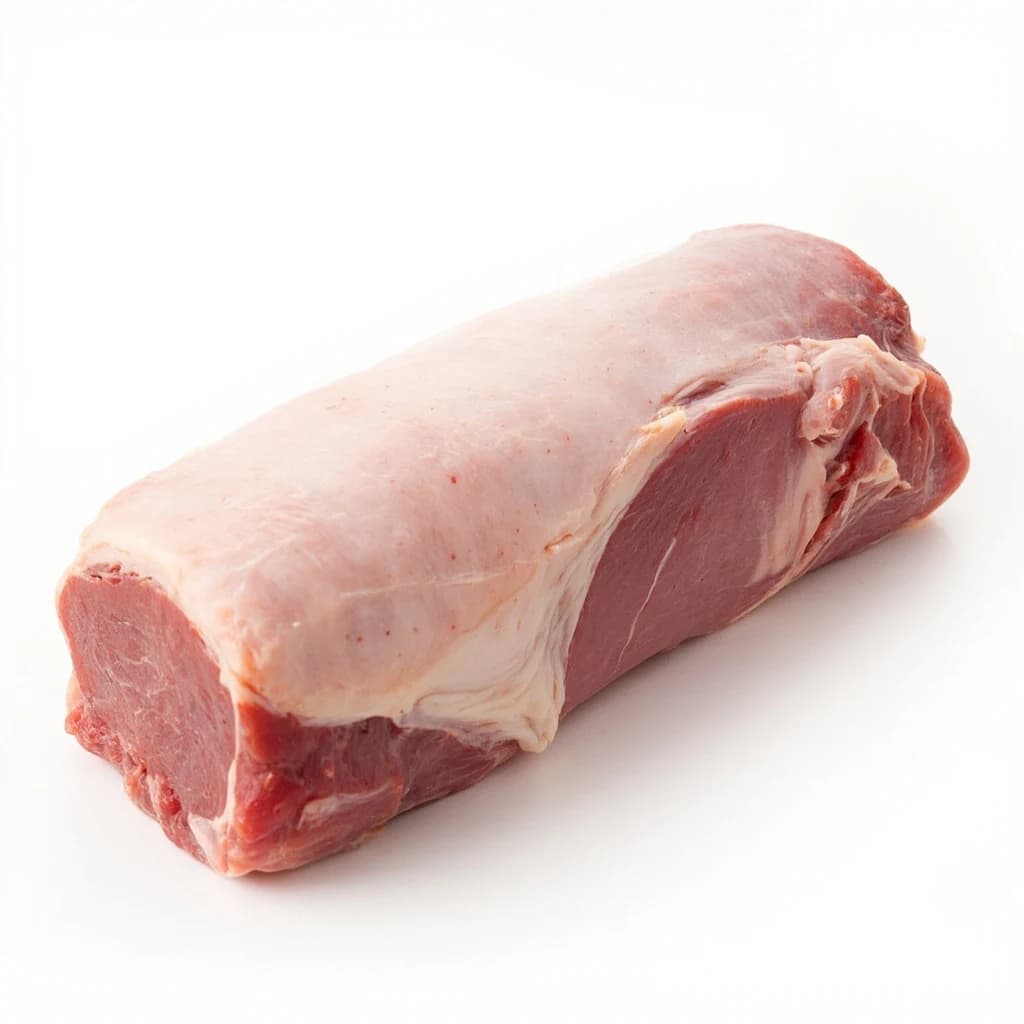
Pork Loin
Lean, tender roasting cut that stays juicy with care
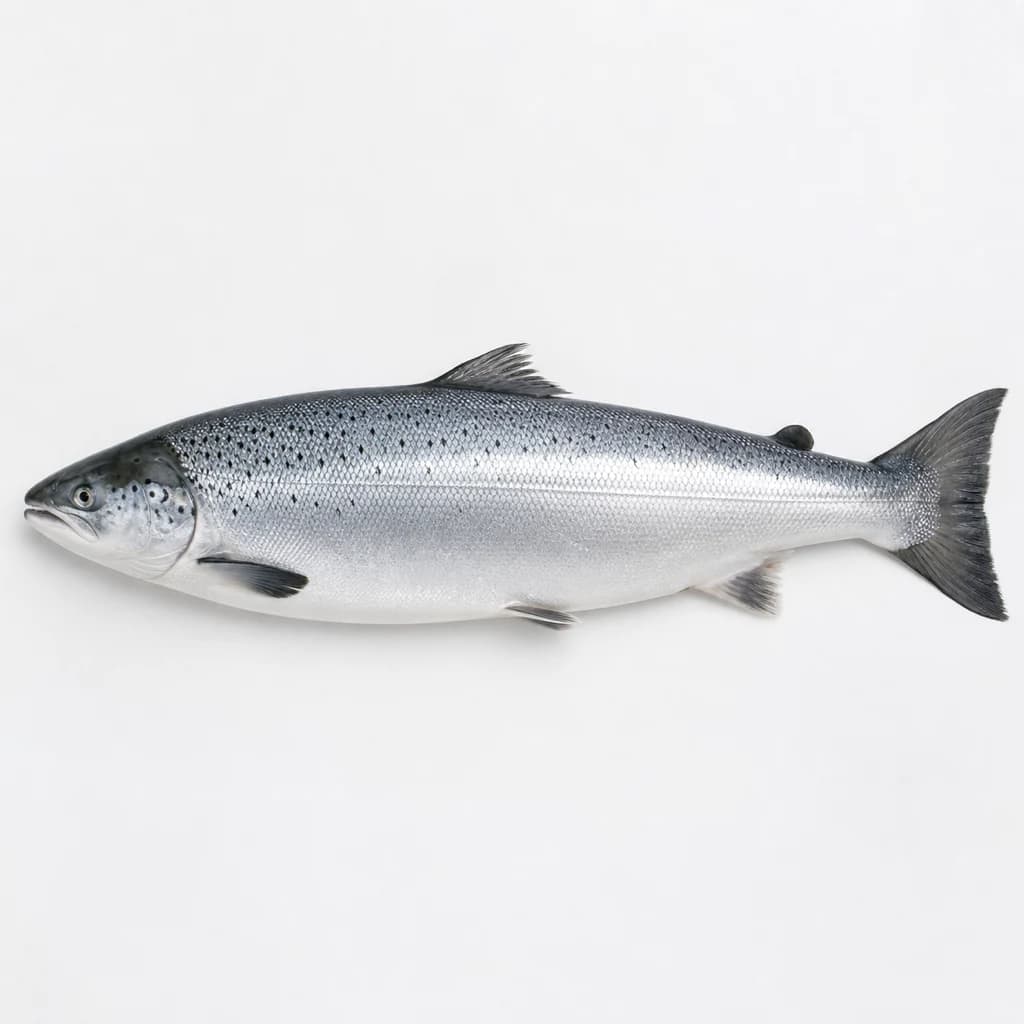
Salmon
Rich, rosy fish that roasts, grills, or cures beautifully

Egg White
Pure protein that whips to airy peaks for meringue and more
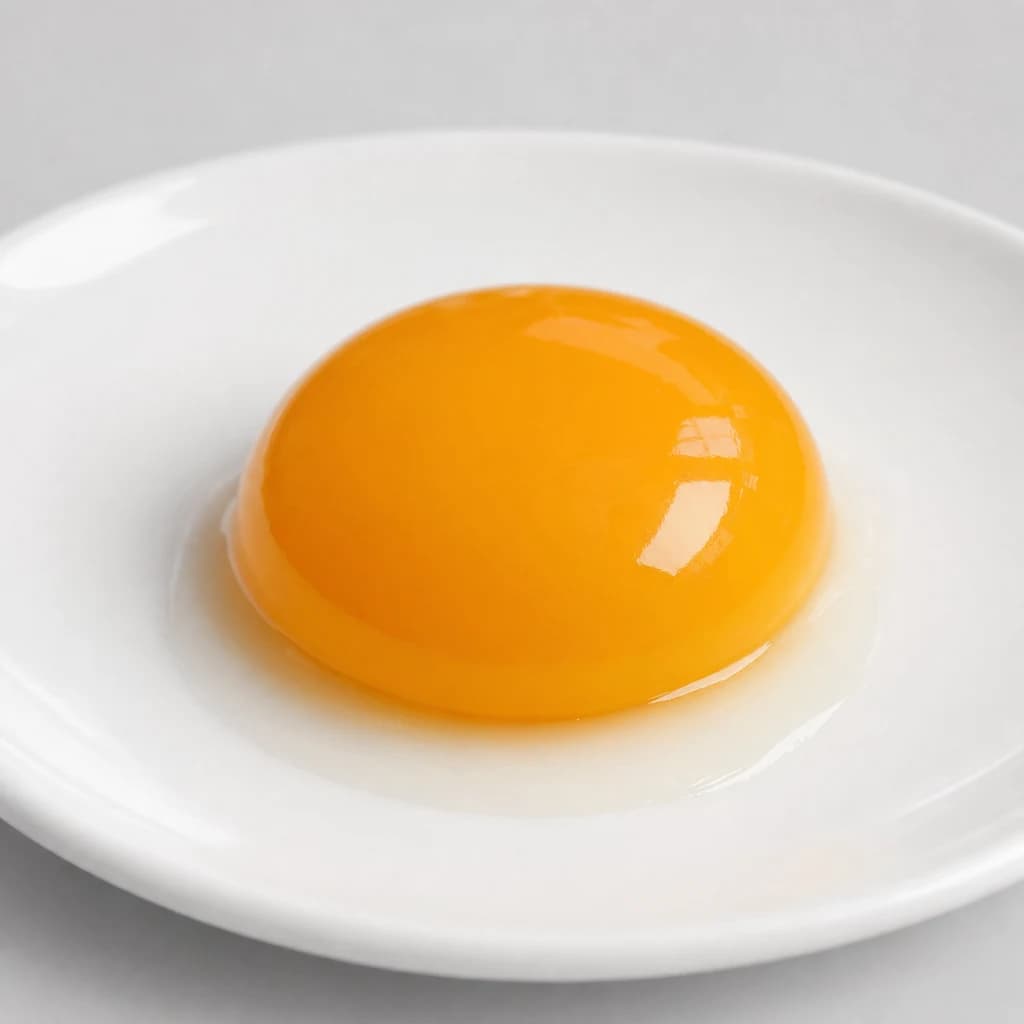
Egg Yolk
Rich, golden yolk for custards, mayonnaise, and pasta

Quail Egg
Tiny, speckled eggs for garnishing and elegant bites