Proteins
Guanciale
Cured pork cheek/jowl, the rich fatty foundation of classic Roman pasta sauces.
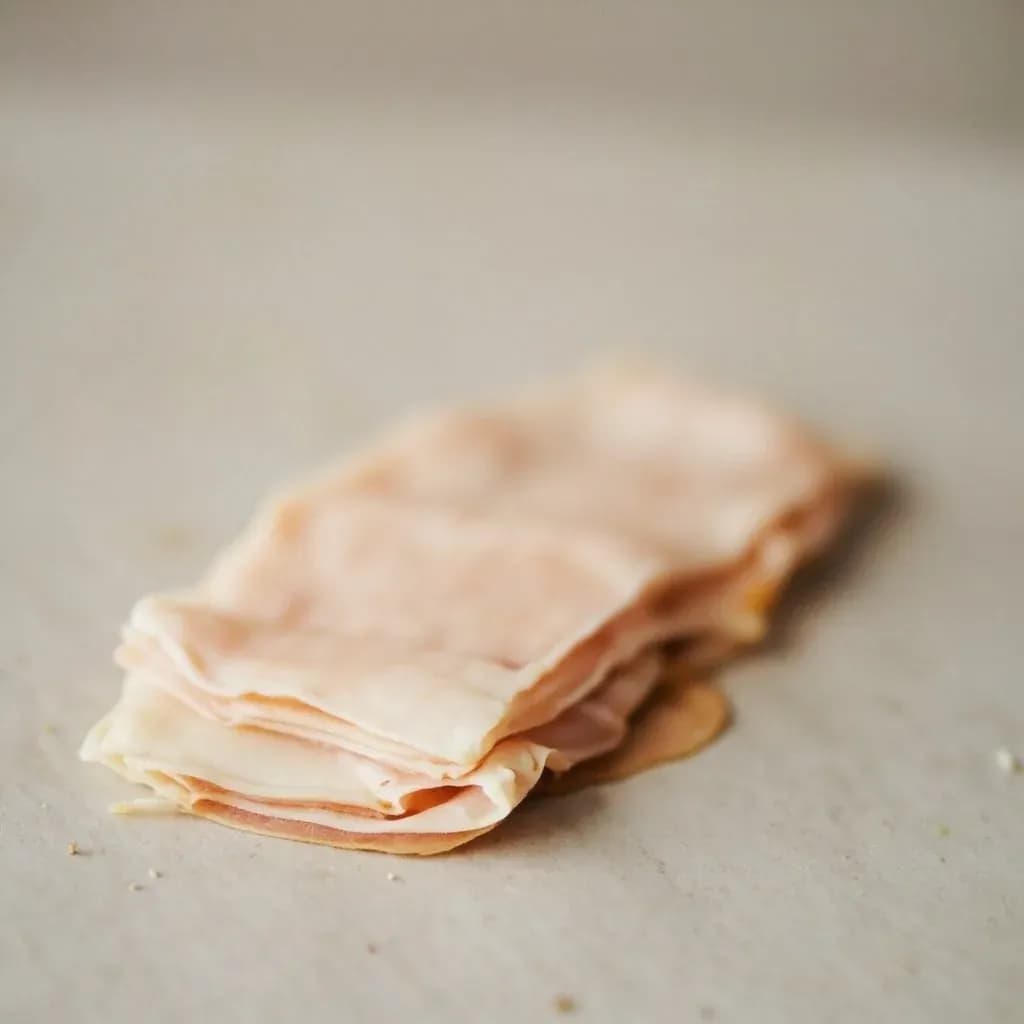
Guanciale is Italian cured pork jowl (cheek), salted and seasoned with pepper and herbs then air-dried for weeks. It is the authentic fat base for Roman pastas like carbonara, amatriciana, and gricia, rendered slowly so its luxurious, peppery fat coats the noodles. Richer and more delicate than pancetta or bacon, it is used as a flavoring fat rather than eaten raw.
Guanciale is dry-cured pork jowl — the cheek of the pig, with its skin left on. Unlike bacon, which is usually brined and often smoked, guanciale cures in salt and spices alone, sometimes with black pepper, garlic, or sage, and is never smoked. The jowl is a working muscle, constantly in motion throughout the pig's life, which means it carries more connective tissue and intramuscular fat than belly cuts. This translates into a richer, deeper pork flavor and a distinctive unctuousness that no other cured meat quite replicates. When cooked, the high collagen content melts into the fat, creating that silky, coating quality essential to Roman pasta sauces. The fat itself, once rendered, is called lardo di guanciale — a prized cooking medium with a clean, intensely porky character that elevates everything it touches. Guanciale must always be cooked before eating; while beautifully cured, it is not a sliced-and-served cold cut like prosciutto. Sourcing matters enormously: traditional Italian guanciale from Lazio or Norcia, aged at least eight weeks, delivers a depth of flavor that mass-produced imitations cannot match.
- Measured in
- g
- Storage
- Fridge
Types & varieties
The benchmark style; traditionally seasoned with black pepper, no garlic; used for amatriciana and gricia
From the Norcia region; often seasoned with garlic and rosemary; richer, more herbal character
Smoked variant; not traditional but available; adds bacon-like smokiness to dishes
Plain-cured without pepper coating; cleaner porky flavor
Guanciale vs. Bacon vs. Pancetta
Understanding the differences between these three cured pork products prevents costly substitution errors. Bacon comes from pork belly and is typically brined or injected with cure, then often smoked — this gives it a distinct smokiness and a softer, more watery fat when cooked. Pancetta is also belly meat, cured in salt with spices, rolled or left flat, but never smoked; it has a cleaner, saltier flavor and less intramuscular fat than guanciale. Guanciale comes from the jowl, carries fat marbled throughout the lean, and develops a deep, almost primal porkiness from the collagen-rich muscle. The fat cap on guanciale is also thicker and more uniform, making it the superior choice for rendering and for dishes where fat carries flavor.
- Guanciale: jowl, dry-cured, never smoked, highest collagen and intramuscular fat
- Pancetta: belly, dry-cured, not smoked, cleaner flavor, less fat marbling
- Bacon: belly or back, usually brined and smoked, saltier, softer fat when cooked
Rendering Guanciale Properly
The goal when cooking guanciale is to slowly melt the fat out of the meat while achieving crisp edges and a firm, chewy texture at the center. This requires patience and controlled temperature.
- Start cold: place guanciale in a cold pan, then bring to heat — this renders fat gradually as the meat heats
- Target temperature: 150–160°C for the fat to melt cleanly without burning
- Cut size matters: dice for quick, crisp render; slice thick for softer, chewier results
- Watch for the color shift: fat turns translucent and edges darken to golden-brown
- Do not crowd the pan: excess guanciale cools the fat and results in steaming instead of crisping
- Rest before serving: let crispy pieces drain briefly on paper towels to set the texture
Common uses
Tips & pitfalls
- Always cut against the grain for cleaner, more manageable slices; the grain runs vertically along the jowl muscle
- Render fat-side down first over medium-low heat (150–160°C); high heat burns the fat before it renders and leaves the center undercooked
- Do not remove the fat cap or trim excess fat before cooking — rendered fat is the foundation of flavor in Roman sauces
- Italian guanciale (Rovigotti, Volpi, or Salumeria brands) is far superior to mass-produced alternatives; seek specialty Italian grocers or butchers
- When buying, select pieces with thick, even fat cap and firm texture; avoid packages with excess liquid or an ammonia smell
- Guanciale does not need parboiling or soaking like salt pork — cook directly from refrigerated state
- Let the fat render until translucent and the edges crisp; the meat should feel firm to the touch when done
- Reserve rendered fat (lardo) in a jar — it keeps refrigerated 2–3 weeks and is excellent for roasting potatoes or vegetables
- For pasta sauces, add guanciale to the pan before any aromatics; let it render its fat completely before adding onions or garlic
- A common mistake is adding guanciale to already-hot sauce — it should lead, not follow
Nutrition
Energy
2741 kJ · per 100 g
Where the calories come from
Protein
6.4g
13% DV
Carbs
0g
0% DV
Fat
69.6g
89% DV
Fiber
0g
0% DV
Sugars
0g
of which
Sodium
25mg
1% DV
Source · USDA FoodData Central · Pork, fresh, variety meats and by-products, jowl, raw
View on FDC →In the shops
Matched grocery products
No matched grocery products for Guanciale yet.
Good to know
- Source
- Pork jowl (cheek), skin-on
- Curing method
- Dry-cured with salt and spices; not smoked
- Primary fat content
- 30–50%, with white marbling through the lean
- Typical aging
- 8–16 weeks minimum
- Ready to eat?
- No; must be cooked or rendered before consumption
- Origin region
- Lazio and surrounding central Italian regions, especially Amatrice and Norcia
- Texture (raw)
- Soft, yielding; fat is white and firm, meat ranges pink to deep red
- Texture (cooked)
- Crispy exterior with a chewy, rendered-fat interior when properly executed
- Yield after cooking
- Approximately 40–50% weight loss due to fat rendering
Substitutes
- Pancetta (stesa, not arrotolata) — Closest flavor; use 1:1 but increase cooking time slightly as it renders differently; less traditional fat-to-meat ratio
- Smoked slab bacon — Adds unwanted smokiness; acceptable only when that flavor is desired; reduce quantity as bacon is saltier
- Lardo di Arnad — Pure back fat, no lean; acceptable only for rendering, not when meat texture is needed
- Salt pork — Cures pork belly fat only; lacks the meaty texture and collagen richness; blanch before use to reduce saltiness
Pairs with
Also called
Cured Pork Jowl · Cured Pork Cheek
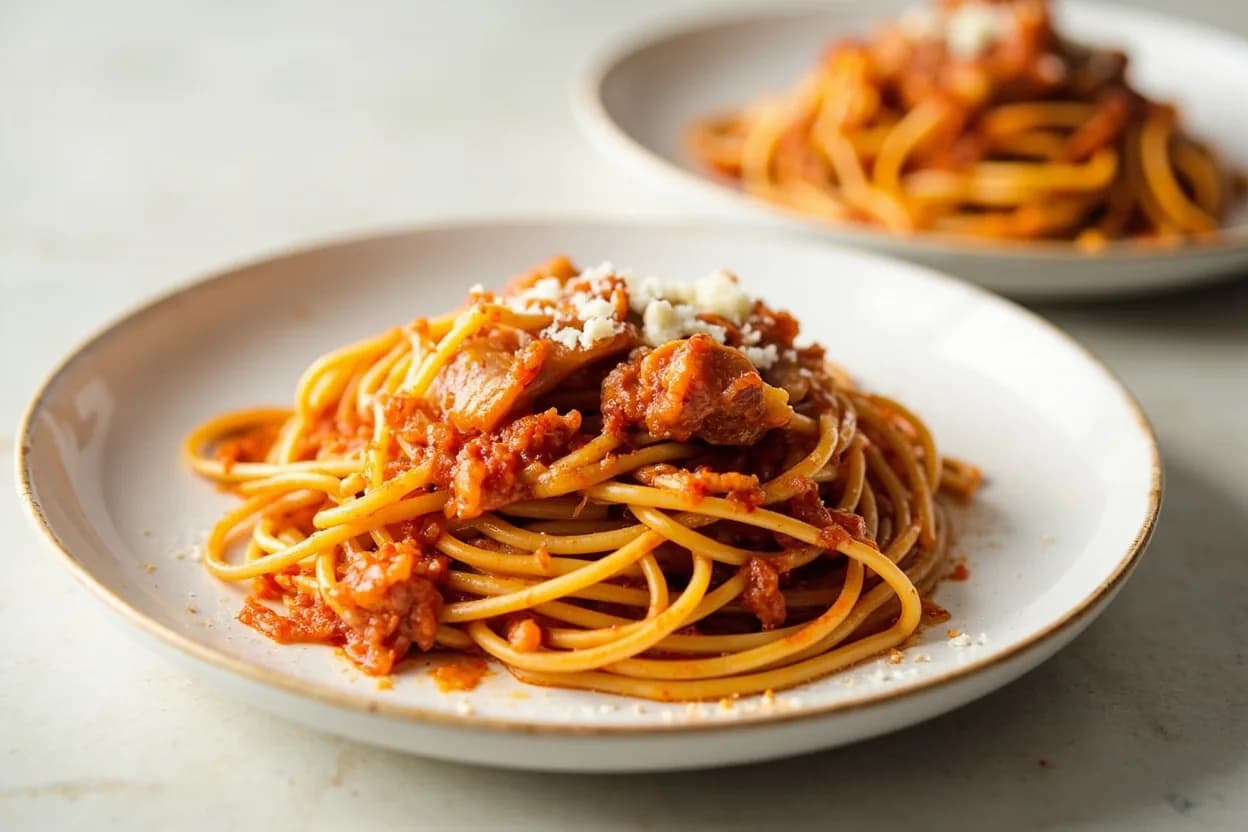
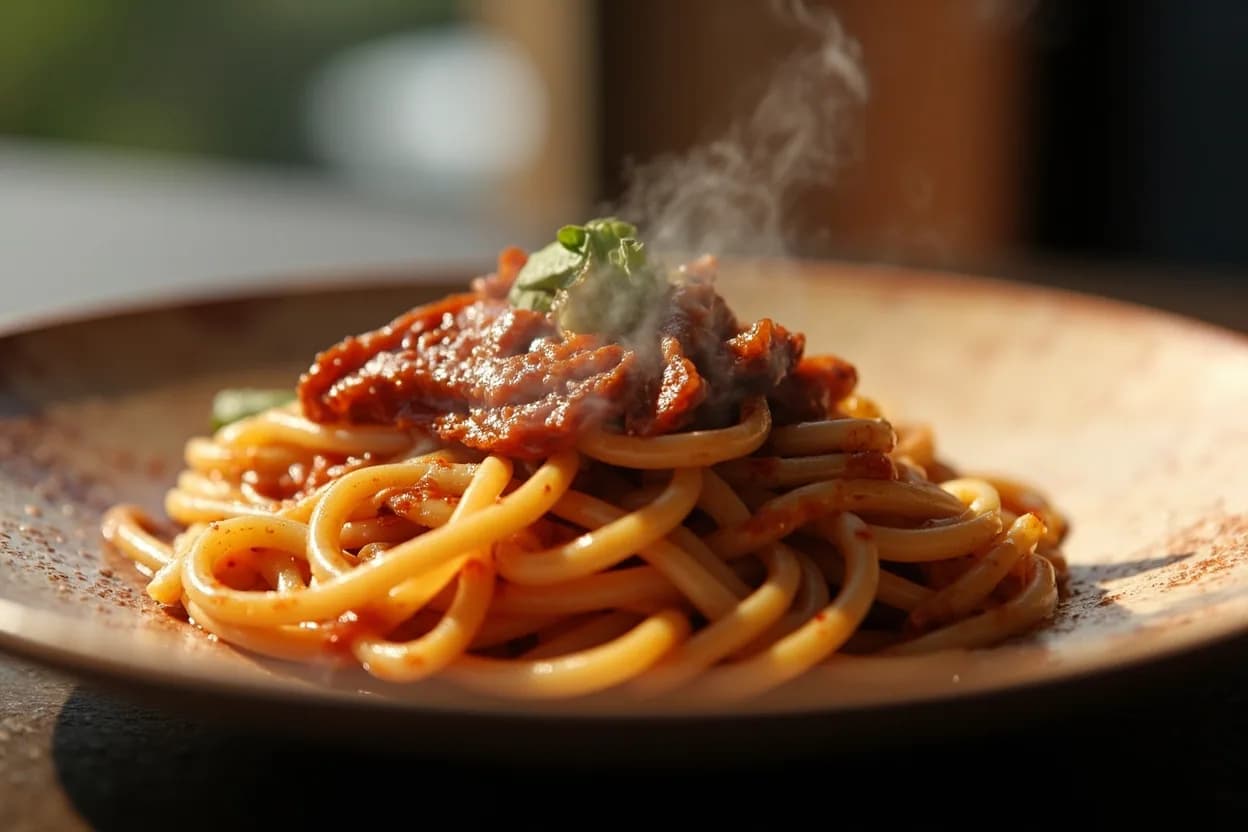
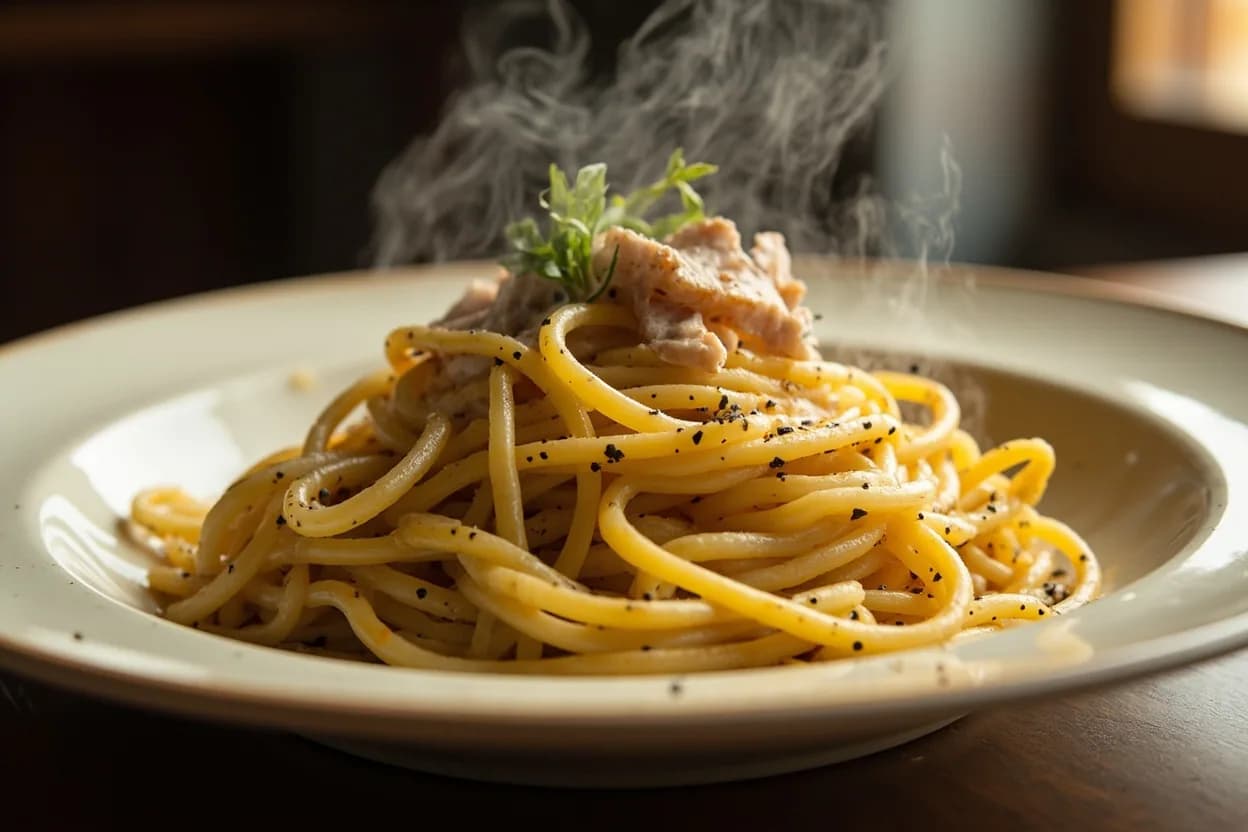
Appears in these dishes
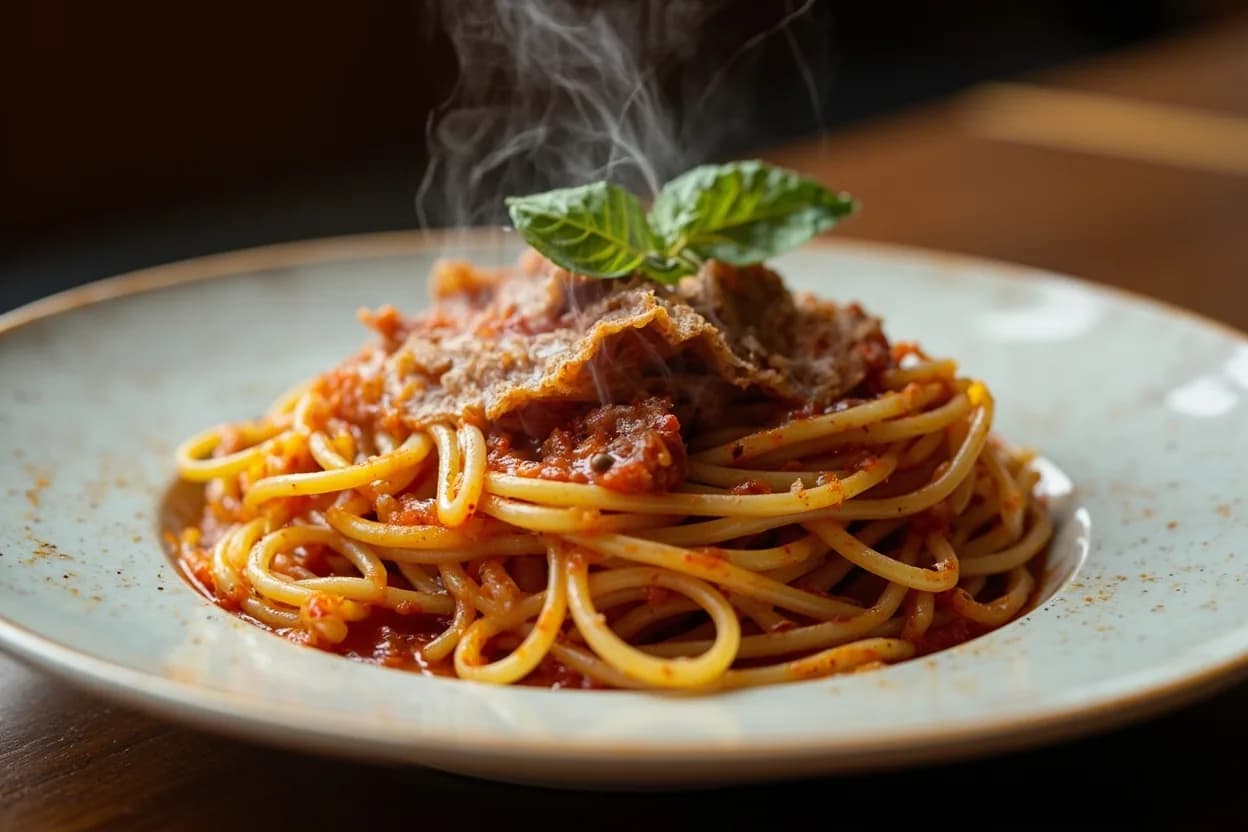
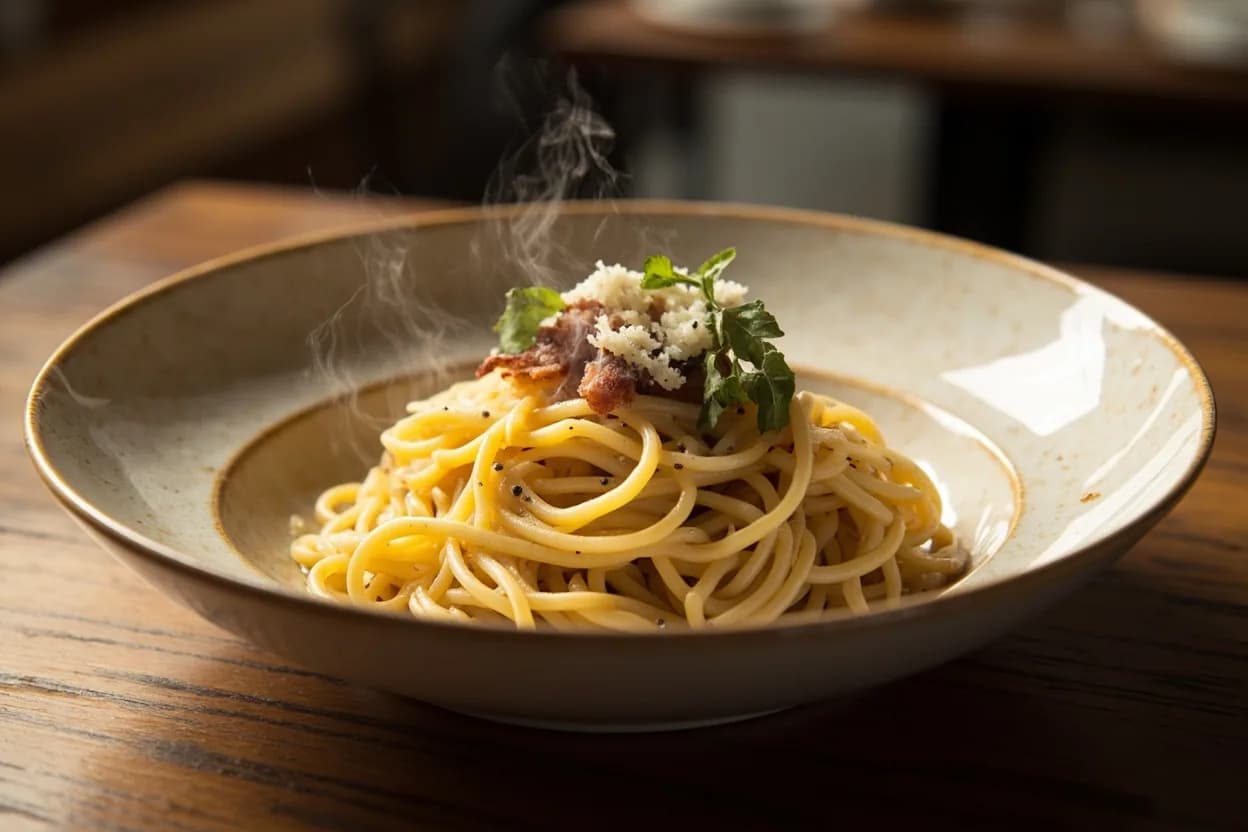
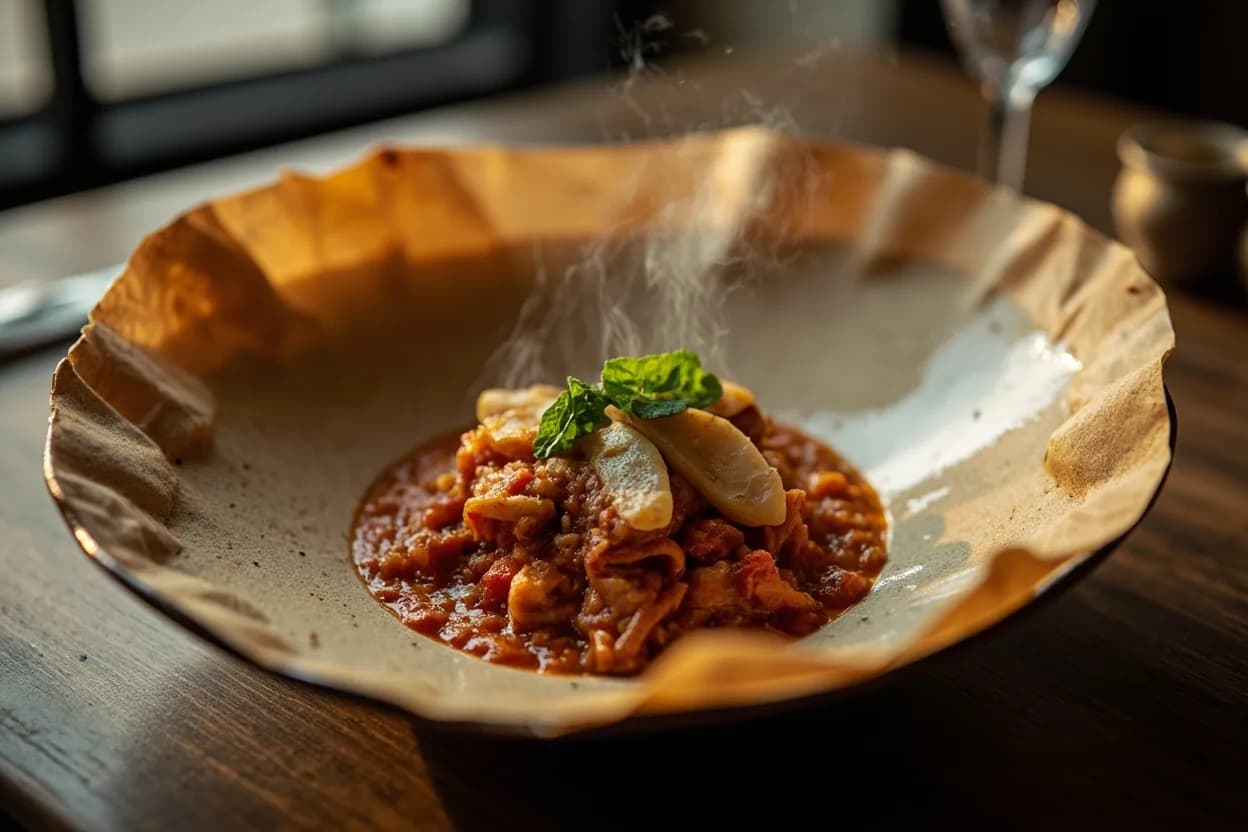
Related
Egg
The kitchen's everything ingredient — bind, leaven, enrich, or fry
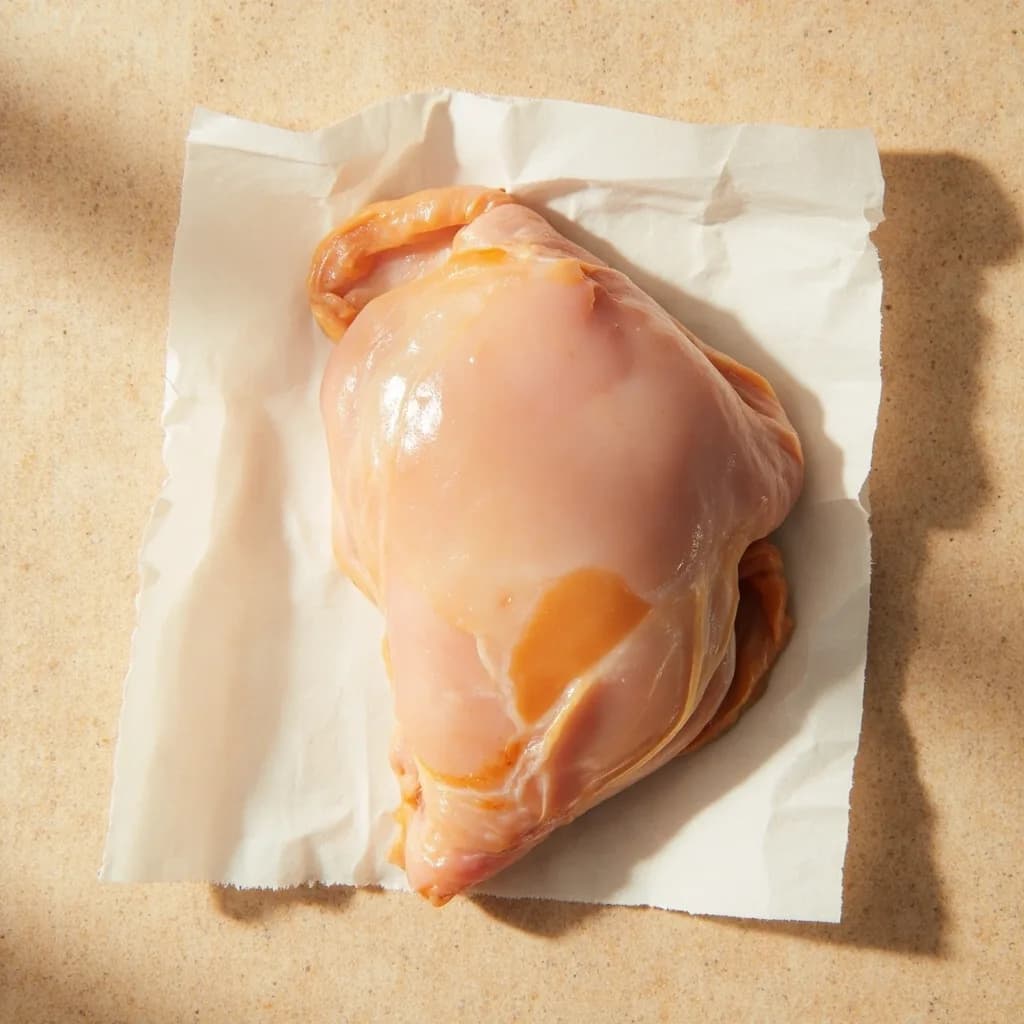
Chicken Breast
Lean, quick-cooking white meat for everyday dinners

Ground Beef
Versatile minced beef for burgers, ragù, tacos, and meatballs
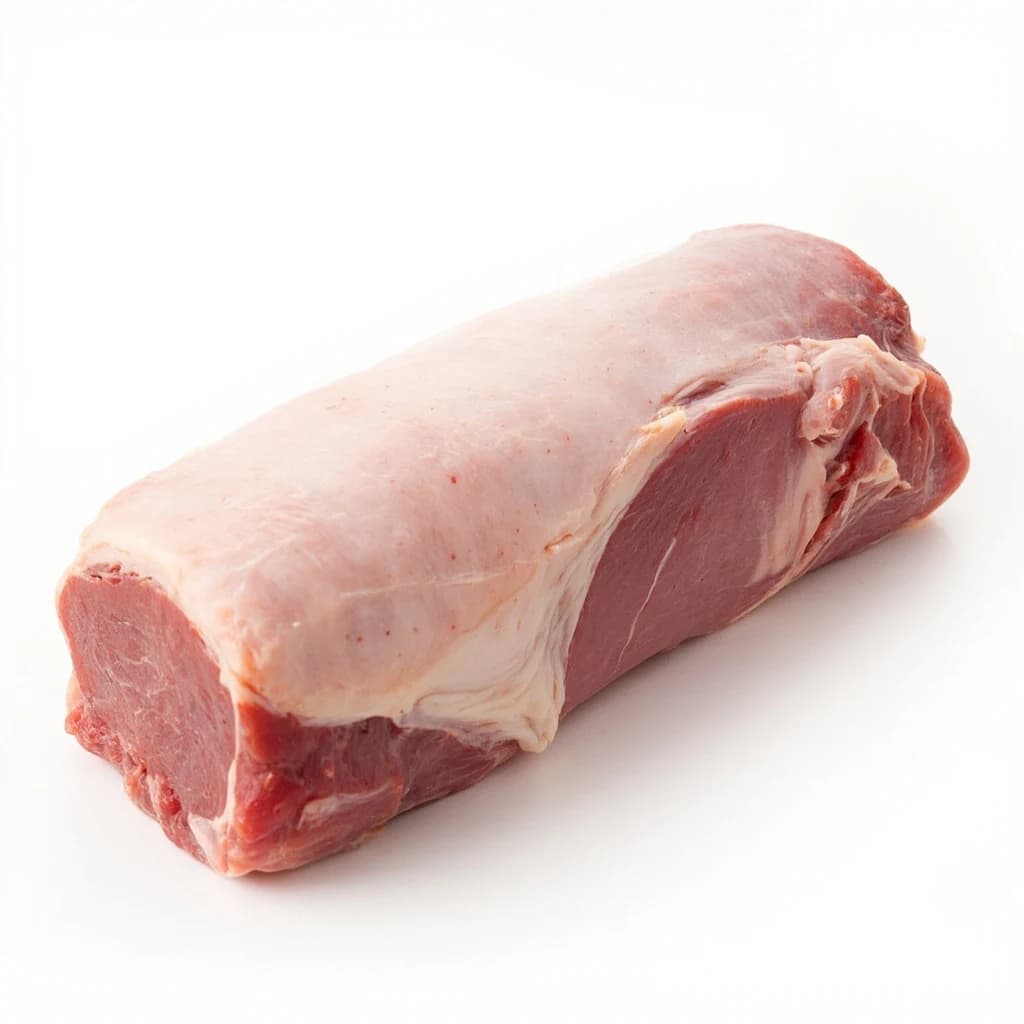
Pork Loin
Lean, tender roasting cut that stays juicy with care
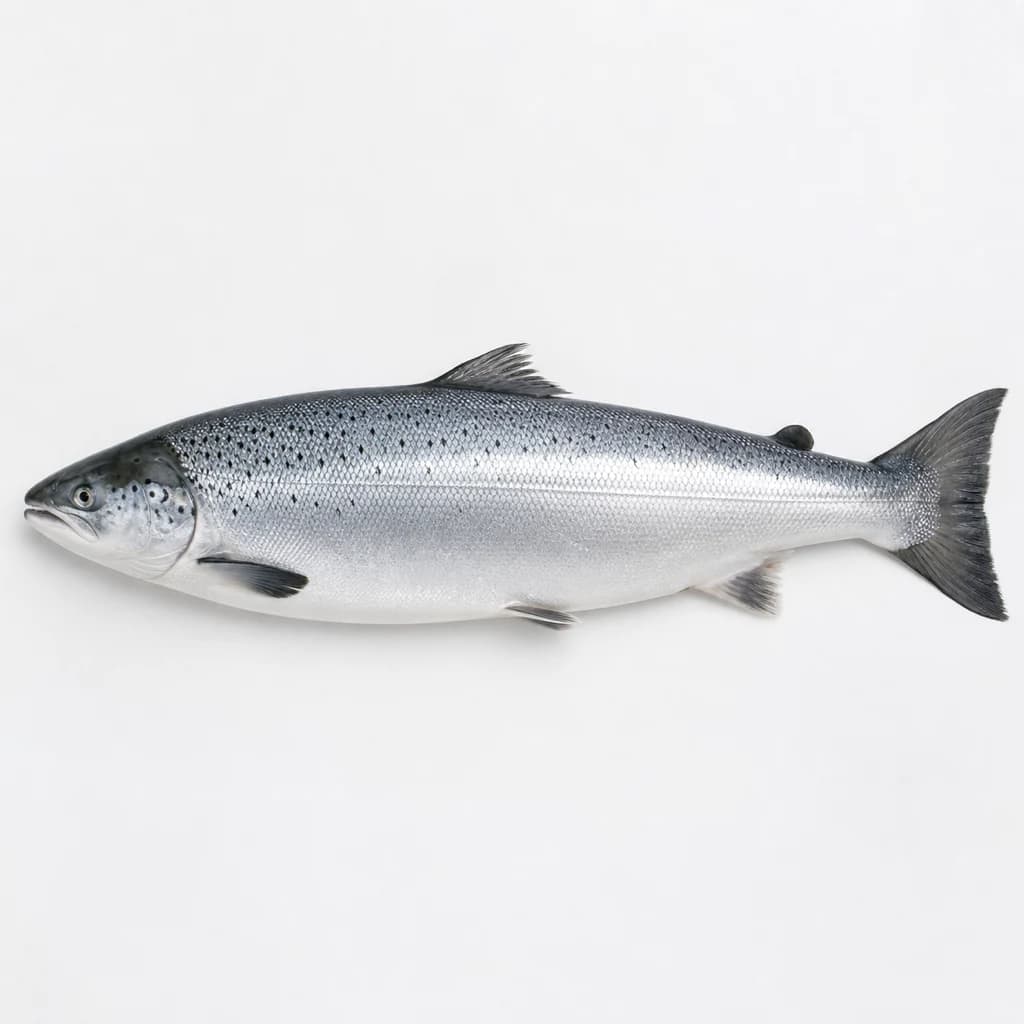
Salmon
Rich, rosy fish that roasts, grills, or cures beautifully

Egg White
Pure protein that whips to airy peaks for meringue and more
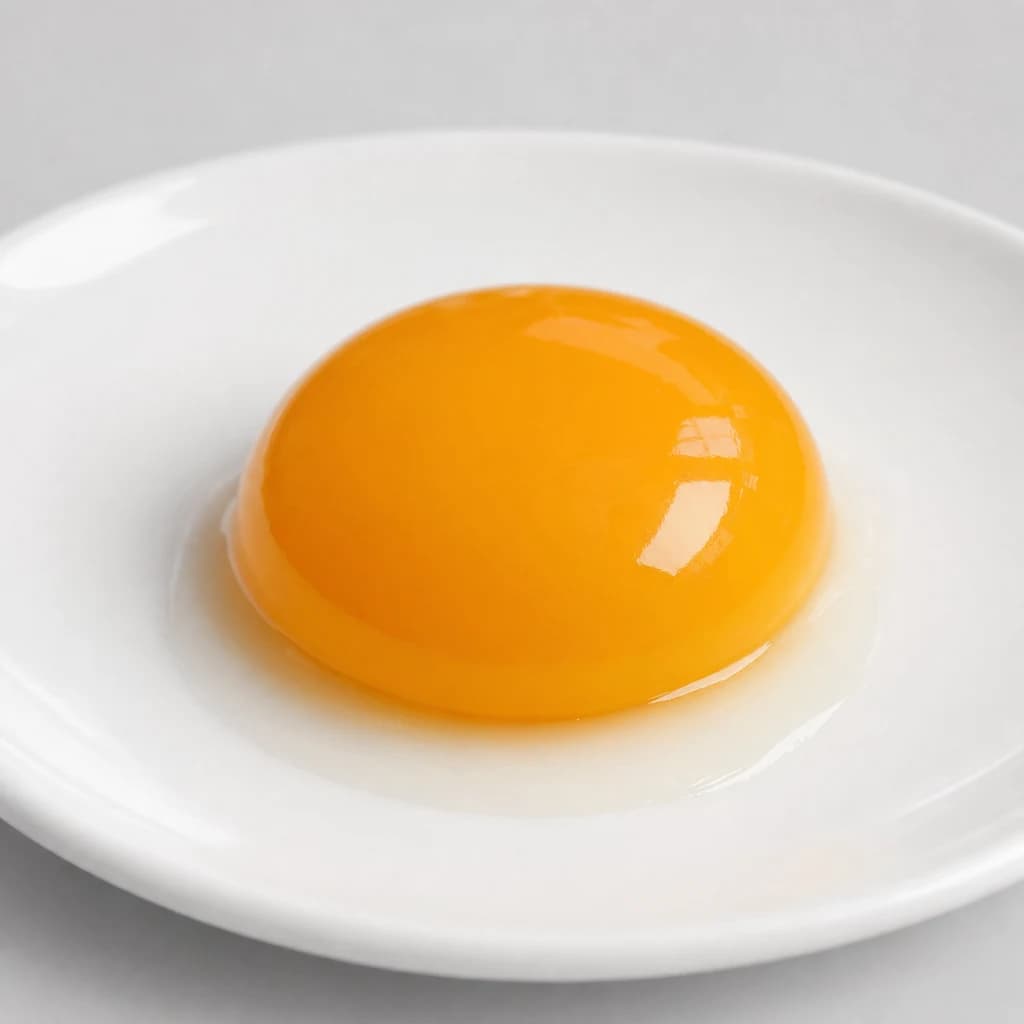
Egg Yolk
Rich, golden yolk for custards, mayonnaise, and pasta

Quail Egg
Tiny, speckled eggs for garnishing and elegant bites