Legumes & Beans
Fava Bean
Large flat broad beans eaten fresh in spring or dried for ful.
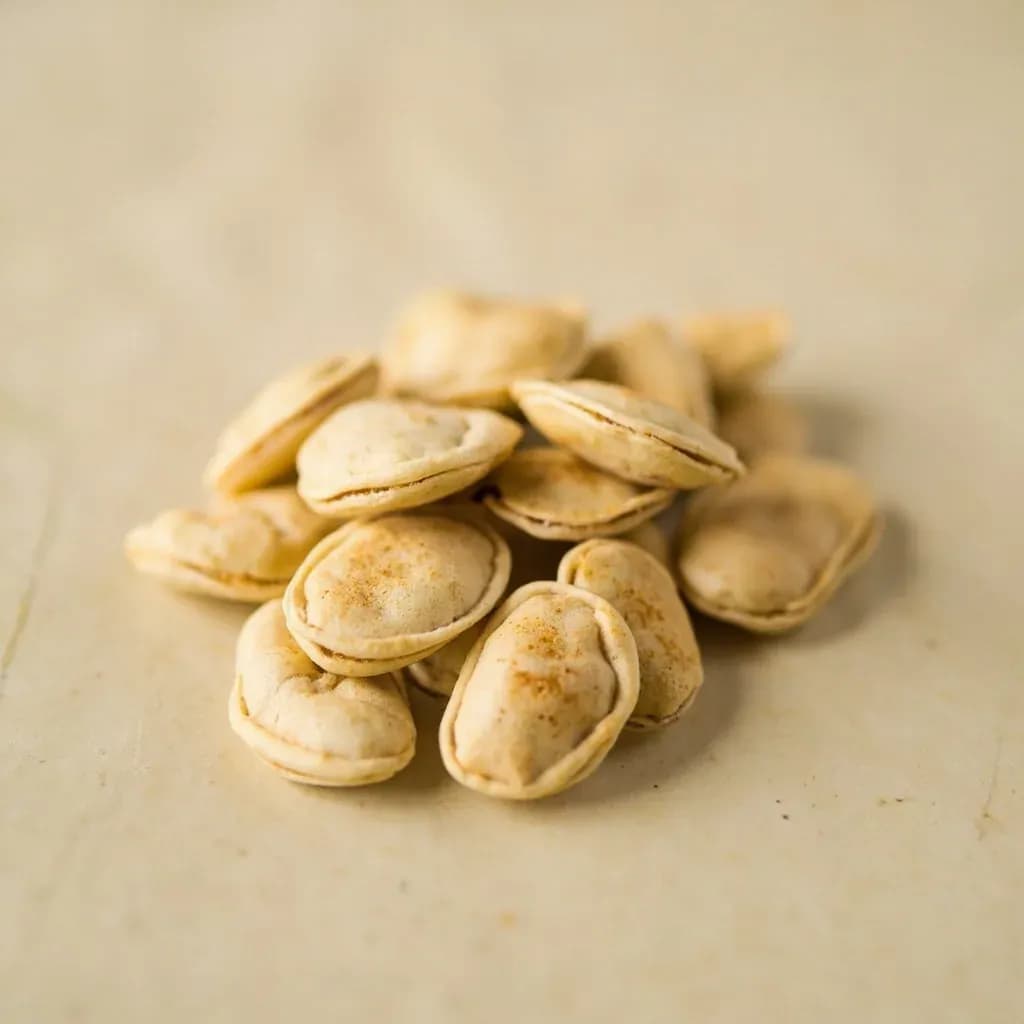
Fava beans, also called broad beans, are large flat legumes with a buttery texture and slightly bitter, grassy flavor. Fresh favas are shelled and often double-peeled for spring dishes, while dried favas are simmered into Egyptian ful medames and Mediterranean stews. People with G6PD deficiency must avoid them.
The fava bean—Vicia faba—is one of the oldest cultivated legumes, grown in the Mediterranean and Middle East for over six thousand years. It is a large, flat broad bean with a distinctively bright, grassy flavor when young that deepens and turns starchy as it matures. Unlike most beans, favas are most prized fresh; the dried version is a different ingredient entirely, the basis of Egyptian ful medames, with an earthier, assertively savory character that cannot substitute for the fresh bean in spring preparations. Fresh favas arrive in markets for a brief window—typically four to six weeks in spring—and their delicate flavor and satisfying tender-yet-firm texture make them worth the effort of double-shelling: first from the pod, then individually from their pale green skins. The labor is genuine, but the reward—a vibrant, slightly nutty bean that holds its shape and brightens everything from pasta to crostini—is unmistakable.
The fava's character changes dramatically with maturity. Young beans, shelled and skinned, have a bright pop and clean finish that pairs beautifully with lemon, olive oil, and mint. As they age, even within the same pod, beans develop thicker skins and a duller, more starchy flavor. This variability means careful selection matters: seek pods that are fully developed but still bright green, and taste a raw bean before committing to a dish. Once shelled, the beans oxidize quickly—work in batches and keep them in acidulated water if you're not cooking immediately. The fava's short season and labor-intensive prep make it a considered ingredient, the kind that rewards attention and signals that spring has truly arrived.
Favas occupy a unique place in the legume family: they are not related to true beans (Phaseolus), giving them a different texture and flavor entirely. Their affinity for fatty, salty, and acidic partners is strong—pecorino, olive oil, lemon, cured pork—while heavy seasoning overwhelms their delicate nature. Dried favas, by contrast, are a pantry staple with a completely different destiny: simmered low and slow into thick, garlicky stews. Understanding this distinction is fundamental to working well with both forms of the ingredient.
- Measured in
- g
- Storage
- Pantry
Types & varieties
Most common variety for overwintering; long pods with 7–9 beans each
Classic English variety; broad, medium-sized pods with good flavor
Aquadulce type; vigorous grower with strong cold tolerance
Bred for tenderness; thinner skins on individual beans, sometimes skippable at very young stage
Spanish variety noted for intense flavor; popular in Catalan cuisine
Ornamental variety with crimson blooms; pods and beans are fully edible; striking in salads
The Double-Shelling Process
This is where most home cooks hesitate, and it's the reason favas intimidate. The process is simple but requires time. First, snap or cut the stem end of the pod and pull downward to split the seam—this opens the pod cleanly. Shake or scoop out the beans. Second, each individual bean is wrapped in a pale green skin. Blanch the shelled beans in boiling salted water for 1–2 minutes, then drain and rinse under cold water. The skins will slip off with firm pressure from your thumb or a gentle pinch. Do not skip the blanching step: it denatures the cell walls and makes the skins slide off easily; trying to peel raw beans is tedious and often tears the bean itself. What you want at the end is a clean, bright green bean with no dull or papery skin remaining.
Work in batches if you have more than a cup of shelled beans. The blanching-to-shelling gap should be short—once cool enough to handle, peel immediately. Favas left sitting after blanching begin to dull in color and soften in texture. If you must pause, keep them submerged in ice water, but peel as soon as possible.
- Blanch before skinning—never attempt to peel raw beans
- Work in batches: shell all pods first, then blanch a portion and peel before moving to the next
- If the skin does not slip easily, the blanching was too short or the beans are too old
- After peeling, cook immediately or submerge in acidulated water to prevent oxidation
Fresh vs. Dried: Knowing Which Form to Use
The fava bean exists in two distinct culinary forms that are not interchangeable. Fresh favas, available briefly in spring, have a bright, grassy, slightly nutty flavor and a tender-firm texture that holds its shape when cooked briefly. They are appropriate for salads, pasta, soups, and simple tossed preparations where their character is the point. Dried favas, by contrast, are starchy, dense, and earthy—a blank canvas that absorbs bold flavors. They require overnight soaking and 45–60 minutes of simmering until completely tender. Dried favas are the foundation of Egyptian ful medames, thickened with olive oil and garlic, and of many Middle Eastern and North African preparations. Using dried favas in place of fresh, or vice versa, will produce a dish that misses the point of both ingredients.
- Fresh favas: brief cooking, delicate flavor, spring seasonality
- Dried favas: long cooking, bold seasoning, year-round pantry staple
- Do not substitute dried favas for fresh in bright spring preparations
- Frozen blanched favas bridge the gap when fresh are unavailable but sacrifice some texture
Common uses
Tips & pitfalls
- Always peel the pale green skin from each individual bean for the best texture and to remove bitterness—only very young, small beans can be enjoyed unskinned.
- Taste a raw bean before cooking: if it tastes starchy and dull, the batch is too old; seek smaller, brighter beans with tight pods.
- Blanching before skinning makes the second shell slip off much more easily—do not skip this step or skimp on blanching time.
- Do not overcook: 3–5 minutes in simmering water is sufficient for skinned beans; mushy favas lose their bright flavor and satisfying bite.
- Fresh favas oxidize quickly once shelled—work in batches and drop them into acidulated water (water with lemon juice) if not cooking immediately.
- Season simply: favas have delicate flavor that heavy seasoning overwhelms; let them shine with olive oil, lemon, and fresh herbs.
- For dried favas, soak overnight and simmer 45–60 minutes until tender; dried favas have a different, earthier character and are not interchangeable in fresh recipes.
- Use scissors to snip the tip of the pod before pulling the seam open—faster and cleaner than a knife, especially with full fingers.
Nutrition
Energy
368 kJ · per 100 g
Where the calories come from
Protein
7.9g
16% DV
Carbs
17.6g
6% DV
Fat
0.7g
1% DV
Fiber
7.5g
27% DV
Sugars
9.2g
of which
Sodium
25mg
1% DV
Source · USDA FoodData Central · Beans, fava, in pod, raw
View on FDC →In the shops
Matched grocery products
No matched grocery products for Fava Bean yet.
Good to know
- Origin
- Mediterranean region and Middle East, cultivated for over 6,000 years
- Season
- Fresh: spring (March–May in Northern Hemisphere); dried: year-round
- Flavor
- Bright, slightly grassy, nutty when young; starchy and more assertive when mature
- Shelled Bean Size
- About 2.5 cm (1 inch) long, kidney-shaped; pods typically 15–20 cm (6–8 inches)
- Yield
- About 340 g (12 oz) fresh pods yield roughly 115 g (1/2 cup) shelled beans; loses another third after second skinning (about 3/4 cup skinned)
- Storage
- Refrigerate unshelled 1–2 days; blanched and frozen favas keep 3 months; dried favas keep indefinitely in a cool, dark location
- Cooking Time
- Blanch shelled beans 1–2 minutes before skinning; cook skinned beans 3–5 minutes depending on size and desired texture
- Difficulty
- Straightforward technique but labor-intensive due to double-shelling process
Substitutes
- Lima Beans — Best fresh substitute; similar size and creamy texture, though slightly sweeter and milder in flavor. Cook briefly like favas.
- Cannellini or Other White Beans — For pureed applications; different flavor but similar starchy body. Dried and canned work; texture will be smoother.
- Frozen Edamame — Accessible year-round; offers similar pop and bright green color, though nuttier and less starchy than fresh favas.
- Fresh Peas — For salads and light applications; more delicate and sweeter; not a close textural match but in the same seasonal category.
Pairs with
Also called
Ful · Foul · Dried Fava Beans · Fava Beans · Broad Bean
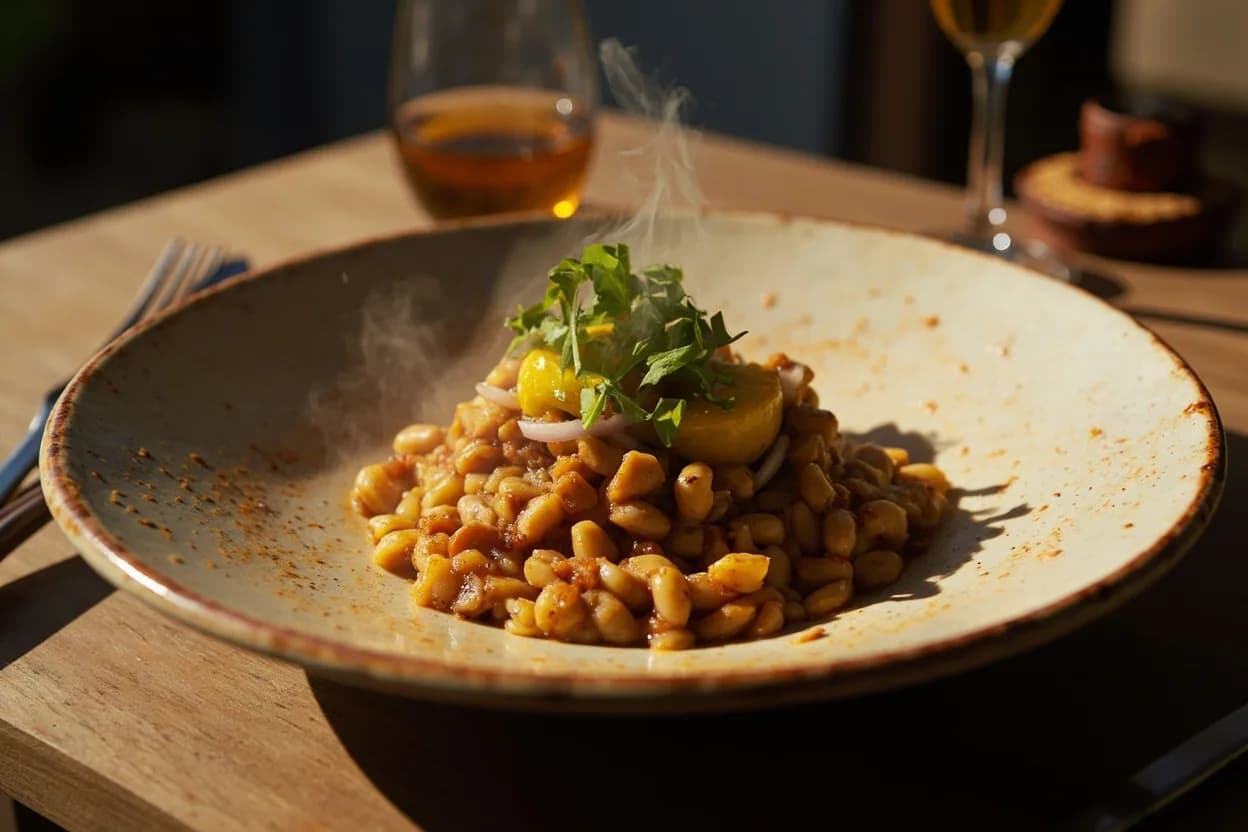
Appears in these dishes
Related
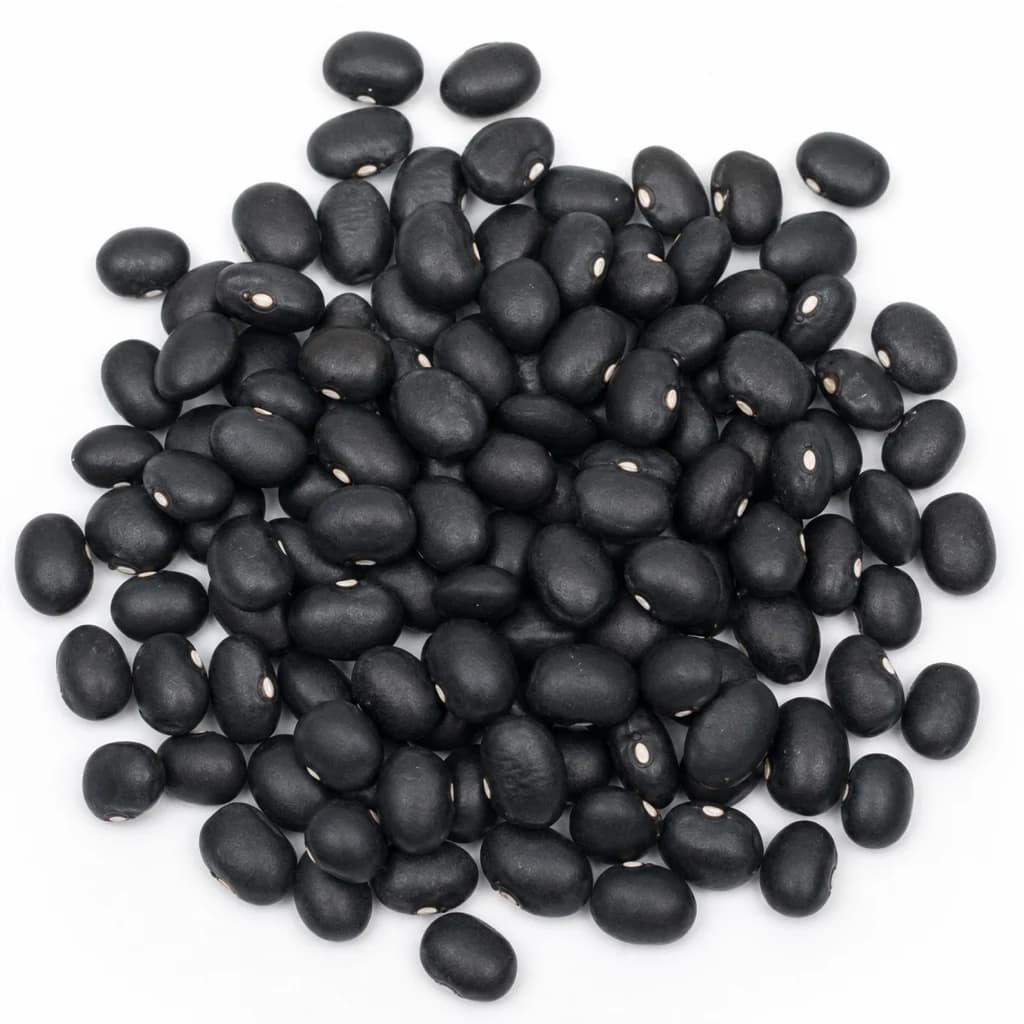
Black Beans
Earthy, creamy beans for bowls, soups, and tacos
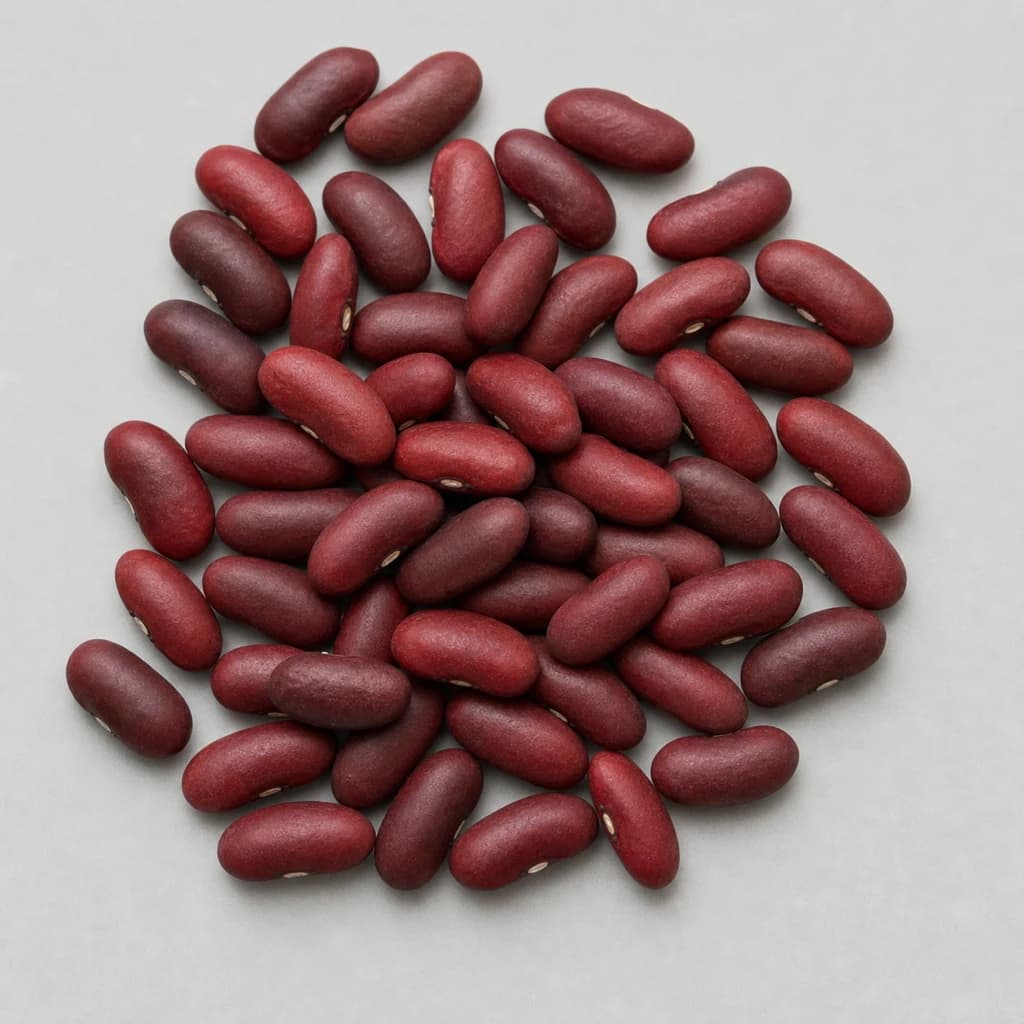
Kidney Beans
Hearty red beans that hold their shape in chili and stews
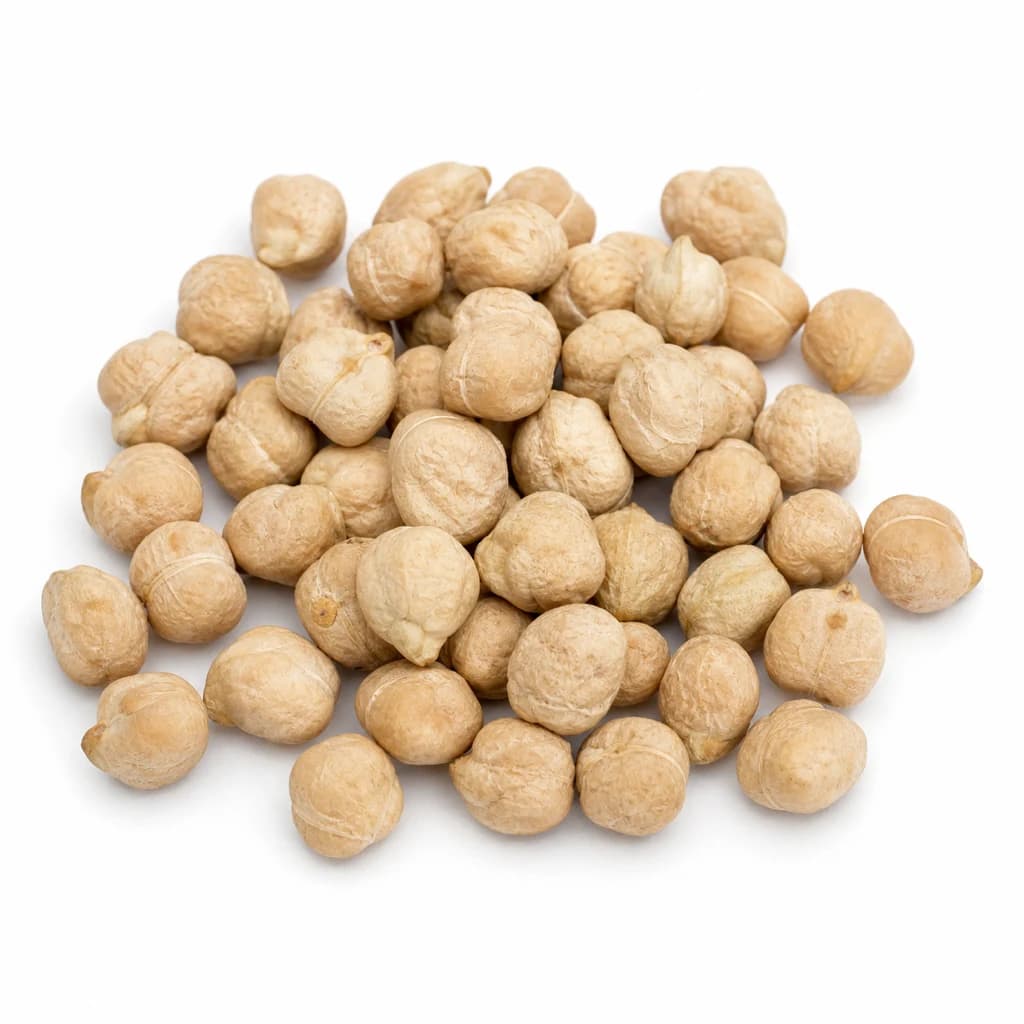
Chickpeas
Nutty, versatile beans for hummus, curries, and roasting
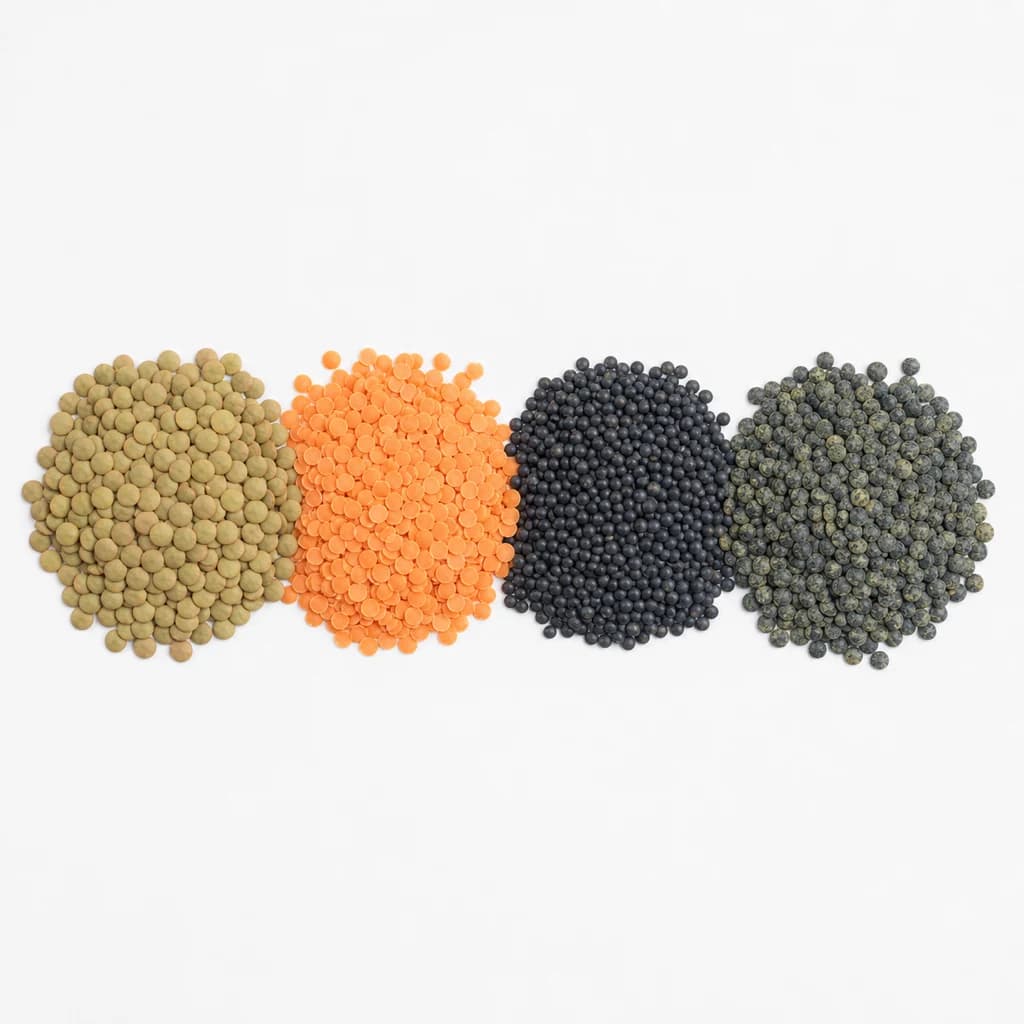
Lentils
Quick-cooking pulses for soups, dals, and hearty salads

White Beans
Creamy, mild beans for soups, stews, and silky purées
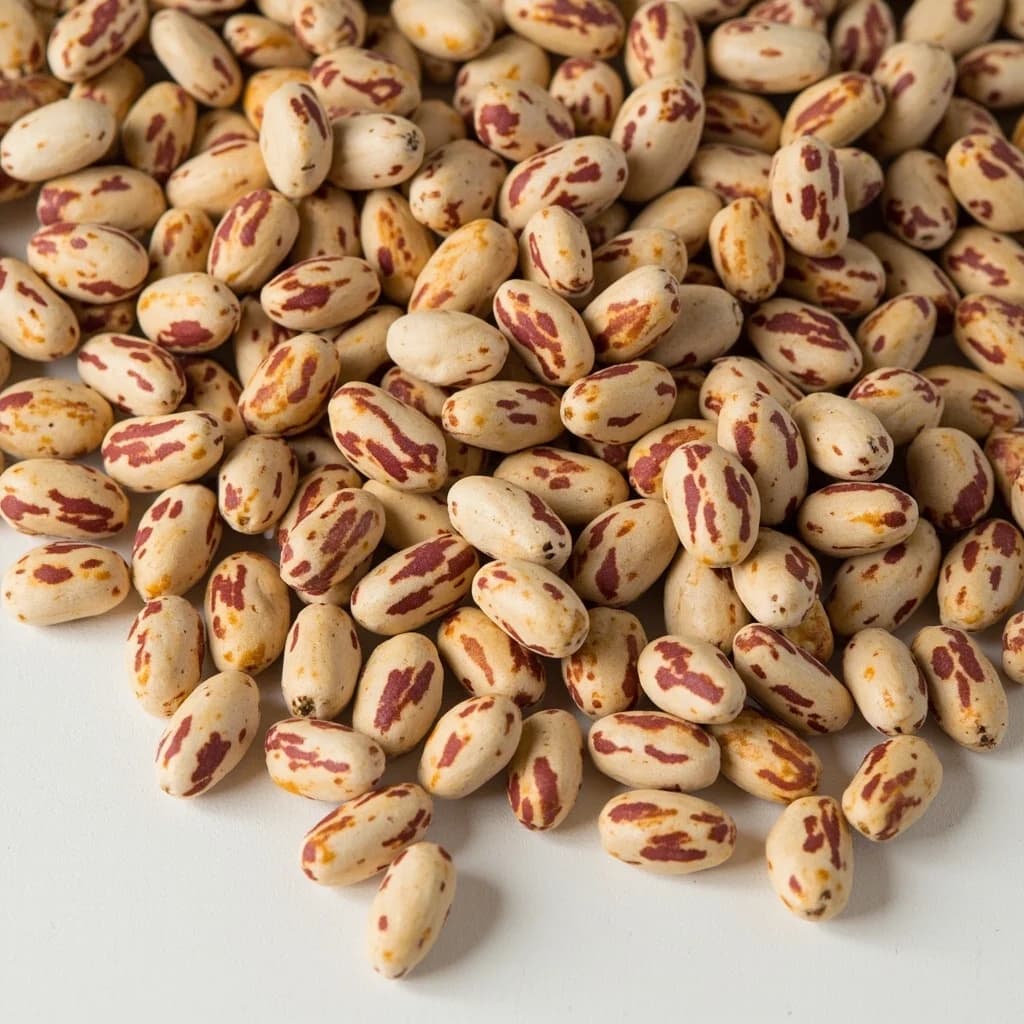
Pinto Beans
Creamy, speckled beans for refried beans and stews

Split Peas
Quick-cooking peas that melt into thick, comforting soups
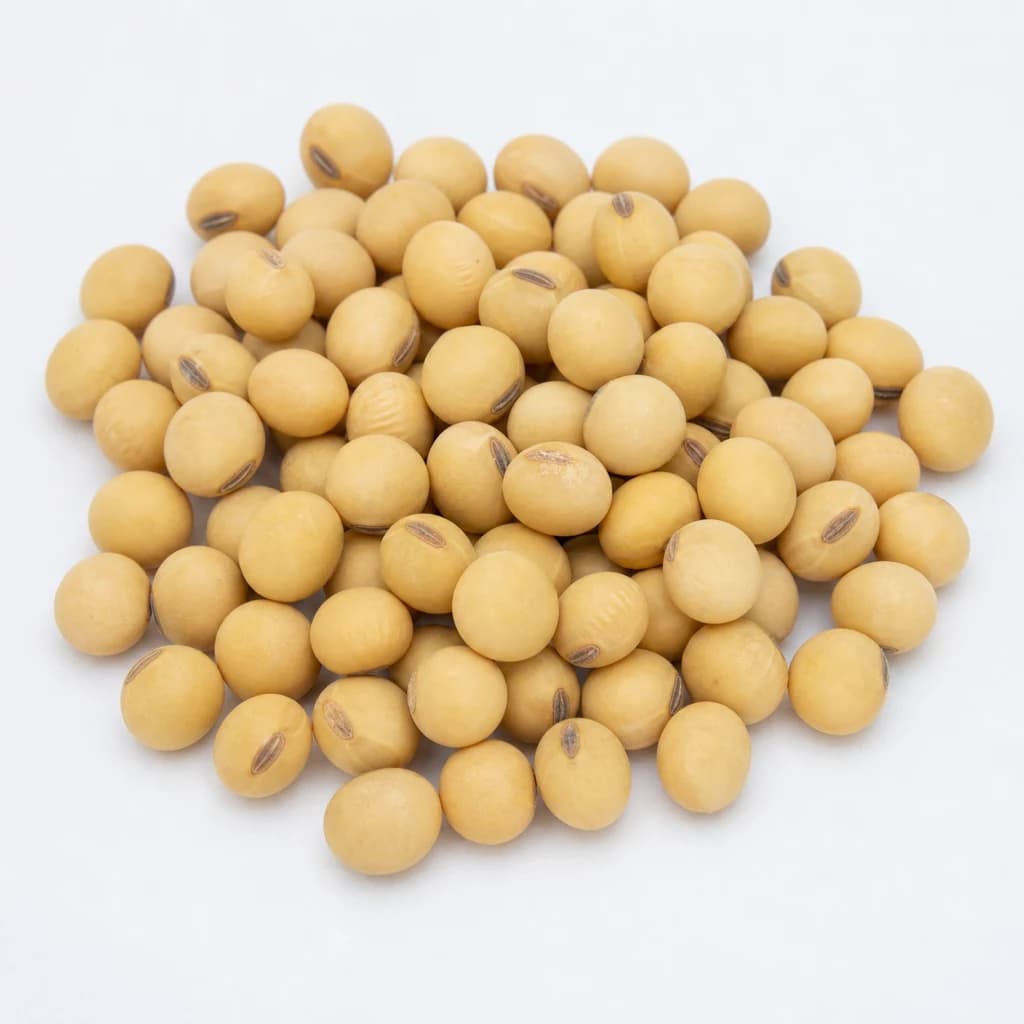
Soybeans
Protein-packed beans, the base for tofu and miso