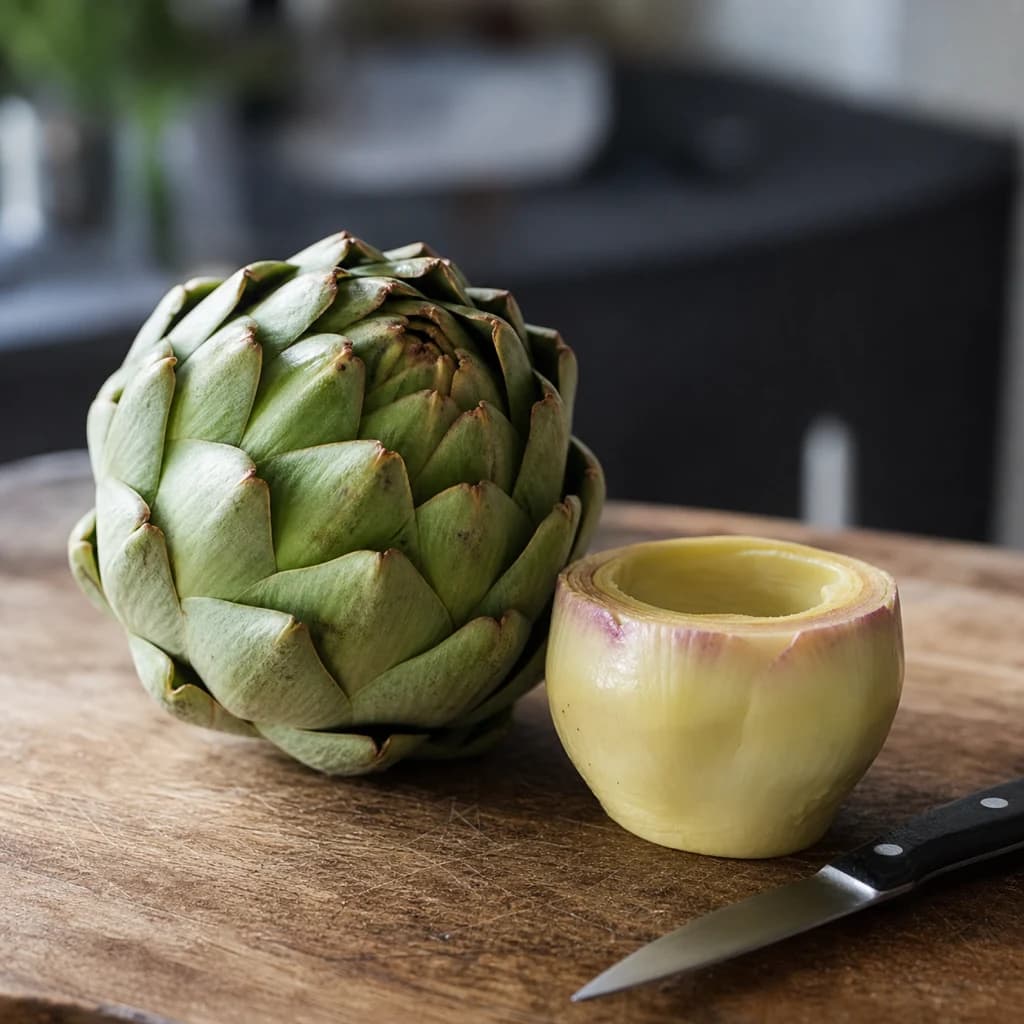
Natural form
A fresh globe artichoke alongside its trimmed heart, showing the transformation from whole to edible core.
Shows readers the source vegetable and the resulting heart side by side so they understand what is being removed and what remains.
Produce
Artichoke Heart
Tender inner core of the artichoke, sold marinated, canned, or fresh-trimmed.
Artichoke hearts are the meaty, tender base of the globe artichoke once the tough outer leaves and choke are removed. They are eaten marinated in oil, canned in brine, or freshly trimmed and braised, and feature in salads, pizzas, pastas, and antipasti. The flavor is mild, nutty, and slightly sweet with a soft, creamy texture.
The artichoke heart is the tender, cone-shaped core at the base of the artichoke bud, surrounded by the fleshy inner leaves. While the entire young bud is technically edible when prepared correctly, the heart—particularly the pale, fleshy base and the very smallest inner leaves—is the most prized portion, prized for its buttery texture and delicate, nutty flavor that absorbs dressings and sauces beautifully. In Italian and Provençal cooking especially, the heart takes center stage in antipasto platters, salads, and pasta dishes, valued as much for its yielding texture as its subtle vegetable flavor.
Artichoke hearts appear in three main commercial forms: fresh (whole or trimmed), canned in water or brine, and jarred in oil with herbs. Fresh hearts, either sold pre-trimmed or cut from whole artichokes, offer superior texture but require effort to clean properly—the fuzzy choke must be completely removed before cooking or eating. Canned hearts packed in water are the workhorse of restaurant kitchens: neutral-flavored, ready to use, and interchangeable with frozen in most preparations. Marinated hearts, packed in olive oil with garlic, lemon, and herbs, are ready to serve straight from the jar and are best used where the seasoning is already built in.
The quality of canned and jarred artichoke hearts varies enormously. A poorly packed heart tastes tinny, mushy, or metallic; a well-packed one is bright, tender, and almost comparable to fresh. The difference comes down to the packing medium, brand, and how the hearts are drained and dried before use. For dishes where the heart is the star—antipasto, salads, pizza toppings—choose quarters packed in water with a short ingredient list, or marinated in good olive oil with recognizable herbs. Artichoke hearts respond best to confident cooking: they improve dramatically with proper technique and taste flat or bitter when under- or overprepared.
- Measured in
- g
- Storage
- Fridge
Types & varieties
Most common commercial variety; rounded, medium-sized buds with thick, fleshy scales
Italian heirloom; conical shape with purplish tinge; considered tender and flavorful
Elongated, deeply lobed bracts; intense flavor; common in Italian and Sicilian cooking
French variety; large, compact bud; widely grown for industrial canning
Plain, neutral flavor; best for recipes where you control seasoning; lower-sodium options available
Packed with garlic, herbs, and vinegar or lemon; ready to use straight from the jar; higher fat content
Preparing Fresh Artichoke Hearts
Trimming a fresh artichoke to expose the heart is a straightforward technique that rewards patience. Start by snapping off the tough outer leaves until you reach the pale green or yellowish inner leaves. Cut off the top third of the remaining leaves with a chef's knife. Pare the tough green outer layer from the stem and base with a vegetable peeler. Halve the artichoke lengthwise and use a melon baller or spoon to scoop out the fuzzy choke—the thistly center that sits just above the heart base. Immediately rub all cut surfaces with lemon or submerge in acidulated water, as the hearts oxidize and brown rapidly. The cleaned hearts can be steamed, boiled, grilled, or roasted. A whole trimmed heart steams or boils in 20–30 minutes; halved or quartered hearts cook in 10–15 minutes. The heart is done when a skewer pierces it with slight resistance—it should never be mushy.
- Snap off outer leaves in layers until you reach the pale inner leaves
- Trim the top third of remaining leaves with a sharp chef's knife
- Peel the stem and outer base with a vegetable peeler
- Halve lengthwise and scoop out the fuzzy choke with a melon baller
- Toss immediately with lemon juice or hold in acidulated water
Choosing Canned and Jarred Hearts
For most everyday cooking, canned hearts in water are the practical choice—they are consistently tender, affordable, and neutral enough to absorb any seasoning you add. Rinse them under cold water to wash away excess sodium and any tinny flavor from the can lining, then pat or spin dry before using. Marinated hearts packed in oil are already seasoned and work well for antipasto, salads, and pizzas, but their seasoning may conflict with certain dishes; taste before adding more salt. For recipes where the heart is the focal point—a composed salad, a pizza bianco, an antipasto platter—seek out brands packed in simple ingredients with minimal liquid. Whole or halved hearts in water hold their shape better than quartered hearts for roasting or grilling.
- Rinse canned hearts in cold water to reduce sodium and tinny flavor
- Pat canned hearts dry before sautéing or roasting to avoid steaming
- Taste marinated hearts before adding salt—they may already be well seasoned
- Choose whole or halved hearts for roasting; quarters work fine for salads and pasta
Common uses
Tips & pitfalls
- Always remove the fuzzy choke completely before cooking or eating; use a melon baller or spoon to scoop it out without damaging the heart base
- If using canned hearts, rinse under cold water to reduce excess sodium and any tinny flavor from the can lining
- Fresh hearts brown quickly when exposed to air—toss immediately with lemon juice or hold in acidulated water (water with a squeeze of lemon)
- Do not overcook: artichoke hearts should retain some resistance and never turn mushy; test by piercing with a skewer—slight resistance is correct
- When roasting fresh hearts, halve or quarter first, brush generously with olive oil, season, and roast at 425°F (220°C) for 20–25 minutes until golden
- For sautéing, slice in half and sear cut-side down in hot oil until browned, then finish with a splash of white wine or stock and cover briefly
- Frozen artichoke hearts should be thawed and patted completely dry before sautéing or roasting to avoid steaming
- Canned marinated hearts are already seasoned; taste before adding more salt to a dish
Nutrition
Energy
481 kJ · per 100 g
Where the calories come from
Protein
2.7g
5% DV
Carbs
25.6g
9% DV
Fat
0.2g
0% DV
Fiber
1.5g
5% DV
Sugars
17.2g
of which
Sodium
14mg
1% DV
Source · USDA FoodData Central · approx. Hearts of palm, raw
View on FDC →In the shops
Matched grocery products
 €0.48
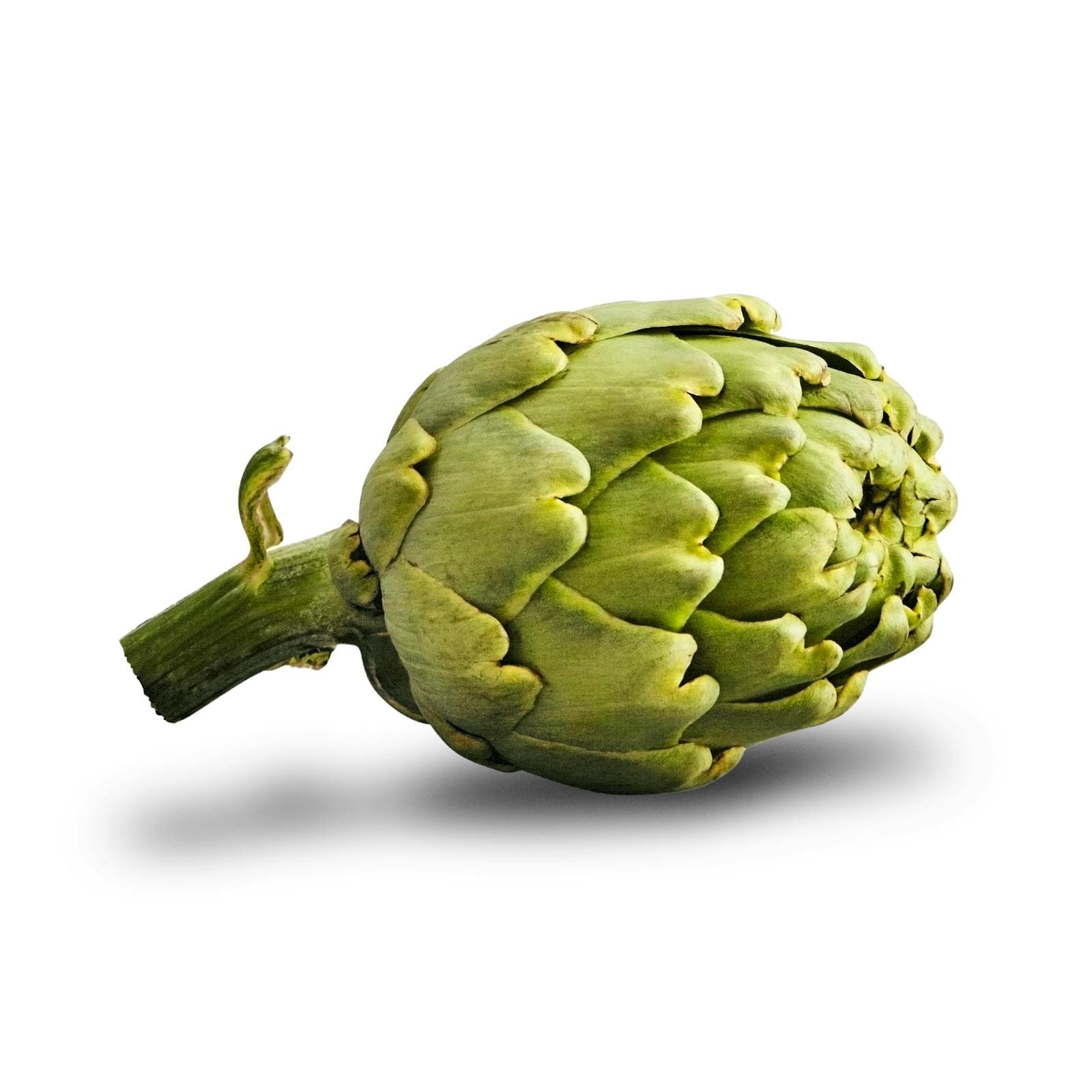
€0.48Artichoke
190 g · Mercadona
 €1.85
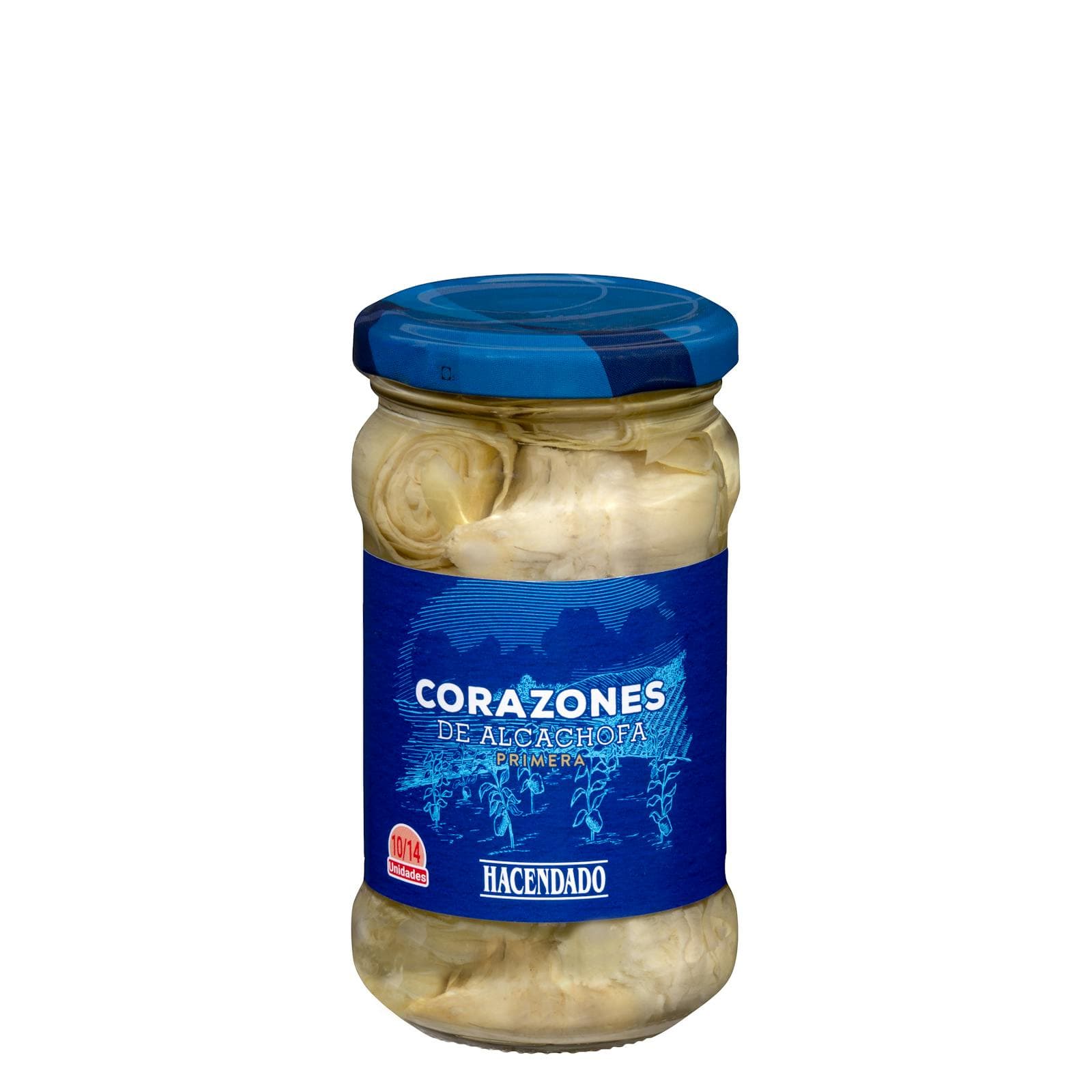
€1.85Artichoke Hearts
Hacendado · 290 g · Mercadona
 €2.15
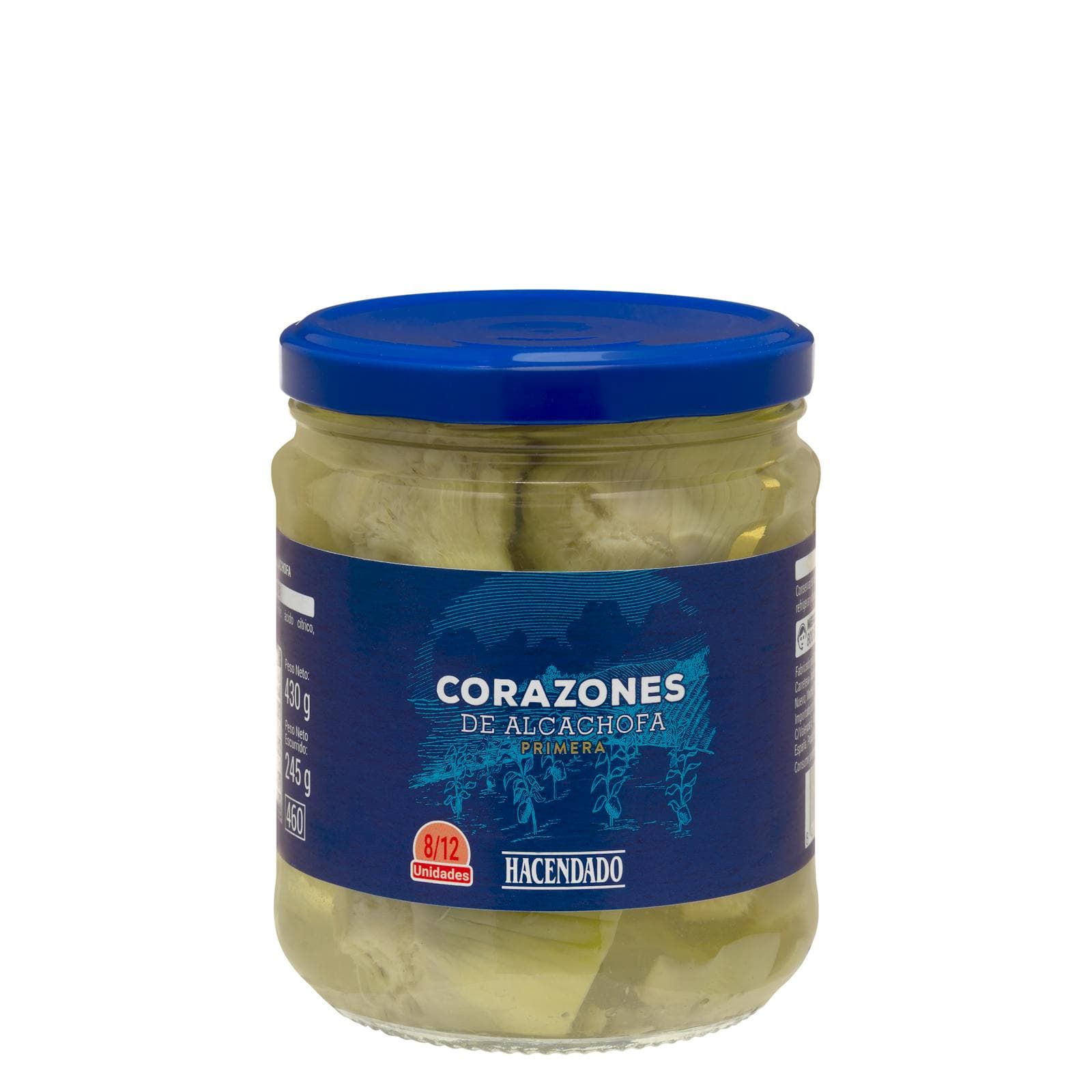
€2.15Artichoke Hearts
Hacendado · 430 g · Mercadona
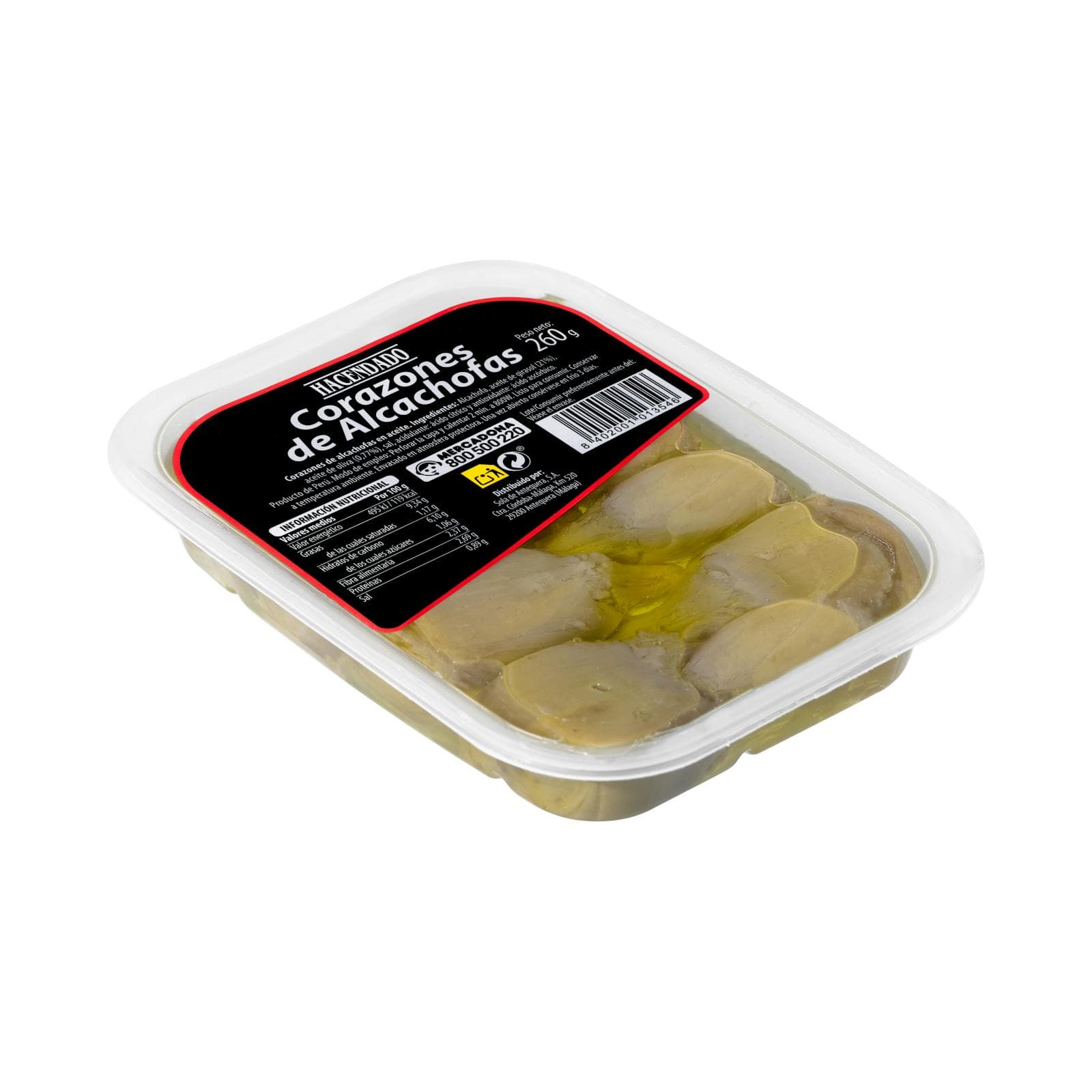 €3.00
€3.00Artichoke Hearts
Hacendado · 260 g · Mercadona
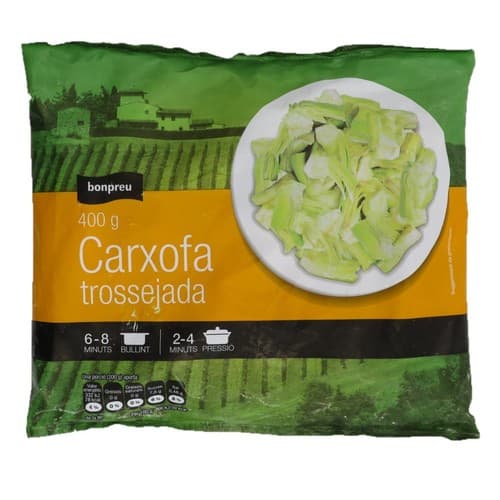 €2.65
€2.65Chunked Artichoke
BONPREU · kg · Bonpreu
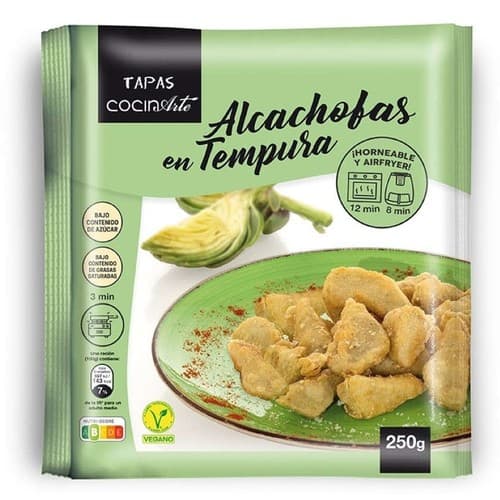 €1.89
€1.89Artichokes in Tempura
COCINARTE · kg · Bonpreu
Good to know
- Origin
- Mediterranean; likely developed by Arab agronomists in the 9th–10th century; major US production in California's Monterey County
- Season
- March through May for fresh; canned and jarred available year-round
- Flavor
- Mild, nutty, faintly earthy; develops metallic bitterness if overcooked
- Form
- Fresh (whole or quartered), canned in water/brine, frozen, or jarred in oil with herbs
- Color
- Pale cream to pale green when raw; deeper olive green when cooked
- Perishable
- Fresh trimmed hearts: 1–2 days refrigerated. Canned: 1–2 years unopened, 3–5 days after opening
- Yield
- About 30–40% of a whole artichoke is heart; canned hearts are ready to use
- Size
- Whole fresh hearts typically 2–4 inches diameter; canned hearts vary from small quarters to large whole halves
Substitutes
- Jerusalem artichoke (sunchoke) — Similar nutty, earthy flavor and creamy texture; can be used raw or cooked; not related botanically but behaves similarly in dishes
- Hearts of palm — Comparable tender-crisp texture; milder flavor; works well in salads and as antipasto
- Canned vs. fresh — Canned hearts in water are essentially interchangeable with frozen; adjust seasoning as canned may contain sodium
- Roasted red bell pepper — Provides sweetness and soft texture but lacks the earthy artichoke flavor; best as a visual and textural substitute in salads
Pairs with
Also called
Carciofi · Marinated Artichoke Hearts · Artichoke Hearts
Related
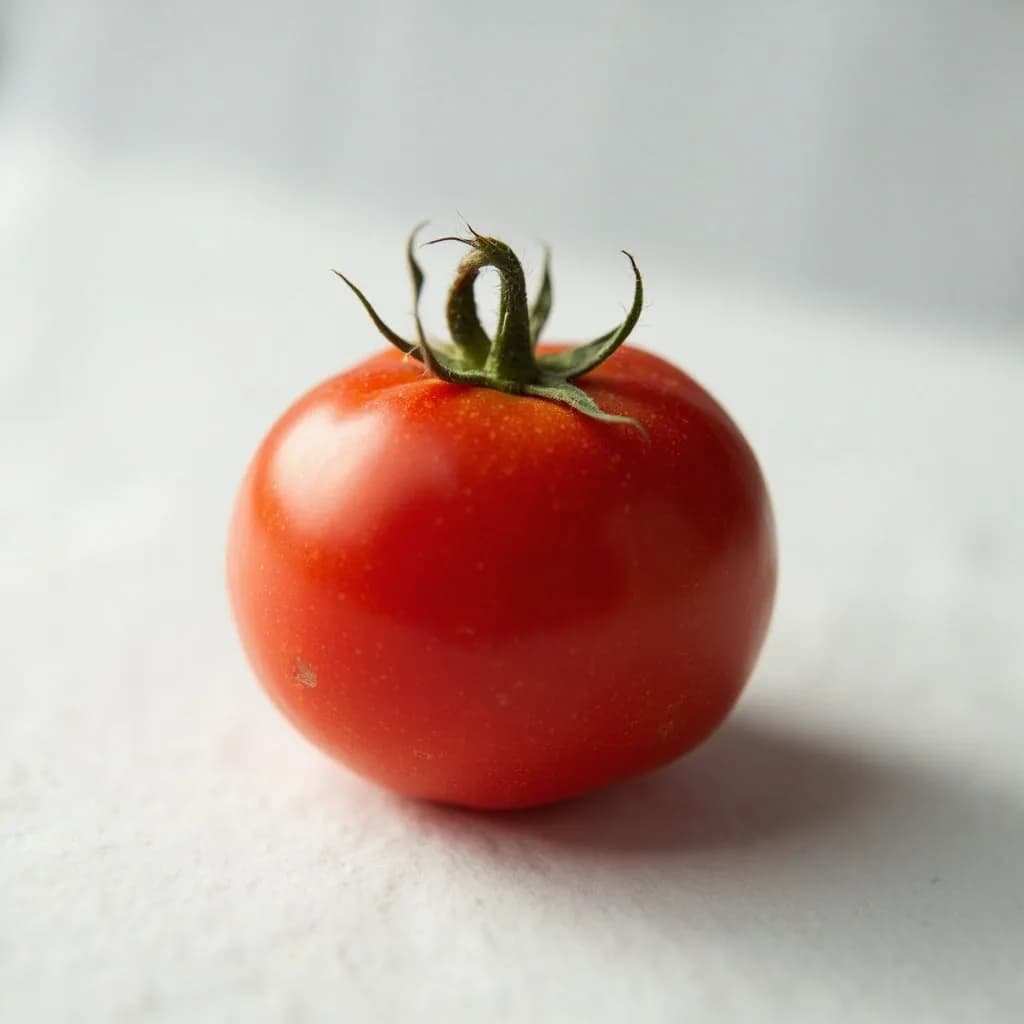
Tomato
Juicy, sun-sweet fruit for sauces, salads, and slow-cooked depth
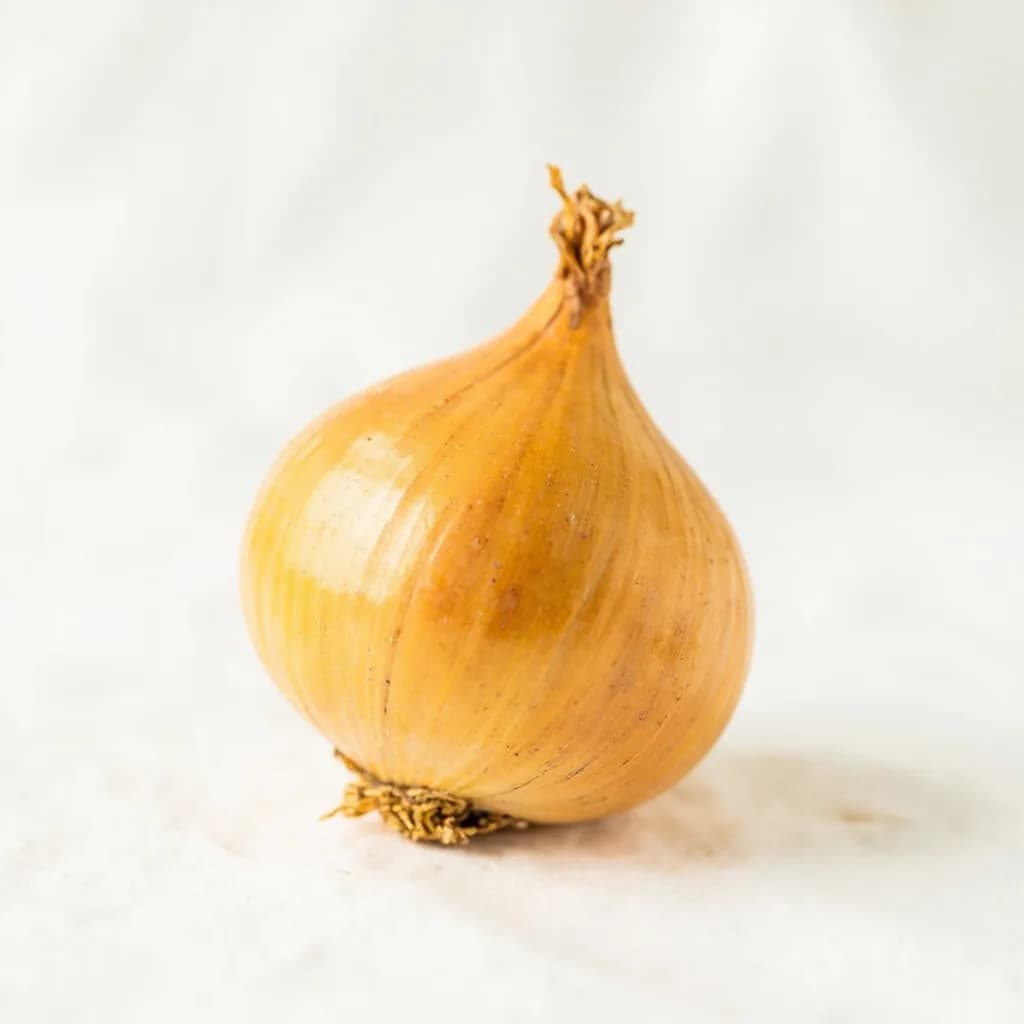
Yellow Onion
The aromatic backbone of soups, sofritos, and braises
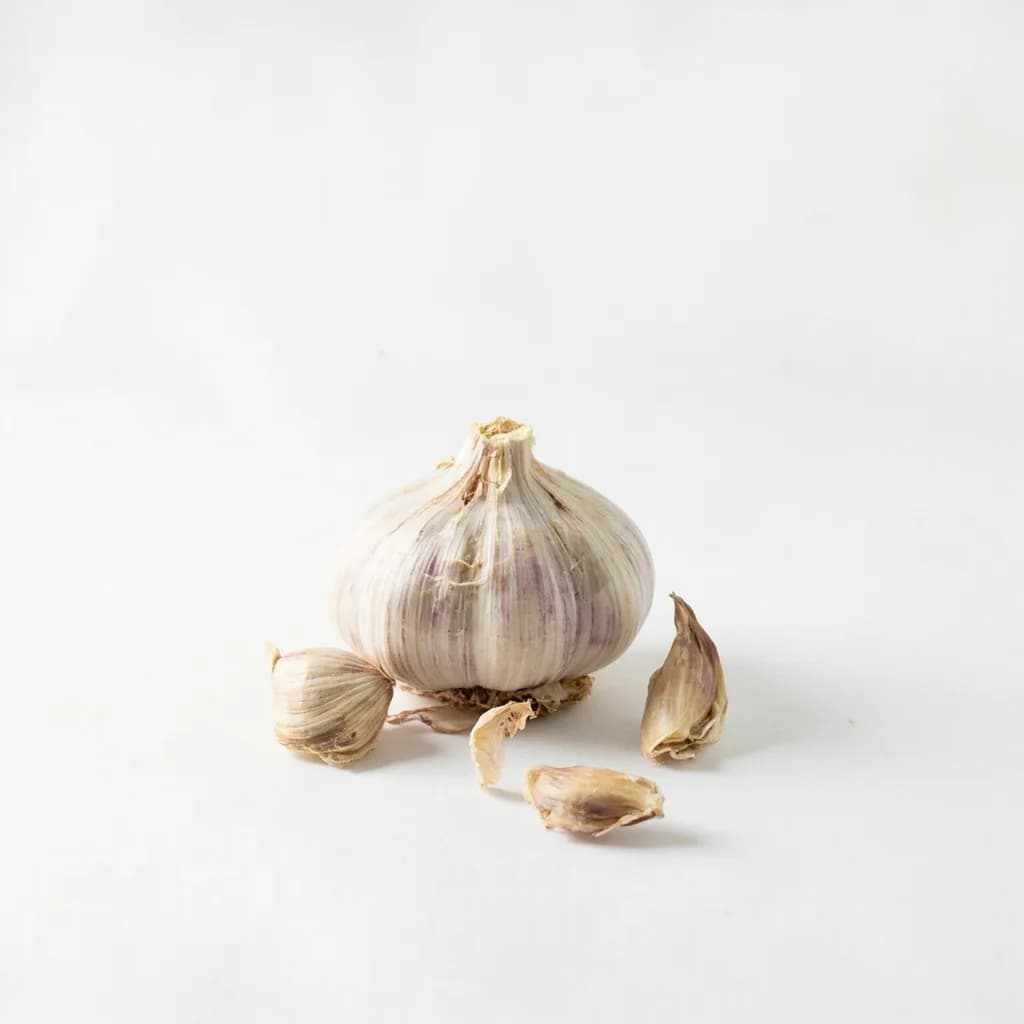
Garlic
Pungent cloves that perfume nearly every savory dish
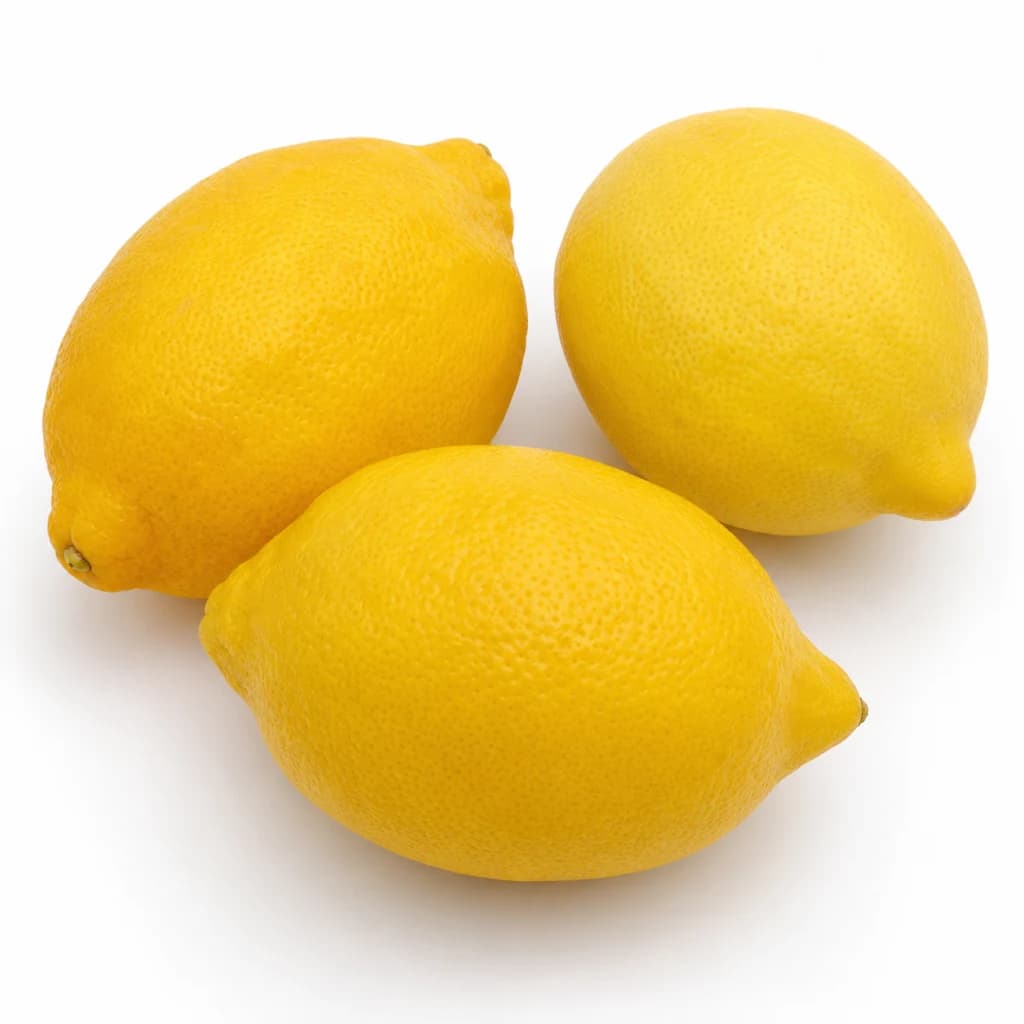
Lemon
Bright, acidic citrus that wakes up almost any dish
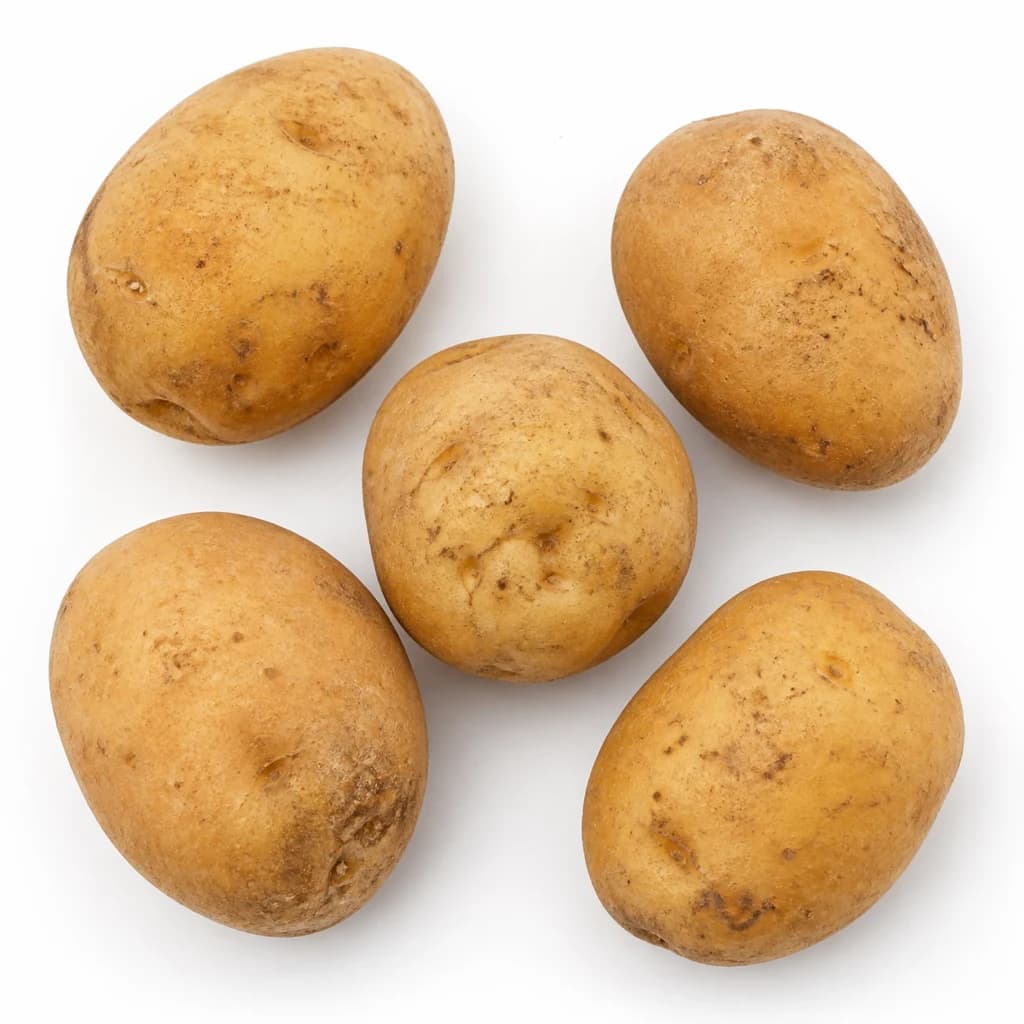
Potato
Humble, hearty staple — roast, mash, fry, or boil
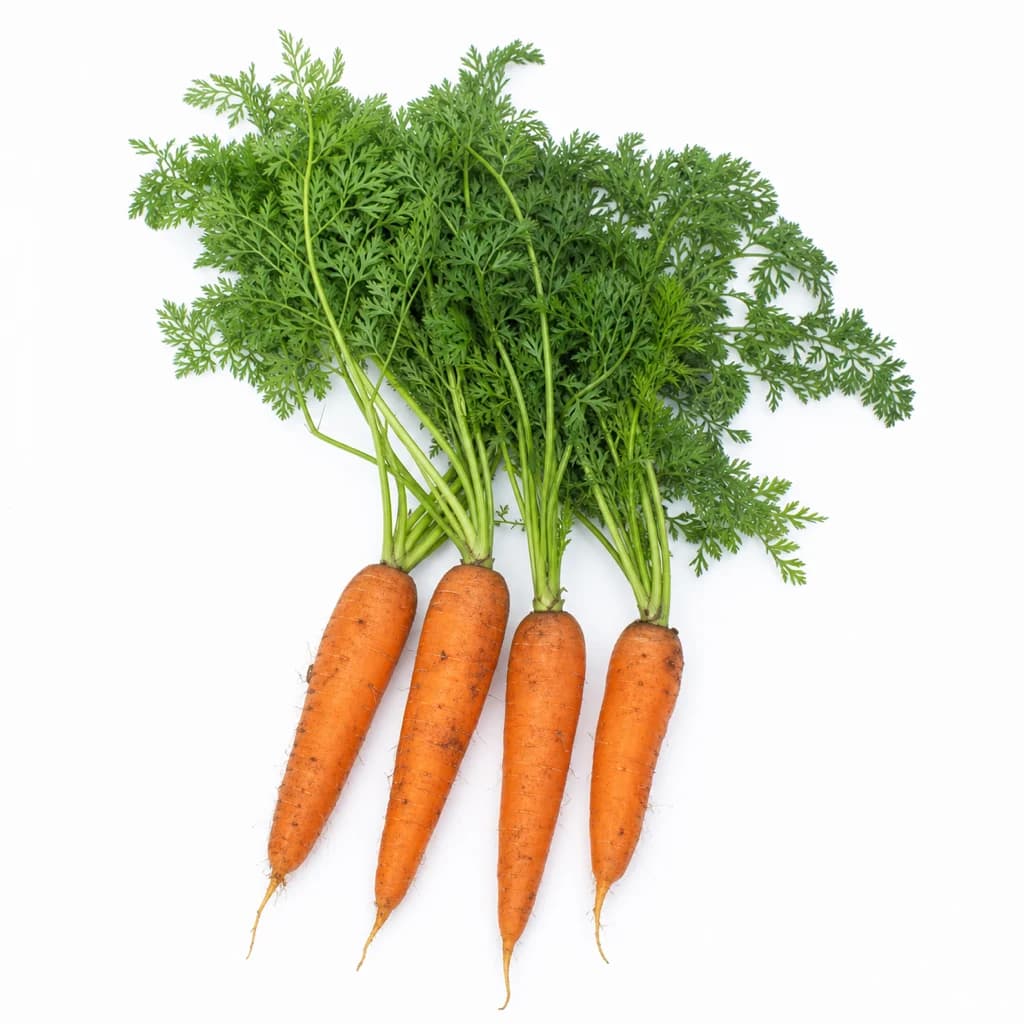
Carrot
Sweet, crunchy root — raw, roasted, or the base of a sofrito
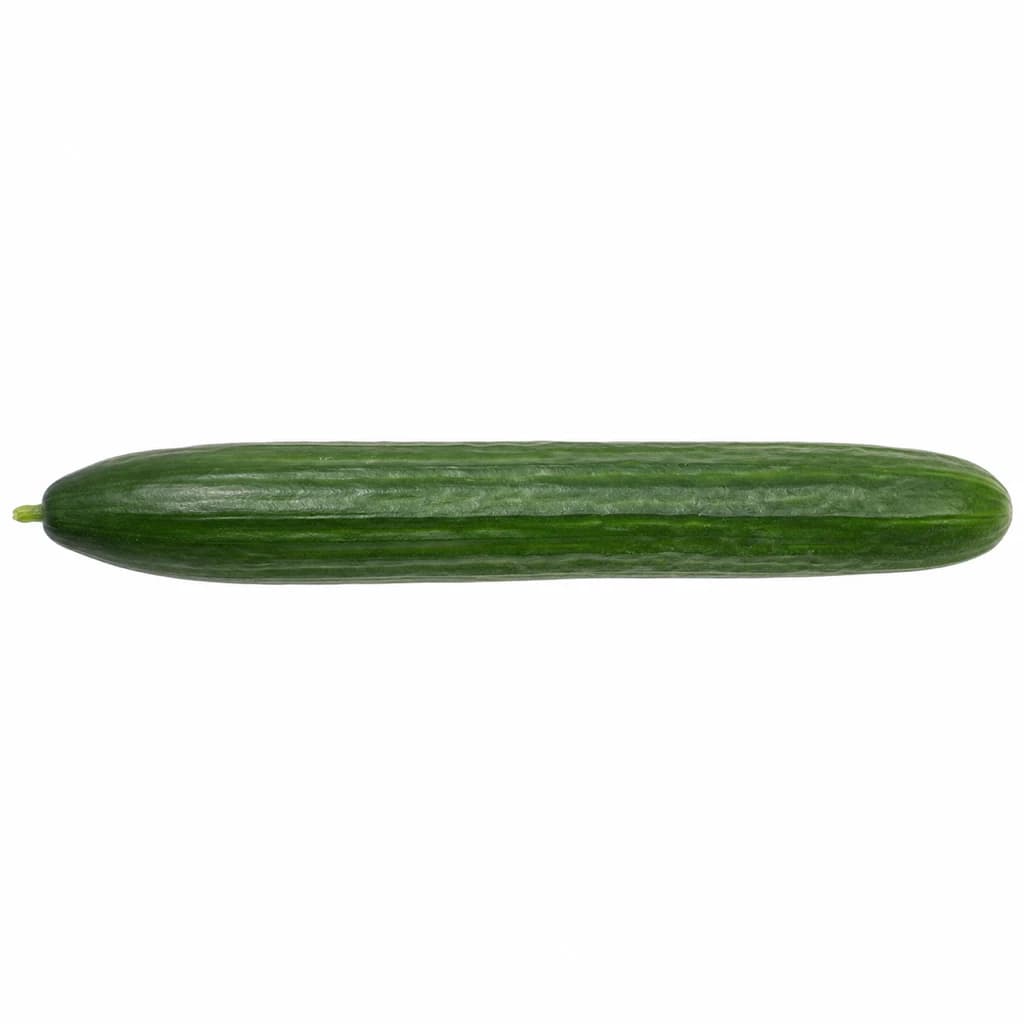
Cucumber
Cool, crisp, and watery — for salads, pickles, and tzatziki

Lettuce
Crisp leaves for salads, wraps, and a fresh crunch