Produce
Hearts of Palm
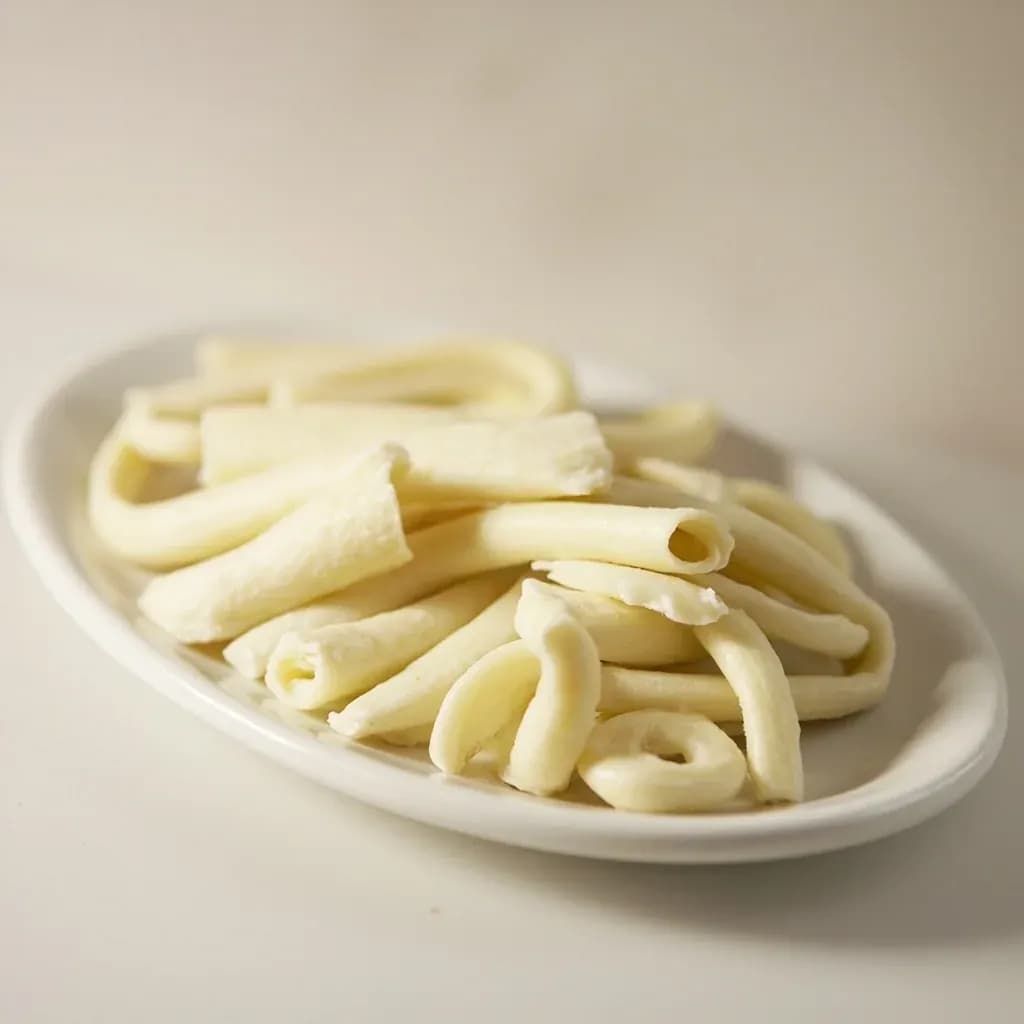
Tender ivory cores of palm stems, sliced into salads or used as a delicate plant-based seafood.
Hearts of palm are the tender, ivory inner cores harvested from the stems of certain palm trees, sold fresh or canned in brine. With a delicate, slightly tangy flavor and crisp texture, they are sliced into salads, layered into Brazilian palmito dishes, and used as a plant-based stand-in for crab or calamari. Canned hearts are drained and rinsed before use.
Hearts of palm are the tender, edible cores harvested from the apical meristems of various palm species. The commercial industry centers almost entirely on the peach palm (Bactris gasipaes), which was developed in Brazil during the 1970s–80s through plantation cultivation specifically to supply the hearts-of-palm market. When harvested, the core reveals ivory-colored cylinders with a layered, flaky interior that separates naturally when torn—this structural property is what allows them to mimic the texture of crab or lobster when shredded. Their flavor is mild and slightly sweet with subtle vegetable notes and a whisper of the ocean, making them remarkably versatile as a neutral canvas for bold seasonings. In Brazil, where consumption is highest, fresh palmito appears widely in churrascarias and everyday cooking; in North American kitchens, they remain a specialty item found primarily in Latin grocery stores and gourmet markets, increasingly valued in plant-based cooking for their ability to impersonate seafood.
- Measured in
- g
- Storage
- Pantry
Types & varieties
Dominant commercial variety; cultivated specifically for hearts of palm in Central and South America; firmer texture
Native to Atlantic Forest of Brazil; increasingly available as sustainable alternative to peach palm; slightly more delicate flavor
Native to southeastern US; the apical meristem is the source; protected in many states, limiting commercial harvest
Most common retail format; already cooked during canning; lower-sodium options available
Often perceived as having superior texture and flavor compared to canned; more expensive
From Field to Jar: Understanding the Supply Chain
The journey of canned hearts of palm begins on plantations where peach palms are grown in dense rows, harvested at 2–3 years old when the trunk is still tender. Workers cut the palm, strip away outer layers, and extract the single edible core—which can extend 30–50 centimeters into the trunk. The cores are then cooked, typically in their own brine or fresh water, before being packed. This cooking is why canned hearts of palm require no additional preparation before eating. Fresh hearts of palm, by contrast, must be processed immediately after harvest; they oxidize and spoil within hours once cut from the palm, which explains their rarity outside growing regions. When purchasing canned hearts of palm, look for cans with intact seams and check that the liquid inside is clear rather than murky, which can indicate age or improper processing.
- Fresh hearts of palm are a specialty item limited to farmers' markets near growing regions
- Canned hearts of palm are already fully cooked during the canning process
- Glass jars often contain hearts of palm with better texture retention than cans
Sustainability and Sourcing Considerations
Traditional wild-harvesting of hearts of palm proved devastating to palm populations—the harvest kills the single apical meristem, meaning the tree cannot regenerate. The development of plantation-grown peach palm in Brazil was a direct response to wild stand depletion. When shopping, prioritize products labeled as plantation-grown or from certified sustainable sources. Jucara palm, harvested from Atlantic Forest stands in Brazil that are specifically managed for sustainable extraction, represents a growing market segment. Some producers have begun cultivating hearts of palm in systems that allow the palm to regenerate multiple cores, though these are not yet widely available.
- Look for certification or sourcing information on the label
- Plantation-grown peach palm is the most responsible choice for mass-market products
- Jucara from managed forests offers a more sustainable alternative where available
Common uses
Tips & pitfalls
- Rinse canned or jarred hearts of palm under cold water and pat dry before cooking to remove excess brine and achieve better browning
- Use a sharp chef's knife or cleaver for clean cuts—dull knives crush the tender core
- If using fresh hearts of palm, submerge immediately in acidulated water (water with lemon juice) to prevent browning
- For a crispier texture when searing or grilling, slice and press between paper towels for 15–20 minutes to draw out moisture
- Season generously—hearts of palm have a mild flavor that benefits from bold seasoning, acid, and fat
- Do not overcook: 3–5 minutes of gentle simmering is sufficient; prolonged cooking turns them mushy
- When substituting for artichoke hearts, use a 1:1 ratio by volume
- Add hearts of palm to dishes in the last 10 minutes of cooking to preserve their texture
- Look for hearts of palm uniform in color without gray or brown discoloration, indicating freshness
- Avoid products with added sulfites if you have sensitivity—check ingredient labels on canned varieties
Nutrition
Energy
481 kJ · per 100 g
Where the calories come from
Protein
2.7g
5% DV
Carbs
25.6g
9% DV
Fat
0.2g
0% DV
Fiber
1.5g
5% DV
Sugars
17.2g
of which
Sodium
14mg
1% DV
Source · USDA FoodData Central · Hearts of palm, raw
View on FDC →In the shops
Matched grocery products
No matched grocery products for Hearts of Palm yet.
Good to know
- Source
- Edible core of various palm species, primarily peach palm (Bactris gasipaes)
- Origin
- Native to tropical Central and South America; Brazil and Costa Rica are leading commercial producers
- Flavor
- Mild, slightly sweet with subtle vegetable and faintly oceanic notes, often compared to artichoke hearts or white asparagus
- Texture
- Firm yet yielding; smooth and slightly crunchy when raw, tender when cooked; naturally separates into flaky layers when torn
- Color
- Ivory to cream; may darken slightly in canned form
- Available Forms
- Canned in brine (most common); glass jars; fresh (highly perishable)
- Season
- Year-round in preserved form; fresh limited to local harvest seasons
- Shelf Life
- Canned: 2–3 years unopened; refrigerate after opening and use within 1 week; fresh: 1–2 days
- Sustainability
- Harvesting cuts the entire palm, killing the tree—seek sustainably farmed or plantation-grown sources
Substitutes
- Artichoke hearts — Closest flavor and texture substitute; slightly more assertively flavored; works in virtually any recipe at 1:1 ratio
- Bamboo shoots — Comparable texture (crisp, tender) but neutral flavor; suitable for stir-fries and Asian-inspired dishes
- White asparagus — Similar mild flavor and delicate texture; more expensive but readily available in jars
- Fiddlehead ferns — Similar tender-crisp texture; more assertive vegetal flavor; requires thorough washing and brief cooking
- Chayote squash — Mild flavor and firm texture when cooked; cut into similar-sized pieces; widely available
Pairs with
Also called
Palmito · Palm Hearts
Appears in these dishes

Related
Tomato
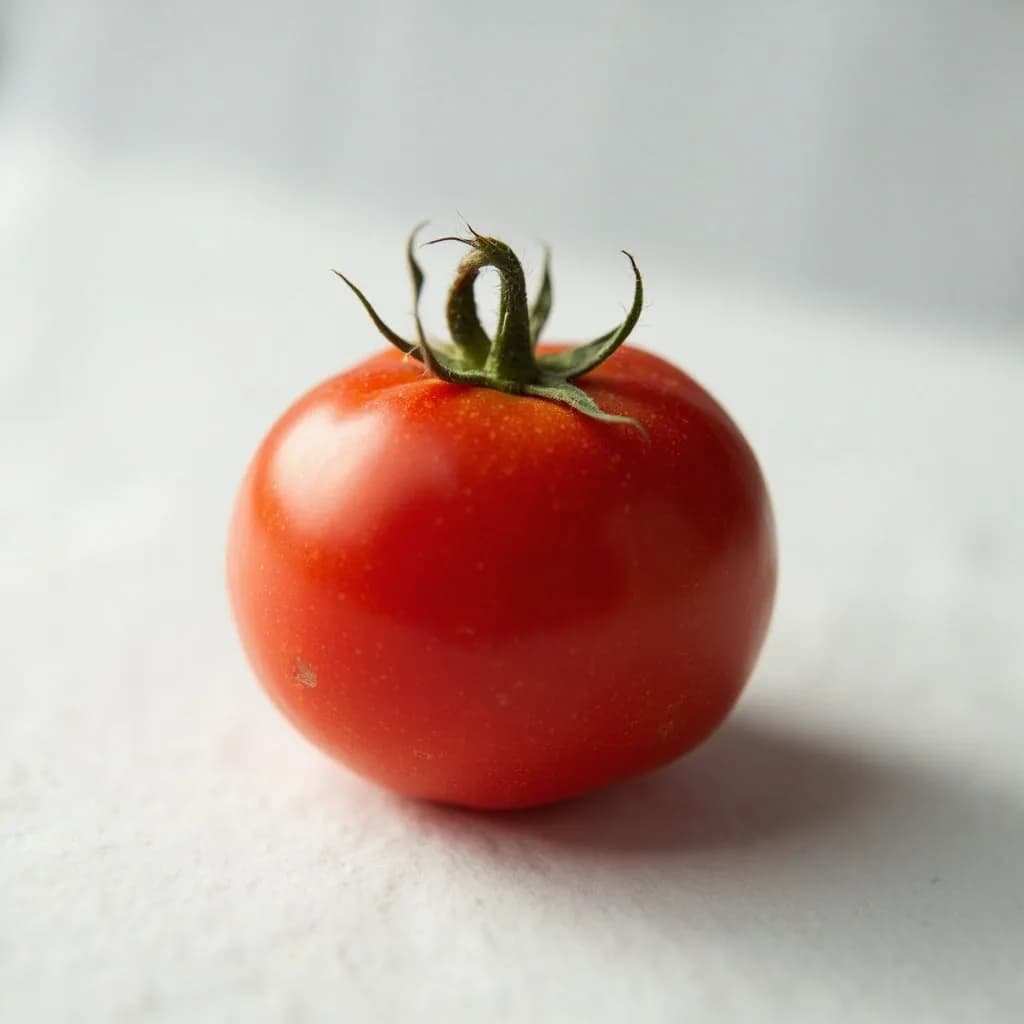
Juicy, sun-sweet fruit for sauces, salads, and slow-cooked depth
Yellow Onion
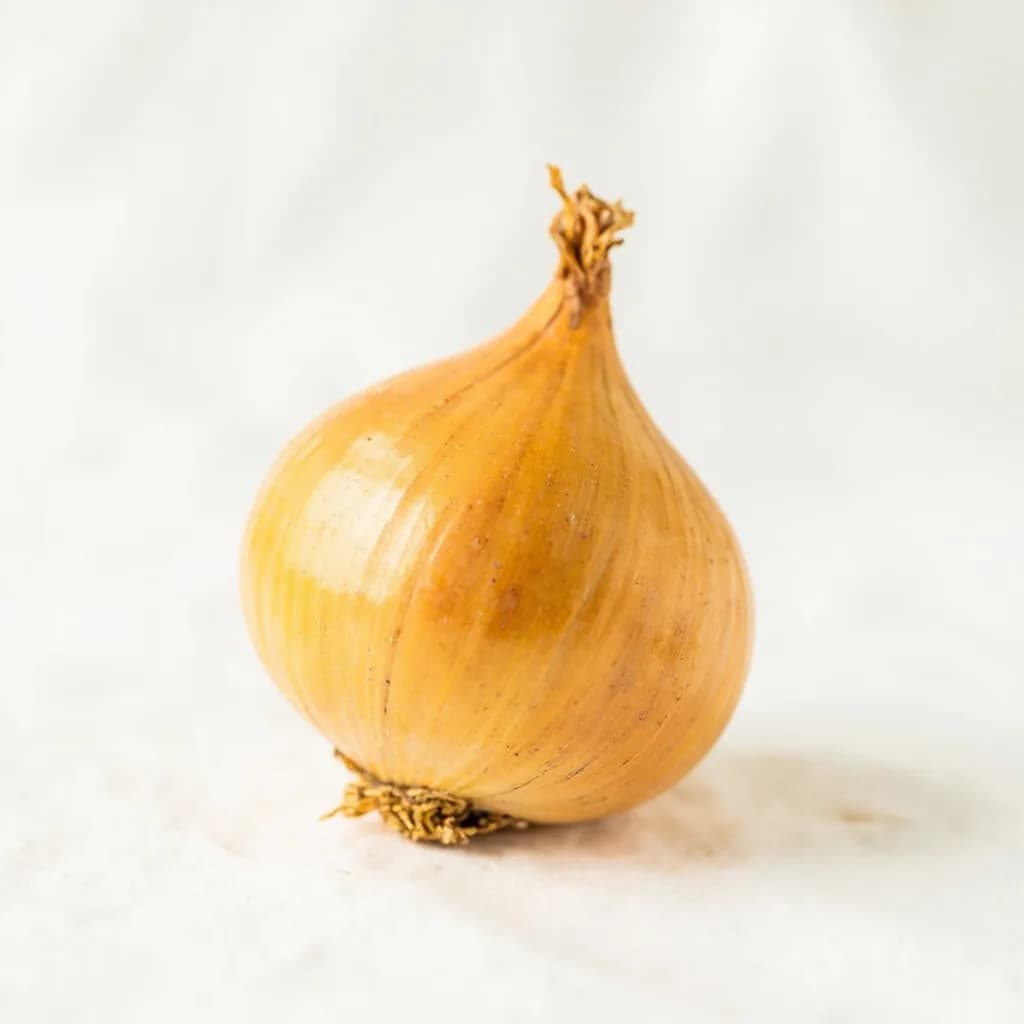
The aromatic backbone of soups, sofritos, and braises
Garlic
Pungent cloves that perfume nearly every savory dish
Lemon
Bright, acidic citrus that wakes up almost any dish
Potato
Humble, hearty staple — roast, mash, fry, or boil
Carrot
Sweet, crunchy root — raw, roasted, or the base of a sofrito
Cucumber
Cool, crisp, and watery — for salads, pickles, and tzatziki

Lettuce
Crisp leaves for salads, wraps, and a fresh crunch