Natural form
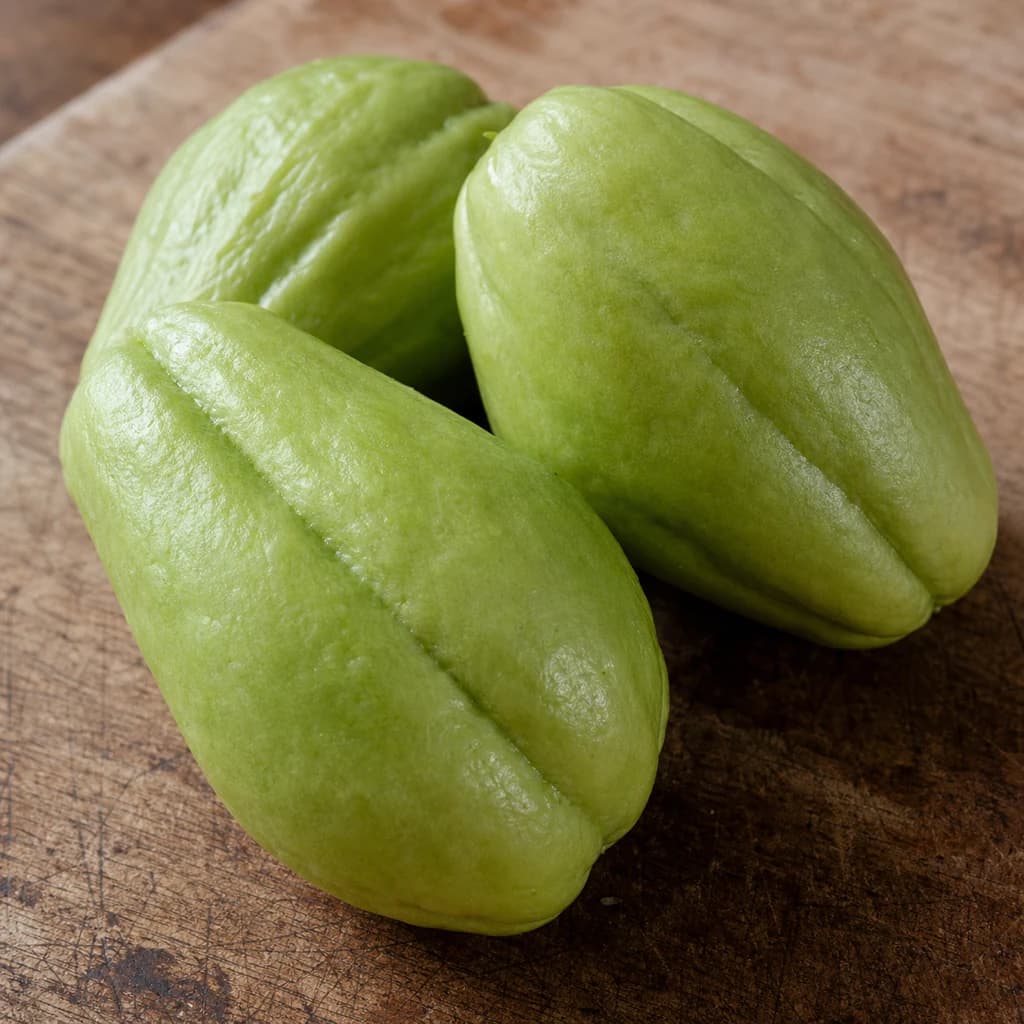
Whole chayote squash showing its pale green, pear-shaped body and deep wrinkled furrow.
Establishes the distinctive silhouette, skin texture, and color that make chayote unmistakable in a market or kitchen.
Produce
Chayote
Pale green wrinkled squash with crisp mild flesh, used in stews, stir-fries and slaws.
Chayote is a pale green, pear-shaped squash with a wrinkled skin and crisp, mild flesh that absorbs surrounding flavors. It is eaten across Latin America, the Caribbean, and Asia, simmered in stews, stir-fried, stuffed, or grated raw into salads. The entire fruit is edible, including the soft single seed, and it has a refreshing, faintly cucumber-like taste.
Chayote (Sechium edule) is a member of the gourd family (Cucurbitaceae) that originated in Mesoamerica—Mexico and Central America—and has spread to kitchens worldwide, particularly in Latin American, Caribbean, Southeast Asian, and Louisiana Creole traditions. The fruit (technically a berry) is pear-shaped to flattened, typically 4–8 inches long, with pale green to white skin that may be smooth or slightly furrowed. Its flesh is crisp and white to pale green, with a mild, faintly sweet, celery-like quality. What makes chayote remarkable is its versatility: the entire fruit is edible, including the skin (when young) and the single large seed pit (which becomes creamy like avocado when cooked). Its exceptionally high water content (over 90%) gives it a cooling, hydrating quality when raw, while its mild flavor makes it an excellent vehicle for assertive seasoning. The plant is extraordinarily productive—a single vine can yield 50 to 100 fruits per season—making it a reliable food source and explaining its importance in subsistence agriculture throughout the tropics and subtropics. In Louisiana Creole cuisine, chayote casserole with cheese and cream is a holiday tradition; in Mexican cuisine, it is frequently boiled and dressed with olive oil, lemon, and chili for a simple preparation called chayotes al limón.
- Measured in
- piece
- Storage
- Fridge
Types & varieties
Most common variety in markets; pale skin, mild flavor, crisp texture
Deeper green skin; slightly more pronounced flavor; similar usage to light variety
Less common; rougher exterior requires more thorough peeling; same edible flesh
The Edible Seed Pit
Do not discard the seed pit—it is entirely edible and considered a delicacy in some culinary traditions. When raw, the pit has a mild, slightly starchy quality. When cooked, it becomes creamy and rich, similar to avocado or chestnut. The pit is particularly delicious when halved and baked with seasonings, or added to stews in the last minutes of cooking. Taste it after cooking; many cooks are surprised by its buttery, melt-in-your-mouth texture.
- Halve and bake the pit with herbs and cheese for a simple side dish
- Add halved pits to simmering soups—they will absorb flavors beautifully
- The pit browns faster than the flesh; season and cook it promptly after cutting
Common uses
Tips & pitfalls
- Select firm, unblemished fruit; avoid any with soft spots or excessive shriveling
- The skin is edible on young specimens; older fruit benefits from peeling with a vegetable peeler
- Hold the fruit steady with a kitchen towel when peeling—the waxy surface makes it slippery
- To prevent cut surfaces from oxidizing, rub with lemon or lime juice immediately after cutting
- Do not discard the seed—taste it after cooking; it becomes creamy like avocado and is considered a delicacy
- Cook quickly and at high heat when seeking to preserve crispness; long cooking produces a soft, sometimes mushy texture
- Season generously—this mild ingredient requires assertive seasoning to avoid blandness
- For a nutty undertone, briefly toast sliced chayote in a dry skillet before adding to dishes
- When boiling, add a splash of acid (lemon or lime) to the water to help maintain color
- Underripe chayote (firm, no give when pressed) holds its shape better in soups and stews
Nutrition
Energy
79 kJ · per 100 g
Where the calories come from
Protein
0.8g
2% DV
Carbs
4.5g
2% DV
Fat
0.1g
0% DV
Fiber
1.7g
6% DV
Sugars
1.7g
of which
Sodium
2mg
0% DV
Source · USDA FoodData Central · Chayote, fruit, raw
View on FDC →In the shops
Matched grocery products
No matched grocery products for Chayote yet.
Good to know
- Scientific Name
- Sechium edule
- Family
- Cucurbitaceae (gourd family)
- Origin
- Mesoamerica (Mexico and Central America)
- Shape
- Pear-shaped to flattened, 4–8 inches long
- Skin
- Pale green to white; edible when young
- Flesh
- Crisp, white to pale green; mild, faintly sweet, celery-like
- Seed
- Single large pit; edible when cooked (becomes creamy like avocado)
- Peak Season
- Late summer through fall; available year-round in tropical markets
- Storage
- Cool, dry place for several weeks; refrigerator for 1–2 weeks
- Water Content
- Over 90%
Substitutes
- Summer Squash (Zucchini or Yellow Squash) — Similar mild flavor and cooking behavior; texture slightly softer when cooked; acceptable in all cooked applications
- Jicama — Best substitute for raw applications requiring crunch; different flavor but similar mildness and texture
- Cucumber — Suitable raw-only substitute for salads and slaws; does not hold up to cooking
- Pattypan Squash — Comparable in mild flavor and cooking properties; slightly nuttier taste
- Bok Choy Stems — Similar crisp-tender texture when cooked; more pronounced vegetable flavor
Pairs with
Also called
Cho-Cho · Christophene · Güisquil · Guisquil · Mirliton · Choko · Chayote Squash
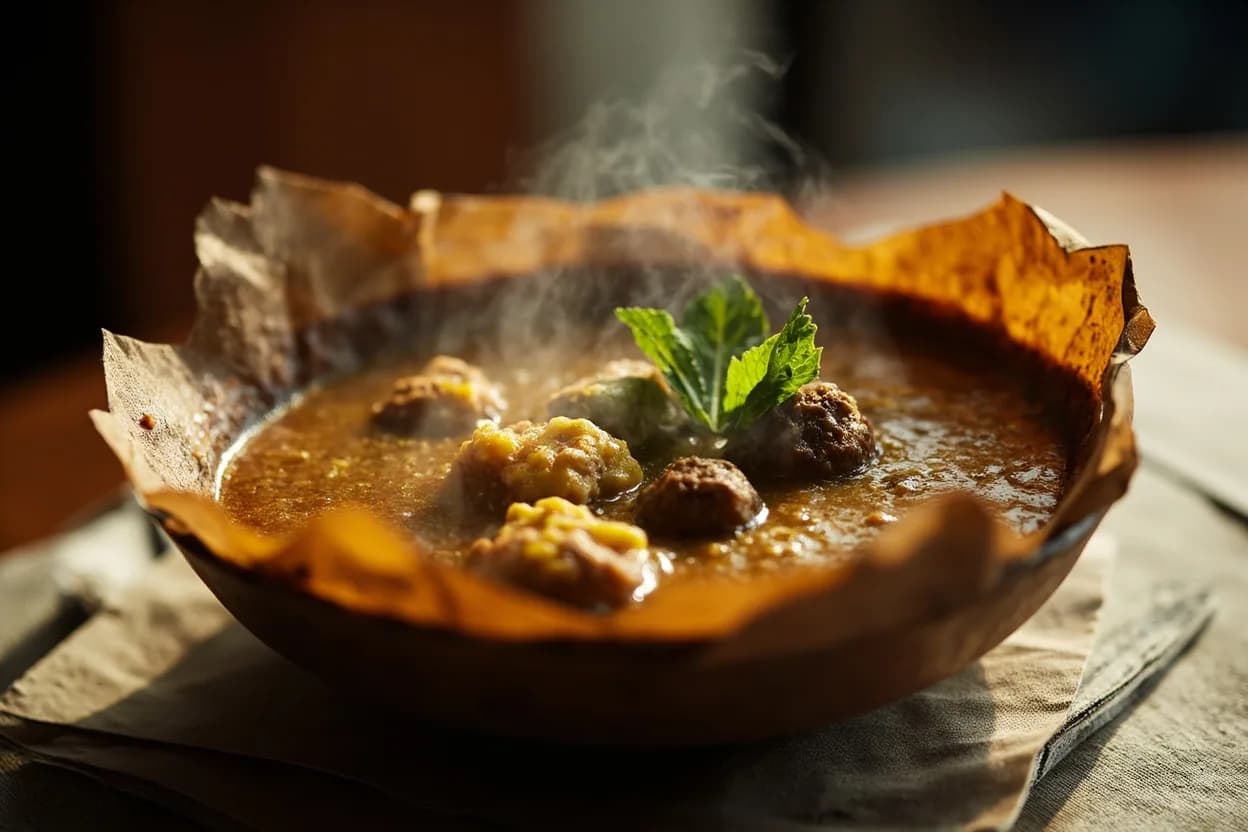
Appears in these dishes
Related
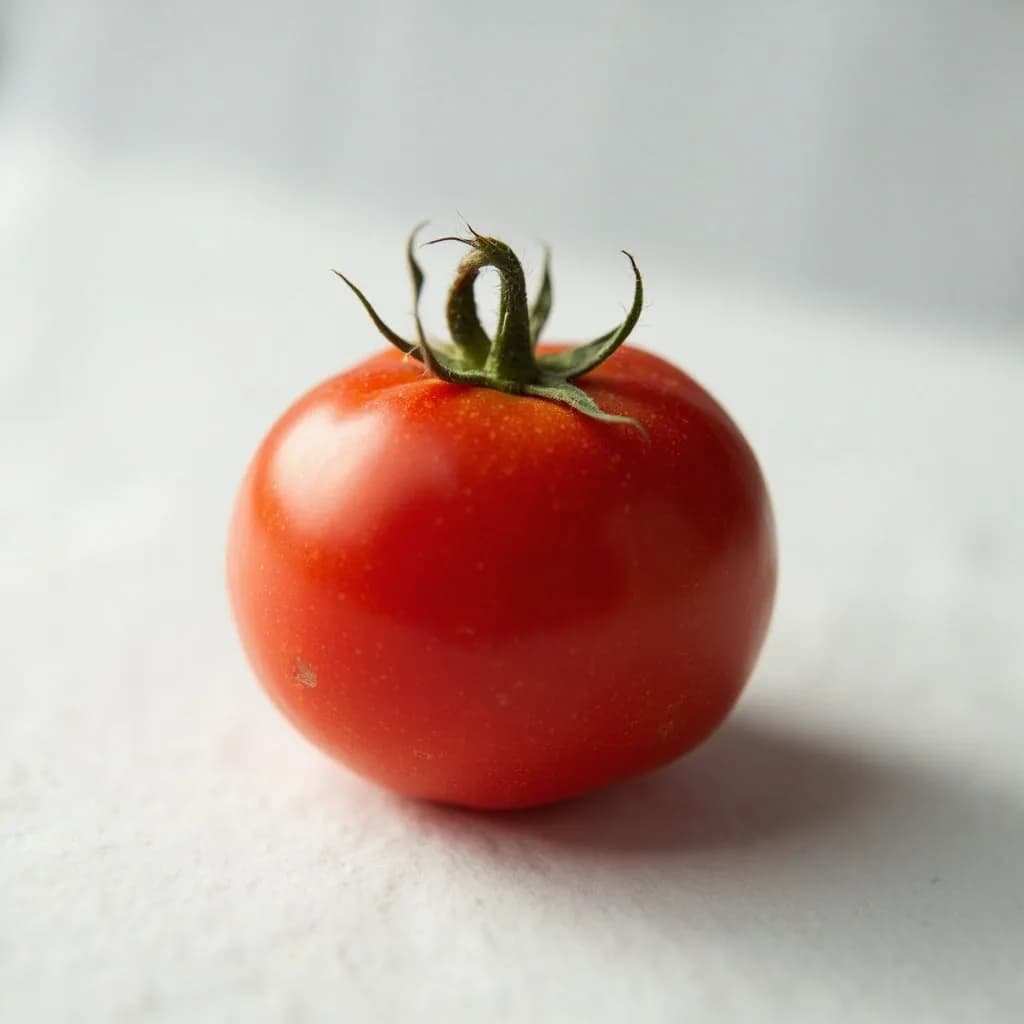
Tomato
Juicy, sun-sweet fruit for sauces, salads, and slow-cooked depth
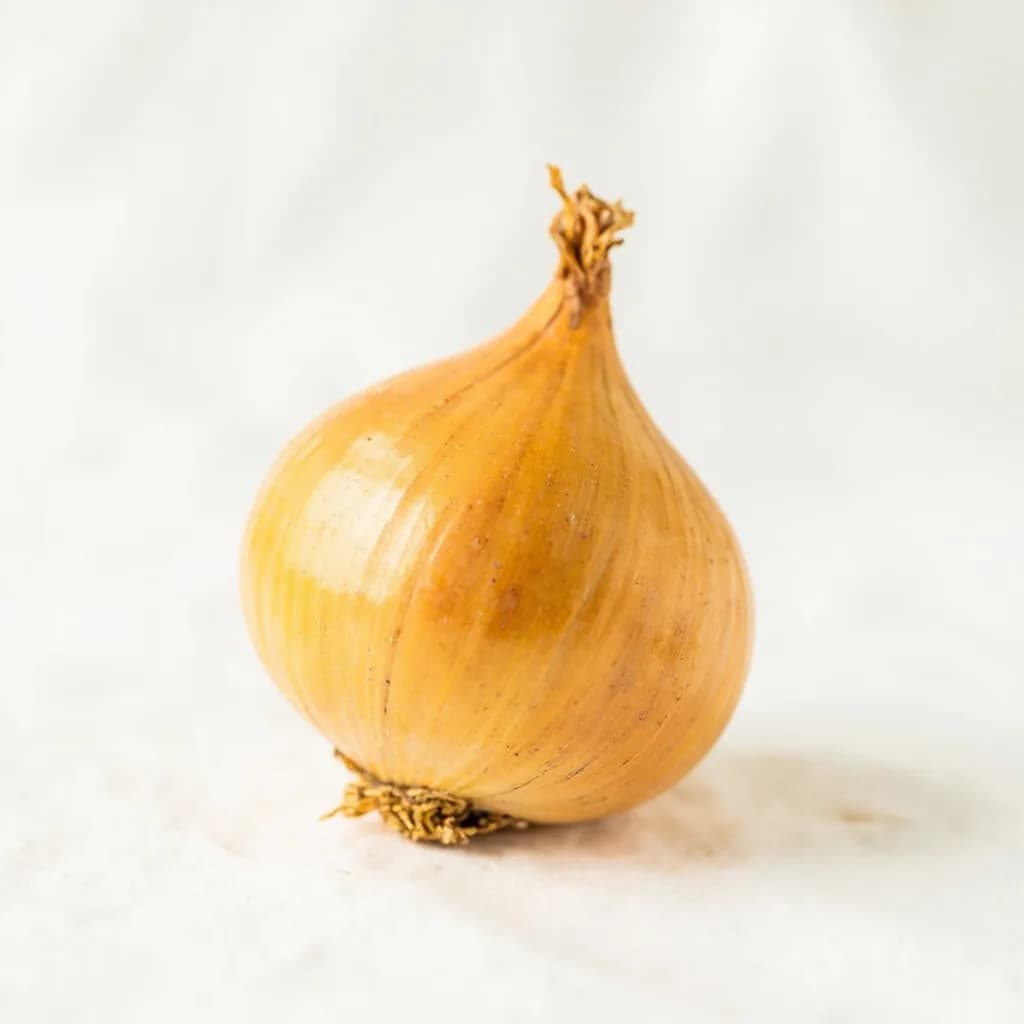
Yellow Onion
The aromatic backbone of soups, sofritos, and braises
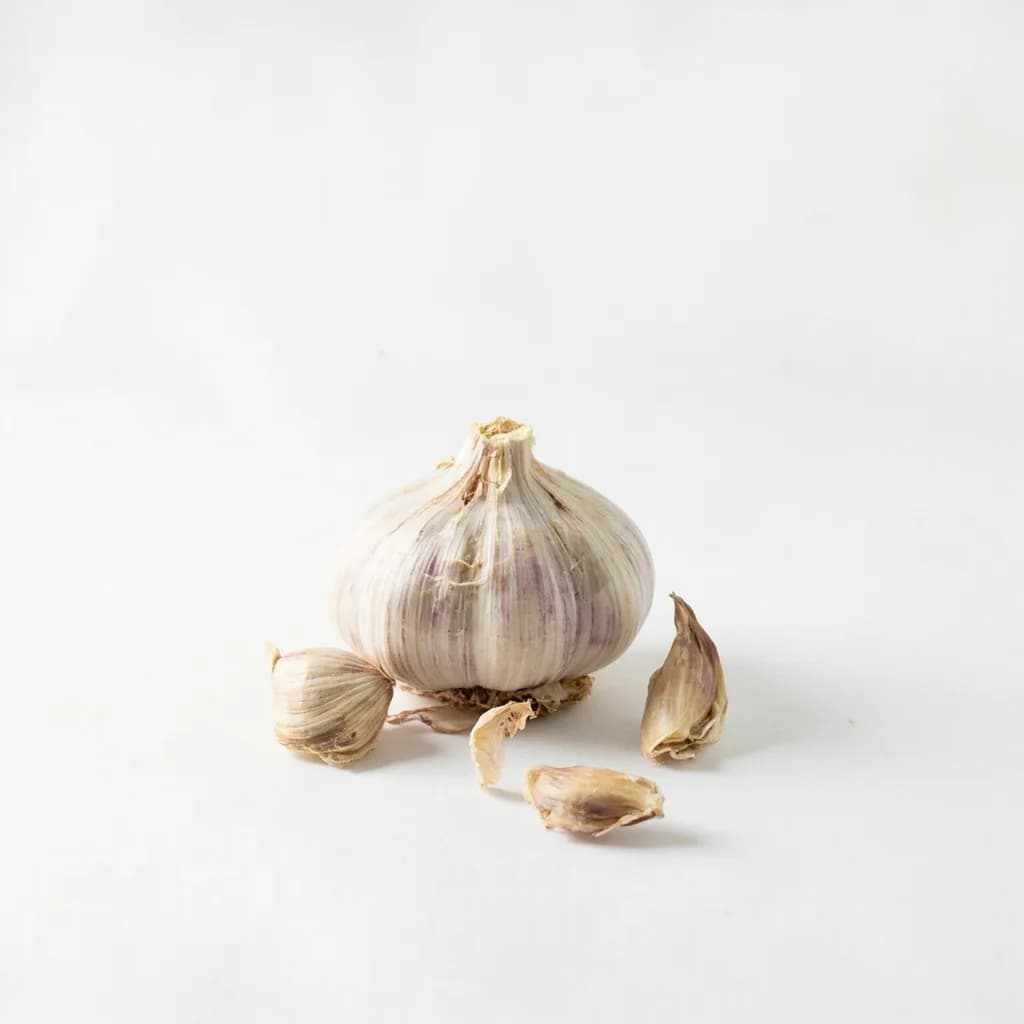
Garlic
Pungent cloves that perfume nearly every savory dish
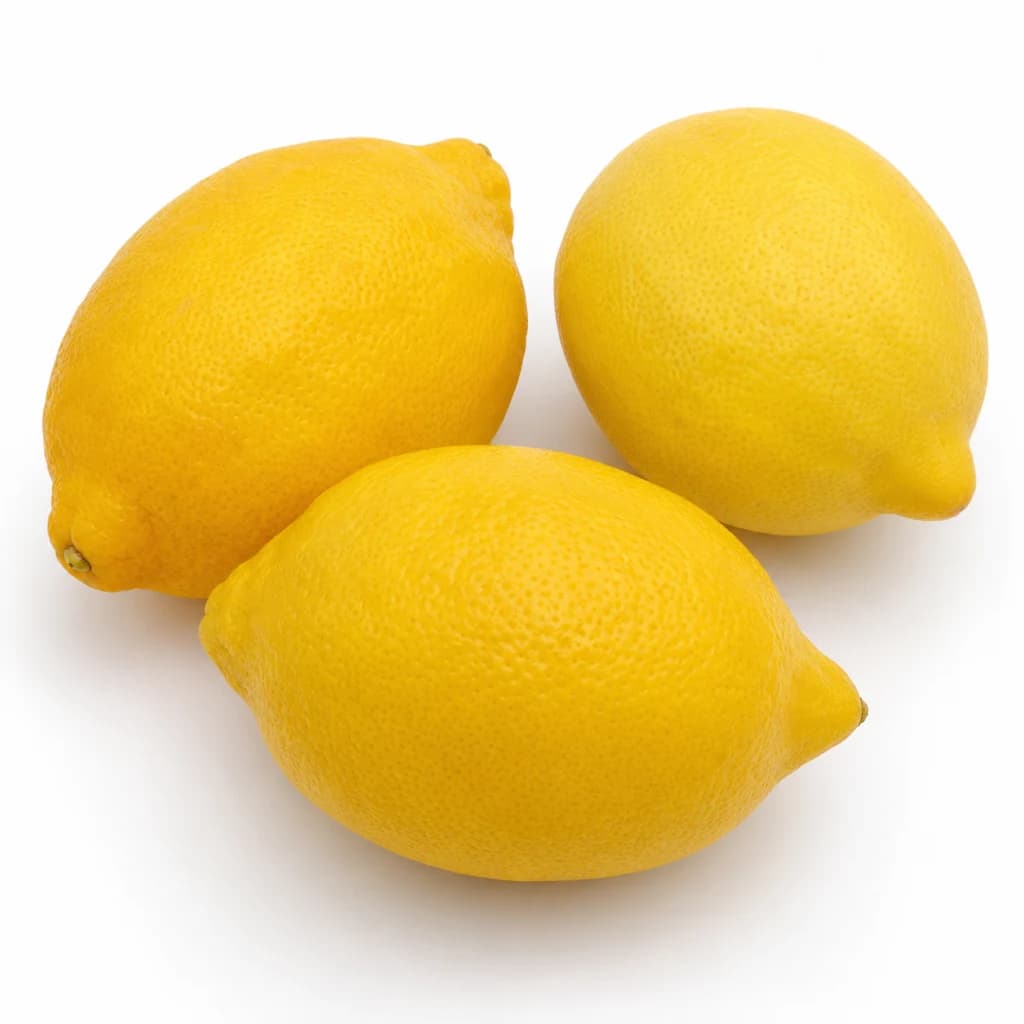
Lemon
Bright, acidic citrus that wakes up almost any dish
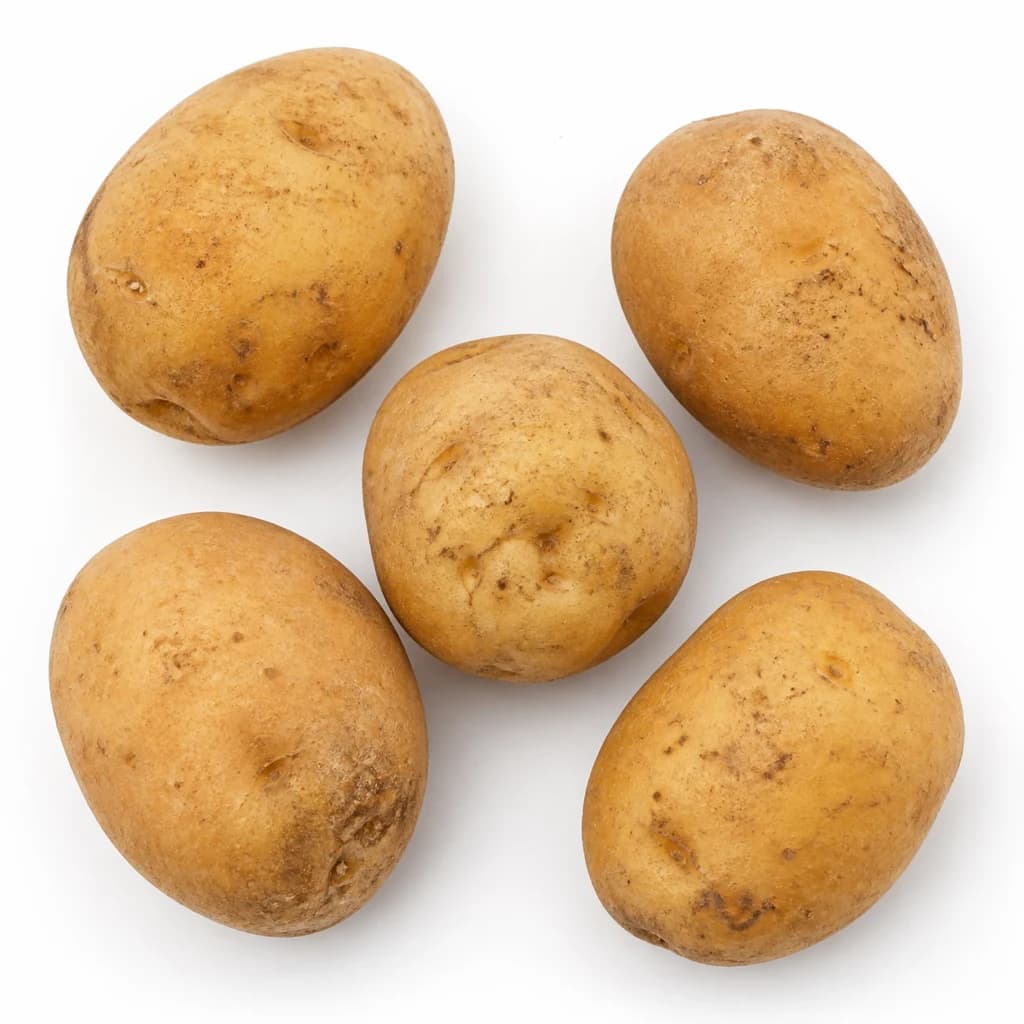
Potato
Humble, hearty staple — roast, mash, fry, or boil
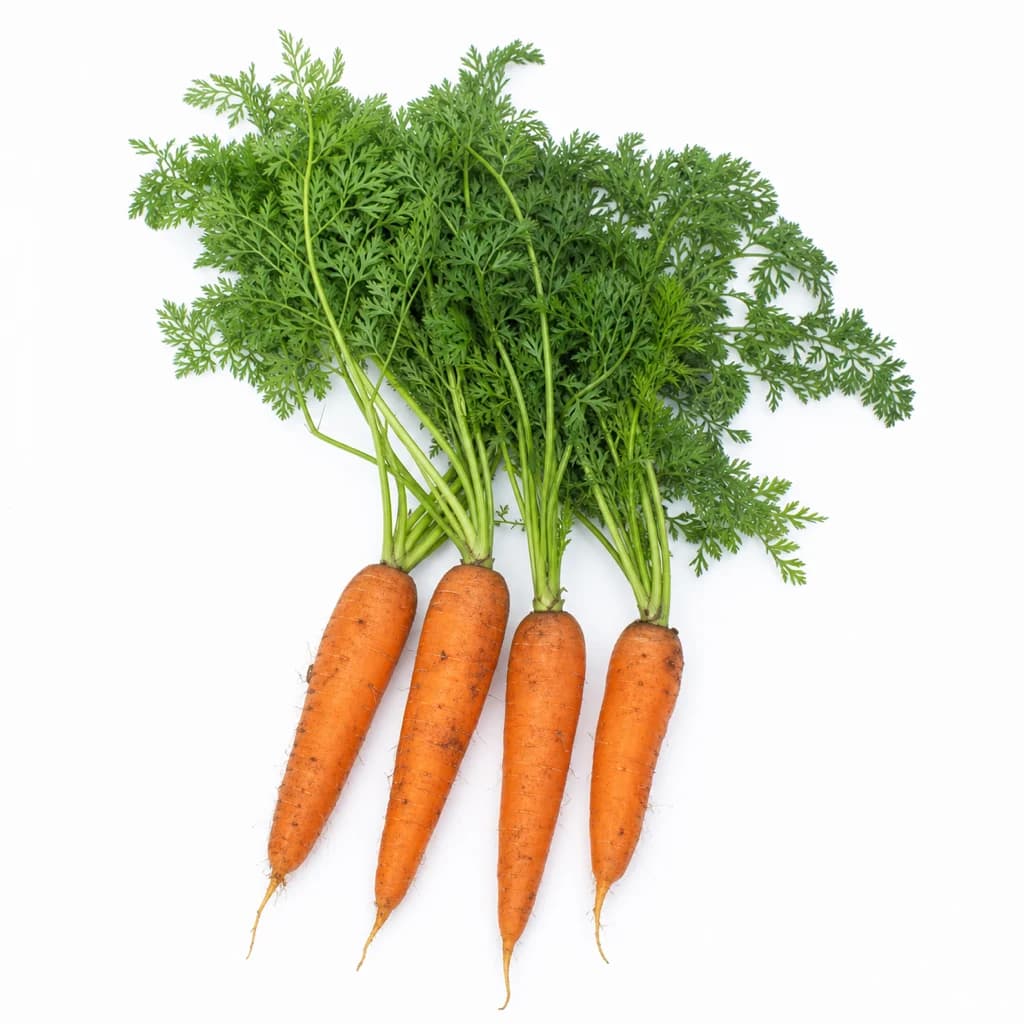
Carrot
Sweet, crunchy root — raw, roasted, or the base of a sofrito
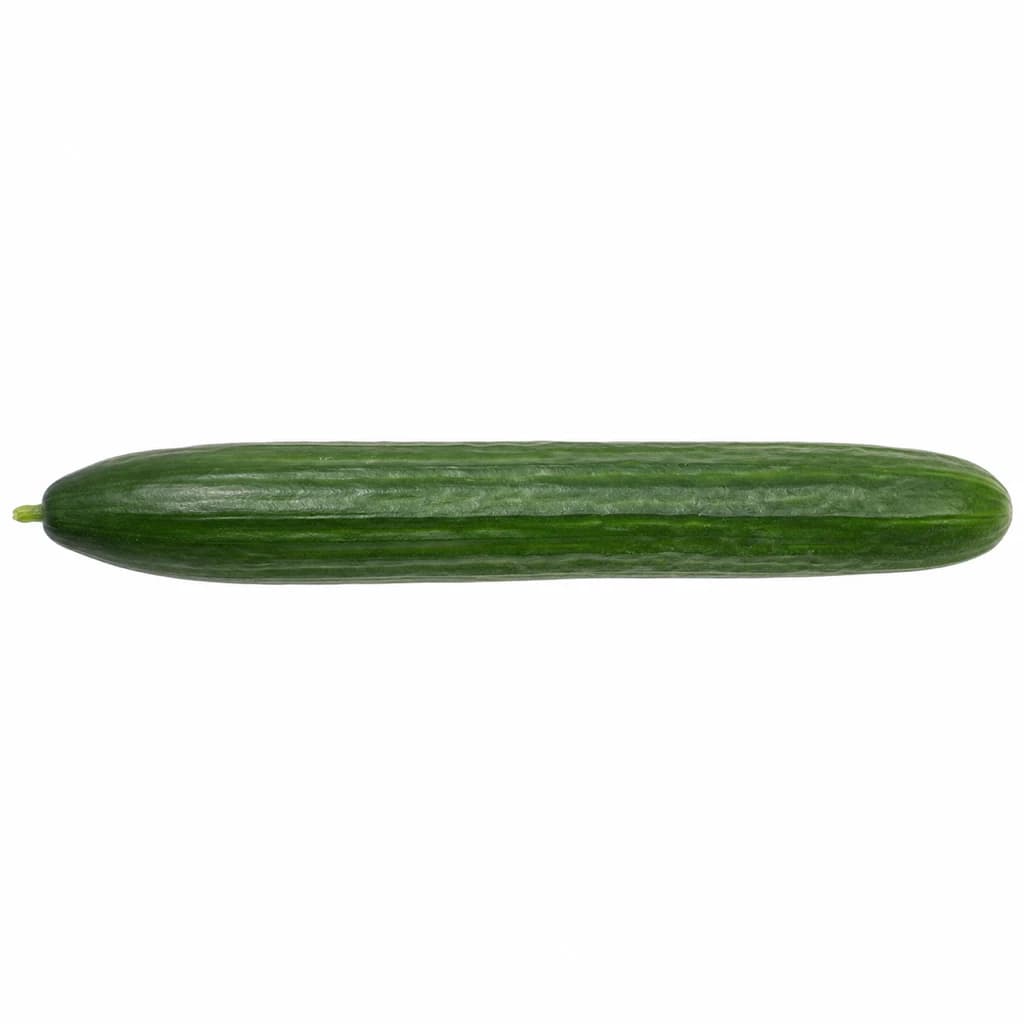
Cucumber
Cool, crisp, and watery — for salads, pickles, and tzatziki

Lettuce
Crisp leaves for salads, wraps, and a fresh crunch