Spices
Juniper Berry
Dark blue-purple berry with a piney, gin-like aroma; classic with game and sauerkraut.
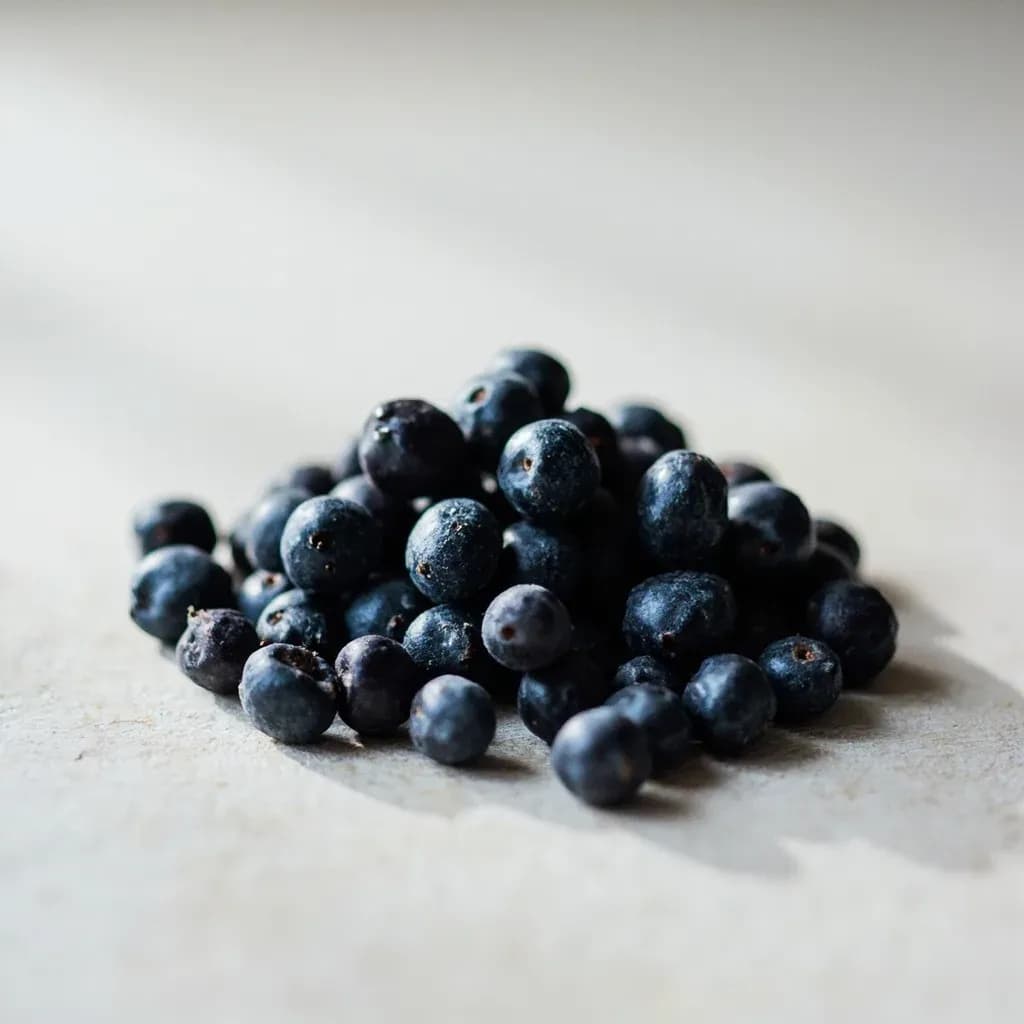
Juniper berries are the dark blue-purple cones of the juniper shrub, carrying a resinous, piney aroma that flavors gin. In cooking they pair with game, pork, sauerkraut and braises across Northern and Central Europe. Crush the berries lightly before adding to release their oils into marinades and stews.
Juniper berry is the female seed cone of the juniper conifer (Juniperus communis), technically not a berry at all, though it behaves like one in the kitchen. The small dark blue-purple cones take two to three years to ripen from green to their characteristic waxy, dusky color, developing an intensely aromatic resinous character along the way. What makes juniper extraordinary is its complex volatile profile: alpha-pinene delivers the unmistakable piney gin note, while myrcene and sabinene add earthy, slightly citrus depth, and limonene contributes bright orange-peel brightness. When crushed, the berries release their oils immediately, perfuming the air with that forest-floor, conifer character that defines both London dry gin and the great game traditions of Central and Northern Europe. In cooking, juniper behaves as both a seasoning and an aromatic: it stands up to fatty, strongly flavored proteins like venison and wild boar, yet dissolves into long-braised dishes to provide subtle, lingering background forest notes. The berries remain hard even after extended cooking, so they are always crushed or ground before use and removed before serving. Their resinous quality makes them a natural partner for rich, fatty cuts, where they cut through the heaviness and prevent cloying richness.
While dozens of Juniperus species exist worldwide, only a handful see culinary use. Juniperus communis dominates the market as the berry that flavors gin and seasons game from Scotland to Bavaria. The flavor is clean and bright compared to more pungent relatives. Cade juniper (J. oxycedrus) appears in Mediterranean charcuterie traditions, bringing a sharper, more medicinal intensity that stands up to strong cured meats. Phoenician juniper (J. phoenicea) traces traditional North African and Middle Eastern preparations, while Syrian juniper (J. drupacea) offers larger cones with a notably sweeter character when young. Foragers must be vigilant: not all juniper species are edible. Juniperus sabina, known as savin juniper, is mildly toxic and causes gastric distress. Positive species identification is essential before using any foraged juniper.
In practice, juniper berries range from 4 to 12 millimeters in diameter and are almost always sold dried and whole, occasionally crushed or pre-ground. Whole dried berries maintain their potency for two to three years when stored in an airtight container away from heat and light; ground juniper loses its aromatic intensity within six months, which is why purchasing whole berries and grinding as needed produces markedly superior results. The harvest window runs from late summer through fall when the cones reach full maturity, and most culinary-grade berries come from hand-harvested wild plants in Europe, particularly the Alps and Balkans, where consistent climate and altitude produce reliable flavor. This hand-harvesting contributes to the occasional inconsistency in commercial supplies, making it worth seeking reputable spice vendors who specialize in game and charcuterie ingredients.
- Measured in
- g
- Storage
- Pantry
Types & varieties
Common juniper — the primary culinary and gin-production species; clean, bright pine character; most widely available
Cade juniper — sharper, more medicinal intensity; used in Mediterranean charcuterie traditions
Phoenician juniper — traditional in North African and Middle Eastern preparations
Syrian juniper — largest cone; sweeter when young; Eastern Mediterranean use
Why Juniper Pairs With Game
Juniper and wild game share a fundamental flavor affinity that runs deeper than tradition. Both carry the aromatic signature of the forest floor — pine resin, damp earth, and cool air. Venison, wild boar, rabbit, pheasant, and duck all express these same volatile compounds in their fatty tissues, particularly when the animals have fed on juniper-laden scrubland. Adding crushed juniper to a venison braise or wild boar stew does not impose an external flavor so much as it reinforces and amplifies what the meat already contains. This is why juniper can transform a potentially gamey, overwhelming protein into something cohesive and complete rather than disjointed and one-dimensional. The key is restraint: juniper should lift and unify, not dominate.
- Juniper's alpha-pinene echoes the resinous compounds in game animal fat
- Resinous notes cut through rich, fatty proteins and prevent cloying finish
- Forest-floor aromatics unify dispersed game flavors into coherent dishes
- Cabbage's sulfur compounds mellow under juniper's terpene profile, creating balance
Preparing Juniper for Use
Crushing juniper berries is straightforward but demands the right approach to preserve their volatile oils. A mortar and pestle gives the most controlled results, producing uneven coarse crumbles where some pieces release oil immediately while others diffuse gradually during cooking. A heavy spice grinder works faster but generates heat that can drive off delicate aromatics; pulse in short bursts rather than continuous grinding. For most applications, a rough crush is ideal — you want fragments ranging from coarse powder to 2–3 millimeter pieces, not a uniform fine dust. Toast whole berries briefly in a dry skillet over medium heat for 30–60 seconds until fragrant to deepen and unlock their character before crushing; this step is especially valuable for long-cooked dishes where you want pronounced juniper presence.
- Always crush or grind — whole berries are nearly flavorless and remain dangerously hard when cooked
- Rough crush with mortar and pestle preserves oil distribution better than fine grinding
- Toast before crushing for deeper flavor in long-cooked preparations
- Grind only what you need; ground juniper loses potency within months
Common uses
Tips & pitfalls
- Toast whole berries briefly in a dry skillet over medium heat until fragrant — this releases essential oils and deepens flavor before crushing or adding to a dish
- Always crush or lightly grind juniper berries before using; whole berries impart almost no flavor and are difficult to eat
- Use sparingly — 3 to 5 crushed berries is sufficient for a stew serving 4; flavor becomes resinous and bitter if overdone
- Add early in long-cooking preparations for subtle background flavor, or add in the last 15–20 minutes for more pronounced juniper character
- Remove berries before serving — they remain hard and are not meant to be eaten as a garnish
- For a quick juniper infusion: steep crushed berries in wine, stock, or vinegar for 30 minutes, then strain
- Pairs especially well with fatty cuts — the resinous notes cut through rich protein
- When making sauerkraut, add 2–3 crushed berries per quart of cabbage for authentic Alpine flavor
- Do not substitute ground juniper for whole: the ground form oxidizes and loses aromatic intensity rapidly; grind just before using if needed
- Commercial gin extracts do not substitute well — they lack the depth and volatile compounds of actual berries
Nutrition
Nutrition
No USDA FoodData Central match for Juniper Berry yet. We surface a per-100 g profile once a generic whole-food entry is matched and verified.
In the shops
Matched grocery products
No matched grocery products for Juniper Berry yet.
Good to know
- Scientific Name
- Juniperus communis (primary culinary species)
- Plant Family
- Cupressaceae (cypress)
- What It Actually Is
- Female seed cone of the juniper conifer, not a true berry
- Origin
- Widespread across temperate Northern Hemisphere; native to Europe, North America, and Asia
- Ripening Period
- 2–3 years from green to mature dark blue-purple
- Flavor Compounds
- Alpha-pinene (pine oil), myrcene, sabinene, limonene
- Shelf Life (dried)
- 2–3 years whole; ground loses potency within 6 months
- Typical Size
- 4–12 mm in diameter
Substitutes
- Fresh rosemary — Provides piney, resinous notes; use about 1 teaspoon minced for every 3 crushed berries replaced; less citrus character than juniper
- Gin (a splash) — Provides the juniper-limonene character but adds alcohol; use in reductions or sauces where alcohol is appropriate
- Black peppercorns — Not a flavor match but provides similar intensity and heat; use sparingly as a background spice only
- Coriander seeds — Shares citrus and slight pine notes; use in equal quantity; far milder, best combined with another substitute
Pairs with
Also called
juniper · juniper-berries
Appears in these dishes




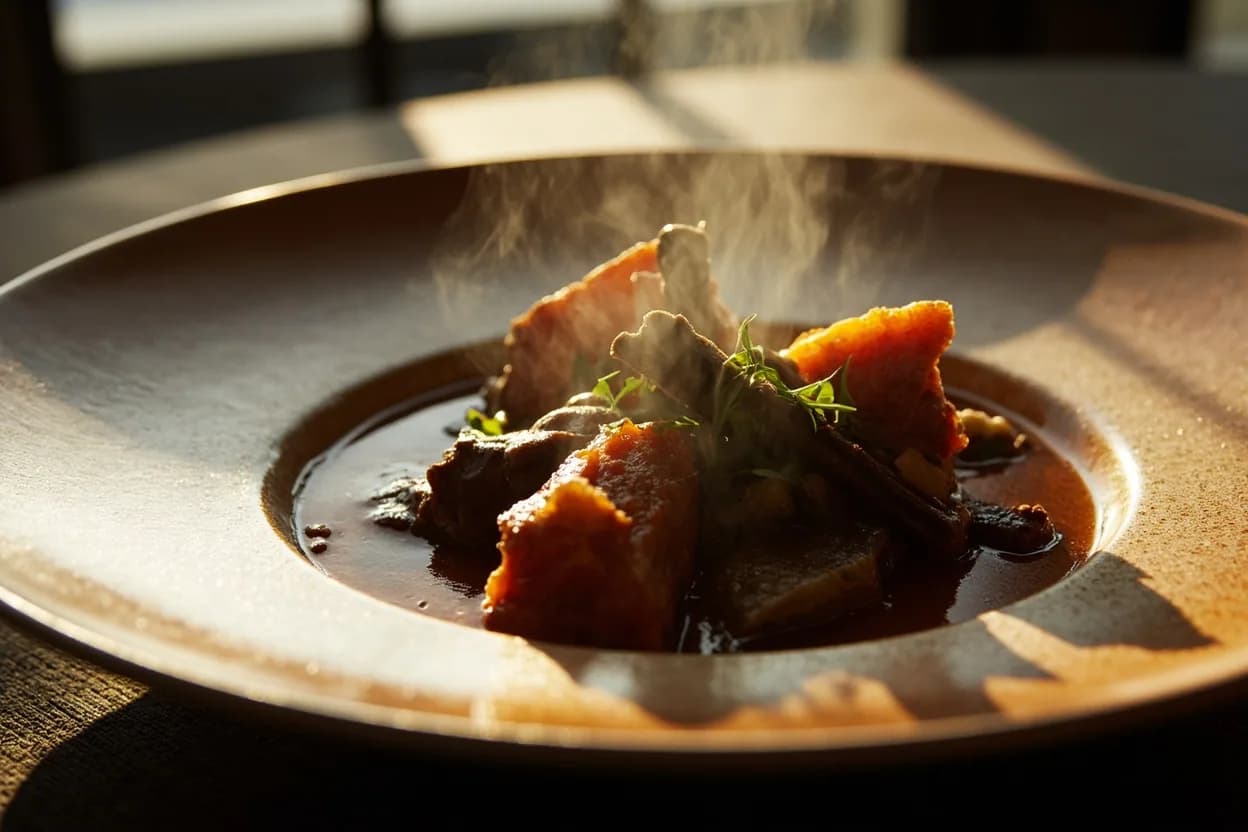
Related
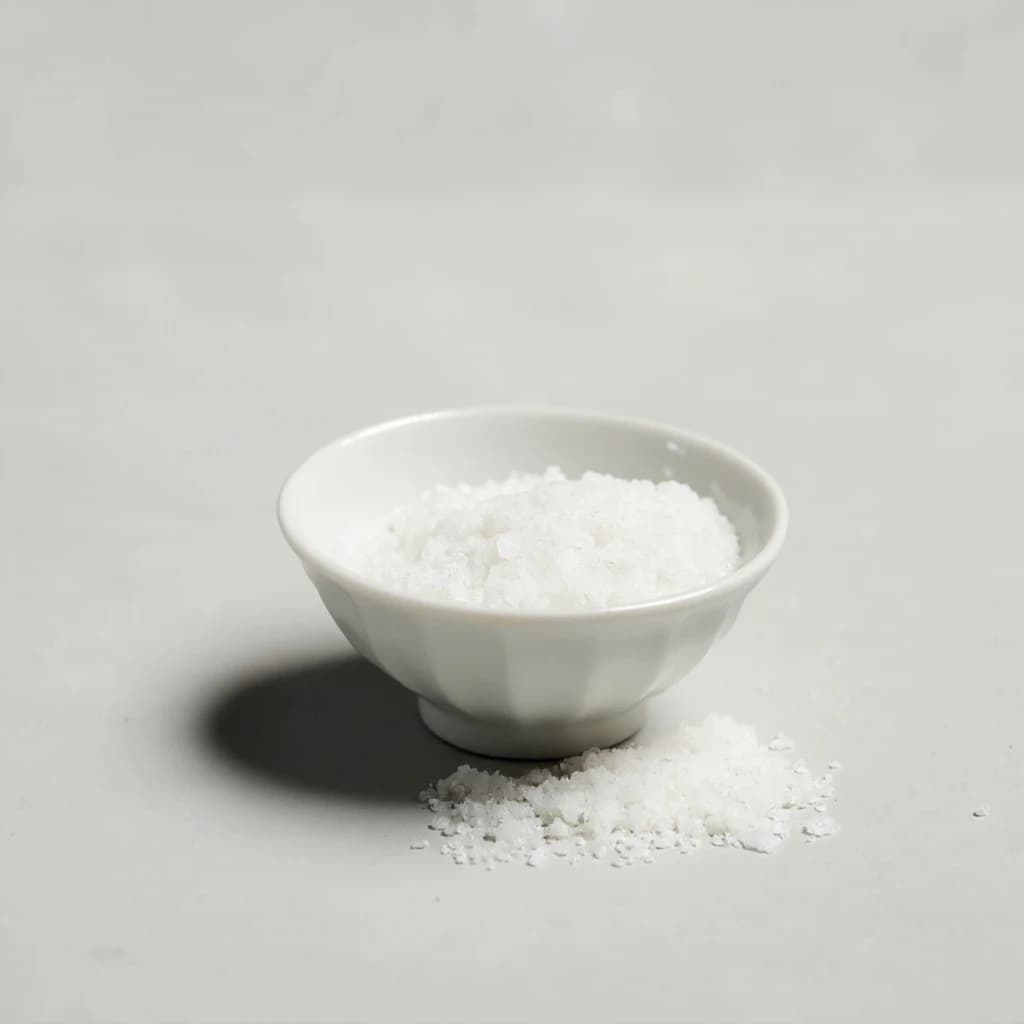
Salt
The one seasoning that makes everything else taste like itself

Black Pepper
Pungent, woody heat — best cracked fresh over anything savory
Amchur
Dried unripe mango ground to a tart, fruity souring powder
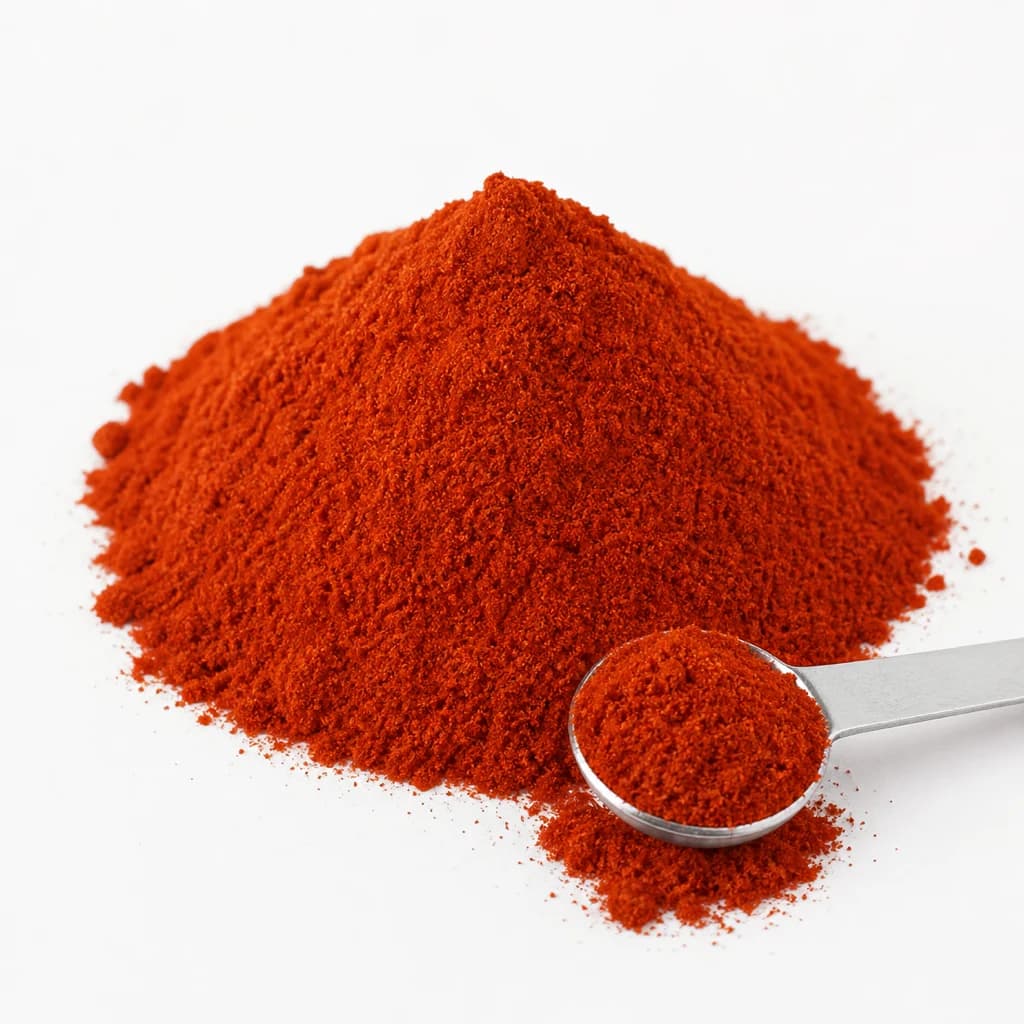
Paprika
Sweet, vivid ground pepper for color and gentle warmth
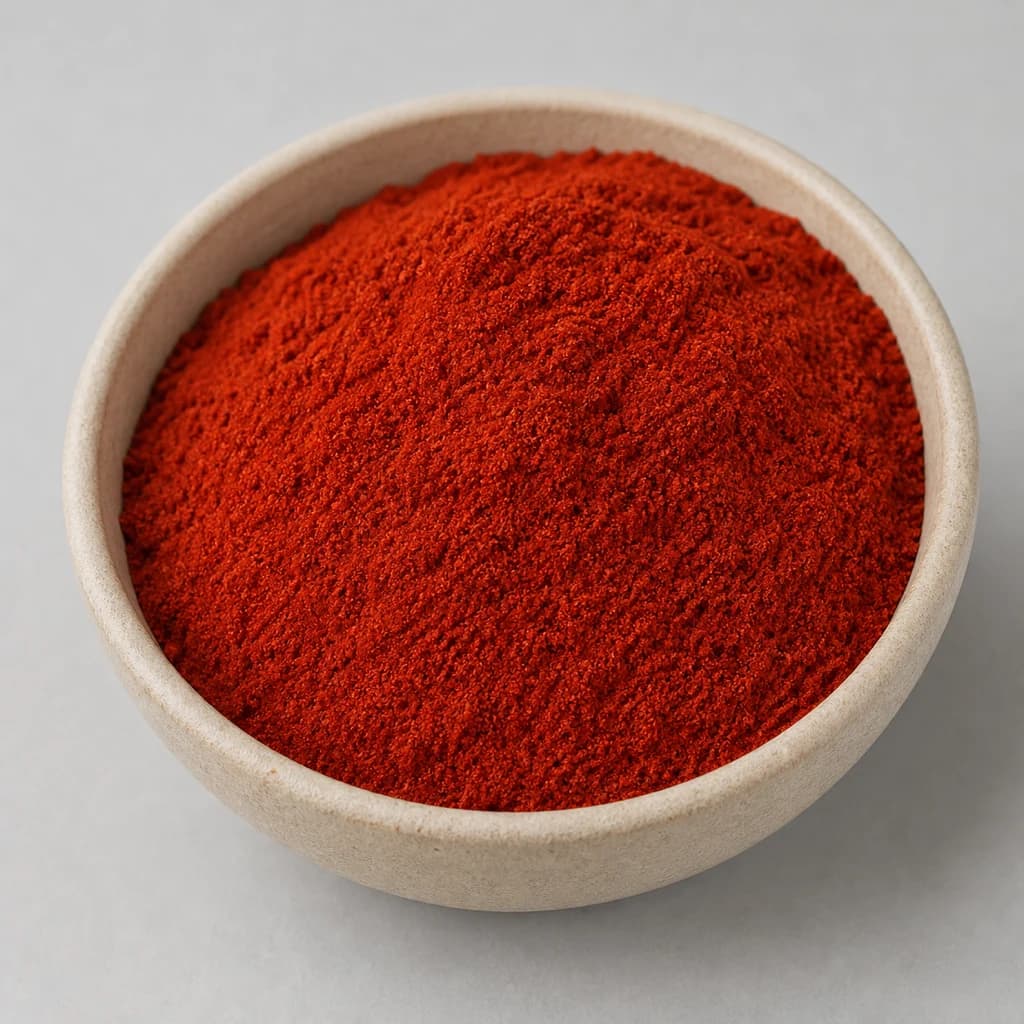
Smoked Paprika
Deep, smoky ground pepper for a campfire warmth
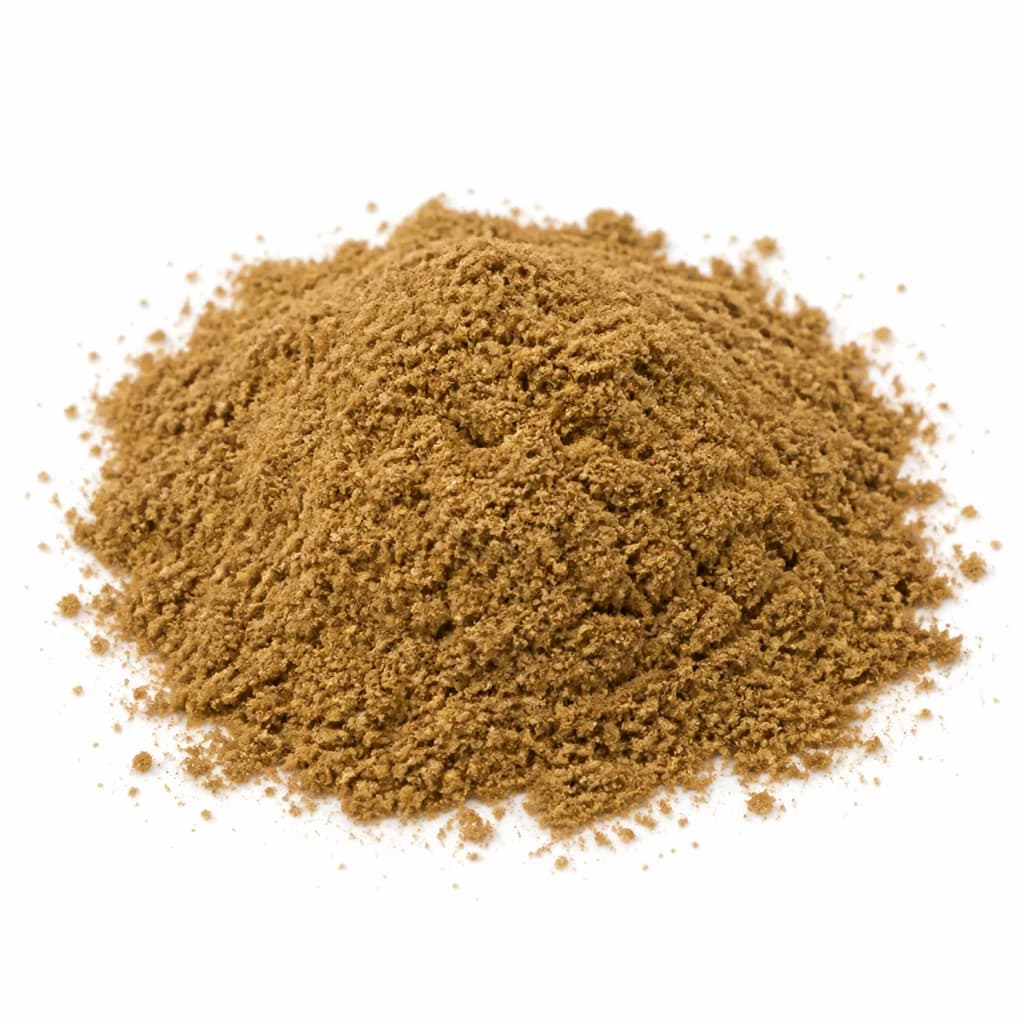
Cumin
Warm, earthy spice central to curries, chili, and tacos
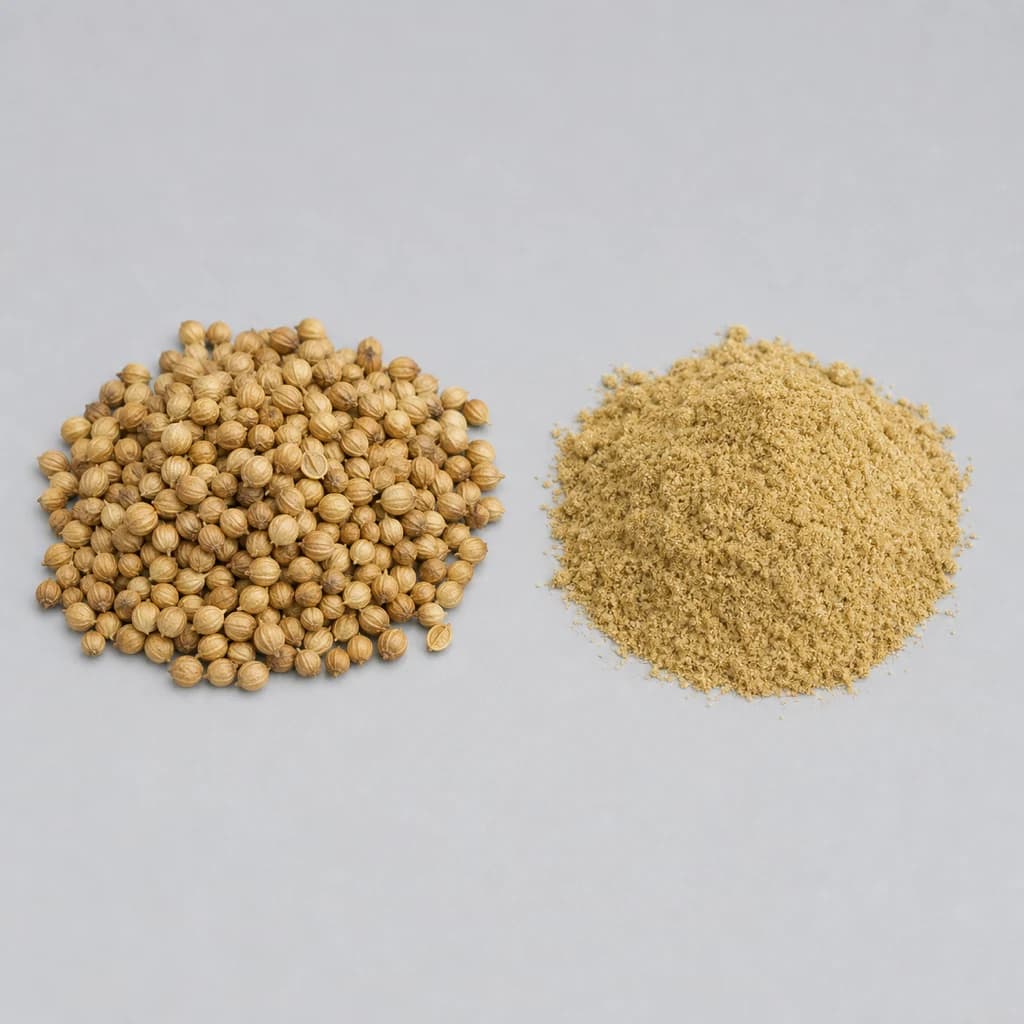
Coriander Seed
Citrusy, warm seed for curries, pickles, and rubs
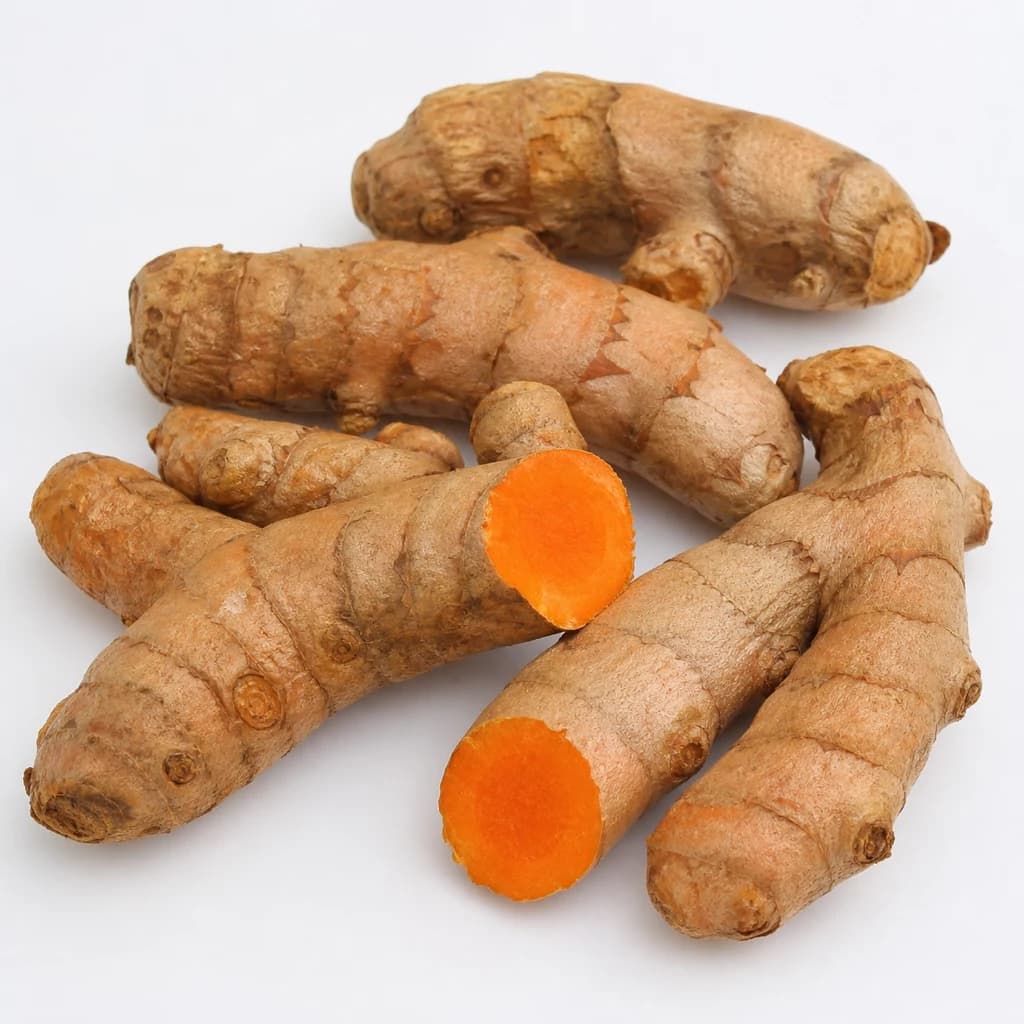
Turmeric
Golden, earthy spice for curries, rice, and color