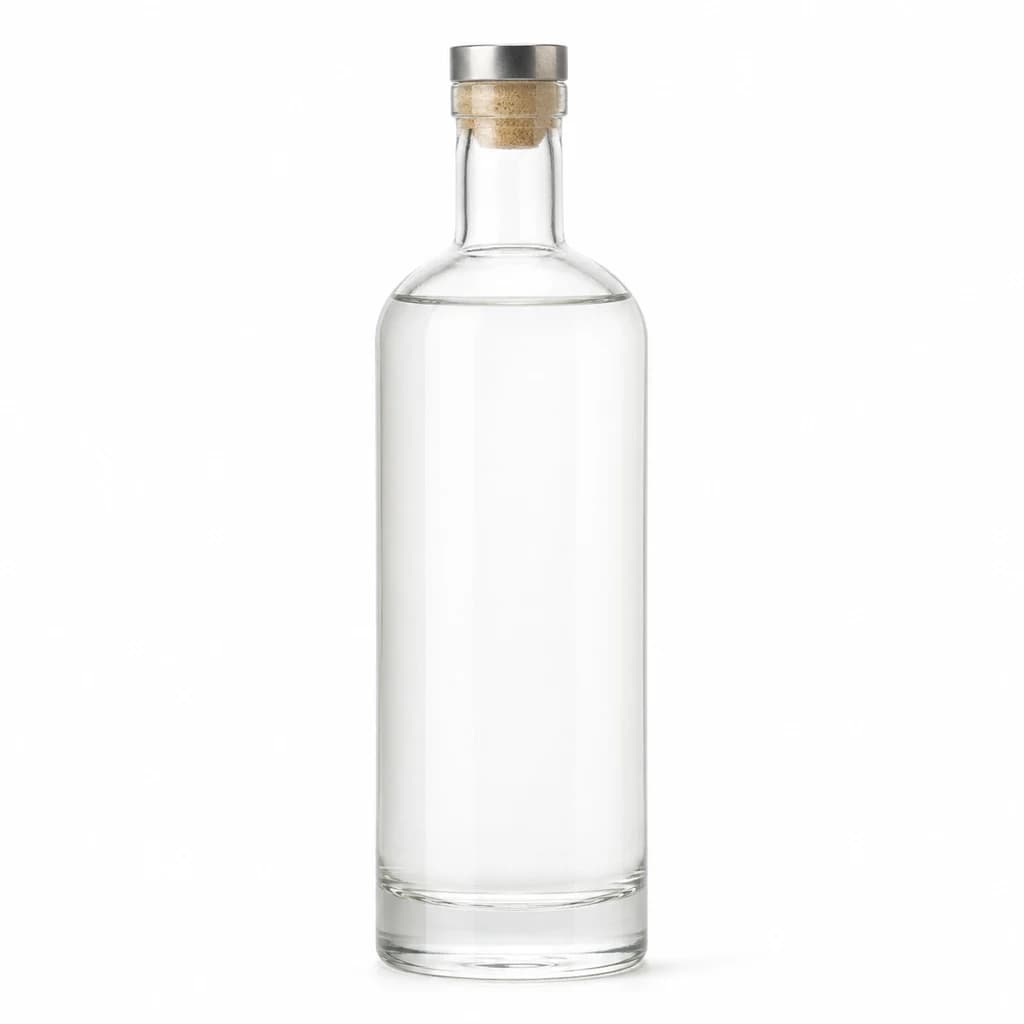
Natural form
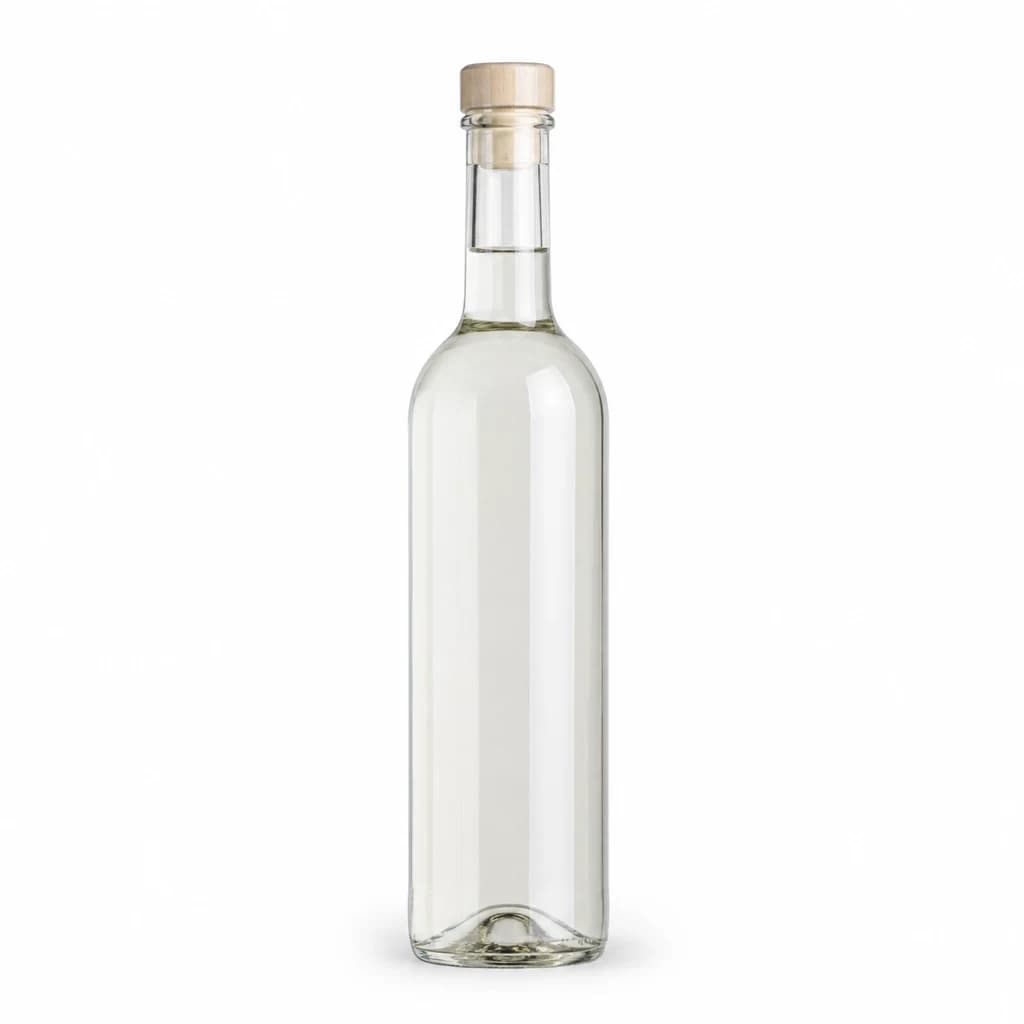
A clear glass bottle of gin, unopened, showing the pale straw-clear liquid inside.
Shows the spirit in its primary storage and retail form so readers can recognize gin at a glance.
Beverages
Gin
Botanical, juniper-forward spirit for G&Ts and martinis
Crisp and aromatic with juniper and botanicals, gin is the soul of the gin and tonic, the martini, and the negroni. Each brand has its own herbal signature. Keep it at room temperature.
Gin is a neutral spirit redistilled with botanicals, always led by juniper — the piney, resinous berry that gives gin its backbone — and rounded out with coriander, citrus peel, angelica, and a maker's secret blend. The result is a spirit that tastes herbal, floral, and aromatic rather than sweet. In the kitchen those same botanicals make gin a brilliant flavoring agent: it perfumes cured salmon, brightens shellfish, and adds an evergreen lift to sauces and sorbets. Because its character is so distinctive, gin is less a base than a seasoning that signs its name on a dish.
- Measured in
- ml
- Storage
- Room Temperature
Find it in
Types & varieties
Crisp, juniper-led, unsweetened — the classic
Slightly sweetened, softer — historic cocktails
Higher proof, intense botanicals
How to use in cooking
Gin's botanicals love fish and citrus. Splash it into a quick pan sauce for sole, flame it over prawns, or use it (with sugar and salt) to cure gin-and-tonic gravlax. It makes an aromatic sorbet, lifts a tomato or seafood broth, and pairs beautifully with cucumber and citrus in cold dishes. Add it late so the delicate floral aromatics aren't boiled away.
How to choose
London Dry is the crisp, juniper-forward classic and the safest for cooking. Contemporary 'new western' gins lean floral or citrusy — pick one whose botanicals suit your dish. Avoid sweetened or heavily flavored pink gins for savory cooking unless the fruit note is wanted.
Common uses
Tips & pitfalls
- Add gin near the end so the floral aromatics survive.
- Cure salmon with gin, sugar, and salt for a gravlax twist.
- Pair with citrus and cucumber to amplify its freshness.
- A splash lifts a tomato or seafood sauce without sweetness.
Nutrition
Nutrition
No USDA FoodData Central match for Gin yet. We surface a per-100 g profile once a generic whole-food entry is matched and verified.
In the shops
Matched grocery products
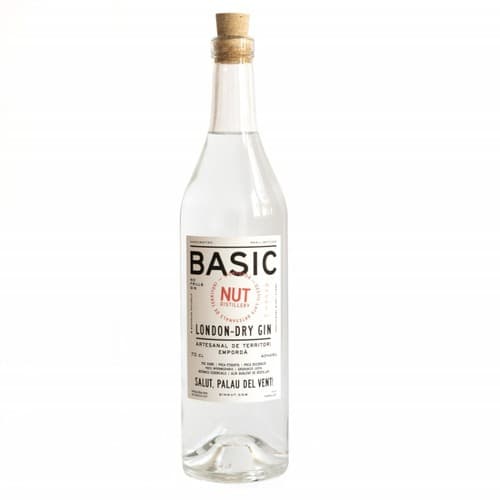 €17.69
NUT Gin
NUT · l · Bonpreu
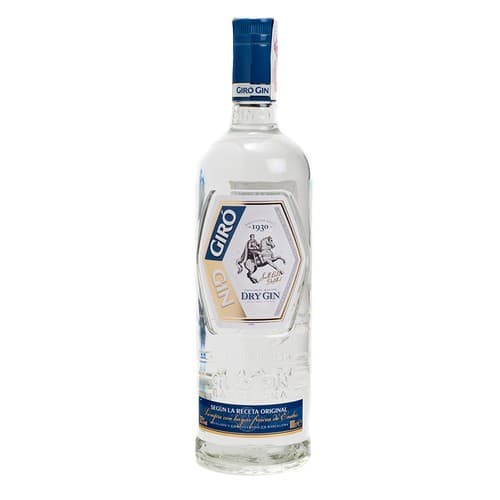 €10.49
GIRO Gin
GIRO · l · Bonpreu
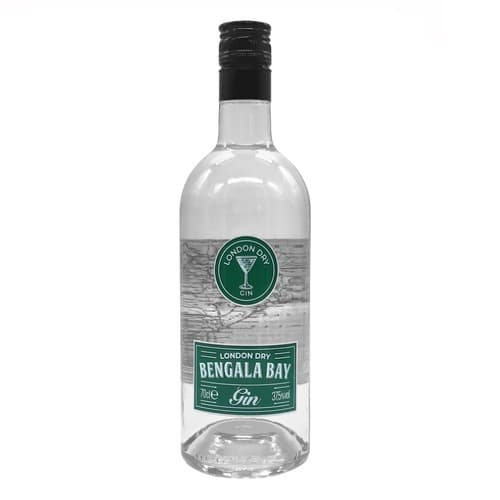 €5.89
€5.89Bengala Bay London Dry Gin
BENGALA BAY · l · Bonpreu
 €16.99
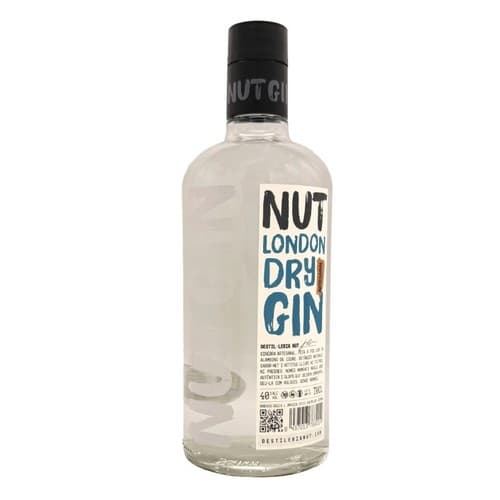
NUT London Dry Gin
NUT · l · Bonpreu
 €16.99
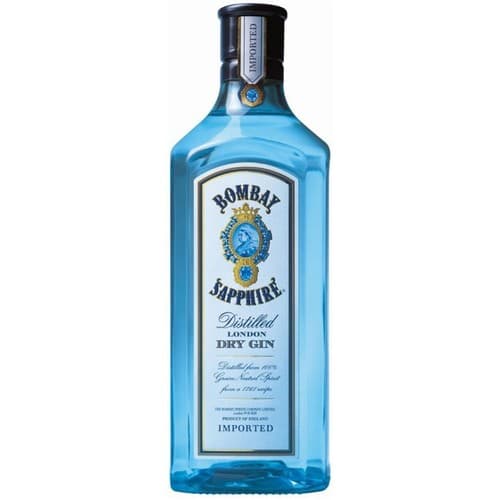
Bombay Gin
BOMBAY · l · Bonpreu
 €27.59
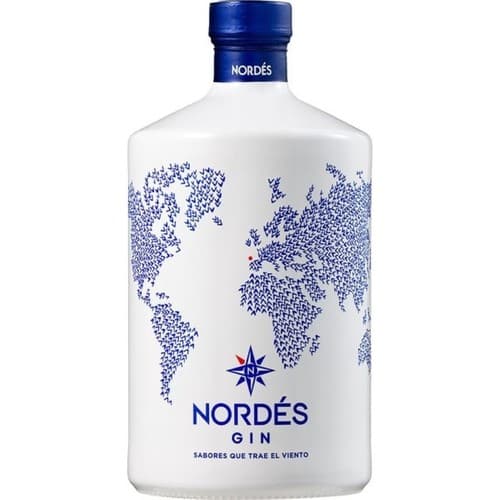
NORDES Gin
NORDES · l · Bonpreu
Good to know
- Flavor
- Juniper, citrus, floral, herbal, piney
- Use in cooking
- Cured fish, shellfish, sauces, sorbets, glazes
- Alcohol?
- Yes — ~40–47% ABV
- Substitute base
- Dry vermouth, or vodka + juniper/herbs
- How to store
- Room temperature, sealed, away from light
Substitutes
- Dry vermouth — Herbal and aromatic, lower proof
- Vodka + crushed juniper — Rebuilds the piney note from scratch
- Tonic + lime + juniper berries — Non-alcoholic: the botanical flavor without the spirit
Also called
gin · london dry gin · dry gin · ginebra
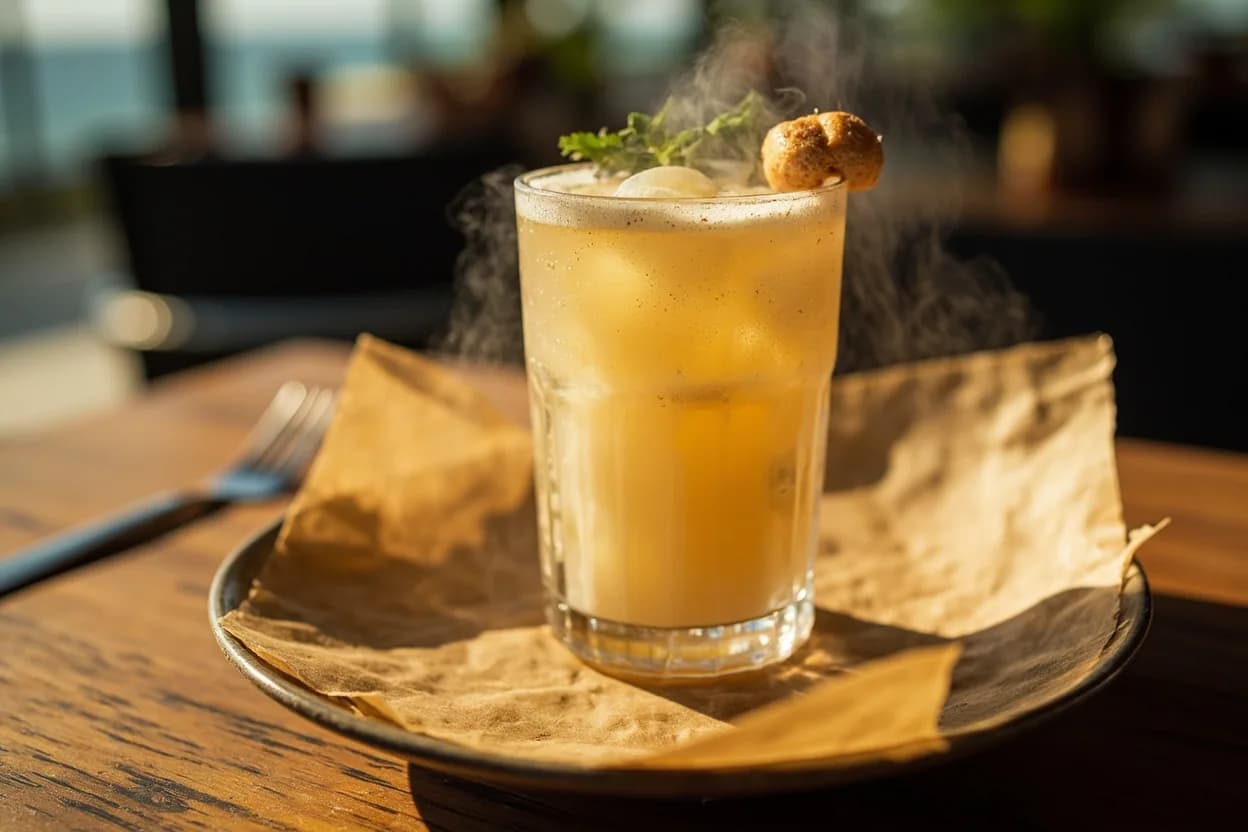
Appears in these dishes
Related

White Rum
Light, clean rum for mojitos, daiquiris, and piña coladas

Dark Rum
Rich, molasses-deep rum for tiki drinks and sipping
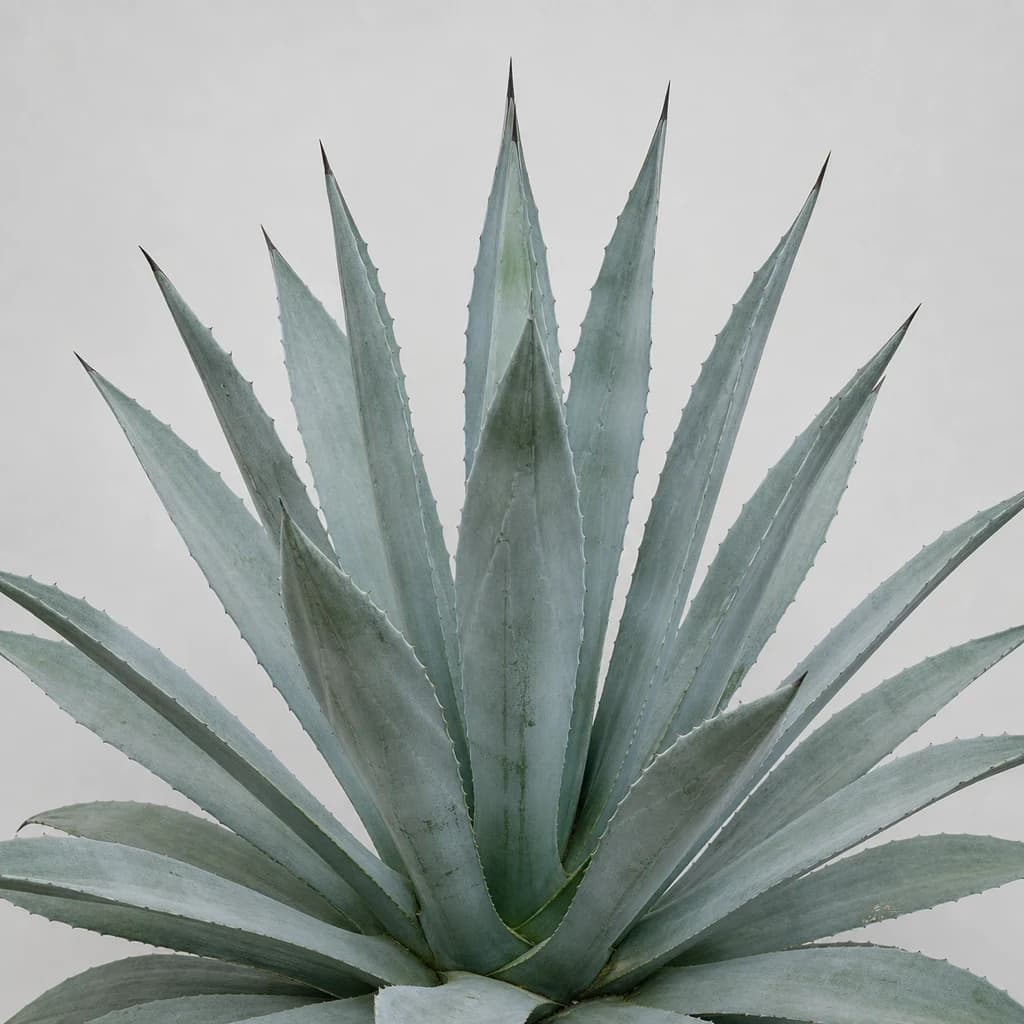
Tequila
Bright agave spirit for margaritas, palomas, and shots
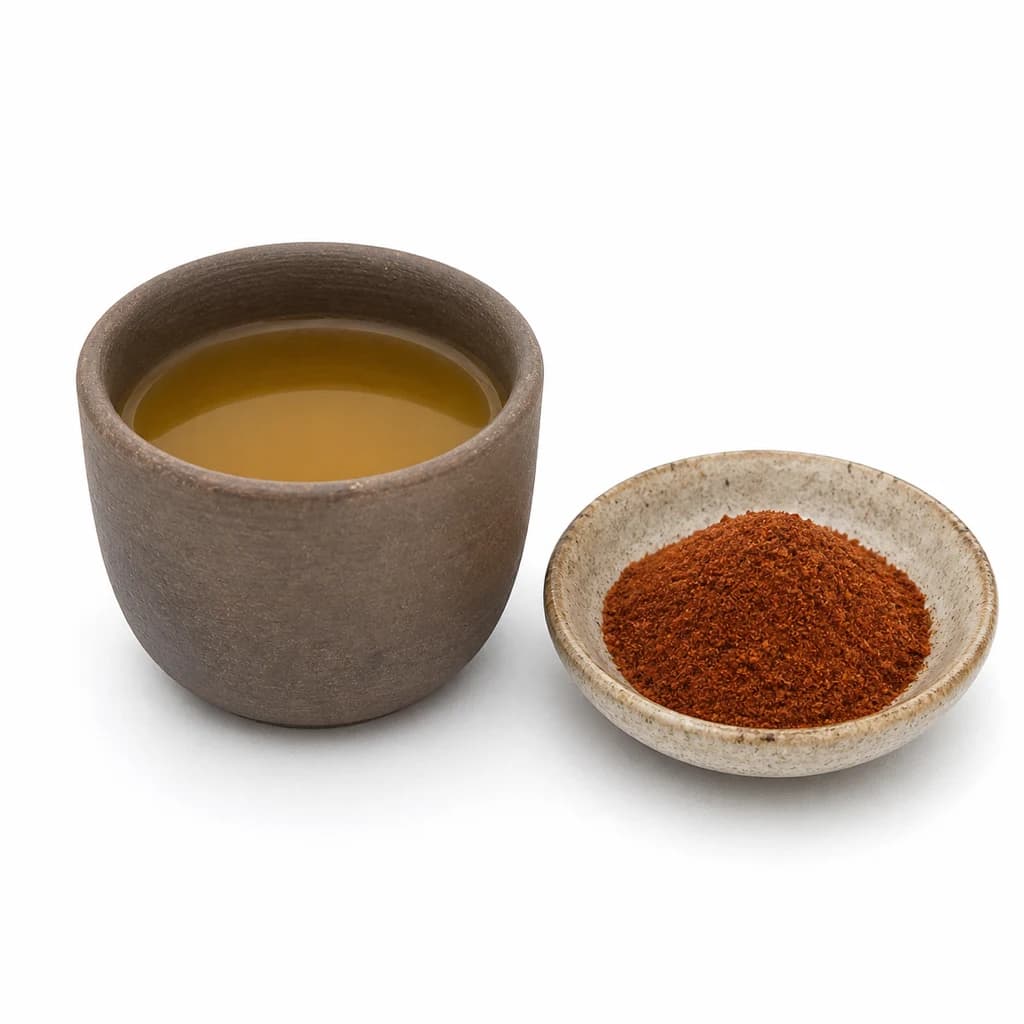
Mezcal
Smoky agave spirit for sipping and smoldering cocktails
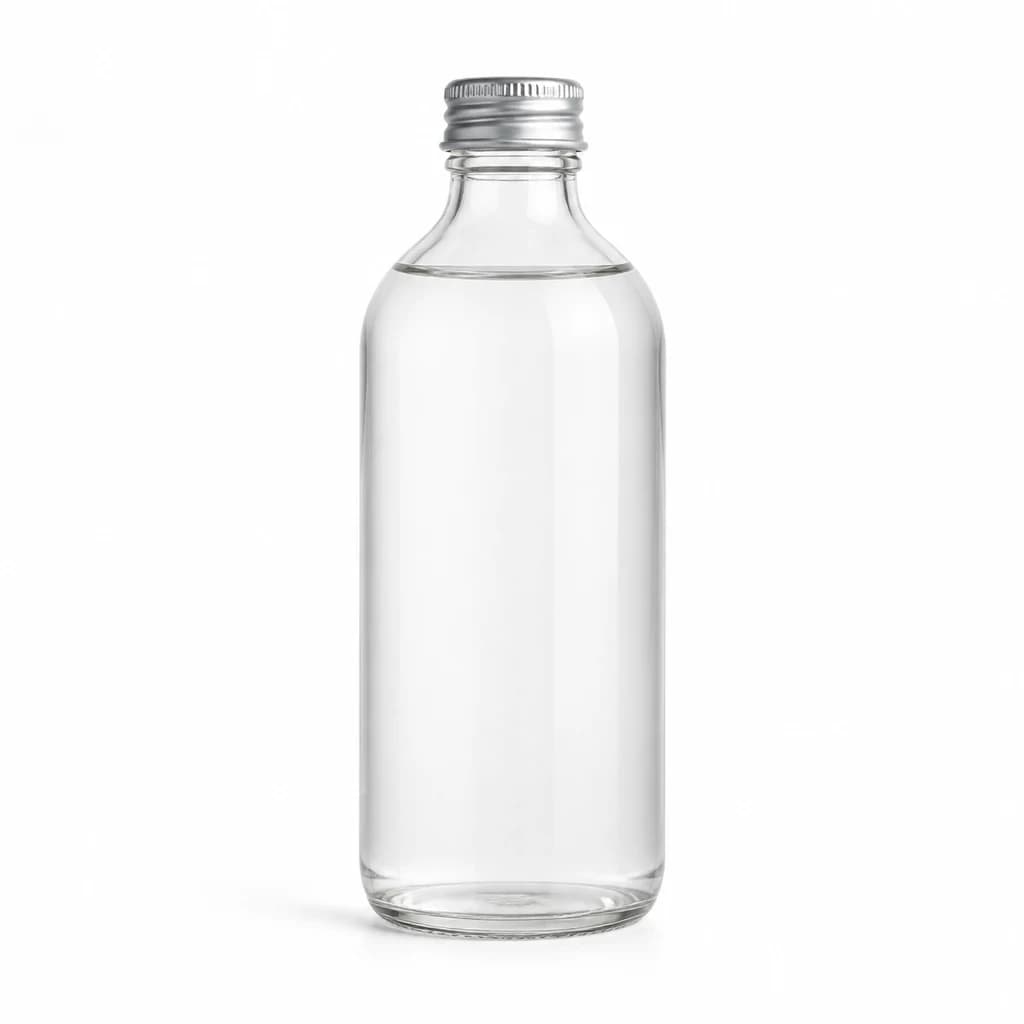
Vodka
Clean, neutral spirit for mixing into almost any cocktail
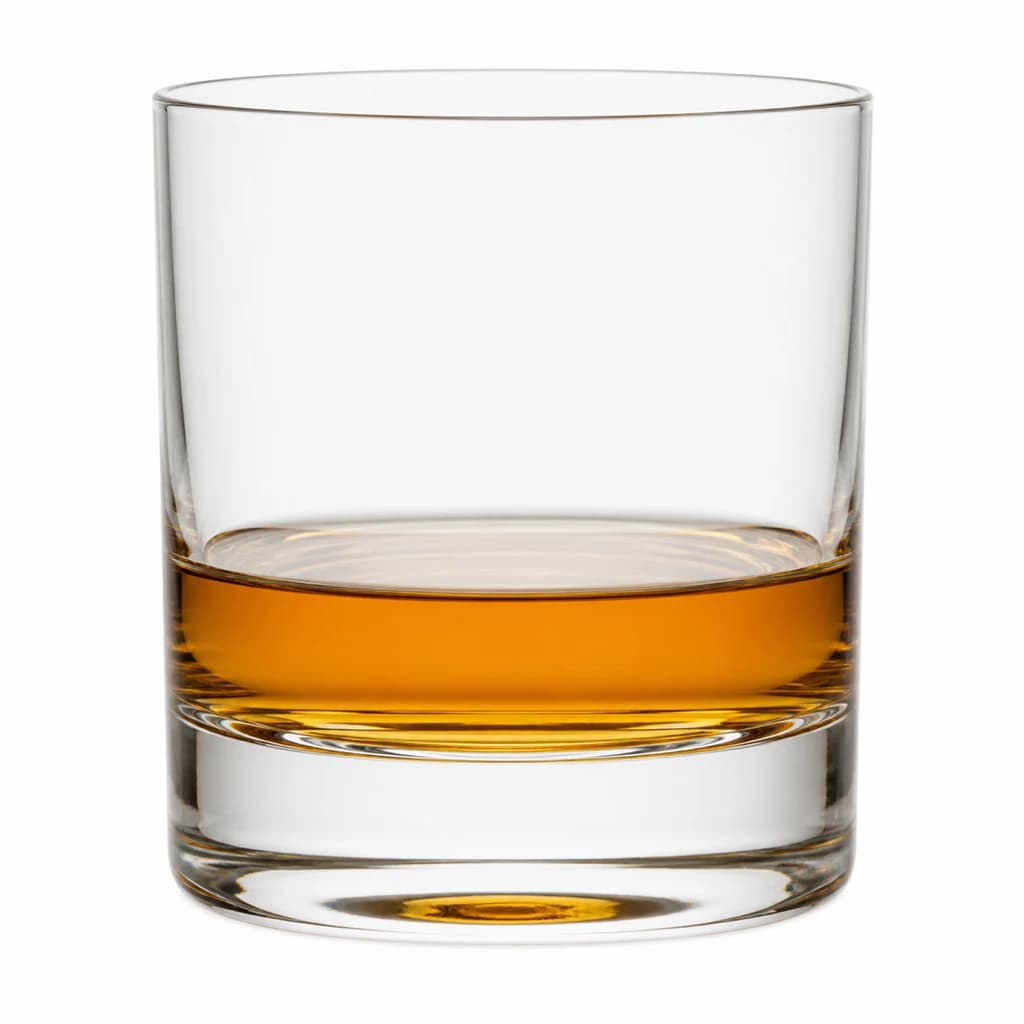
Whisky
Warm, oak-aged spirit for sipping and classic cocktails

Brandy
Rich, fruity grape spirit for sipping, sauces, and flambé
Pisco
Fragrant South American grape brandy for the pisco sour