
Natural form
A sealed bottle of dry vermouth showing its pale straw color through clear glass.
Shows the primary storage and retail form of dry vermouth, its characteristic pale color, and bottle shape that distinguishes it from other fortified wines.
Beverages
Dry Vermouth
Crisp, herbal fortified wine for martinis and cooking
Light, dry, and botanical, dry vermouth is the whisper in a martini and a fine substitute for white wine in cooking. Refrigerate once opened — it's a wine and fades.
Dry vermouth is a white wine fortified with a little spirit and aromatized with herbs, roots, and botanicals, then made in a crisp, low-sugar style. It tastes of green herbs, white flowers, and a clean wine acidity with a faintly bitter finish. Beyond the martini, dry vermouth is one of the most useful bottles in a cook's kitchen: it's a more aromatic, longer-keeping stand-in for dry white wine, perfect for deglazing, steaming shellfish, and building pan and cream sauces — and because it's fortified, an opened bottle lasts weeks in the fridge.
- Measured in
- ml
- Storage
- Refrigerate
Find it in
Types & varieties
Crispest, lowest sugar — martinis and cooking
Slightly sweeter, floral white style
How to use in cooking
Reach for dry vermouth anywhere a recipe says 'dry white wine' — it brings the same acidity plus a herbal lift, and it doesn't spoil quickly. Use it to deglaze a pan for chicken or fish, steam mussels and clams, brighten risotto, or build a beurre blanc. Add it early enough to cook off the alcohol; its botanicals survive gentle simmering.
How to store
Because it's fortified and aromatized, dry vermouth oxidizes slower than table wine but faster than spirits. Keep the opened bottle in the fridge and use within 1–3 months for the freshest flavor — past that it tastes flat and dull. Buy a smaller bottle if you cook with it occasionally.
Common uses
Tips & pitfalls
- Use it as a longer-keeping swap for dry white wine.
- Refrigerate after opening and use within a couple of months.
- Great for shellfish, beurre blanc, and risotto.
- Its herbal notes survive a gentle simmer — add early.
Nutrition
Nutrition
No USDA FoodData Central match for Dry Vermouth yet. We surface a per-100 g profile once a generic whole-food entry is matched and verified.
In the shops
Matched grocery products
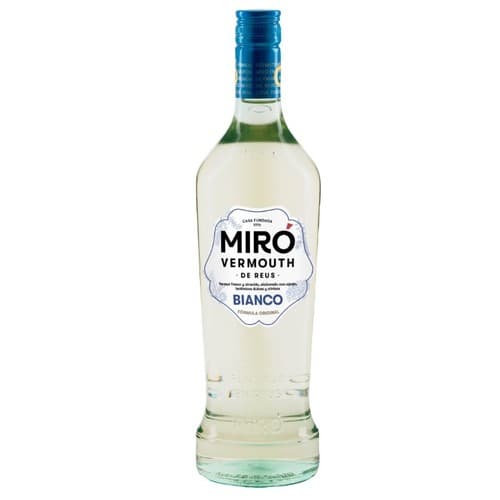 €7.95
€7.95MIRÓ White Vermouth
MIRÓ · l · Bonpreu
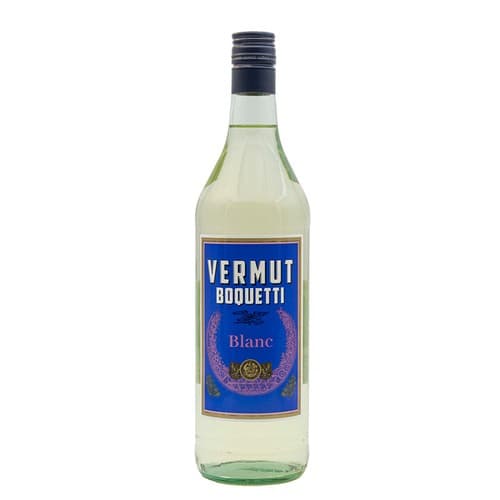 €2.99
€2.99BOQUETTI White Vermouth
BOQUETTI · l · Bonpreu
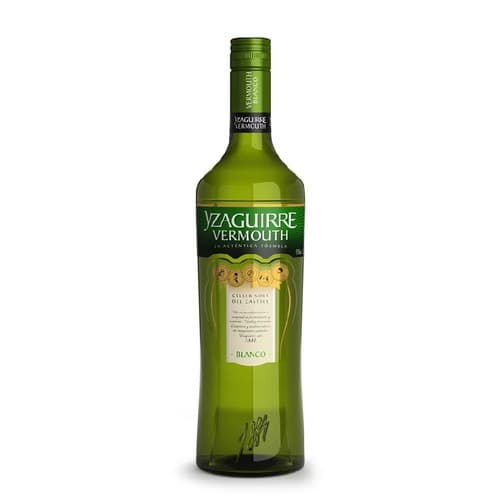 €7.95
€7.95YZAGUIRRE White Vermouth
YZAGUIRRE · l · Bonpreu
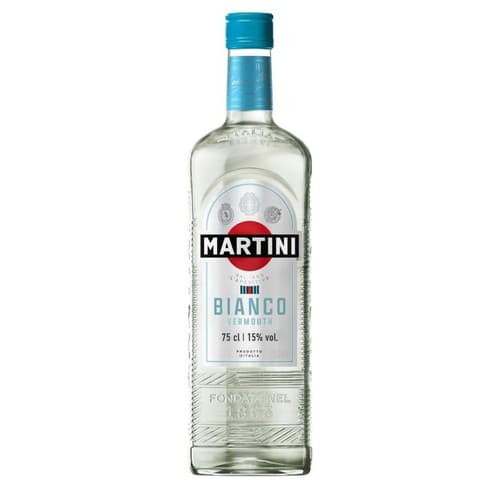 €8.99
€8.99MARTINI Sweet White Vermouth
MARTINI · l · Bonpreu
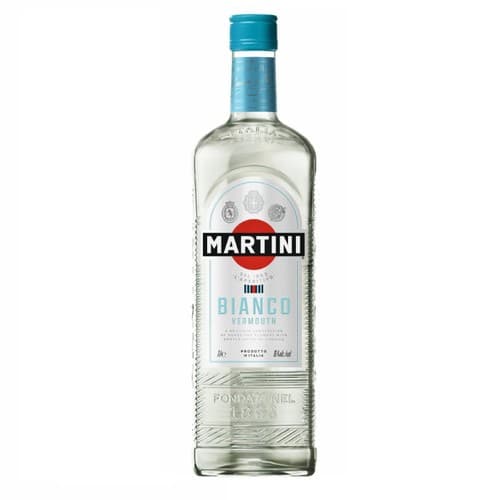 €11.89
MARTINI Sweet White Vermouth
MARTINI · l · Bonpreu
Good to know
- Flavor
- Herbal, floral, crisp, lightly bitter
- Use in cooking
- Deglazing, pan sauces, shellfish, risotto
- Alcohol?
- Yes — ~15–18% ABV (fortified wine)
- Substitute base
- Dry white wine, or white grape juice + lemon
- How to store
- Refrigerate after opening; keeps 1–3 months
Substitutes
- Dry white wine — Direct swap — slightly less herbal
- Dry sherry (fino) — Nuttier but works in many sauces
- White grape juice + lemon — Non-alcoholic: acidity and fruit, missing the herbs
Also called
dry vermouth · white vermouth · vermut blanco · vermut seco · vermú seco
Related

White Rum
Light, clean rum for mojitos, daiquiris, and piña coladas

Dark Rum
Rich, molasses-deep rum for tiki drinks and sipping

Tequila
Bright agave spirit for margaritas, palomas, and shots
Mezcal
Smoky agave spirit for sipping and smoldering cocktails
Vodka
Clean, neutral spirit for mixing into almost any cocktail
Gin
Botanical, juniper-forward spirit for G&Ts and martinis

Whisky
Warm, oak-aged spirit for sipping and classic cocktails

Brandy
Rich, fruity grape spirit for sipping, sauces, and flambé